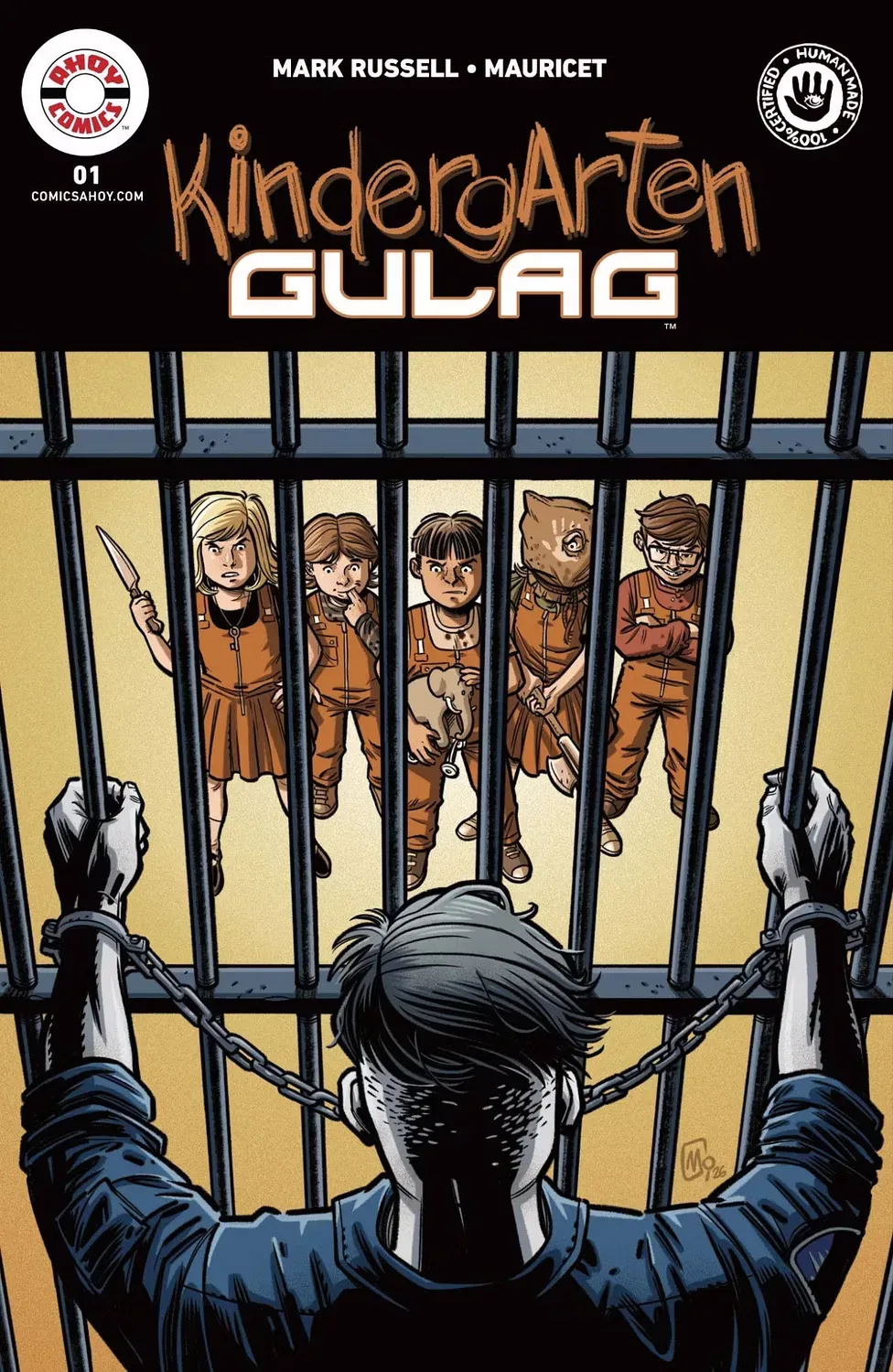
AHOY Comics has set Kindergarten Gulag #1, a new standalone comic from writer Mark Russell and artist and cover artist Mauricet, for January 27, 2027. The project reunites the pair after Thanksgiving, and its premise aims directly at the uncomfortable gap between childhood innocence and genuine danger.
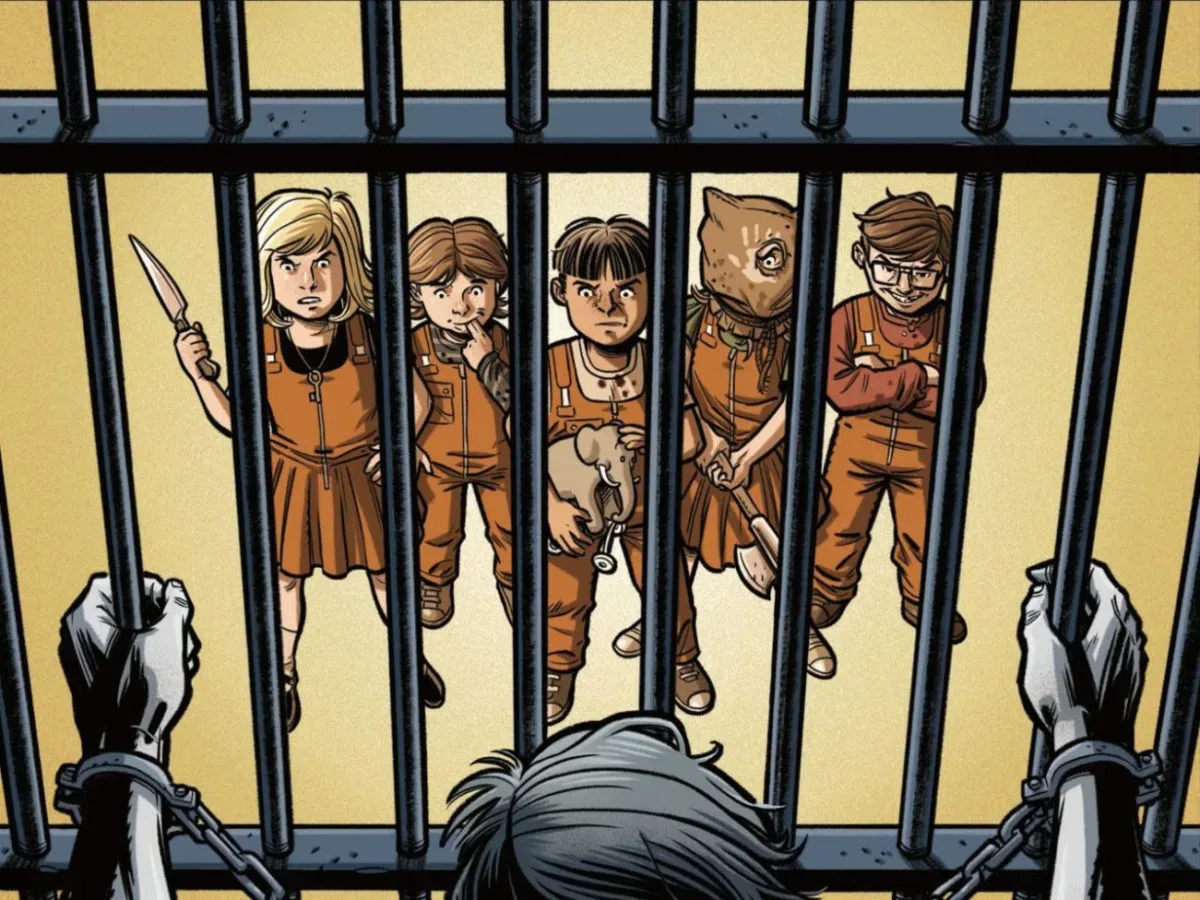
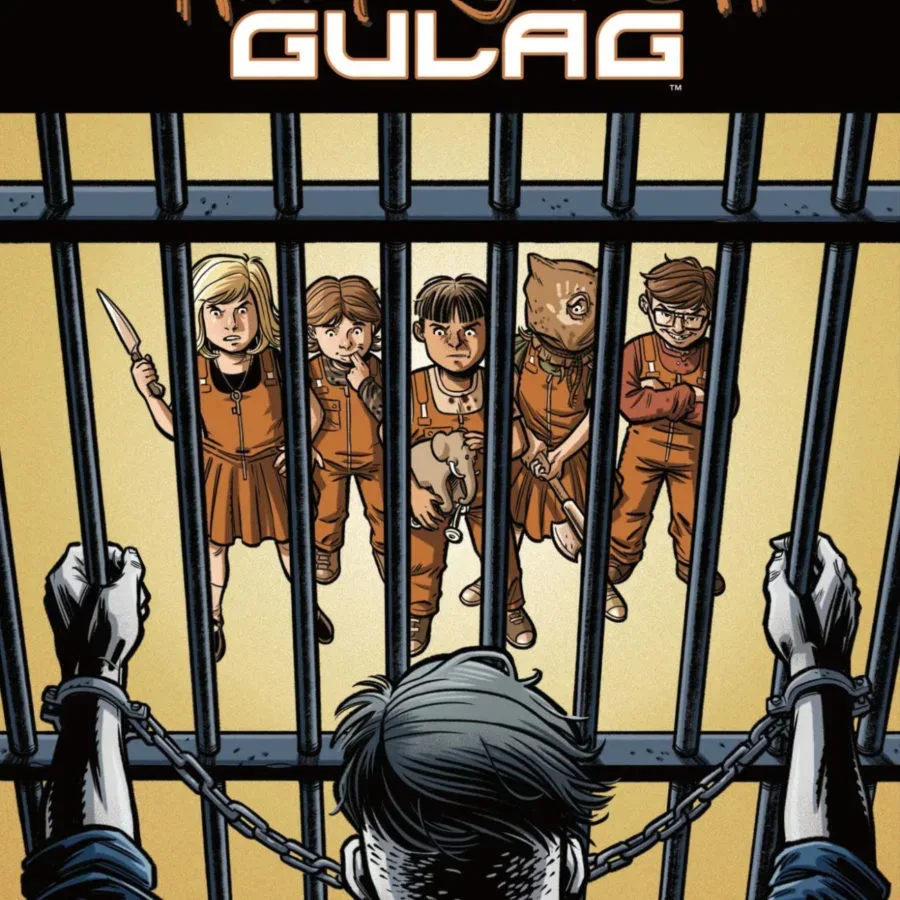
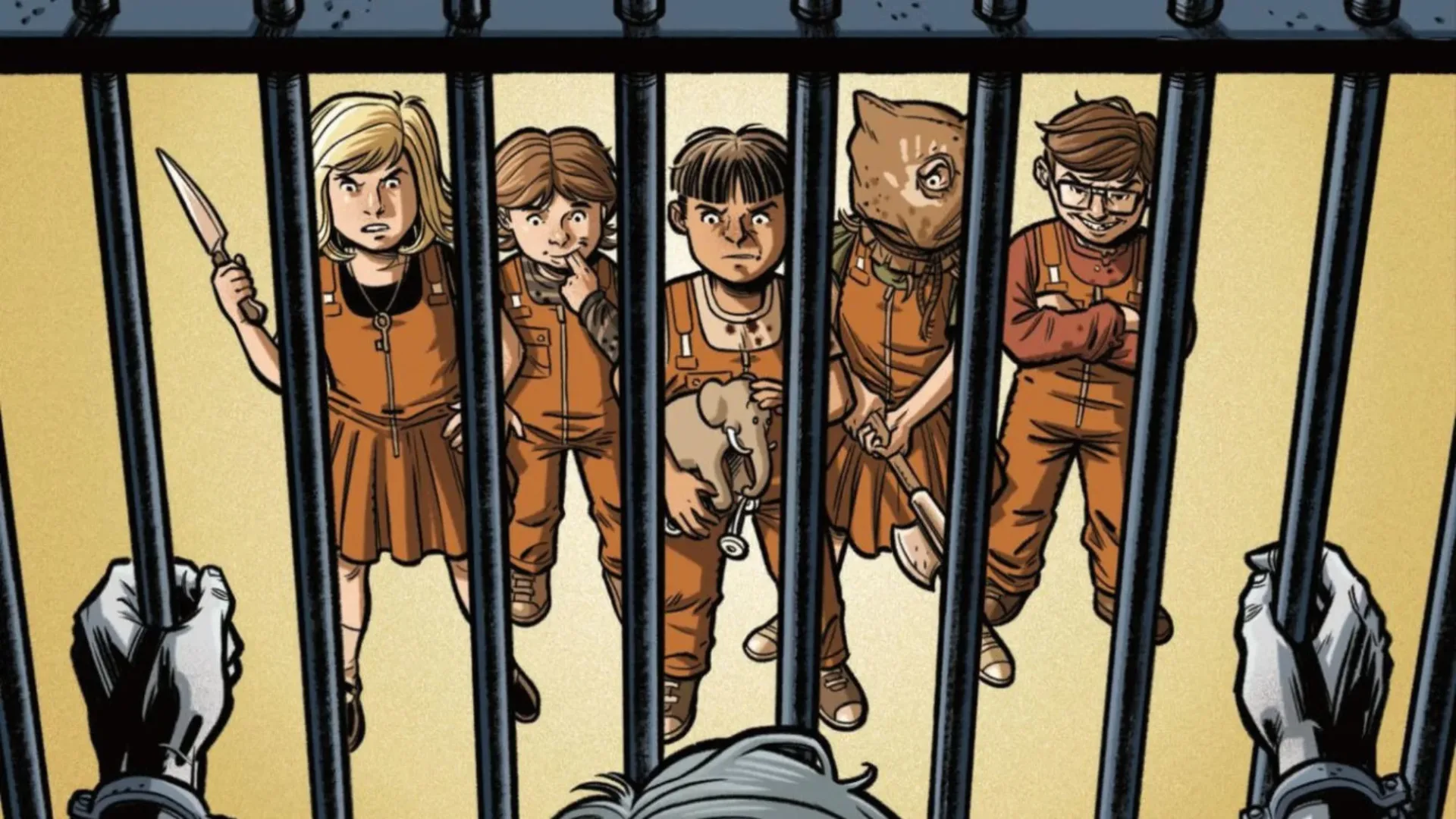
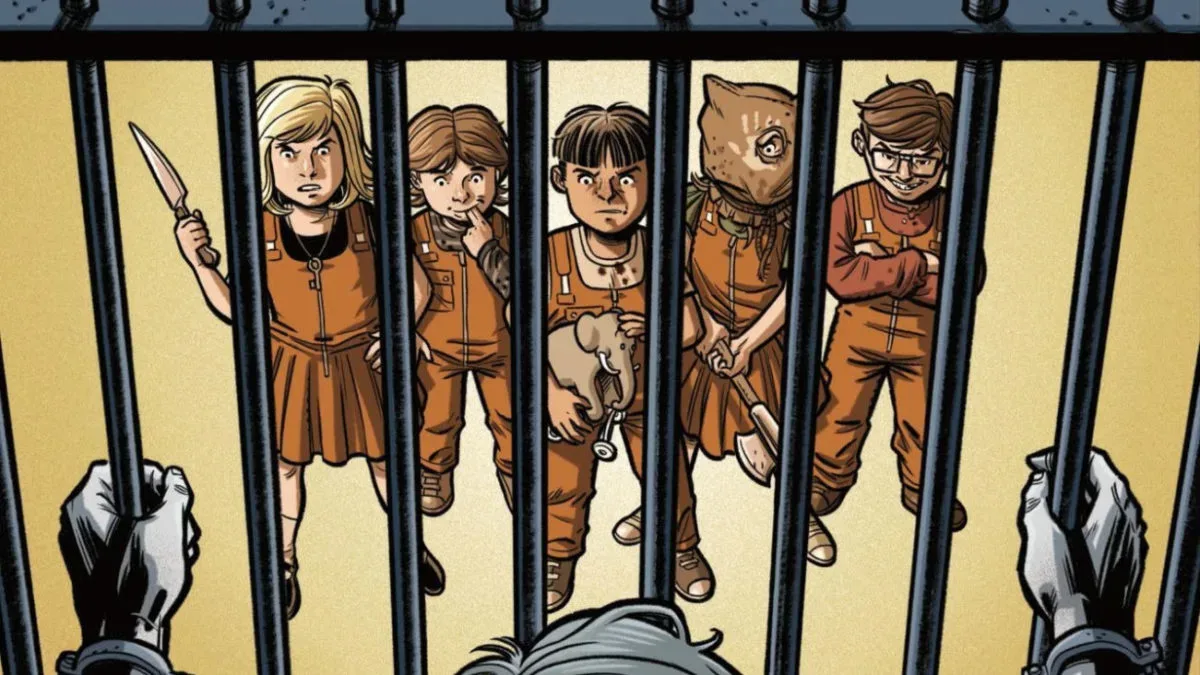
The one-shot centers on Igby, a pilot who awakens stranded on an island. He has a broken leg, is being held prisoner, and faces a particularly alarming ruling class: five-year-old children. The children running the prison are not merely playing at authority; they are debating whether they should kill him. Igby’s need to escape is therefore immediate, while his physical condition makes that escape far from simple.
It is an intentionally concise setup, but one with enough pressure built into it to support a complete story. A man accustomed to the practical demands implied by being a pilot is suddenly immobilized and dependent on captors whom adults would normally presume to be harmless. That reversal is the engine of the book’s unease.
A one-shot designed to leave a mark
Kindergarten Gulag #1 is listed as “of 1,” meaning it is a one-shot rather than the first chapter of a continuing miniseries. In comics terms, a one-shot is a self-contained issue: readers should be able to pick it up without waiting for later installments to provide the ending. That format can be especially suited to a high-concept, unsettling premise such as this one, where the story’s strength may lie in following a disturbing idea to its conclusion rather than extending it across multiple issues.
The title and description suggest an uneasy blend of dark comedy and menace. The comedy comes from the inherently absurd image of very young children exercising institutional power over an adult. The menace comes from the fact that the children’s argument has life-or-death stakes, while Igby is injured and isolated. Neither side of that contrast cancels out the other. Instead, the absurdity makes the danger stranger, and the danger prevents the situation from becoming a simple joke.
Russell has described Igby as stranded on an island and imprisoned after waking up with the broken leg. The stated survival problem is clear: escaping child captors may sound easy in theory, but it is not easy when the prisoner cannot move freely and the captors control the immediate environment. The premise makes vulnerability—not brute strength—the key condition of the story.
Russell and Mauricet return after Thanksgiving
Kindergarten Gulag brings Russell and Mauricet back together after their earlier AHOY Comics one-shot Thanksgiving. Their new collaboration is also being framed as a chilling but darkly funny story, continuing a creative pairing associated here with a willingness to use an outlandish scenario for sharper, more unsettling material.
Mauricet characterized the completed work with terms including disturbing, creepy, unsettling, and uncanny. “Uncanny” is useful language for the premise: it describes something that is familiar enough to recognize but wrong enough to create discomfort. Children are familiar; a prison administration composed of children deciding an adult’s fate is recognizably structured like authority while being profoundly abnormal. That familiar-but-wrong feeling is central to the book’s hook.
The artist also indicated that the title alone drew him into the project before he knew the full story. That response speaks to the title’s deliberate collision of concepts. “Kindergarten” evokes the earliest stage of organized education and a setting generally linked with care and learning. “Gulag” evokes imprisonment and coercion. Placing those words together creates the same clash that defines Igby’s situation: institutions and behavior usually associated with childhood are positioned beside confinement, injury, and survival.
Why the premise has more bite than its elevator pitch
At a glance, an adult outwitted by children could sound like broad comedy. The available details point somewhere more pointed. Igby is not simply inconvenienced by precocious kids, nor is he described as a visitor in a make-believe kingdom. He is a sole inmate, physically hurt, and faced with captors considering whether he lives. The distinction matters because it changes the question from “How does the adult take charge?” to “What happens when all of an adult’s assumed advantages fail?”
That inversion can also make the reader reconsider the normal language used around innocence. The book’s stated focus is on the innocent things that can hurt us most. It does not mean children themselves are being presented as a single simple category; rather, the premise turns an expectation—young children as incapable of serious threat—into a source of anxiety. The horror is rooted in the mismatch between appearance and consequence.
There is also a logistical edge to the setup. Igby’s broken leg makes escape a problem of limitations. He cannot simply rely on speed, physical dominance, or a clean getaway. An island narrows the available exits, and imprisonment means his captors already hold the advantage. Those details give the story a survival framework without requiring the comic to be an action serial. The tension can arise from what Igby knows, what he can physically do, and whether the children’s shifting debate leaves him any time to act.
What readers can expect—and what remains unknown
The announced details establish the creative team, the one-shot format, Igby’s role as a pilot, his injury, the island location, and the children’s control of the prison. They do not establish how Igby arrived there, why the children have taken control, whether anyone else is on the island, or how the debate over his fate will end. Those omissions are part of the premise’s appeal: the book is being introduced through its central nightmare rather than its explanation.
Likewise, no broader series or sequel has been indicated. The issue is specifically positioned as a single, complete comic, and the creative commentary emphasizes the lingering effect the story may have precisely because readers will not be moving directly into a second installment. For comic readers who like self-contained work, that makes the January release date significant: it is an entry point with a defined commitment rather than an open-ended monthly run.
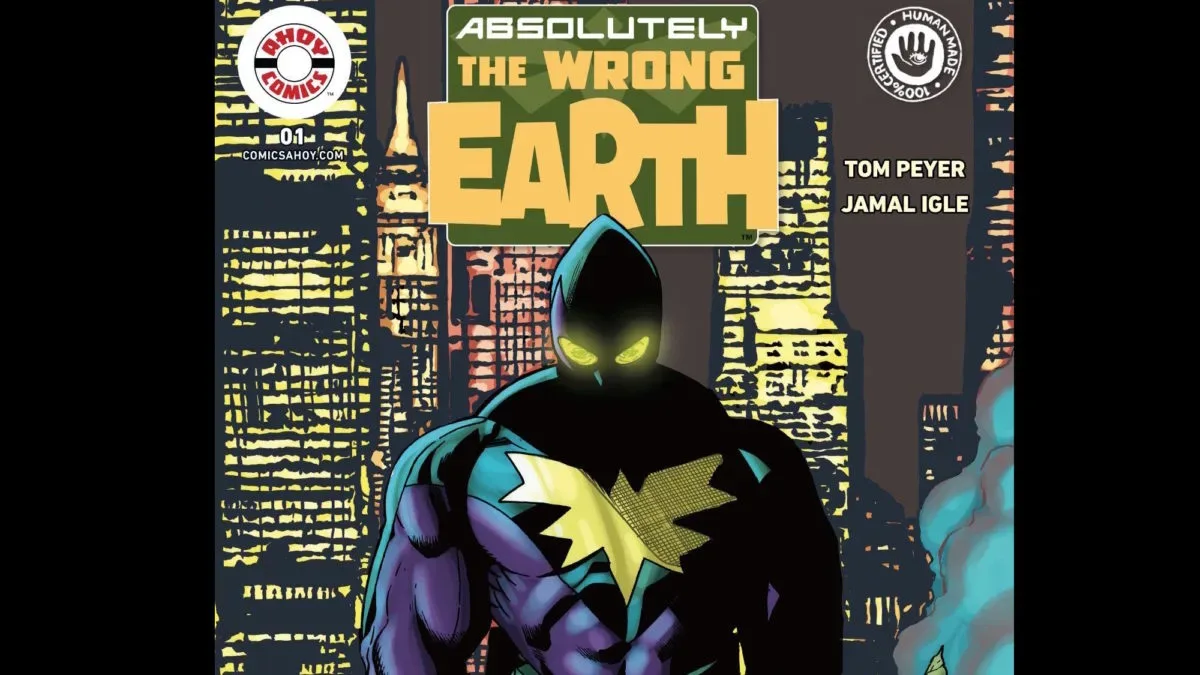
The project also arrives among other forthcoming 2027 standalone comics, including AHOY’s Absolutely The Wrong Earth one-shot. While the two books have distinct premises, their one-shot structures underline how a single issue can serve as a focused vehicle for a particular strange idea.
Release details
- Title: Kindergarten Gulag #1
- Format: One-shot
- Writer: Mark Russell
- Art and cover: Mauricet
- Publisher: AHOY Comics
- On-sale date: January 27, 2027
With its isolated setting, injured protagonist, and deeply unnerving child captors, Kindergarten Gulag is shaping up as a compact comic built around a question no adult wants to have to answer: how do you negotiate for your life when the people holding the keys are five years old?