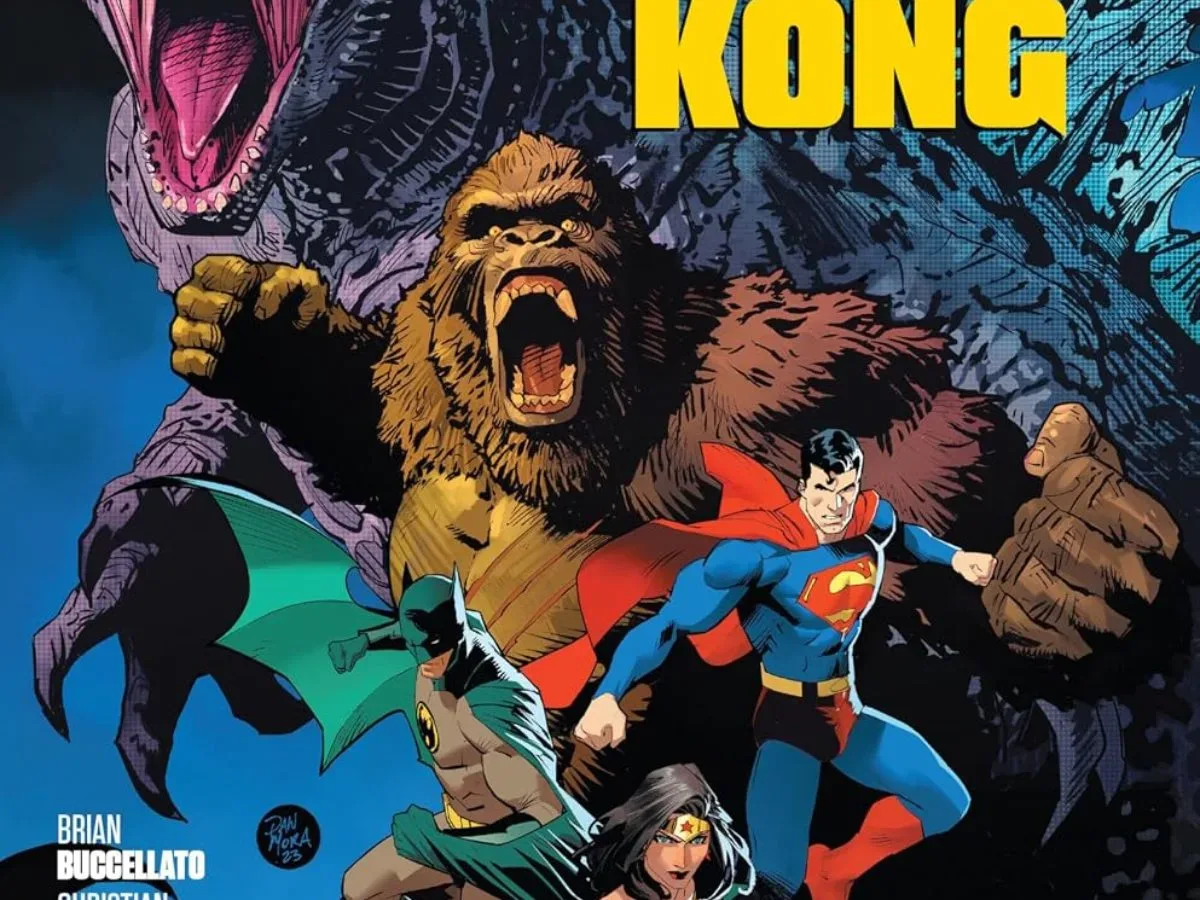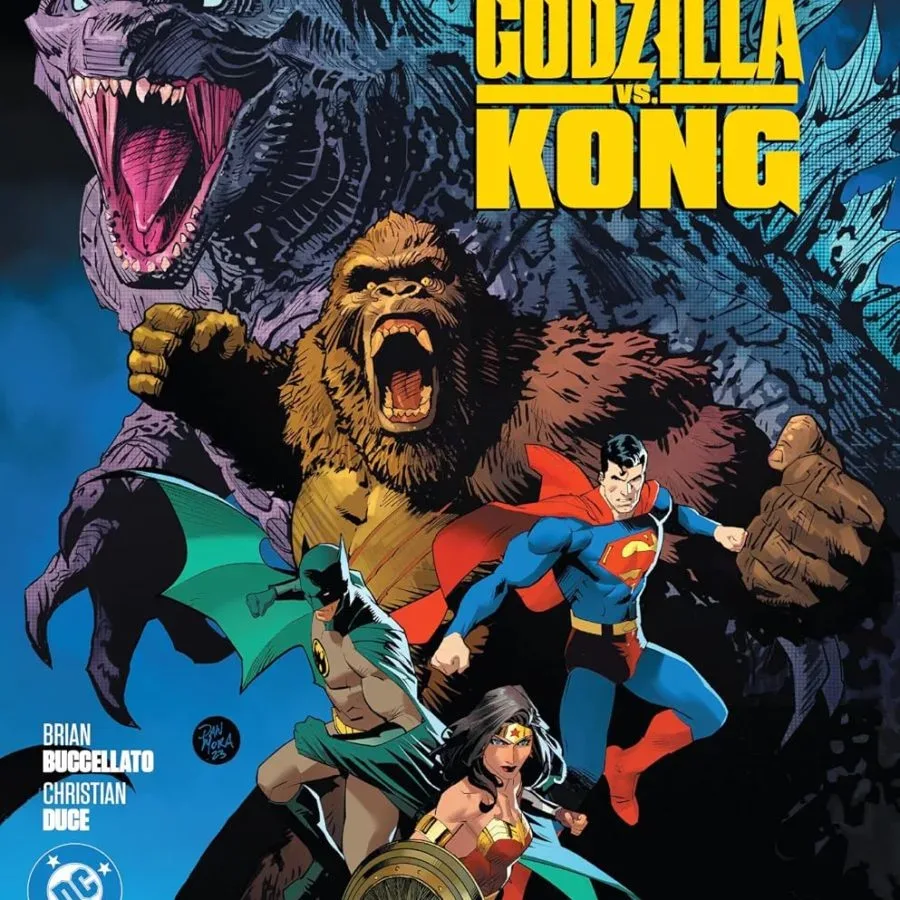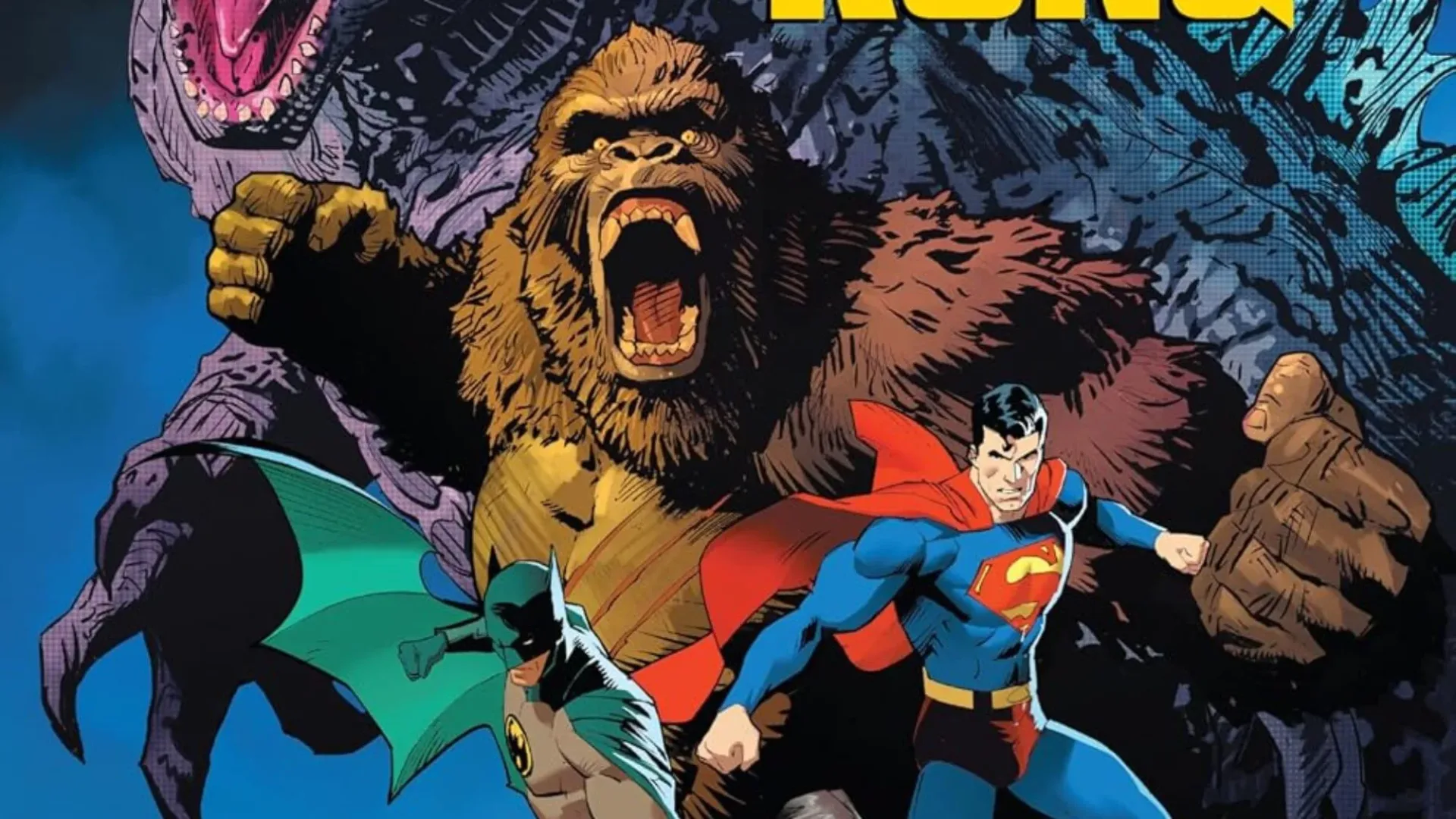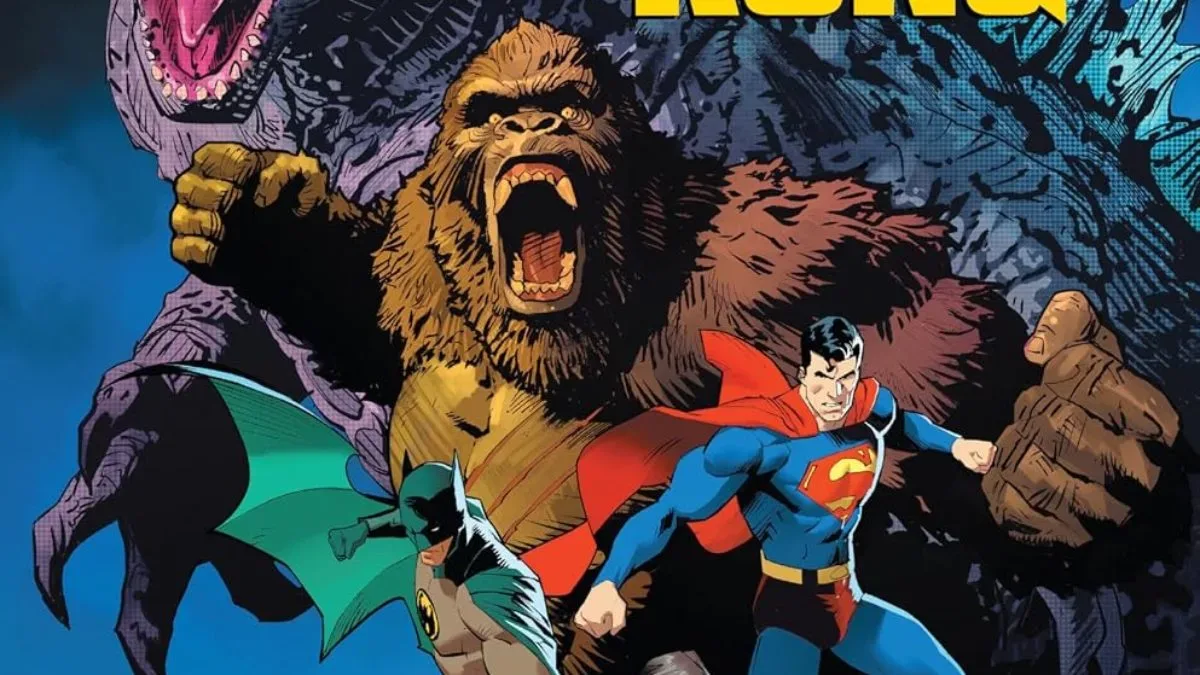
DC has revealed Justice League vs. Godzilla vs. Kong III, a third installment in its superhero-and-Titan crossover line. The major change is the setting: the new chapter will travel to Earth-3, DC’s alternate world ruled by the villainous Crime Syndicate rather than the Justice League.
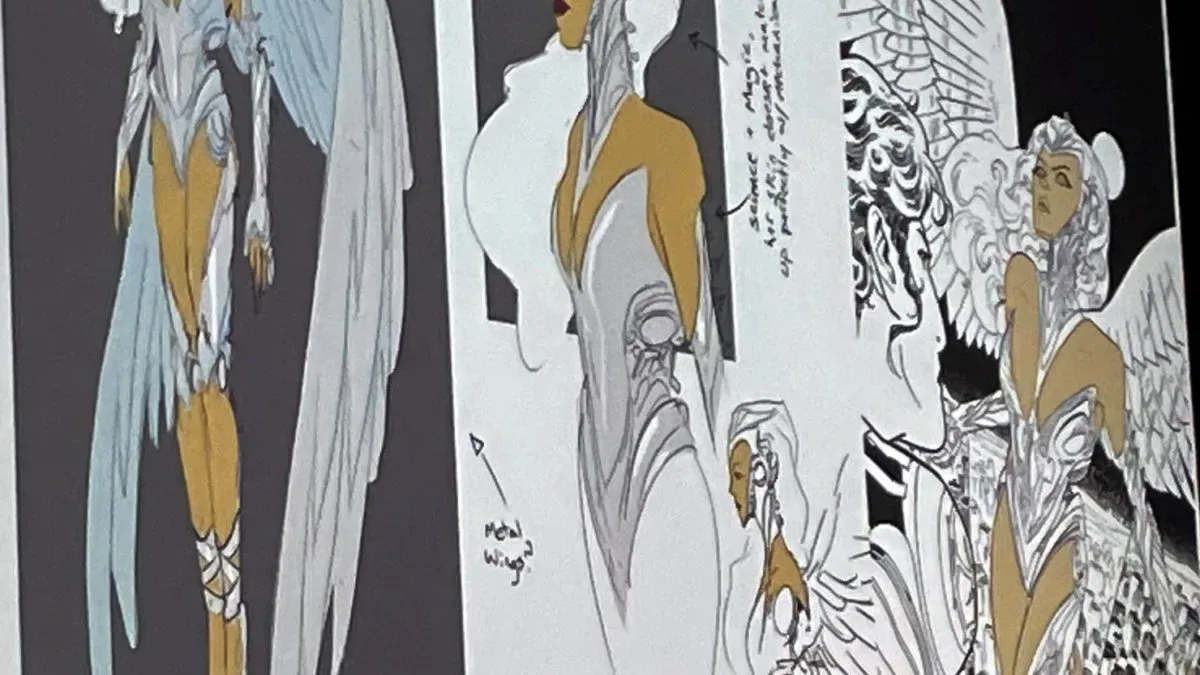
The premise takes the crossover beyond a simple rematch between familiar heroes and MonsterVerse creatures. Earth-3 is built around inversions: its dominant super-powered figures are evil counterparts to DC’s heroes, including Ultraman, Owlman, Superwoman, Power Ring, and Johnny Quick. The new series will also introduce Earth-3 versions of Godzilla and Kong, extending that upside-down premise to the Titans.
What Earth-3 means for the third crossover
In DC terminology, a multiverse is a collection of parallel worlds. Earth-3 is one of its most recognizable alternate settings because its central reversal is structural, not cosmetic. The traditional champions did not simply turn bad for an issue; villainy became the world’s governing force. The Crime Syndicate occupies the role that the Justice League holds on the main DC Earth.
That gives Justice League vs. Godzilla vs. Kong III a notably different starting point from its predecessors. Instead of asking how DC’s heroes cope with enormous creatures arriving in their world, the story begins with a small, struggling group of remaining Earth-3 heroes. They travel to the main DC Earth with a goal: recruiting Godzilla.
That framing suggests Godzilla is not merely a destructive obstacle or a weapon for a conventional villain to seize. In a world where the Crime Syndicate already holds power, bringing the King of the Monsters into the conflict could make him a desperately needed counterweight. Just how willing Godzilla will be to serve anyone’s plan, naturally, remains an open question.
The Crime Syndicate’s long-running role in DC stories
The Crime Syndicate is DC’s most enduring evil mirror of the Justice League. The concept dates back to the Silver Age, when Gardner Fox and Mike Sekowsky created the villainous parallel-world counterparts. It has been revisited and reworked numerous times as DC’s continuity has changed.
That history makes Earth-3 an especially fitting place for a crossover based on scale and contrast. Godzilla and Kong are already characters whose presence transforms the terms of a battle; an Earth where the world’s leading “superheroes” are ruthless rulers turns that disruption in another direction. The appeal is less about seeing a one-to-one hero-versus-monster matchup and more about watching an already hostile power structure deal with forces it cannot easily control.
Readers familiar with the Crime Syndicate will recognize the shorthand behind its major figures. Ultraman fills the dark counterpart role to Superman, Owlman mirrors Batman, Superwoman reflects Wonder Woman, Power Ring parallels Green Lantern, and Johnny Quick is the Syndicate’s speedster. Their arrival places the series in a DC setting where the usual moral center has been deliberately removed.
It also raises a key dramatic distinction for the crossover: a Justice League fighting Titans generally implies rescue, containment, or survival. A Crime Syndicate fighting alternate Titans may involve domination, exploitation, or eliminating threats to its rule. The exact roles of Earth-3 Godzilla and Kong have not been detailed, but their existence gives the series a way to make its monsters as much a part of the parallel-world premise as its costumed characters.
A new character connected to Apache people and nuclear history
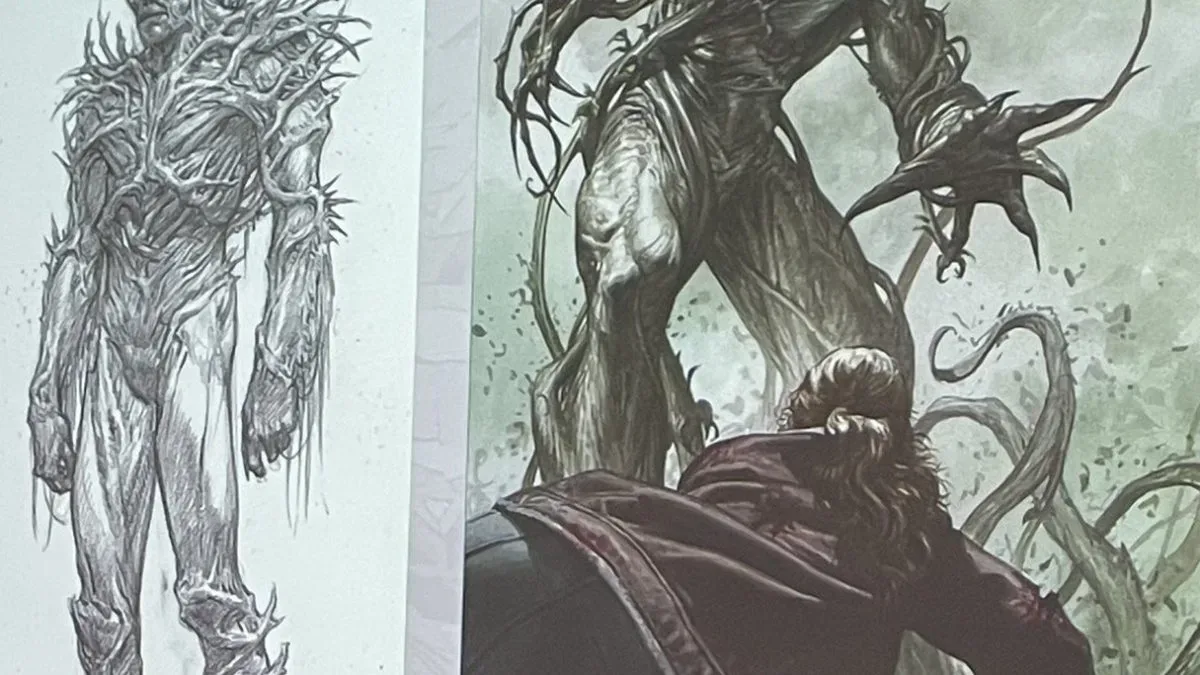
The announcement also included plans for a new Bat Kaiju connected to Apache people. The character is tied to a reworked version of Apache Chief, a figure from the older Super Friends cartoons.
DC leadership acknowledged that Apache Chief carries issues that need to be addressed. The stated approach connects the new character to the history of nuclear testing experienced by Apache people. The connection also speaks to a foundational element of Godzilla: the character has long been understood as a cultural response to the nuclear bombings of Japan.
Kaiju is a Japanese term commonly used for giant monsters, and it has become an international genre label for stories centered on colossal creatures. A Bat Kaiju, then, indicates a new giant-monster concept associated with the Bat side of the DC universe. Beyond that high-level description and cultural connection, no further details about the character’s powers, design, publication format, or role in the plot were disclosed.
This is an area where the eventual comic’s execution will matter more than the premise alone. The announcement establishes an intent to rethink an older concept rather than simply bring it back unchanged. It also identifies nuclear history as a meaningful thematic link between the new character and Godzilla, rather than treating the crossover’s monsters as spectacle without context.
How the first two series set up a larger collision
The first Justice League vs. Godzilla vs. Kong series brought Legendary’s MonsterVerse into the DC Universe after the Legion of Doom opened a dimensional portal. Its conflict spread across prominent hero-and-monster pairings, with Superman facing Godzilla, Supergirl confronting Kong, Wonder Woman battling Behemoth, Green Lantern taking on Scylla, and Batman meeting Camazotz.
Brian Buccellato wrote that first seven-issue series, with Christian Duce on art. Its basic engine was a collision between the Justice League and creatures displaced into a new universe, while Lex Luthor and the Legion of Doom sought to turn the Titans to their advantage.
The second series continued the crossover with Amanda Waller and Task Force X pursuing hybrid Titans engineered for control. The Justice League returned to Legendary’s Earth and headed into Hollow Earth, the subterranean realm associated with Kong’s territory, while trying to stop a threat that could reshape both worlds. That installment was also credited to Buccellato, with Duce.
Those first two premises established two complementary types of crossover story: the monsters invading DC territory, then DC heroes venturing into the MonsterVerse’s territory. The third chapter’s Earth-3 setup makes the next escalation a matter of perspective. The story is not only crossing worlds; it is entering a world where the familiar hierarchy of heroes and villains has been reversed.
What has and has not been confirmed
At this stage, the confirmed picture is focused on the broad concept. Justice League vs. Godzilla vs. Kong III is planned as a multiversal third chapter set on Earth-3; the Crime Syndicate will be part of that setting; alternate Earth-3 versions of Godzilla and Kong are involved; and the opening involves remaining Earth-3 heroes coming to the main DC Earth to seek Godzilla’s help.
The announcement did not provide an issue count, release date, creative team, cover art, or a detailed explanation of how the Earth-3 Titans differ from their better-known counterparts. It also did not establish which specific Earth-3 heroes are in the surviving group beyond the reworked Apache Chief-related element.
For DC readers, Earth-3 is a familiar pressure-cooker setting: a place that can test what heroism means when the dominant institutions are openly corrupt. For MonsterVerse fans, the prospect of alternate Godzilla and Kong versions is the new hook. And for the crossover itself, the third volume has a clear way to avoid repeating the first two: it is moving to a universe where even the notion of who should be trusted has been fundamentally scrambled.
The reveal arrived during New York Comic Con, whose broader programming has also put the convention in the spotlight this year, including the removal of a planned panel for Tomi Adeyemi’s The Siren. For Justice League and MonsterVerse readers, though, the immediate takeaway is straightforward: the next collision will not just pit heroes against Titans. It will bring giant monsters into DC’s most famously villain-run world.
Shop the products
Check current price, model and availability at the retailer.