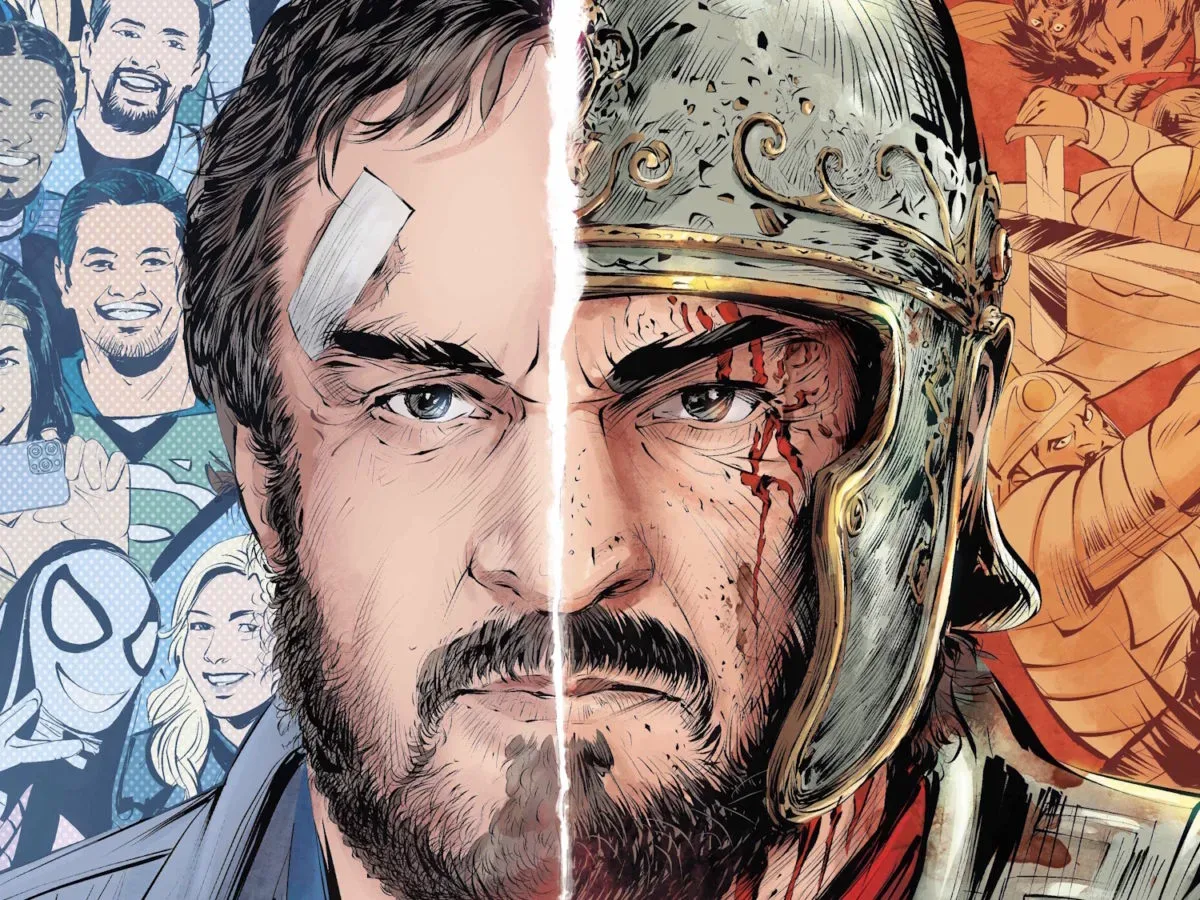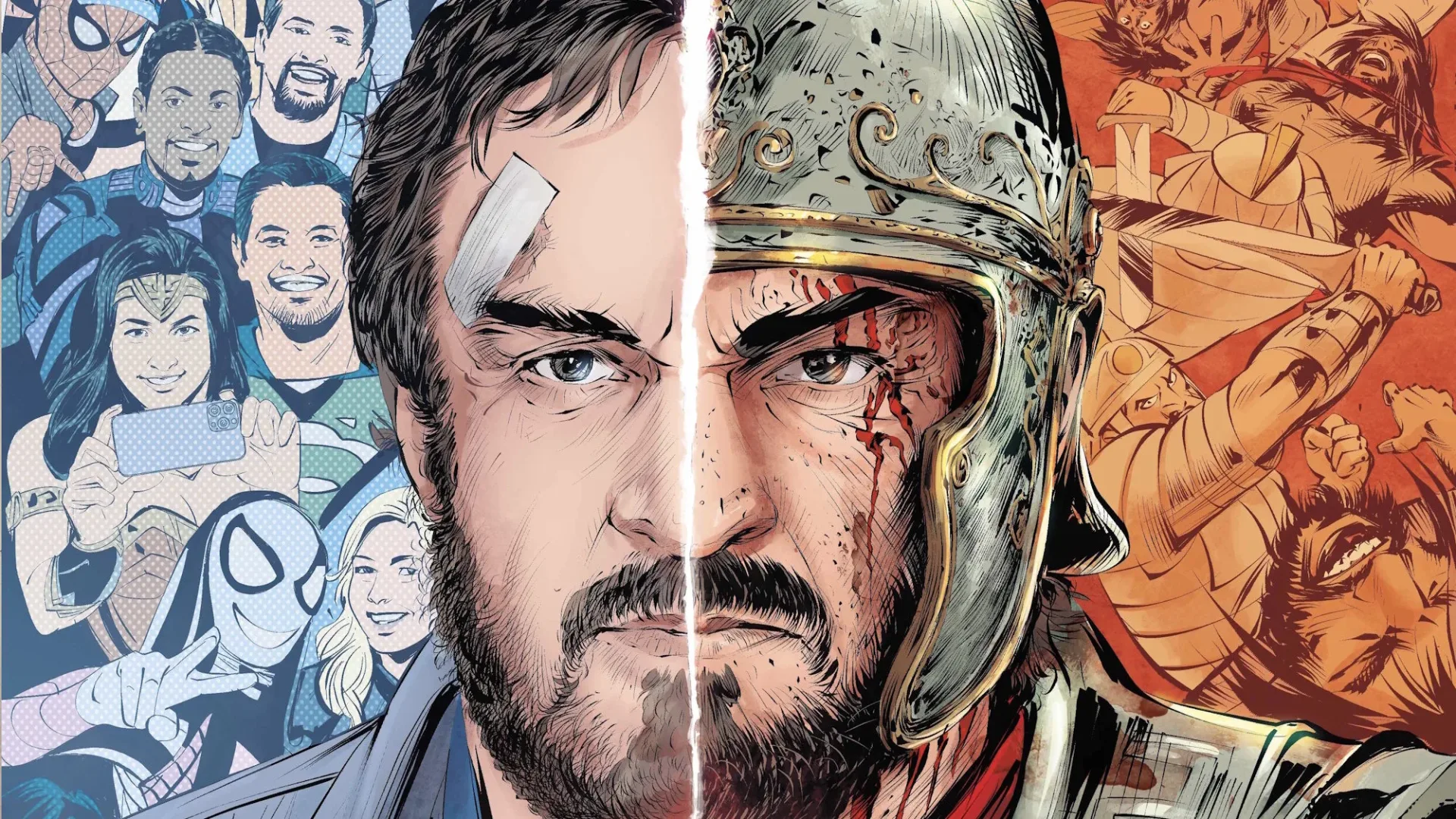
John Rhys-Davies is moving from the screen into a distinctly self-referential comics role with JRD: The Lost Legion, a graphic novel in which he co-writes the story and appears as its central character. The full-colour hardback is planned to ship in December 2026 and is currently being offered as a numbered edition.
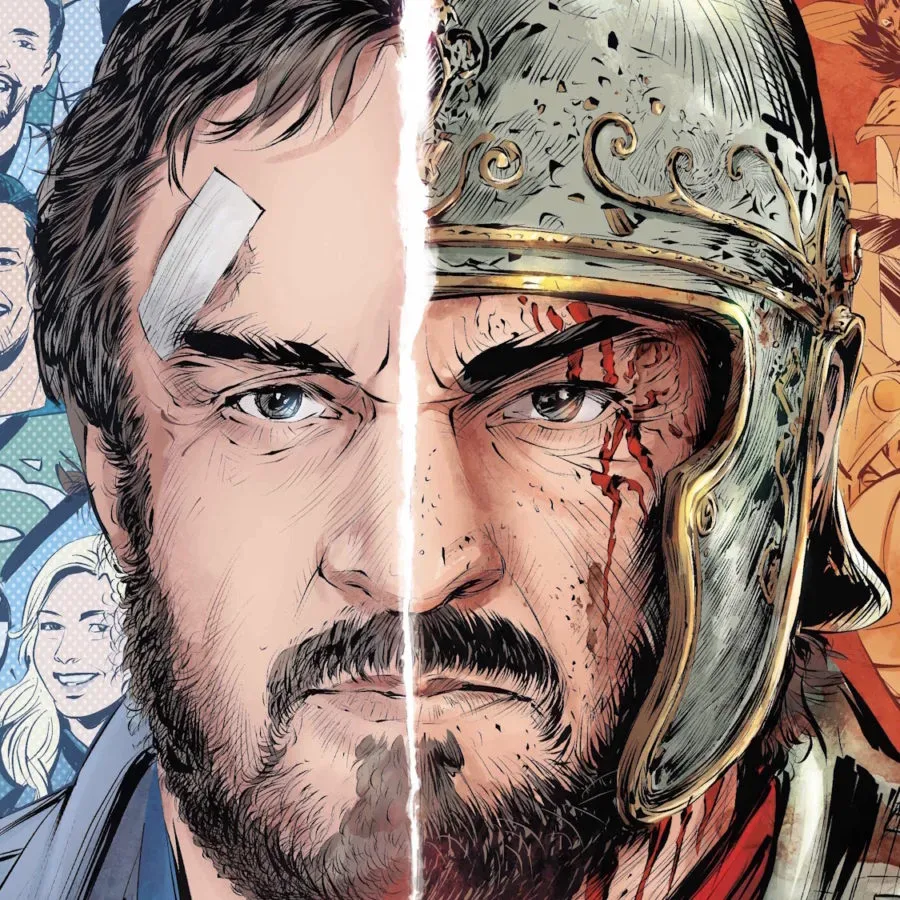
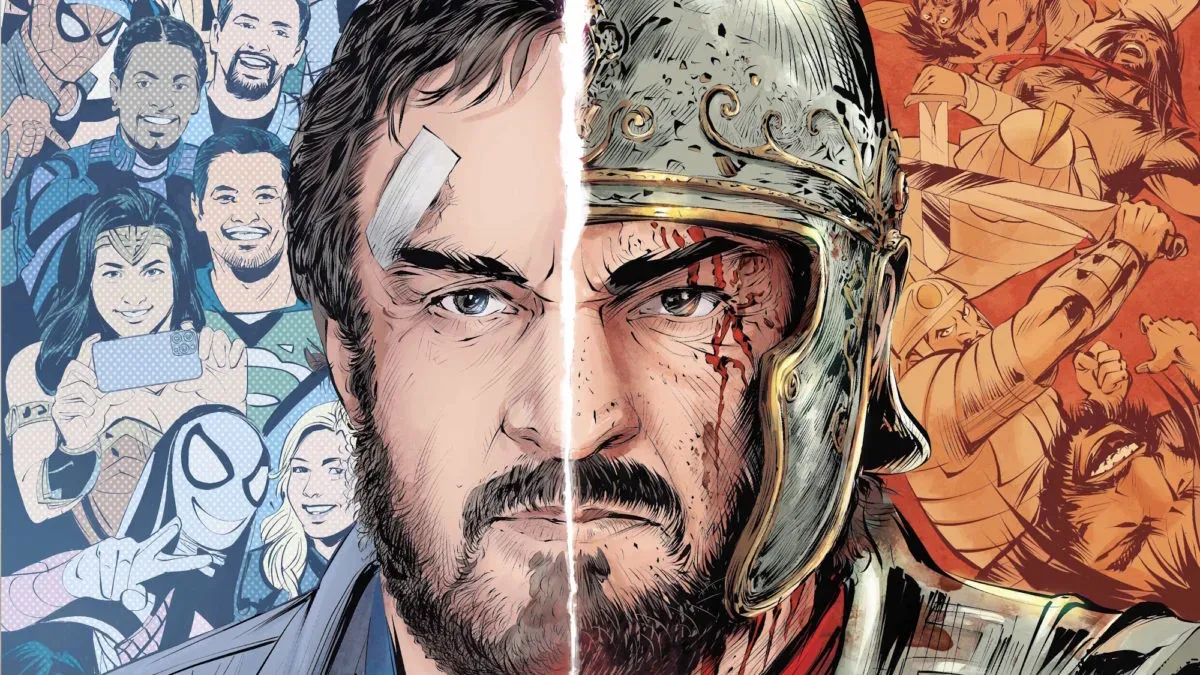
The premise puts a fictionalized version of the actor at the centre of a reality-bending mystery. After a head injury, John Rhys-Davies begins shifting between present-day life and ancient Rome. The story’s key question is deliberately unstable: is the character experiencing a mental collapse, or is somebody else reshaping reality around him?
“After suffering a head injury, actor John Rhys-Davies begins slipping between the present day and ancient Rome. He must confront an impossible question – is he losing his mind, or is a mysterious figure manipulating the very fabric of his reality?”
A graphic novel built around its co-writer
The project is an unusual combination of celebrity likeness comic, historical mystery and speculative fiction. Rhys-Davies is not merely lending his name to the cover: the book positions him as a co-writer and makes him the protagonist. Neil Gibson co-created the concept with Rhys-Davies. Gibson founded Twisted Comics, the publisher behind graphic-novel adaptations of Black Mirror.
That framing matters because The Lost Legion does not appear to be a straightforward tale of an actor visiting the past. Its stated setup leaves room for competing explanations. Ancient Rome may be a literal destination, an altered perception, or part of an outside manipulation. With only the central premise available, the exact nature of the legion, the identity of the mysterious figure, and how the two time periods connect have not been detailed.
“Reality-bending” is often used loosely, but here it describes a story designed around uncertainty in what the protagonist—and by extension the reader—can trust. The tension is not simply whether Rhys-Davies can escape danger in Rome. It is whether the rules of the world itself have become unreliable.
The creative team behind The Lost Legion
Atula Siriwardane is drawing the graphic novel, with colours by Agnese Pozza and lettering by Rob Jones. That is a useful division of labour to note in a comics project: the artist is responsible for the sequential visual storytelling, the colourist shapes tone and visual emphasis, and the letterer handles the dialogue, captions, sound effects and page-level readability that guide a reader through the art.
Siriwardane is identified as a Sri Lankan artist, while Pozza is an Italian artist. Their involvement gives the book a creative team beyond its high-profile co-writer, rather than presenting it as solely a celebrity vehicle. For prospective readers, that distinction is important: an actor’s likeness may be the initial draw, but comics ultimately live or fall by the interaction of script, pacing, art, colour and lettering.
Rhys-Davies is widely associated with Gimli in The Lord of the Rings film trilogy and Sallah in multiple Indiana Jones films. His screen credits also include Sliders, The Living Daylights, Shōgun and I, Claudius. Those roles make the choice to place a version of himself in an ancient-Rome story especially legible: his career already spans adventure, genre television and historical drama, even though The Lost Legion is its own original comic project rather than an extension of any of those properties.
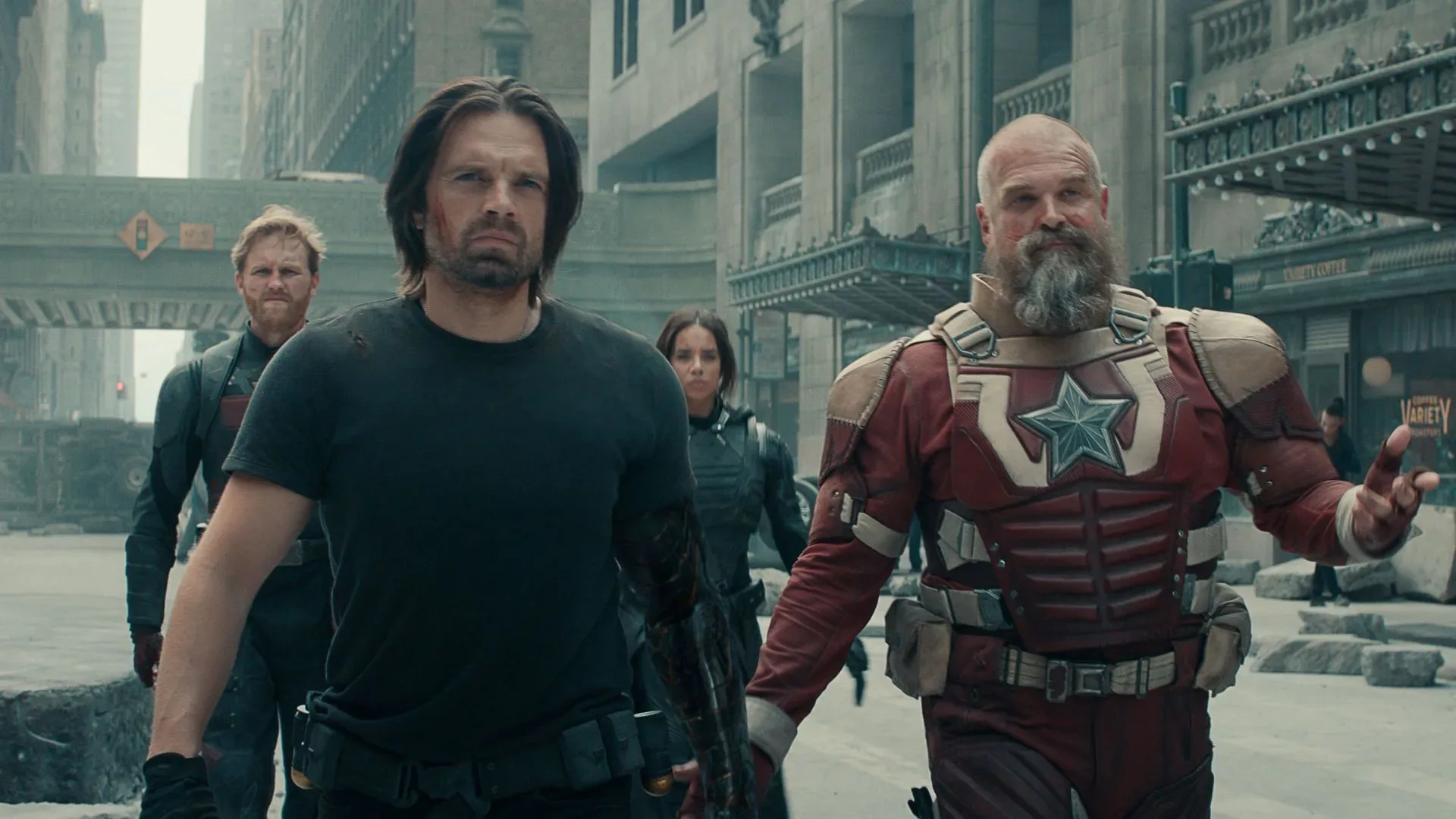
The project also arrives amid a broader run of screen-connected pop-culture stories. For a separate update involving an actor and an upcoming superhero ensemble film, see David Harbour’s comments around Avengers: Doomsday.
What the numbered hardback offer includes
JRD: The Lost Legion is being offered as a full-colour numbered hardback. Numbered copies are physical editions marked as part of a defined print run. In collecting terms, numbering signals a limited production quantity, but it should not be confused with a guarantee of future value. A number establishes which copy a buyer has within the edition; it does not automatically establish demand in a resale market.
The offer also includes a personalized detail for timely orders: the purchaser’s name can be printed inside the book. That makes the edition more individual, though it may also matter to collectors who prefer a copy without personalization. Buyers deciding between reading, display and long-term collection should pay attention to which version they are ordering and whether a name-inside option suits their own goals.
A signed edition is limited to 100 copies and is priced separately. The limited quantity is a concrete part of that version’s appeal, but the source material does not provide its price or a full breakdown of all edition quantities. It is therefore sensible to distinguish between confirmed information—the 100-copy signed run—and claims or assumptions that would need further details, such as how many standard, alternate-cover or bundle editions will exist.
Cover cameos, alternate covers and extras
Every preorder is entered into a free Cover Cameo Raffle. The prize is an opportunity for the purchaser’s likeness to be drawn into the modern-day crowd on the official cover alongside Rhys-Davies. Up to four such spots are available through that raffle.
There are also Front Row and Middle Row cameo placements offered as paid upgrades. These are separate from the free raffle and appear to refer to more prominent positions in the crowd scene. A cover cameo is a visual inclusion rather than a stated speaking role or story appearance; nothing in the available details indicates that participants become characters within the graphic novel’s plot.
Other announced configurations include alternate covers, two-book sets and loot packs containing items such as prints, stickers, postcards and bookmarks. These extras expand the release beyond a single reading copy and toward a package designed for display and collecting. The publisher describes the hardback as individually numbered and says copies will not be available again once the print run closes.
For readers, the basic consideration is simple: the comic’s premise and creative team are the reasons to buy a reading copy. For collectors, the decision is more layered. They may weigh the numbered hardback, the limited signed run, the possibility of a cover cameo, alternative cover art and the appeal of supplemental paper goods. Those are different kinds of value, and a buyer may care deeply about one while having no interest in another.
Practical points for potential buyers
- Check the format: the announced edition is a full-colour hardback, not a single-issue comic release.
- Separate raffle entry from a guaranteed cameo: a preorder enters the free Cover Cameo Raffle, while Front Row and Middle Row placements are paid upgrades.
- Remember the signed-edition limit: only 100 signed copies are stated to be available.
- Consider personalization: qualifying orders can have a purchaser’s name printed inside, which may be a feature or a drawback depending on why the book is being bought.
- Do not assume every extra is included: alternate covers, sets and loot packs are distinct offerings, so the contents of a particular order should be confirmed before purchase.
Why the premise has room to stand apart
Celebrity-created comics can sometimes rely almost entirely on recognition. The Lost Legion has a more specific hook: it makes the public identity of its co-writer part of the narrative device. Rhys-Davies’s presence is not just promotional packaging; the story turns the question of who he is, where he is and whether his perceptions are reliable into its central engine.
Ancient Rome provides a dramatic counterpoint to the contemporary setting, but the available synopsis wisely stops short of explaining too much. That restraint preserves the story’s main mystery. Is the Roman material historical, psychological, supernatural, technological or something else entirely? The published setup does not answer that, and readers should not treat the reference to a lost legion as confirmation of a particular real Roman unit or historical event.
What is clear is that Rhys-Davies, Gibson, Siriwardane, Pozza and Jones are presenting a standalone graphic-novel package with an actor-as-protagonist concept at its core. The full-colour numbered hardback is scheduled for December 2026, with preorder incentives and a small signed edition aimed at readers who want the book as an object as well as a story.