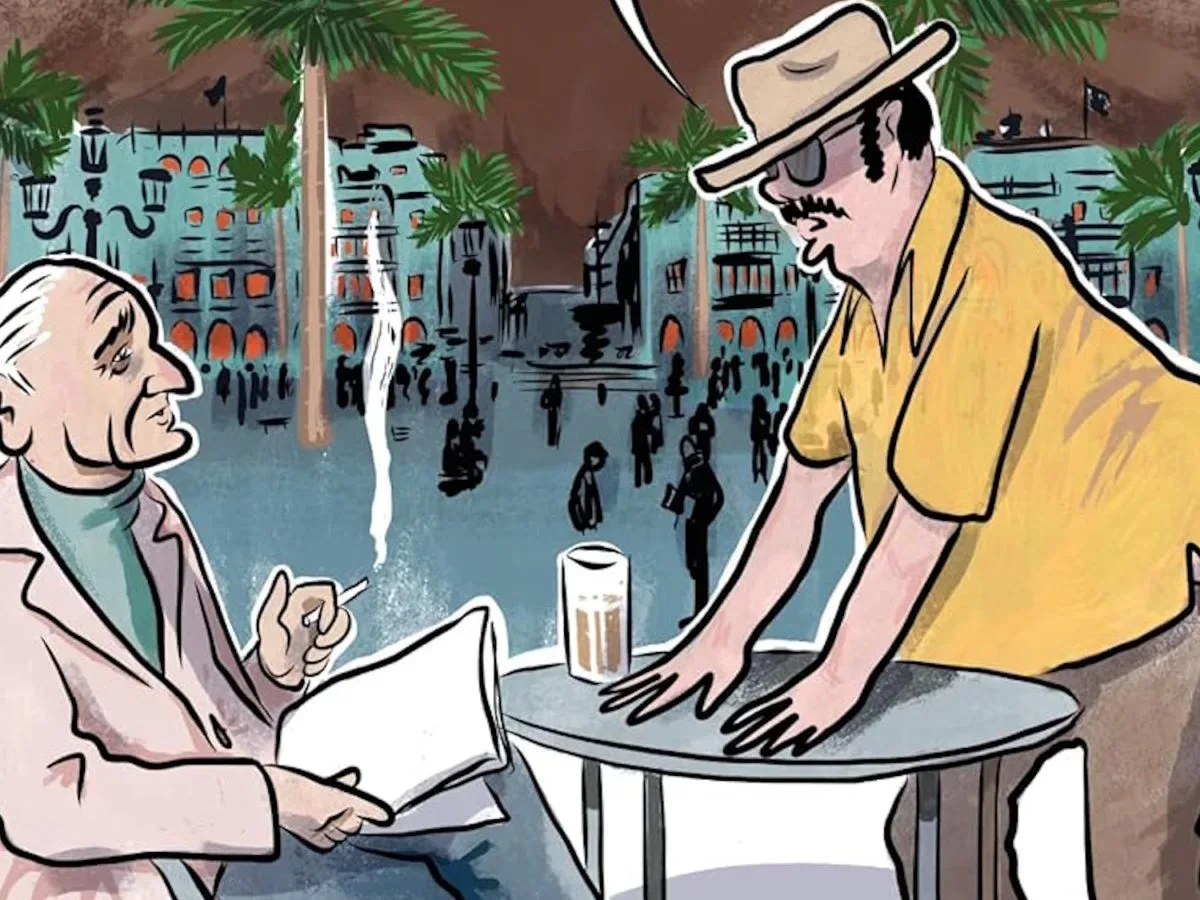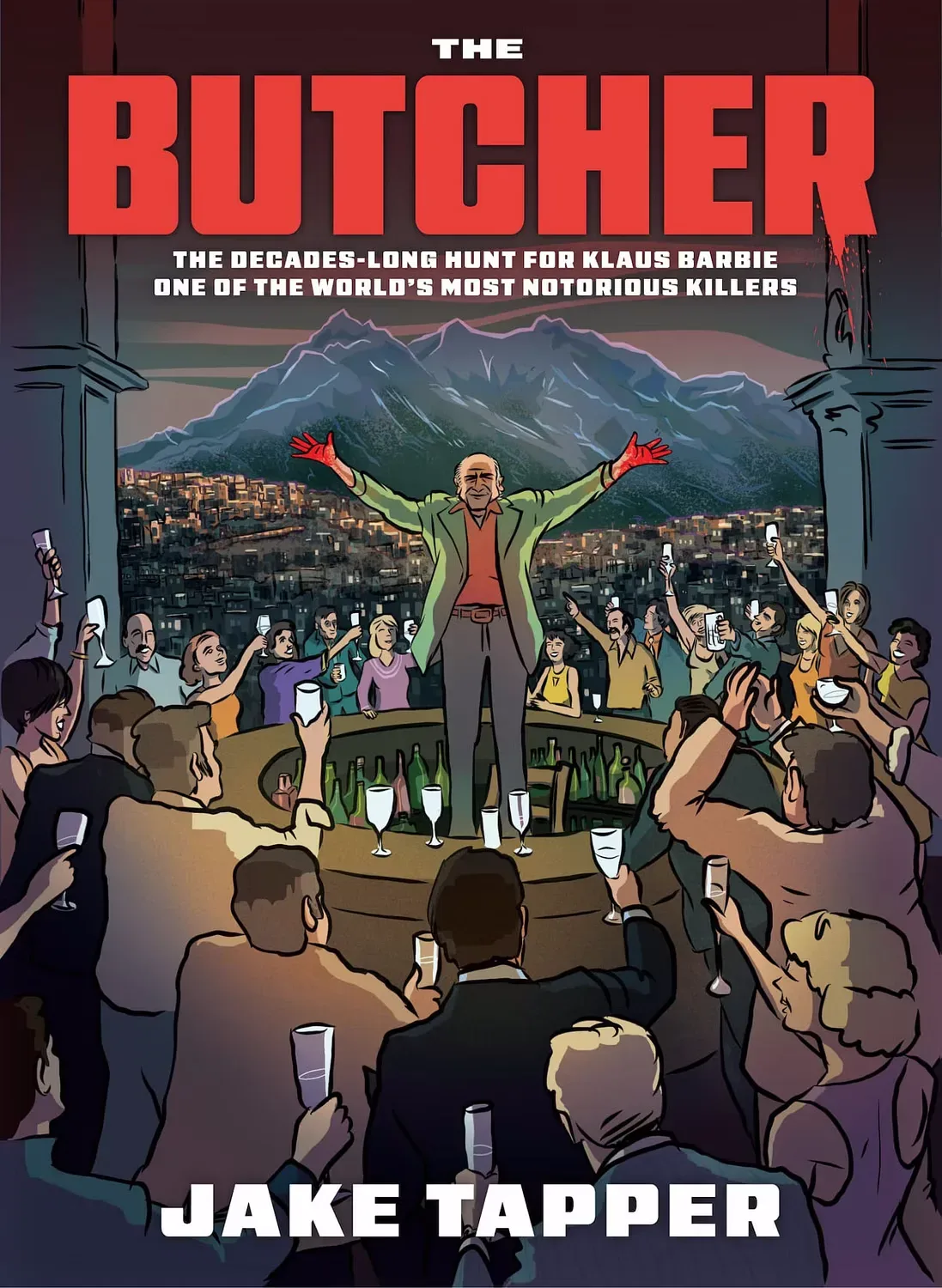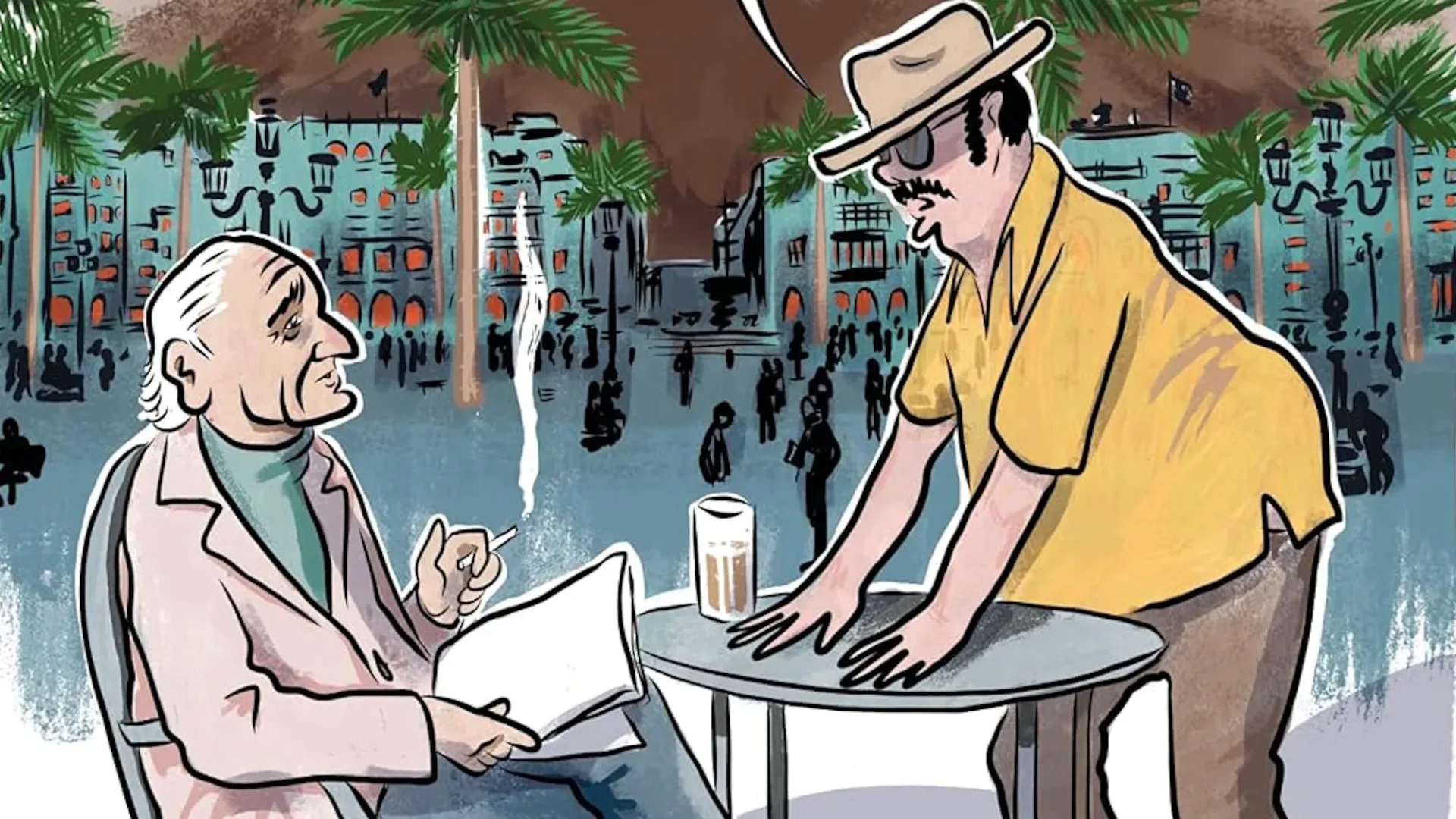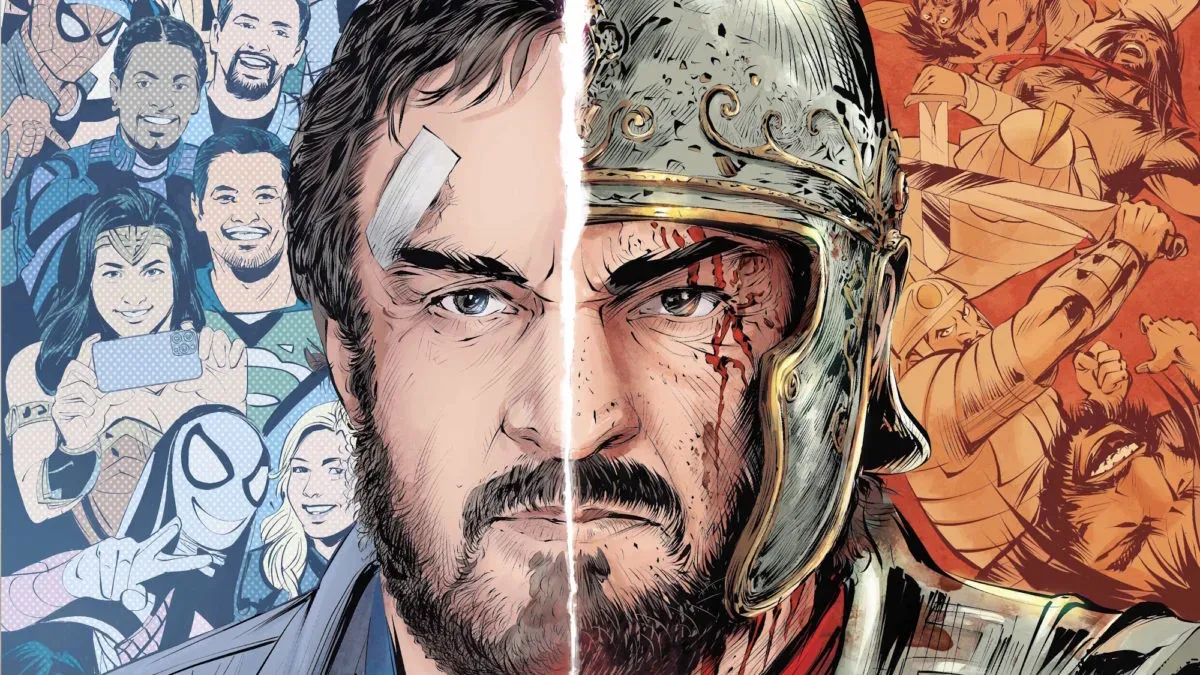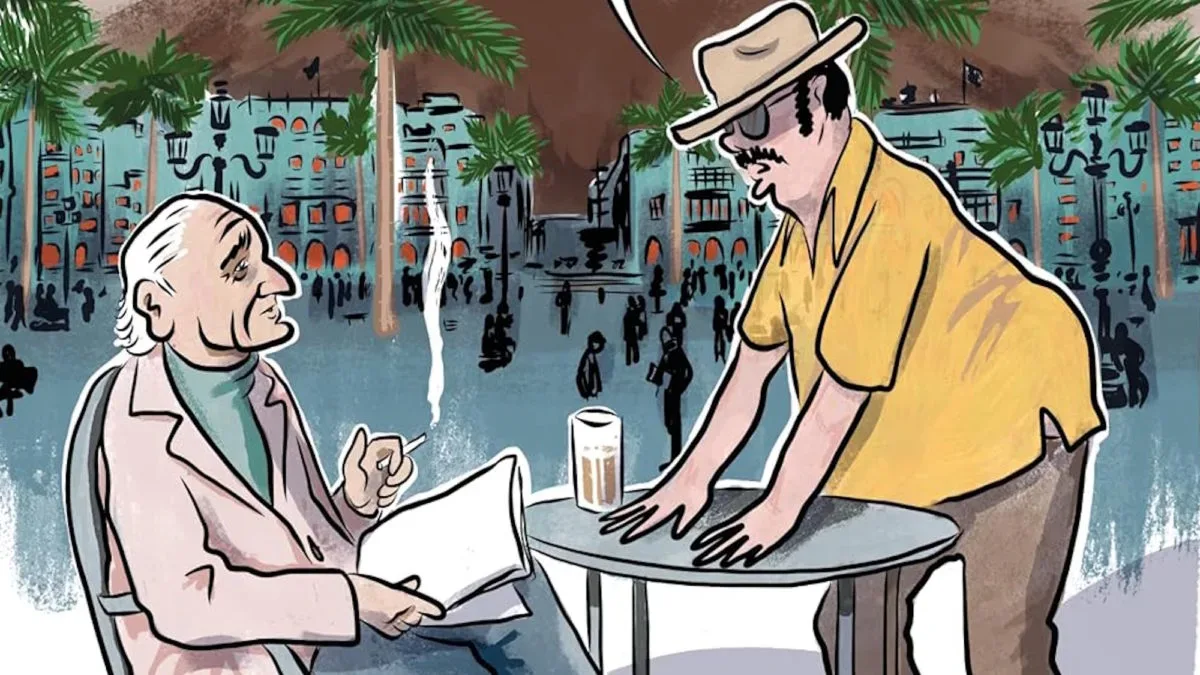
Jake Tapper is moving into comics with The Butcher: The Decades-Long Hunt for Klaus Barbie, One of the World’s Most Notorious Killers, a nonfiction graphic novel he will both write and illustrate. Top Shelf Productions, an IDW imprint, plans to publish the book in June 2027.
The project marks Tapper’s graphic-novel debut, but it draws on areas familiar from his earlier work: reported nonfiction, historical inquiry and narrative writing. Its subject is Klaus Barbie, the Gestapo officer known as the Butcher of Lyon. The book will follow Barbie’s postwar escape, his subsequent years in South America, the Nazi hunters and journalists who pursued him, and the investigation into the people who assisted his flight from justice.
That is an imposing story to take on in any format. The significant distinction here is that Tapper is not only scripting the work; he is also responsible for its artwork. The combination makes The Butcher a personal author-artist project rather than a conventional collaboration in which a reporter supplies text for another cartoonist to visualize.
A reported story shaped as comics
Tapper has described the book as a difficult but rewarding undertaking, citing both the research involved and the challenge of transforming it into compelling illustrated storytelling. His research included material in German, English, Spanish and French, a detail that signals a broad documentary effort across the languages relevant to the story’s locations and participants.
“Nonfiction graphic novel” is the key term for readers wondering what kind of book this will be. It means the work is presented in comics form—using sequential art, page layouts, captions and dialogue—but is built around real people and events rather than invented superhero or adventure fiction. The form can place documents, settings, chronology and individuals into an immediately readable visual sequence. It also carries a serious responsibility: the visual choices can shape a reader’s sense of evidence, emotion and causality just as strongly as prose can.
For this project, the stated scope is not limited to Barbie’s evasion of justice. It also encompasses the people who searched for him and the inquiry into those who helped make his escape possible. That framing matters. A pursuit narrative can easily become focused on a fugitive’s ability to remain hidden; this book’s premise explicitly includes the systems and individuals surrounding that escape, as well as the people pressing for accountability.
Top Shelf editor-in-chief Chris Staros has characterized the work as a meeting point between investigative journalism and literary comics. In publishing usage, “literary comics” generally describes comics that use the medium for serious, often nonfiction or formally ambitious storytelling rather than treating the format as confined to a single genre. Here, the designation fits the book’s reported historical focus and its author’s dual role as writer and illustrator.
Why the art credit is a major part of the announcement
The announcement does not identify a separate artist, colorist or co-writer. Tapper will write and draw The Butcher himself. That makes the artwork more than packaging for an existing manuscript: the illustrations and page-to-page pacing are part of how the reporting will reach readers.
Comics storytelling has a few basic tools that are especially relevant to a complicated historical investigation. Sequential art is the arrangement of images so that readers understand action or time passing from one panel to the next. Page composition is the deliberate organization of those panels, captions and empty space on a page. Visual pacing is the way that organization can slow down a revelation, compress a span of years, or make readers pause over a document or pivotal encounter.
Those tools are well suited to a story that spans an escape, a life abroad, a search by multiple parties and an investigation into assistance networks. They can make a dense chronology easier to follow without reducing the subject to a simple chase. Whether the completed book succeeds will depend on how carefully it balances that accessibility with the gravity and complexity of the material.
Tapper has said he studied art as a minor in college, has long been interested in cartooning, and sees the medium as a way to make the story accessible to a wider readership. Accessibility in this context should not be confused with simplification. A graphic novel can be approachable because it gives readers visual anchors—faces, places, dates and transitions—while still asking them to confront a substantial historical record.
There is a useful parallel in the wider value of visual archives: materials become easier to explore when images and context are preserved together. That idea is also visible in the recent addition of hundreds of photographs from Japan’s turn-of-the-millennium game scene to a free digital archive. The subjects are very different, but both cases underline how visual presentation can help audiences approach the past.
Tapper’s previous books and the format shift
Before The Butcher, Tapper had published nonfiction including The Outpost and the more recent Original Sin, co-authored with Alex Thompson. He has also written novels, including The Hellfire Club and The Devil May Dance. Those credits establish experience across reported work and fiction, while the new title represents a different craft challenge: constructing a narrative in which words and drawings must work in concert.
The graphic-novel format may also make the book notable to readers who recognize Tapper principally for journalism rather than for prose publishing or cartooning. This is not merely a licensed adaptation of one of his earlier books. It is a new work developed for comics, with its author handling both sides of the page.
That creative setup raises practical expectations for the finished volume. Readers can expect an authored visual interpretation of the research, not an illustrated prose history. At the same time, the announcement places research and investigative reporting at the center of the book’s identity. The tension between those two obligations—clarity as a comic and rigor as nonfiction—will be central to how The Butcher is received.
Release formats, pricing and collector considerations
Top Shelf will release The Butcher in a $19.99 softcover edition. A limited signed-and-numbered hardcover edition is also planned at $49.99. No further edition details, such as the number of copies in the limited run or any format-specific extras, have been provided.
For general readers, the softcover is the straightforward entry point. For physical-book collectors, the hardcover’s signed-and-numbered status is the relevant distinction: “signed” indicates Tapper’s signature, while “numbered” means copies are individually designated within a limited edition. Neither label, by itself, establishes future resale value. The information currently available supports only that this will be a limited signed-and-numbered hardcover with a higher listed price than the softcover.
The larger significance of the release is creative rather than collectible. The Butcher is set to bring an account of a Nazi war criminal’s escape, the people who helped him, and the long search to hold him accountable into a medium built around the interplay of research, writing and images. With Tapper drawing the book as well as reporting and scripting it, the June 2027 release will be a distinct new entry in nonfiction comics.
Shop the products
Check current price, model and availability at the retailer.