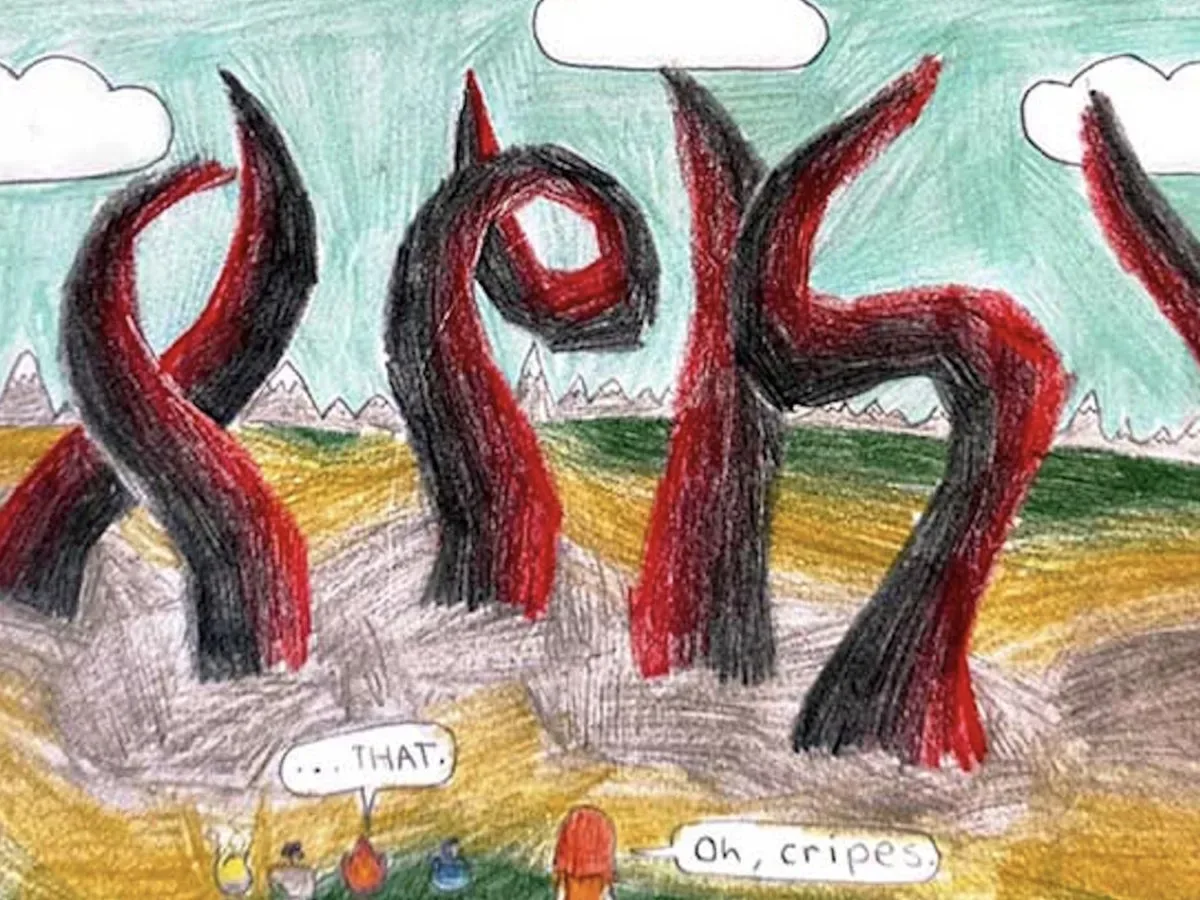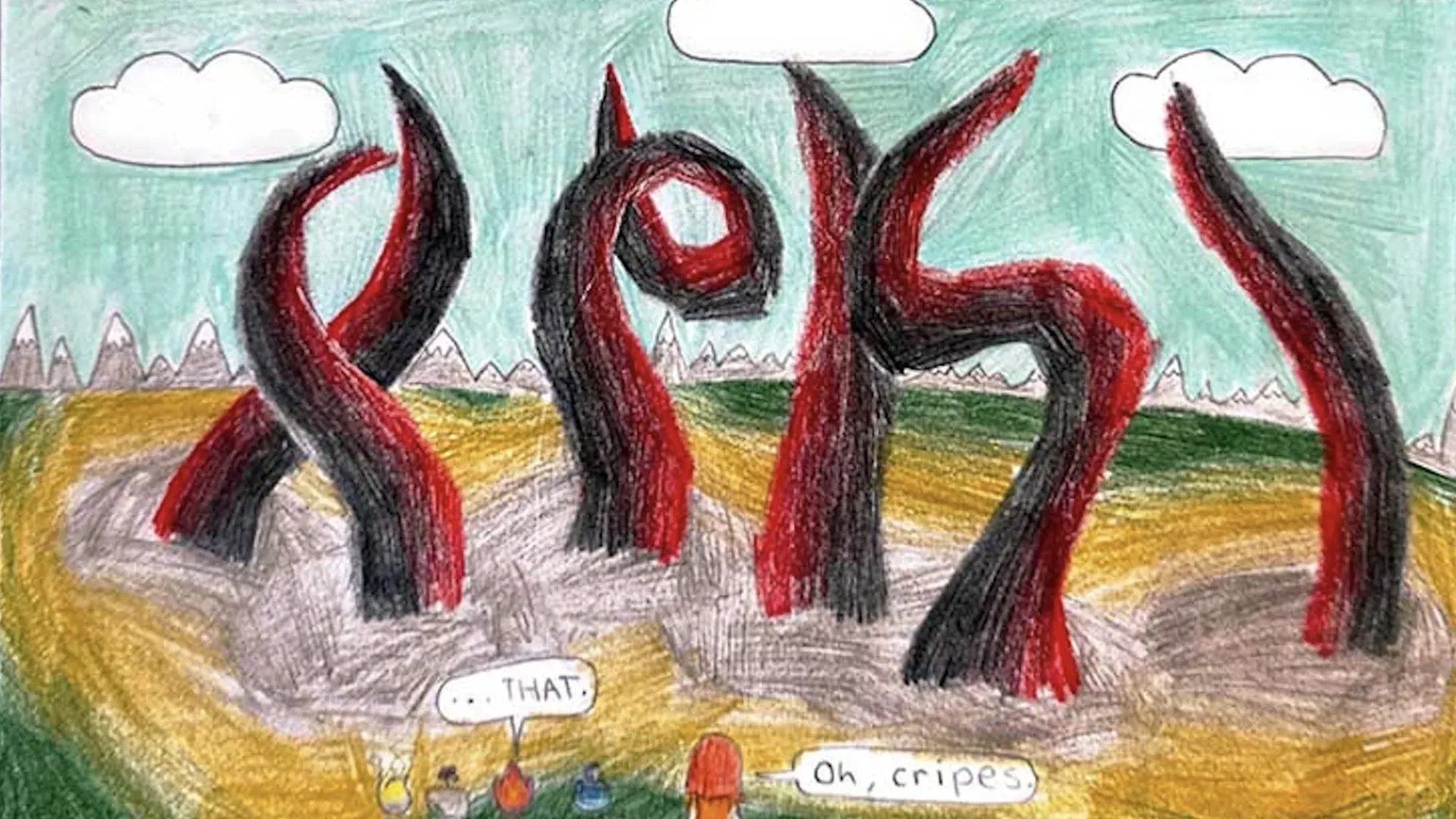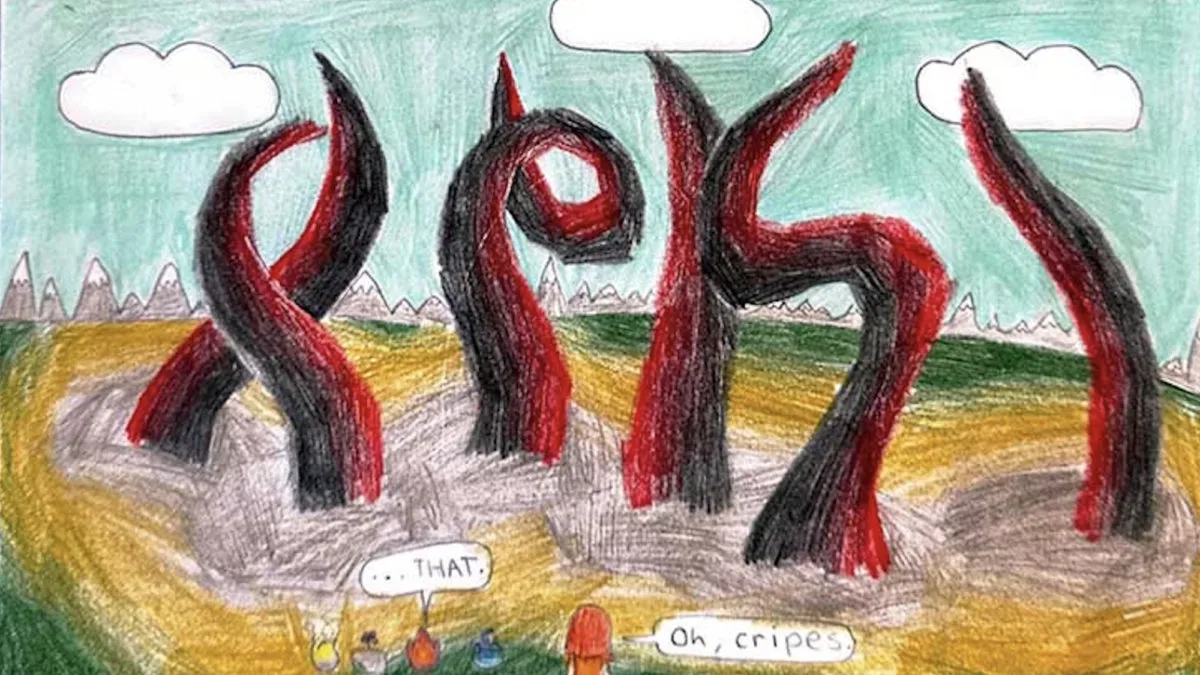
Esther Harrison, 12, has won the 2026 Young Comics Maestro competition for Spirits of Yonder Forest, a three-page comic. The award brings a £200 prize, while Harrison’s pages are set to be displayed at London’s Cartoon Museum from the end of October and made viewable through the museum’s website.
The annual result puts a very short comic in a very visible setting. Three pages may sound slight beside a graphic novel or a long-running strip, but it is enough space for a young cartoonist to establish a premise, make visual choices, control pacing and bring a reader to an ending. In comics, those decisions are not merely decorative: page layout, panel order, lettering and the gaps between images all help determine how a story is understood.
A competition decided from 25 entries
This year’s Young Comics Maestro field comprised 25 entries. The competition was close enough that judges spent time debating the outcome, an encouraging indication that the final selection was not treated as a formality.
Harrison’s winning work is titled Spirits of Yonder Forest. The available details identify it as a three-page comic, but do not describe its plot, art style or characters. That distinction matters: a title can suggest an atmosphere or setting, yet it should not be mistaken for confirmation of what happens on the page.
For more context, explore The House of Tesla: Definitive Edition Powers Up on iOS and Android.
Two runners-up were also recognised:
- Charlie Bilbie, 16, for Where’s the Lizard, Collin?, receiving £50.
- Elliot van den Hoed, 13, for Me vs Cat, receiving £50.
The judges were Steve Marchant, Holly Burrows of the Cartoon Museum, Laura Bentley of The Phoenix, Matt Baxter of Baxter & Bailey, Hannah Berry, Mark Stafford and Patrice Aggs. A panel with practitioners and people working across comics and cartooning brings multiple viewpoints to a format where judging is necessarily subjective. One reader may value clarity of storytelling most, another a distinctive drawing voice, comic timing, craft, ambition or a particularly effective final beat.
Why three comic pages can be a demanding format
A comic is a sequence of images arranged for a reader to move through in a chosen order. The basic building blocks are usually panels: framed moments of action, reaction or setting. Between them are gutters, the spaces where readers infer the movement of time, action or thought that is not drawn outright. This reader participation is one of comics’ defining tools.
For a three-page entry, there is little room to waste. The creator must introduce enough information for the reader to grasp the situation, then develop it, surprise them or resolve it before the available space ends. That constraint does not dictate a single approach. A strip may deliver a concise joke, create a mood, present a miniature adventure or leave a deliberately open ending. What matters is whether the choices made on the page serve the intended reading experience.
Analysis: recognition for a three-page work is a useful reminder that comics competition is not simply a test of producing the most drawing. A successful entry can depend on how its images work together. A dense page may slow the eye; a large panel can emphasize a moment; a change in panel size can alter rhythm. The sequence is the storytelling unit, rather than any isolated illustration.
That is also why exhibitions of original comic pages can be especially valuable. They let visitors look beyond a story’s broad idea and examine the physical decisions behind it: how a creator uses borders, leaves space around an image, directs attention and arranges words alongside art. Harrison’s display will make the winning pages available to an audience beyond the original competition panel.
Prize funding and public display
The Young Comics Maestro prize money comes from the legacy of Alison Brown, the Cartoon Museum’s front-of-house manager, who died in 2021. Harrison receives £200, while each runner-up receives £50.
Prize money provides a concrete acknowledgement of the work, but the exhibition component carries its own importance. Having original competition pages displayed in a museum context gives young creators a public destination for their work rather than limiting recognition to a certificate or a private result. For visitors, it also places newly made comics in a venue dedicated to the form’s many branches.
The museum is located at 63 Wells Street in Fitzrovia, London, W1A 3AE. It is opposite Oxford Street from Gosh Comics. The museum describes itself as Britain’s only museum devoted to cartoons, caricatures, comic strips and animation, and its collection includes original British cartoon and comic art, thousands of drawings and prints, and a substantial library of books and comics.
A museum spanning satire, strips and contemporary comics
The Cartoon Museum’s displays encompass a broad sweep of visual storytelling and cartoon art. Its material includes 18th-century satirical prints associated with artists including Hogarth and Gillray, classic newspaper cartoons, work from the Beano and Dandy era, modern graphic novels and contemporary artists. The collection also includes the Spitting Image puppet of Roy Hattersley.
That range helps explain why a youth comics competition fits naturally within the museum’s work. Cartoons, caricatures, comic strips, graphic novels and animation do not use exactly the same methods, but they share concerns with visual communication. They can make an idea legible quickly, build personality through line and expression, or use exaggeration to create humour and commentary.
The museum also runs workshops, school programmes and competitions, including Young Comics Maestro. These activities matter because comics are both an art form and a practical craft. Young artists can learn by reading finished pages, but they also benefit from making choices themselves: deciding what moment belongs in a panel, which details are essential, and how much information a page can carry before it becomes difficult to read.
What the result means—and what it does not
The competition result establishes Harrison as the selected winner from this year’s 25-entry group, with Bilbie and van den Hoed named as runners-up. It also confirms the prize amounts and the planned display from the end of October.
It does not, on the information available, establish publication plans, further awards, a wider release, or a detailed account of the three comics’ stories. Keeping that boundary clear is especially important with youth competitions. The achievement is already substantial: a finished three-page comic received the top recognition from a panel of established judges and will be shown publicly at a specialist museum.
For readers interested in comics as a medium, the three winning works offer a compact prompt to consider how much a creator can achieve with a few pages. For aspiring creators, the practical lesson is less about trying to imitate a presumed winning formula and more about finishing a clear sequence: create a beginning, guide the reader from panel to panel, and make each image earn its place.
Harrison’s Spirits of Yonder Forest, Bilbie’s Where’s the Lizard, Collin? and van den Hoed’s Me vs Cat represent three young cartoonists whose work has been selected for recognition in 2026. Harrison’s pages will be the central public display, beginning at the end of October, with the award preserving the competition’s role as a route for young comic-makers to put completed stories before a broader audience.