The House of Tesla: Definitive Edition is now available on iOS and Android, bringing Blue Brain Games’ electrical puzzle adventure to mobile devices for the first time. The game costs $6.99 / €6.99 / £6.99, and its mobile release puts its machinery-focused mysteries, deserted rooms and Tesla-inspired experiments directly under touchscreen controls.
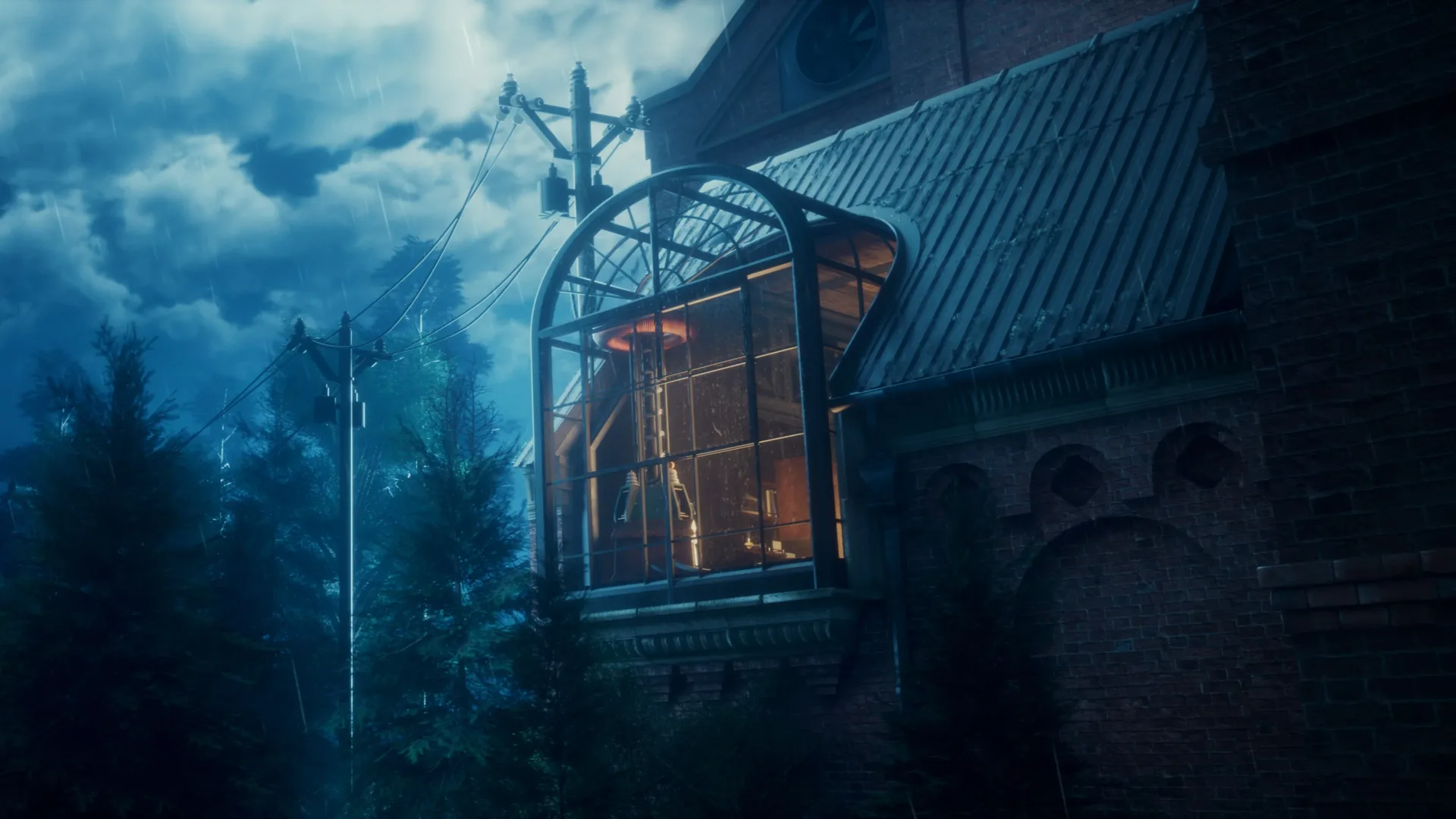
The setting is Wardenclyffe, an abandoned facility associated with Nikola Tesla’s plans and wireless-electricity experiments. Rather than presenting a broad historical simulation, the game uses that real-world inspiration as the basis for a fictional mystery: players explore the derelict site, examine the systems left behind and work toward an explanation of what occurred there.
For players on Apple hardware, the release has a notable ownership detail. One App Store purchase grants access across iPhone, iPad and Mac. The Android version is available through Google Play. That makes the Apple edition potentially useful for someone who prefers a phone for brief puzzle sessions but wants the option to continue on a larger screen.
A puzzle adventure built around visible electricity
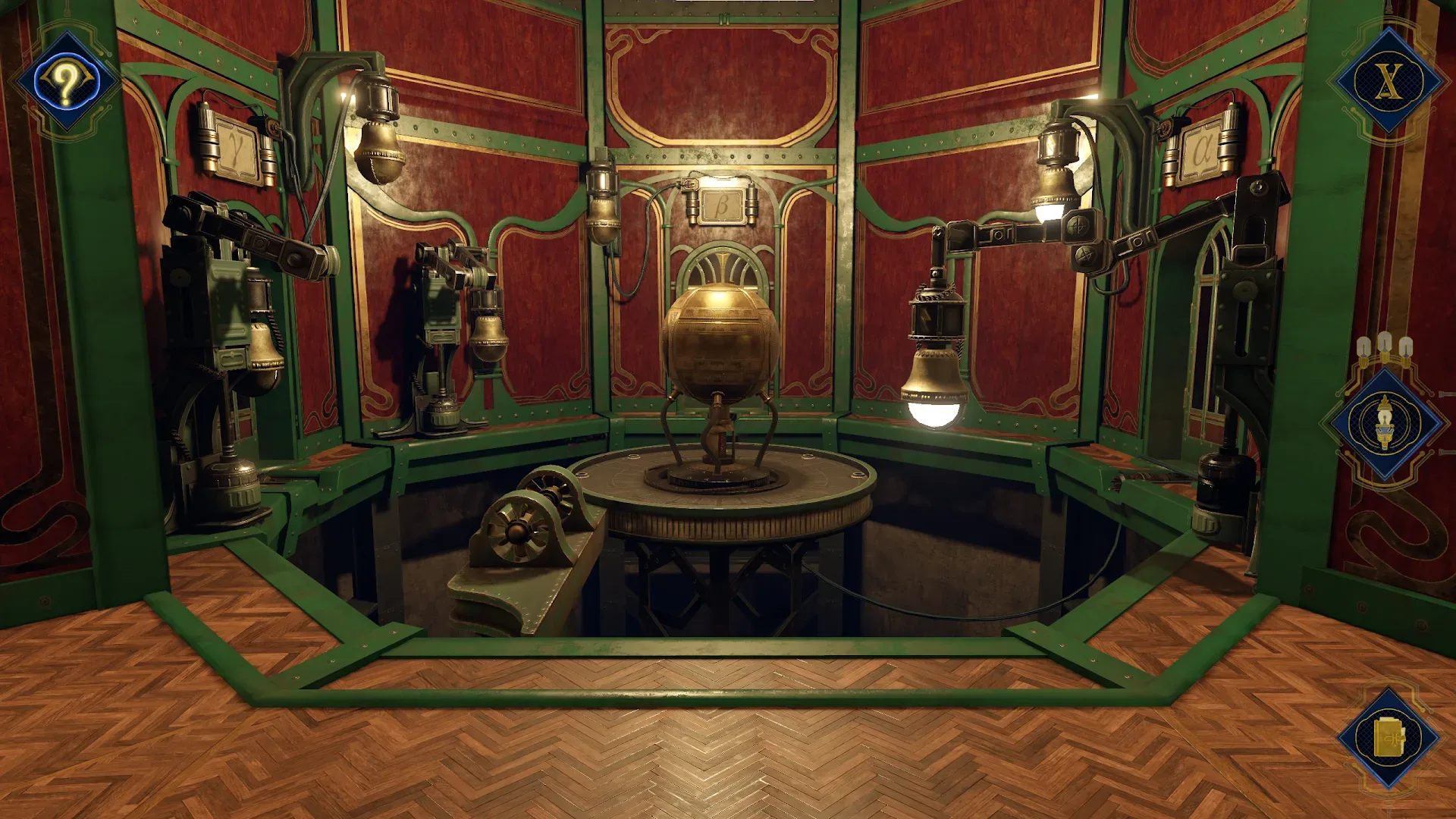
The game’s central tool is a handheld prototype that allows players to see and affect electrical flow. In practical terms, the device is the bridge between exploration and puzzle-solving: it is used to reveal routes, interact with mechanisms and expose puzzles that are otherwise embedded in the facility’s machinery.
That premise gives the game’s puzzles a clear thematic anchor. Electrical systems are not merely background decoration; players are expected to inspect them, experiment with how they work and use the prototype to alter the environment. A blocked path may therefore be less about finding a conventional key and more about understanding what part of a machine can be influenced.
Electrical flow, in the context of the game’s description, refers to the movement of electricity through a system. The release information does not detail individual puzzle rules or claim that the game models real electrical engineering. What it does establish is that observing and manipulating this flow is the core interaction players will use while moving through Wardenclyffe.
That approach should suit players who enjoy environmental puzzle adventures, particularly games that ask them to read a space closely before trying a solution. The important distinction is that the game is described as an adventure driven by examination and experimentation, not as a fast-action interpretation of Tesla’s work.
Five chapters inside a fictional Wardenclyffe mystery
The Definitive Edition contains five chapters inspired by real locations and Tesla’s plans. Across those chapters, players investigate rooms within the facility, follow the remnants of wireless-electricity research and uncover the secrets connected to the abandoned site.
Wardenclyffe and the Progressive Era are the historical touchstones, but the game’s story is described as a mystery set in a take on Progressive Era America. That wording matters. Players should expect a setting influenced by the period and by Tesla rather than a claim of strict historical reconstruction. The narrative hook is an imagined account built around a recognizable inventor, a facility and unfinished experiments.
Progressive Era is the label commonly used for a period of social, political and industrial change in the United States during the early 20th century. Here, it signals the atmosphere the game is aiming for: an era of ambitious technology and large-scale experimentation, reframed through empty corridors, silent machinery and an unresolved disappearance of sorts.
The game’s description also points to a deliberate rhythm. Exploration comes first: enter deserted spaces and look at the machinery. Then comes interpretation: identify the systems and clues that matter. Finally, use the prototype to affect electrical elements and open the way forward. Whether a particular chapter leans more heavily on story, environmental investigation or mechanical puzzles is not specified, but the overall structure is framed around those connected activities.
What “Definitive Edition” means for mobile players
The supplied release details identify this as the Definitive Edition and emphasize new puzzles optimized for touch. They do not list prior editions, enumerate additions or provide a side-by-side breakdown of every change. As a result, the safest reading is a focused one: this is the named mobile release, designed with touchscreen interaction in mind, rather than a simple claim that every aspect has been exhaustively detailed.
Touch optimisation is particularly relevant for a first-person or room-based puzzle adventure, where players may spend considerable time inspecting apparatus and interacting with small environmental features. On phones and tablets, interface design can determine whether a puzzle feels like a satisfying observation exercise or a frustrating battle with imprecise input. Blue Brain Games specifically identifies touch-optimised puzzles as part of the edition’s feature set.
The announcement does not provide technical specifications, controller support, save-transfer details, accessibility settings, language options or performance targets. Prospective players who need answers on those subjects should avoid assuming them from the cross-device App Store purchase alone. Access across iPhone, iPad and Mac is confirmed; other implementation details are not.
Who the mobile release is likely for
The House of Tesla: Definitive Edition appears aimed at people looking for a self-contained, premium puzzle adventure rather than a game defined by competitive modes or repeatable combat loops. Its emphasis is on a finite five-chapter investigation, detailed environments and a single mystery threaded through Tesla-inspired technology.
- Players who enjoy environmental puzzles may appreciate the focus on reading machinery and uncovering hidden interactions within rooms.
- Fans of science-tinged mysteries have a setting built around wireless-electricity experiments and an abandoned research facility.
- Mobile puzzle players get an edition explicitly designed around touch controls rather than a release described only as a direct platform conversion.
- Apple-device owners can use the same App Store purchase on iPhone, iPad and Mac.
Conversely, the available information does not promise a faithful biography of Nikola Tesla, an educational physics tool or a historically exact Wardenclyffe recreation. Its appeal lies in using historical material as a dramatic framework for puzzle adventure design.
Why the setting fits the mechanics
There is a natural connection between the story premise and the interaction model. An abandoned experimental facility supplies a believable reason for complex devices, unfinished systems, locked spaces and unusual prototypes. Tesla’s association with electricity provides a logical basis for a tool that makes electrical routes visible and manipulable. In other words, the game’s puzzle vocabulary grows out of its fictional world rather than being laid over an unrelated setting.
That cohesion can be important in the genre. When machinery is both scenery and solution, players have a reason to pay attention to details in the environment. The facility’s equipment can carry narrative meaning as well as mechanical function: it suggests what researchers were attempting, what remains active and what must be understood to reach the next area.
The result is an investigation framed as a sequence of physical problems. Players are not simply told that strange experiments occurred at Wardenclyffe; they are asked to engage with their remnants through the handheld prototype. This is also where the game’s “wireless electricity” theme becomes most useful as fiction: it gives the adventure a recognizable technological identity without the release information needing to turn each puzzle into a real-world science lesson.
Availability and price
The House of Tesla: Definitive Edition launched on October 20, 2026, for iOS and Android. It is priced at $6.99 / €6.99 / £6.99. Android players can find it on Google Play, while the App Store version includes access across iPhone, iPad and Mac through a single purchase.
Its arrival adds another premium, story-focused option for mobile players who would rather investigate mechanisms than chase a score. For a different kind of systems-led game on PC, see Potion-making: Path of the Alchemist’s Steam Next Fest demo plans.
Blue Brain Games’ new mobile edition is ultimately defined by a simple invitation: step into an abandoned facility, follow the electricity and see what Tesla-inspired secrets the machinery still holds.