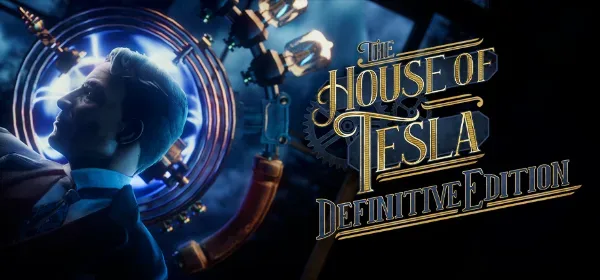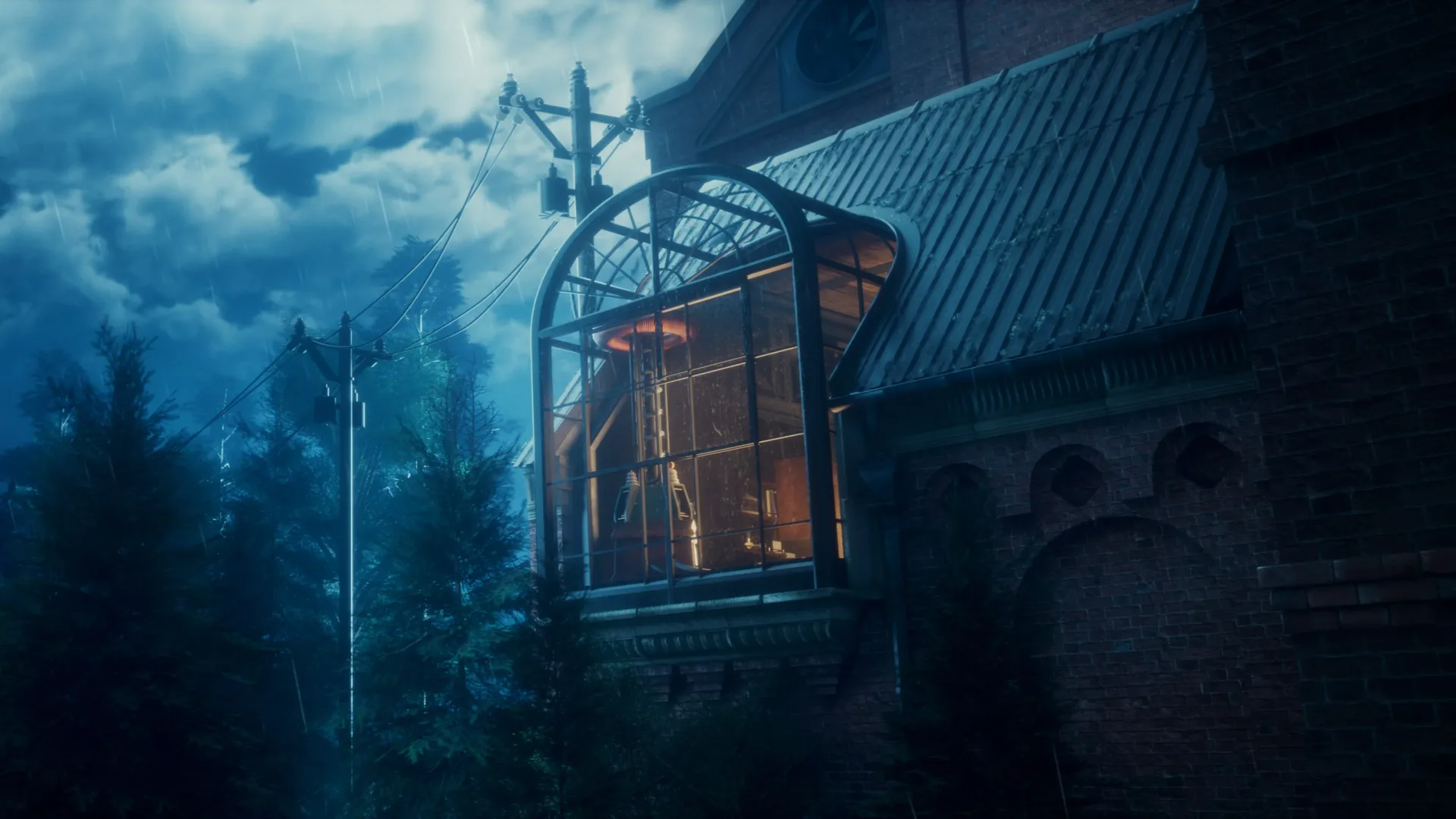
The House of Tesla: Definitive Edition is scheduled to launch for PlayStation 4 and PlayStation 5 on November 19, 2026. Blue Brain Games’ atmospheric puzzle adventure will cost $24.99 / €24.99 at launch, bringing the game to PlayStation consoles for the first time.
The premise puts players inside Nikola Tesla’s abandoned Wardenclyffe facility, where deserted spaces and enormous machinery form the setting for a historical mystery. Rather than presenting the location as a straightforward museum tour, the game uses it as the foundation for a five-chapter puzzle adventure inspired by real locations and plans tied to Tesla. Players follow the trail of his wireless electricity experiments while piecing together what happened through exploration, flashbacks and diary entries.
A puzzle adventure built around electricity
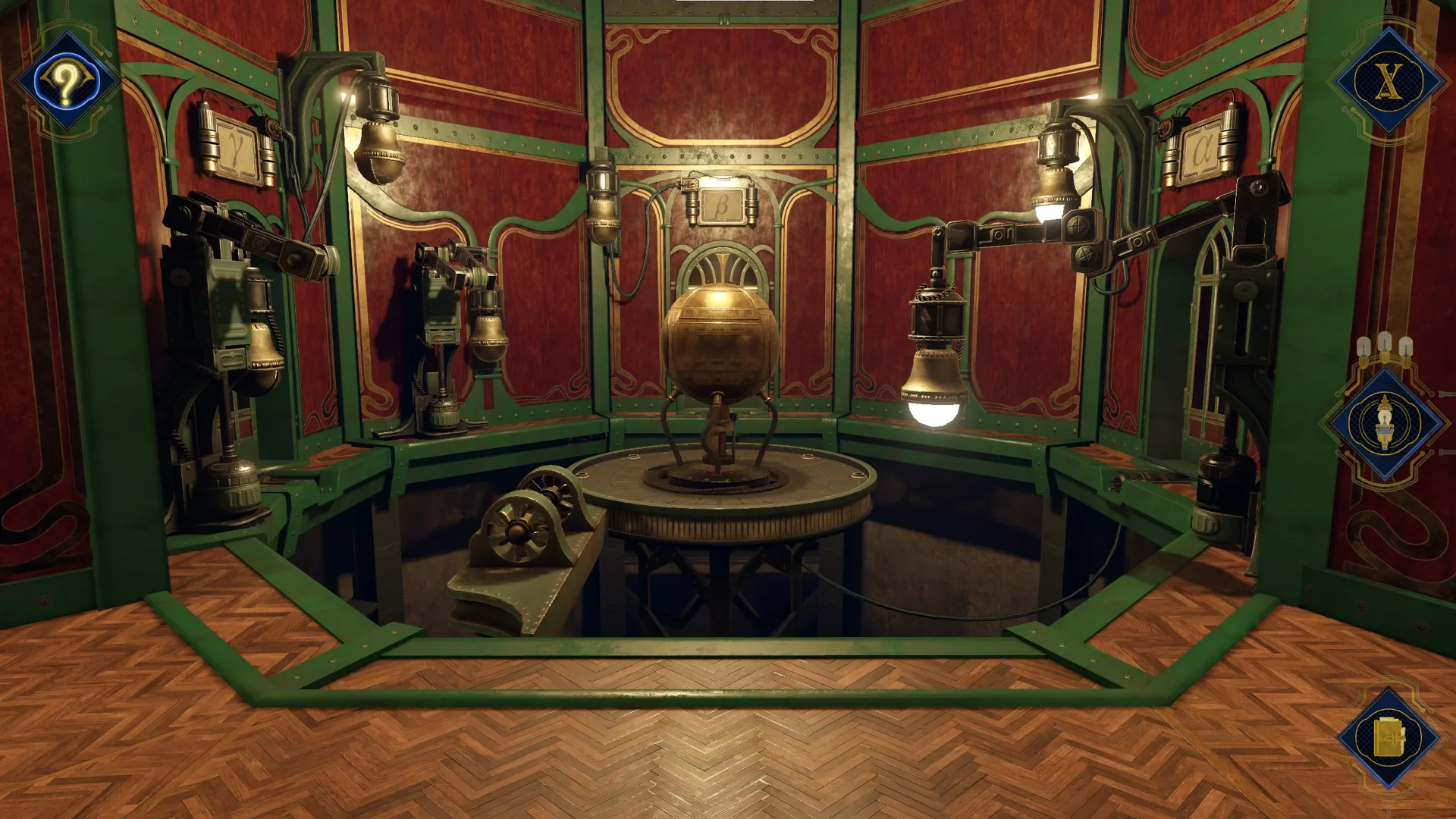
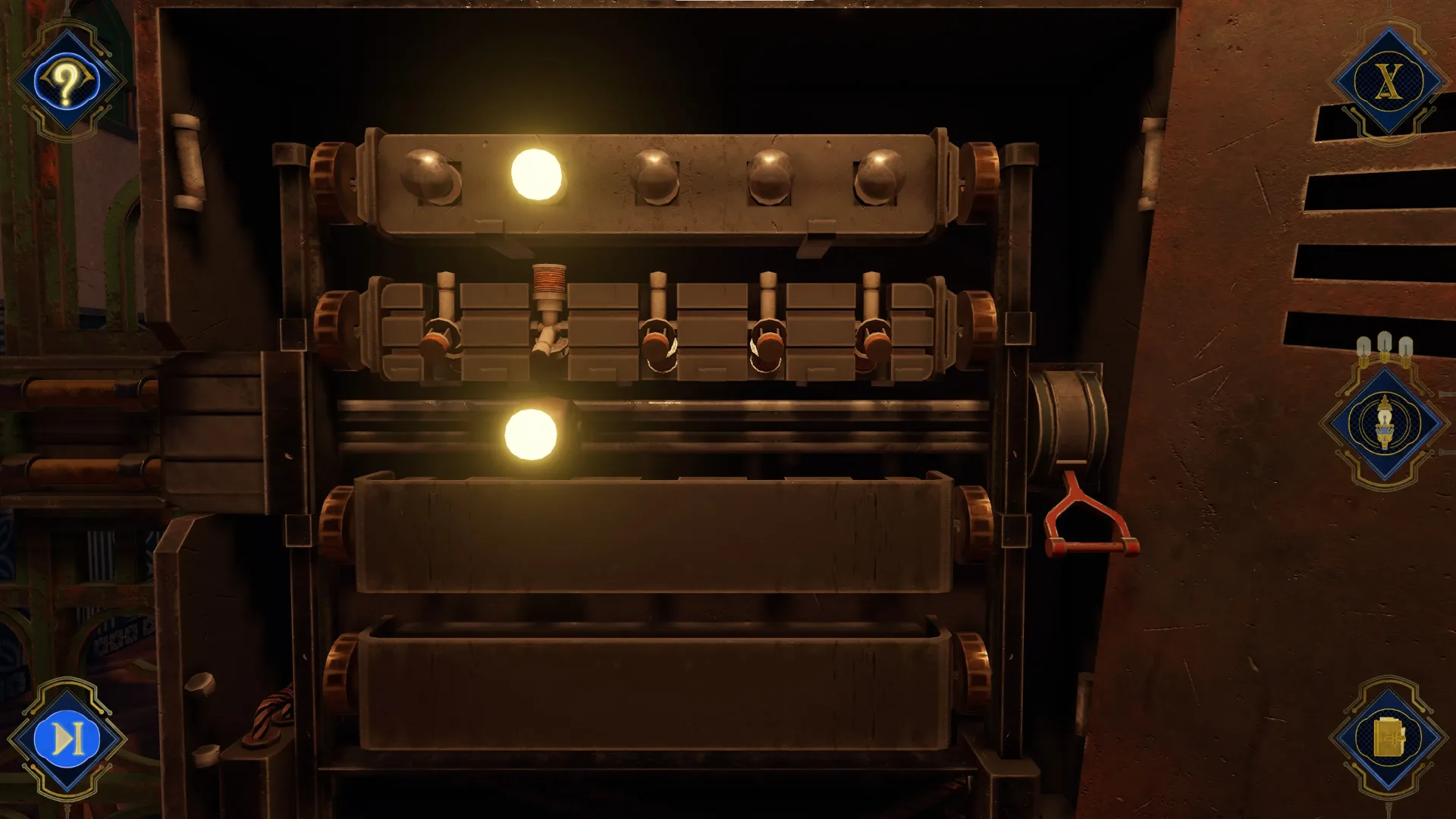
The game’s defining tool is a handheld prototype device that allows players to visualise and influence the flow of electricity. In practical gameplay terms, that means electricity is not simply part of the scenery or a theme for the story: it is the core system used to read the environment and progress through it.
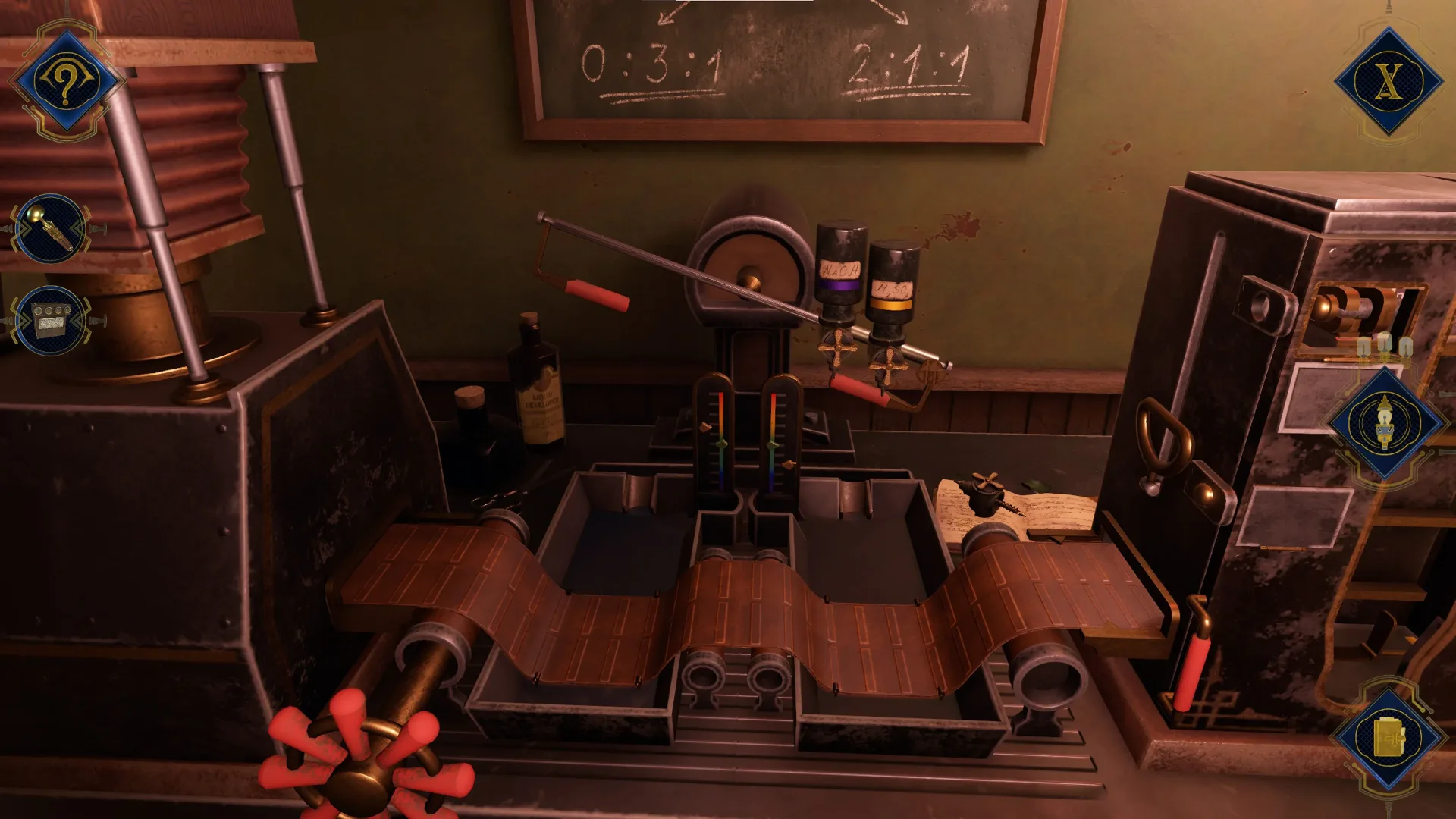
Players will use the device to open routes, understand how parts of the facility connect and solve machine-focused puzzles. The supplied details do not spell out every type of challenge, but the intended structure is clear: observing a power-related problem, working out how the machinery and pathways relate to each other, then using the prototype to alter the situation and advance.
That distinction matters for anyone deciding whether the game is for them. This appears to be a puzzle adventure first, with an exploratory historical setting rather than an action game that merely happens to involve Tesla. The central appeal is likely to be the process of examining rooms, interpreting machinery and turning electrical systems into solutions.
What “visualise and influence” suggests
“Visualise” means the device helps make otherwise hidden electrical behaviour understandable to the player. “Influence” means it can affect that behaviour rather than only displaying it. Together, those functions should make the tool both an investigative aid and an interaction mechanic.
In a puzzle game, a device like this can provide a useful bridge between the player’s observation and a solution: it establishes what is active, where power may be flowing, and what may need to change. The available information does not define the exact rules or limits of the prototype, so players should not assume particular abilities beyond its confirmed role in visualising and influencing electricity.
The more important promise is thematic consistency. The puzzles are built around machines, power and the mysterious prototype device, while the narrative follows wireless-electricity experiments. The story setting and the problem-solving system are therefore aimed at the same idea instead of feeling like two unrelated layers.
Wardenclyffe is the game’s mystery space
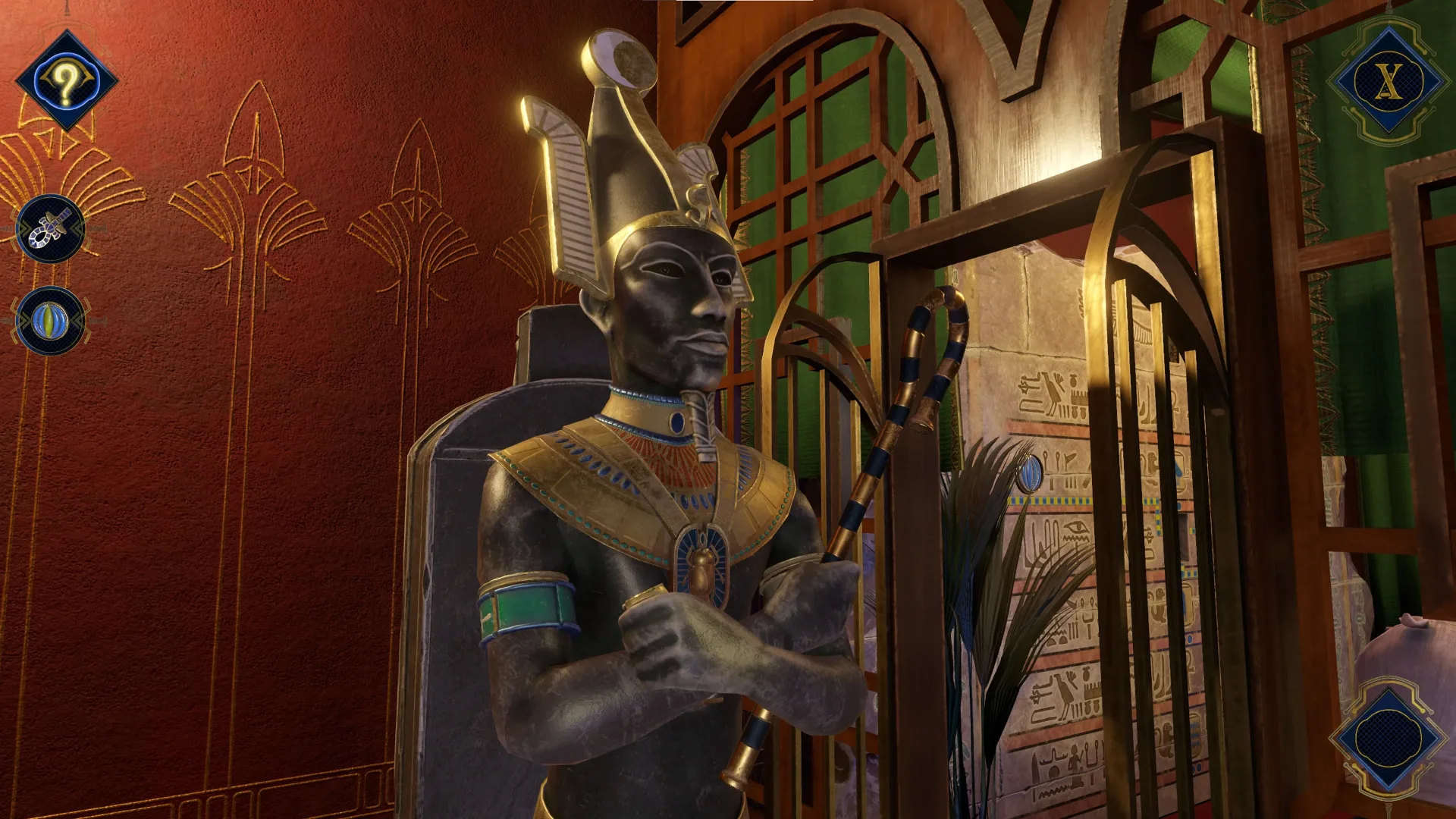
The House of Tesla takes place at Wardenclyffe, described here as an abandoned facility filled with imposing equipment and empty rooms. That environment gives the adventure a deliberately quiet, investigative shape. Exploration is not positioned as a detour between unrelated puzzle rooms; it is the way players encounter the facility, uncover its history and locate the mechanisms that drive progress.
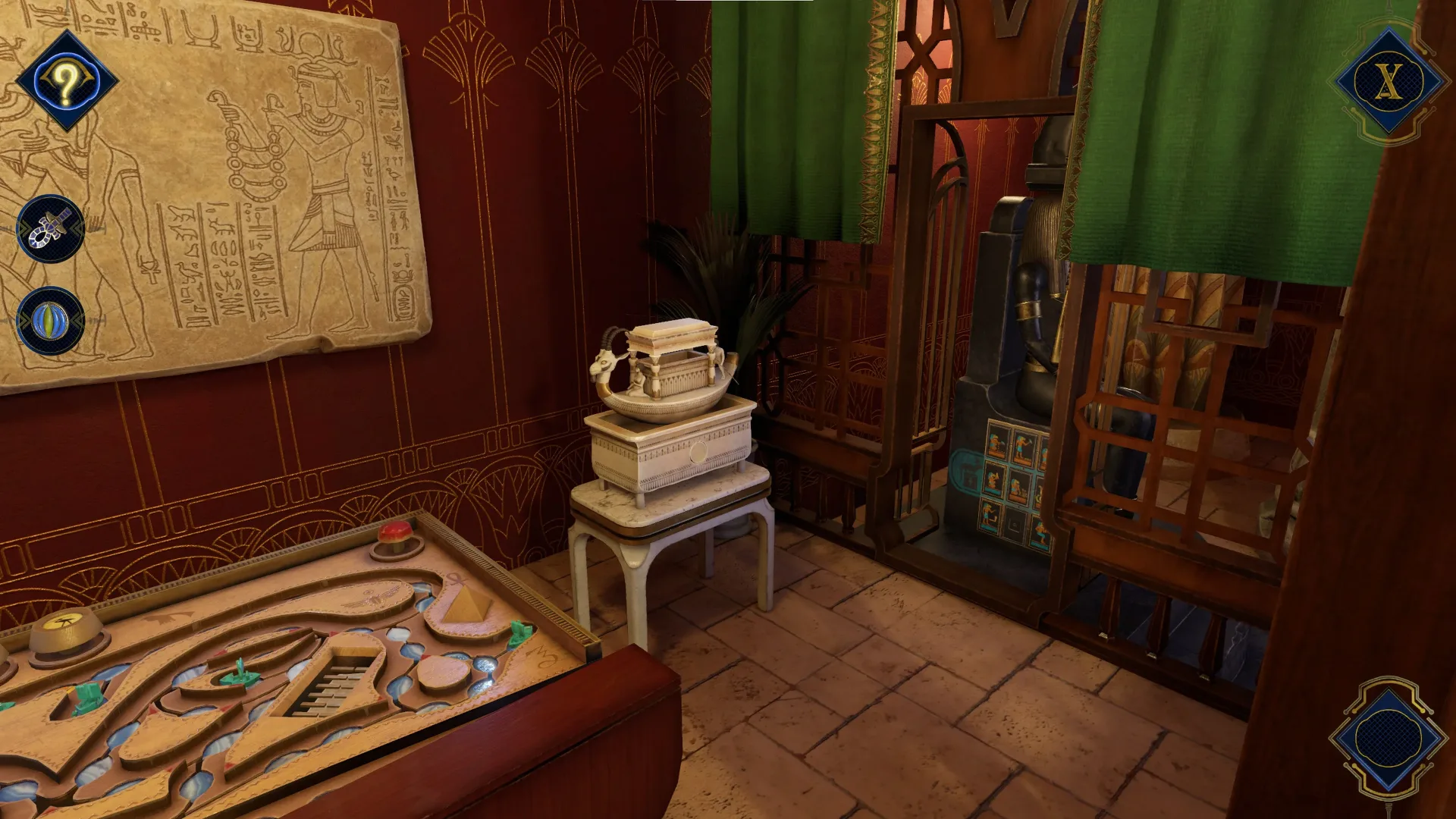
The five chapters are inspired by real places and plans associated with Nikola Tesla. That is an important bit of framing rather than a guarantee of a documentary retelling. The game is presented as a historical mystery, with flashbacks and diary entries used to reveal its story. Those storytelling devices can give context to the facility and its experiments while preserving the game’s fictional mystery structure.
Players looking for an atmospheric setting may find the strongest hook in that combination of old industrial spaces, history-facing detail and mechanical puzzles. The supplied feature list emphasizes deserted rooms and large machinery, suggesting the sense of place is meant to do considerable work alongside the challenges themselves.
Definitive Edition additions and PlayStation implications
The Definitive Edition is explicitly the game’s first release on PlayStation. It will arrive on both PS4 and PS5, giving players on either current PlayStation platform named in the announcement an option without requiring a move to PS5 solely for this release.
An updated hint system is included, alongside more than 10 hours of puzzles. A hint system is particularly relevant for this genre because puzzle-adventure pacing can vary sharply from player to player. One person may immediately recognise a machine’s intended relationship to an electrical route; another may have understood the broader objective but be stuck on the next interaction. Hints can preserve momentum without requiring a player to abandon the game’s investigative appeal altogether.
There is no detailed explanation of how the revised system is structured, such as whether hints are layered, optional at every stage or tied to specific puzzles. The confirmed point is simply that this edition includes an updated hint system. Players should treat it as an accessibility and pacing consideration, not assume a particular degree of guidance.
Likewise, the stated “more than 10 hours” describes the puzzle content broadly rather than a precise completion estimate for every player. Time spent with exploratory puzzle games can depend heavily on individual solving speed and how often hints are used. Still, it signals that this is designed as a substantial single-player adventure rather than a short proof-of-concept built around one electrical gimmick.
Language and accessibility details
The House of Tesla: Definitive Edition will feature full voice acting in English and Czech. Its interface and subtitles will support Czech, English, French, German, Italian, Japanese, Polish, Portuguese-Brazil, Simplified Chinese and Spanish.
For a text-led mystery that uses diary entries and flashbacks, subtitle and interface coverage can be especially meaningful. Written material is part of how the game communicates its historical mystery, not merely an optional layer of flavour. The language list gives prospective players a clear view of the supported text options, while the voice-acting information distinguishes spoken-language support from menus and subtitles.
- Release date: November 19, 2026
- Platforms: PlayStation 4 and PlayStation 5
- Launch price: $24.99 / €24.99
- Structure: Five chapters and more than 10 hours of puzzles
- Core mechanic: A handheld prototype for visualising and influencing electricity
- Full voice acting: English and Czech
- Interface/subtitle languages: Czech, English, French, German, Italian, Japanese, Polish, Portuguese-Brazil, Simplified Chinese and Spanish
Who this release is likely to suit
The clearest audience is players who enjoy deliberate environmental puzzle adventures with a strong setting. The game’s materials point toward a loop of exploration, close observation and solving mechanisms, rather than combat or fast-paced traversal. Its Wardenclyffe backdrop and Tesla-inspired framework also give it a more specific identity than a generic abandoned-laboratory mystery.
PlayStation players who prefer an unhurried, self-contained puzzle experience may also appreciate the PS4 and PS5 launch. Those putting together a PlayStation setup can see another example of accessories being marketed across PS5 and other platforms in this look at a headset listed with PS5 support, though The House of Tesla itself is a single-player puzzle release whose main draw is its setting and interaction design rather than peripheral-specific features.
With a confirmed November 19 date, a $24.99 / €24.99 launch price and support for both PS4 and PS5, the remaining question is how its electricity-based systems develop over five chapters. What is confirmed is a focused concept: investigate Wardenclyffe, trace the legacy of wireless-electricity experiments and use a prototype device to make an abandoned complex yield its secrets.