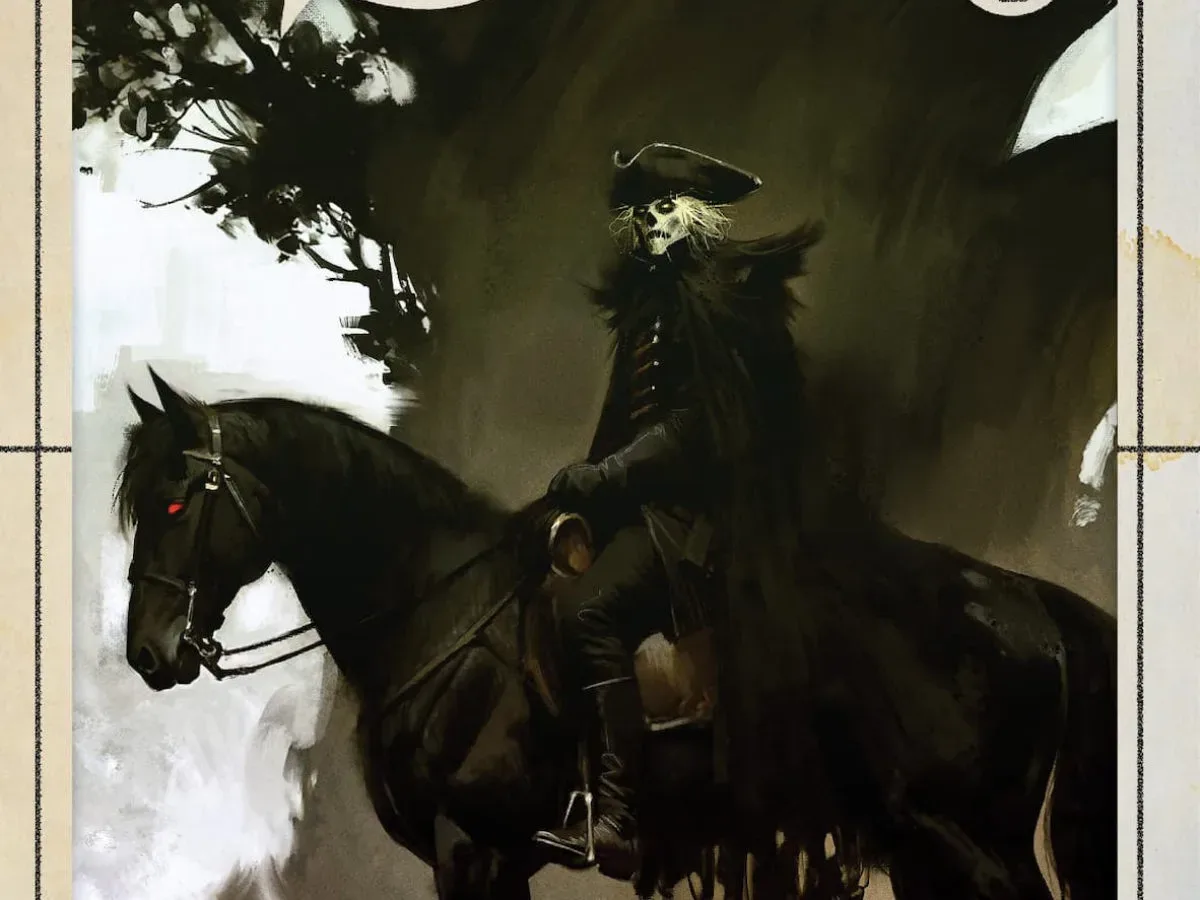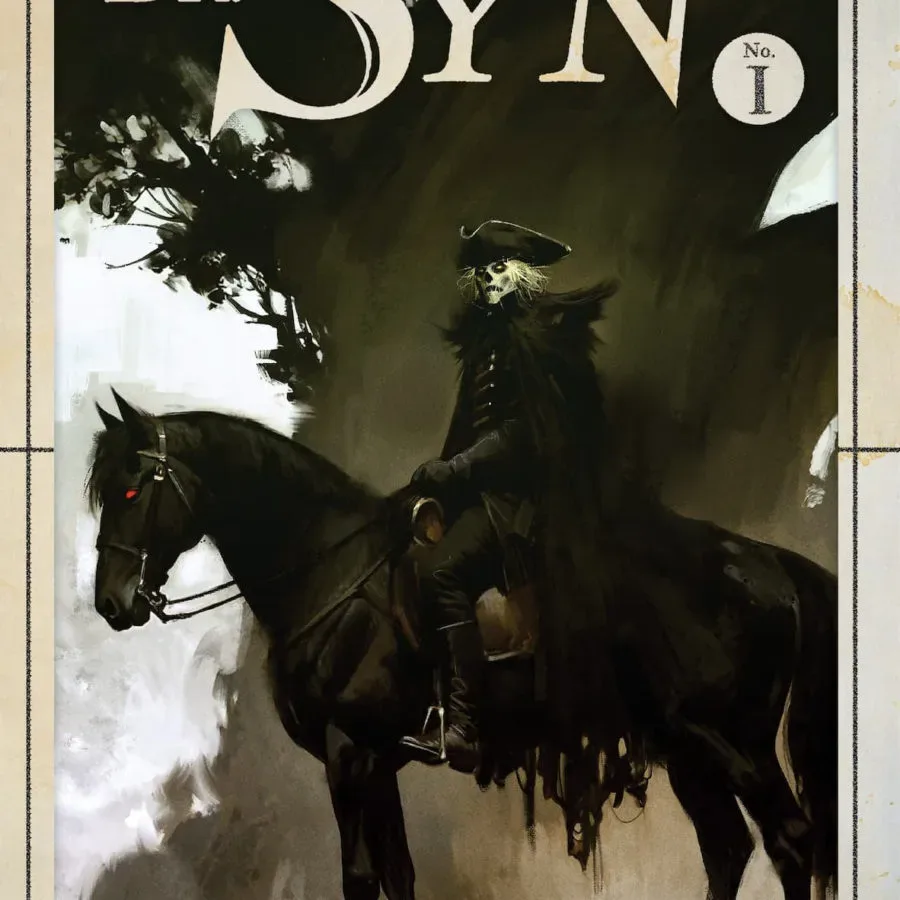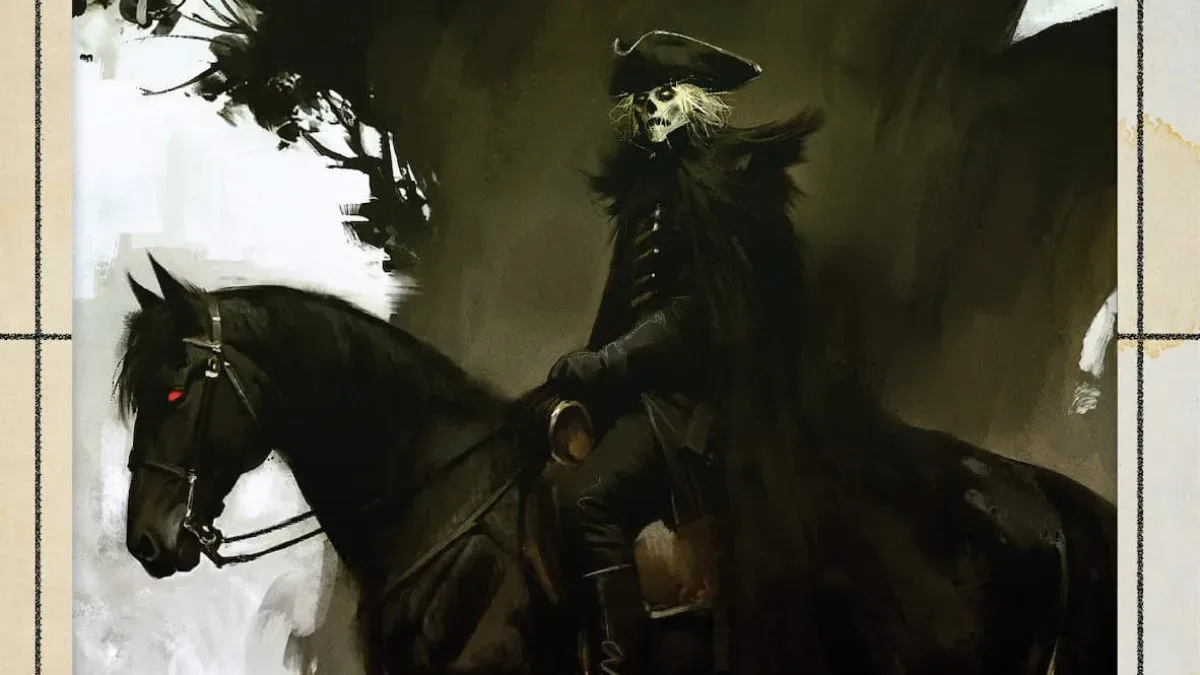
Reverend Doctor Christopher Syn, better known as the Scarecrow of Romney Marsh, is returning to comics in a new four-issue Dr. Syn miniseries scheduled to begin in January 2027. Michael E. Uslan and Steven S. DeKnight are co-writing the series, with Sebastián Cabrol on art. The project takes a character first introduced in Russell Thorndike’s 1915 novel Doctor Syn: A Tale of the Romney Marsh and moves him into an explicitly revisionist Revolutionary War setting.
That is not merely a costume change or a straightforward period update. The premise places Syn in 1775 after he is captured and transported to Georgia, described here as a British penal colony, while the American Revolutionary War is on the verge of beginning. The result is positioned as a bloody rebellion story that brings together historical fiction, pulp adventure, vengeance, and the visual language of an early masked vigilante.
Uslan, whose work includes executive producing the Batman films, joins DeKnight, known for Daredevil, on the scripts. Cabrol, whose credits include Catacomb of Torment, provides the interior art. A group of artists is attached to covers: Dustin Weaver, Jeffrey Alan Love, Elia Bonetti, Kelley Jones, and Cabrol.
A very old masked avenger gets a new battlefield
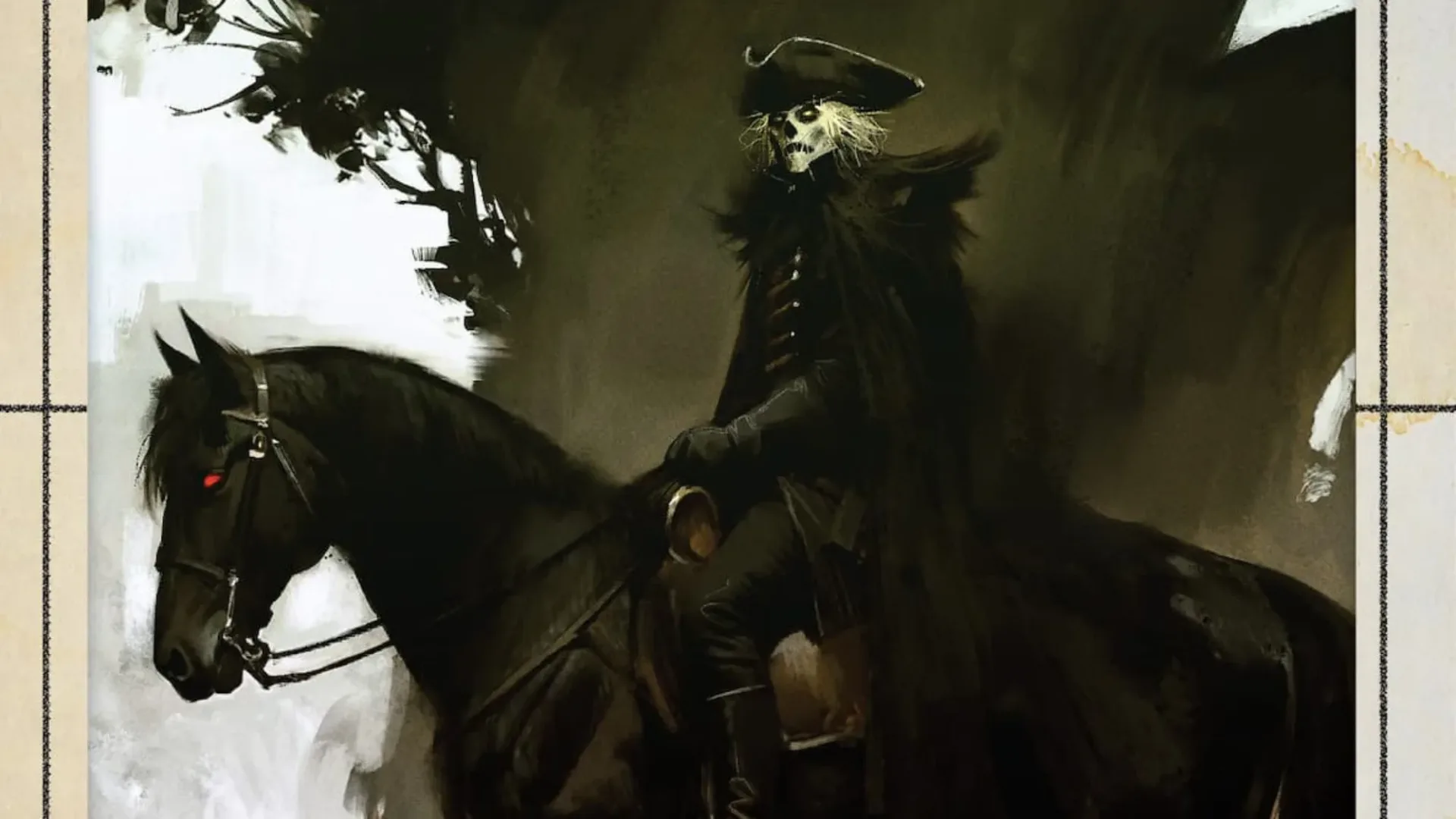
Syn’s foundational concept is unusually well suited to a modern comic-book revival. In Thorndike’s original tale, Christopher Syn is a clergyman whose family’s deaths propel him into a guerrilla fight against King George III. He operates as the Scarecrow of Romney Marsh, making the character an early example of a costumed freedom fighter driven by personal loss and political rage.
The new miniseries retains the broad idea of Syn as an insurgent against oppressive power, but redirects it away from Romney Marsh and into a different part of the eighteenth-century world. This is important because it signals that the series is not being presented as a strict adaptation of the 1915 novel. Its 1775 setting and altered circumstances are the engine of the new story, not background decoration.
Revisionist historical fiction is the useful term here. It does not mean a history lesson with a few fictional people placed around the edges. It means a work that knowingly revises, reshapes, or reimagines historical events, settings, and figures to pursue its own dramatic argument. In this case, the announcement frames Dr. Syn as a tale built from the tensions surrounding rebellion, colonial authority, incarceration, and retaliation. Readers should therefore expect a fictional alternate take on the era rather than a literal continuation of Thorndike’s version of the character.
The publisher’s comparison to Inglourious Basterds and V for Vendetta gives a more specific sense of the intended temperature. Both titles are associated with resistance against entrenched authority, stark symbolic imagery, and violent political conflict. That comparison does not establish plot details beyond what has been announced, but it does clarify that this Dr. Syn is being pitched as abrasive, confrontational, and stylized rather than quaintly nostalgic.
What “proto-superhero” means for Dr. Syn
Dr. Syn is being described as a proto-pulp vigilante and filtered through a proto-superhero lens. Those labels can sound like marketing shorthand, but they help explain why the character remains adaptable more than a century after his debut.
Pulp, in this context, points to fast-moving, heightened adventure storytelling: dramatic identities, dangerous confrontations, melodramatic motives, and larger-than-life action. A vigilante is a character who acts outside formal law to pursue justice, revenge, or a personal moral code. Syn’s Scarecrow identity gives him the kind of theatrical symbol that later became central to superhero fiction: an alter ego capable of inspiring fear, loyalty, or legend.
Proto-superhero does not claim that Dr. Syn belongs to the modern superhero genre in every respect. Rather, it identifies elements that later superhero stories would make familiar: a striking public persona, a private identity, an emotionally charged origin, an enemy in power, and a campaign that turns one person into a symbol. Uslan has characterized the character as “America’s first dark knight,” an intentionally provocative description that emphasizes Syn’s place among shadowy, fear-based masked champions. The historical character is British in origin, while the new series brings him to an American setting; the phrase is best read as a comparison to the lineage of dark vigilante comics rather than a statement about Dr. Syn’s original nationality.
That distinction matters. Syn predates many conventions readers now associate with capes-and-cowls storytelling, but this series is not advertised as an exercise in preserving him in amber. The announced approach is to use those older building blocks as raw material for a harsher modern comic. The creative team is described as pulling from several historical and pulp threads instead of simply updating the original novels.
From novel to stage, screen, and comics
Dr. Syn has already survived several format changes. The character began in Thorndike’s 1915 novel, then appeared in stage plays and films. He was also the focus of a Disney television serial in 1963 starring Patrick McGoohan, an adaptation that led to a Gold Key comic. The new series is identified as the character’s first major appearance in the twenty-first century and his first move to American shores.
That history offers a practical reason for the new book’s changed setting. Dr. Syn is not tied to one prior comic-book continuity in the way many long-running superheroes are. His earlier incarnations have crossed media and interpretation, and the new miniseries can use the recognizable core—the avenging clergyman behind the Scarecrow identity—while establishing a fresh entry point for readers who do not know the Romney Marsh stories.
For readers coming in cold, the basic starting point is clear: this is a four-issue story about a captured freedom fighter entering a volatile 1775 setting, not a book that requires familiarity with the 1915 novel, the McGoohan serial, or the Gold Key comic. The announced setup establishes the central conflict before any need for deeper archival knowledge.
That accessibility is especially useful for a character whose legacy is broad but not continuously visible in contemporary comics. A revival has to do two jobs at once: respect the qualities that made an older property distinctive and give new audiences a reason to care now. Here, the Scarecrow imagery, the anti-authoritarian campaign, and the personal trauma behind Syn’s mission provide the inheritance. The prison-transport premise and the Revolutionary War-adjacent setting supply the new dramatic terrain.
The creative team and the comic’s visual promise
The credited team suggests a book designed to make its tonal ambitions visible on the page. Uslan’s association with Batman is relevant because the announcement itself emphasizes dark-knight imagery and a masked avenger operating through intimidation. DeKnight’s Daredevil connection similarly aligns with a character-driven vigilante premise in which violence, moral pressure, and personal damage can sit near the center of the story.
Cabrol’s role as interior artist is significant because an eighteenth-century setting can easily become either overly polished period drama or generic action scenery. The announced direction calls for something more vivid: a blood-soaked, pulp-inflected rebellion narrative. In comics, the artist carries much of that burden through costume silhouette, shadows, body language, landscapes, weapons, architecture, and the rhythm of action across panels. The Scarecrow is already an image-first identity, so Cabrol’s depiction of Syn will be central to whether the book feels like a historical adventure, a horror-tinged revenge story, or a distinctive overlap of both.
The cover lineup also provides several visual interpretations around the same premise. Weaver, Love, Bonetti, Jones, and Cabrol are all named for covers, meaning readers will have multiple pieces of cover art connected to the debut. No issue-by-issue cover assignments or variant details have been specified, so it would be premature to assume exactly how those covers will be distributed. What is clear is that the series is launching with an emphasis on visual identity as well as its unusual literary pedigree.
Why the setting changes the stakes
Moving Syn to 1775 and placing him on the American side of the Atlantic turns the series’ concept from a local guerrilla legend into a story situated beside a looming war. The premise says he is sent to Georgia just as the Revolution is about to start. That timing gives the book a naturally unstable backdrop: imperial authority is present, rebellion is imminent, and Syn arrives as a prisoner with his own history of resistance.
It also creates room for the story to explore what happens when a freedom fighter is removed from the place and cause that originally defined him. The announced material does not reveal Syn’s allies, adversaries, or immediate objectives in Georgia, so those questions remain open. But they are built into the premise. Is he pursuing the same kind of vengeance that drove the Scarecrow of Romney Marsh? Is he being pulled into a new conflict? Can someone shaped by guerrilla resistance become a symbol in unfamiliar territory? Those are interpretive possibilities raised by the setup, not confirmed plot points.
The language around “Tarantinoing” the character is also revealing. It suggests an approach based on remixing genres and history with a deliberately heightened sense of violence and style. It should not be mistaken for a promise that the comic will reproduce any one filmmaker’s exact storytelling habits. Instead, it signals that the miniseries intends to be a bold reinterpretation, drawing connections among historic rebellion, pulp fiction, revenge drama, and masked-vigilante comics.
What readers can expect—and what remains unknown
The confirmed facts are straightforward: Dr. Syn is a four-issue miniseries, written by Michael E. Uslan and Steven S. DeKnight, drawn by Sebastián Cabrol, and beginning with issue #1 in January 2027. It reworks Russell Thorndike’s Christopher Syn for a revisionist 1775 story involving capture, transportation to Georgia, and the opening edge of the American Revolutionary War.
Beyond that, the project’s clearest promise is tone. This is not being framed as a gentle heritage revival. It is a violent rebellion comic with a foundational vigilante character at its center, using the Scarecrow mythos as a bridge between early twentieth-century adventure fiction and contemporary genre-comic sensibilities.
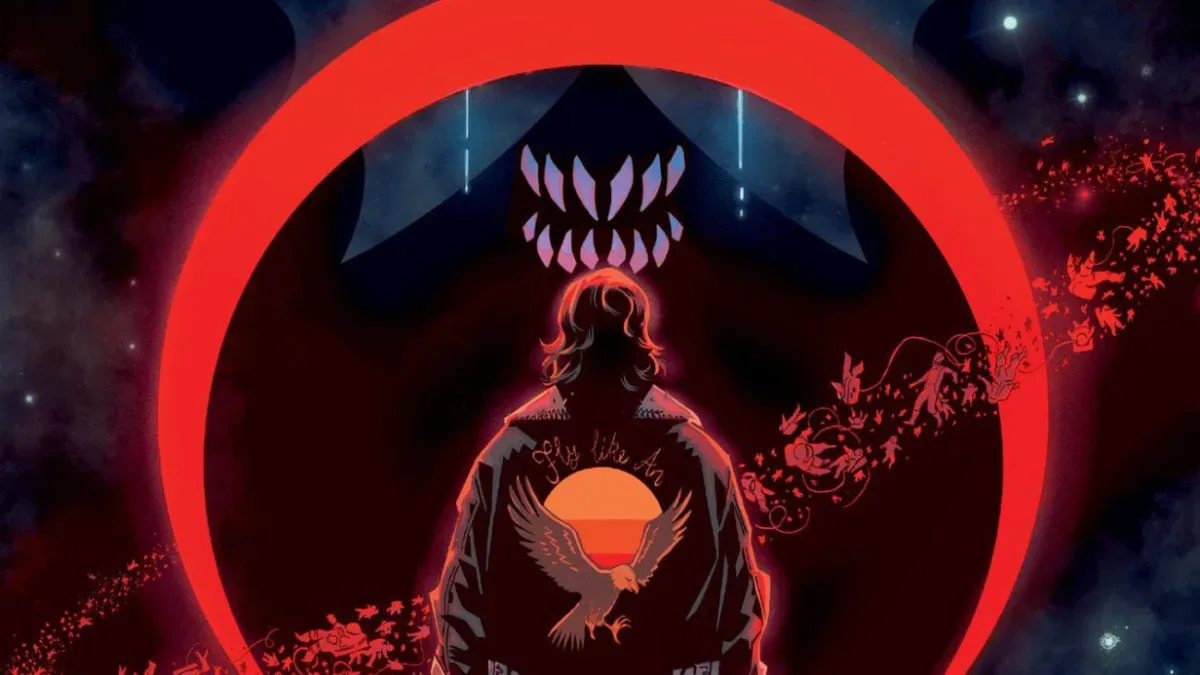
It also joins a wider slate of announced 2027 original and returning comic projects, including a separate cosmic sci-fi mission led by Jeremy Lambert and Claire Roe. Dr. Syn, however, stands apart through the age of its source character and the decision to place that figure in a radically different historical arena.
For longtime followers, the appeal is the chance to see the Scarecrow of Romney Marsh treated as something more than a footnote in the history of masked adventurers. For new readers, the book offers a compact four-issue entry point with a clear hook: an old-school avenger, a volatile revolutionary moment, and a creative team determined to make the resurrection anything but restrained.