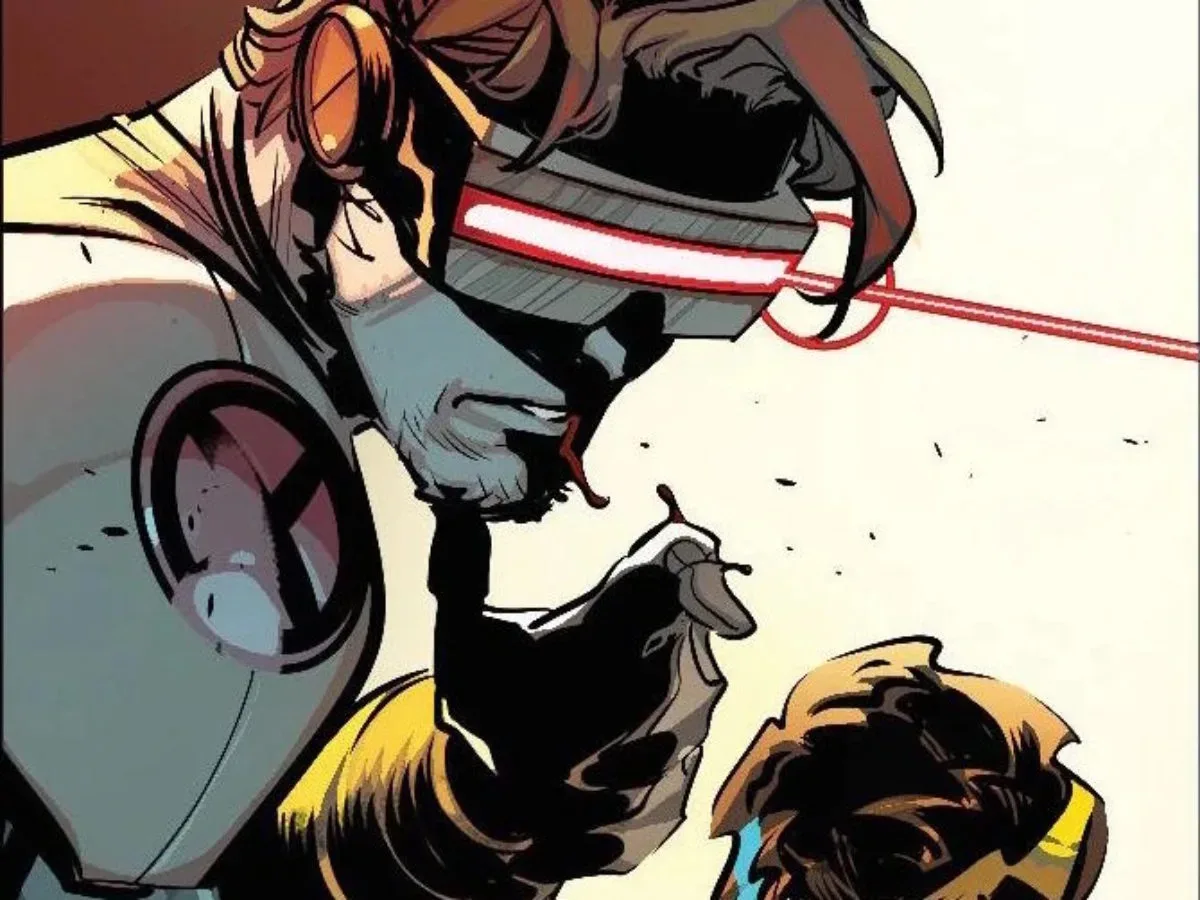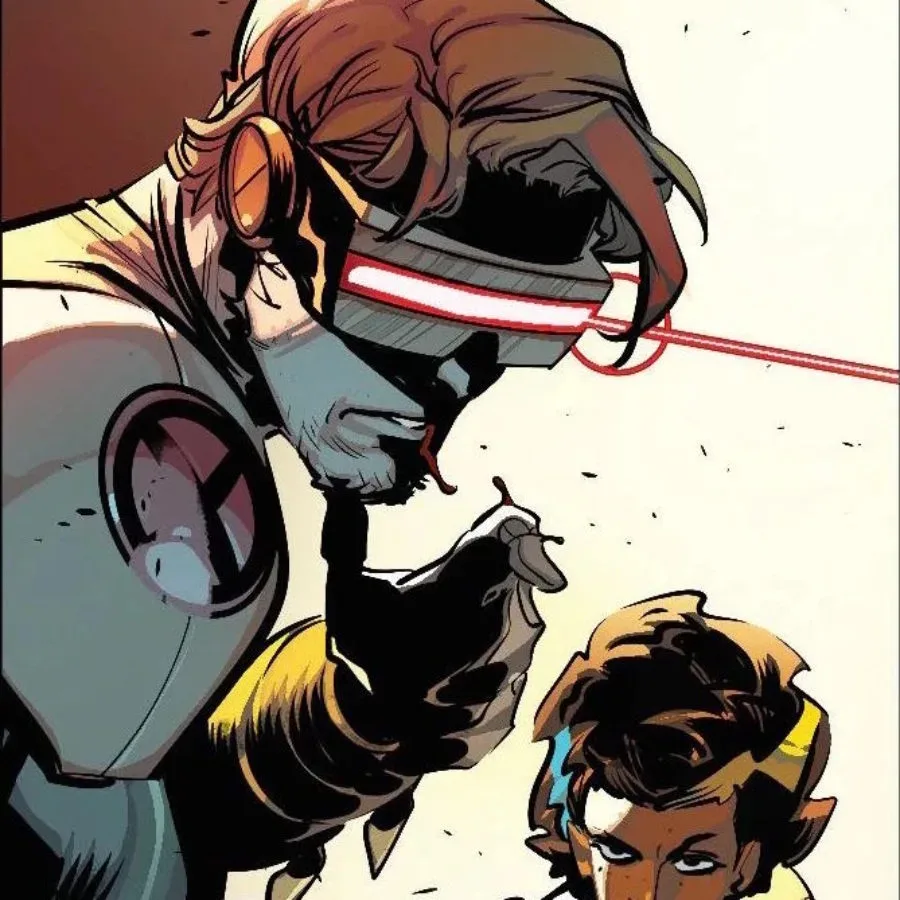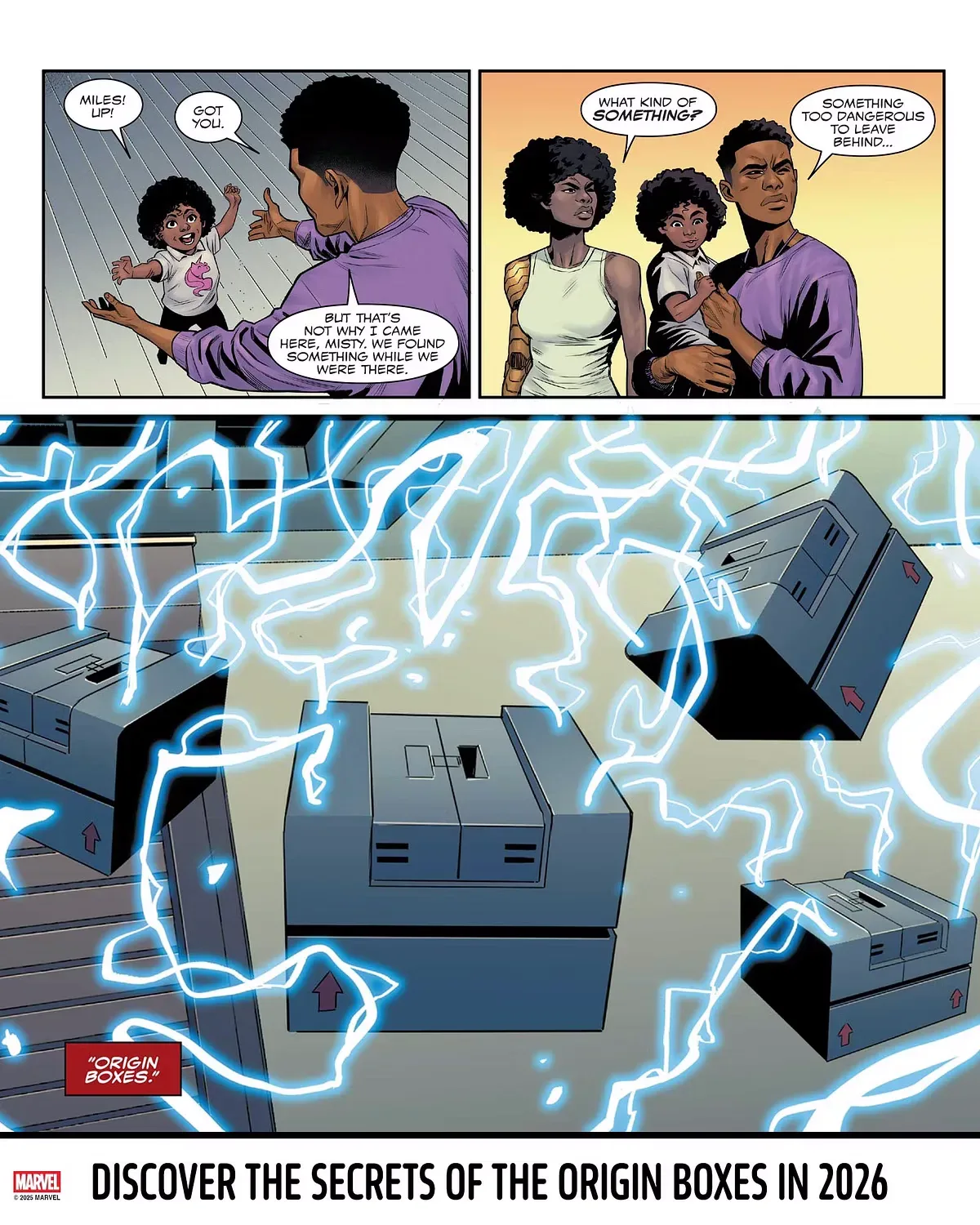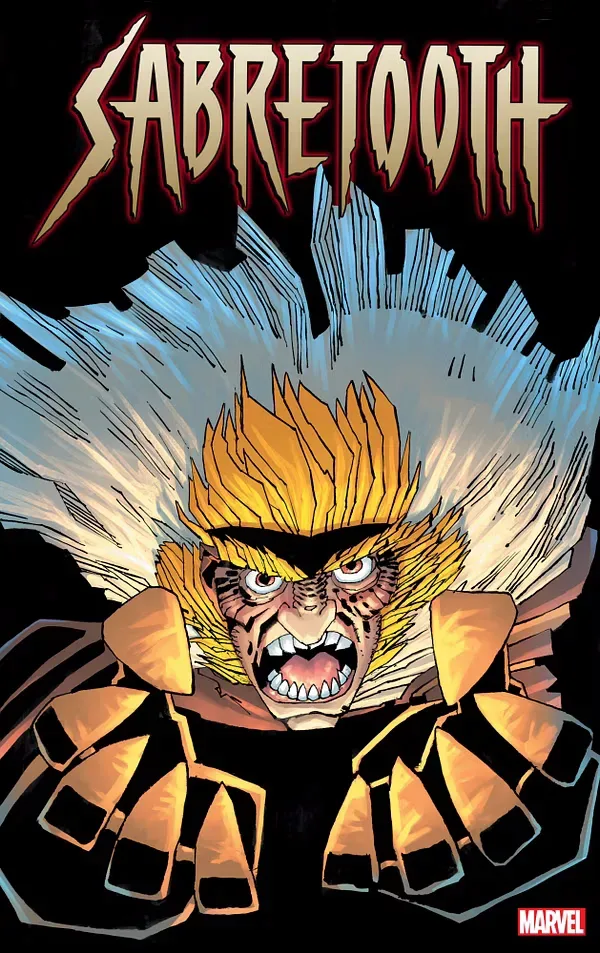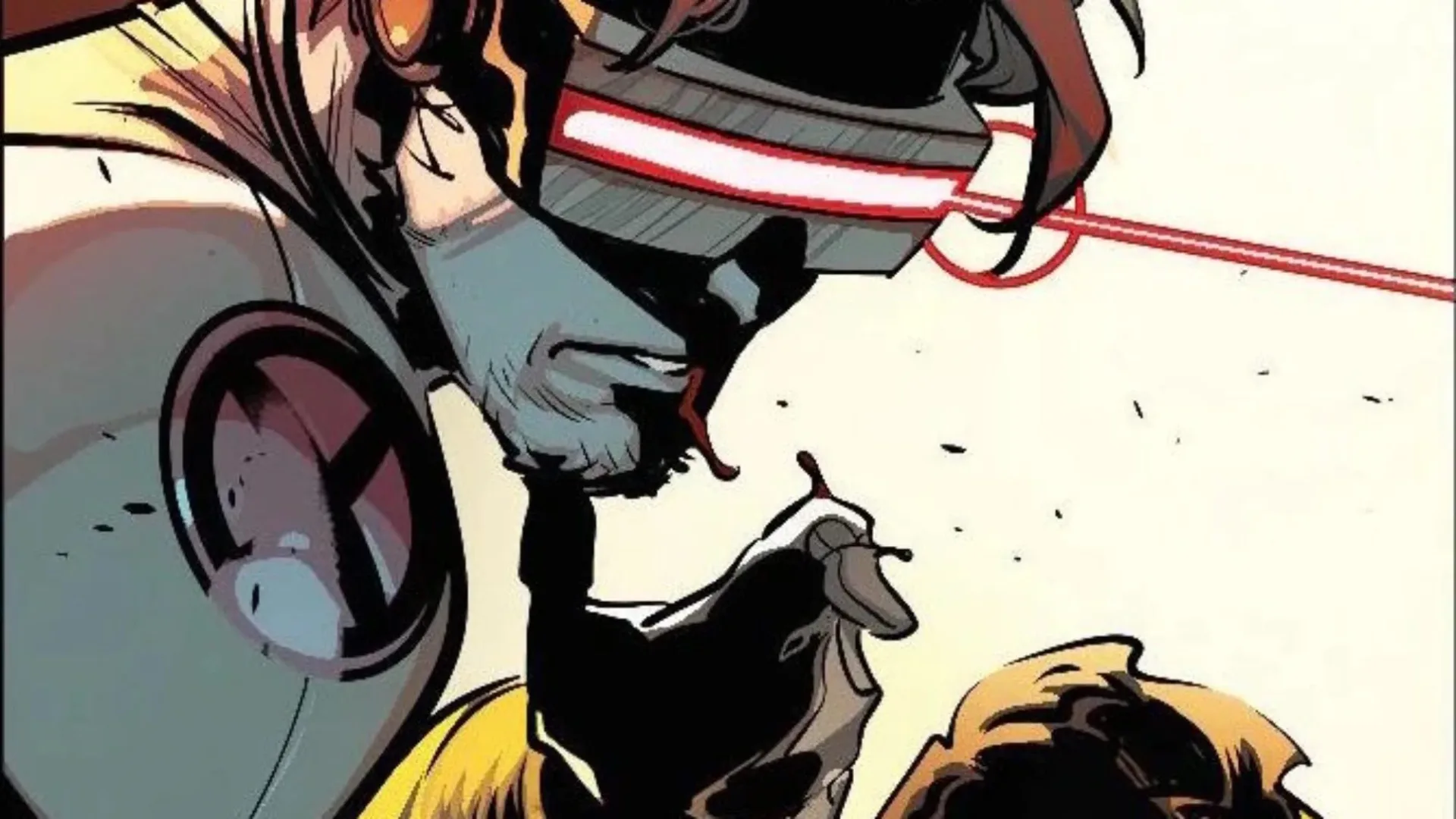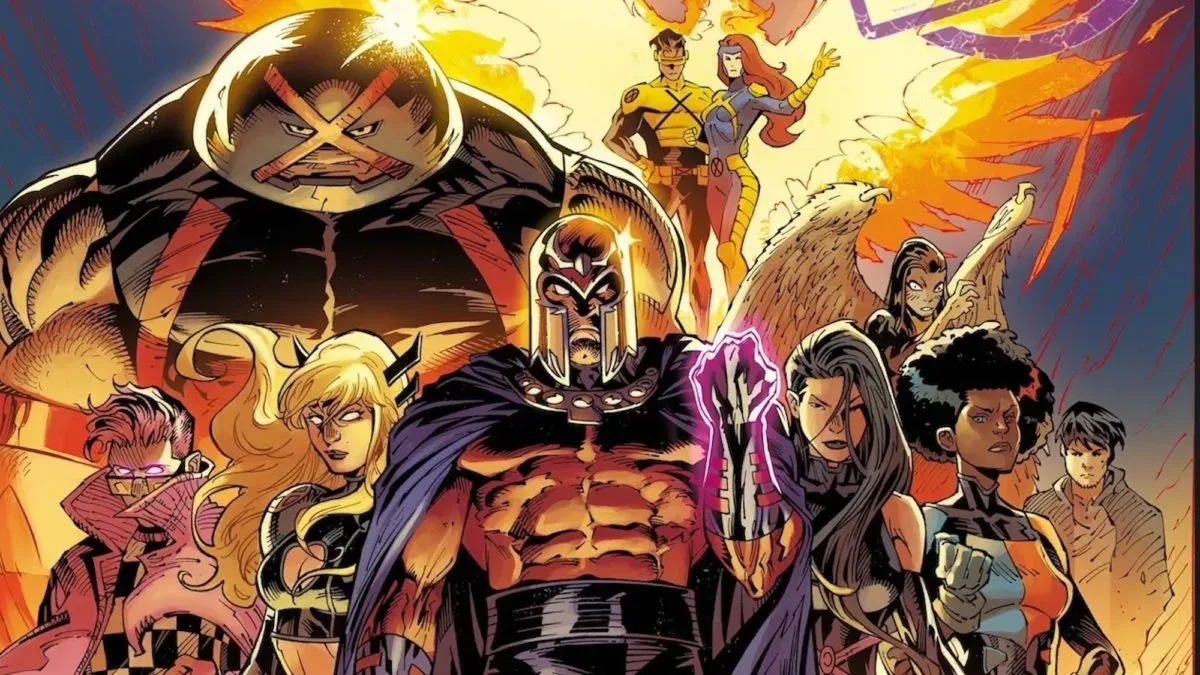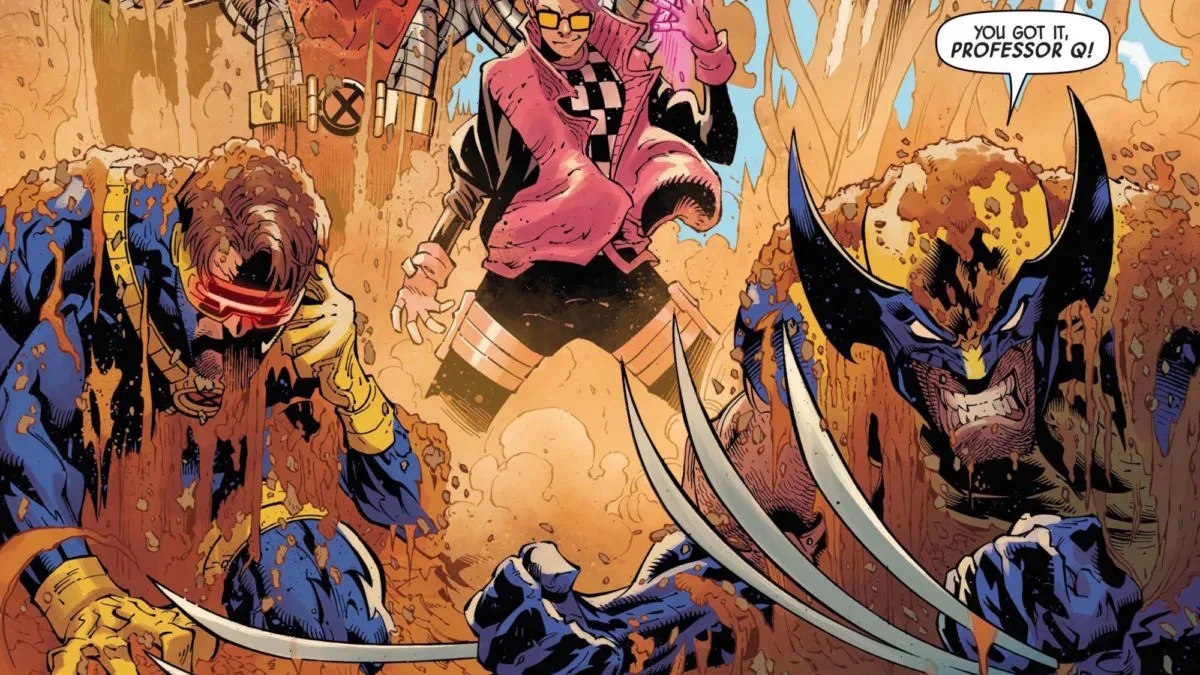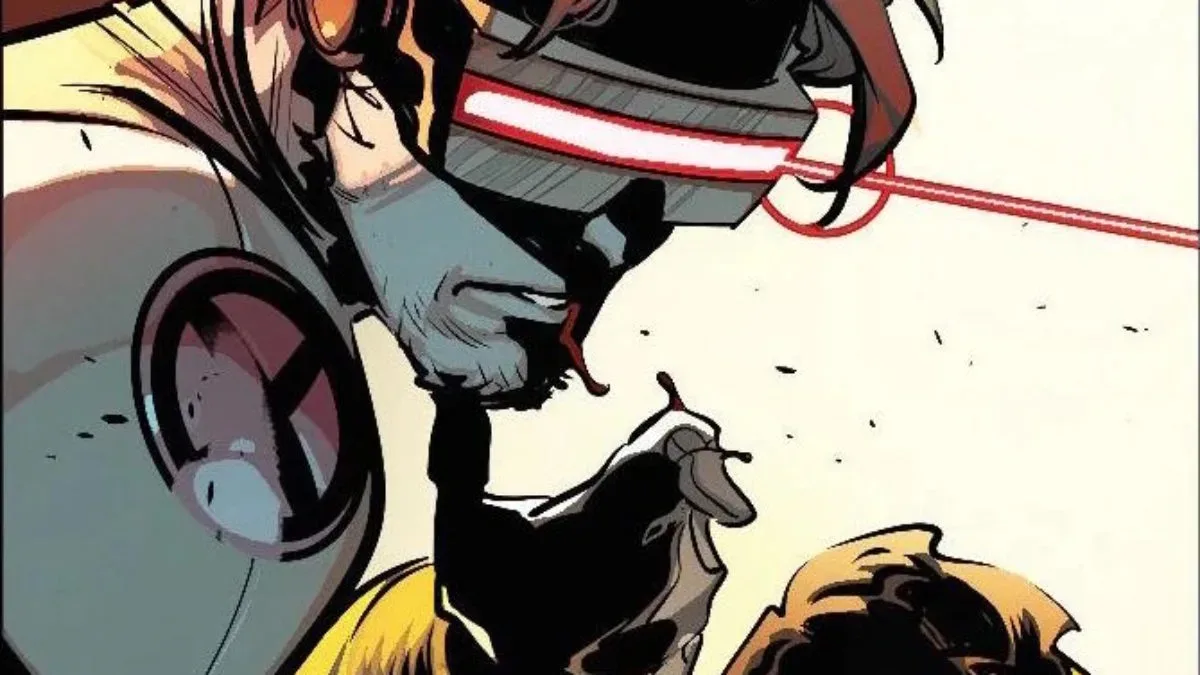
Comics readers are currently circling one enormous, deliberately ominous question: who will die in DNX? Discussion of the upcoming X-Men and Jean Grey material has climbed to the top of the day’s comics conversation, with December 2026 solicitation information giving fans just enough of a hook to start connecting dots—and nowhere near enough verified story detail to answer the question cleanly.
That distinction matters. The available material supports the fact that DNX is attracting intense attention and that X-Men and Jean Grey are central to the current speculation. It does not establish a confirmed character death, identify a victim, explain what DNX is in full, or reveal the outcome of the storyline. In superhero comics, the difference between a foreboding setup and a definitive spoiler is the distance between “somebody is in danger” and “somebody is definitely gone.” At the moment, fans are operating firmly in the first territory.
Why the DNX question has caught on
Death speculation is one of comics’ most durable reader rituals, especially when a major line such as X-Men is involved. A short, threatening premise can produce outsized interest because it asks audiences to bring their own knowledge of ongoing relationships, past tragedies, team rosters and editorial patterns to the table. Add Jean Grey to that equation and the conversation becomes even more charged: she is a character with enormous significance to X-Men stories, and any hint around her naturally invites close scrutiny.
The December 2026 solicitations appear to be doing exactly what advance comic-book listings often do best: setting an expectation, naming the pieces on the board and encouraging readers to wait for context. A solicitation is advance marketing and ordering copy used to describe a future issue or product. It can communicate a premise, creators, cover imagery and a reason to reserve a copy. It is not automatically a scene-by-scene account of the issue, and its language is frequently designed to preserve surprises.
That makes a solicitation a useful starting point for discussion, but a poor substitute for confirmation. A death question can be literal, rhetorical, conditional, misleading or resolved in a way the preview language intentionally avoids explaining. The more sweeping the question sounds, the more restraint readers should apply before treating theories as established facts.
What is actually on the table
The strongest current takeaway is straightforward: DNX-related material, tied to X-Men and Jean Grey in December 2026, has created a prominent mystery. The available details do not justify naming a character as the likely casualty. Nor do they prove that the “death” framing refers to a permanent change in continuity rather than a temporary story turn, a narrowly defined consequence or a dramatic marketing tease.
That may sound cautious, but it is also the most practical way to enjoy serialized comics. Readers who want to follow DNX without walking into avoidable misinformation can separate the discussion into three buckets:
- Confirmed: DNX is the subject of a high-interest question, and X-Men and Jean Grey December 2026 material is feeding that interest.
- Possible: The storyline may involve mortal danger, a major loss or an event intended to feel consequential.
- Unconfirmed: The identity of any character who dies, the permanence of any death, and the full meaning or structure of DNX.
That framework does not make speculation less fun. It simply prevents a popular theory from hardening into a fake spoiler through repetition.
Why Jean Grey changes the temperature of the conversation
Jean Grey’s inclusion is enough to make any X-Men tease feel bigger than an ordinary cliffhanger. She is one of the franchise’s defining figures, which means readers will naturally wonder whether the story concerns her safety, her role in an unfolding crisis, or the impact she may have on somebody else’s fate.
There is a broader storytelling reason her presence fuels theories, too. In shared-universe superhero fiction, legacy characters carry emotional and symbolic weight beyond the immediate plot. A preview involving Jean can signal family drama, cosmic stakes, mutant politics, old wounds or a major turning point without explicitly confirming which one. That flexibility is valuable to a monthly series, but it can make early advertising copy feel like an invitation to solve a puzzle whose final pieces have not been published.
For readers, the sensible response is to watch for firmer details in subsequent issue information rather than treating any one clue as dispositive. Cover art, issue titles and solicit wording can all establish tone. They are less reliable at conveying the exact mechanics of a twist.
DNX sits inside a crowded comics news cycle
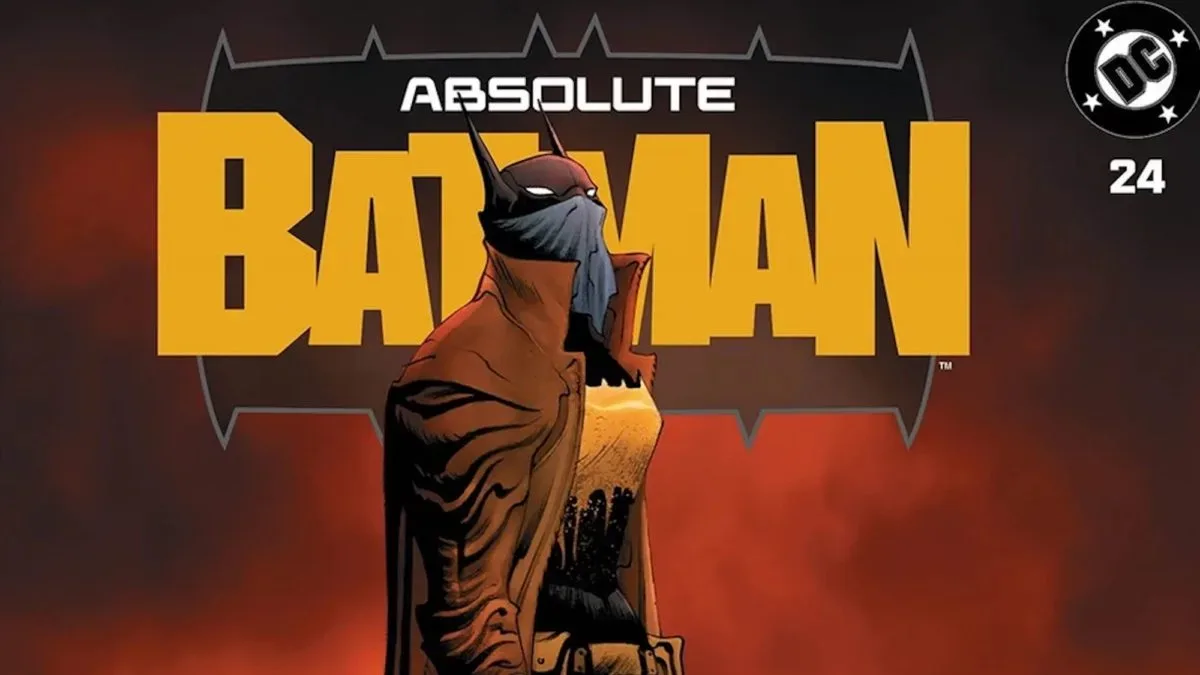
The interest in DNX has arrived alongside a notably broad run of comics topics. Readers are also tracking reports of damaged copies of Absolute Batman #24, new December 2026 solicitations from publishers including Archie, Ablaze, Fantagraphics and Zenescope, and possible future projects involving names such as David Finch.
The Absolute Batman #24 conversation also illustrates how quickly a comics story can spread beyond plot. A damaged issue is a reading-copy concern first, but it can become a collecting concern depending on the scale and type of damage, whether replacement copies exist, and whether collectors are dealing with a standard issue, a variant, or original art. For a separate look at the premium end of that ecosystem, see the listing for Jae Lee’s Absolute Batman #24 original cover art.
Elsewhere, Batman remains visible through a Gold Label Batman: Arkham City DC Multiverse figure, while a possible Batman x Kamen Rider: Zero-One project has also entered the discussion. Those are separate items from DNX, but together they show the unusually wide range of material that modern comics audiences follow at once: serialized stories, advance listings, physical editions, figures, original art and cross-media franchises.
How to read solicitations without spoiling the fun
Advance solicitation season has its own etiquette. Fans want enough information to decide what to order, yet many also want the issue’s big turn to land on the page. The best solicit text walks that line by creating urgency rather than supplying a complete answer. Death language is especially effective because it generates an immediate emotional response, even when the surrounding facts remain scarce.
For readers who dislike spoilers, the safest approach is simple: avoid theory threads that put a character name in the headline and stick to official ordering information until release. For readers who enjoy speculation, label it honestly. “This could point to…” is more useful than “this proves…,” particularly when the story has not yet been published.
Retailers and collectors have a related reason to stay measured. Speculation can increase attention around a title, but it cannot tell anyone whether a particular issue will become scarce, historically important or especially desirable later. Ordering decisions should account for actual reader demand and the publisher’s release information, not merely the loudest forecast online.
What to watch next
For now, the central DNX mystery remains compelling precisely because it is unresolved. The next meaningful updates will be material that narrows the scope: more detailed official copy, issue credits, additional covers, or eventually the published story itself. Until then, the responsible reading is not that a particular X-Men character is confirmed to die. It is that December 2026’s X-Men and Jean Grey material has successfully made readers ask who might be at risk.
In other words, DNX has already accomplished one important thing before its full context is public: it has made uncertainty feel like an event. For a serialized superhero story, that is a powerful opening move. The answer, however, still belongs to the comics—not the rumor mill.