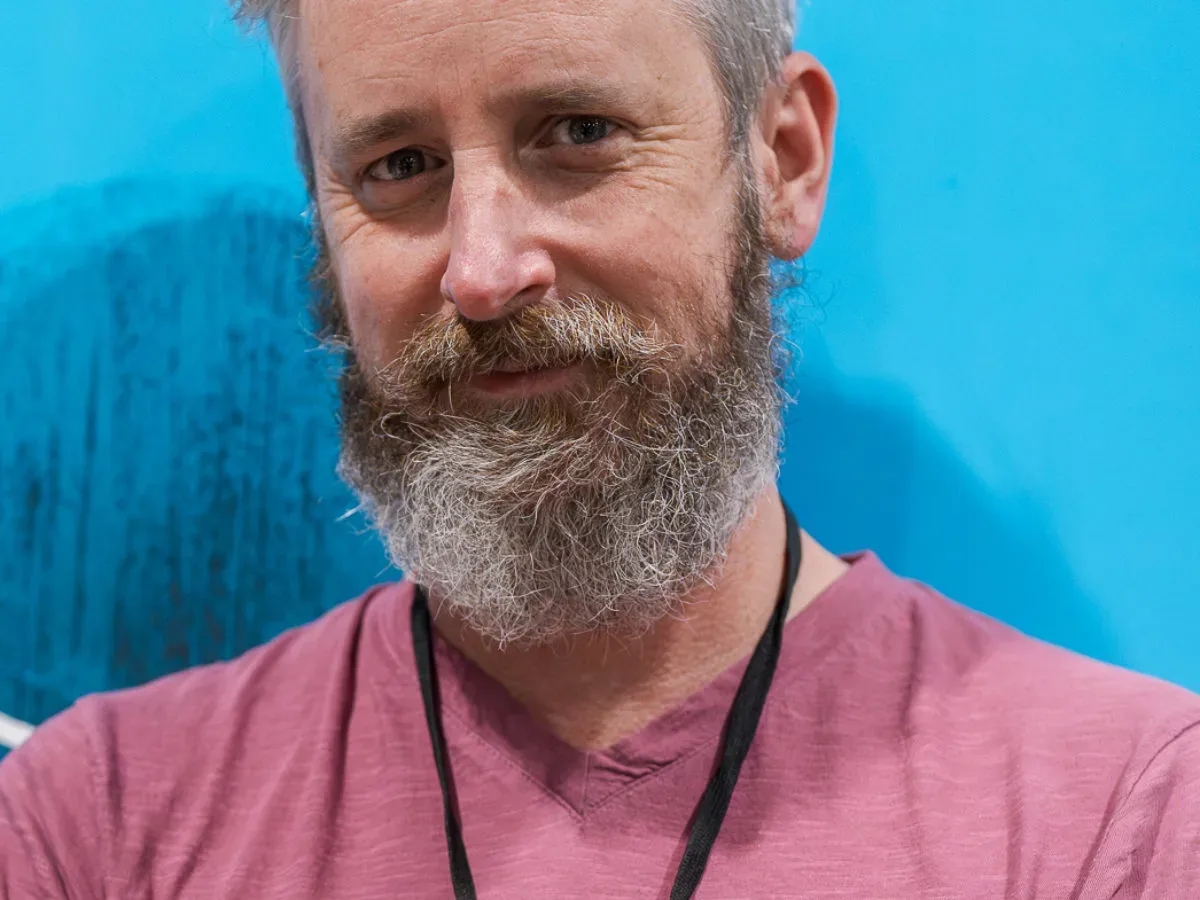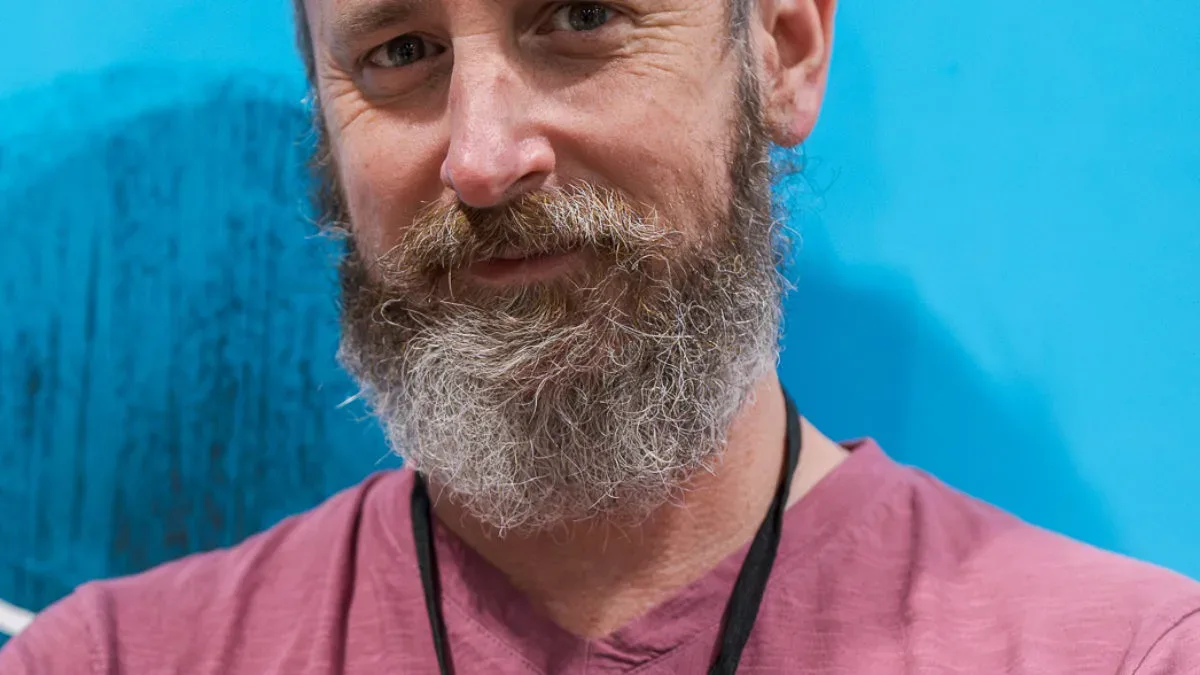
Marvel’s recent creative summit was not, by Chip Zdarsky’s account, a roomful of creators trying to out-shout one another with the next universe-spanning event. The writer arrived expecting that familiar pressure: bring the enormous pitch, make it impossible to ignore, and hope it becomes the conversation. Instead, he says the gathering under new editor-in-chief Steve Wacker was geared toward a broader question: how can Marvel make better comics?
That may sound like a deliberately basic mission statement, but Zdarsky’s description suggests a meaningful change in emphasis. The summit reportedly addressed Marvel’s place in the comic-book business, the practical conditions creators need, ongoing editorial processes and the health of the stories themselves. For readers, none of that guarantees a particular series, format or launch. It does, however, describe a creative process intended to prioritize the work on the page rather than simply the size of the next headline.
A summit about direction, not a crossover auction
Zdarsky characterized the atmosphere as notably candid and positive, including when participants raised problems. Crucially, he said the event was not built around pitching giant story concepts. The discussion centered instead on where Marvel wants to go and what the publisher wants from its creators.
That distinction matters. A major crossover is a story that reaches across several titles, often involving shared characters and coordinated plots. It can be creatively exciting, but planning one is only one part of keeping a shared superhero line coherent. A summit focused on strategy can address the less glamorous, more foundational questions: Which characters are in play? How can separate books avoid contradicting one another? What support do writers and artists need to make their individual series work?
Zdarsky’s response was one of relief. Rather than treating the meeting as a contest for the loudest premise, he saw it as a forum for longer-term priorities. That does not mean big stories are off the table; he said he has both smaller and larger ideas he is pitching. It means scale was not presented as the sole measure of ambition.
Wacker’s notes on Avengers stood out
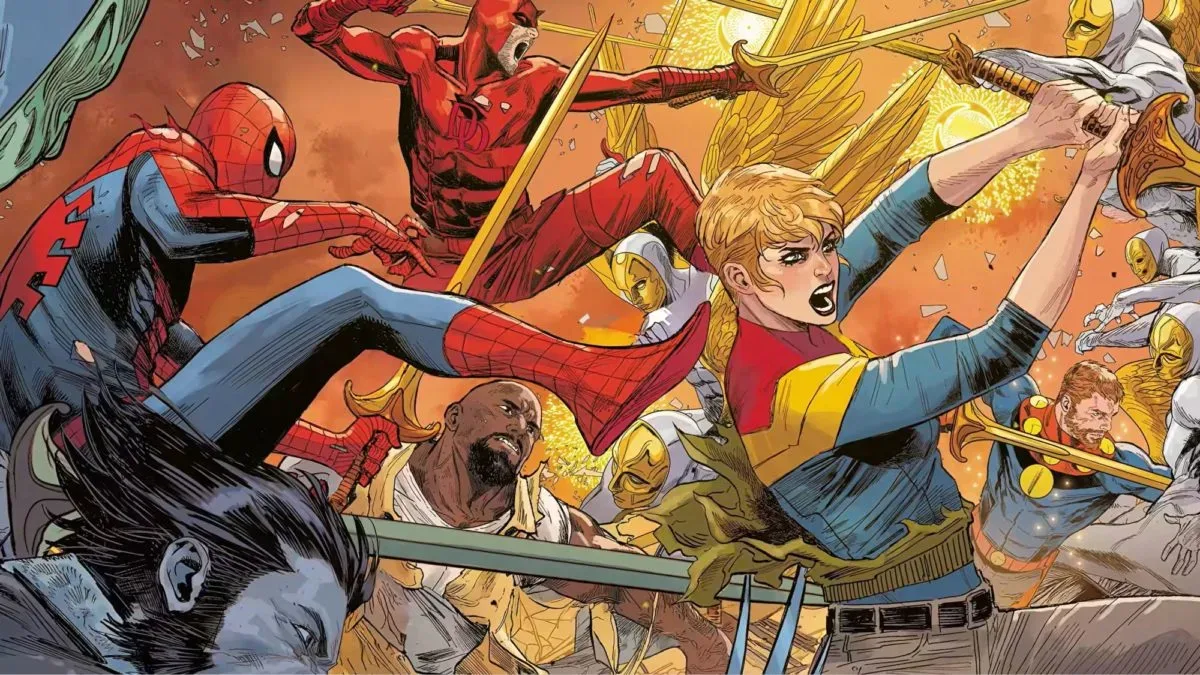
The most concrete part of Zdarsky’s account concerns an upcoming Avengers arc. Wacker had already sent notes on it, and Zdarsky said the feedback improved the story. He praised the notes enthusiastically and described Wacker as approaching the material from a storyteller’s perspective.
In comics publishing, editorial notes are feedback from an editor on a script, plot or other stage of a project. Notes can address anything from character motivation and pacing to continuity, structure and clarity. They are not inherently a rejection of a creator’s idea; ideally, they are a dialogue that helps a story arrive on the page in a stronger form. Zdarsky’s remarks matter because they offer an unusually direct appraisal of the new editor-in-chief’s hands-on involvement, even though they remain one creator’s perspective on one arc.
His broader point was that this storytelling focus was visible throughout the gathering, not limited to private notes. For fans watching a change in editorial leadership, that is probably the most useful signal available so far: Wacker is described as engaging with story craft, not merely overseeing schedules or brand-level planning.
The value of a faster “book report”
Zdarsky also described a streamlined version of the summit’s “book report” portion. In this context, that means editors giving colleagues a concise update on where characters are and what they will be doing, so other teams know how they can use them without creating avoidable conflicts.
Shared-universe continuity can become a fog machine if those updates lack focus. A character may be central to one title, unavailable because of another plot, or headed toward a development that affects how another writer can reasonably portray them. The practical purpose of the report is to make those boundaries visible. Zdarsky said Wacker kept the discussion from drifting, pushing participants to stick to the character information other creators actually needed.
That sounds procedural, but it can be a reader-friendly editorial habit. Efficient coordination does not make every issue great, and it should not become an excuse to constrain individual books. Yet it can reduce the risk that a run loses momentum because another title abruptly requires a character elsewhere, or because a major change arrives without the relevant creative teams having room to plan around it.
Listening to institutional problems
Another element of the summit was space for creators and staff to raise grievances. Zdarsky said some comments were positive, some mildly critical and some plainly negative, with many concerns involving long-standing institutional practices. He described Wacker as listening rather than treating the session as a formality.
The stated mandate, in Zdarsky’s retelling, was straightforward: Marvel is there to help its teams tell great stories, including by providing the space and support needed to do so. That is an aspiration rather than a measurable result at this stage. The important practical question will be whether the feedback leads to durable changes in how work is planned and supported. Still, the willingness to discuss entrenched problems is significant because comic-book production depends on sustained coordination among writers, artists, colorists, letterers and editors, even when a reader only sees the finished issue.
Zdarsky framed the moment as a shift away from trying to anticipate and please people higher in the corporate structure. With Wacker alongside Brad Winderbaum and David Abdo, he said the message now feels more like: make good work. The names and structure alone do not establish what every future editorial choice will be, but they explain why Zdarsky came away sensing a changed internal priority.
Comics first, with art treated as essential
Zdarsky said unnamed special guests reinforced the idea that the comics themselves are the starting point. He was not permitted to identify them, so any speculation about who attended should be set aside. The reported principle is clear enough without it: comics should be allowed to do what comics do best, creating stories that may later provide material for other forms.
That stance is important because it gives the comic a purpose beyond functioning as a loose collection of concepts. Comics tell stories through a combination of writing and sequential art: panel composition, page turns, facial expression, visual pacing, color and lettering are part of the storytelling language. A comic can share characters with screen projects and still need to be designed first as a satisfying comic-book reading experience.
Art was a specific focus in Zdarsky’s account. He pointed to the market energy around DC’s Absolute line as an example of how powerful artwork can elevate attention around a book, and he sees Marvel placing greater emphasis on a similarly creator-driven dynamic. His basic argument was that successful runs are often associated with both a writer and an artist, rather than just one name.
That is less a dismissal of writers than a useful reminder of the medium’s collaborative nature. Readers may follow a premise or a favorite hero into a new series, but visual identity is often what makes a run feel distinct issue after issue. An editorial culture that gives artists real prominence can help a book develop that identity—provided the publisher also gives creative teams the time and conditions to execute it.
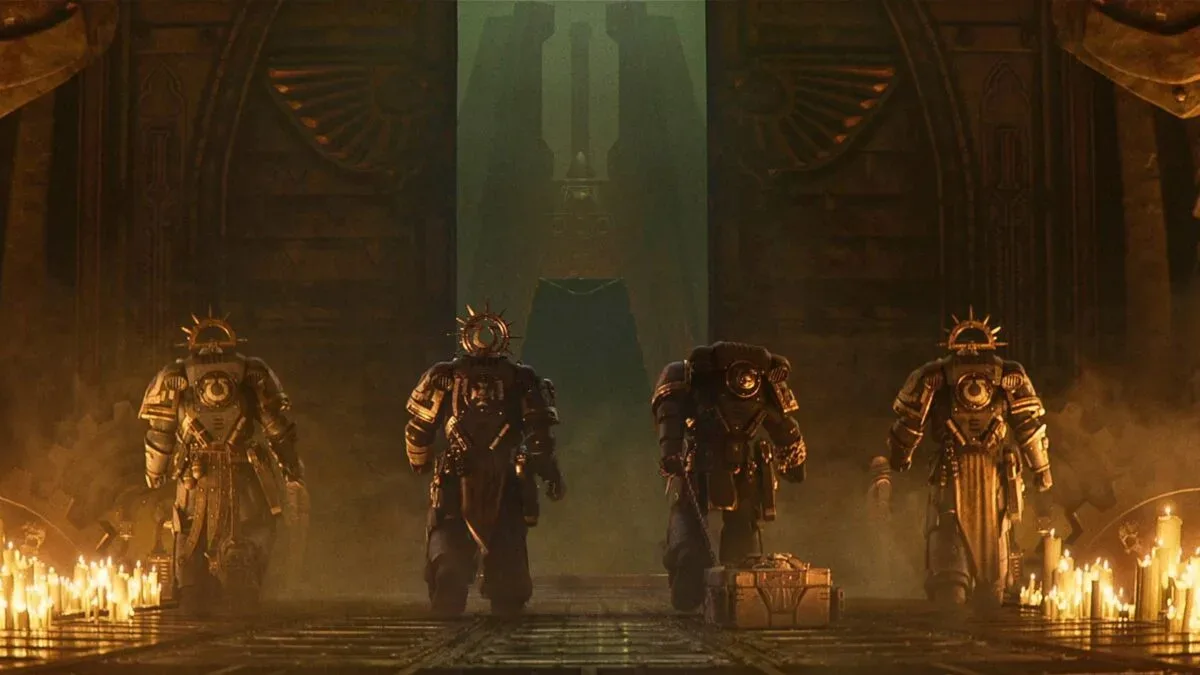
There is a useful parallel in the way long-running genre fiction earns loyalty through a clear creative voice, rather than merely its shared setting. For a different example of that appeal, see this look at the character-driven pull of Warhammer 40,000’s Horus Heresy. The formats and publishers are different, but the underlying point travels: audiences recognize when a setting is being shaped by creators with a perspective, not merely maintained as a catalogue of familiar names.
Smaller meetings could change the real work
Zdarsky expects the large retreats, held twice a year, to be supplemented by more frequent meetings among smaller groups that concentrate on plotting. That may be the most consequential operational detail in his description.
Large meetings can be valuable for sharing information and setting common goals, but they are not always the best environment for developing a scene, resolving an emotional turning point or finding the cleanest way through a complicated plot. Smaller sessions can let the people directly responsible for connected books wrestle with those specifics. They can also make continuity coordination feel less like a semiannual checkpoint and more like an ongoing creative conversation.
Again, this should be read as an intended approach, not a finished outcome. No upcoming slate, release schedule or storyline was disclosed through Zdarsky’s comments. But the proposal has a sensible creative logic: use the big room for shared direction, then give smaller teams repeated opportunities to work through stories in detail.
What readers can and cannot infer
Zdarsky left the summit with what he called a “comeback kid” feeling, despite Marvel hardly occupying an underdog position. He said there appears to be more opportunity for creators to attempt things that were not previously possible, and he offered an emphatic personal endorsement of Wacker’s abilities and character.
It is tempting to turn that optimism into a prediction of immediate publishing results. The available information does not support that. There are no confirmed new projects, no announced event, no newly revealed creative teams and no evidence that every institutional concern has already been resolved.
What it does support is a narrower, more useful takeaway. A prominent Marvel writer describes the first summit under Steve Wacker as open, practical and oriented toward stronger storytelling. He reports thoughtful notes on his own Avengers material, a concise approach to cross-title character coordination, attention to art, room for complaints and a plan for more frequent small-group plotting. Those are process-level developments, but process is where a shared universe either finds room for individual books to thrive or starts to feel like it is running on paperwork alone.