Warning: this article discusses major plot points from Avengers: Armageddon #5 and solicitation details for Avengers #1 and #2.
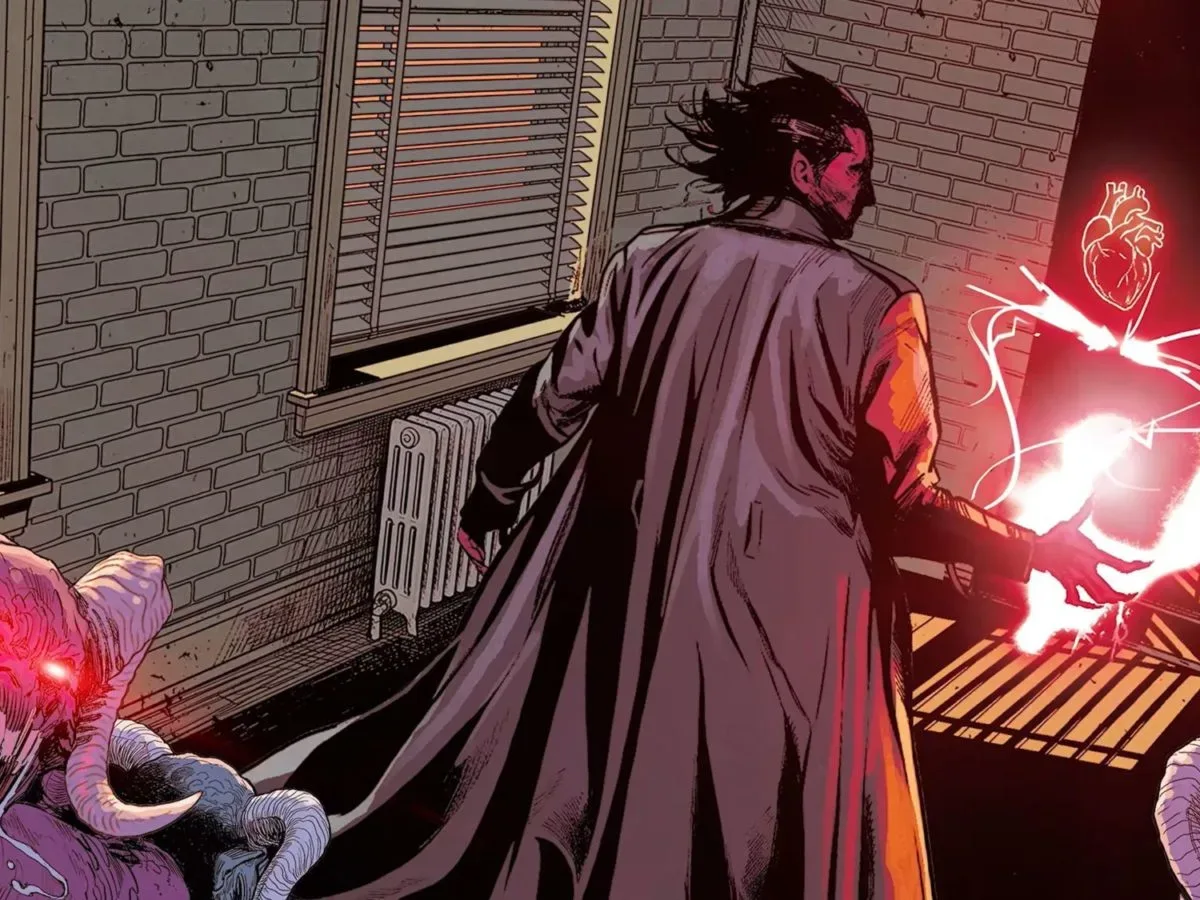
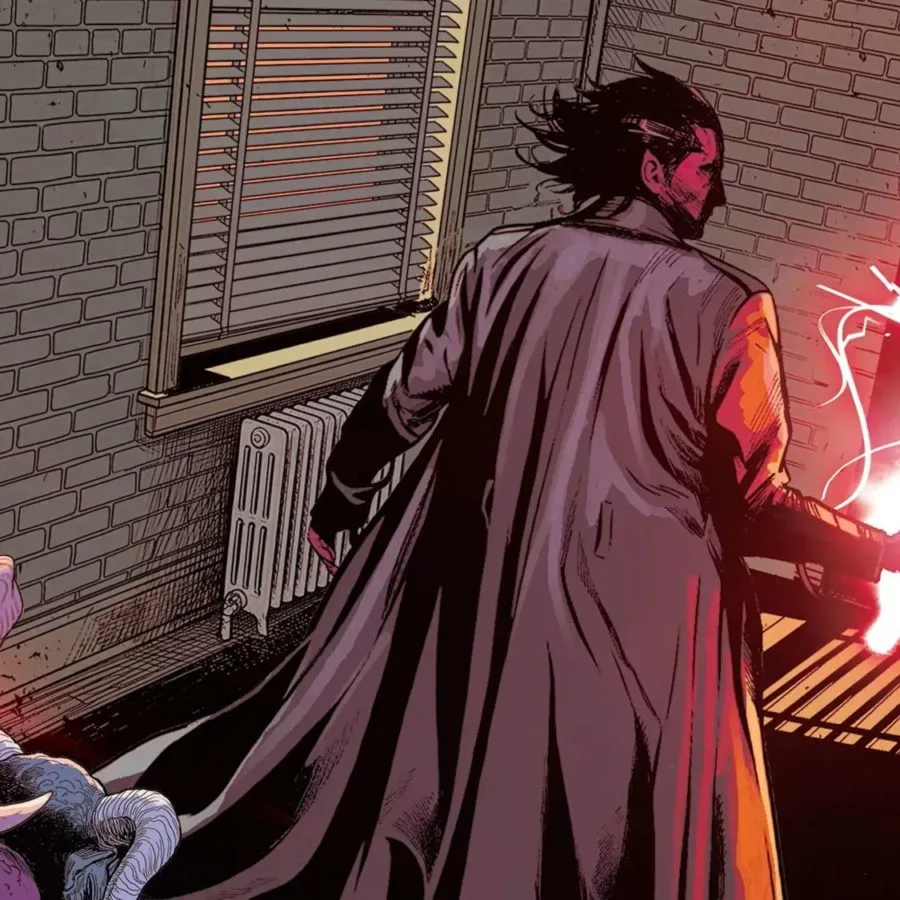
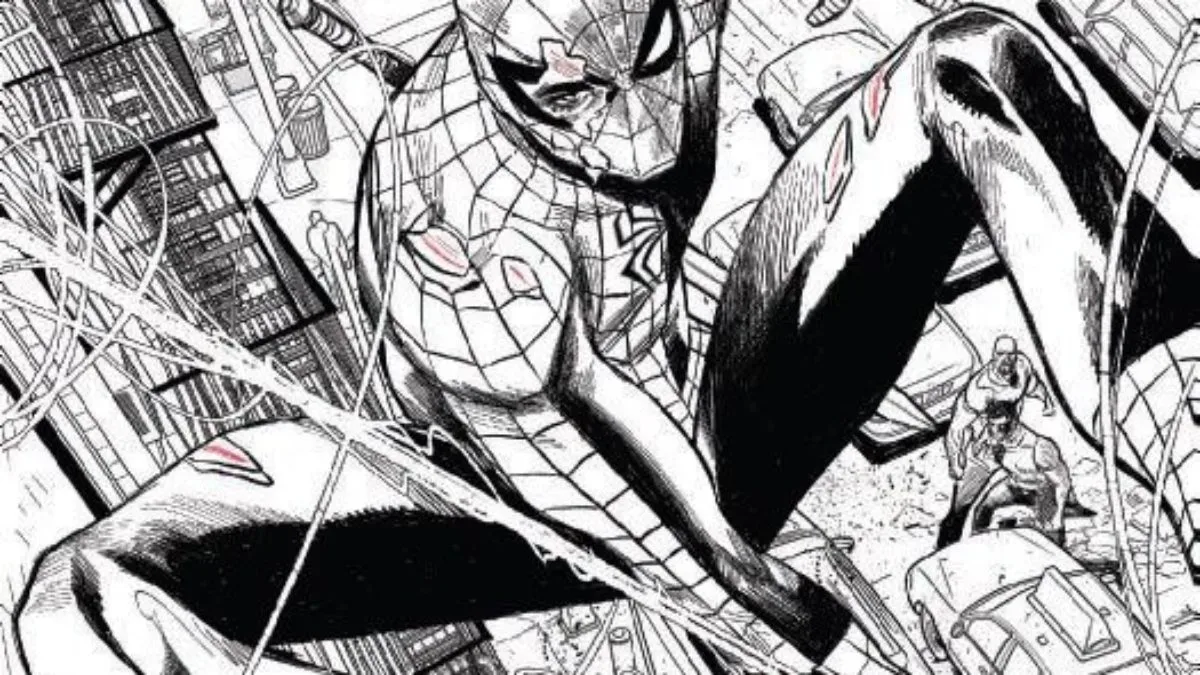
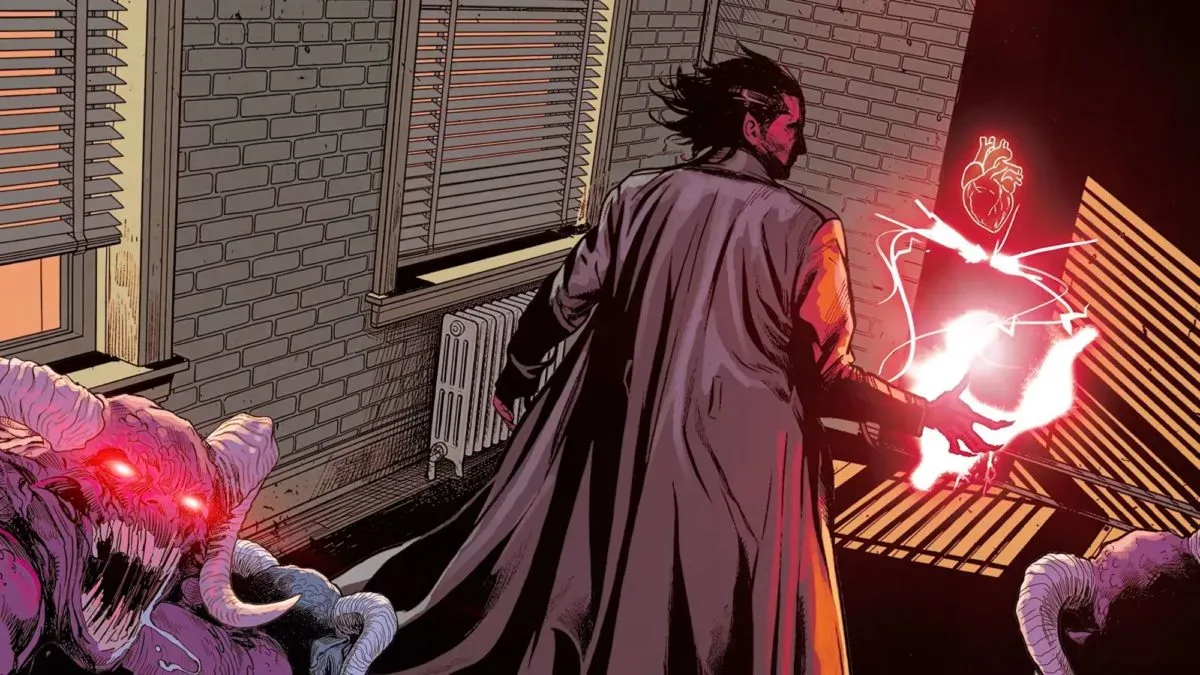
Avengers: Armageddon #5, written by Chip Zdarsky with art by Delio Diaz and Frank Alpizar, has placed Spider-Man at the center of a potentially enormous Marvel conflict. Its most alarming image is not simply another superhero battle: Tony Stark uses a powerful predictive device and sees Mephisto holding a bloodied, beaten Spider-Man.
That tableau does not establish exactly when it occurs, whether it is a fixed future, a possible future, or something stranger. But it is hard to separate it from the characters surrounding it: Peter Parker, Mary Jane Watson, Aunt May and Mephisto. Those names carry immense narrative baggage because of Spider-Man: One More Day, the 2007 story in which Peter and Mary Jane accepted Mephisto’s bargain to save May’s life at the cost of their marriage and the world’s memory of it.
Marvel’s forthcoming Avengers material adds further reason to watch this thread closely. The new series reunites Zdarsky with artist Marco Checchetto, begins on November 4, 2026, and includes Spider-Man among its central team. The solicitation for December’s second issue specifically says Peter must respond when his past once again endangers Aunt May, as demons overrun New York and the Avengers confront Mephisto’s plans.
What happens in Avengers: Armageddon #5
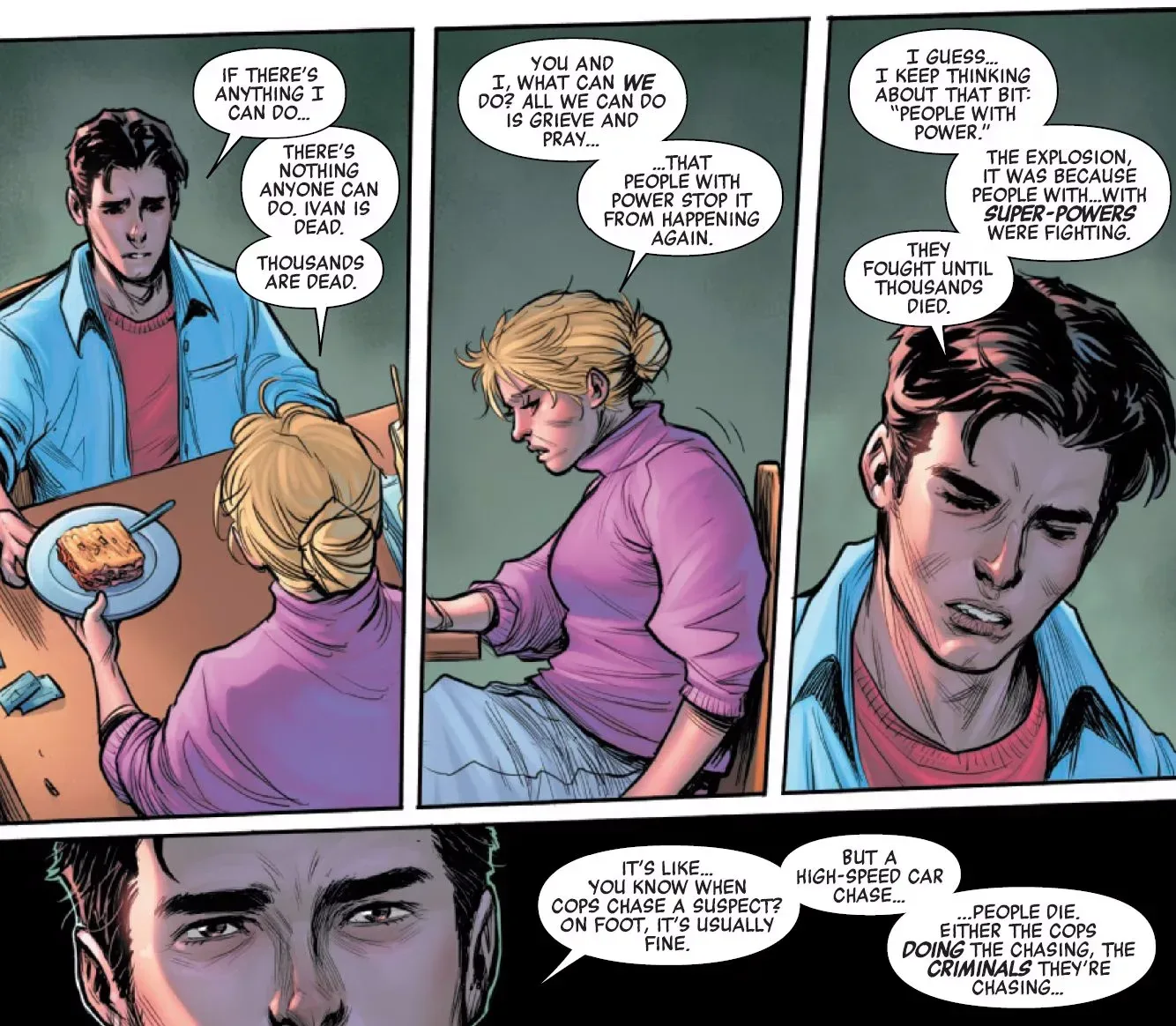
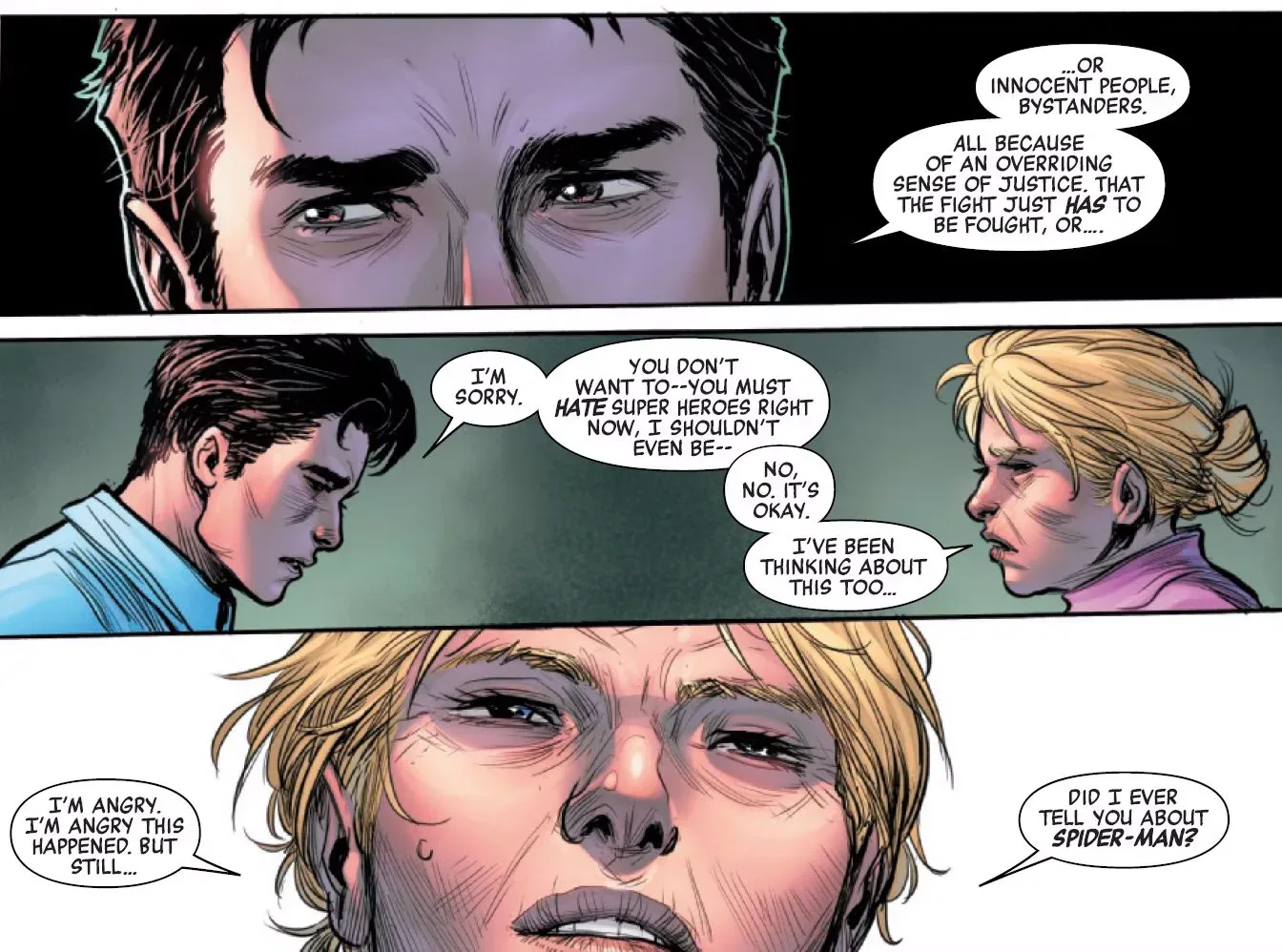
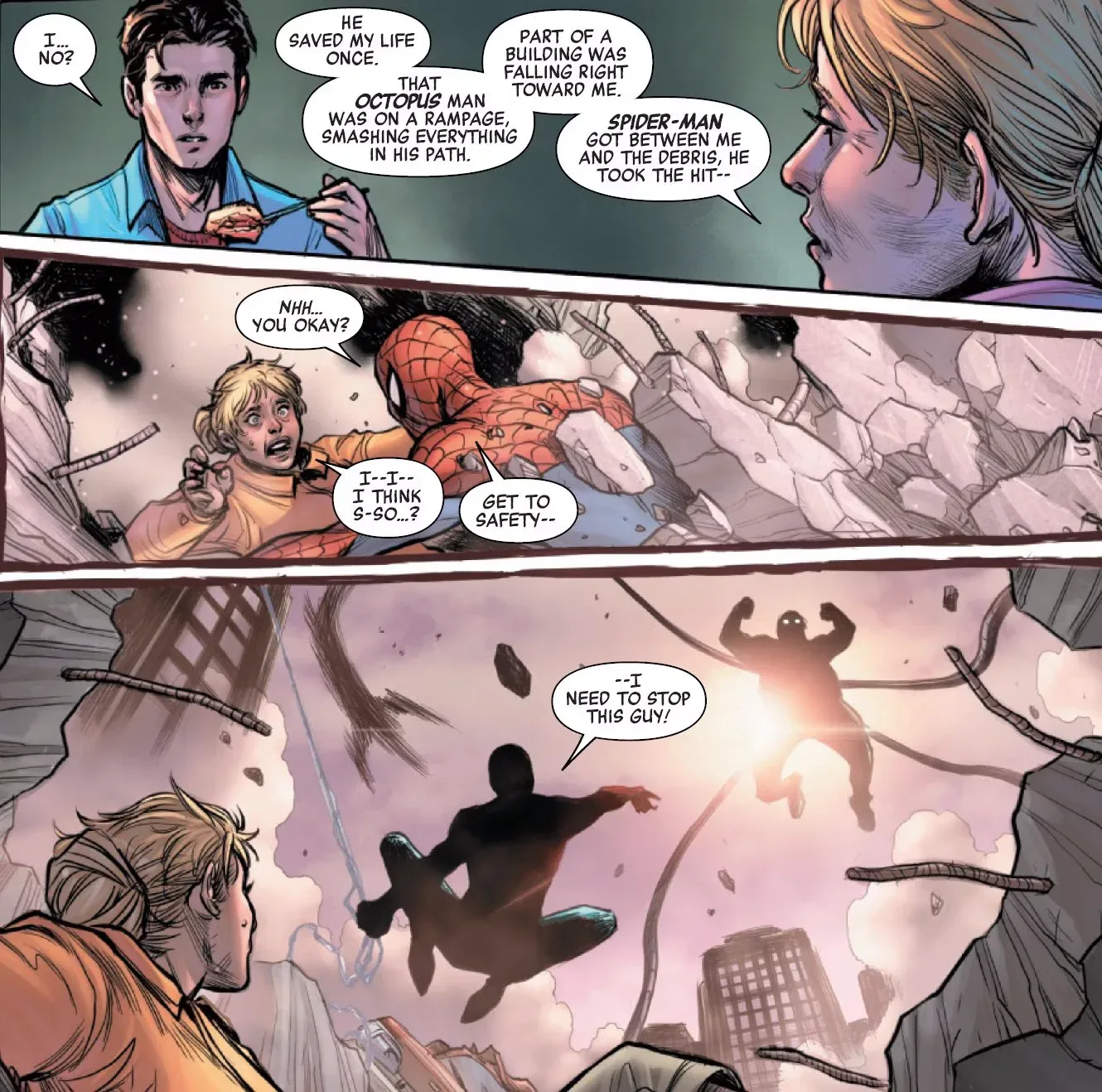
The fifth issue arrives amid an extremely damaged status quo. A nuclear bomb deployed by General Ross detonates north of Moscow, while the wider world turns against superheroes. Peter remains in New York rather than joining the Avengers elsewhere, confronting the everyday human consequences of people with extraordinary power operating in a world that is increasingly afraid of them.
That ground-level setting matters. Spider-Man’s concerns are not framed only as an Avengers-scale catastrophe; he is also grappling with how power affects ordinary people and how they respond when its costs reach their own families. The issue nevertheless contrasts that intimate perspective with a much larger, harder-to-interpret warning.
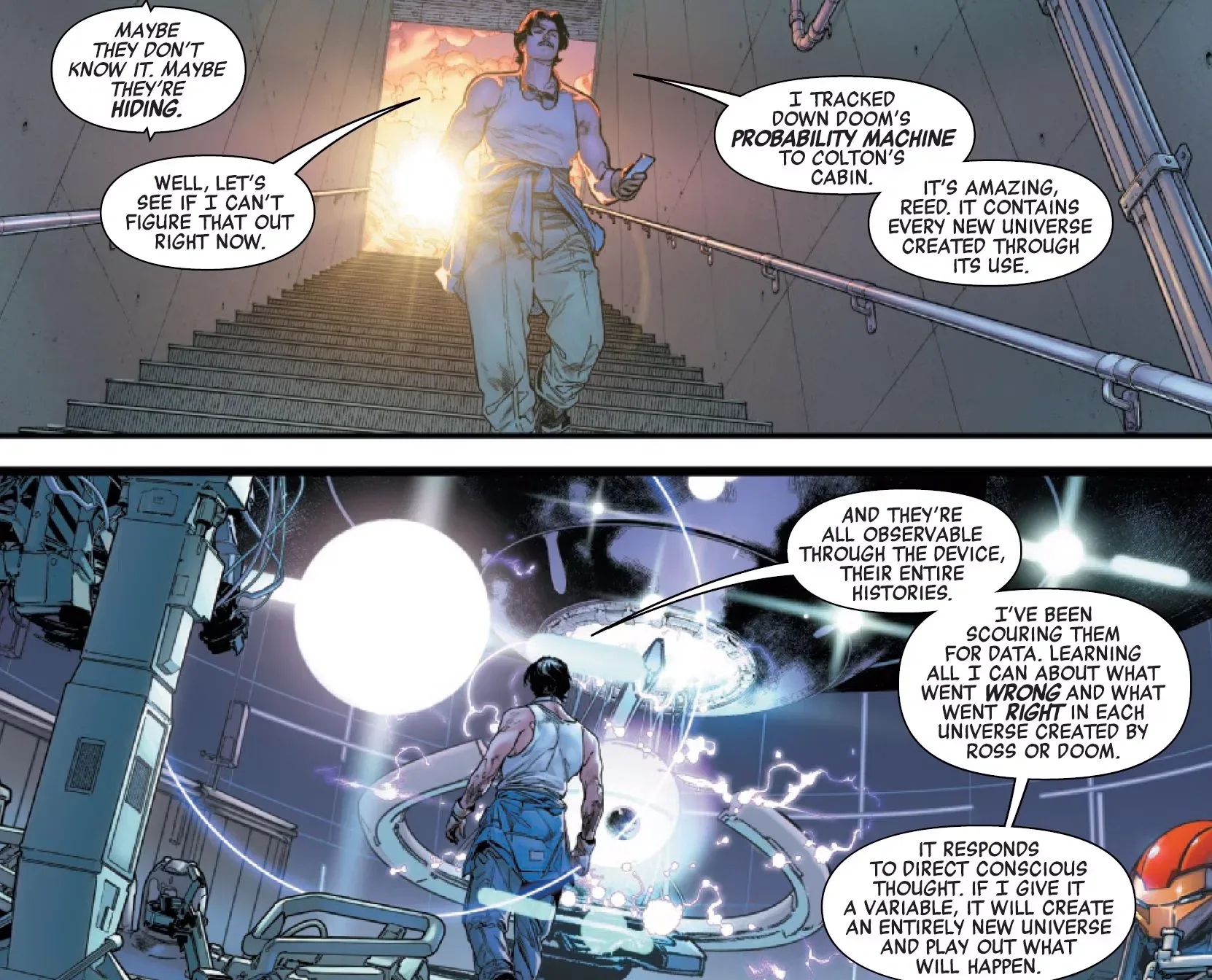
Tony Stark accesses the machine previously used by Doctor Doom during One World Under Doom and later employed by Ross. The device had an important limitation: it could not account for Miracleman. Stark’s use of it leads to the disturbing vision involving Mephisto and Spider-Man.
That limitation is worth keeping in mind before declaring the glimpse a definitive spoiler for a future issue. A predictive system that failed to factor in a major figure such as Miracleman is inherently incomplete. The story’s framing also leaves room for the image to be a vision of a possible outcome, a present event occurring beyond the heroes’ awareness, or another form of supernatural or temporal complication. At this stage, the solid fact is that Stark sees it and reacts with horror.
Why Mephisto changes the stakes for Peter Parker
Mephisto is not merely a villain with an army of demons. For Peter, he is inseparable from one of the most consequential continuity changes in Spider-Man comics. In One More Day, Peter’s public identity had been exposed in the aftermath of the Superhero Registration Act during Civil War. A sniper targeting Peter critically wounded Aunt May. Peter and Mary Jane pursued medical and mystical solutions, then faced Mephisto’s offer: May would live, but their marriage would be removed from reality.
The deal was broader than a divorce. Peter and Mary Jane’s existence as a married couple, including the memories tied to it, was erased. Peter subsequently woke up single, living with May, with his secret identity restored.
In continuity-heavy superhero comics, a retcon is a retroactive continuity change: a later story reinterprets, revises or replaces what readers previously understood to have happened. One More Day functioned as a particularly dramatic version of that concept because the characters’ choices and the supernatural bargain altered their personal history. Its effects went beyond one relationship, touching Peter’s identity, his home life and his role in the Marvel Universe.
The story remains divisive in part because it traded years of developed character history for a magical reset. The marriage itself began in 1987’s Amazing Spider-Man Annual #21 and had existed for 20 years in real time before One More Day. Editorial thinking at the time favored a younger, more classically struggling version of Spider-Man, and viewed a married Peter as a restriction on certain stories. Many readers, however, saw the bargain as damaging to both Peter and Mary Jane because it nullified a major shared commitment rather than letting the characters work through a conflict.
That history means any new Mephisto story involving May and Mary Jane cannot be treated as ordinary villain-of-the-month business. Even without confirmation that Marvel intends to undo, repeat or directly revisit the earlier bargain, the creative choice to put these figures in the same orbit invites the comparison.
What the new Avengers series has confirmed
Avengers #1 launches after the events of Avengers: Armageddon, with a world order described as rewritten. The announced team is Spider-Man, Wolverine, Captain Marvel, Daredevil, Luke Cage and Miracleman. Miracleman’s presence is particularly notable in the immediate aftermath of Stark’s vision, since he was the factor the Doom-and-Ross machine could not account for.
That does not prove Miracleman will prevent Spider-Man’s apparent fate. It does establish a practical source of uncertainty around the vision. In stories built around forecasts, prophecies and possible futures, an unknown variable can be crucial: it may be the means by which events change, or it may be why the characters misunderstand the warning in the first place.
Avengers #2, scheduled for December 16, makes the broader supernatural crisis explicit. Its setup has demons flooding New York, Aunt May in jeopardy due to Peter’s past, a question around Mephisto’s ultimate objective, and a mysterious young woman with a prophetic book. The word prophetic is important in a story already concerned with Stark’s disturbing vision. It suggests that knowledge of what may happen—and who can interpret or manipulate it—will be part of the conflict, not just a convenient tease.
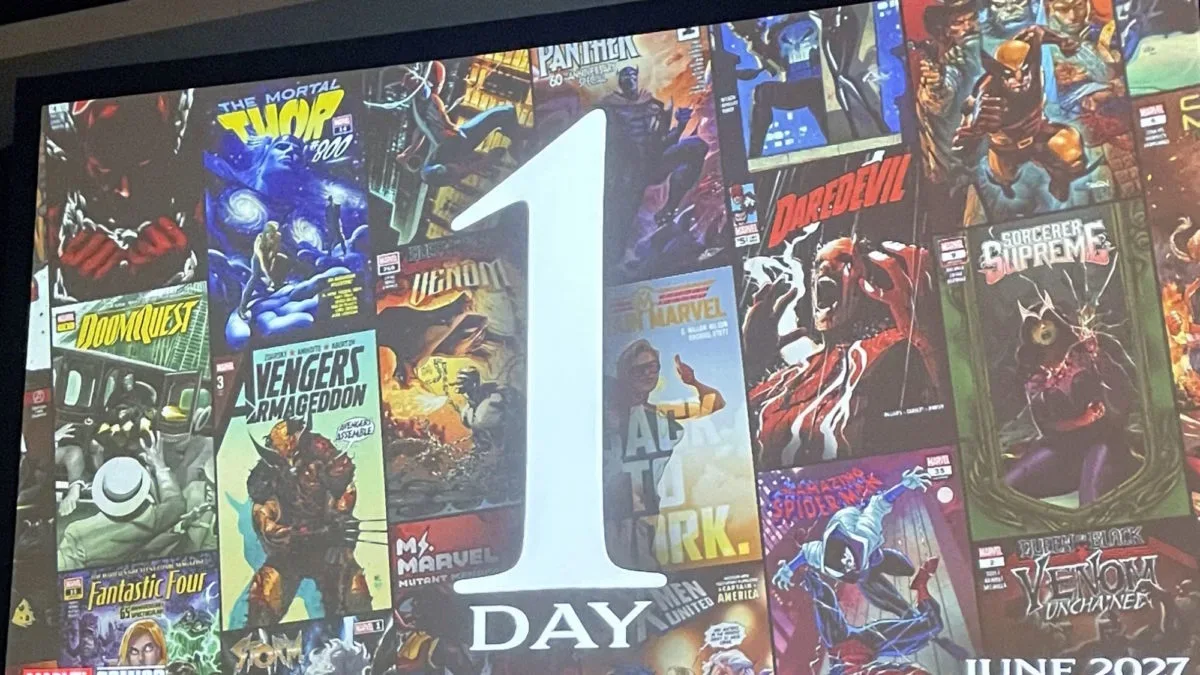
There is also an upcoming project titled 1 Day, set for June 2027. Beyond its title, date and teaser language about tomorrow being one day away and no one being promised the future, its contents have not been detailed here. The title plainly echoes One More Day, but it should be regarded as a signal rather than confirmation of a specific plot. It may concern Peter and Mary Jane, Mephisto’s schemes, the Avengers’ changed world, or a wider Marvel event. Readers should avoid treating the wordplay alone as proof that a marriage restoration or another reality rewrite is guaranteed.
The personal and public crises are converging
The strongest idea running through the material is that Peter’s private history is becoming part of a public emergency. In Armageddon #5, he is already questioning the consequences of superheroes’ power as people lose trust in them. In the next Avengers series, demonic incursions place New York at risk, and May’s danger appears to be tied directly to Peter’s past.
That is a useful contrast with One More Day. The earlier crisis began with a personal catastrophe—May’s shooting—and led Peter and Mary Jane into a desperate, intimate decision with cosmic consequences. The new material appears to reverse the pressure: a world shaken by Avengers-level disaster now creates the circumstances in which Peter’s unresolved history with Mephisto could become pivotal again.
It also puts Spider-Man in an unusual position on the announced Avengers roster. Daredevil and Luke Cage have deep connections to New York’s streets, while Captain Marvel, Wolverine and Miracleman bring very different kinds of scale and experience. Spider-Man can operate in both worlds, but the solicited material points to a crisis where that flexibility becomes a burden. He must deal with a city under supernatural assault while confronting a villain who has already exploited the person he is most likely to sacrifice for.
What readers can responsibly expect next
The most immediate reading order is straightforward: Avengers: Armageddon #5 is on sale October 21, 2026, followed by Avengers #1 on November 4 and Avengers #2 on December 16. Issue #1 is the handoff point from the catastrophic status quo into the new team, while #2 is the issue whose published setup explicitly joins May, demons, Peter’s past and Mephisto.
For readers primarily interested in Spider-Man, the key question is not yet whether One More Day will be reversed. There is no confirmed promise of that outcome. The firmer question is what Mephisto wants now, why Aunt May is again vulnerable, and how Stark’s vision relates to the supernatural threat headed for New York.
For Avengers readers, the issue is equally consequential. The new team forms in the wake of a world-altering disaster, and its first major conflict seems likely to test whether heroes can regain public trust while defending a city from demons. Stark’s glimpse of Spider-Man’s fate adds a ticking-clock quality to that premise, particularly because the predictive tool producing it is known to have blind spots.
Marvel’s present setup therefore offers a deliberate mixture of confirmed ingredients and unresolved implications: Mephisto is active; Spider-Man is in danger; Aunt May will be threatened; demons will reach New York; and Miracleman is an unpredictable factor in a rewritten world. Whether those threads lead back to the exact wound of One More Day remains an open question—but the callbacks are too pointed to ignore.
For another recent Marvel story centered on Stark-related technology and questions of identity, see the VisionQuest episode 4 breakdown.
Shop the products
Check current price, model and availability at the retailer.