Buffy Summers and Angel are heading back to comic shops in March 2027, but the relaunch will arrive later than originally expected—and in a substantially larger form. Dynamite Entertainment has set Buffy the Vampire Slayer #1 for March 10, 2027, with Angel #1 to follow later that month. The publisher’s new Firefly series is now planned for April 2027.
The important detail for readers is that the new Buffy and Angel books are not merely two adjacent launches. Writer Kelly Thompson has built their opening arc as a connected story, and the publisher says both first issues are needed to understand the new status quo. In comic-book terms, that makes the paired debuts an event launch: a story designed to unfold across more than one series, rather than a self-contained #1 intended to stand entirely on its own.
A March launch built around two connected books
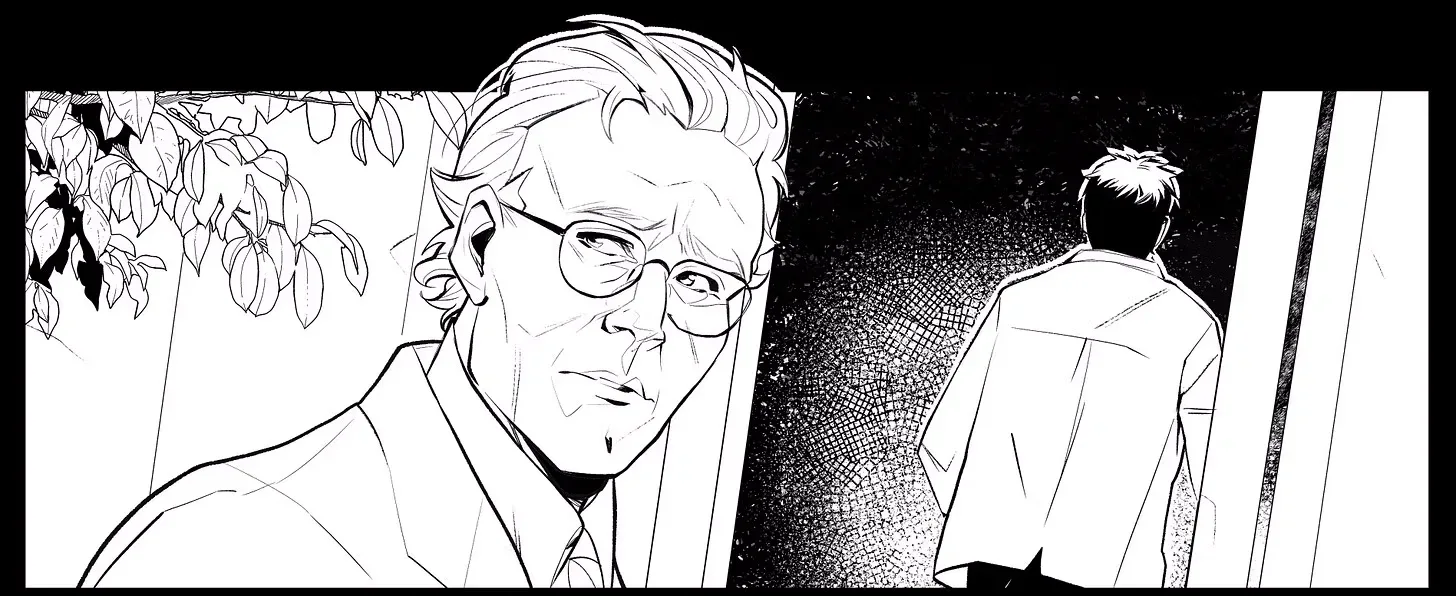
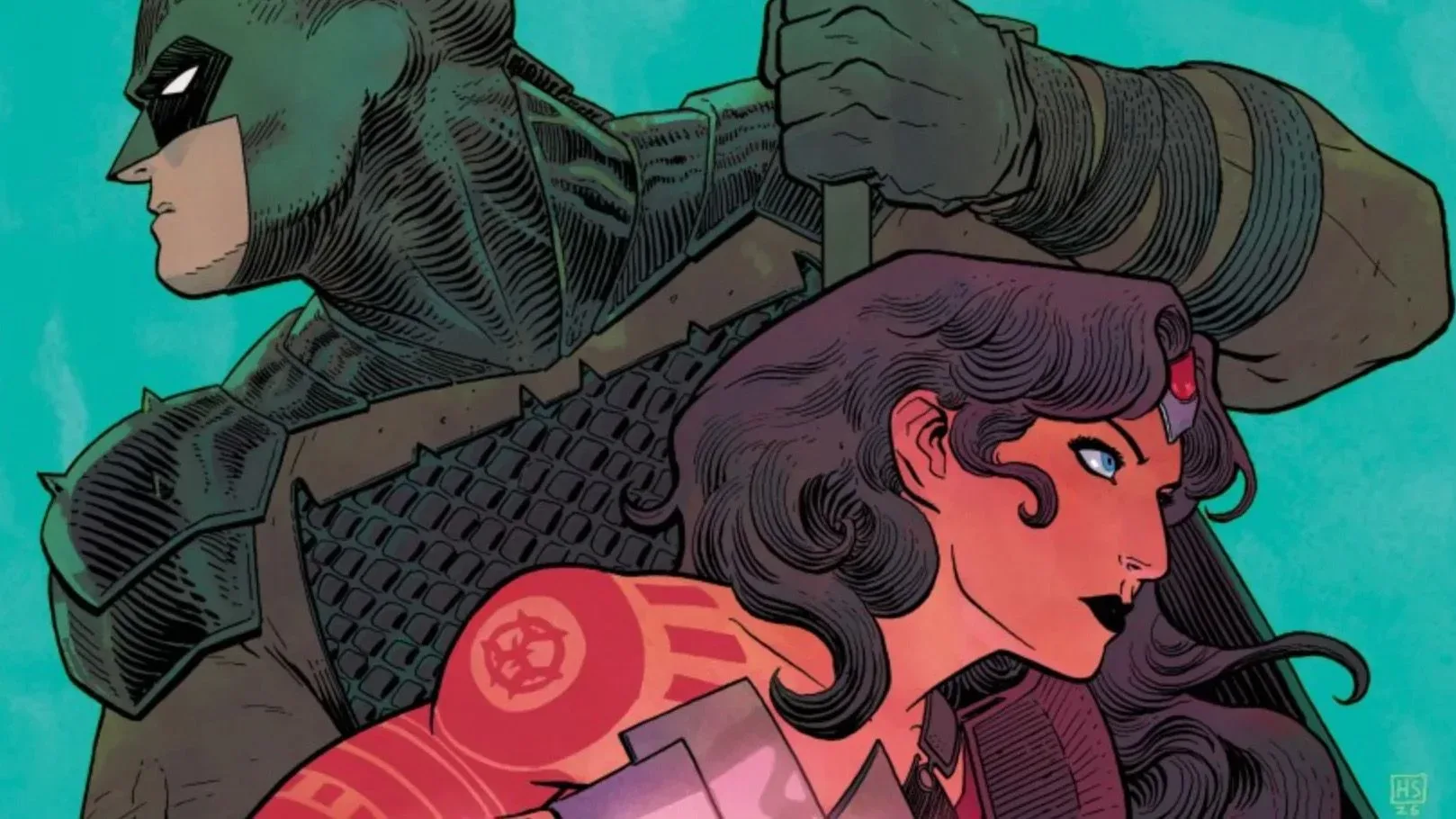
Buffy the Vampire Slayer #1 is written by Thompson and illustrated by Stephen Byrne. It will be followed in March by Angel #1, also written by Thompson and drawn by Giulia Giacomino. Colorist Lee Loughridge is among the creative team that has been working on the material.
Thompson has described the linked opening as the necessary foundation for the situation facing these characters. That means a reader who only follows Buffy or only follows Angel may receive part of the opening story, but not the full setup the creative team intends. It is a useful distinction from a simple shared-universe reference: the two comics are being positioned as interdependent chapters in the same initial narrative.
The writer has also characterized the project as a major event for the Buffyverse, rather than treating the two titles as ordinary parallel ongoing series. Exactly what the change entails has not been revealed. Dynamite’s promotional language promises a significant shake-up, but the currently available specifics stop short of explaining the new circumstances or their consequences for either lead.
Why the books moved—and what is changing in the format
The delay is tied to an expansion of the story, rather than a reduction in scope. As the work developed, the initial material grew more ambitious, leading Dynamite to increase the number of story pages in both debut issues.
- Buffy the Vampire Slayer #1: 35 story pages
- Angel #1: 32 story pages
- Physical format: both are 48-page issues
- Price: $4.99 each
That page breakdown matters because “48 pages” does not automatically mean 48 pages of new sequential comic art. The stated story-page counts clarify how much narrative material readers will receive in each issue, with the remaining space presumably allocated to non-story publishing material. The publisher says the increased story content will not raise the $4.99 cover price for readers or retailers.
For a relaunch built around a crossover-style premise, longer first issues can serve a practical purpose. There is more room to establish the individual voice and setting of each series, introduce the shared conflict, and create a reason for readers to follow both books. The trade-off is also straightforward: the complete opening costs $9.98 before tax because it requires two separate issues. Readers who prefer to wait for collected editions will need to watch for later publishing details, which have not been provided.
For those keeping tabs on changing comic-reading options more broadly, the industry’s digital side is moving as well: Marvel’s planned shift from Marvel Unlimited to a Webtoon-powered service is another example of how access models and release strategies can change around serialized comics. No digital plan for the new Buffy, Angel, or Firefly series was detailed here.
Leviathan is the first named threat
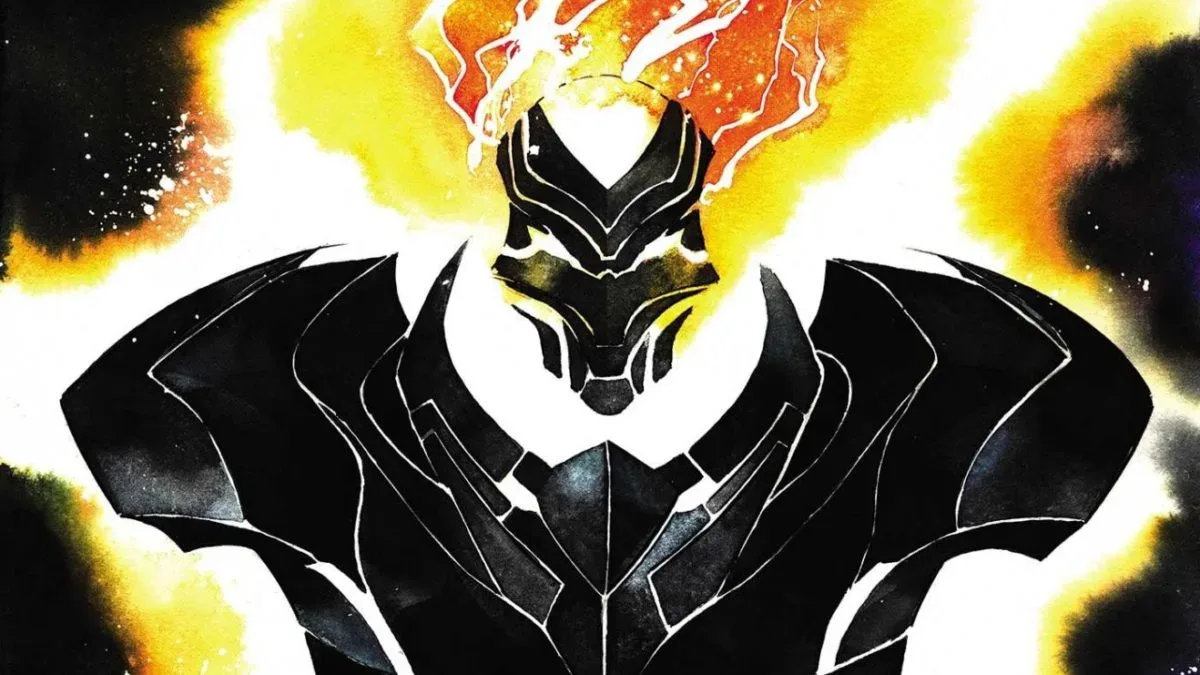
A cover for Angel #1 by Clayton Crain points to a new antagonist named Leviathan. Some of the character information on the cover is obscured, and the publisher has indicated that a still-larger reveal is being held back. At present, Leviathan is the name readers can attach to the looming conflict, not a fully explained villain with a disclosed origin, motivation, or power set.
That restraint is worth noting. Comic relaunch marketing often uses covers and teaser language to establish stakes before an issue reaches shelves, but a tease is not a plot synopsis. The confirmed picture is limited: Leviathan is being presented as a major new threat within the connected Buffy and Angel storyline. Claims about the character’s role beyond that would be speculation until the books provide more information.
Thompson’s personal connection to the franchise adds another layer to the assignment. She has said that a Buffy the Vampire Slayer spec script was among her first serious efforts to write. A spec script, short for speculative script, is a script created without a commission, often as a way for a writer to demonstrate their ability with a particular property or format. In this case, the new series turns an early aspiration into a professional project with two coordinated monthly comics.
What readers should expect from the event structure
The March schedule creates an immediate reading-order question, though a precise order has not been announced. Buffy the Vampire Slayer #1 has a firm March 10 date, while Angel #1 is only confirmed for later that month. Since both books collectively establish the event, readers who want the entire opening picture may be best served by treating them as a pair rather than assuming one title supplies all of the essential setup.
It is not yet clear whether the story will alternate tightly between titles after the #1 issues, whether one book will lead directly into the other, or whether the series will become more independent following the opening arc. Those differences can have a major effect on a crossover’s accessibility. A brief two-issue launch connection is a very different commitment from a long sequence in which every chapter relies on another series.
For now, the clearest expectation is narrower: Thompson’s two debuts form a joined entry point, the story has been enlarged to accommodate its scale, and the core premise centers on a major undisclosed change in the Buffyverse. Fans should be cautious about assuming further crossover mechanics until Dynamite shares solicitation details or the issues themselves establish them.
Firefly moves to April with Russell and Re
The publishing slate does not stop with Buffy and Angel. A new Firefly comic written by Mark Russell and illustrated by Lorenzo Re is scheduled for April 2027, arriving close enough to the other launches for the three titles to support one another.
Russell has framed his interest in Firefly around character relationships rather than genre labels. His stated focus is a group of people who may clash and differ deeply, but who ultimately recognize their dependence on one another to survive. That describes a central dramatic engine for an ensemble story: conflict inside the group can be as important as the external situation surrounding it.
Beyond Russell and Re’s involvement, April timing, and the general character-focused approach, details on the new Firefly series remain limited. No issue price, page count, specific release date, or story premise was included with the updated schedule. Readers should therefore view it as a separate new launch positioned alongside the Buffy-related books, not as a confirmed crossover component.
What is confirmed, and what remains under wraps
The revised plan gives readers a dependable outline after the earlier scheduling disruption. Buffy the Vampire Slayer #1 arrives March 10, 2027; Angel #1 follows during March; and Firefly lands in April. Buffy and Angel share a writer and an opening storyline, while retaining distinct interior artists. Both debuts will be oversized 48-page releases at $4.99, with 35 and 32 story pages respectively.
The unanswered questions are just as central to the campaign: the precise nature of the Buffyverse-altering event, the full identity and agenda of Leviathan, the exact date for Angel #1, and the long-term structure of the two-title storyline. The material is being promoted as something bigger than a routine reset, but the actual narrative reveal is still being saved for the comics.
That makes March 2027 the key checkpoint. The delay has changed the calendar, but it has also given the creative team room to deliver a larger introduction—one deliberately built to ask Buffy and Angel readers to step into the new era together.