Ben Tennyson’s latest comic-book transformation appears to be a substantial one. Dynamite Entertainment says its new Ben 10 series has sold more than 500,000 copies across issues #1 through #5, a figure that places the opening arc above the 100,000-copies-per-issue mark when spread across those five releases.
That is an eye-catching claim for a licensed comic relaunch, but the wording matters. The reported total covers copies sold to retailers and readers, rather than offering a separate breakdown of retailer orders, consumer purchases, returns, or individual issue-by-issue totals. It establishes strong early demand for the series without, by itself, answering every question about where each copy ended up. Still, it gives the publisher a clear reason to keep the Omnitrix glowing as the first storyline moves into collected and behind-the-scenes editions.
A return shaped by Ben 10’s original creative team
The comic is published through Dynamite’s partnership with Warner Bros. Discovery Global Consumer Products, and it has a particularly notable creative connection: members of Man of Action Entertainment, the group behind the animated property, are involved in the new series.
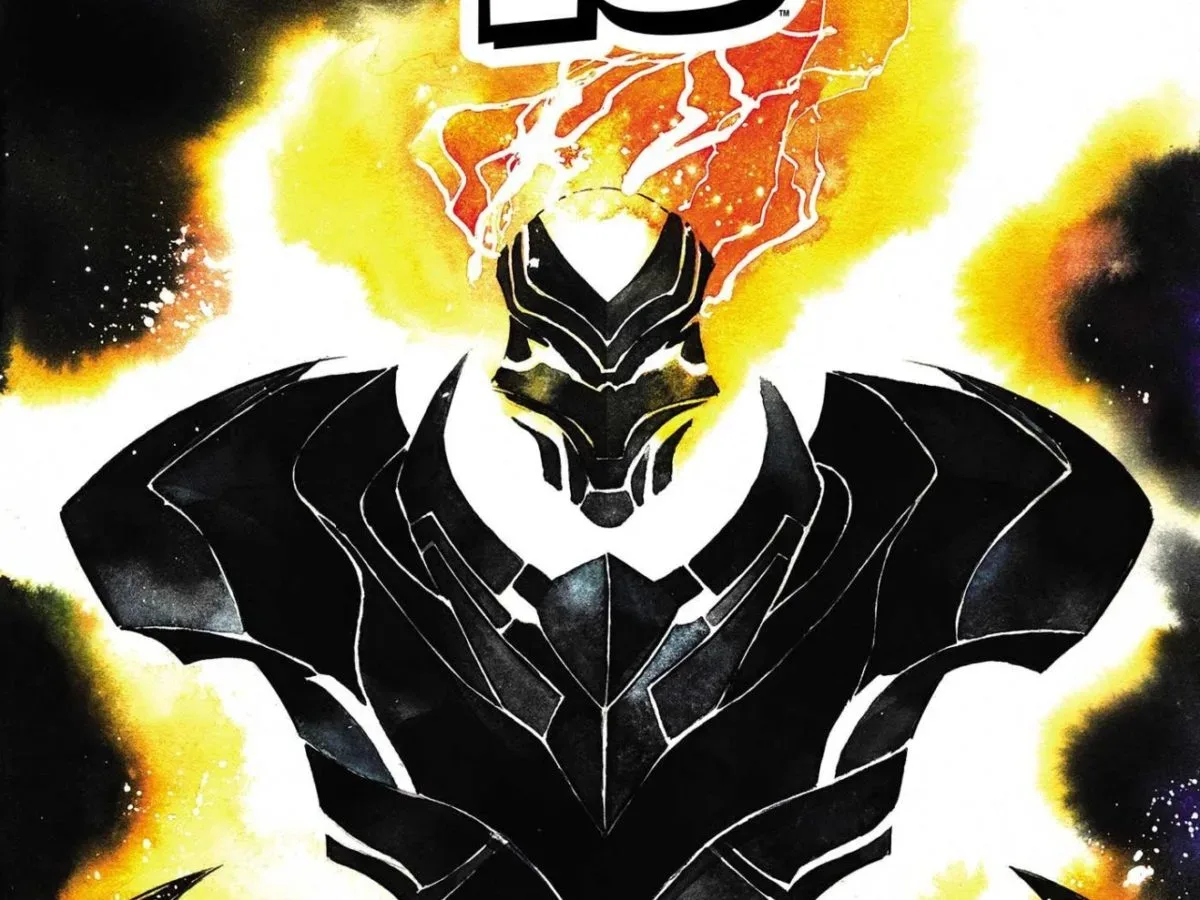
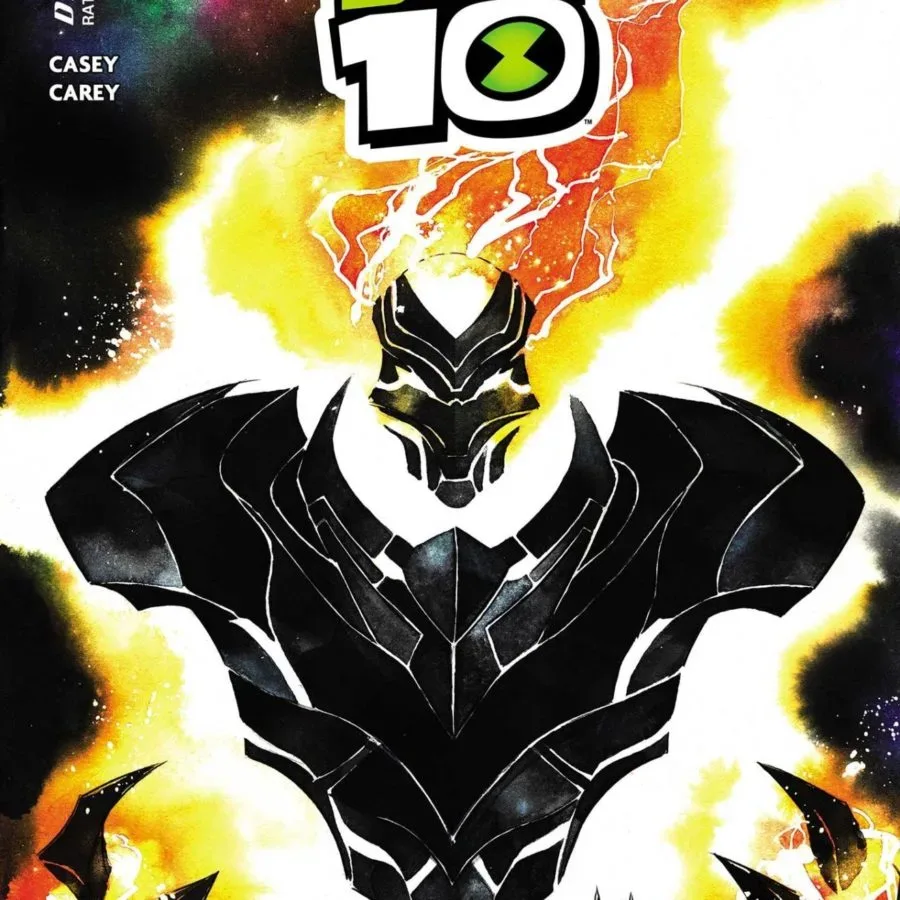
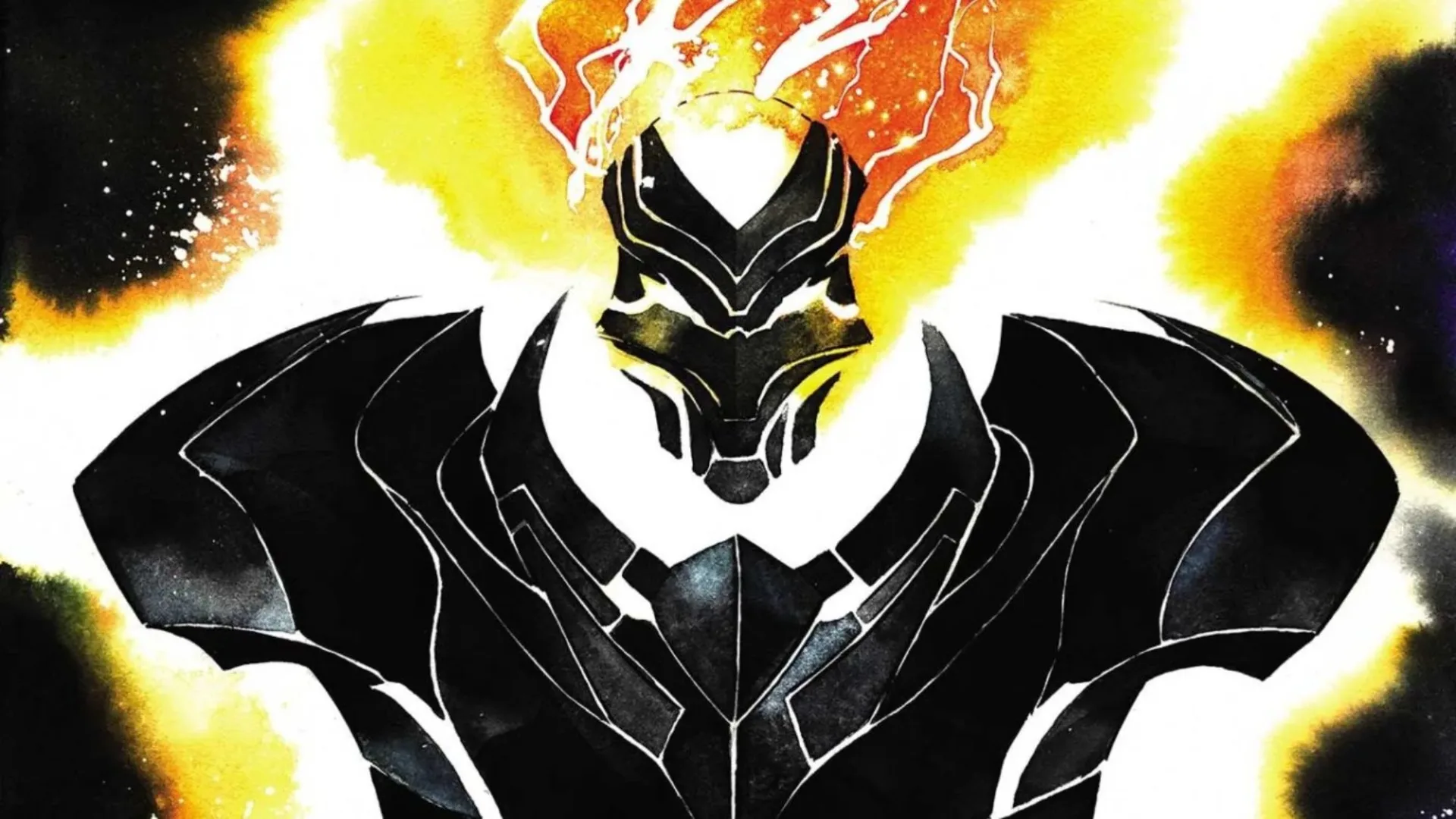
Joe Casey and Steven T. Seagle have written the issues released so far. Duncan Rouleau has supplied covers for every issue, while Joe Kelly is also part of the returning Man of Action group. More contributions from the group are planned. That arrangement gives the project a useful distinction beyond simply being another adaptation: its foundational creators are participating in a modern retelling and expansion of Ben’s earliest premise.
At its core, that premise remains wonderfully direct. A meteor comes to Earth, 10-year-old Ben Tennyson finds the Omnitrix, and the alien device lets him transform into powerful extraterrestrial forms. The question is not merely whether Ben has power; it is whether he can understand, control, and responsibly use a piece of technology that is vastly bigger than he is. That tension is ideal comic material. Each alien form can function as spectacle, problem-solving tool, limitation, and opportunity for a cliffhanger all at once.
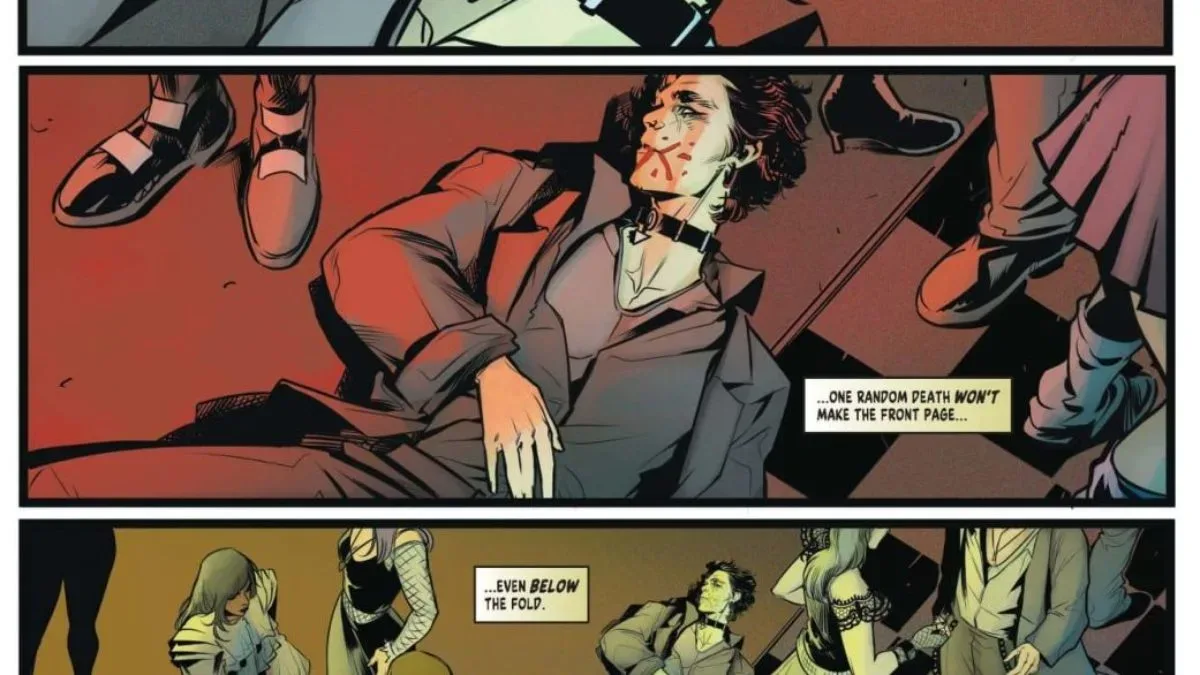
The first five issues reportedly combine an origin-focused start with a more unsettling circus storyline. The Tennyson family’s stop in the rainy Northwest leads them to a circus where the audience is not enjoying itself, the clowns are not joking, and ringmaster Zombozo has designs on Grandpa Max. Steven T. Seagle takes over writing as the story heads into that creepy territory, with Ben needing to choose the correct alien form before Grandpa Max becomes Zombozo’s next dangerous act.
What the 500,000-copy figure does — and does not — tell us
Comic-book sales reporting can get fuzzy when a headline turns a large number into a victory lap, so it is worth separating the reported fact from the reasonable interpretation.
- Reported fact: more than 500,000 copies of Ben 10 #1-5 have been sold to retailers and readers.
- Simple arithmetic: five issues dividing into a total above 500,000 means an average above 100,000 copies per issue.
- What remains unspecified: the figures for each individual issue, the share represented by retailer orders versus reader sales, and whether any particular issue was dramatically higher or lower than another.
This distinction is not an attempt to drain the fun out of a very large number. It is the difference between sell-in and sell-through, two terms that matter for physical comics. Sell-in describes units supplied into the retail channel; sell-through is the portion purchased by final customers. The reported wording encompasses retailers and readers, but does not provide enough detail to calculate either category independently. A five-issue total also cannot show how many readers followed the run continuously versus how many copies came from a particularly outsized debut or variant-cover purchasing.
For readers, the practical takeaway is simpler: the book has enough apparent momentum to support a coordinated next step. The publisher is not only continuing the monthly story; it is offering a process-focused one-shot and a hardcover collection on the same day as the next standard issue. That gives new readers, lapsed viewers of the animated series, and comics regulars more than one entry point.
Creator Files arrives before the next chapter
Ben 10 Creator Files, a one-shot credited to Joe Casey and Steven T. Seagle with art and cover work by Robert Carey, is scheduled for October 7, 2026 at $4.99. Rather than advancing the principal adventure alone, the special is framed as a behind-the-scenes look at the construction of the comic: script, sketches, line art, and completed page.
That makes it a process book rather than a conventional issue, and the distinction could be meaningful for art-minded readers. Comics are collaborative objects. A script establishes action, pacing, dialogue and page-level needs; sketches explore composition and character placement; line art locks in the visual storytelling before the finished page is assembled. A feature that follows that path can make the craft visible without requiring readers to infer it from a finished panel.
The one-shot also promises new interviews with the creative team about the series’ future and an exclusive preview of the next classic villain to be reimagined for a forthcoming storyline. It is a neat bridge between the opening arc and what follows, especially for readers interested in how an established animated concept is reworked for a serialized comic format.
It also lands amid a broader comics habit of making a single issue serve multiple audiences: story readers, cover collectors, process-art fans, and people who want a low-commitment way to sample a series. Other recent comic releases have leaned on similarly collectible packaging and extras, including a blind-bag comic release built around a guaranteed character card. Creator Files takes a different route, putting its emphasis on the actual making of the pages.
Ben 10 #6 is scheduled alongside the first hardcover
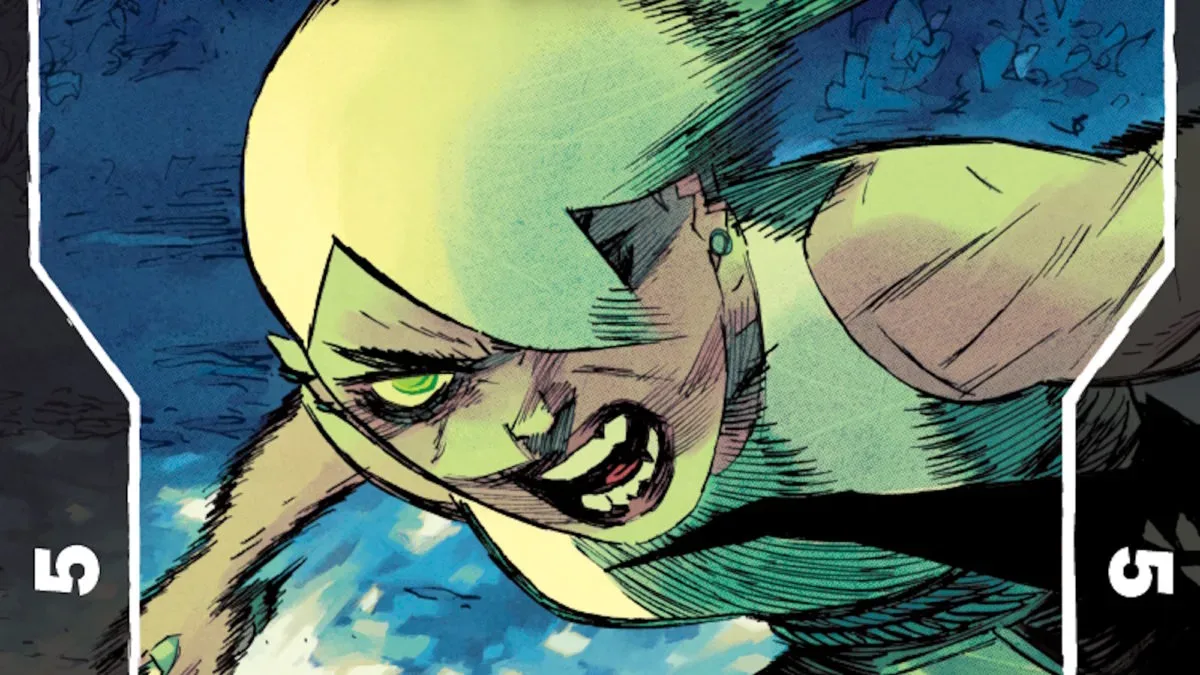
Ben 10 #6 brings Joe Casey back as sole writer, with Robert Carey on art and cover duties. The issue centers on Grandpa Max putting Ben and the Omnitrix through an ultimate test. The outcome is described as catastrophic and leads Ben into a first encounter with a new interpretation of a classic villain.
Every main cover for #6 will include a free poster featuring new artwork by Duncan Rouleau. That is an extra with obvious appeal to readers who buy physical single issues, though it should not be mistaken for a separate poster product or a promise about variant editions beyond the stated main-cover inclusion.
There is one scheduling discrepancy worth flagging rather than smoothing over. The release overview identifies November 4, 2026 as the date for issue #6, while the detailed solicitation lists November 11, 2026. The solicitation also notes that the issue’s FOC is this week. FOC, or final order cutoff, is the point at which retailer orders are finalized for a forthcoming comic. Readers planning around a specific on-sale date should therefore check with their local shop, because the supplied release information names two different November Wednesdays.
On the solicitation’s November 11 date, #6 is to arrive alongside Ben 10 HC Vol. 01: Event Arrival, a $24.99 hardcover collecting issues #1-5 and a complete cover gallery. Collected editions matter especially for a premise with a clear initial arc. A hardcover gathers the origin material, the alien-villain introductions, and the Zombozo story in one package, eliminating the need to locate five individual issues before moving ahead.
Why the collection is a useful second front door
The hardcover’s stated contents illustrate the new series’ approach. It begins from the essential Ben 10 setup—Ben, the Omnitrix, his alien transformations, and the uncertainty around mastering them—but does not stop at a beat-for-beat replay. The book is positioned as both a retelling and an expansion, with multiple alien foes introduced before the story shifts into the eerie circus episode.
For an ongoing comic, a first collection can do more than package existing material. It helps solve the accessibility problem created by a successful opening run. Someone who hears that a series has moved a huge number of copies after issue #5 may assume they are already behind. A volume explicitly collecting #1-5 says the opposite: here is the starting line, in order, with its covers included.
The sequence of releases reflects that accessibility. First comes the October 7 Creator Files one-shot for readers curious about the craft and future direction. Then come #6 and the first hardcover, scheduled together in the detailed listing for November 11. One product continues the story for month-to-month readers; the other packages the opening for people who prefer a complete arc. The free Rouleau poster in #6 adds an incentive for the single-issue crowd without changing what the hardcover is designed to be.
Most importantly, the large opening sales claim does not need an exaggerated label to be notable. “Absolute Ben 10” is a playful phrase, not an indicated branding change. What is actually on the calendar is more concrete: a creator-led relaunch with reported six-figure average sales across its first five issues, a look behind the creative process, a new villain encounter, and a hardcover route into the story. For Ben 10 fans deciding where to jump in, those are better coordinates than any cosmic nickname.