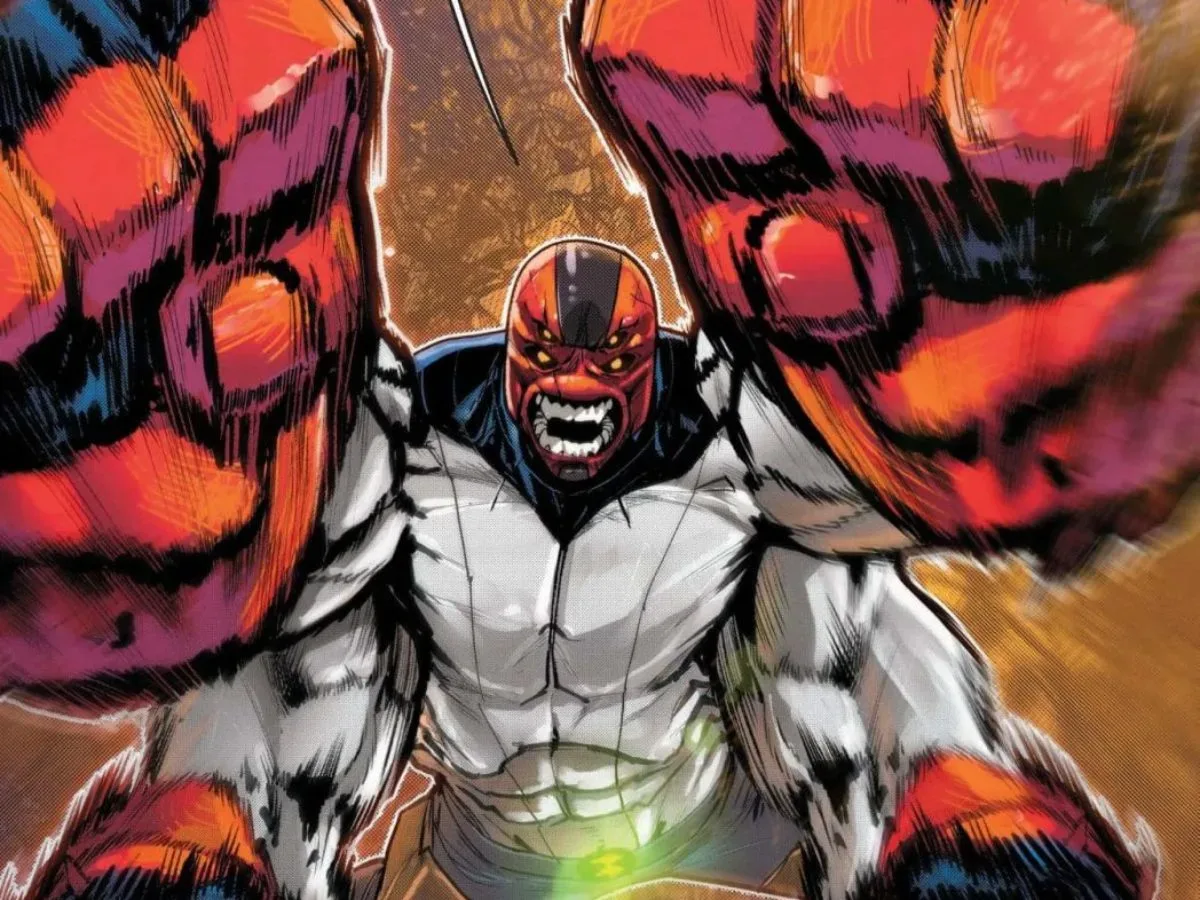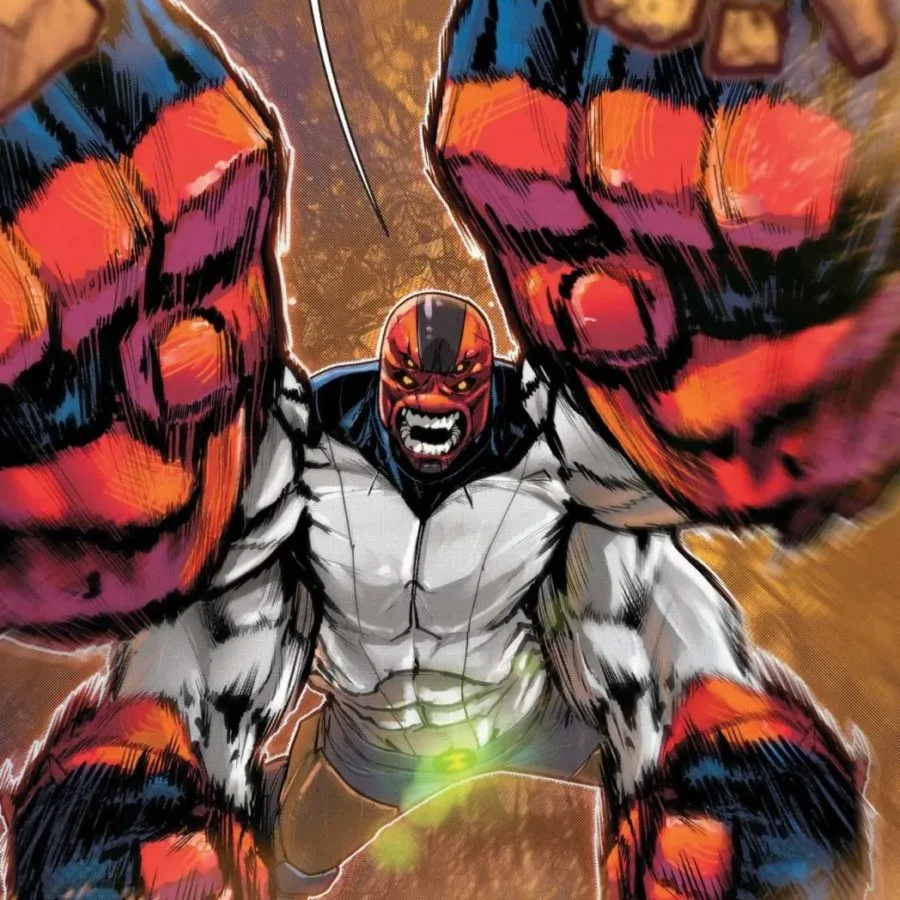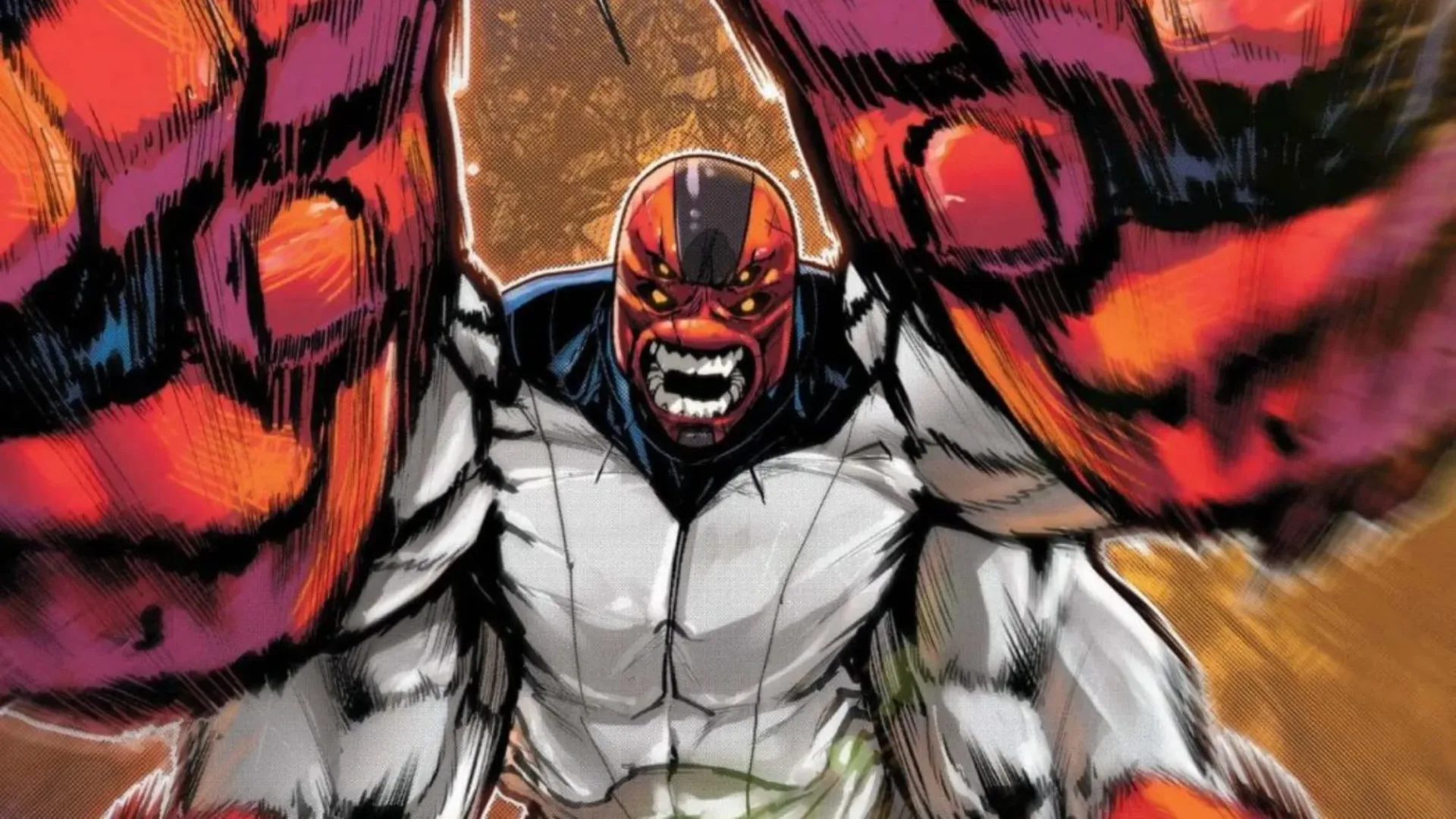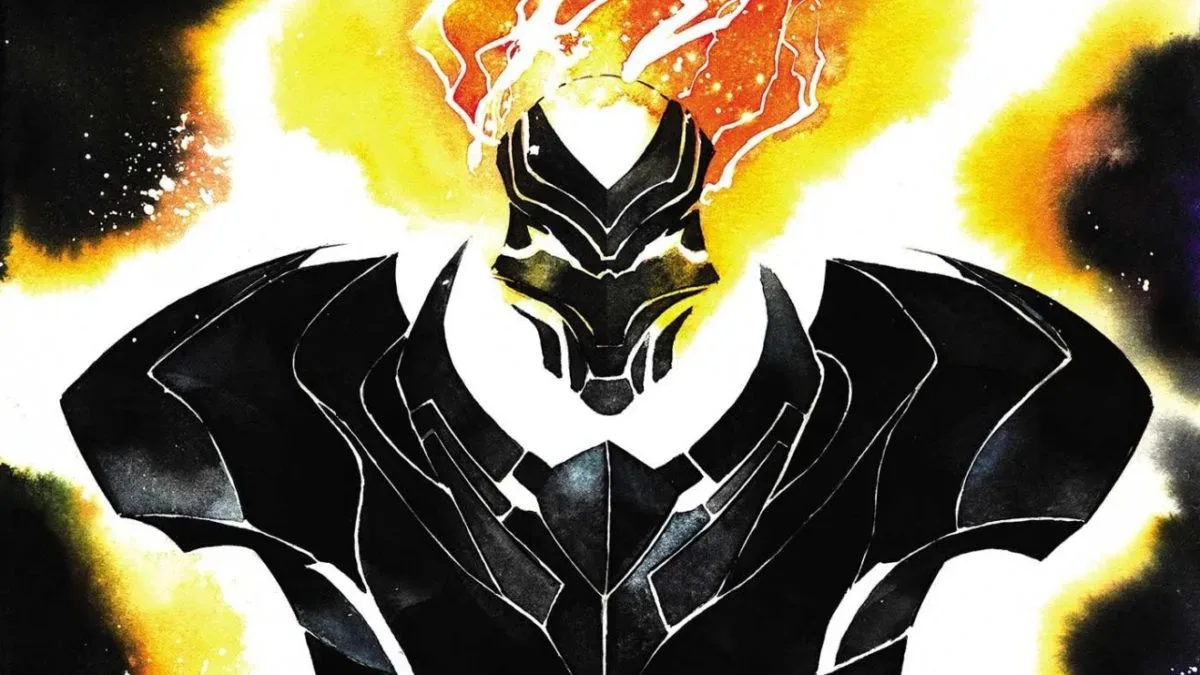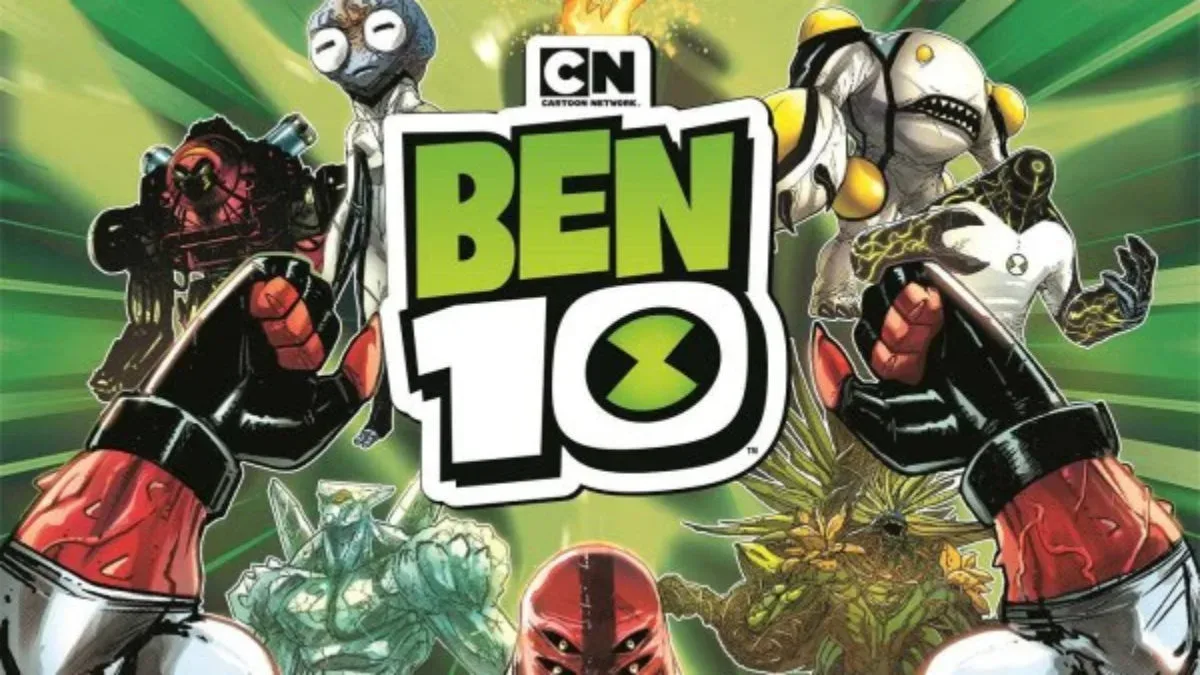
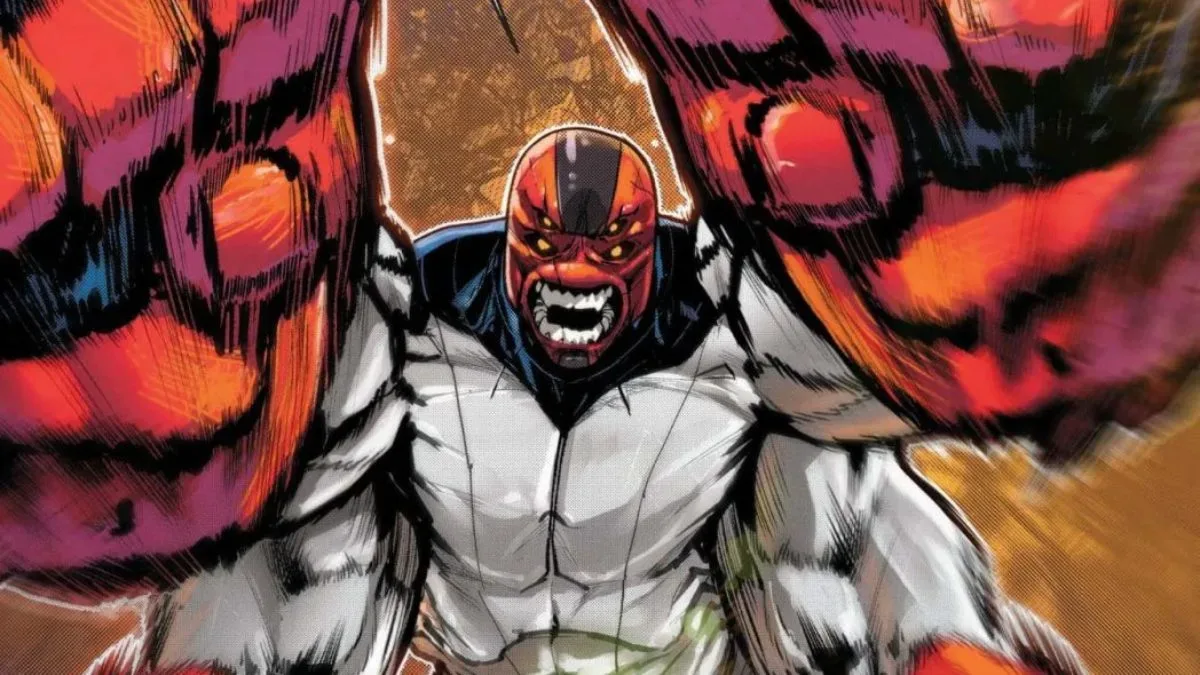
Ben 10 #6 is set to arrive in comic shops on November 11, 2026, and its central setup sounds deliberately unforgiving: Grandpa Max puts Ben Tennyson and the Omnitrix through an “ultimate test,” with catastrophic results. The issue is positioned as a turning point in the current Dynamite series, because the failed trial brings Ben into contact with an all-new interpretation of a classic villain.
Joe Casey returns to scripting duties for the issue, with Robert Carey handling the interior art and main cover. Duncan Rouleau contributes a bonus poster. The standard edition carries a suggested retail price of $4.99, while several alternate-cover editions are also listed.
The premise has an especially strong fit for Ben 10. The Omnitrix is the device through which Ben transforms into alien forms, so a test of his ability to use it is not simply a fight or a training sequence. It places the comic’s core piece of technology—and Ben’s judgment with it—under pressure. The promised catastrophe suggests that whatever Grandpa Max intends as a controlled lesson will not stay controlled for long.
A test built around the series’ biggest responsibility
“Ultimate test” is doing important work in the solicitation. It signals something more consequential than a routine exercise, while the stated outcome removes any doubt that the plan goes wrong. In practical storytelling terms, that creates several immediate questions for readers: what is Grandpa Max trying to prove, what does Ben do when the situation breaks down, and how directly is the new villain connected to the failed test?
The issue’s hook is also rooted in a useful tension between mentor and hero. Grandpa Max is the person initiating the challenge, rather than simply arriving afterward to help clean up a disaster. That makes the event more personal. A training exercise is normally meant to establish confidence, discipline, or safe operating limits. Once the exercise becomes catastrophic, those goals may be replaced by the far messier task of containing consequences.
For Ben, the distinction matters. The Omnitrix is not treated here as a static superhero accessory. It is a transformation device whose use can be judged, challenged, and tested. That structure gives the story room to focus on decision-making as much as raw power. Having access to multiple alien forms does not necessarily make every problem easier; a test can expose whether the user understands the stakes, the limits, and the possible fallout of acting too quickly.
A classic villain, but not a simple repeat
The preview material promises Ben’s first encounter with an “all-new take” on a classic villain. That wording is more specific than merely saying an old enemy returns. It suggests a reimagining: a version intended to draw on an established adversarial role while offering a fresh presentation within this comic’s continuity.
That approach can serve newcomers and returning fans at the same time. New readers do not need prior familiarity if the encounter is framed as Ben’s first meeting with this version. Readers who know the villain’s earlier incarnations, meanwhile, have a reason to watch for what has changed. The attraction is not only recognition; it is the possibility of discovering which defining elements remain intact and which ones are being reworked.
Importantly, the available description does not identify the villain. That leaves the reveal itself as part of the issue’s appeal, rather than an answer to be assumed from the setup. The confirmed part is the connection in structure: the disastrous Omnitrix test places Ben face-to-face with the reimagined foe for the first time.
Occult studies add a stranger edge to Grandpa Max’s role
Preview material also places Grandpa Max teaching an “Occult Studies 101” class at Northern Arizona University. The detail is notable because it puts him in an academic setting and introduces occult study into an issue otherwise framed around the high-tech Omnitrix.
In simple terms, occult studies refers to the study of esoteric or supernatural traditions and ideas. The comic’s use of that classroom setting may provide atmosphere, narrative context, or a bridge to the issue’s larger problem, but the available material does not establish exactly how it feeds into the Omnitrix test or the villain’s arrival. Readers should treat the connection as an open story question rather than a confirmed plot explanation.
Still, the juxtaposition is appealing. Ben 10’s headline premise is technological transformation, while “Occult Studies 101” evokes mysteries that cannot necessarily be measured with a device. Bringing those ideas near each other creates the possibility of a story where certainty is in short supply—and where Grandpa Max’s expertise extends beyond the sort of instruction Ben expects.
Joe Casey and Robert Carey lead the issue
Casey’s return as writer is one of the issue’s explicit creative hooks. Script duties shape the pacing of a premise like this: the story has to establish why the test is necessary, make the collapse feel consequential, and introduce a villain without allowing the reveal to overwhelm the personal dynamic between Ben and Grandpa Max.
Carey is credited for both the art and the primary cover. That combination gives one artist a prominent role in defining the issue’s visual identity, from interior sequences to its main shelf-facing image. The solicitation does not detail specific scenes or character designs, so readers should not read additional claims into the credits. What is clear is that Carey remains central to the book’s visual presentation.
Rouleau’s bonus poster adds another collectible component to the standard comic package. The issue also has multiple variant choices, which lets readers decide whether to pick a favorite image, keep to the main cover, or simply focus on the story inside. For broader comics context, the business and creative direction of major comic properties remains an active subject across the medium, as seen in recent leadership changes at DC Studios. Ben 10 #6 is a separate Dynamite release, but its cover program is another reminder that individual issues can arrive in more than one format.
Cover options and listed prices
The standard Robert Carey cover is listed at $4.99. The same price is listed for covers by Duncan Rouleau, Dustin Nguyen, Sebastian Piriz, Eric Canete, and Cormac Hughes, as well as a Blank Authentix cover. Two higher-priced editions are listed at $11.99 and $29.99, respectively; the available listing identifies them only as cover editions and does not provide further format details.
- Robert Carey cover — $4.99
- Duncan Rouleau cover — $4.99
- Dustin Nguyen cover — $4.99
- Sebastian Piriz cover — $4.99
- Eric Canete cover — $4.99
- Blank Authentix cover — $4.99
- Cormac Hughes cover — $4.99
- Additional listed cover edition — $11.99
- Additional listed cover edition — $29.99
For readers primarily interested in the narrative, the standard $4.99 edition contains the same stated story premise: Ben’s high-stakes Omnitrix examination, its disastrous failure, and his first clash with a revised classic villain. The variant program is an option for those who value a particular cover artist or format, not an indication of separately described story content.
What readers can expect on November 11
The confirmed ingredients make Ben 10 #6 sound like an escalation issue. Grandpa Max takes an active role in setting the central problem in motion. Ben’s most important tool is put through a severe test. The result is explicitly catastrophic. And a familiar villain concept enters the series in a new form.
That is a compact framework, but it has real potential weight for the ongoing book. A test is supposed to reveal what a character can handle. A catastrophe reveals what happens after the answer is no longer theoretical. Ben 10 #6 arrives November 11, 2026, with Casey, Carey, and Rouleau attached—and with the exact identity and impact of its reinvented antagonist still being held back for the page.