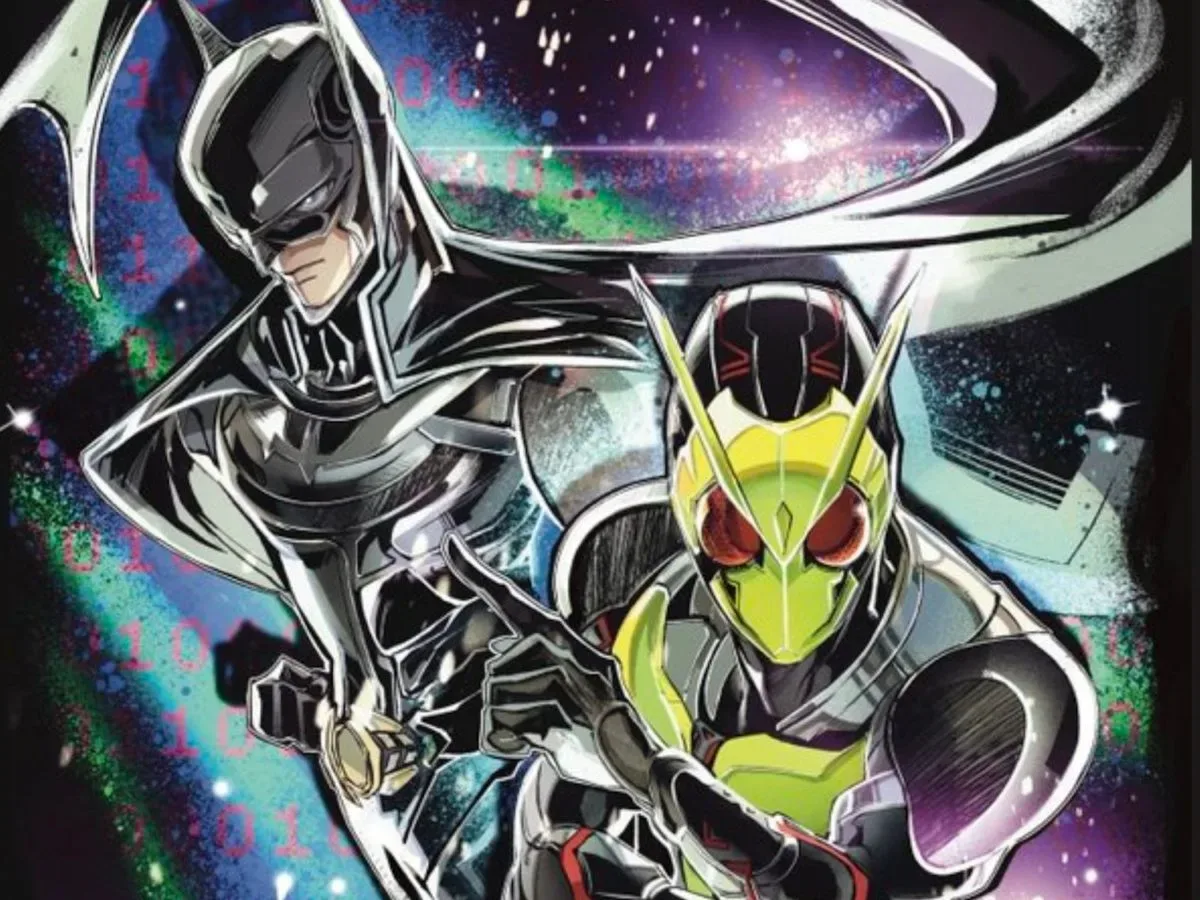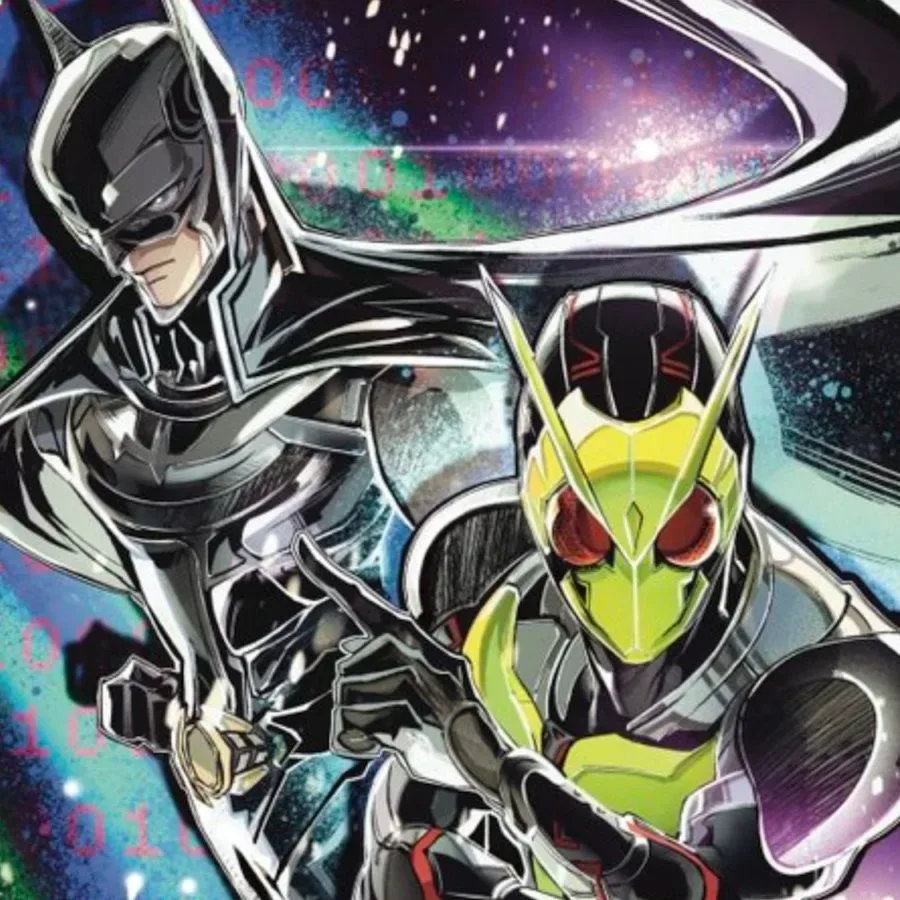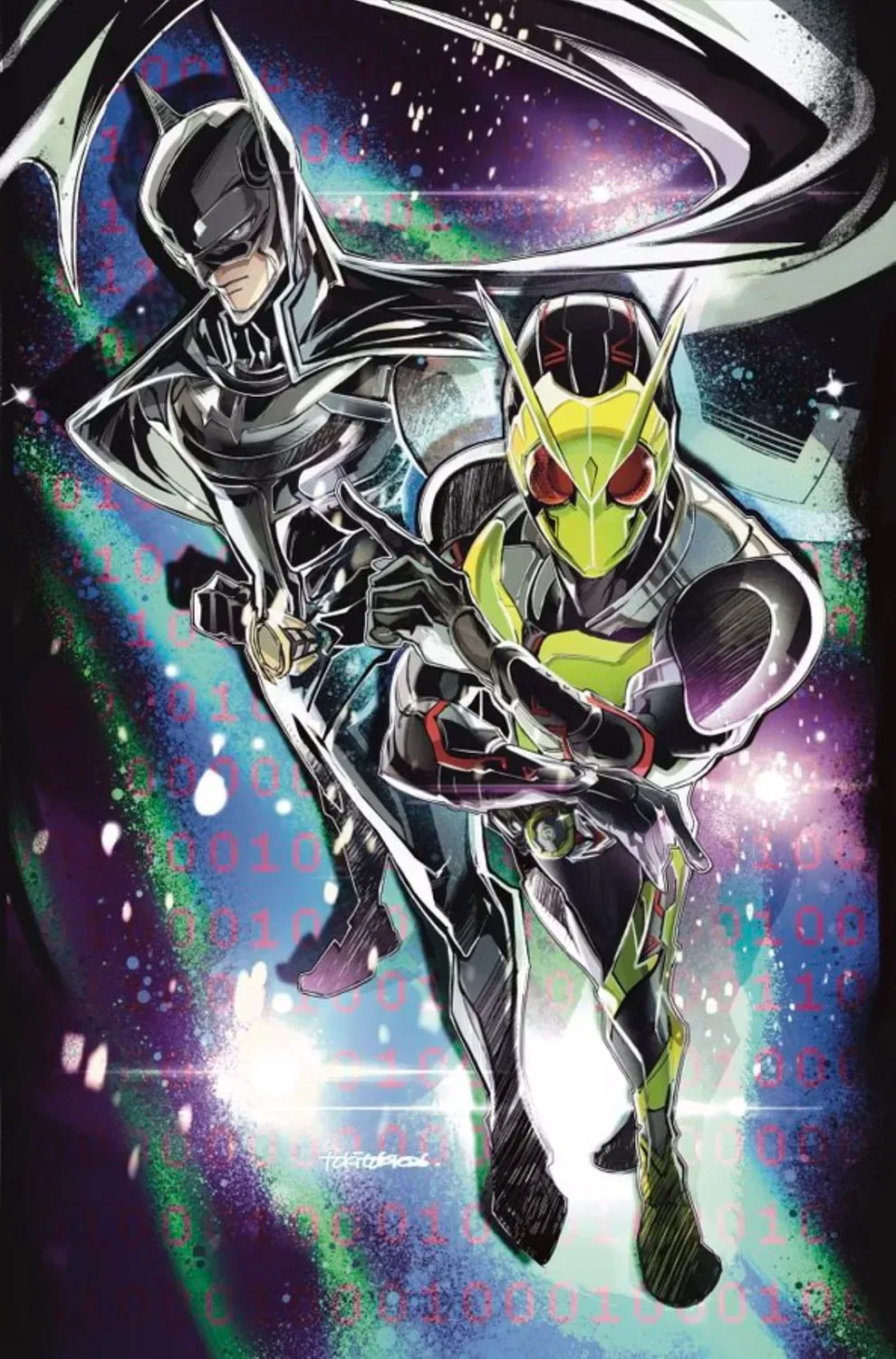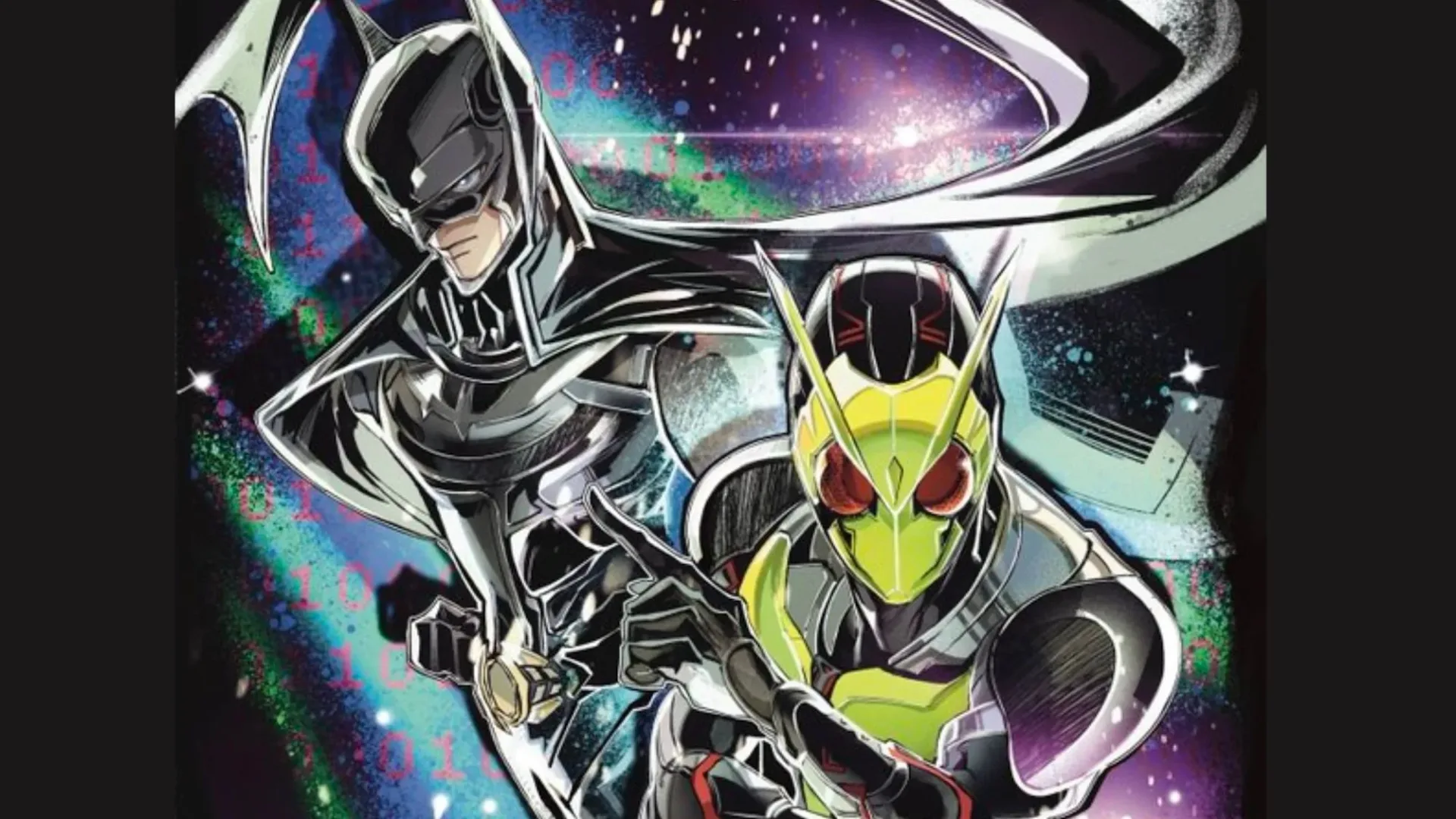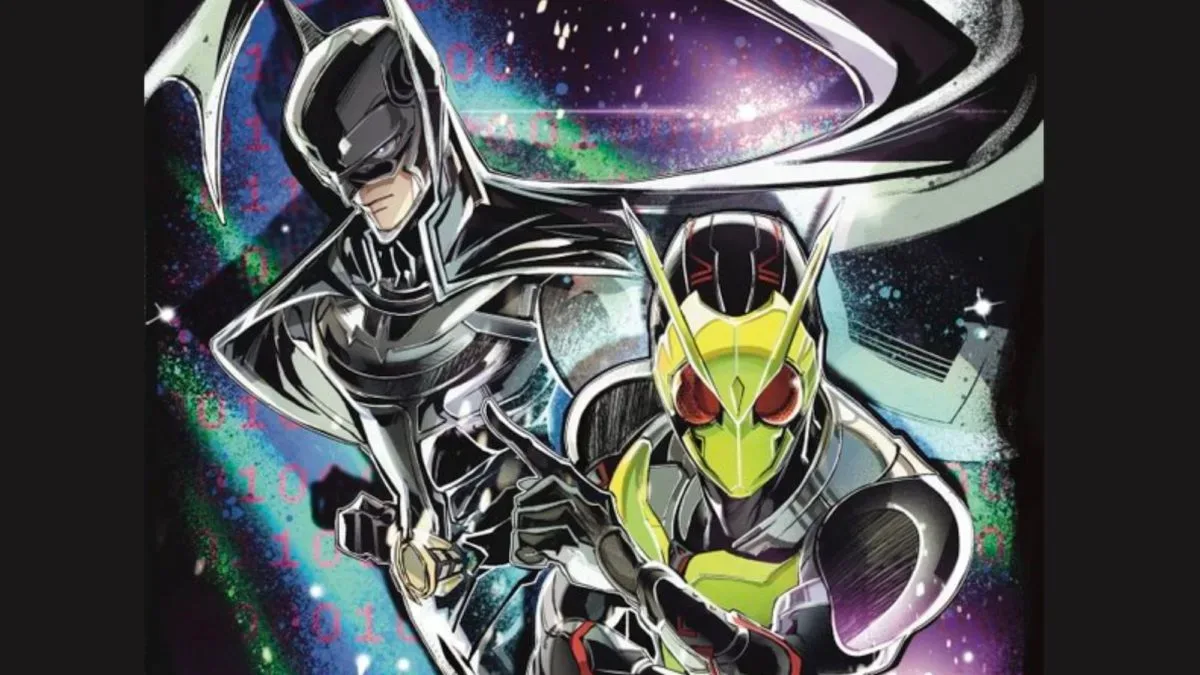
Batman is heading into a new crossover with Kamen Rider Zero-One, pairing DC’s Gotham detective with one of Japan’s armored, transforming heroes. The project begins with an original comic, written by Kenny Porter and illustrated by Tokitokoro. Bandai merchandise is also in development as part of the collaboration.
The news was shared in connection with Batman Day by DC’s Japanese operation, which described the project as a collaboration between iconic heroes from Japan and the United States. Beyond the comic and the statement that Bandai merchandise is being prepared, key specifics have not yet been revealed. There is no supplied release date, issue count, publishing format, plot synopsis, product list, or confirmation of exactly what the merchandise will be.
That makes this an early look at a potentially broad crossover rather than a fully detailed publishing slate. Still, the creative team and choice of Rider offer a meaningful indication of its direction.
What has been confirmed
- An original Batman x Kamen Rider Zero-One comic is being produced.
- Kenny Porter is writing the comic.
- Tokitokoro is providing the art and has created cover art for the project.
- Bandai merchandise is in the works.
- Additional project information will be released gradually.
Porter publicly confirmed his role and emphasized his enthusiasm for Kamen Rider, while also naming Tokitokoro, the Kamen Rider English-language team, and DC as partners in bringing the comic together. That confirmation matters because it moves the project beyond a logo-only collaboration: it has an identified writer and artist attached to the actual comic.
For Batman readers watching DC’s wider comics activity, the announcement sits alongside a character line that can accommodate dramatically different tones and formats. The Dark Knight is often used in grounded detective stories, large superhero events, and cross-company encounters alike. Recent Batman discussion has also extended to the publishing and collector side of the character’s line, as seen in questions surrounding Absolute Batman #24 damage reports. This new project is distinct: its main confirmed attraction is a creative fusion with a Japanese tokusatsu hero.
Why Zero-One is a particularly interesting match for Batman
Kamen Rider is a Japanese superhero franchise created by manga artist Shotaro Ishinomori in 1971. Across its many versions, its core imagery is immediately recognizable: a protagonist transforms into an armored warrior, commonly rides a motorcycle, and battles monsters or villainous organizations. A special belt or other device typically triggers that transformation. Grasshopper-inspired visual elements have also long been part of the franchise’s identity.
The word tokusatsu is commonly used for Japanese live-action productions built around special effects, costumed heroes, transformations, giant creatures, and elaborate action. Kamen Rider is one of the major superhero properties in that space, alongside franchises such as Super Sentai and Ultraman. The specific Rider chosen here is important, though: Zero-One is associated with stories about AI and technology.
That emphasis creates an obvious thematic route into Batman’s world without telling us the actual plot. Batman is defined by detective work, gadgets, surveillance-oriented tools, vehicles, and the challenge of confronting threats that use technology as leverage. Zero-One’s technological focus could give the crossover a shared problem space for its heroes to investigate or fight through. That is analysis based on the characters’ established framing, not confirmation of a particular villain, setting, or story device.
The pairing also places two different kinds of heroism in conversation. Batman is a non-powered vigilante whose advantage is preparation, training, investigative ability, and equipment. A Kamen Rider protagonist transforms through a dedicated belt or device into an armored combatant. The difference is not merely cosmetic. It can shape the visual language of a comic: Batman’s silhouette, tools, and stealth alongside Zero-One’s transformation-driven armor and Rider action.
Both traditions have room for stories about identity, justice, sacrifice, and resistance to oppressive forces. Those are recurring Kamen Rider concerns, particularly in stories where heroes are enhanced, altered, or forced into conflict by the very systems and organizations they oppose. Batman’s long-standing identity as a masked crimefighter gives the new comic an accessible point of overlap, even before any narrative details are public.
The creative team behind the crossover
Porter’s confirmation frames the comic as a genuine collaboration rather than an uncredited promotional tie-in. His stated affection for Kamen Rider suggests the project has a writer who understands the appeal of the franchise, though readers should avoid treating enthusiasm as a substitute for announced story information. No plot, supporting cast, adversary, or continuity placement has been detailed.
Tokitokoro’s involvement is equally central. With both interior-art credit and cover art attributed to the artist, the comic has a clear visual lead from the announcement stage. In a crossover of this kind, art will have a substantial job: it must make Batman and Zero-One look convincing in the same panel while preserving the instantly legible visual identities of each hero.
Batman’s design relies on a cape, cowl, pointed ears, a dark silhouette, and utility-focused gear. Kamen Rider Zero-One is built around an armored transformation aesthetic and the franchise’s signature heroic pose-and-action energy. A successful crossover does not require either design to become less distinctive. The appeal is more likely to come from contrast: the cape-and-shadow detective beside the bright, engineered shape of a transforming Rider.
Bandai merchandise: what the announcement does and does not mean
The merchandise component is confirmed, but its form is not. Bandai is attached to merchandise development; the information provided does not establish that the line will include action figures, toys, apparel, model kits, collectibles, limited editions, or any other particular category. It also does not specify territories, retailers, quantities, release timing, packaging, or whether products will launch with the comic.
That distinction is useful for fans and collectors. “Merchandise in development” signals intent, not a purchase-ready catalog. Until official product images, names, release information, or distribution details are shared, any assumption about scale, articulation, accessories, or availability would be speculation.
Even so, Bandai’s involvement gives the crossover a second life beyond the page. Kamen Rider has a strong transformation-device and character-design tradition, while Batman is one of comics’ most recognizable visual icons. A merchandising program could potentially highlight that visual meeting point, but the eventual approach remains unknown.
What readers should watch for next
The next announcements will need to answer the practical questions left open by the initial reveal. The most significant are the comic’s release window, how and where it will be published, its length, language options, and whether it will be a standalone story or part of a broader initiative. The involvement of the Kamen Rider English-language team may be encouraging for readers interested in English-language access, but it is not itself a release or distribution confirmation.
On the merchandise side, the first product reveal will establish what “Bandai merchandise” means in this collaboration. Until then, the reliable facts are straightforward: Batman and Kamen Rider Zero-One are joining forces in an original comic from Porter and Tokitokoro, and licensed Bandai merchandise is being developed alongside it.
For now, the crossover’s promise lies in a well-matched collision of superhero languages. Batman supplies investigation, shadows, and technology-minded vigilantism; Zero-One brings an armored transformation hero rooted in a franchise with decades of action and identity-driven storytelling. The announced comic has the chance to explore that overlap, while the planned merchandise ensures the project is intended to reach beyond a single piece of cover art.