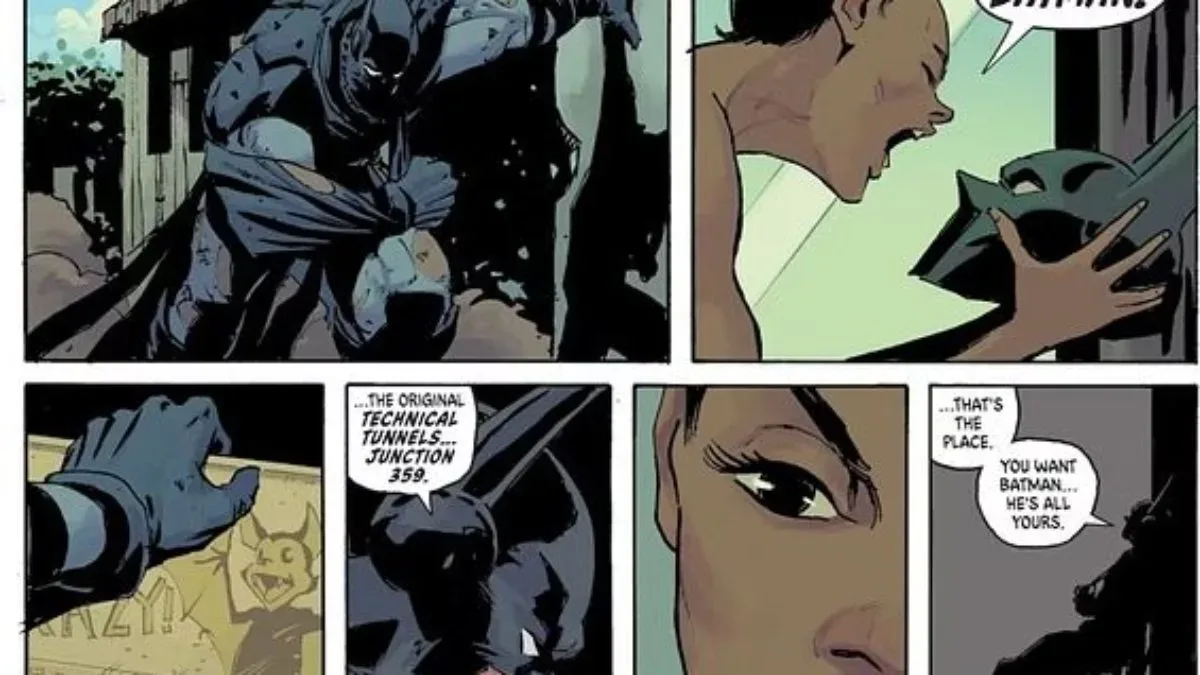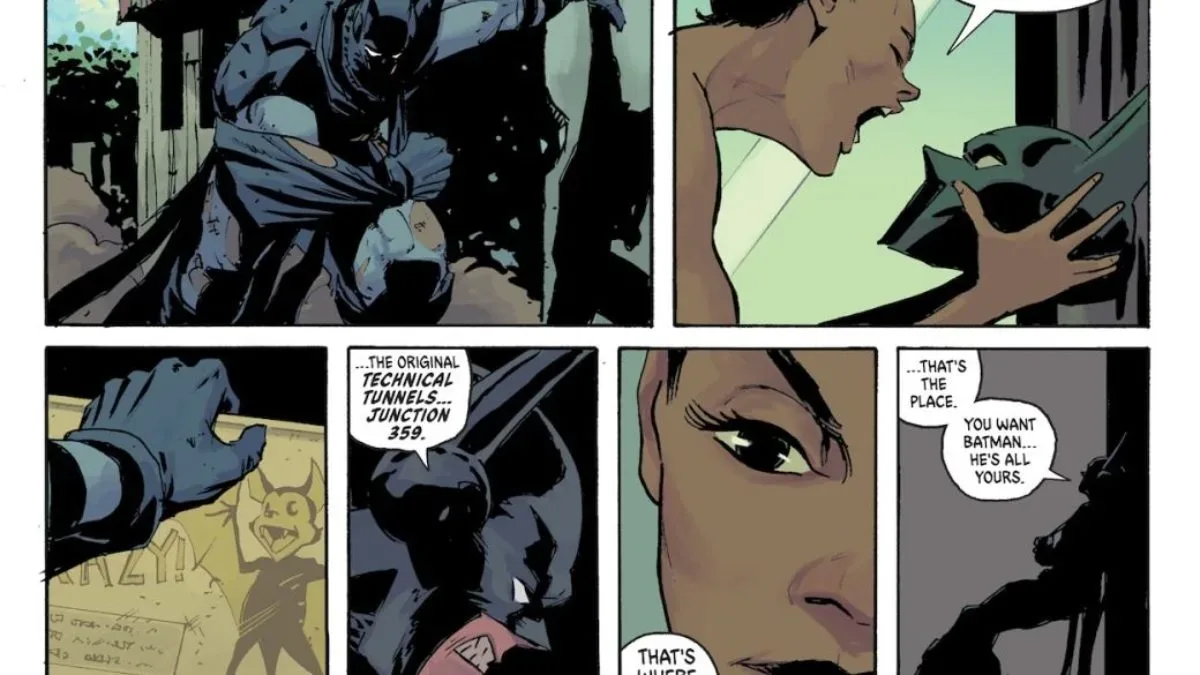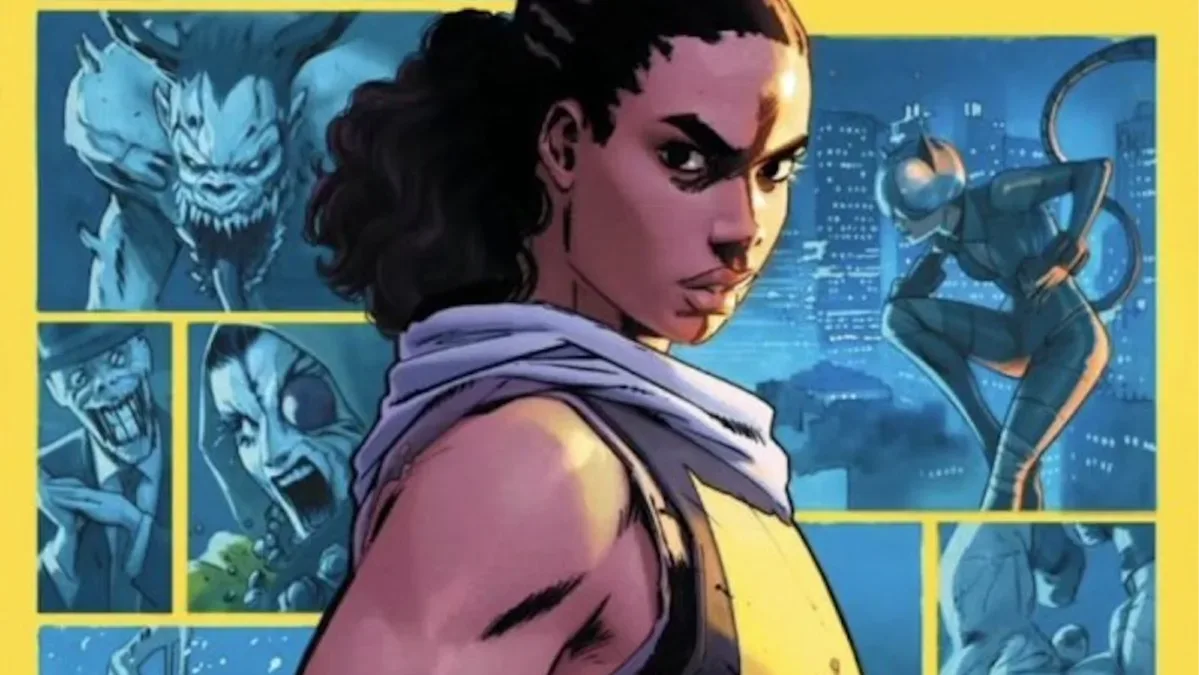
Absolute Batman #24 has generated fresh attention after readers picked up on a reference connected to Batgirl’s first appearance. The detail became the leading comics conversation in a busy September 20 news roundup, ahead of December 2026 publishing plans from DC, Image Comics and Dynamite Entertainment, as well as news involving Doctor Who, Flash Gordon and more.
The available information identifies the connection as a reference to the very first appearance of Batgirl, but does not spell out the exact panel, dialogue, image, character interpretation or story consequence involved. That distinction matters. There is a big difference between confirming that an issue contains a historical nod and asserting that it changes continuity, introduces a particular version of a character, or previews a future plot point. Readers should treat the reference as an invitation to look closer, not as proof of a larger development that has not been established.
Why a first-appearance reference attracts so much attention
In superhero comics, a first appearance is the first published introduction of a character. The phrase can be used very precisely, but it is also a magnet for debate. Fans may be discussing a character’s debut, a costume’s debut, a new identity, an alternate-universe counterpart, or a cameo that later gains greater significance. A story that consciously calls back to a first appearance can therefore operate on several levels at once: a visual wink for long-time readers, a thematic comparison with an earlier version of the character, or simply a signal that the creative team knows the material’s history.
That layered reading is especially potent around Batman-related comics. Gotham stories carry a large supporting cast, and Batgirl is a name with substantial recognition inside that wider mythology. Even a brief reference invites readers to compare old and new ideas: what has been preserved, what has been reworked and what may simply be an homage rather than a declaration of intent.
For Absolute Batman #24, the immediate takeaway is appropriately narrow: readers noticed a link to Batgirl’s earliest comic-book history, and interest in that observation was strong enough to lead the day’s most-read list. The exact meaning remains open unless subsequent material gives the nod a firmer role.
Homage, easter egg and continuity clue are not interchangeable
Comic-book discussion often compresses different kinds of references into one category. It is more useful to separate them.
- Homage: A deliberate creative echo of an earlier work, such as a familiar composition, phrase, costume detail or scenario. It recognizes history without necessarily making that history plot-relevant.
- Easter egg: A small hidden or semi-hidden detail intended as a reward for attentive readers. It may be playful and may not affect the story at all.
- Continuity clue: A reference that establishes, alters or foreshadows events within a story’s ongoing fictional framework. This is the category readers should be most cautious about declaring too early.
- First appearance: The debut of a character or identity in publication. It is a historical designation, not automatically a promise that every later callback will recreate that debut’s circumstances.
The reported Batgirl connection in Absolute Batman #24 can be called a reference with confidence. Beyond that, the evidence supplied does not establish whether it is homage, an easter egg, or a continuity clue. Holding that line is not less fun than speculation; it simply keeps speculation labelled as speculation.
What readers can reasonably look for on a reread
Readers revisiting the issue can focus on the mechanics of the reference instead of jumping immediately to predictions. Is the connection visual, textual or structural? Does it occur in a moment that emphasizes character introduction, identity, costume design, a relationship, or Gotham itself? Does the issue draw attention to the detail, or leave it quietly in the background?
Those questions help determine how much narrative weight a callback is likely intended to carry. A prominently staged reference could be central to the issue’s themes even if it does not launch a new storyline. Conversely, a background detail can be a rewarding note for comics historians without requiring future explanation.
It is also worth distinguishing recognition from confirmation. Recognizing an allusion is a real part of the reading experience. Confirmation would require the comic or its publisher to make a clear statement about what the allusion means. Until then, the useful position is that the nod has sparked a conversation, not that it has settled one.
A crowded DC and comics news window
The attention on Absolute Batman #24 arrived amid an unusually broad selection of comics news. DC’s full December 2026 solicitations were among the major items drawing interest, alongside corresponding December lineups from Image Comics and Dynamite Entertainment. In comics publishing, a solicitation is advance catalog copy used to present forthcoming releases. It can include a title, creative team, cover information and a story setup, though the supplied material does not provide the contents of those specific listings.
Other prominent subjects included a newly revealed 1/6-scale Jean Grey figure based on X-Men: The Animated Series, the addition of Dick Grayson as Robin to DC: Dark Legion for Batman Day ’26, reported sales momentum for DNX, and a graphic-novel premise asking what Flash Gordon might look like through an Absolute Batman-style lens. The mix is a useful snapshot of how modern comics attention moves: an issue-level story detail can sit beside catalog news, collectibles, games and cross-media franchises while still becoming the item readers most want to unpack.
There is also a practical difference between interest and a verdict. A most-read ranking measures what people chose to open and discuss in a particular window; it does not by itself measure an issue’s sales, critical consensus or long-term importance. In this case, it does clearly show that the Batgirl reference gave readers an immediate reason to return to Absolute Batman #24 and compare notes.
The appeal of comics built for close reading
A single historical callback can create a productive kind of friction between accessibility and deep continuity. A new reader can follow the present-day scene as written. A reader familiar with older comics can spot another layer. Neither experience has to invalidate the other.
That is one reason this sort of discussion remains durable. The detail may be small on the page, but it provides a shared prompt: readers can investigate visual choices, revisit their own understanding of a character’s publication history and debate whether the issue is looking backward, forward or both. It is a more grounded conversation than treating every reference as a guaranteed reveal.
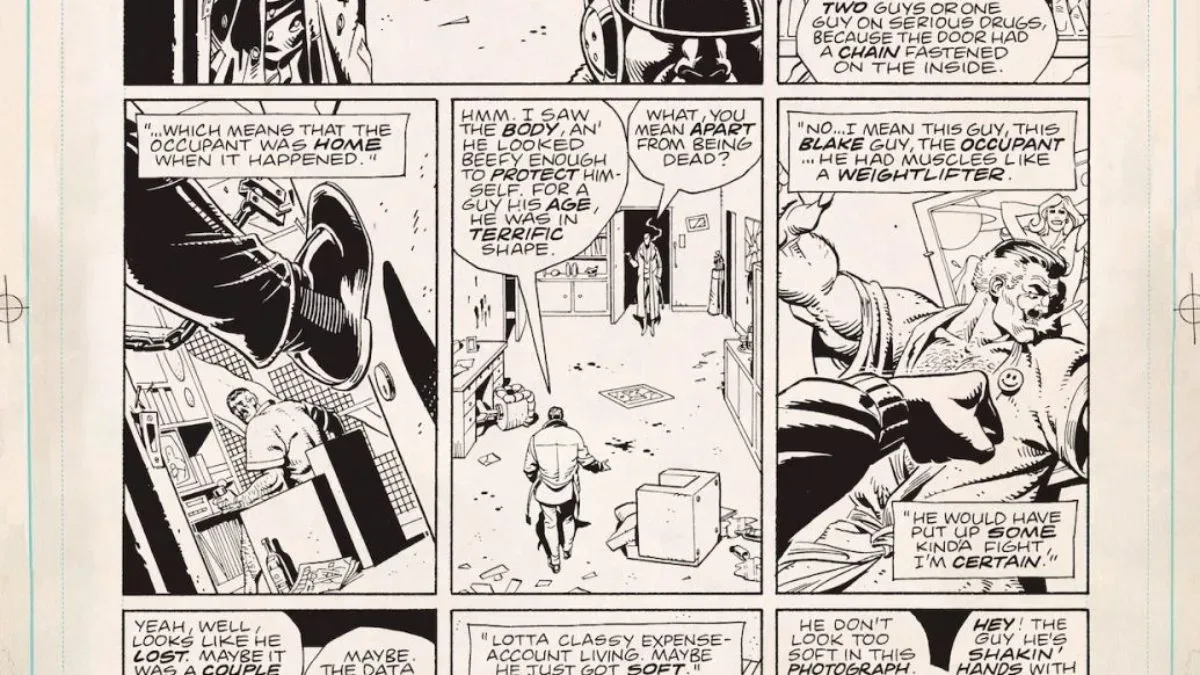
For readers interested in another DC work where format and publication context are part of the appeal, see DC W.I.P.: Watchmen #1 and its facsimile presentation.
What the Absolute Batman #24 discussion tells us so far
The confirmed point is simple: Absolute Batman #24 contains a reference tied to Batgirl’s first appearance, and readers responded strongly to it. The appeal lies partly in the compactness of that fact. It is a recognizable piece of character history placed inside a current Batman conversation, with just enough ambiguity to encourage scrutiny.
For now, the responsible reading is to appreciate the callback on its own terms. It may eventually prove to have implications beyond the moment, or it may remain a carefully placed acknowledgement of Batgirl’s legacy. Either outcome would not change why it caught attention: comics readers are exceptionally alert to the details that connect a new page to the much larger history behind it.