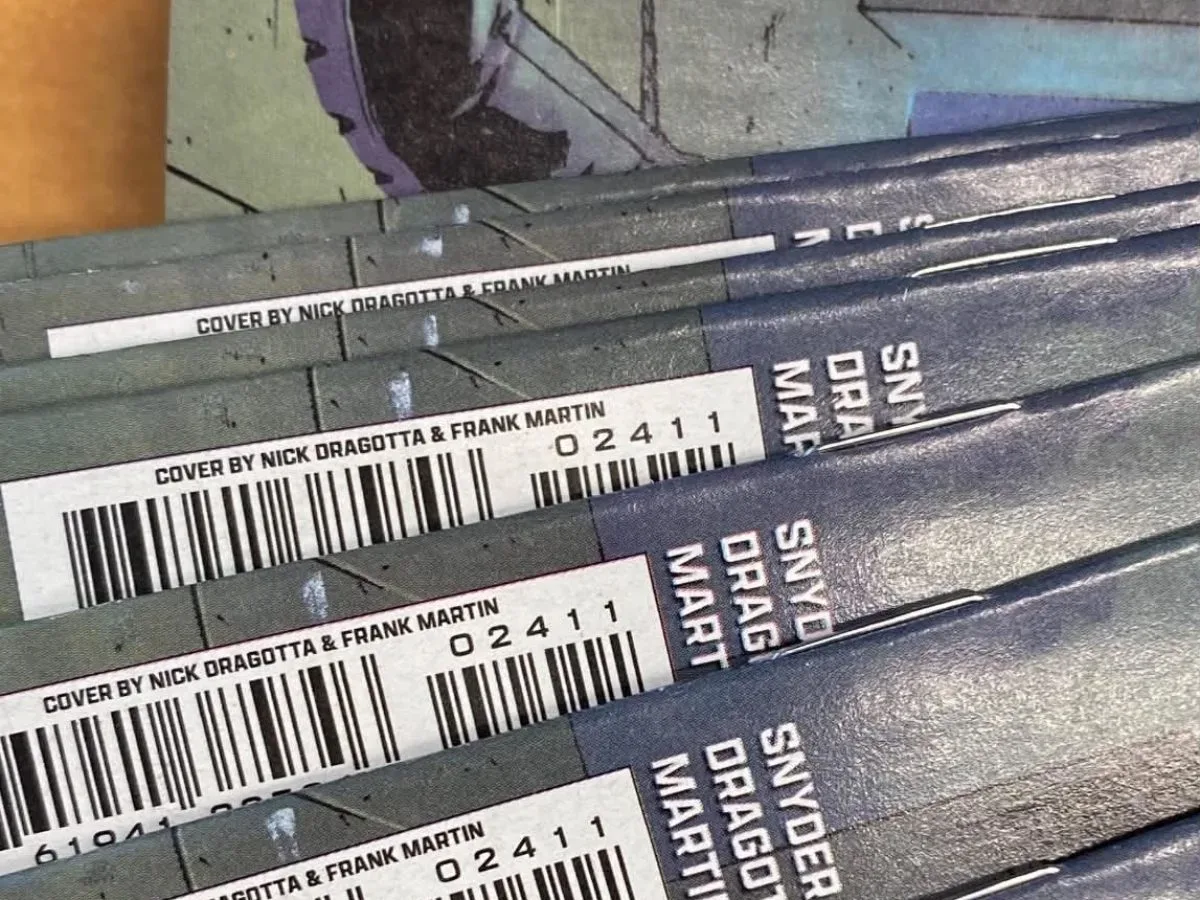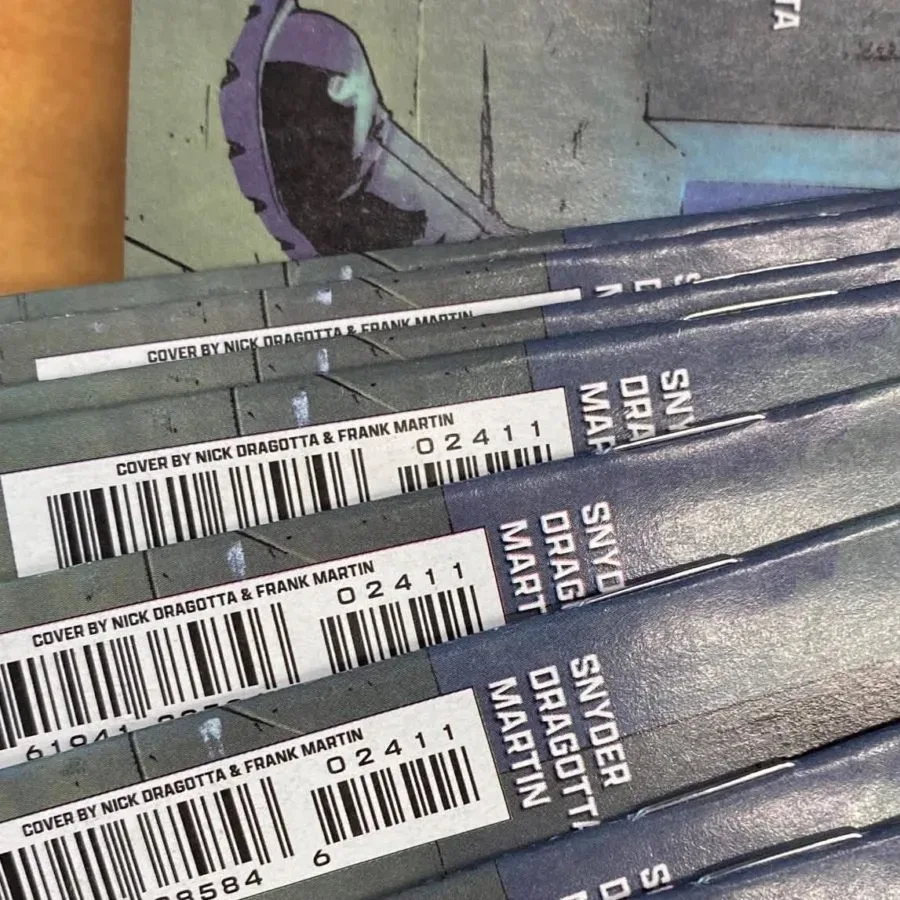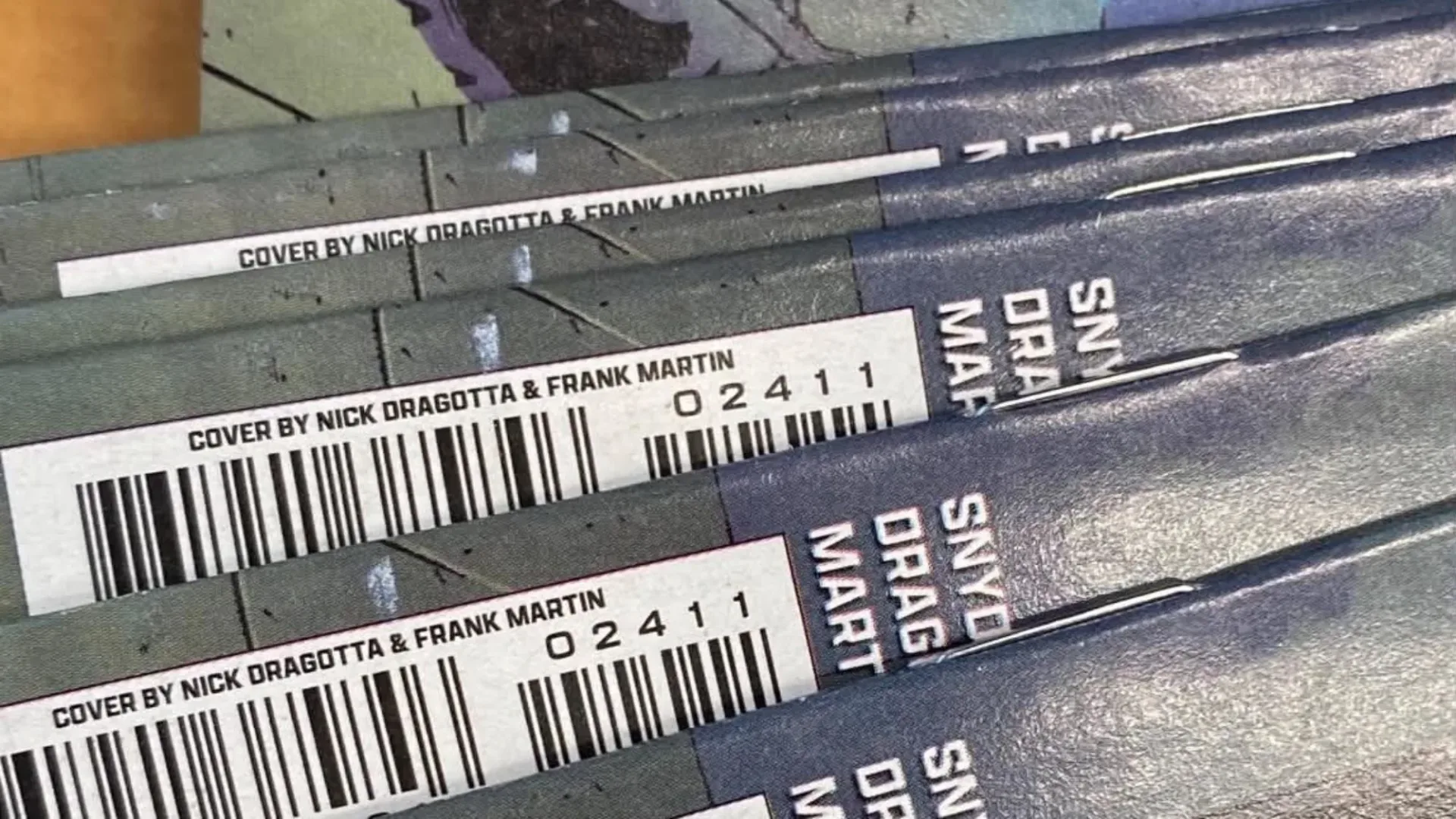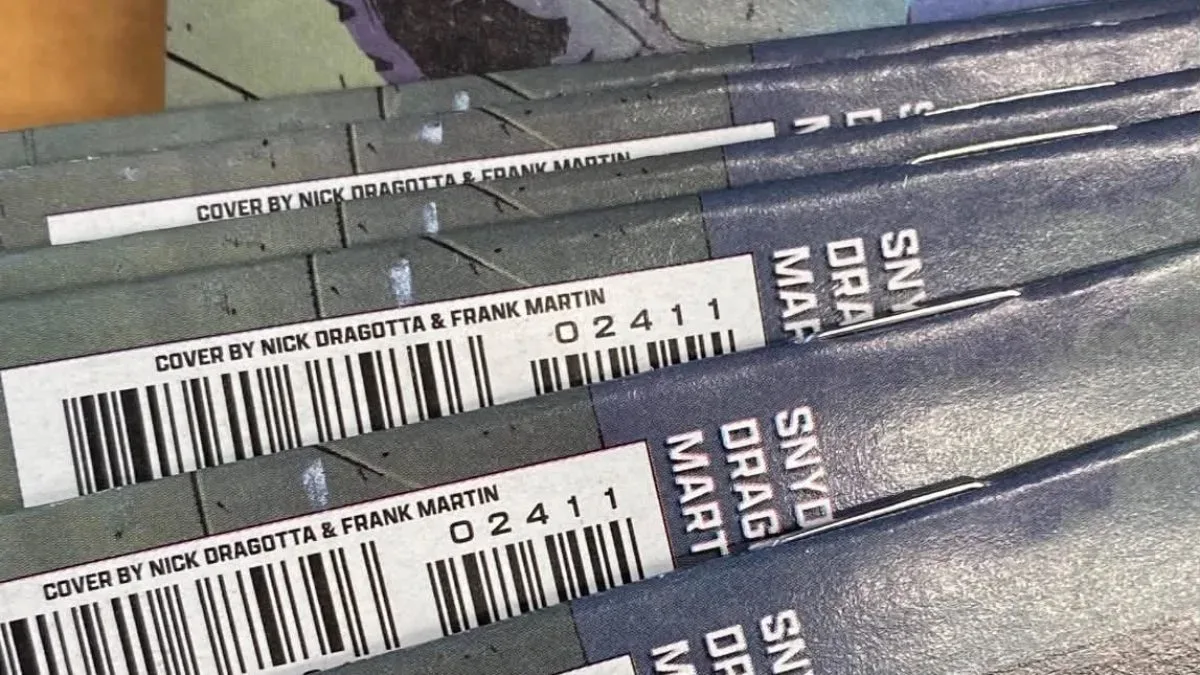
Reports from comic shops point to potential printing-related damage on copies of Absolute Batman #24, due September 23, 2026. The crucial word is potential: there is not yet a confirmed account of how many copies are affected, what exact defect is appearing, or whether a distributor response will establish a return, replacement, or other retailer process.
That uncertainty is significant because this is not an ordinary mid-run comic with modest demand. Absolute Batman has become an unusually large retail force, with reported orders of roughly half a million copies per issue and a collector market built around standard editions, retailer-exclusive variants, and high-grade copies. A production defect that might be a manageable inconvenience on another release can become much more consequential when a book is being bought simultaneously to read, display, resell, and submit for grading.
For now, the practical message for buyers is straightforward: inspect a copy before leaving the shop when possible, and preserve any receipt or order confirmation if condition is central to the purchase. That is not a declaration that every copy is defective. It is a sensible response to retailer reports while the scale of the issue remains unresolved.
What is known—and what is not
The available reports indicate that some comic stores have received damaged copies of Absolute Batman #24. They do not establish a complete defect profile or a percentage of the print run affected. Readers should be cautious about treating social-media photos of individual copies as proof that every issue has the same problem; comics can be damaged at multiple points, including printing, packing, shipping, and store handling.
The distinction matters. A defect created during printing can affect copies in a recurring, consistent way across numerous shops. Damage from shipment or handling may be limited to particular cartons, routes, or individual books. Until more copies reach shelves or Lunar Distribution gives retailers formal guidance, it is not possible to responsibly characterize the full release as damaged.
There is also no supplied confirmation of a corrective action. Retailers and buyers should not assume a replacement printing, recall, credit, or special handling policy is coming. Those are separate business decisions, not automatic consequences of reported flaws.
Why Absolute Batman’s history changes the stakes
This is not the first defect concern connected to the series. An earlier issue, Absolute Batman #20, reportedly had printing-stage damage serious enough that CGC adjusted how it would approach the problem in grading. In plain terms, CGC is a third-party grading company: it evaluates a comic’s condition and assigns a numerical grade that can materially influence how collectors perceive and trade the book.
A grading policy adjustment does not mean all damage becomes irrelevant, nor does it guarantee that another issue will receive the same treatment. It means the origin and nature of a flaw can matter. Collectors generally care whether an imperfection is a one-off condition problem on their copy, a manufacturing defect shared across the release, or an alteration made after publication. Those circumstances can have different implications when a book is evaluated for a grade.
That earlier precedent makes the #24 reports worth watching, but it should not be stretched beyond the facts. Any decision about #24 would depend on the defect CGC actually observes and how it determines the defect occurred. The prior situation is context, not a pre-approved grading exception for a new release.
Condition terms buyers should understand
Comic condition discussions can sound intimidating, especially when a hot release turns a basic purchase into a collector decision. A few concepts are useful here:
- Printing defect: An unintended flaw introduced during manufacture. The current reports frame the concern around printing damage, but the precise flaw has not been identified in the supplied information.
- Distribution or transit damage: Harm that may happen after printing, such as compression, bending, abrasions, or corner wear during packing and delivery. It can look similar to a production issue without sharing the same cause.
- Raw copy: A comic sold outside a sealed third-party grading holder. Most new-release purchases begin this way.
- Graded copy: A comic examined and encapsulated by a grading company. The grade represents that company’s assessment under its policies, not a guarantee that every buyer will value the book the same way.
- Variant cover: An alternate cover edition of the same issue. Variants can carry different demand and supply dynamics from the standard cover, which is why condition problems can be especially stressful for retailers handling exclusive editions.
For a reader who simply wants the next chapter, a minor cosmetic issue may have little importance if the pages are complete and readable. For someone buying a copy because its condition is the point, even a small flaw may change whether that particular copy is suitable. Neither approach is wrong; the important part is matching the inspection standard to the reason for buying.
A practical checklist for release week
There is no need to panic-buy multiple copies or presume scarcity solely because defects have been reported. There are, however, sensible steps that reduce misunderstandings between buyers and shops.
- Ask before the sale is final. If condition matters, politely ask whether staff can check the copy with you. A shop may have its own rules about bagging, handling, and exchanges, so ask rather than assume.
- Examine the areas most vulnerable to visible wear. Check the front and back cover, corners, spine, staples or binding area, and page edges under ordinary light. Do not bend the book or create damage while checking it.
- Compare copies only when the store permits it. If more than one copy is available, a quick comparison can reveal whether an apparent flaw is isolated or repeats across stock. It still will not prove where the problem originated.
- Document a concern promptly. If an online order arrives with a condition issue, take clear photographs and contact the seller through its stated process. Keep packaging and transaction records until the matter is resolved.
- Separate reading value from collecting value. A replacement request makes the most sense when the condition differs from what was promised, when the book was sold as a collector-grade item, or when the flaw defeats the buyer’s purpose. A reader copy and a grading candidate are not the same purchase.
Retailers face the tougher version of that equation. They must identify potentially affected copies, communicate with customers, protect inventory that may be pre-sold, and wait for any distributor direction. A heavily ordered title adds logistical pressure: even a relatively small defect rate can produce a large number of affected physical books when the print volume is high.
Demand may keep the issue moving anyway
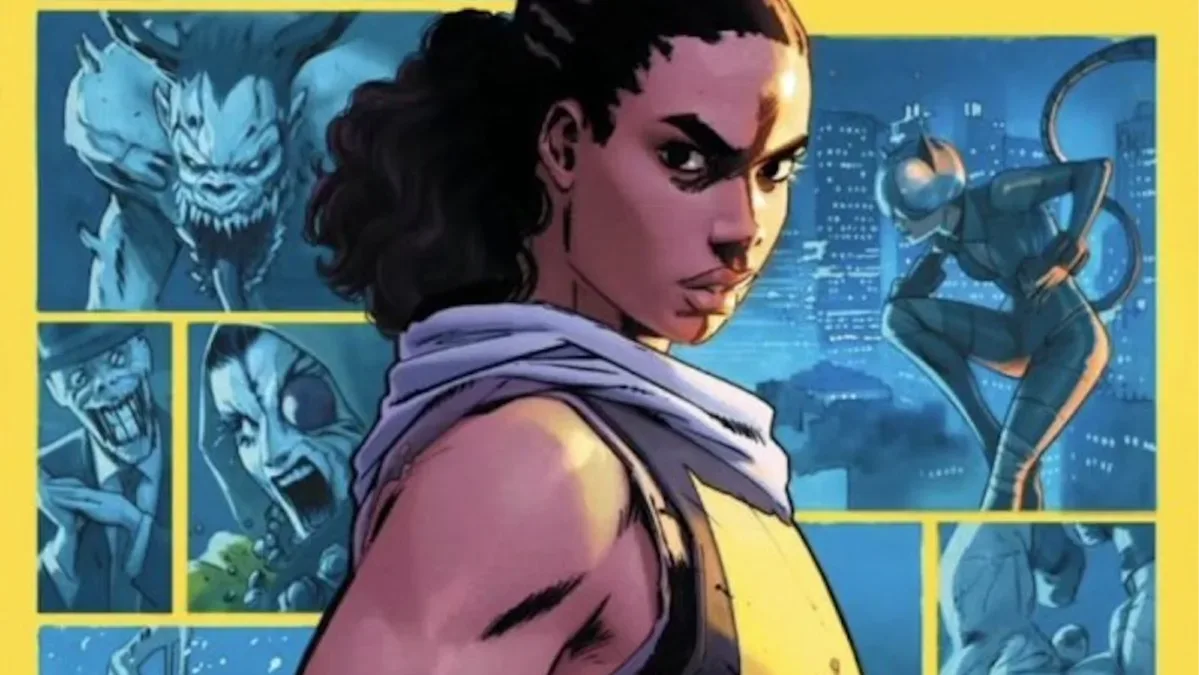
Absolute Batman, created by Scott Snyder and Nick Dragotta and launched in 2024 as the opening title of DC’s Absolute Universe line, has reached a scale that makes its physical presentation part of the conversation. The series has generated substantial retailer-exclusive variant activity, with the number of distributed exclusives reportedly capped by DC. Its delays have also been described as capable of creating cash-flow headaches for shops dependent on the book’s regular sales.
That level of demand can produce two opposing reactions to a defect report. Some buyers may hold off and inspect more carefully, hoping to avoid a flawed copy. Others may rush to secure any copy at all, believing the issue will sell through regardless. The second response can make calm information harder to find, particularly when photos and anecdotes are circulating before a distributor statement clarifies the situation.
Collectors should resist assuming that a reported flaw automatically creates a valuable “error” edition. A manufacturing problem is not automatically a distinct collectible variant. Value depends on factors that have not been established here: how widespread the defect is, whether it is consistent, whether intact copies are comparatively scarce, how publishers and graders treat it, and what buyers ultimately decide they want. A book can be both in huge demand and affected by damage without the damage itself becoming desirable.
There is a broader collecting lesson in that distinction. The hobby often treats availability, condition, edition, and demand as though they are interchangeable. They are not. A limited variant can be plentiful in poor condition; a common standard edition can be difficult to find cleanly after a manufacturing problem; and an alleged error may have no premium if most buyers simply prefer an undamaged copy. Readers following comics as physical collectibles may also find useful context in this look at how art, format, and reported sales can shape collectible interest.
What #24 is about
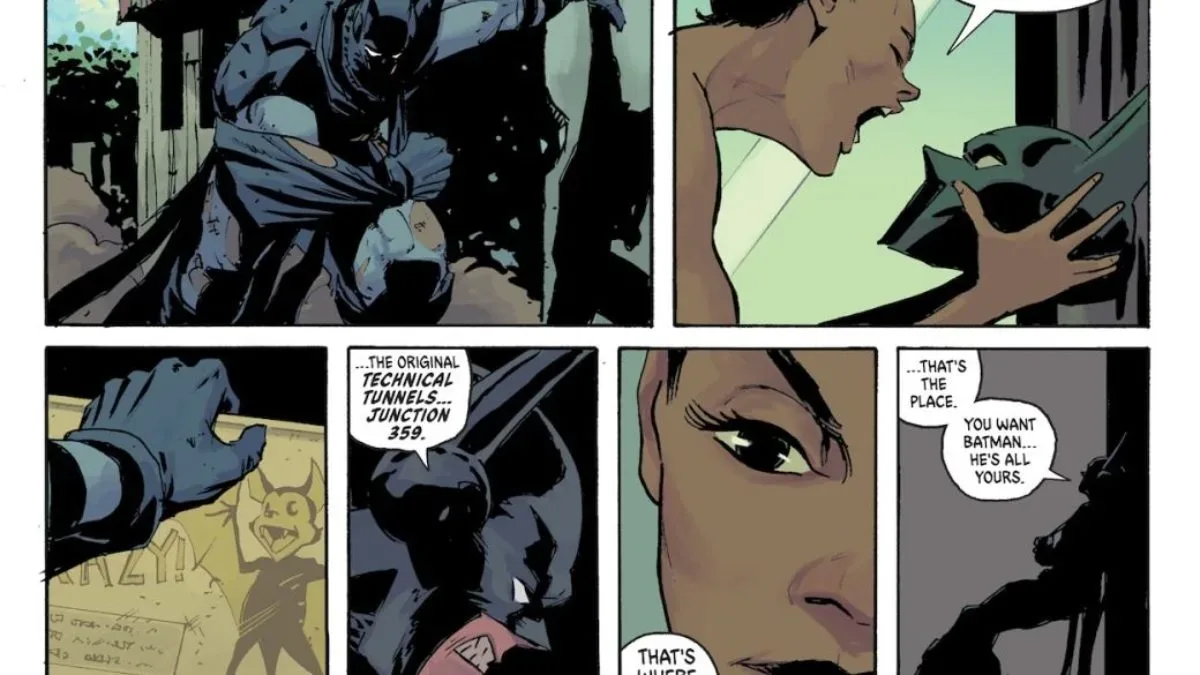
The issue is credited to Scott Snyder and Nick Dragotta. Its solicitation frames the story as a confrontation of Batman against Batman, with Bruce’s relationships pushed toward their own encounters with inner demons. The listed cover price is $4.99.
For the moment, the release’s condition question remains separate from its story. Stores, collectors, and readers will have a clearer picture only after more copies are examined and any official distribution guidance arrives. Until then, the most reliable approach is simple: treat the reports seriously, avoid turning them into certainty, and inspect the individual copy in front of you.
Shop the products
Check current price, model and availability at the retailer.