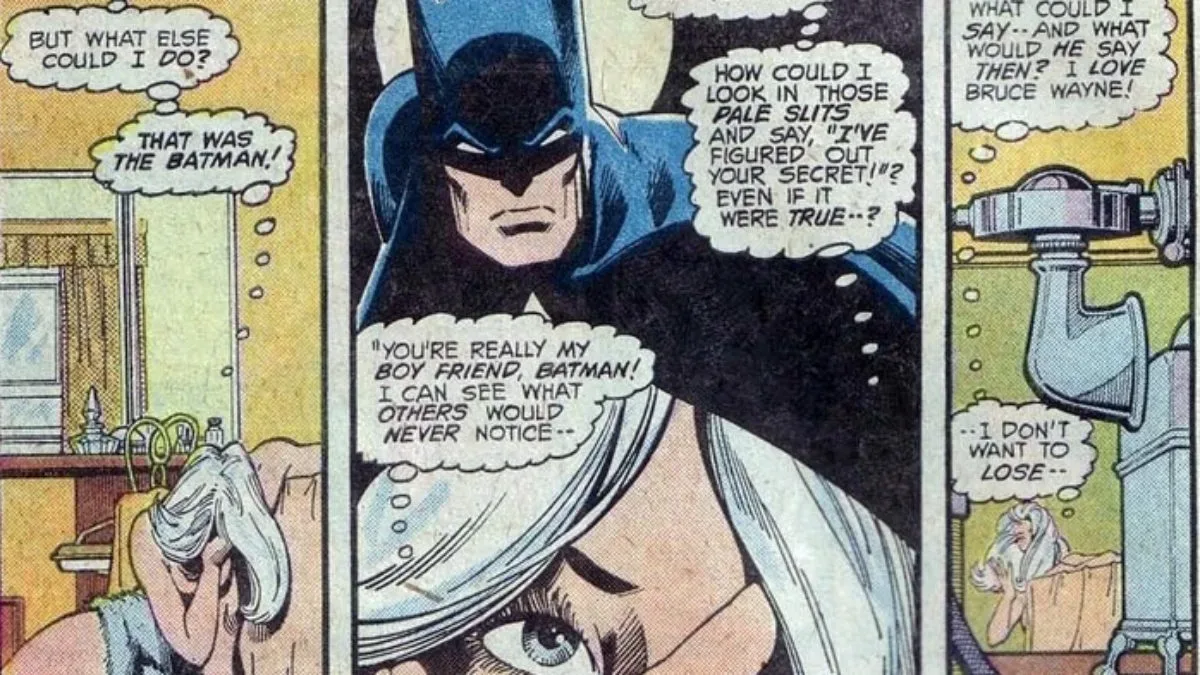
Batman #16 is set to give Bruce Wayne another working identity beyond Batman and his familiar underworld disguise, Matches Malone. The development follows the apparent assassination of Bruce Wayne in Batman #15, but this is not being positioned as a mystery about whether Bruce survived. Matt Fraction has explained that readers are meant to understand the arrangement almost immediately: Bruce is alive, the people in Gotham’s wider hero community who need to know are informed, and the point is to see what the supposed death does to Batman’s methods.
It is a useful change in emphasis for a character built around secrecy. The ordinary public identity of Bruce Wayne has always been part of the Batman operation, whether it is serving as a highly visible billionaire playboy, an alibi, or an access point into rooms Batman could never casually enter. With Bruce publicly out of circulation, Fraction and artist Jorge Jiménez can shift that operating model. Batman remains active in Gotham; Bruce Wayne simply can no longer attend the premieres, dinners and public engagements that normally sustain the Wayne persona.
That distinction matters. The premise is not that Batman has vanished, nor that Bruce has truly been removed from the book. It is a tactical rearrangement that makes disguises and assumed identities more central to the series’ detective work.
The Bruce Wayne assassination is the setup, not the hidden answer
Batman #15 and #16 form the first explicitly connected two-part story in Fraction and Jiménez’s run. Batman #15, released November 4, 2026, sends six assassins after Bruce Wayne at the El Granda Gala Enmascarado. The issue’s solicitation promised that Bruce would die before the night ended. Batman #16, due December 2, picks up with Gotham under pressure as Batman investigates the attempted killing of his own civilian identity and the conspiracy behind it.
Fraction has described the pair as a recalibration for the series’ next “year,” rather than a conventional long arc built around withholding a resurrection reveal. His comparison point is Columbo: a detective-story structure in which the audience understands a crucial piece of the situation early and instead follows the process, complications and eventual solution.
In practical terms, that means readers are not being asked to spend months wondering whether Bruce Wayne is really dead. The apparent assassination is presented as a planned public fiction. The more interesting questions are what that fiction permits, what it costs, and why the criminal forces behind the attack chose Bruce as their target in the first place.
It also gives the title a sharp double perspective. Batman is pursuing “Bruce Wayne’s killer,” even though he is Bruce Wayne. That setup can make the detective investigation less about locating a missing protagonist and more about examining the conspiracy from angles Bruce could not safely use while remaining Gotham’s most recognizable wealthy citizen.
Matches Malone is only the beginning
Bruce already has one particularly useful non-Batman persona: Matches Malone. The identity is associated with moving through Gotham’s criminal world, gathering information and approaching people who would not volunteer much to Bruce Wayne or a masked vigilante. Fraction has indicated there will be less Bruce Wayne and more Matches Malone as the story develops.
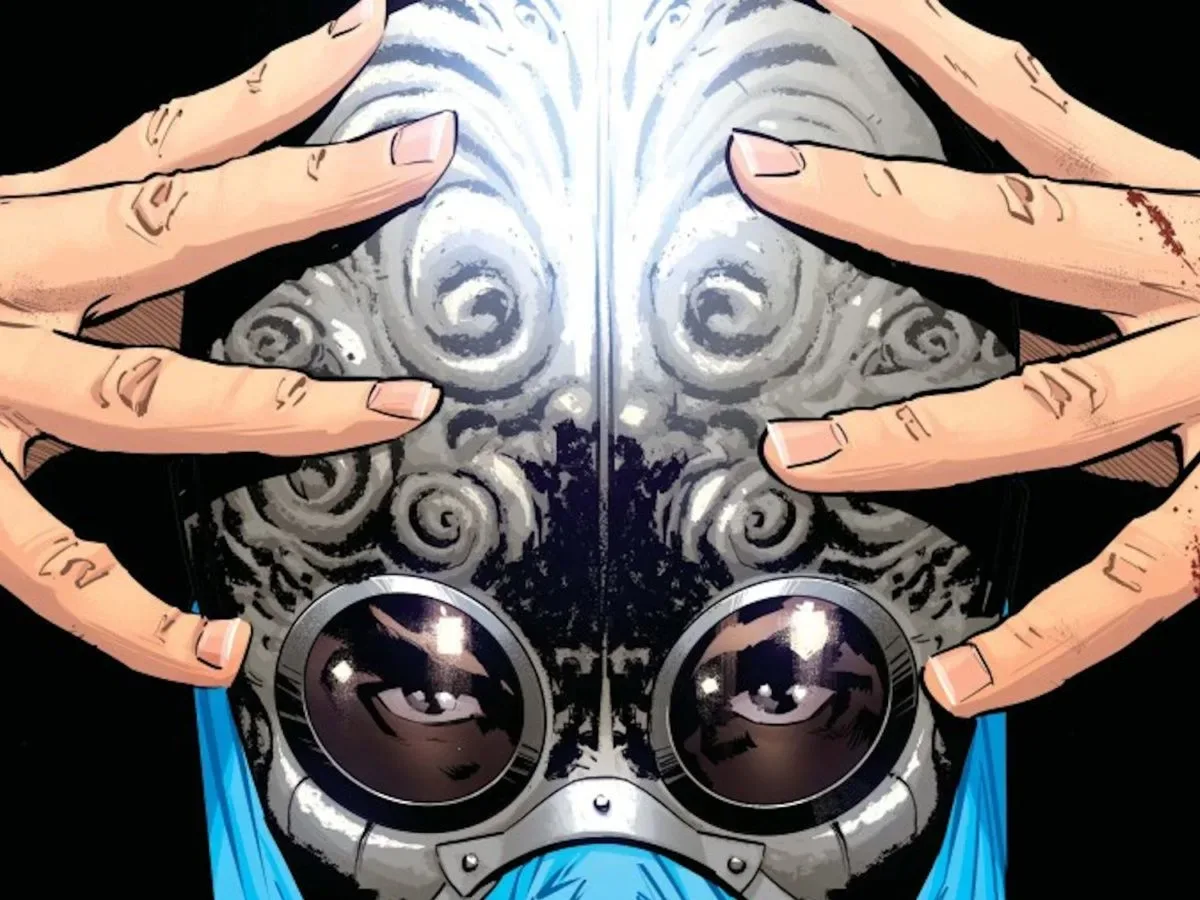
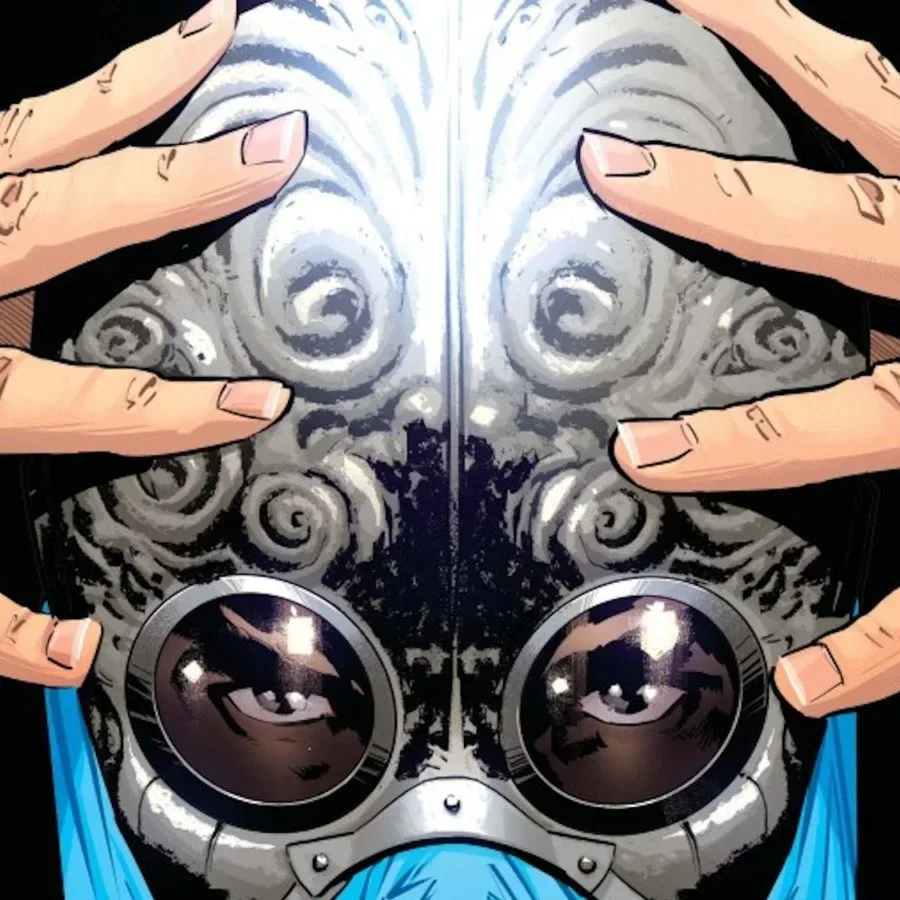
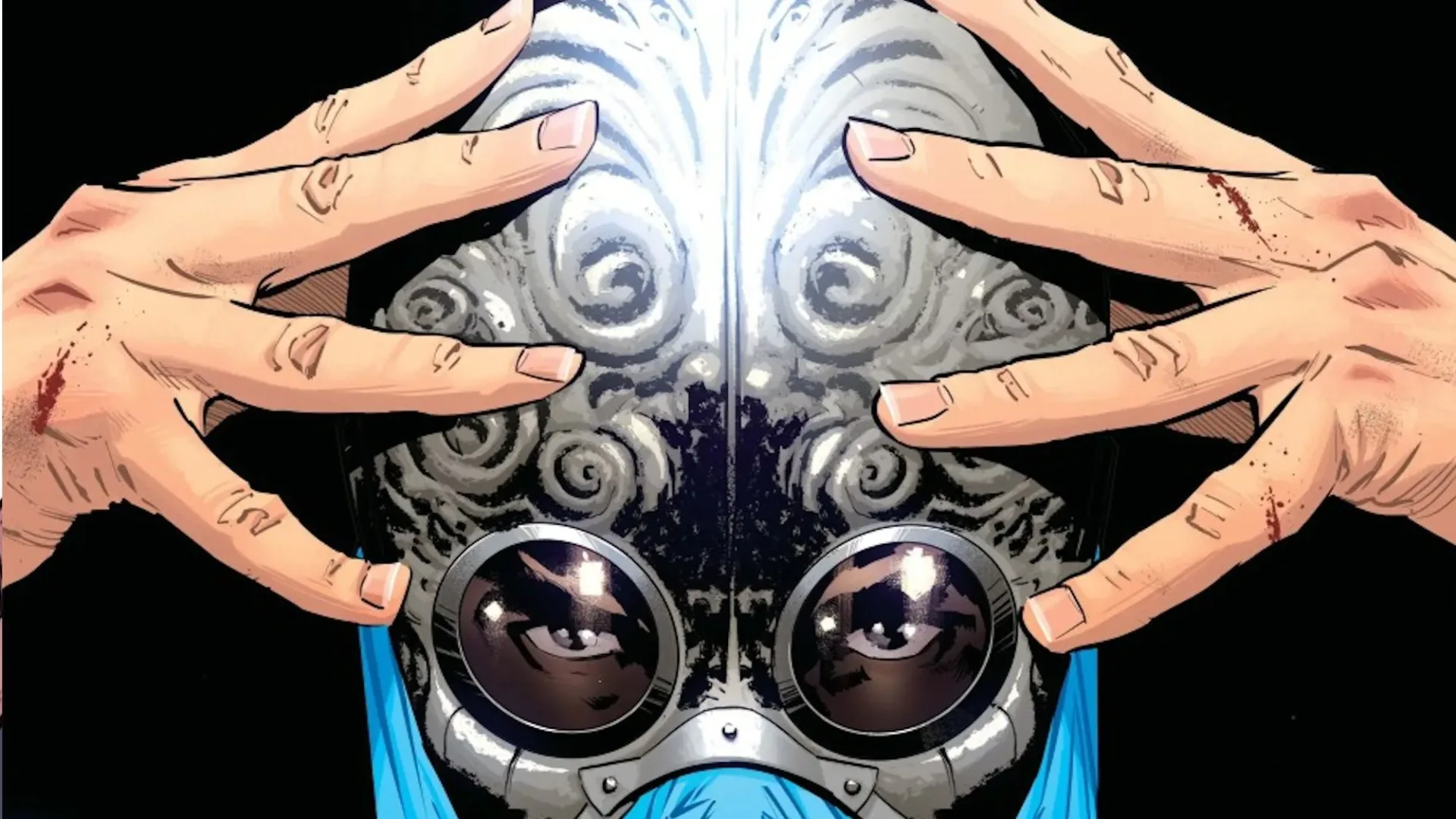
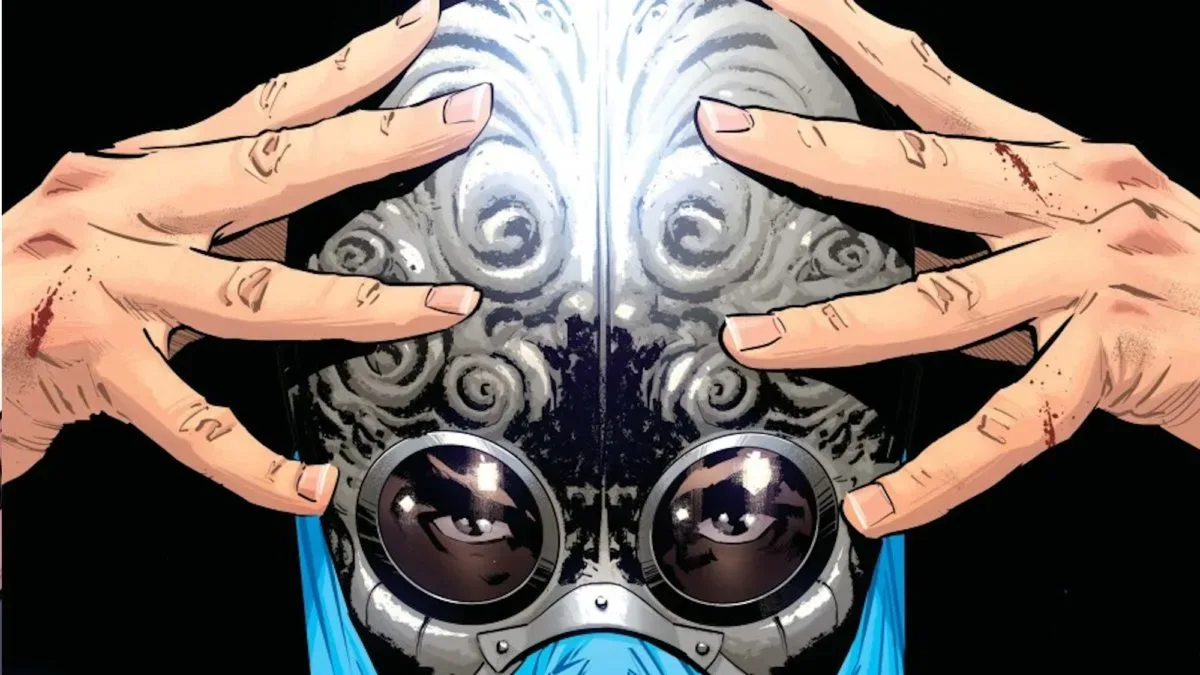
Batman #16 then goes one step further with a new persona for Bruce. Specific details of that identity have not been provided in the available material, so its name, purpose and appearance should remain open questions for now. What is established is that it is not simply another costume change for Batman. It is part of a story strategy built around Bruce working through alternate faces after the public believes he has been killed.
That is why the wording matters. A persona is more than a disguise: it is a social role with its own behavior, access and assumptions. Batman is a symbol that can interrogate, intimidate and fight. Bruce Wayne can fund, host and publicly participate. Matches Malone can operate closer to criminal activity. A new persona could create another lane entirely, allowing the same person to investigate people and places that reject the other three.
The January solicitation for Batman #17 makes the direction clearer. It says Batman will adopt two identities to work multiple sides of the “Torus problem,” while the Minotaur’s criminal conspiracy faces two new obstacles. That language suggests the new identity will not be a one-issue detour. Instead, it appears designed as a functional part of the next phase of the series, with Bruce using parallel roles to put pressure on a larger operation.
Who knows Bruce is alive?
Fraction has laid out a deliberately broad internal rule for the fake-out: the Bat-Family and Gotham’s crime-fighting community know Bruce is alive. Superman and Wonder Woman are specifically included in the explanation. Bruce informs them of the plan rather than leaving allies to discover it by accident or panic over what appears to be his death.
This avoids one familiar kind of superhero-story tension. There is no suggestion that the plot depends on allies being tricked into grief, retaliating based on false information, or treating Batman’s continued activity as proof of an impossible resurrection. The people who work in crime-fighting are knowingly protecting the fiction. Gotham’s public, however, is expected to accept that Bruce Wayne has been assassinated.
That arrangement establishes a clean boundary between public perception and the hero network’s knowledge. It also preserves the practical machinery of Batman stories. Bruce can still use the Batcave. Batman is still in Gotham. The stated change is that Bruce Wayne can no longer perform the high-profile social life that the city expects from him.
For readers, it is a promise that the creative team intends to explore consequences rather than play a prolonged game of “gotcha.” The drama moves away from whether the audience can identify a fake death and toward the logistics of sustaining it. Every civilian interaction, business obligation and public appearance associated with Bruce Wayne becomes a potential complication, even if the broader superhero community is in on the secret.
A tighter focus after Bad Seeds
The new direction follows the more ensemble-oriented Bad Seeds period. The current material points toward a more concentrated Batman story: a public disappearance, criminal infiltration, a conspiracy connected to Torus and Minotaur, and a hero who must split his attention across more than one invented identity.
That focus does not mean the surrounding cast disappears. The stated rule that the Bat-Family and other heroes know the truth leaves ample room for them to be present. But the central engine is Bruce adapting his methods. Rather than treating his public identity as a stable resource, the book is turning it into a liability that must be replaced by carefully constructed alternatives.
There is an interesting structural benefit to that approach. Bruce Wayne, Batman and Matches Malone normally offer distinct ways to stage a scene. Adding another persona increases the number of perspectives available without changing the protagonist. A meeting can play differently depending on whether Bruce enters as Gotham’s presumed-dead billionaire, a criminal contact, Batman, or the as-yet-unrevealed new identity. For an investigation into a sprawling conspiracy, that is a substantial storytelling tool.
It may also let Jiménez visually distinguish the roles as the story progresses. The source material notes that Batman #17 and #18 covers show the look tied to this post-assassination direction, though the available details do not identify the new persona or fully explain the design. Readers will need to wait for the issues themselves for the complete picture.
What the next issues say
- Batman #15 — Available now. Written by Matt Fraction with art by Jorge Jiménez. Six assassins target Bruce Wayne at the El Granda Gala Enmascarado. Cover price: $4.99.
- Batman #16 — Due December 2, 2026. Batman investigates the assassination attempt on Bruce and the conspiracy that placed his alter ego in danger. This is the issue set to introduce the additional persona. Cover price: $4.99.
- Batman #17 — Due January 6, 2027. Batman uses two identities while taking on the Torus problem and the Minotaur conspiracy. Cover price: $4.99.
- Batman #18 — Due February 3, 2027. The story shifts to Arkham Towers, where a bomb threat puts the Joker and Dr. Annika Zeller in danger. Cover price: $4.99.
Batman #18 appears to move into a new immediate crisis, but its solicitation still frames the issue as part of Fraction and Jiménez’s continuing run. That makes #16 and #17 the clearest issues for readers interested in the Bruce Wayne “death” premise and the evolution of the new identities.
Why this twist has room to work
Batman stories often rely on secret identities as a defensive measure: conceal the person behind the cowl, protect loved ones and preserve the ability to operate. This storyline uses the concept in a more active way. The false death does not merely hide Bruce. It changes which identities he can deploy, with each disguise becoming an investigative instrument.
That framework is especially suited to a conspiracy plot. A conspiracy is difficult to solve from one vantage point because its members may recognize and block a known opponent. Batman’s answer, as previewed here, is to approach the same problem from multiple positions. One identity can draw attention while another gathers information; one can move within Gotham’s public-facing world while another addresses its criminal side.
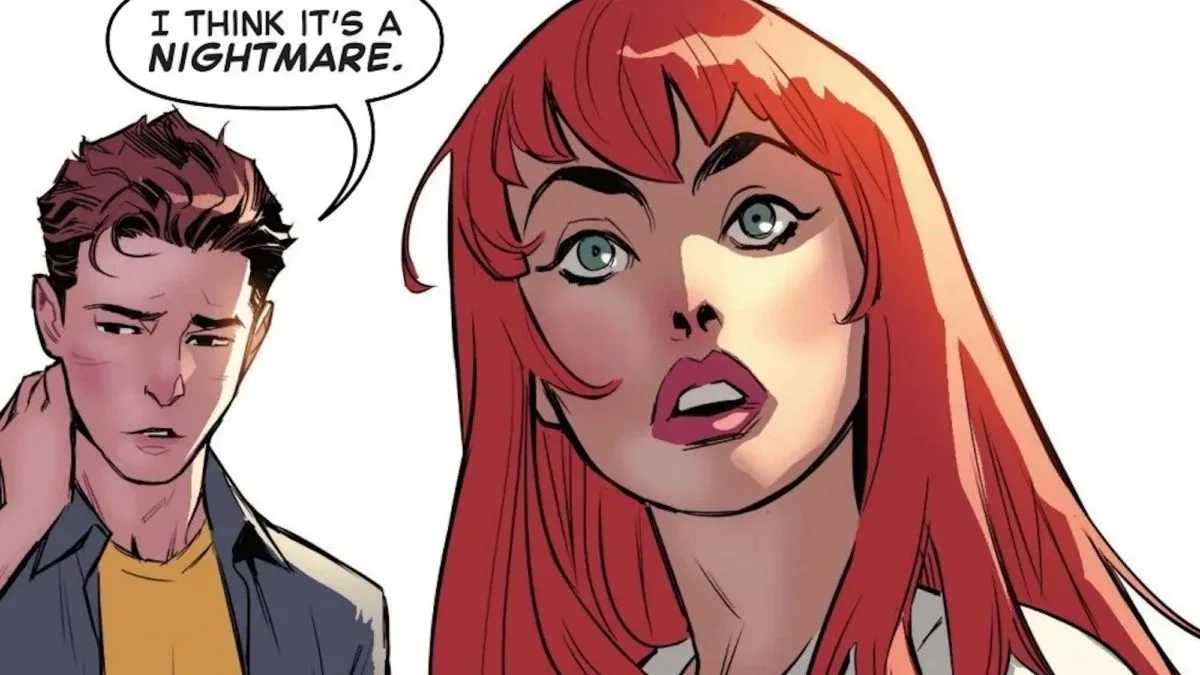
Exactly how the new persona fits into that division remains unrevealed. Still, the setup makes Batman #16 more than a simple aftermath issue. It is the point where the public assassination of Bruce Wayne becomes an ongoing change to the series’ toolkit. Readers who want another current superhero-comic investigation with a very different kind of personal chaos can also see Amazing Spider-Man #1004’s relationship-and-threat setup.
For Batman, though, the immediate story is about whether a man who has spent his life managing masks can make the world believe one of his most important faces is gone—and use the resulting absence to expose the people who wanted him dead.