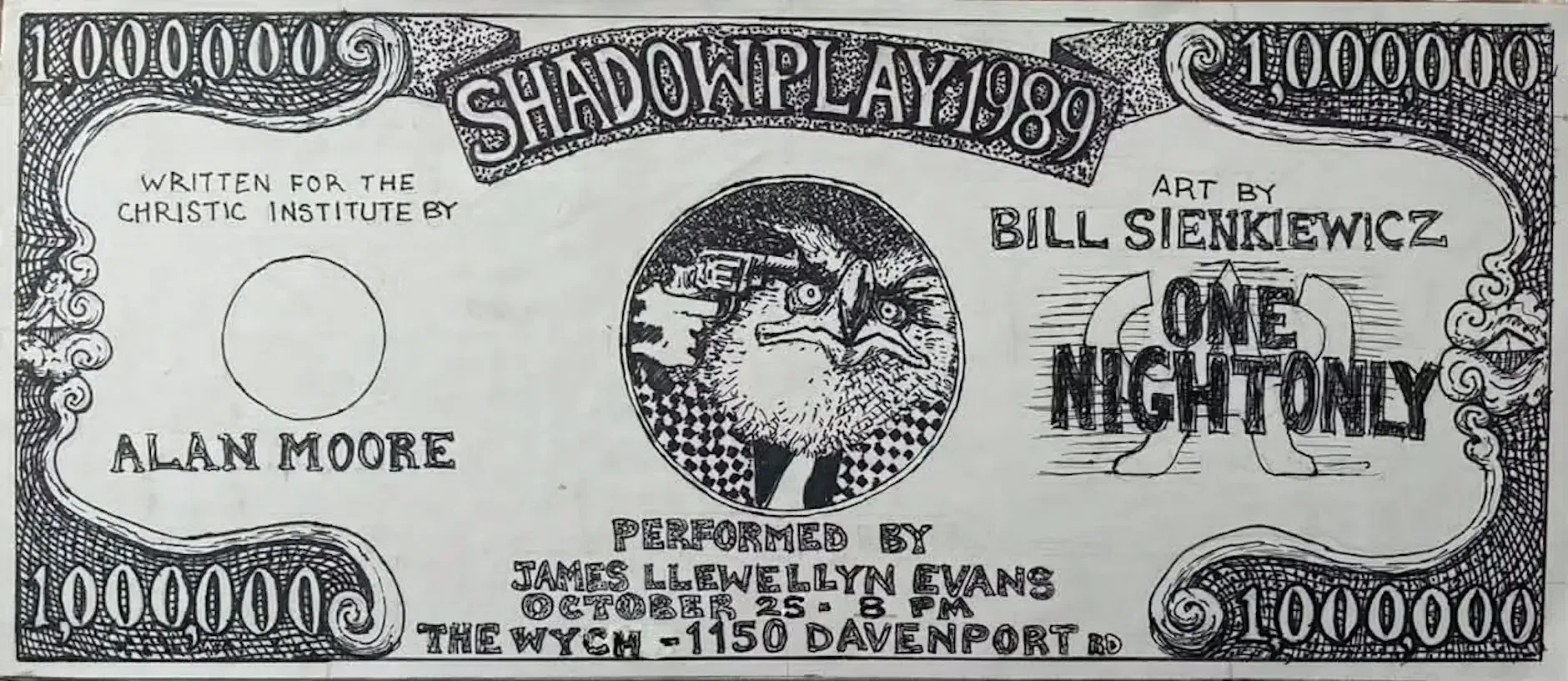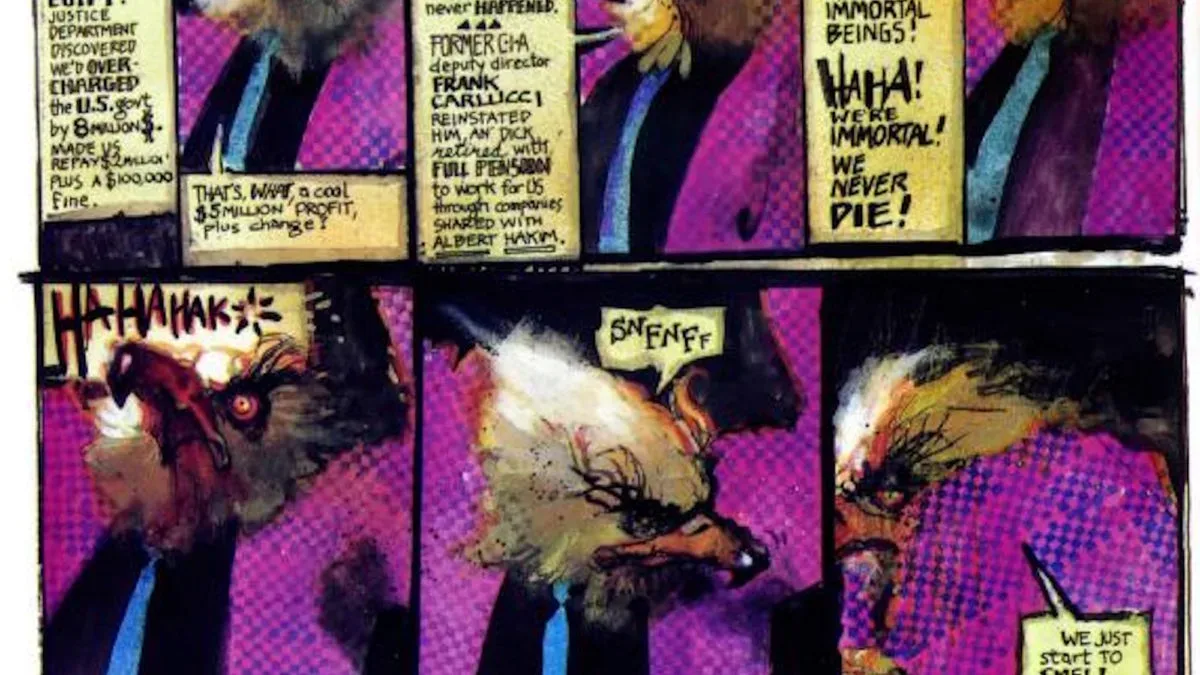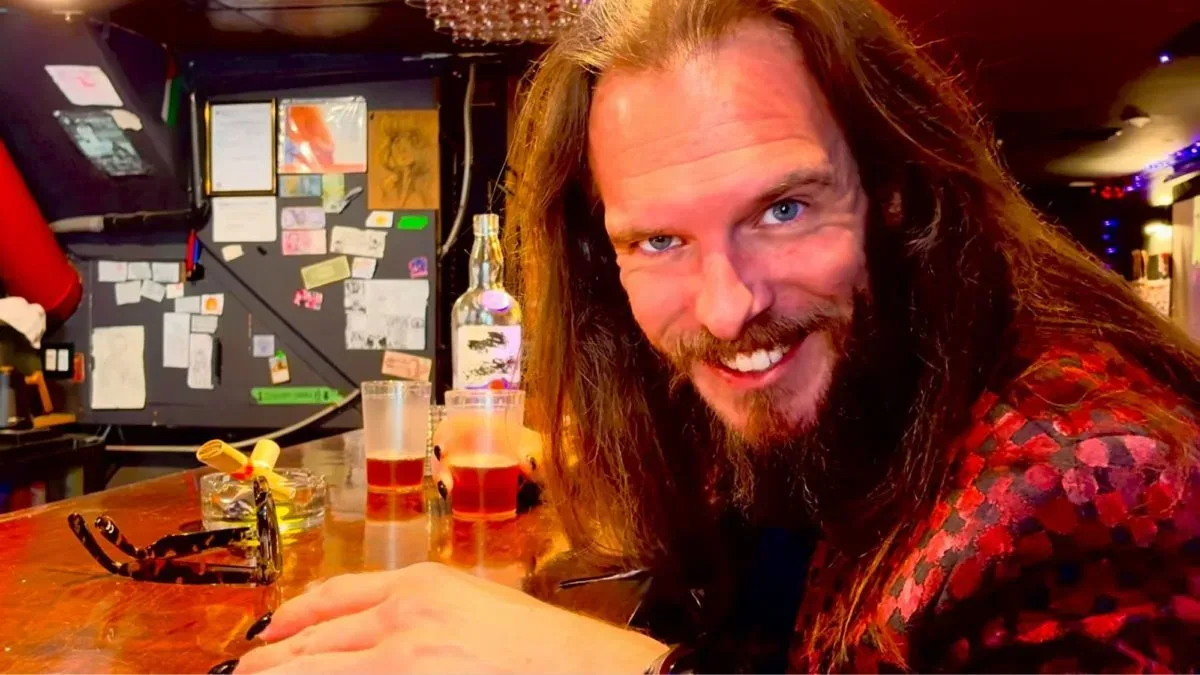
James Llewellyn Evans’ stage adaptation of Brought to Light, the political graphic novel by Alan Moore and Bill Sienkiewicz, is now available to view in two recorded versions. Titled Shadowplay 1989, the production played for one night in Toronto, Ontario, on October 25, 2026. Evans has said representatives for Moore approved the videos being shared.
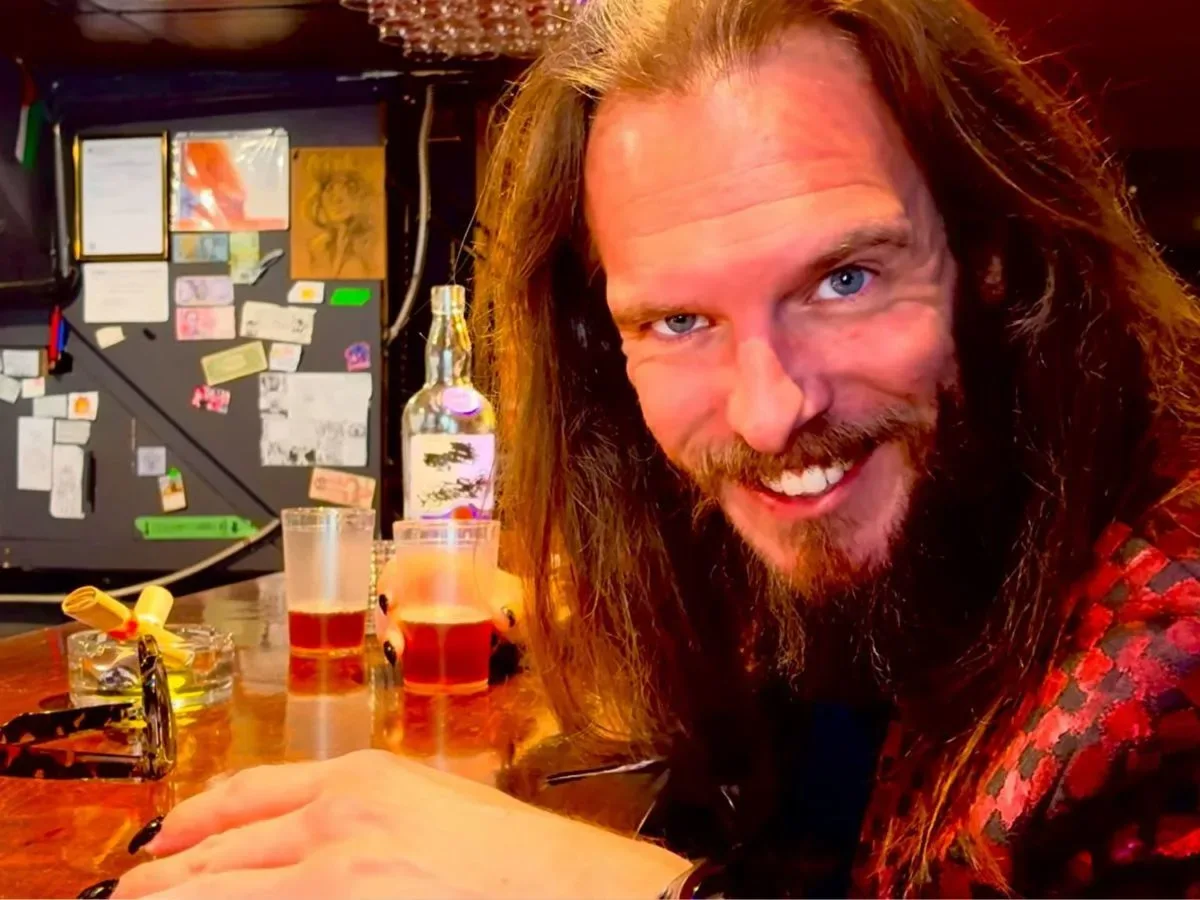
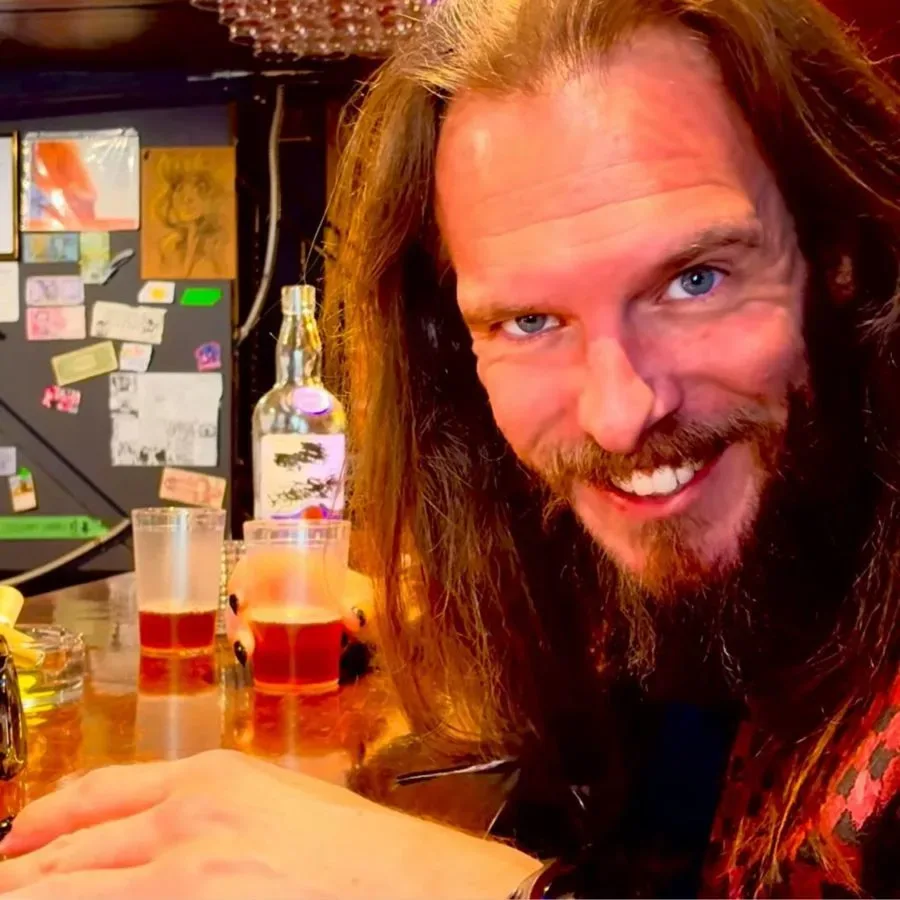
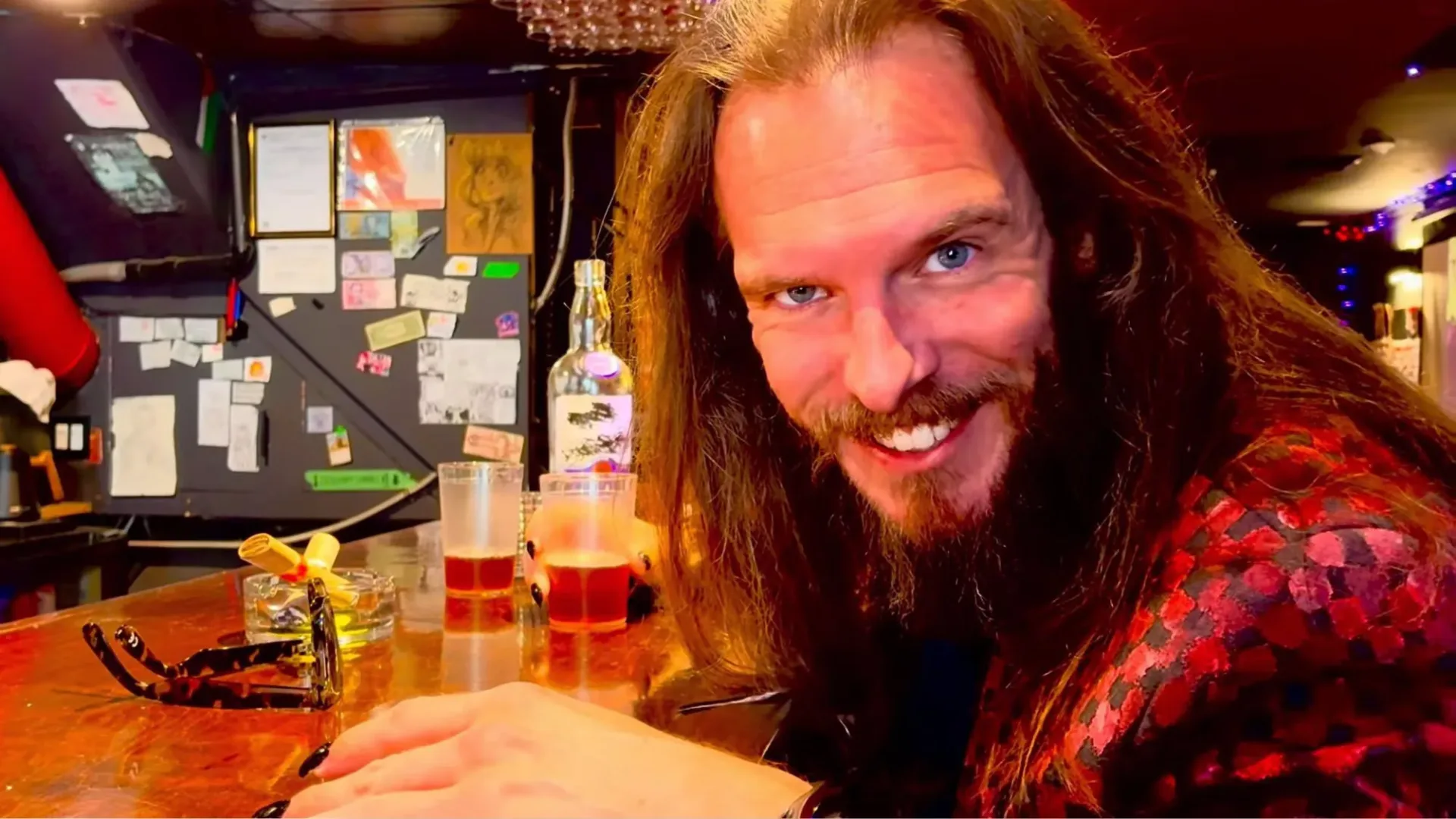
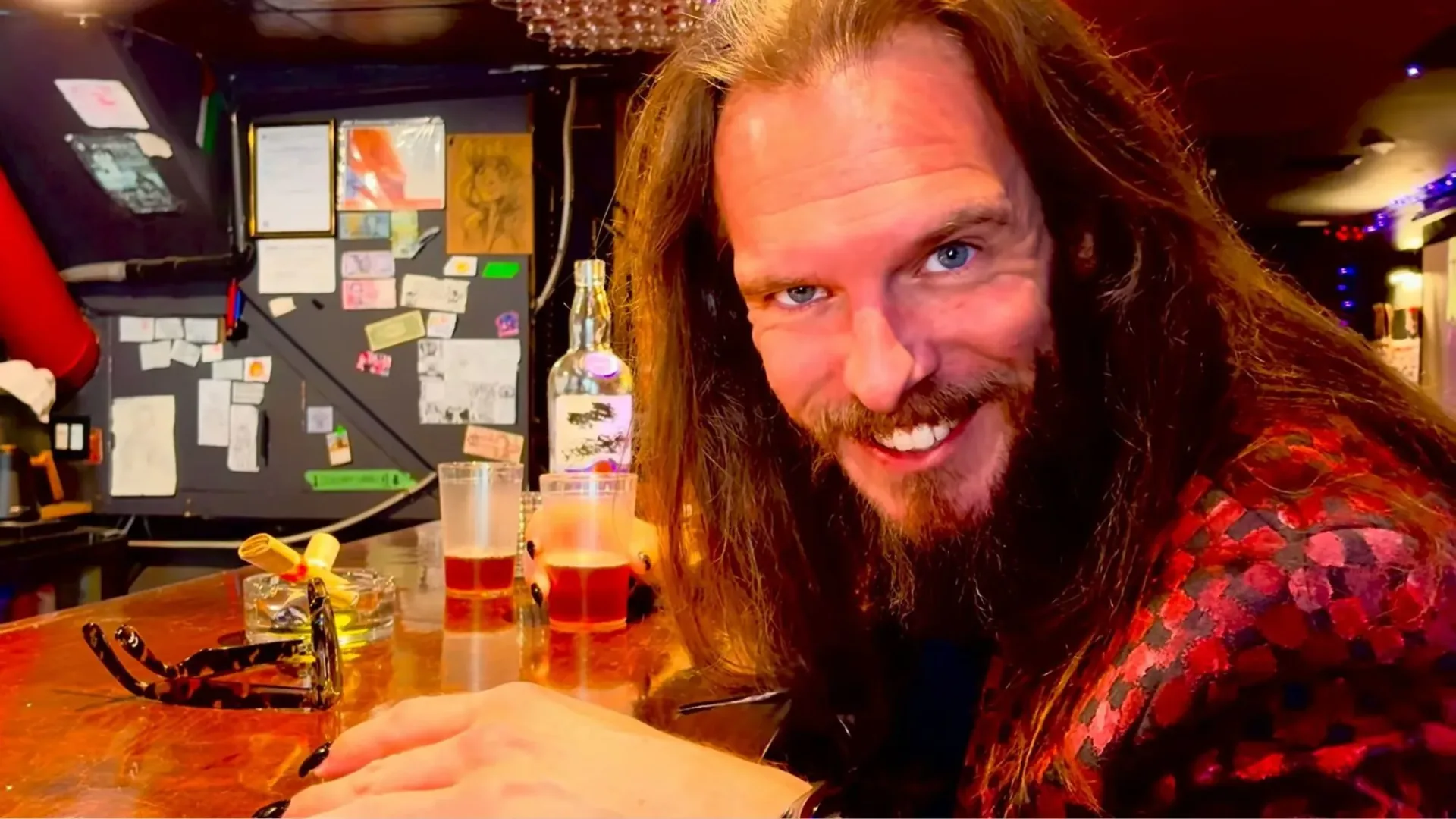
The performance was staged at The Wych, described as a basement goth bar, where a little more than 50 people attended. That intimate setting was not simply a backdrop for a conventional comic-book reading. Evans’ production used handmade costumes, props and set dressing, plus rear projections of Sienkiewicz’s artwork used as illustrated subtitles. A conspiracy board included portraits of every named historical figure referenced in the production.
For people who were not in the room, there are two ways to approach the piece: a close-up dress-rehearsal recording and a more distant archival capture of the live event. They document different strengths of a theatrical adaptation whose effects depend on both visual details and the uneasy relationship between performer and audience.
A one-night adaptation built around The Company Man
Shadowplay 1989 runs approximately 45 minutes and centers on the Company Man, an embodiment of the Central Intelligence Agency. Set as the Cold War approaches its end, the character looks back over American foreign policy through subjects including drug dealing, gun-running, torture and assassination. The work is presented as a grim, blood-soaked trip through history that also points toward later 21st-century horrors.
The production’s framing matters. Rather than trying to recreate every panel as a literal live-action illustration, Evans placed a performer amid objects, images and spoken material that carry the comic’s argument into a room. The source material is described as an out-of-print Cold War propaganda comic and history lesson. In that context, the bar setting, the Company Man’s drunken recollections and the deliberately confrontational subject matter form part of the adaptation’s method, not just its décor.
Audiences were encouraged to remain afterward to discuss the material. The event warning noted coughing, slurs, drugs, suicide, loud noises and war crimes, giving prospective viewers a clear indication that this is politically charged adult material rather than a casual comic-book nostalgia performance.
Why two recordings exist
The first upload is a dress-rehearsal version filmed in the empty venue a week before the public performance. Shot from a first-person point of view by producer Freyda James, it presents a verbatim version of the comic delivered directly to the camera. Evans has characterized it as the clearer option for viewers who want to inspect the physical construction of the show: props, sight gags, costume details and the designed visual information are easier to make out without a crowd between the camera and the action.
That makes the rehearsal cut especially useful for anyone interested in adaptation mechanics. A comic can convey a great deal through the reader’s control over pacing and attention: a reader may pause on a face, trace a connection on a page, or return to an earlier detail. A stage production has to guide that attention in real time. Handmade objects and projected artwork can therefore function as visual signposts, preserving some of the density associated with comics while a performer controls the forward motion.
The second upload is an archival recording made with two static cameras by Parmida Vand of Howland Sessions. It does not catch every piece of stage business, but it records a central fact that the dress rehearsal cannot: other people were present, reacting—or refusing to react.
In theatre, business means meaningful physical action that accompanies dialogue: handling an object, crossing the room, responding to a prop or delivering a small visual gag. It does not mean irrelevant motion. In a production using conspiracy boards, handmade decorations and projections, missed business can mean missed context. Yet the archival version gains something else: the live room’s atmosphere and the audience’s relationship to the Company Man.
The audience is part of the argument
Evans highlighted a moment in which a bar regular made a determined effort to ignore the Company Man. The production treats that response as fitting its thesis. The quoted line attached to the moment asks for indifference: to turn away and act as if nothing is happening. In a story concerned with state power, violence and public disengagement, the presence of someone apparently declining to participate becomes uncannily apt rather than merely distracting.
That distinction is one reason the two versions should not be treated as duplicates. The rehearsal recording is the more legible document of the staging. The archival performance is the more complete document of the event. One shows how the production’s pieces work; the other shows what changes when the work meets a room full of people.
It is also a reminder that live adaptation is not a neutral delivery system for a comic’s text. Projections, proximity, audience distraction, laughter, silence and the limitations of a small venue all alter emphasis. Even the static-camera shortcomings have interpretive value here: they underline that no single recording perfectly replaces being able to choose where to look in a live performance.
Authorization, sharing permission and what remains uncertain
Shadowplay 1989 was presented as an officially authorized adaptation of Moore and Sienkiewicz’s work. After the event, Evans said permission was received from Moore’s representatives to share the videos. That permission is significant because the recordings were originally made for Moore and Sienkiewicz to view.
However, it should not be confused with confirmation of a larger production. Evans has expressed a desire to mount a longer run, but said he would need permission from Moore and Sienkiewicz to do so. He also indicated that neither creator may yet have had time to watch the performance. In short: the existing one-night show has now been documented publicly, while any extended engagement remains an aspiration rather than an announced plan.
The project arrives in a broader moment when comic material continues to move into formats beyond the page, but this case is unusually rooted in small-scale theatrical craft. There is no claim of a major touring production or a new publication campaign—just a specifically designed, authorized performance and two recordings that preserve it from complementary angles. Readers looking for another current superhero-comics item can also see Infernal Hulk vs. Spider-Man #1.
What viewers should choose
- Watch the dress rehearsal first if the priority is clarity: it offers the closest view of the performer, props, sight gags and visual construction.
- Watch the archival version first if the priority is atmosphere: it better conveys the social friction and audience reaction of the one-night event.
- Watch both for the fullest record, since each compensates for what the other misses.
For a work built from a political comic, live monologue, handmade theatrical design and projected illustration, that double record is valuable. Shadowplay 1989 can now be seen both as an intentionally arranged performance text and as a real encounter between that text, a performer and an audience in a Toronto bar.