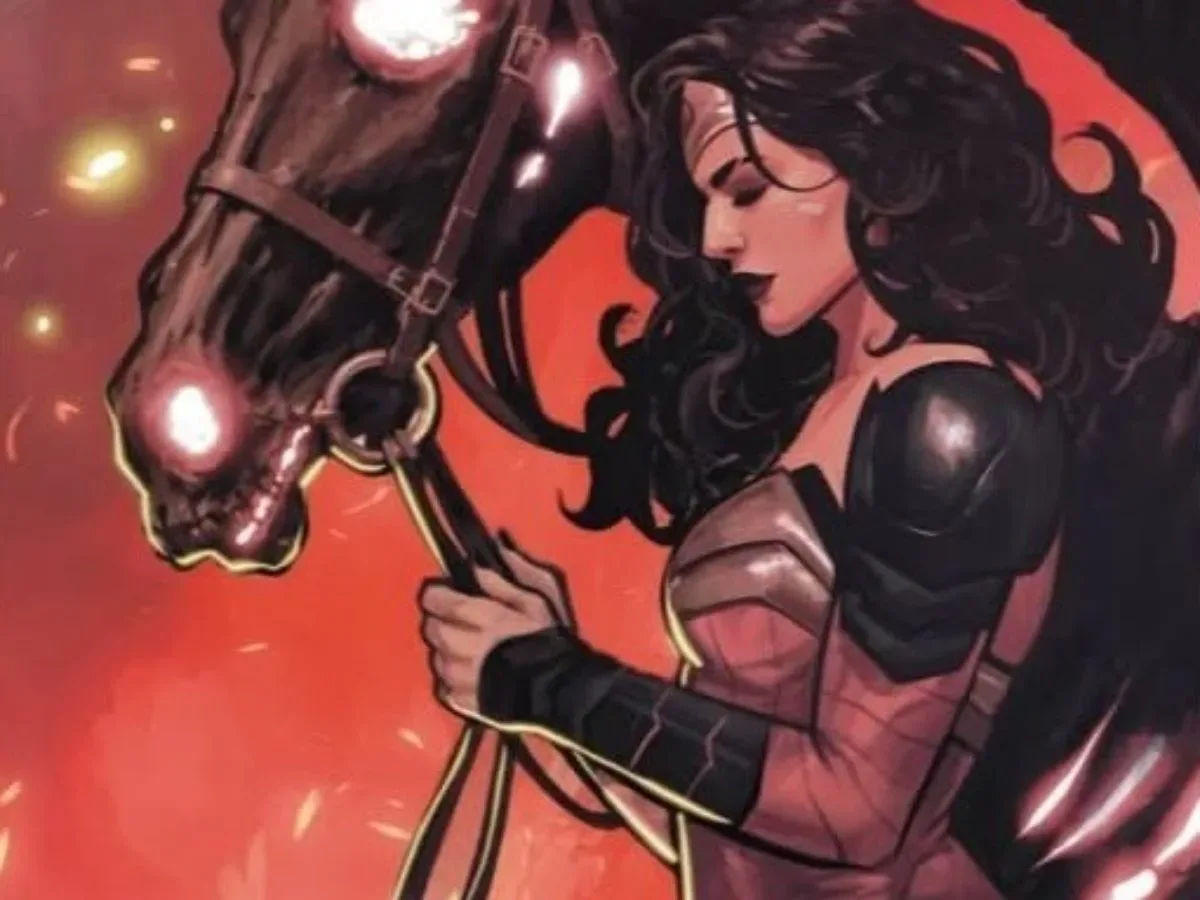

Absolute Wonder Woman #26 is the most anticipated comic on a 50-title pull-list chart for Wednesday, November 25, 2026, placing DC’s superhero line at the front of a week that also includes major Marvel issues, new launches and a notable independent-comics presence.
It is an attention snapshot rather than a sales report, but the ordering is still useful. Batman 2026 Annual #1, Superman #44 and Justice League Unlimited #25 are also positioned near the top, reinforcing the strength of DC’s established characters and its current Absolute-branded momentum among readers who actively track forthcoming books.
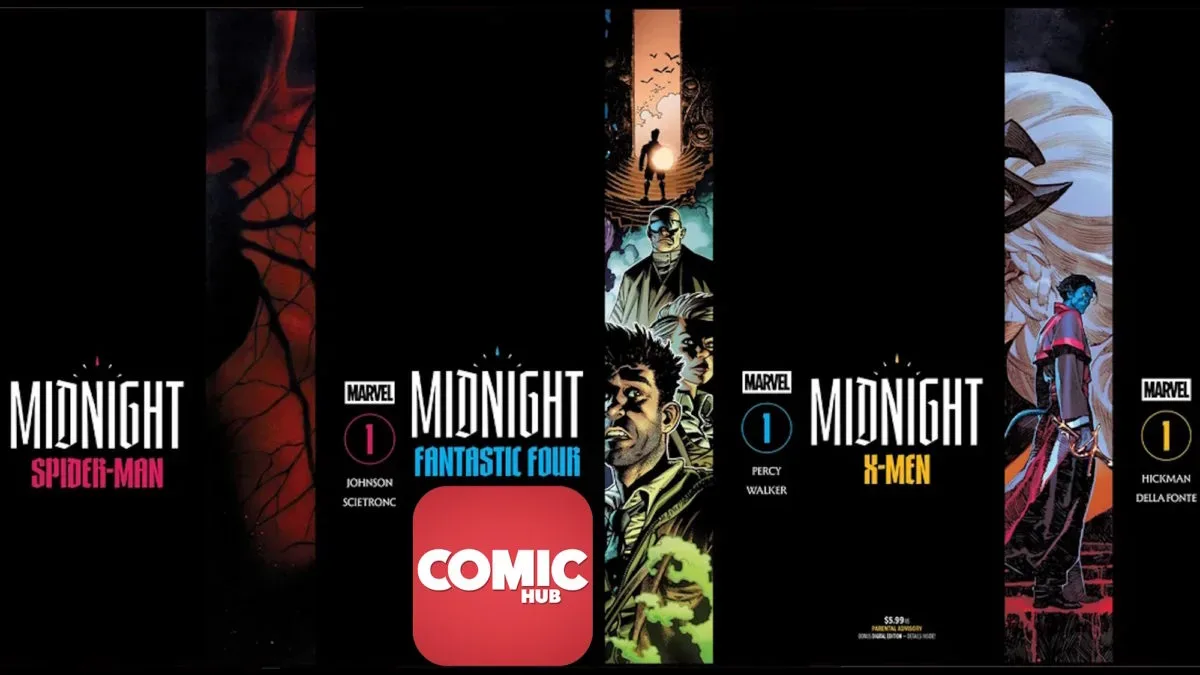
Marvel’s leading entry is Amazing Spider-Man #1004, followed by books including Uncanny X-Men #39, Thor #803, the debut of Jean Grey #1 and Venom #2. Elsewhere, the list contains a mixture of crossover titles, licensed comics and smaller-publisher releases.
What the chart is measuring—and what it is not
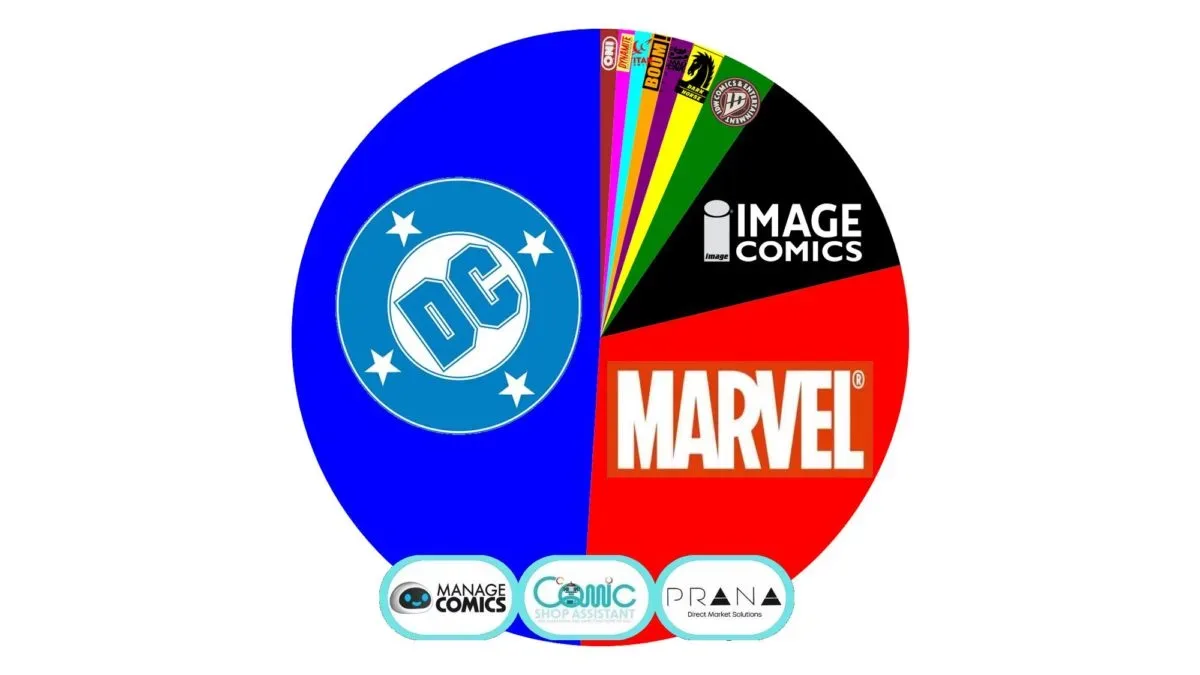
The ranking is derived from reader “pull” activity on a comics tracking and subscription-management service with a large subscriber base and retailer participation. In comic-shop language, a pull list is a customer’s ongoing reservation list: the books a shop is meant to hold for them when new issues arrive. Digital users can also mark books as wanted or followed without being attached to a retailer.
For more context, explore Black Friday Streaming Deals Cut Apple TV, HBO Max, Paramount+ and More for New Subscribers.
That means a pull is best understood as an expression of interest. It may reflect a planned physical purchase, an intention to read digitally, a title someone wants to keep an eye on, or simply a longstanding subscription that has never been cleaned up. It is not the same thing as a confirmed copy sold.
This distinction matters for any week-to-week interpretation. A sales chart asks what buyers actually purchased. A pull chart asks which books readers have taken the step of placing on a list. Those overlap, particularly for dependable monthly series, but they answer different questions. A comic can perform strongly on a pull chart because of durable audience habits, while a newly released one-shot or a short series might have to earn its visibility without the benefit of years of accumulated subscriptions.
Variant covers add another complication. The chart counts the core issues rather than rolling every alternate cover’s interest into one total. A title with many cover choices may therefore have a broader overall footprint than the single listed entry conveys, while the ranking itself remains focused on the main issue-level pull data.
DC’s top end is built on recognizable pillars
Absolute Wonder Woman #26 leading the week is the clearest headline, but the surrounding titles are just as revealing. Batman, Superman and Justice League books remain close enough to form a concentrated DC presence at the high end of the chart. These are characters with long-running reader relationships, and pull-list data naturally favors that reliability.
The title Absolute Wonder Woman also benefits from being both character-specific and part of a larger branded identity. For readers using a pull list to reduce the chance of missing an issue, that kind of continuity can be powerful: the book is easy to recognize, easy to follow and part of an ongoing commitment rather than an isolated purchase decision.
Batman 2026 Annual #1 is a different type of entry. An annual is generally a special-format issue connected to a continuing comic line, and its placement near the top suggests that special issues attached to major heroes can draw substantial advance attention. That does not establish how the issue will sell relative to a standard monthly installment, but it does show readers are not treating it as invisible supplemental material.
Superman #44 and Justice League Unlimited #25 round out the prominent DC contingent. Their appearance alongside Wonder Woman and Batman gives the chart a broad superhero shape rather than making it a single-title story. For shops, that can matter operationally: the week’s demand appears distributed among several familiar DC books, rather than centered solely on one event issue or debut.
Marvel’s familiar heroes, plus a new Jean Grey series
Marvel does not take the top spot this time, but its presence is substantial. Amazing Spider-Man #1004 is the publisher’s first major entry on the list, followed by Uncanny X-Men #39 and Thor #803. Their high issue numbers are a reminder of one of the basic dynamics of pull tracking: long-running series have time to accumulate followers, and many readers use subscriptions precisely so they do not have to make a fresh choice every month.
That recurring behavior is not a flaw in the data; it is part of what makes the data useful. For a retailer, consistently retained pull-list interest can be a practical indication of dependable demand. For readers, it points to the series that communities are continuing to monitor, even when a single issue is not being marketed as a major jump-on point.
The more immediate curiosity among Marvel’s cited books is Jean Grey #1. A first issue is structurally different from issue #39 or #803. It has no lengthy run within which to build pull-list inertia, but it has a clear entry point for readers. Its inclusion among the week’s notable Marvel draws suggests attention for a new series centered on the X-Men character, without proving how many copies will ultimately be purchased or read.
Venom #2 is another useful middle case: early enough in a run to retain some launch-period interest, but no longer carrying the precise novelty of a debut. The chart also includes a collection of crossover books, which can attract readers following a particular story across multiple titles. Pull-list signals are especially relevant for crossovers because readers often reserve every required chapter in advance to avoid gaps in a storyline.
Independent publishers are present beyond the superhero race
The top of the chart may be shaped by DC and Marvel, yet the week is not solely about the two largest superhero publishers. Image titles named among the anticipated releases include Void Rivals, Terminal, Monstress, Feral, Capes and The Last Driver.
That variety is important because it shows the list is not limited to one kind of audience behavior. Ongoing independent series, creator-driven work and books outside the core DC/Marvel superhero lanes can all accumulate meaningful reader interest. The chart also features releases from Boom, IDW, Titan, Dynamite and other publishers, including licensed books and specials.
A 50-title list cannot tell us why every reader added each comic. It cannot separate anticipation for story, character, creators, a licensed property, a crossover connection or cover art. But it can show that the week’s attention spreads beyond the most obvious headliners. For a reader choosing what to browse in a comic shop, that is a practical reminder that the highly visible superhero releases arrive alongside a wider slate.
How to read anticipation data responsibly
There are several reasons not to mistake the ranking for a final scoreboard. First, readers can maintain old pull-list entries long after their enthusiasm has changed. Second, an issue can be anticipated but skipped after release. Third, the data incorporates interest across more than one potential reading path rather than only confirmed physical purchases.
It also does not settle arguments about commercial success. A title outside the top positions might sell well through channels that are not fully reflected in pull tracking; another may register high interest but convert less effectively than expected. Likewise, a comic’s rank does not judge its quality. It measures an audience action taken before release, not critical reception or a complete retail result.
Still, the chart offers a focused view of the direct comic-market conversation heading into November 25. DC has the clearest advantage at the top, led by Absolute Wonder Woman #26 and supported by Batman, Superman and Justice League releases. Marvel counters with Spider-Man, the X-Men, Thor, Venom and a new Jean Grey series. Image and other publishers give the week a broader reading menu than the headline battle suggests.
For collectors and regular comic-shop customers, the sensible takeaway is straightforward: use a chart like this as a discovery tool, not a verdict. Check which ongoing series are already on your pull list, decide whether new #1 issues or annuals are worth adding, and remember that a highly anticipated comic is not automatically a scarce comic, a bestseller or a guaranteed favorite. It is, at this stage, a book that many readers have signaled they do not want to miss.