Spoilers for Absolute Green Arrow #5 follow.
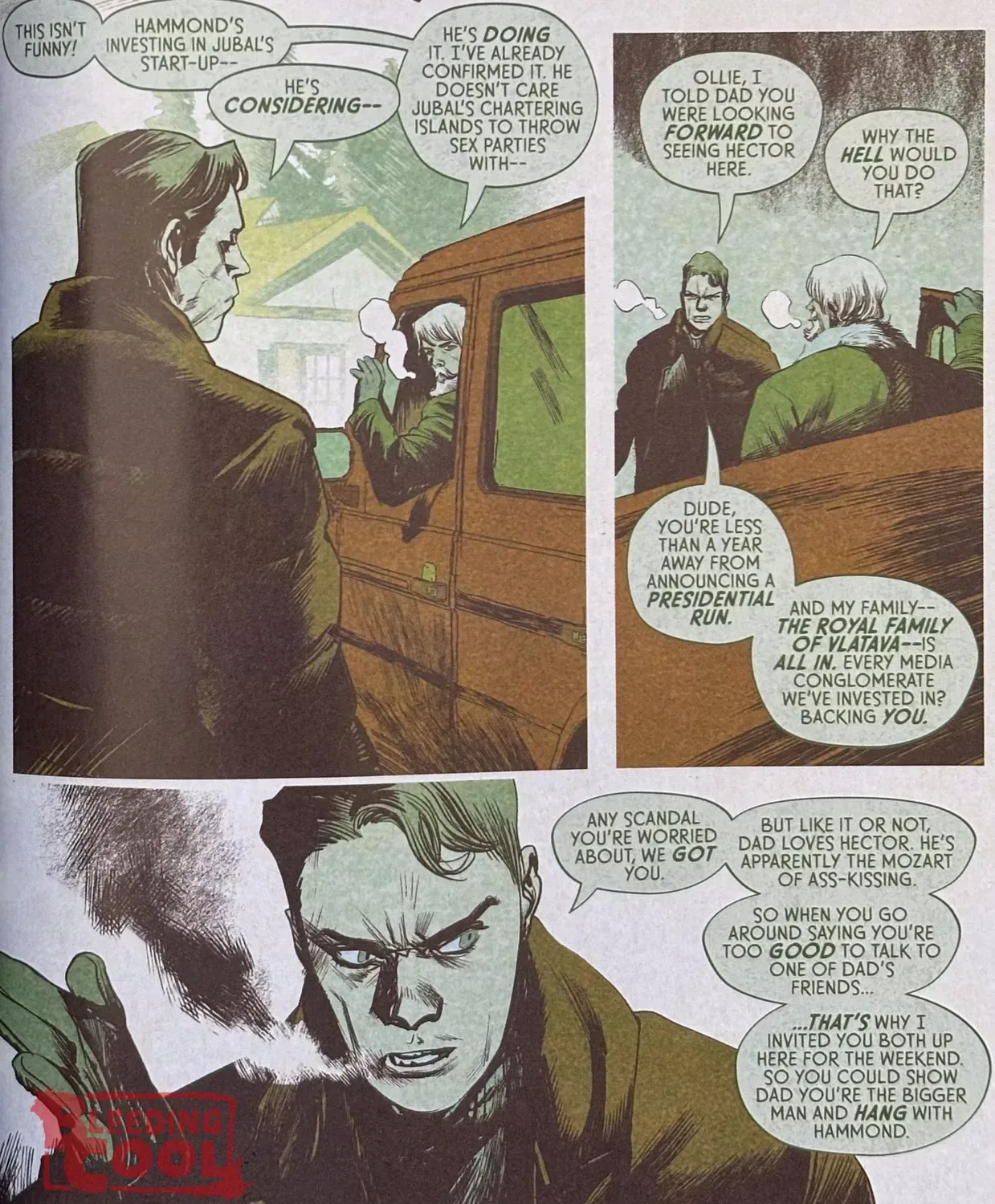
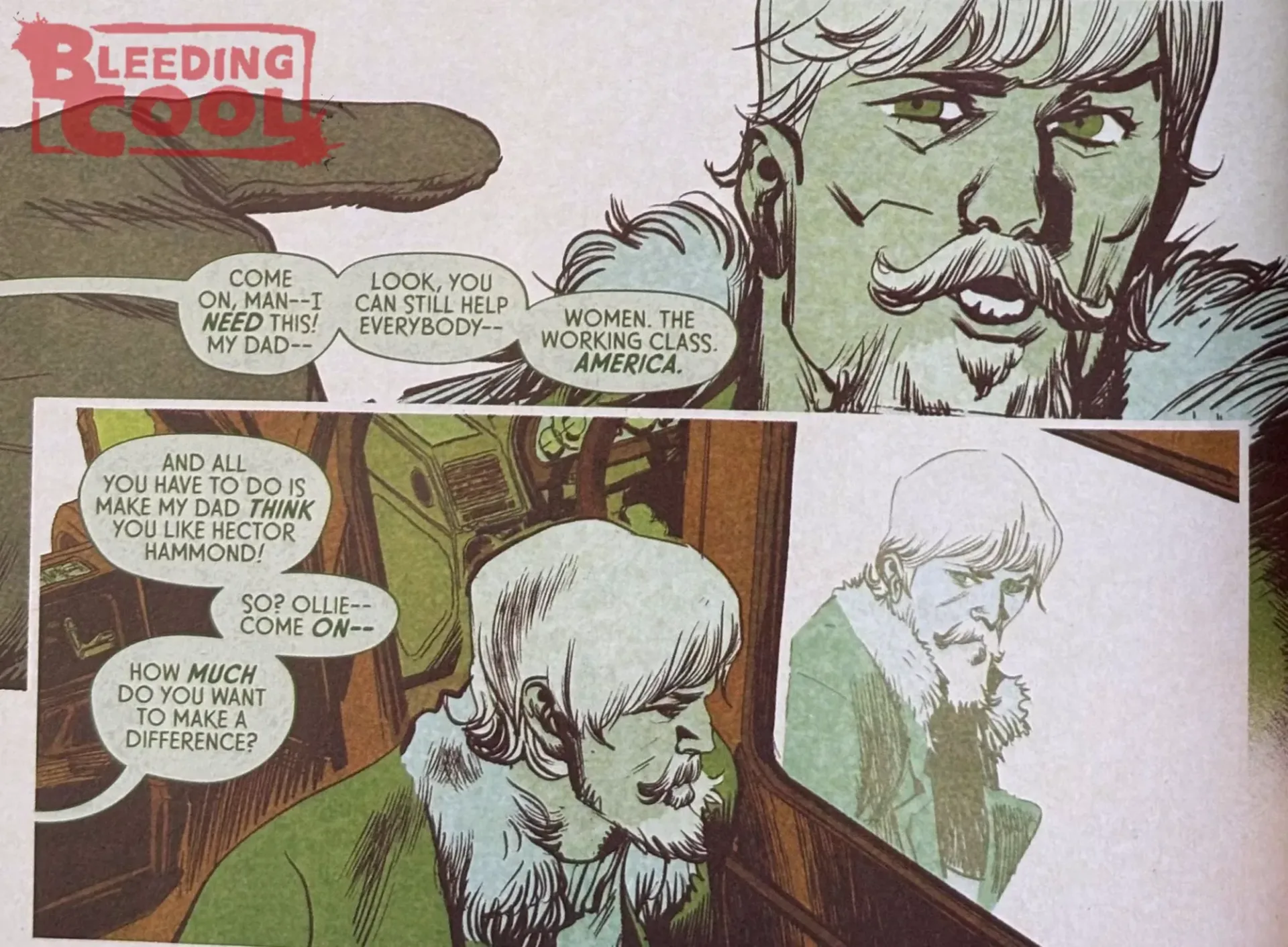
Oliver Queen’s place in DC’s Absolute Universe may be more politically charged than it first appeared. Absolute Green Arrow #5, written by Pornsak Pichetshote with art and cover art by Rafael Albuquerque, uses a flashback to suggest that Queen once entertained a run for president of the United States.
That idea is not presented as a clean hero-to-officeholder fantasy. The flashback places Queen around Hector Hammond, with pressure on him to make the necessary social and political connections. Count Vertigo is also positioned as an encourager of the potential campaign and, more troublingly, as a provider of foreign financing. The issue therefore frames presidential ambition as one thread in a wider web of influence, leverage and dangerous alliances.
It is a significant wrinkle for an Absolute version of Green Arrow whose story is already tied to bigger institutional forces. Queen’s apparent dealings with Hammond have previously been connected to the actions of Veronica Cale’s Absolute Justice League, which used Hawkman to kill him as part of an effort to win Hammond over. The new political context does not prove that a possible campaign was the reason Queen became a target, but it gives readers another plausible motive to consider.
What the flashback actually adds
The essential development is the possibility, not a confirmed campaign. The material indicates that Oliver Queen was considering a presidential bid and was being steered toward Hammond. That distinction matters. Considering a run is different from launching one, and being urged to socialize with a powerful figure is different from accepting every consequence of that relationship.
Still, the setup carries weight because presidential politics would put Queen in direct contact with the kind of people who can shape an entire society in the Absolute setting. The issue’s use of Count Vertigo as a would-be foreign financier makes that especially pointed. Foreign financing, in this narrative context, means money or financial backing originating outside the country. Even without the comic spelling out the legal or procedural details, its inclusion immediately signals a potential vulnerability: outside money can create obligations, suspicion and a route for powerful interests to exert influence.
The story is consequently not merely asking whether Oliver could have won an election. It is asking what he might have had to become, or what he might have been perceived to be, to compete in a political system shaped by Hammond, Vertigo and Cale.
An existing president, but no clear public face
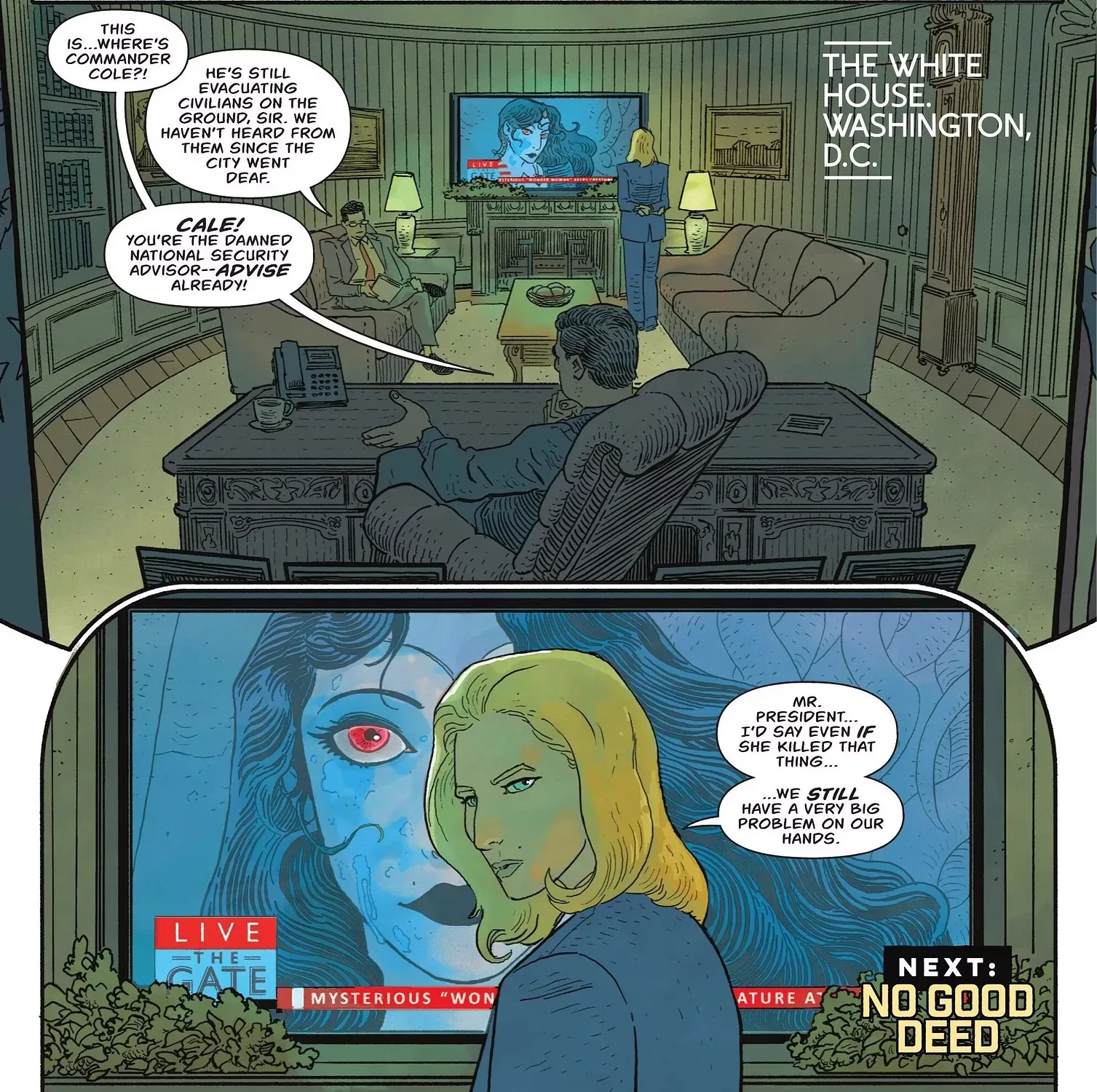
The Absolute Universe has already shown readers that it has a president. Absolute Wonder Woman #4 featured the U.S. president only briefly and from behind, without identifying the character. That leaves the office itself deliberately opaque. The president has been theorized to be aligned with Jack Grimm and Veronica Cale, but that connection remains an inference rather than an established fact.
That uncertainty makes the Oliver Queen material more interesting. A hidden or indistinct president can function as a symbol of the system rather than a fully defined person. Queen, by contrast, is a character whose possible ambition is being attached to specific people and actions: Hammond’s influence, Vertigo’s money, and the Absolute Justice League’s violence.
In other words, the comic provides a glimpse of how someone might approach the presidency in this world while withholding a clear answer about who currently holds it and how that person arrived there. It is a useful contrast. The office exists, but the machinery around the office appears to be the real point of danger.
Why Hammond is central to the question
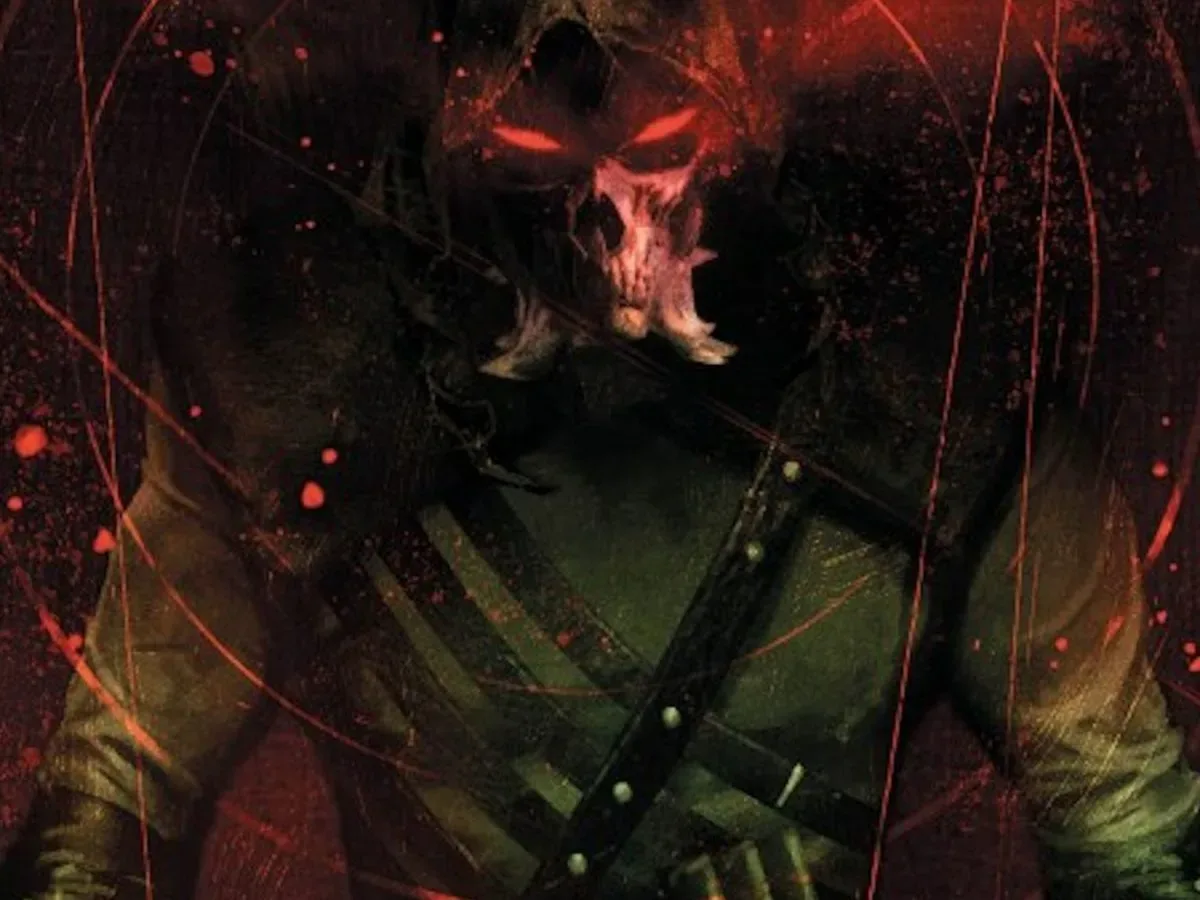
Hector Hammond is not simply a name dropped to lend a flashback political atmosphere. The issue’s official setup puts him at the center of the present-day threat: Black Canary and the Green Arrow Killer are at his mercy and confront the horrors he has been concealing. A sacrifice then changes the balance between the characters, leaving Dinah to question whether escaping one danger has delivered her into a worse one.
That premise makes Queen’s past association with Hammond feel consequential in more than one way. On a plot level, it provides a reason for powerful figures to regard Queen as useful, compromised, inconvenient or all three. On a character level, it opens a question about how much Queen understood at the time. The supplied details establish that Hammond had depraved secrets and that Queen was pushed to engage with him politically; they do not establish that Queen knew those secrets or endorsed Hammond’s conduct.
That gap is where the tension lives. Readers can reasonably see the flashback as a warning about proximity to power rather than a final verdict on Oliver himself. A person seeking office may be invited into rooms where reputations, money and patronage matter. The story’s drama comes from whether the person can leave those rooms unchanged—and whether anyone else will believe they did.
The Justice League angle
Veronica Cale’s Absolute Justice League has already treated Oliver Queen as expendable. Hawkman was used to kill Queen in a move tied to bringing Hammond aboard. The apparent presidential thread expands the possible stakes without replacing that stated motive.
One reading is straightforward: Queen’s Hammond connection was enough to make him a pawn in someone else’s recruitment strategy. Another is that a politician with a potential working-class focus could represent a broader threat to the world Cale and her allies are assembling. The issue does not settle the matter, and it should not be overstated as confirmation. But it makes Queen’s death—or attempted removal, depending on the unfolding identity and continuity questions—look less like an isolated act.
That is a recurring strength of the premise suggested here. The Absolute Universe can make an archery-themed vigilante story feel connected to state power, international money and institutional violence without requiring every character to be a conventional politician. Queen’s possible campaign puts a recognizable form of civic ambition beside superhero-fiction conspiracies, then asks whether either can stay separate from the other.
Count Vertigo’s role changes the temperature
Count Vertigo encouraging Queen to run is already suspicious given the character’s involvement in the financial side. The reported foreign backing turns encouragement into something more transactional. Rather than a mentor cheering on a candidate, Vertigo appears to have an interest in making that candidacy possible.
This is important because funding is not neutral in the story’s framing. Money can determine access, visibility and who gets treated as viable. When it comes from a foreign source, it also suggests that the campaign could be valuable to forces beyond its candidate and electorate. Again, the available details do not establish the exact terms, scale or outcome of any support. They do establish that the comic wants readers to notice the relationship.
It also adds an ironic edge to the possibility of Green Arrow as president. Oliver Queen is being associated with concern for working-class people, while the path toward office appears to involve elite networking and questionable financial power. That contradiction is fertile ground for the series: can a candidate claim to represent ordinary people while relying on the very structures that limit their agency?
Identity remains part of the mystery
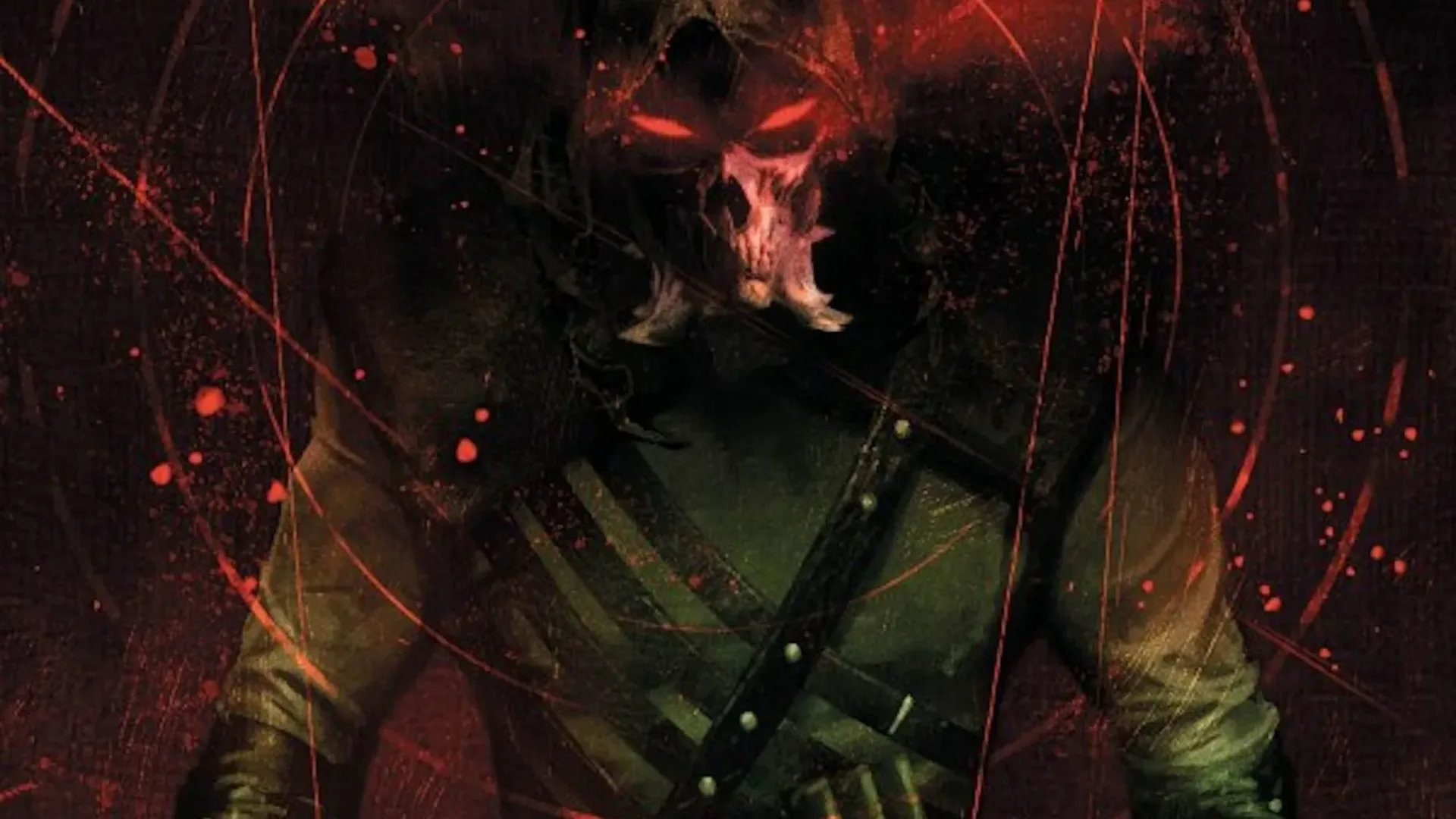
The issue also keeps its Green Arrow identity game in motion. Merlyn is involved, but the answer to whether the Green Arrow Killer is Merlyn is presented as both yes and no. The result is a deliberately unstable situation—a “Schrödinger’s Arrow” setup in which the apparent answer is simultaneously affirmed and complicated.
That uncertainty pairs neatly with the political flashback. Both plots resist a single, settled reading. Is Oliver Queen a reform-minded possible candidate, a compromised associate of Hammond, or a threat removed before he could become either? Is Merlyn the answer, or only part of the answer? Absolute Green Arrow #5 appears designed to make those questions overlap rather than resolve them immediately.
For readers following DC’s larger Absolute line, the newly raised presidential possibility gives Queen’s history a sharper connection to the world-building in Absolute Wonder Woman #4. For more comic-book context elsewhere in DC, see the recent focus on a new Batman adversary ahead of Detective Comics #1113.
Release details
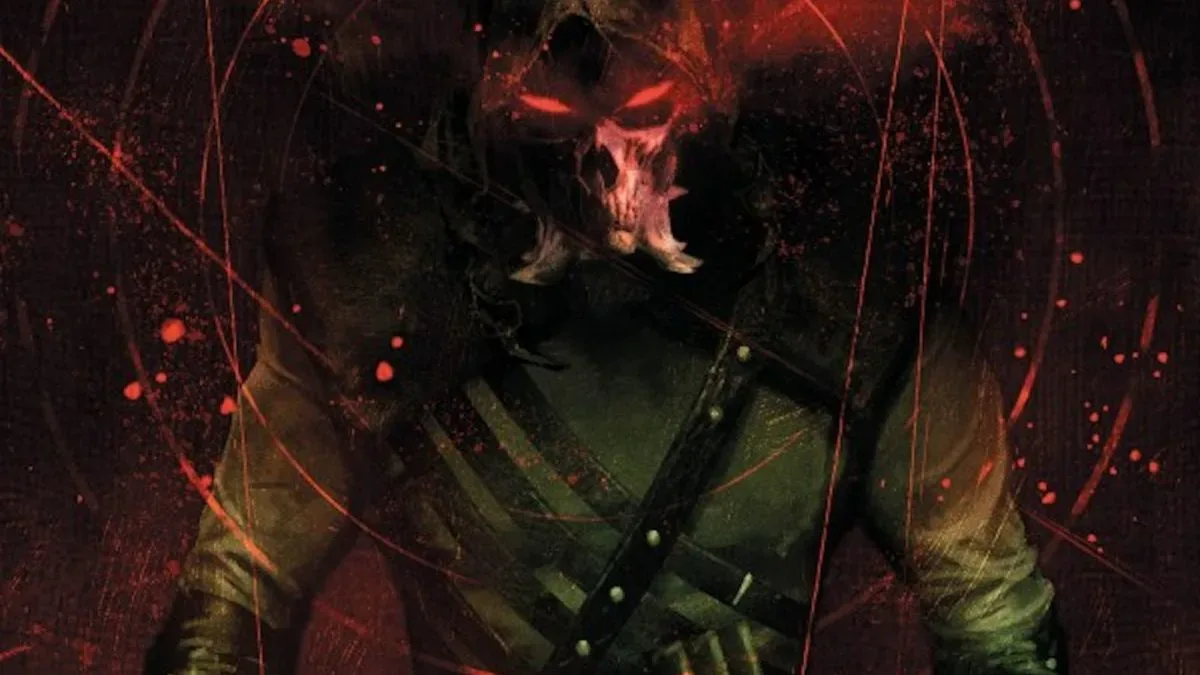
Absolute Green Arrow #5 is scheduled for publication by DC Comics on September 16, 2026. The issue is priced at $4.99. Pichetshote writes, while Albuquerque provides both interior art and the cover.
The immediate plot puts Black Canary and the Green Arrow Killer in Hammond’s control, confronting what he has hidden and facing a sacrifice that alters the conflict. Behind that present-tense peril, Oliver Queen’s possible presidential ambitions supply an additional layer: a flashback about not just who held power, but who might have tried to challenge for it—and who may have had reasons to stop him.
Shop the products
Check current price, model and availability at the retailer.