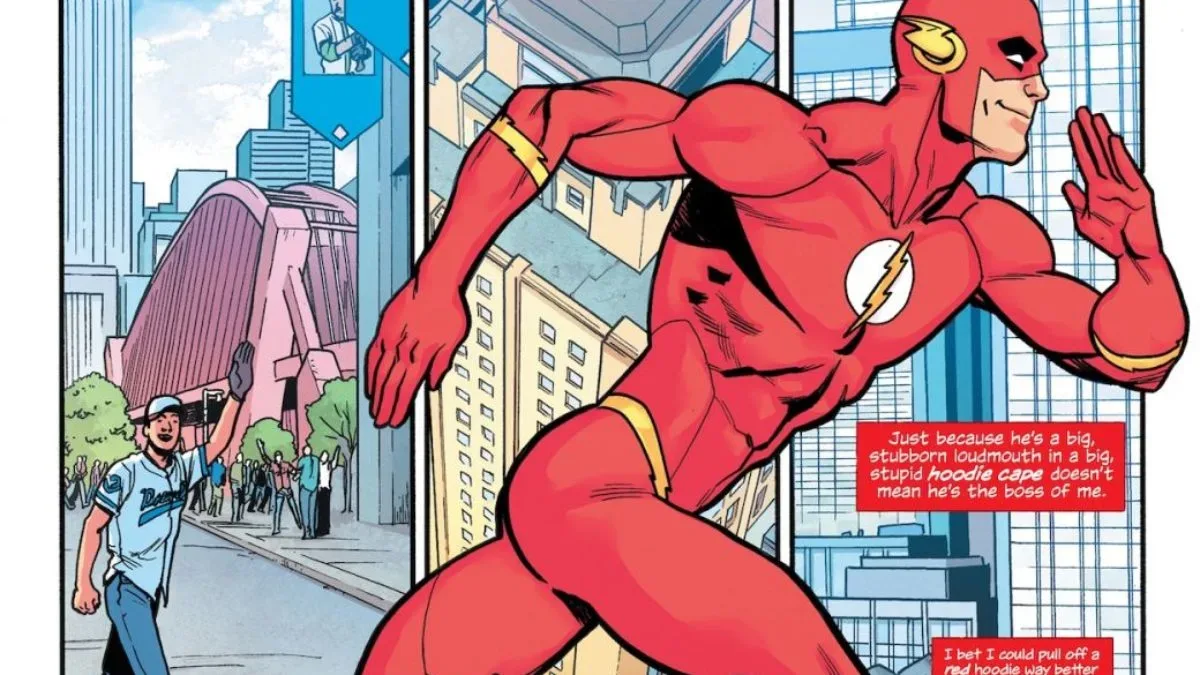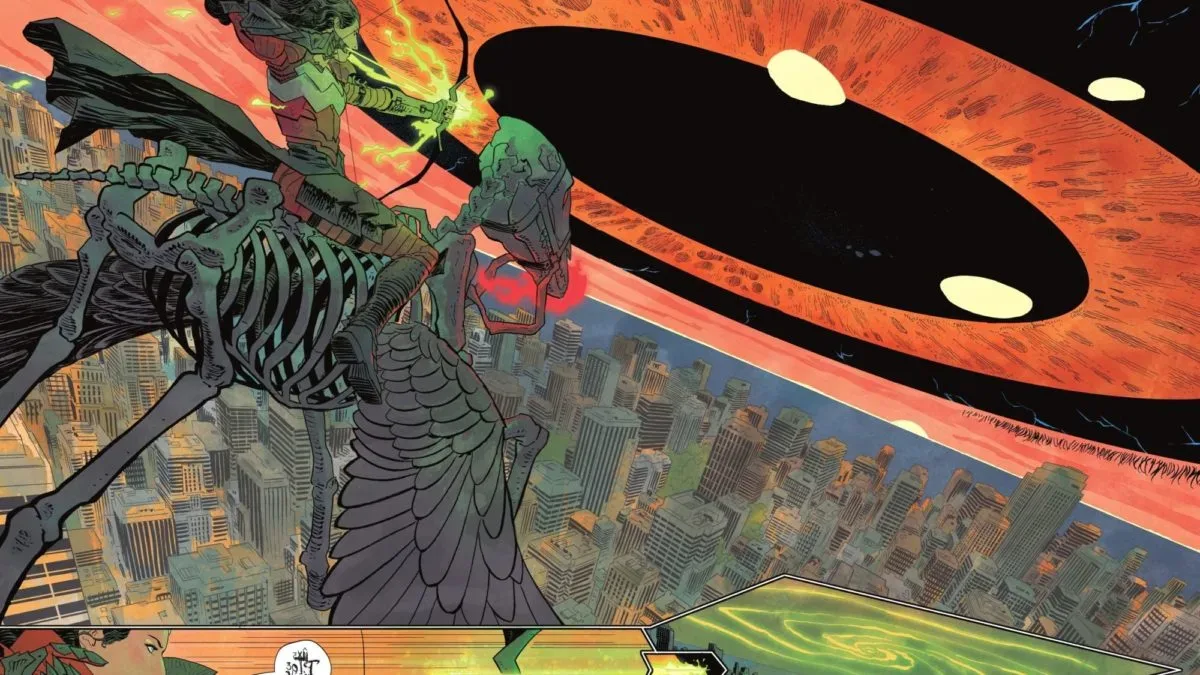
Spoilers follow for Absolute Batman #24, Absolute Wonder Woman #24, and Absolute Flash #19.
Three new Absolute DC issues put their heroes in dramatically different corners of their respective worlds, yet the material points toward a striking shared vocabulary: fear, fathers, monsters, distorted reality and difficult revelations. Absolute Batman #24 by Scott Snyder and Nick Dragotta, Absolute Wonder Woman #24 by Kelly Thompson and Hayden Sherman, and Absolute Flash #19 by Jeff Lemire and Nick Robles were published September 23, 2026, each priced at $4.99.
The overlap should not be mistaken for confirmation of one single crossover plot. The supplied details establish separate conflicts in Gotham, Gateway City and Central City, with different antagonists and personal stakes. What they do show is a coordinated-feeling moment for the line, where each series asks its lead to navigate a threat that attacks perception as much as it attacks bodies.
Batman’s fight turns fear into a conspiracy
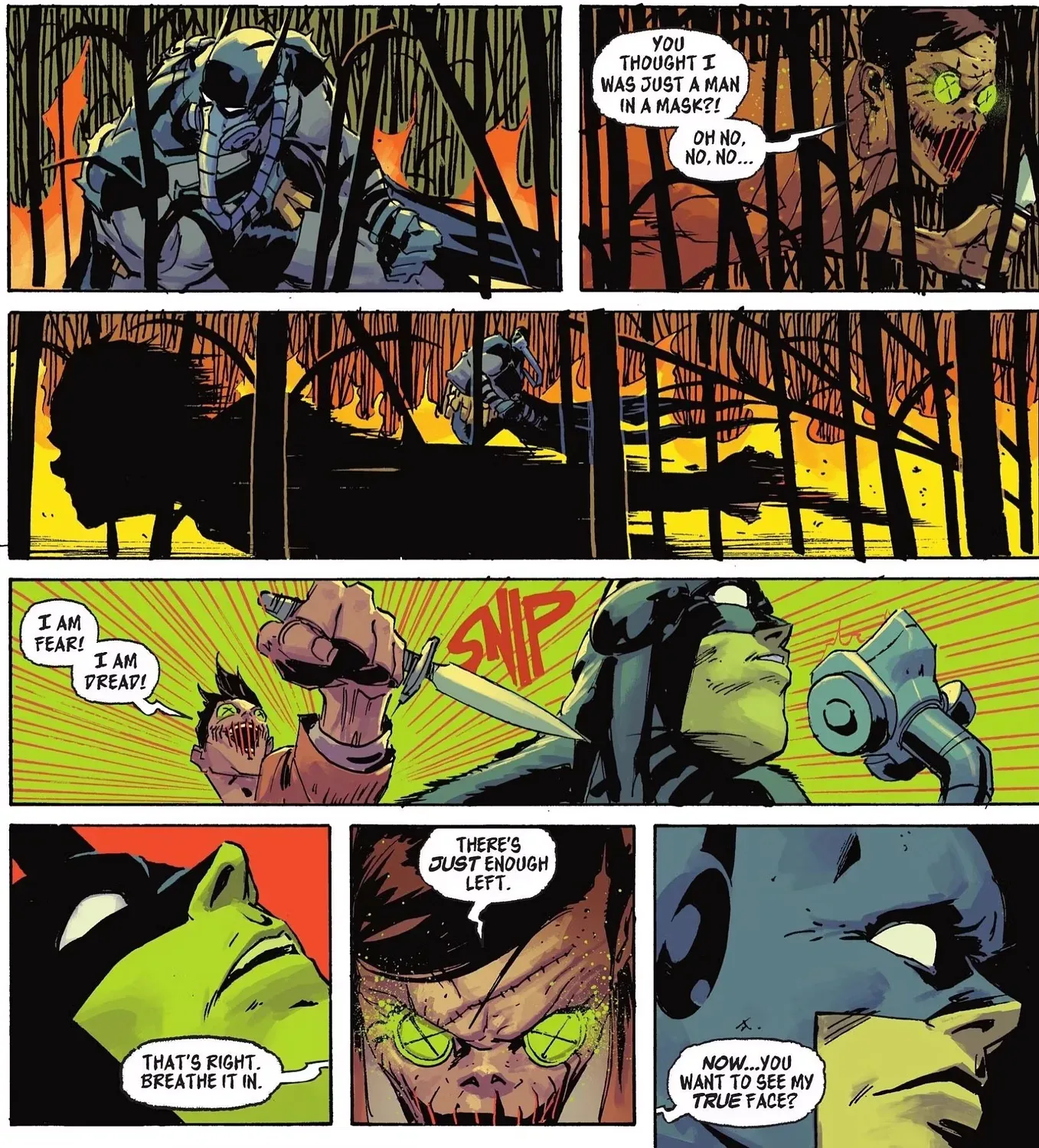
Absolute Batman #24 places Bruce Wayne in a conflict described as Batman versus Batman: a battle of identity in which everyone Bruce has loved or known is forced to confront their own inner demons. That framing matters because it expands Scarecrow’s traditional role beyond simply making Gotham frightened. Fear is not only a weapon in the issue; it is a way to make certainty unstable.
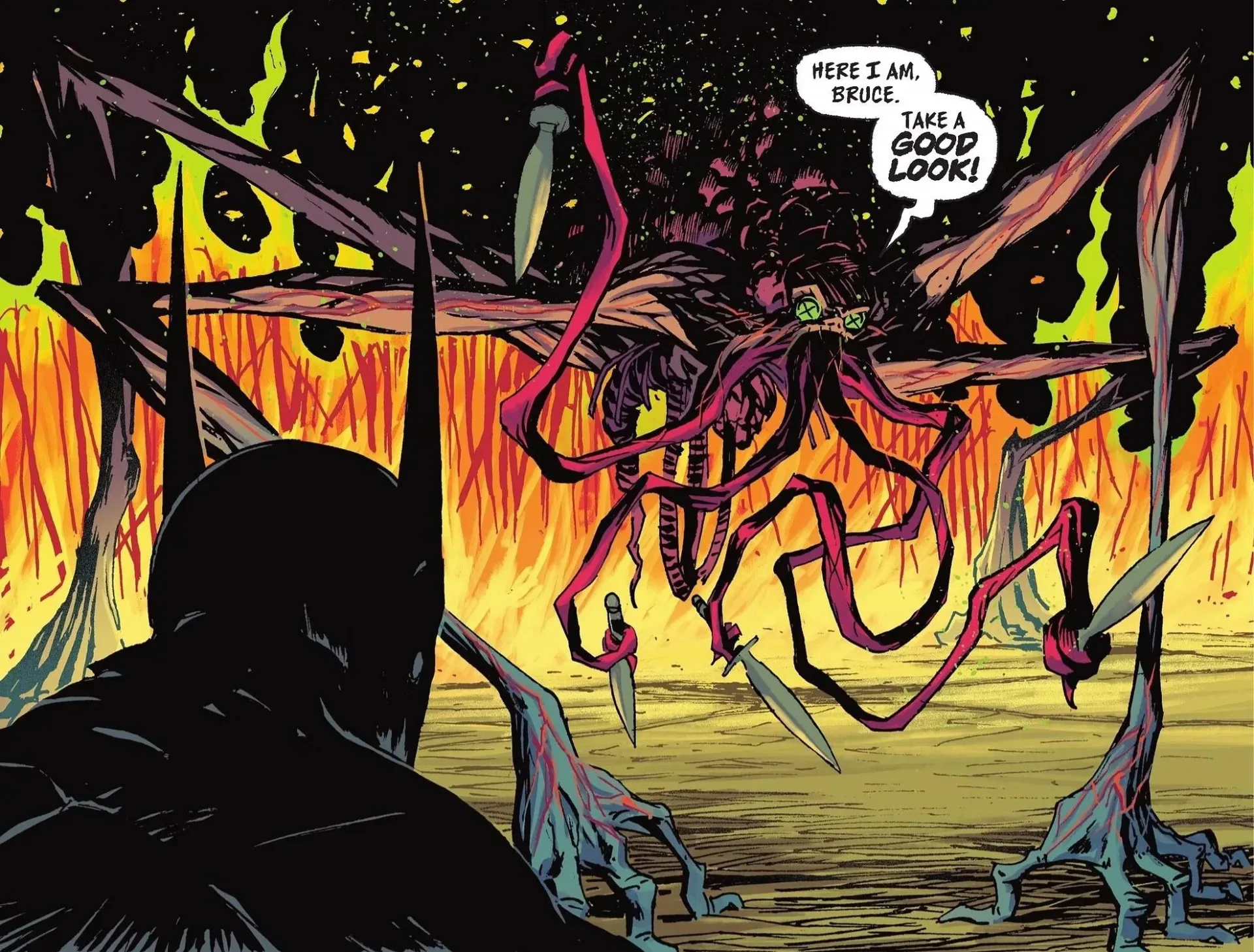
Scarecrow is spreading his particular brand of terror and reveals a true form to Batman that recalls the Absolute line’s Joker imagery. The issue also brings Bruce’s father into focus, linking Scarecrow to the supposed death of Thomas Wayne. The wording around that event is important: the death is presented as supposed, leaving the situation deliberately unsettled rather than supplying a clean answer about Thomas Wayne’s fate.
Batman’s path is therefore not merely a physical pursuit of a villain. He is working through illusions, a maze of conspiracy, and information that may reshape how he understands a foundational loss. In superhero fiction, an “illusion” plot can mean more than a visual trick. It creates a problem of interpretation: characters have to decide which perception is real, who benefits from a false one, and whether an emotionally persuasive revelation is actually trustworthy.
That makes Scarecrow an especially suitable antagonist for a story about a father’s uncertain fate. A fear-based enemy can exploit Bruce’s grief and need for explanation. The premise does not establish whether Scarecrow is connected to the divine forces troubling Wonder Woman’s story, but it does leave room for readers to notice the thematic proximity.
Wonder Woman faces gods of fear in Gateway City
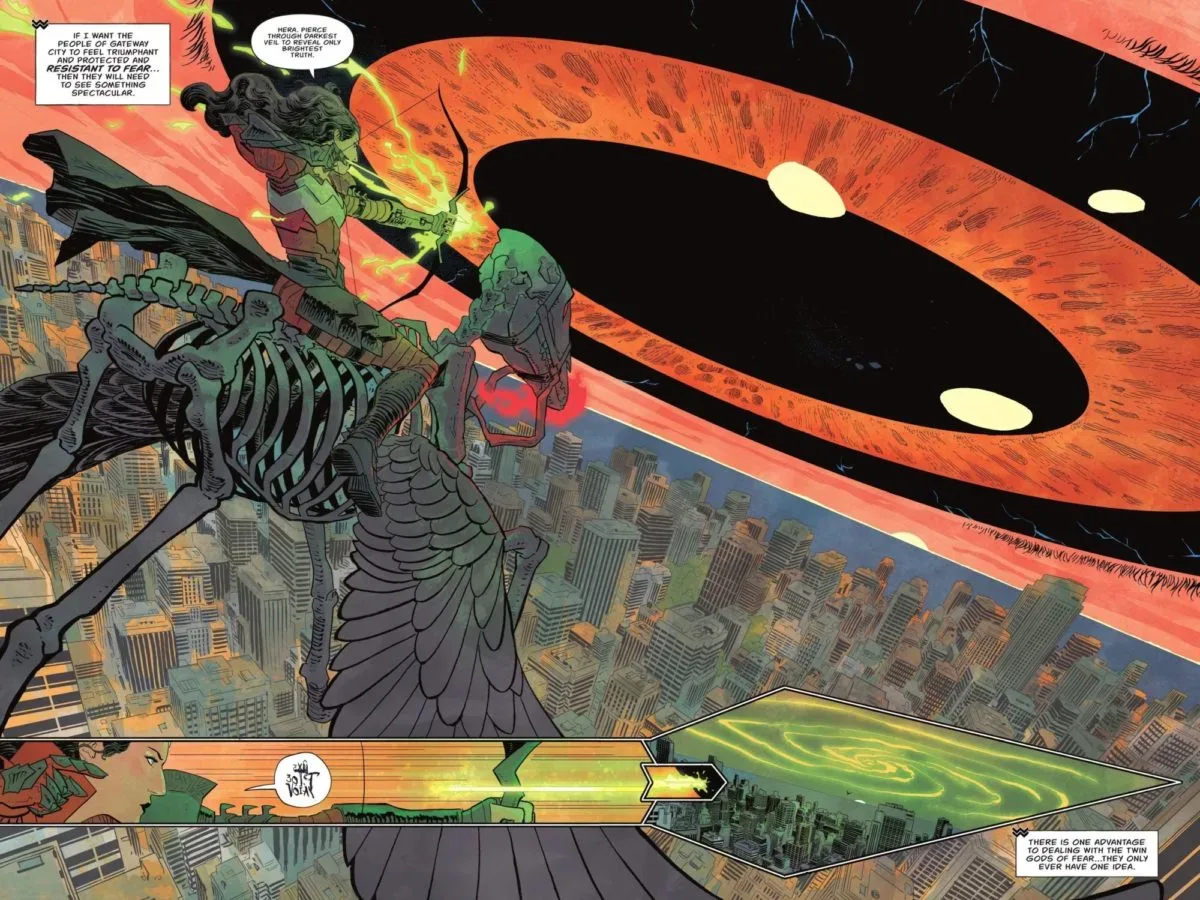
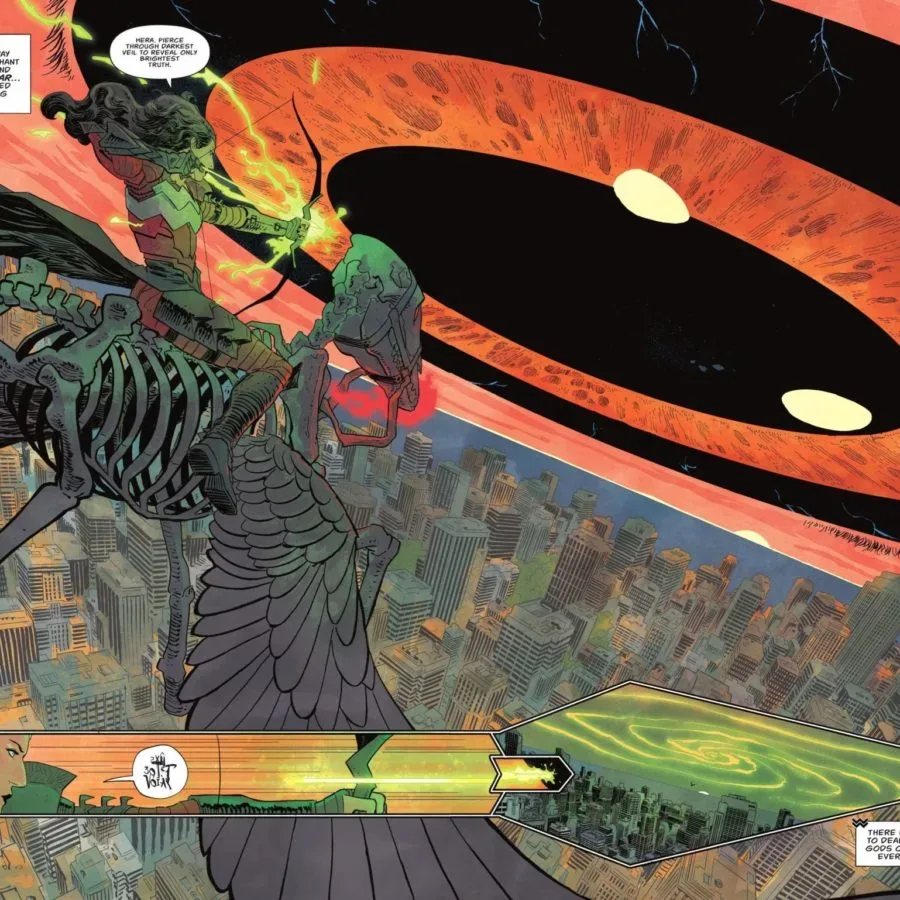
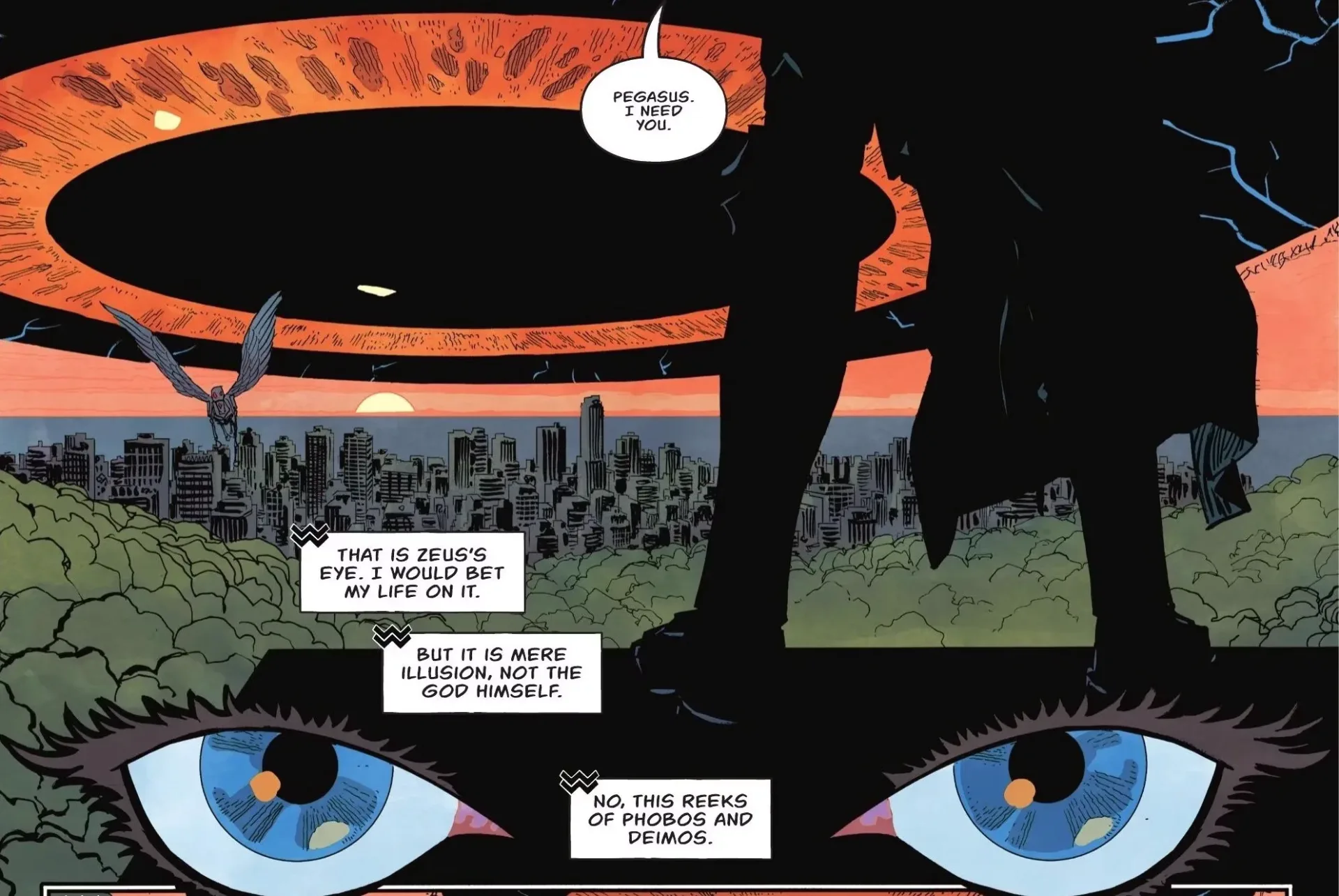
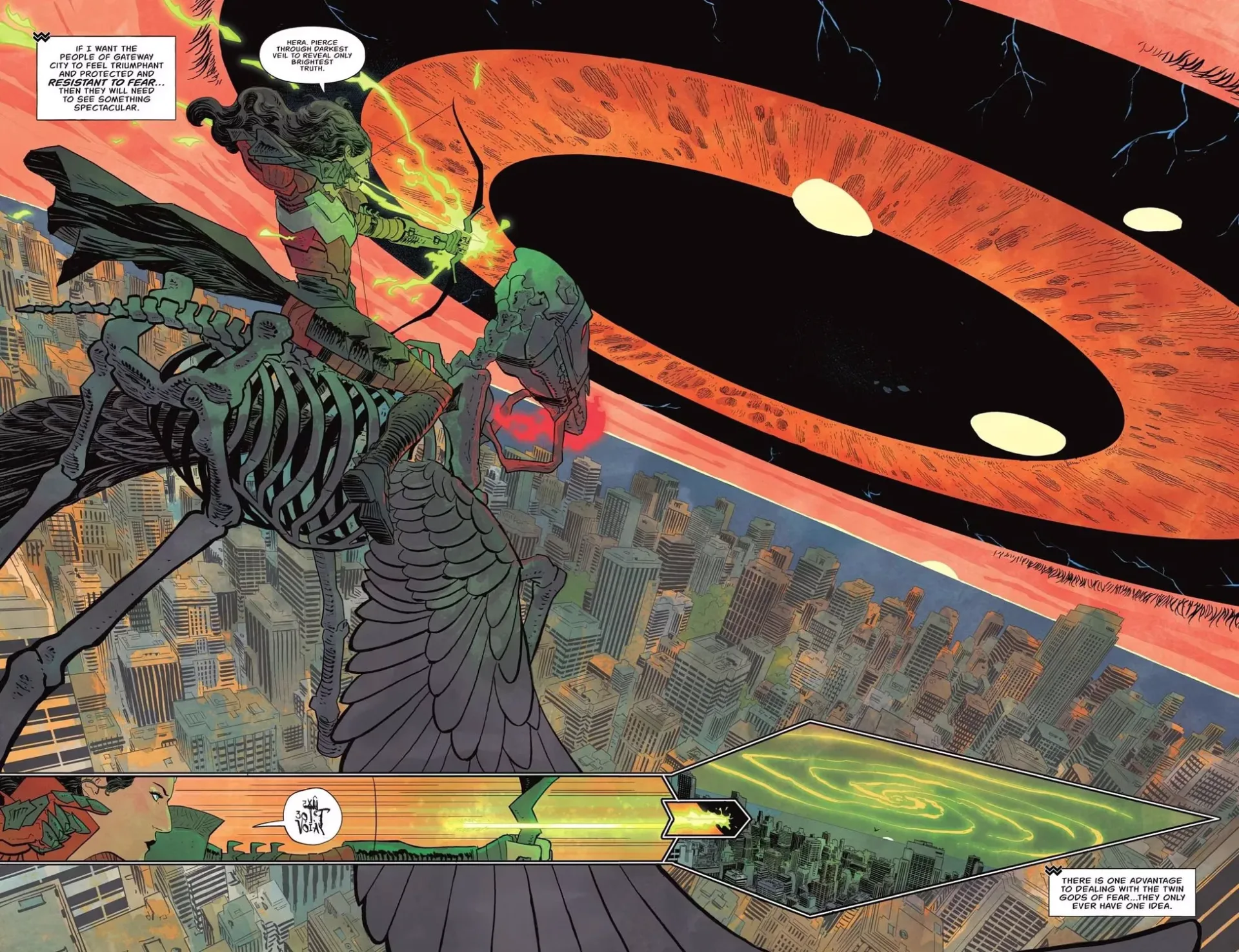
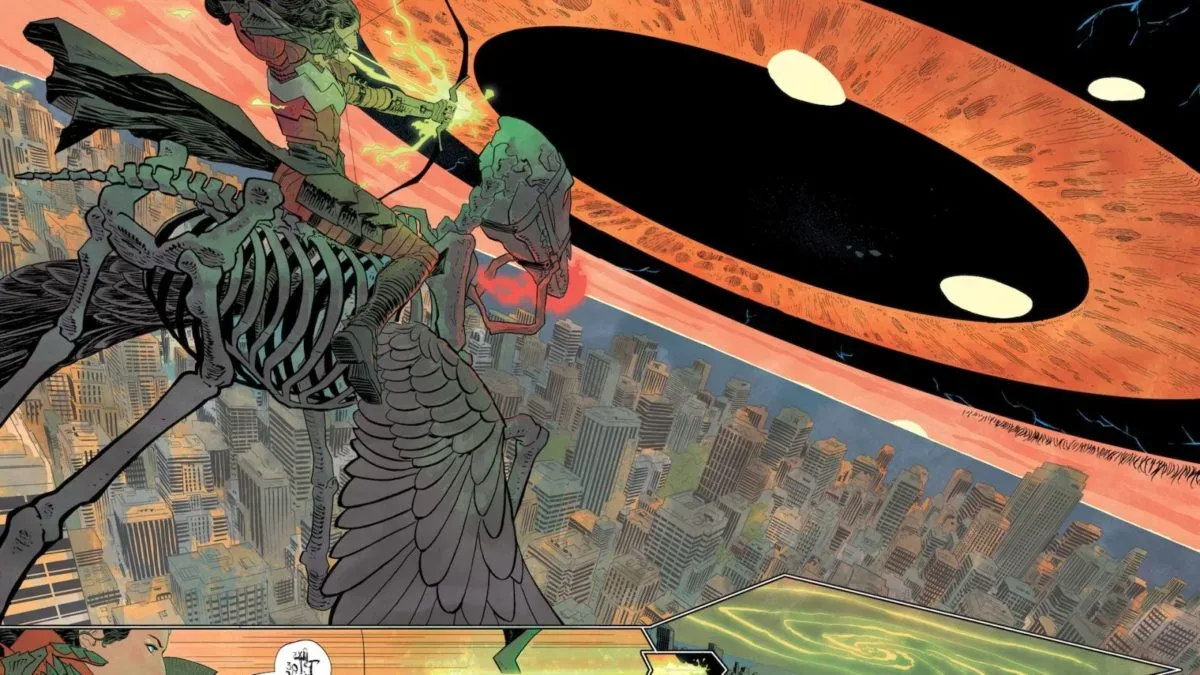
In Absolute Wonder Woman #24, Diana identifies what appears to be the eye of Zeus—her father—looking down on Gateway City. She interprets it as a godly illusion created by the Gods of Fear, who are orbiting the God of War. The issue’s crisis is consequently both immense and intensely personal: a spectacle tied to her parentage is also potentially an engineered deception.
The Gods of Fear named in the material are Phobos and Deimos. Their presence naturally complements the fear motif running across the three comics, but the known facts stop short of proving a direct operational connection between them and Gotham’s Scarecrow. That question remains speculation, not a revealed plot point.
Diana is also attempting to formulate medicine against fear using the body of an earlier monster. This is a practical response to an abstract and supernatural problem. Rather than simply resisting terror through willpower, she is searching for something that could counter its effects. The issue further places her in a Gateway City descending into chaos while gods manipulate events, and she returns to the surface with weapons from hell forged by Diana, Circe and Hephaestus.
Those weapons carry a clear narrative purpose: Diana needs tools capable of confronting divine opposition. But the stakes are not reduced to equipment. Her search for a friend continues despite the losses she has suffered, which makes the conflict personal even as its imagery becomes cosmic. Gods, hell-forged weapons and a city in chaos establish scale; Diana’s refusal to abandon that search establishes the emotional throughline.
The monster element escalates as well. A new threat is suggested to be an old friend changed into something unprecedented, described in terms closer to Grendel than Cheetah. That is not a formal identity confirmation on its own, but it signals an intentionally alarming transformation: something familiar appears to have become far less recognizable and far more dangerous.
Flash splits the pressure between city and family
Absolute Flash #19 gives Wally West two simultaneous dangers in Central City. Its setup says the young speedster must learn to be in two places at once if he is to save both his new city and his family. That is a classic speedster dilemma expressed in unusually direct terms: speed does not automatically solve a crisis if the demands of care and protection arrive at the same moment.
One of the threats is a world of monsters conjured by Absolute Abra Kadabra, a reality-bending menace. “Reality-bending” describes an antagonist whose danger extends beyond strength or destructive force; the basic conditions through which characters experience events may no longer be reliable. In that respect, Flash’s conflict rhymes with Batman confronting Scarecrow’s illusions and Wonder Woman identifying a godly illusion over Gateway City.
Family also becomes central in a more explicit way through Wally’s father. The imagery in the issue is said to echo the father-focused material in Absolute Batman #24. Meanwhile, Linda works toward the truth with help from a telepathic Grodd. Telepathy, in this context, is not just another superpower flourish. It creates a route into hidden knowledge, while raising the pressure around what people know, what they believe and what can be trusted in a story already complicated by monstrous manifestations.
Linda’s attention to the small things in life provides a useful counterpoint to the comic’s large-scale danger. Central City may be confronting two concurrent threats, but the story retains space for the human scale of family and ordinary details. That contrast is one reason the three issues feel connected in theme despite their different casts and settings: extraordinary threats repeatedly lead back to intimate vulnerabilities.
What connects the three stories—and what remains uncertain
The clearest connection is thematic rather than confirmed continuity mechanics. Batman is caught in fear and conspiracy while Thomas Wayne’s fate is put into question. Diana sees an apparent sign of Zeus, yet recognizes a possible illusion tied to fear gods. Wally and Linda face monsters, family truths and altered reality in Central City. Across all three, fathers are not simply background figures; they become pressure points in stories concerned with truth.
Monsters similarly operate on more than one level. Flash faces monsters manifested by Abra Kadabra. Wonder Woman battles gods and monsters while an old friend seems to undergo a horrifying change. Batman confronts Scarecrow’s transformed presentation and the monstrous implications of fear turned into a system of control. The shared idea is not necessarily that every creature has the same origin. It is that the heroes’ biggest dangers become inseparable from emotional manipulation, hidden history or a familiar face made unrecognizable.
Readers looking for a definitive line-wide crossover should keep expectations measured. The available information supports parallel motifs, echoes in imagery and unresolved questions. It does not establish that Scarecrow serves Phobos and Deimos, that the three villains are allies, or that the respective events are components of a single revealed scheme. Those possibilities are interesting precisely because the issues have foregrounded similar anxieties, not because a direct link has been confirmed.
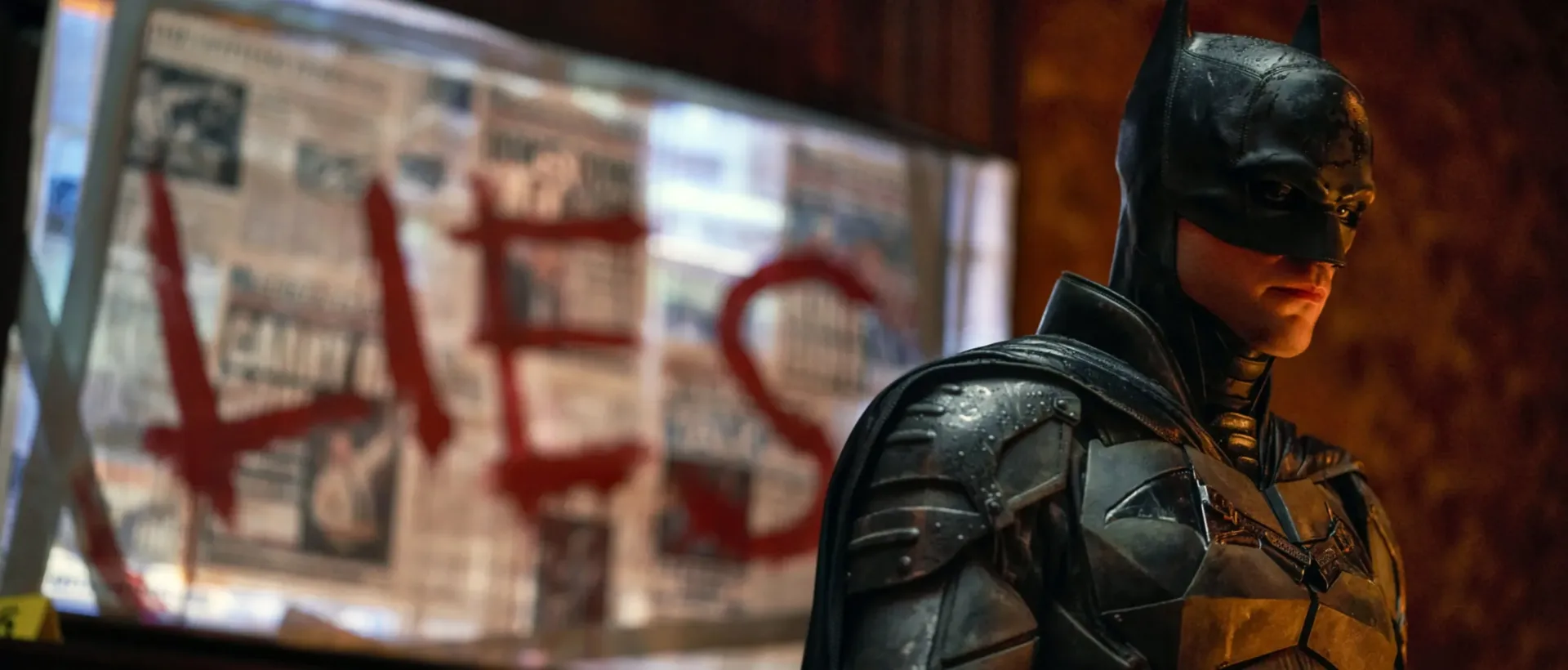
For Batman readers, the father-centered uncertainty may also resonate with the broader appeal of stories that reinterpret the character through a more intimate lens. DC’s screen Batman is likewise heading toward a major new chapter, with The Batman: Part II described as an ambitious left turn. The comics story here stands independently, but it underscores how durable questions of identity, trauma and family remain within Batman narratives.
Why this Absolute release day matters
Putting these issues out together creates a useful reading pattern. Absolute Batman #24 offers fear as conspiracy and self-conflict. Absolute Wonder Woman #24 presents fear as divine pressure, demanding both resistance and a possible cure. Absolute Flash #19 makes fear and monsters an immediate problem for a young hero trying to protect both a city and a family.
Each creative team approaches the material differently: Snyder and Dragotta center Bruce’s collision with Scarecrow and a destabilizing family revelation; Thompson and Sherman put Diana against gods, chaos and a transformed threat; Lemire and Robles divide Wally’s attention between Central City, family and Abra Kadabra’s monsters. The common ground is not sameness. It is a shared insistence that no hero can solve these crises by treating them as simple fights.
Fear in these comics is an atmosphere, a weapon and an unanswered question. The fathers at their center are sources of memory, mystery and vulnerability. And the monsters are not safely distant. Whether they appear as conjured forces, divine incursions, transformations or the consequences of an illusion, they bring danger uncomfortably close to the people these heroes are trying to save.
Shop the products
Check current price, model and availability at the retailer.