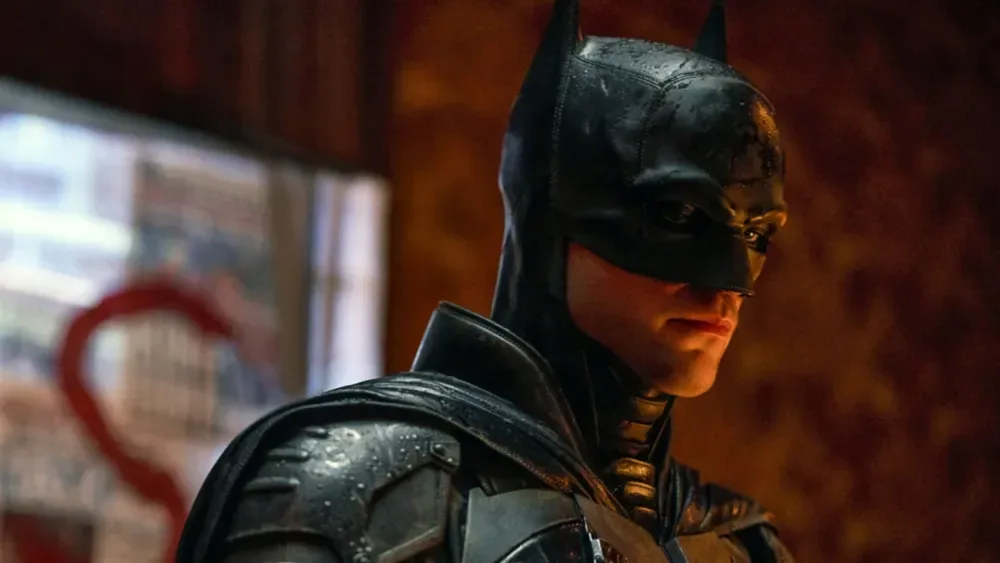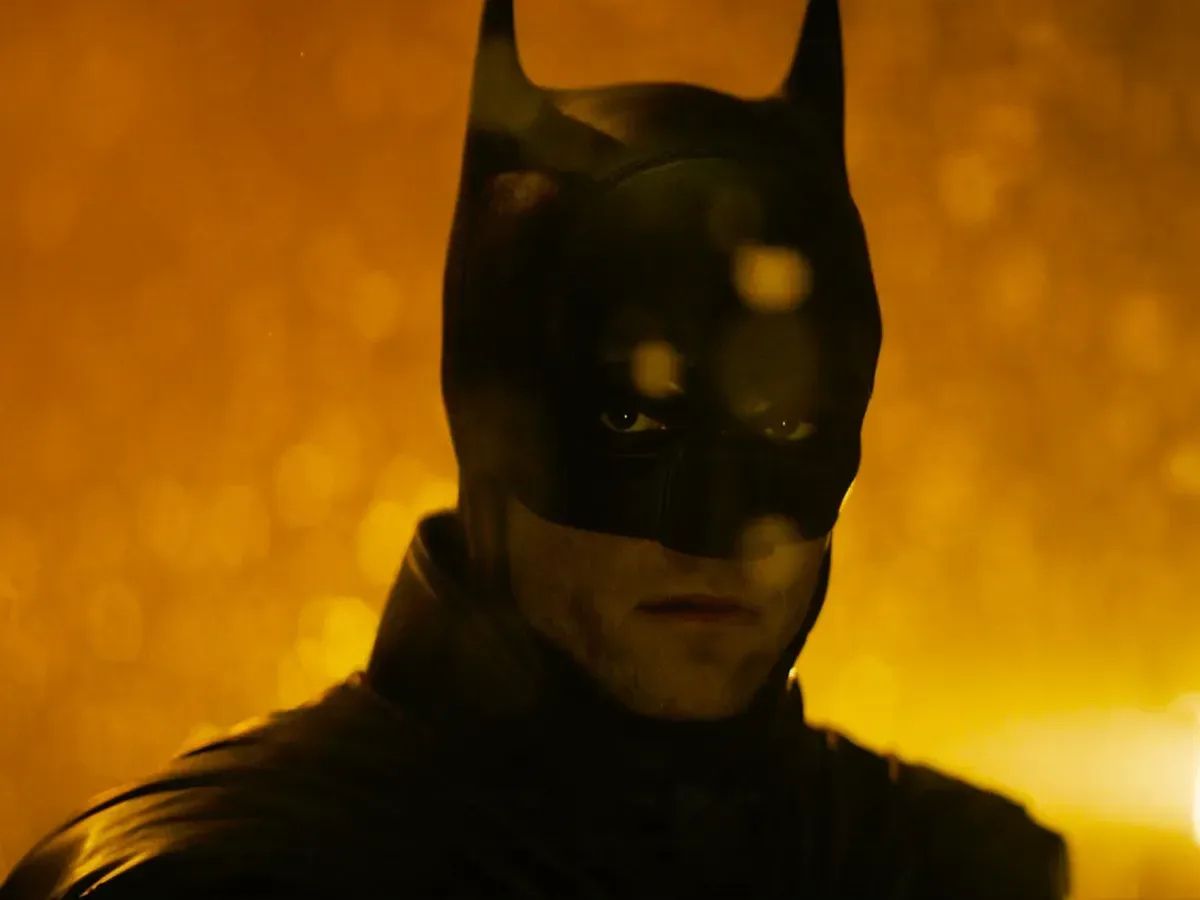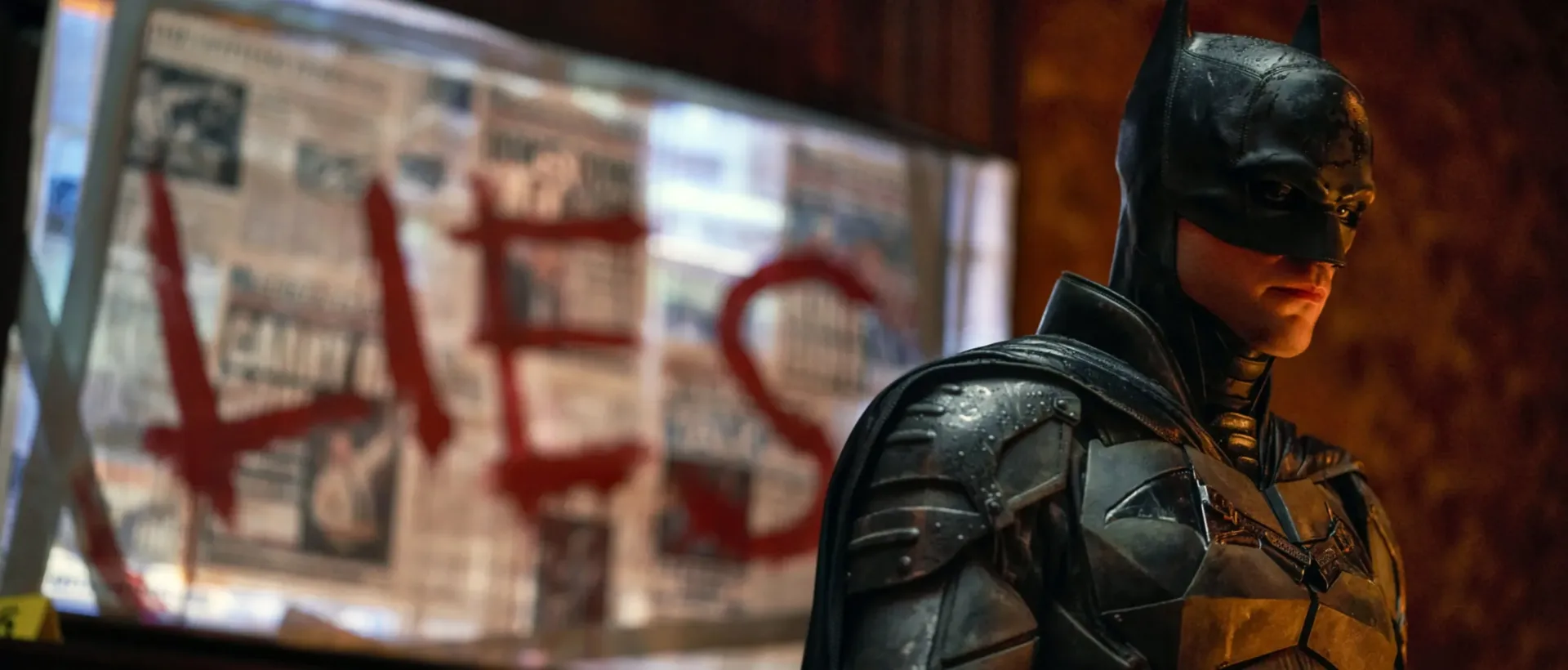
Robert Pattinson has offered a carefully limited but intriguing description of The Batman: Part II: it is designed as a major change of direction without abandoning the atmosphere established by its predecessor.
The actor, who plays Bruce Wayne and Batman, characterized the sequel as highly ambitious and described it as a “real left turn” from 2022’s The Batman. Crucially, Pattinson also said the new film retains elements of the first movie’s overall feel. That distinction matters. A sequel can change its storytelling priorities, scope or central conflict while still preserving the sensibility that made the earlier entry recognizable.
Plot specifics remain undisclosed, so “left turn” should not be read as confirmation of a particular villain, comic-book storyline, setting or genre shift. It is an actor’s broad creative description, not a synopsis. Still, it sets an expectation that Matt Reeves’ follow-up is not intended to simply repeat the formula of the first film.
A different Batman movie, again
Pattinson framed the sequel as another fresh interpretation within the Batman franchise. His point was not that the first film had been discarded, but that its approach was itself distinct—and that the second installment will make another decisive move.
That is a useful way to understand the comments. “Different take” can mean a film is reassessing what it wants to emphasize about a familiar character and world. For a long-running superhero property, the phrase does not inherently mean a reboot or a break in continuity. In this case, it refers to the creative approach of a direct sequel to Reeves’ 2022 film.
The balance Pattinson describes is therefore twofold:
- Change: the sequel is said to take a significant new path from the first movie.
- Continuity of tone: it will keep some of the earlier film’s feel.
- Scale of intent: Pattinson repeatedly emphasizes its ambition, while stopping short of explaining what the story involves.
That leaves fans with a deliberately broad picture. There is a sequel, its lead actor believes it is pursuing a bold direction, and the film is not being positioned as a carbon copy of the previous chapter. Beyond that, the responsible reading is to wait for concrete details rather than treating speculation as fact.
What is confirmed about The Batman: Part II
The Batman: Part II is Matt Reeves’ follow-up to The Batman, which arrived in theaters in 2022 and introduced Pattinson as this version of Bruce Wayne. The sequel is set for theatrical release on February 18, 2028.
Related coverage includes Robert Pattinson Calls ‘The Batman: Part II’ an Ambitious Left Turn.
Pattinson returns alongside Scarlett Johansson and Sebastian Stan. Charles Dance, Brian Tyree Henry and Sebastian Koch are also part of the supporting cast. The supplied information does not identify the roles played by Johansson, Stan, Dance, Henry or Koch, and it offers no plot outline. Casting alone should not be used to infer character identities or story beats.
Reeves completed the sequel’s script in June 2025. That is one of the few specific production milestones available, and it explains why the most substantive public discussion is still centered on high-level creative language rather than scenes, character arcs or antagonists.
For movie fans following comic-book adaptations, that lack of detail is meaningful in itself. There is a difference between a verified production fact—such as the release date, the principal cast or the script’s completion—and an interpretation built around a rumor. At present, the former is the firmer ground.
The six-year gap in context
When The Batman: Part II reaches theaters in 2028, six years will have passed since the first film. The sequel had been announced in 2022, a month after The Batman debuted, but its eventual release has moved well beyond the brisk annual or biennial cadence audiences sometimes associate with franchise filmmaking.
DC Studios co-chief James Gunn has argued that a five-year-or-longer wait is not unusual for major sequels. In making that case, he pointed to several lengthy intervals: seven years between Alien and Aliens, 14 years between The Incredibles films, seven years between the first two Terminator films, 13 years between the Avatar films, 36 years between the Top Gun movies, and six years between Guardians of the Galaxy Vol. 2 and Vol. 3.
The comparison does not make every sequel’s production circumstances identical. Each title has its own development process and scale. But Gunn’s larger point is straightforward: a long interval is not, by itself, proof that a sequel has lost its purpose or that its creative team has stopped working toward a specific vision.
In the case of The Batman: Part II, Pattinson’s comments arguably support that view. He is not describing a film that merely returns to familiar ground for its own sake. He is describing one that attempts a substantial turn while preserving selected qualities of the original. A longer runway can be compatible with that kind of intention, though it cannot reveal whether the finished movie succeeds.
Why the word “ambitious” should be treated carefully
“Ambitious” is a valuable but imprecise word in early film discussion. It can refer to narrative structure, themes, character work, visual design, production scale or the confidence to take a franchise somewhere unexpected. Pattinson did not specify which of those meanings applies here.
That ambiguity is not a flaw in his remarks. It is simply the boundary of what is publicly known. The sequel’s story is still under wraps, meaning viewers do not yet have official evidence for claims about its villain, its setting, its connections to other DC projects, or the nature of its “left turn.”
What can be said is that Pattinson appears enthusiastic about the result-in-progress and about Reeves’ willingness to avoid retreading the first film. His comments establish an aspiration: a film with a new angle that nevertheless remains connected to the earlier chapter’s identity. They do not establish how that aspiration will appear on screen.
That distinction is especially important around Batman, a character whose screen history includes many contrasting tones and interpretations. The existence of previous reinventions does not tell audiences exactly what Reeves and Pattinson’s next chapter will be. It only makes clear why broad phrases such as “different take” can generate intense interest long before a trailer or plot description arrives.
What audiences can reasonably expect next
For now, the practical checklist is short. The Batman: Part II has a February 18, 2028 theatrical date, Reeves has completed its script, Pattinson is returning, and a group of notable additions and supporting performers has been named. Its narrative remains confidential.
The next genuinely informative updates will be those that narrow that gap: confirmed character information, an official premise, footage, or further production details. Until then, Pattinson’s words are best viewed as a promise of creative intent rather than a map of the film.
For more film-production context elsewhere in pop culture, read our coverage of David Worth, the director of Kickboxer and cinematographer of Bloodsport.