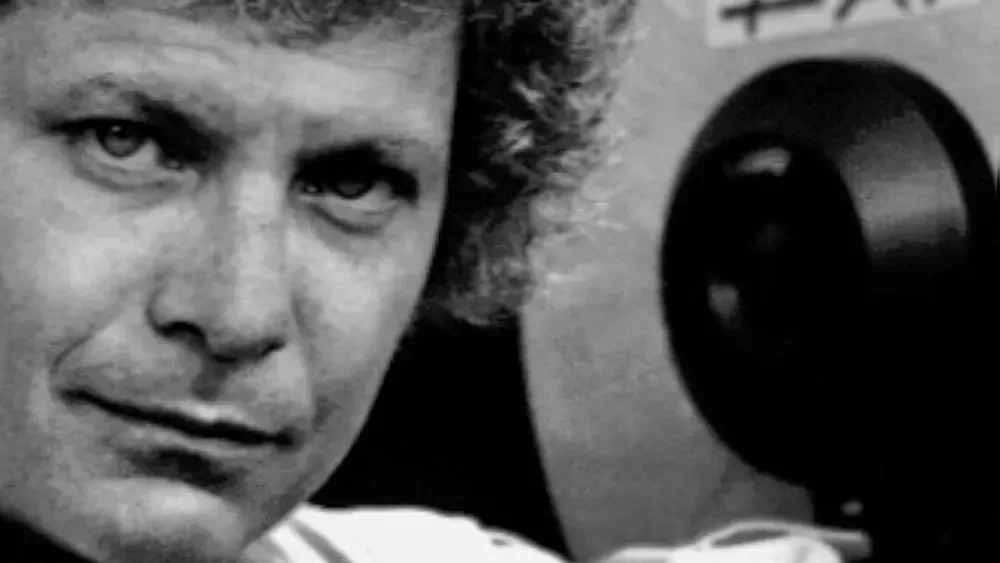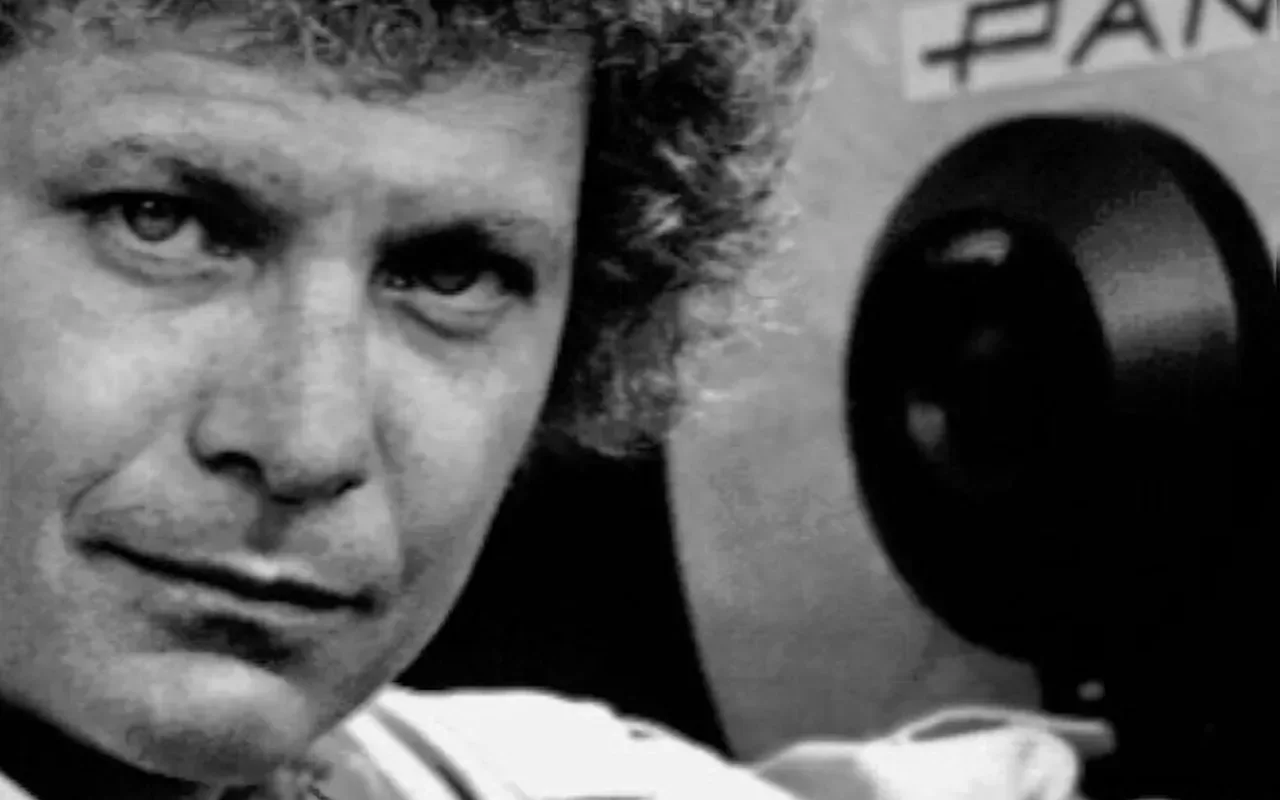
David Worth, the filmmaker whose career moved from cinematography into directing and included key Jean-Claude Van Damme action films Bloodsport and Kickboxer, died September 4 in Sunland, California. He was 86.
Worth’s credits span more than one kind of screen work. He was a director of photography, commonly shortened to DP or cinematographer, before becoming a feature director. That distinction matters: a director of photography is responsible for the visual photography of a production, working on how scenes are lit, framed and captured, while a film director oversees the wider creative execution. Worth’s route through both jobs placed him behind the camera on Clint Eastwood projects and later at the helm of a Van Damme vehicle that has remained firmly associated with late-1980s martial-arts action.
For viewers who know him principally through Kickboxer, Worth’s passing is also a reminder that action movies are built by collaborators whose names may not be the first ones audiences remember. Van Damme is the face of both Bloodsport and Kickboxer, but Worth contributed to the former as cinematographer and directed the latter. The pair of credits shows a direct progression from shaping the image of an action star to directing him in another martial-arts feature.
From cinematography to directing
Worth began as a director of photography on low-budget films. He subsequently worked with Eastwood as cinematographer on Bronco Billy and Any Which Way You Can, both released in 1980. A cinematographer’s work is not simply decorative: visual choices influence how a stunt, a performer’s movement, a location and a scene’s mood reach the audience. In physically driven filmmaking, the camera’s placement and coverage can determine whether an action sequence reads clearly and with impact.
His later credits as cinematographer included China Cry: A True Story, Lady Dragon, American Tigers, Raptor Island, Man With the Screaming Brain and Alien Apocalypse. Together, those titles reflect a career that continued across independent and genre-oriented filmmaking rather than stopping after his work on prominent 1980 releases.
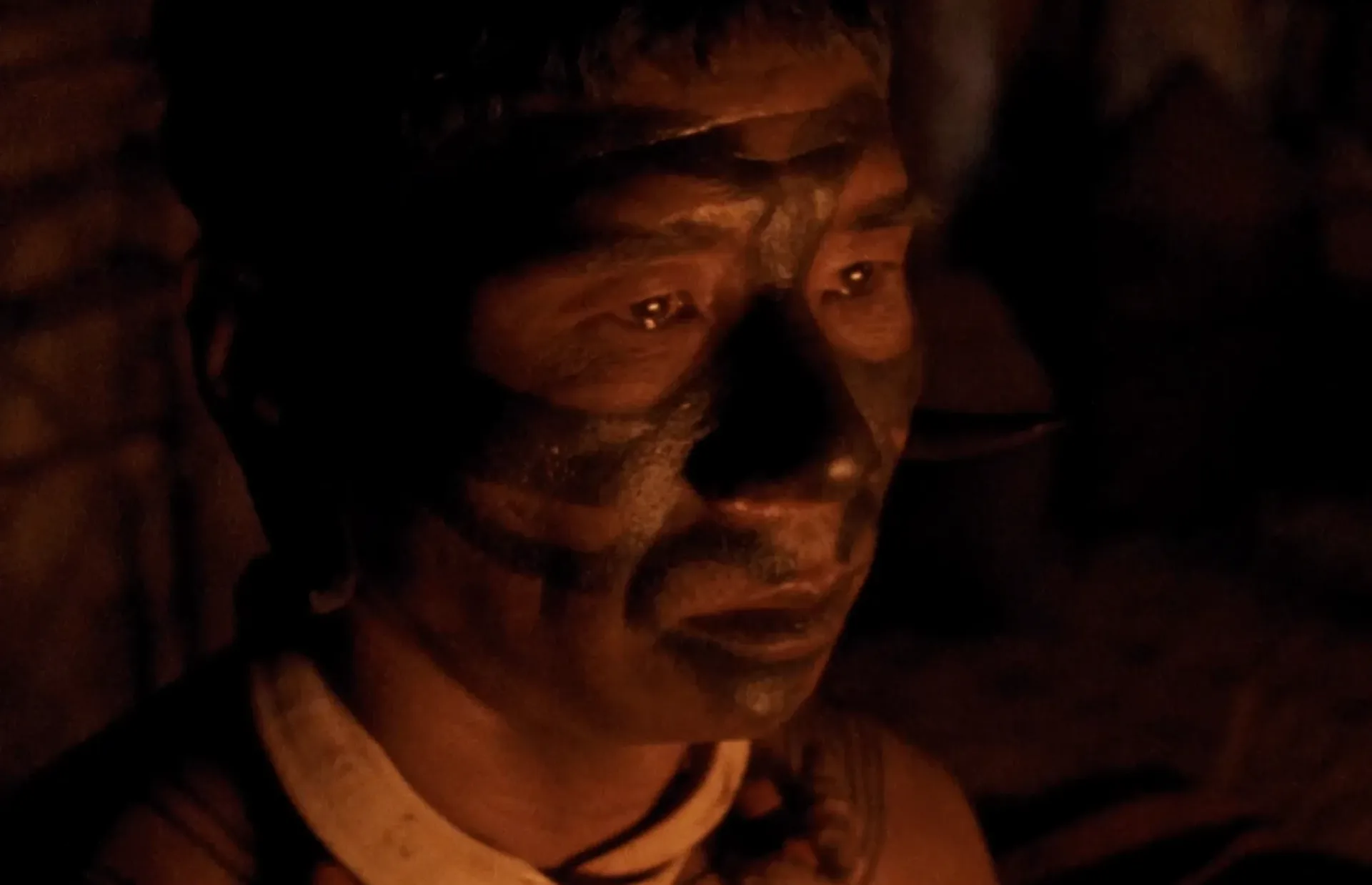
Worth served as cinematographer on Van Damme’s Bloodsport before directing 1989’s Kickboxer, also starring Van Damme. The connection is especially notable because cinematography and direction ask for overlapping but different forms of judgment. A DP concentrates on the image and practical photographic plan; a director must guide the complete film, including the actors, scenes and the overall storytelling shape. Worth’s credit path indicates a filmmaker who brought camera-department experience into the director’s chair.
Why the Bloodsport–Kickboxer connection stands out
Bloodsport and Kickboxer occupy a recognizable place in the popular memory of Van Damme’s rise as a martial-arts action star. Worth’s involvement with both means his name is tied to two films that helped define that association. Van Damme addressed Worth’s death in an Instagram tribute, calling him a friend and saying Worth’s talent and vision helped create “two martial arts classics” that changed his life.
“From ‘Bloodsport’ to ‘Kickboxer,’ David’s talent and vision helped create two martial arts classics that changed my life,” Van Damme wrote.
The phrasing is personal, but it also identifies the practical importance of Worth’s role. Action cinema is often discussed through its stars, fights and signature moments, yet the person framing a performer and the person directing a production each materially affect what lasts on screen. Worth occupied both positions at different points in the Van Damme collaboration.
That makes his career useful context for fans revisiting the era’s action movies. Star power may bring a film to viewers, but a production’s visual language is the work of specialists and department leaders as well as its cast. Worth’s credits provide a concrete example of that shared craft: he photographed Bloodsport and then directed Kickboxer.
For a separate tour through action games from another medium and period, Joking Joystick has also rounded up the top 10 Wii action games. The overlap is not a claim that these games and Worth’s films share a production history; rather, it is a useful reminder that action remains a format shaped by staging, movement and visual readability across media.
A career beyond the ring
Worth’s directing work extended beyond Kickboxer. He directed several episodes of the television series Air America and directed features including Shark Attack 2 and Shark Attack 3. His filmography therefore was not confined to martial arts, even if that is the area most immediately connected with his work alongside Van Damme.
The later titles also point to the breadth of genre production in which he worked. Films involving sharks, alien threats and other high-concept premises are often remembered for their immediate hook, but their crews still require filmmakers with experience in logistics, coverage and tone. The available record establishes Worth’s participation in those productions, though it does not supply production anecdotes or detailed accounts of his methods. It is better not to overstate what can be known from a list of credits alone.
What is clear is the continuity of his work. He began as a cinematographer on lower-budget movies, moved into major collaborations with Eastwood, photographed a key Van Damme action film, directed another, and continued making television and feature work. That is a substantial professional arc across multiple areas of screen production.
Teacher and author
Worth’s work was not limited to film and television sets. He was also an author and teacher, and earned a master’s degree in 2016. His books included Milestones in Cinema: 50 Visionary Films & Filmmakers, Orson Welles Crash Course in Cinematography, and Zen & the Art of Independent Filmmaking (a cautionary tale).
Those titles suggest a parallel effort to discuss cinema and independent filmmaking for readers, alongside his working career. The word “cinematography” in one title is particularly fitting given Worth’s early professional foundation. Cinematography is the discipline concerned with a motion picture’s photographed image: its lighting, lenses, composition, camera movement and related choices. It is a technical and artistic field, and Worth had practical experience in it before his directing career became central.
The independent-filmmaking title is also notable because Worth’s career began with low-budget work and continued through genre films. That does not establish the specific lessons in the book, nor should a title be treated as a full account of its contents. It does, however, show that he presented his filmmaking experience in written form in addition to teaching.
Remembering a long working life
Worth’s daughter Christina said that work was also his joy and that family members frequently joined him on locations around the world during his long career. She described him as irreverent and funny, adding that he remained in jovial spirits to the end.
“His work was also his joy, and his family frequently joined him on location around the world during his long career,” she said.
That recollection adds a human dimension to a résumé that otherwise runs through roles and titles. Film credits can efficiently show what a person did, but they do not fully convey how a long career was lived. Here, the picture is of someone who found pleasure in the work itself and whose professional travels became part of family life.
Worth is survived by his daughter, Chrystina Myers; his son, David Wertheimer; a brother; and two grandsons.
His legacy is best understood in the full range of the work identified here: a cinematographer on films including Bronco Billy, Any Which Way You Can and Bloodsport; a director of Kickboxer and other genre features; and an author and teacher who continued engaging with the craft beyond individual productions. For martial-arts movie audiences, the Van Damme connection will likely remain the quickest route to his name. But Worth’s professional story reaches well beyond two action classics.