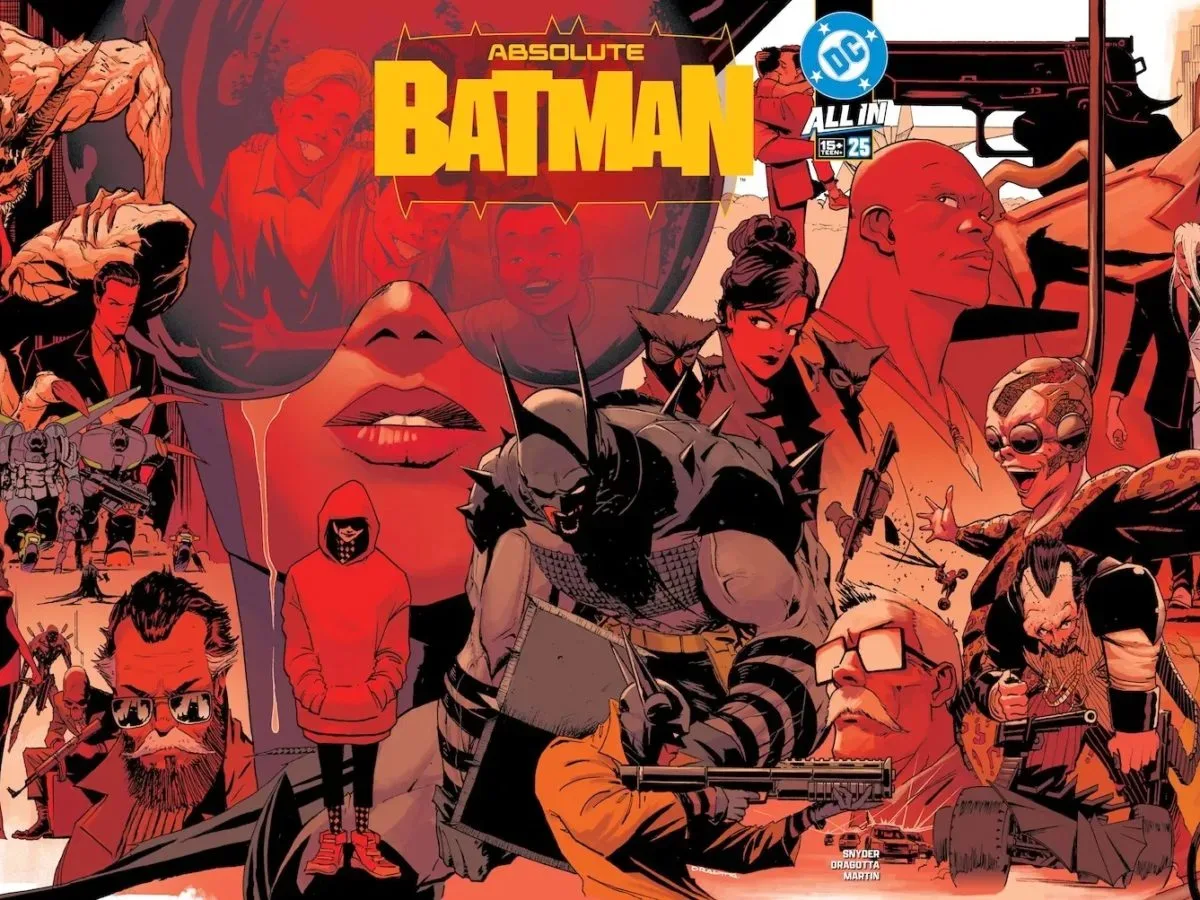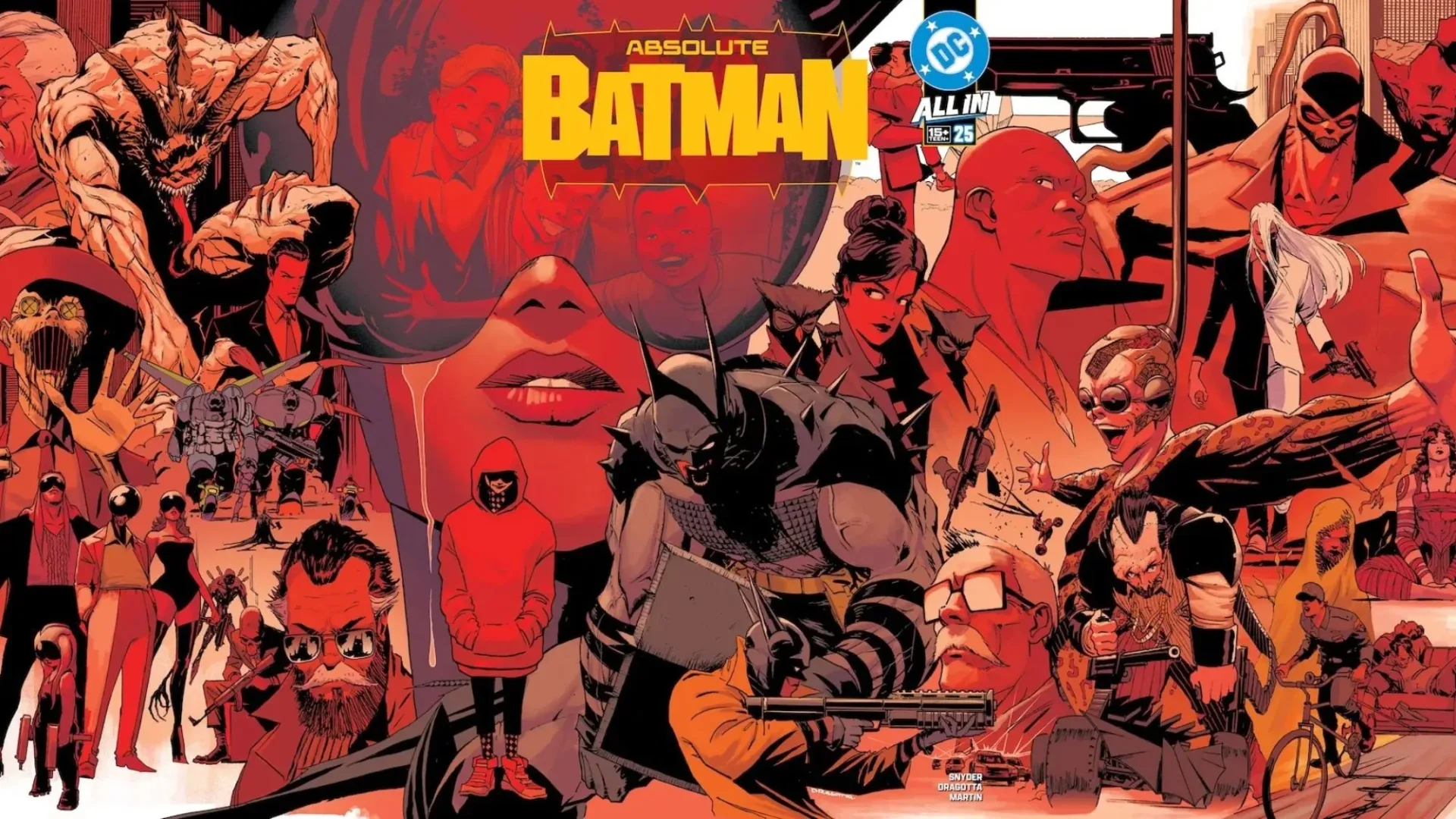
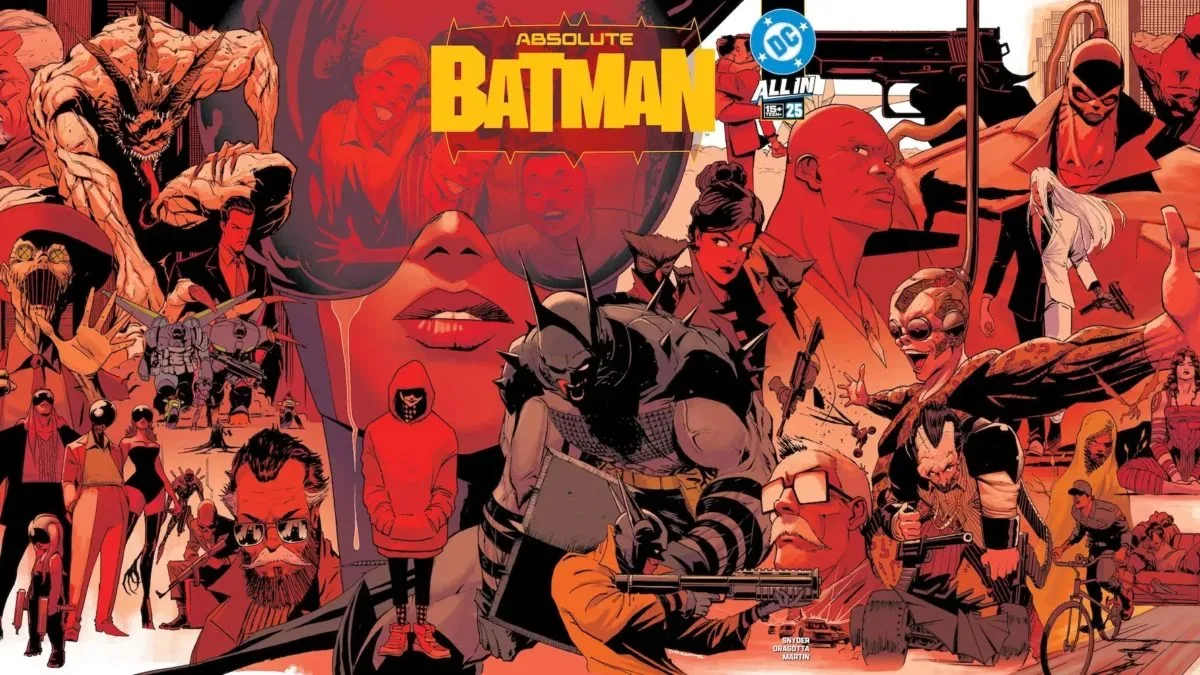
Absolute Batman has a defined destination for its current major storyline, but not an announced finish line for the series itself. Writer and co-creator Scott Snyder has said the book’s ongoing Joker-centered story cycle is presently mapped through issue #50. Crucially, that is not a statement that Absolute Batman will end with #50.
Instead, #50 appears to mark the end of a large planned narrative unit: the material involving Joker that Snyder calls the “Joker saga.” Snyder has also indicated that ideas are already being considered for the story on the other side of that milestone. For readers wary of treating any numbered endpoint as a cancellation notice, the distinction matters. A 50-issue plan describes the scope of a particular story cycle; it does not automatically describe the total lifespan of the title.
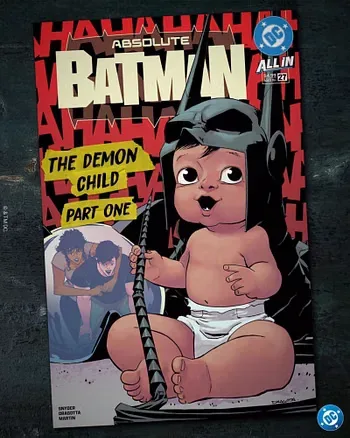
Before that point, the next major stretch is The Demon Child, beginning with Absolute Batman #27. The arc is being framed as character-driven while also serving as the runway to the biggest developments currently planned for the book. It will place particular attention on Bruce, Selina, Barbara, Dick, Harley, and the Robins, while developing threads established in the first half of the current 50-issue structure.
The Demon Child starts at #27
Absolute Batman #27, credited to Snyder and Nick Dragotta, starts The Demon Child. Snyder has kept plot specifics close to the chest, but has positioned the arc as one full of major turns, character introductions, and reveals. That caution is not merely promotional fog-machine work: it is directly shaping how the comic’s upcoming covers will be presented.
The stated creative focus is not just a sequence of escalating events. Snyder describes the material as character-based, with the ensemble receiving attention as the book moves from the setup of issues #1 through #25 into the back half of its current story cycle. In practical terms, that suggests the work done in the earlier issues is intended to pay off across #25 through #50, rather than leaving the first 25 issues as a disconnected opening act.
That does not tell readers exactly what The Demon Child’s title refers to, who is being introduced, or what the major twists involve. Those remain intentionally undisclosed. But the list of characters named by Snyder gives readers a reliable sense of where the arc’s emotional and narrative weight is expected to fall: Bruce and Selina are central, while Barbara, Dick, Harley, and the Robins are all specifically part of the stated focus.
Why some Absolute Batman covers will be hidden behind symbols
For the issues after #27 in this arc, DC plans to initially show a graphic symbol or design element instead of the complete cover image. This is not described as a fully blacked-out cover with no information at all. The symbol is meant to offer an atmospheric or thematic clue about the next chapter without revealing the visual details that could spoil its contents.
The process is expected to work sequentially. When #27 arrives, the full cover for #28 would be revealed. Readers and retailers would then have the brief window before the next Final Order Cut-Off to decide on orders, including variant covers. The same pattern would continue through the four issues following #27 in the arc: a symbol-led advance image first, followed by the full reveal when the preceding issue is released.
This approach follows an earlier experiment with Absolute Batman #20, the Robins issue. That cover initially foregrounded a large “R” with Bruce, before the design was opened up to reveal the full cover and the Robins’ designs. The new plan applies a related idea issue by issue, rather than using it for only one surprise.
FOC, explained
FOC means Final Order Cut-Off. It is the point at which comic retailers finalize their orders for an upcoming issue. That deadline has a major practical effect on any spoiler-avoidance strategy built around cover art: publishers cannot wait too long to show the regular and variant covers, because stores need enough information and time to decide how many copies to order.
The schedule described here is particularly tight. A comic releases on Wednesday, while the relevant FOC can land the following Monday. That leaves only a handful of days for a full cover reveal, retailer ordering decisions, and reader requests for specific editions. The symbolic placeholder is an attempt to preserve surprise for as long as possible without removing the information retailers need to order the book.
It is a balancing act with competing priorities. Showing covers early can help readers choose variants and help stores assess demand, but a detailed cover can also reveal a new costume, character appearance, alliance, threat, or aftermath before the story itself is available. Holding artwork too long makes it harder for retailers and customers to plan purchases. The proposed rollout tries to split the difference: enough advance material to signal that something is coming, followed by complete art immediately after the previous chapter releases.
What the cover strategy means for readers and retailers
For readers who avoid previews, the plan could reduce the odds of learning a major development from promotional art weeks ahead of publication. It does not eliminate that risk entirely. Once an issue releases, the next cover is due to become public quickly so stores can meet the next ordering deadline. Anyone trying to remain completely unspoiled will still need to be mindful of social feeds, solicit material, store listings, and variant-cover posts in the days after a new chapter arrives.
For readers who collect specific covers, the compressed schedule is more demanding. The full art for an upcoming issue may arrive only a few days before FOC, rather than sitting in public view for a long lead time. If a particular regular cover or variant matters to a buyer, communicating promptly with a local comic shop may be more useful than waiting until release week. The plan does not mean every reader must preorder, but it does mean the decision window for cover-specific orders could be short.
For retailers, the model turns each new release into a fresh promotional beat. The prior issue becomes both a story installment and the trigger for the following cover reveal. That may help keep conversation concentrated around the current chapter while giving the next one a timely burst of attention. It also means shops will need to quickly relay new cover information to customers who are tracking variants or following particular characters.
The strategy is especially suited to an arc marketed around surprises. Covers are often treated as sales tools, and for good reason: they communicate tone, creative identity, and collectibility in a single image. But in a serial story built on reveals, the same image can become an accidental spoiler delivery system. A carefully chosen symbol can still advertise the next issue without giving the whole game away.
Issue #50 is a milestone, not a confirmed series finale
The clearest takeaway is that #50 currently represents a planned boundary for the Joker saga, not a confirmed endpoint for Absolute Batman. Snyder’s wording leaves open what comes next while making clear that the current arc of the series has a substantial roadmap. That is meaningful reassurance for readers who have invested in the book’s first half and want to know whether its larger threads are headed toward a designed payoff.
There is also an important degree of uncertainty to preserve. No continuation past #50 has been formally defined here, and no final issue has been announced. The confirmed information is narrower: the Joker-focused cycle currently runs to #50, there are ideas for material beyond it, and the title is not necessarily ending at that number.
Snyder has separately said that he has re-signed with DC and will remain with the company for a while, including consulting work with Joshua Williamson, with further news to come. That is not the same thing as a detailed publishing roadmap for Absolute Batman, but it reinforces that the creative conversation extends beyond the immediate Demon Child rollout.
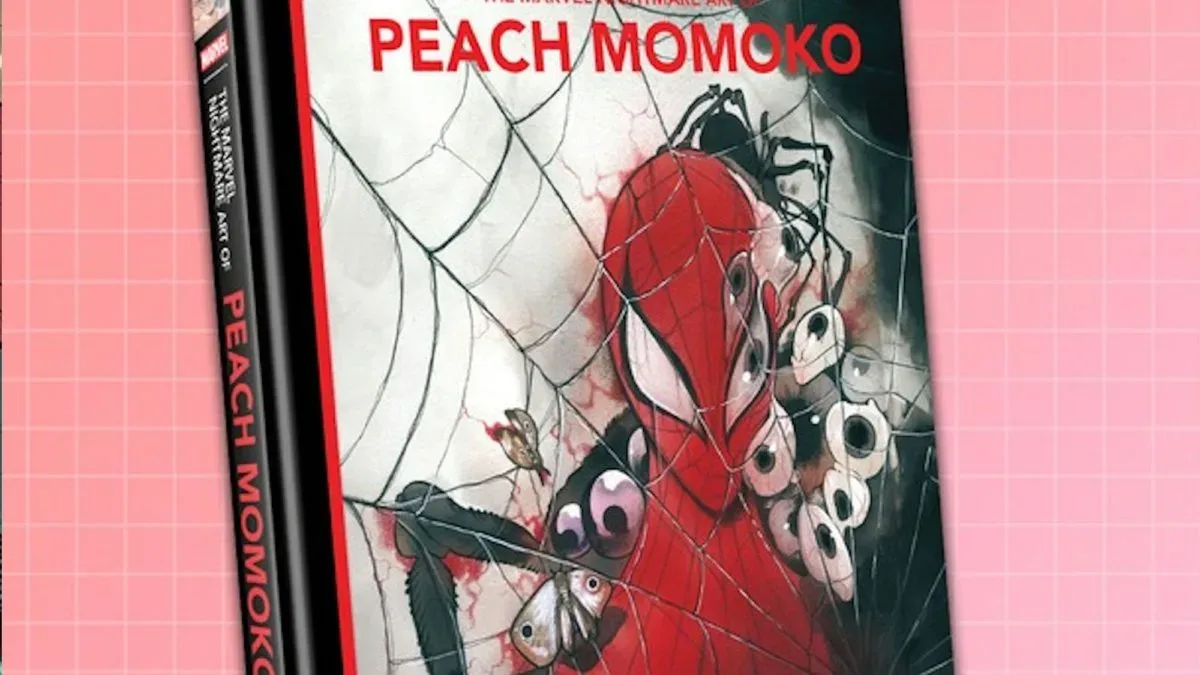
For comic readers following cover-driven hype and art presentation, this is also an interesting reminder that cover reveals can be part of the storytelling machinery rather than simply a marketing calendar. A recent example from elsewhere in comics art is The Marvel Art of Peach Momoko Kickstarter, another case where art itself sits at the center of fan attention. With Absolute Batman, however, the immediate objective is almost the opposite: showing just enough art to stir anticipation while deliberately withholding the images most likely to explain too much.
As The Demon Child begins at #27, readers can expect the next several issues to arrive with a smaller visual clue ahead of time and a fuller image only after the prior chapter hits shelves. The Batman story’s route through #50 is planned; the path beyond it remains open.