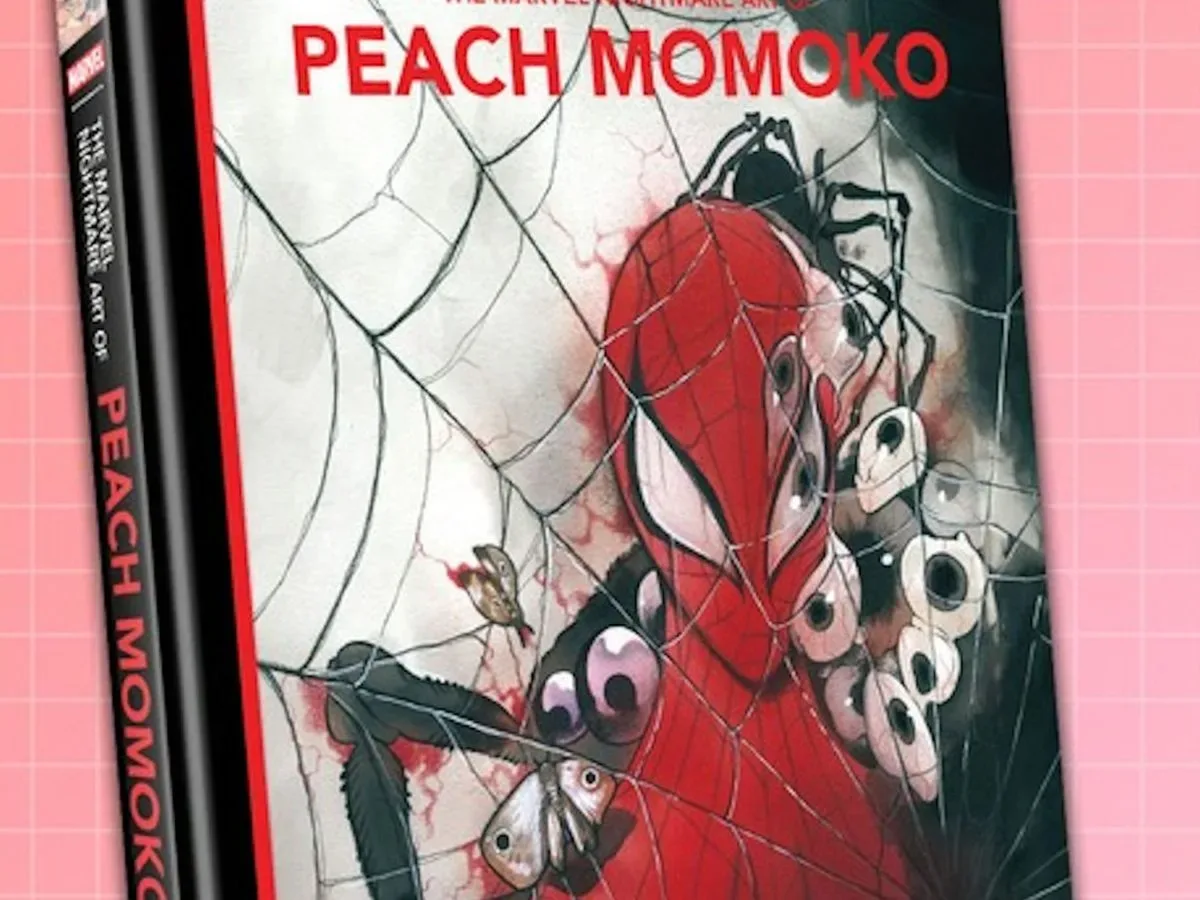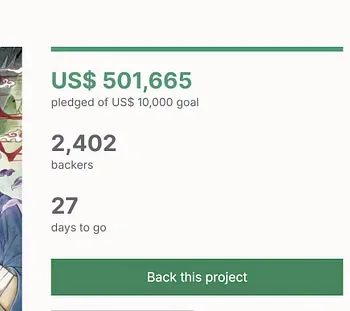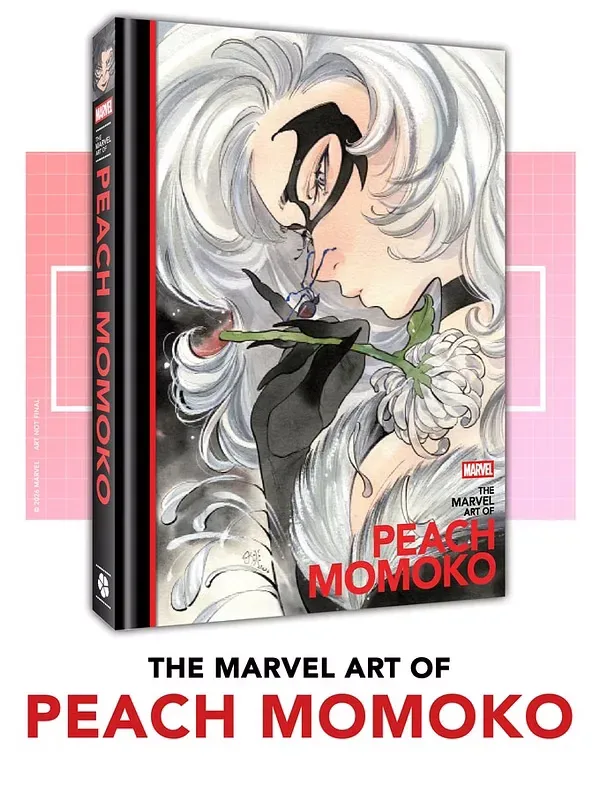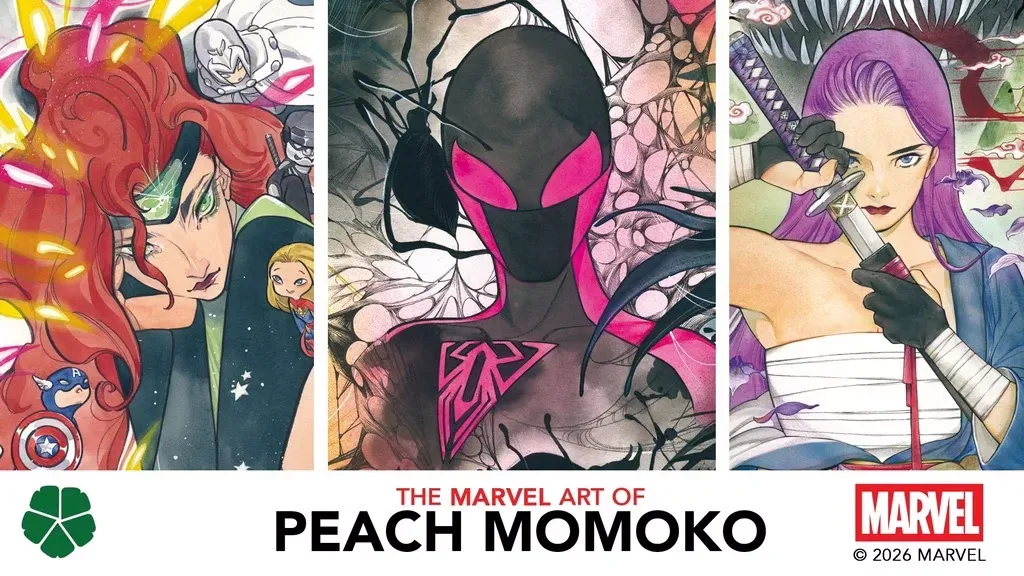
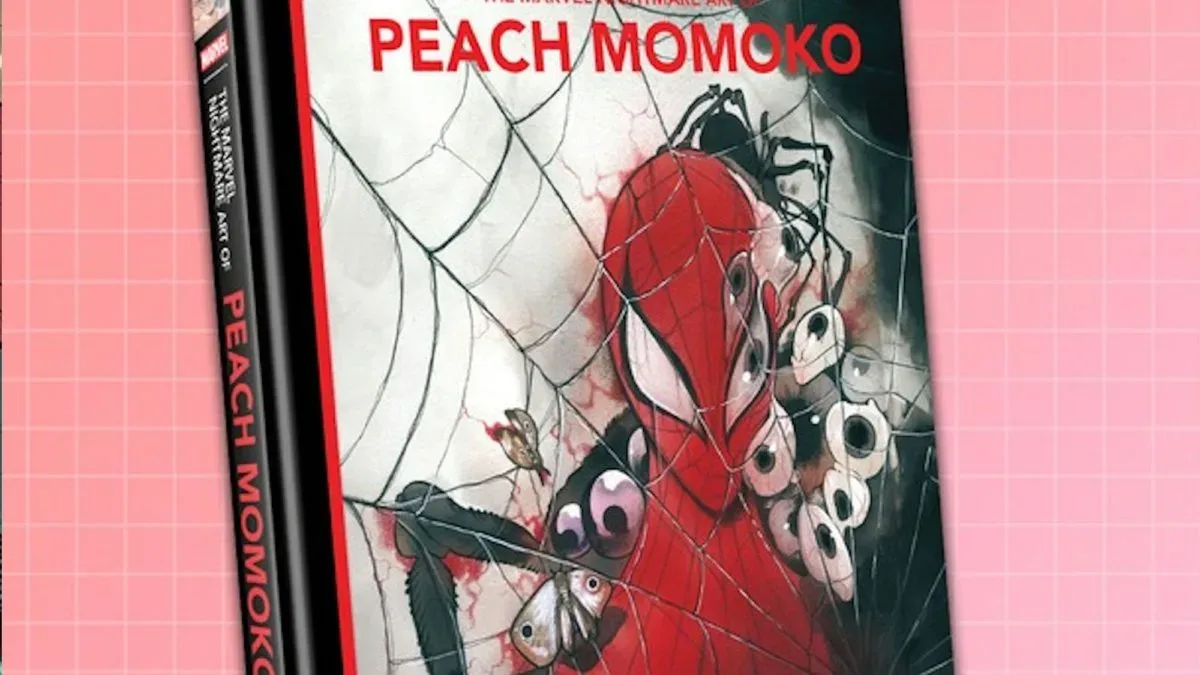
The Marvel Art of Peach Momoko, a Clover Press crowdfunding project devoted to the Marvel work of artist Peach Momoko, has moved past the half-million-dollar mark in its first day. The campaign had reached $501,665 from 2,402 backers at the reported snapshot, after previously raising $130,000 in its opening hour. Four weeks remained on the campaign clock at that point.
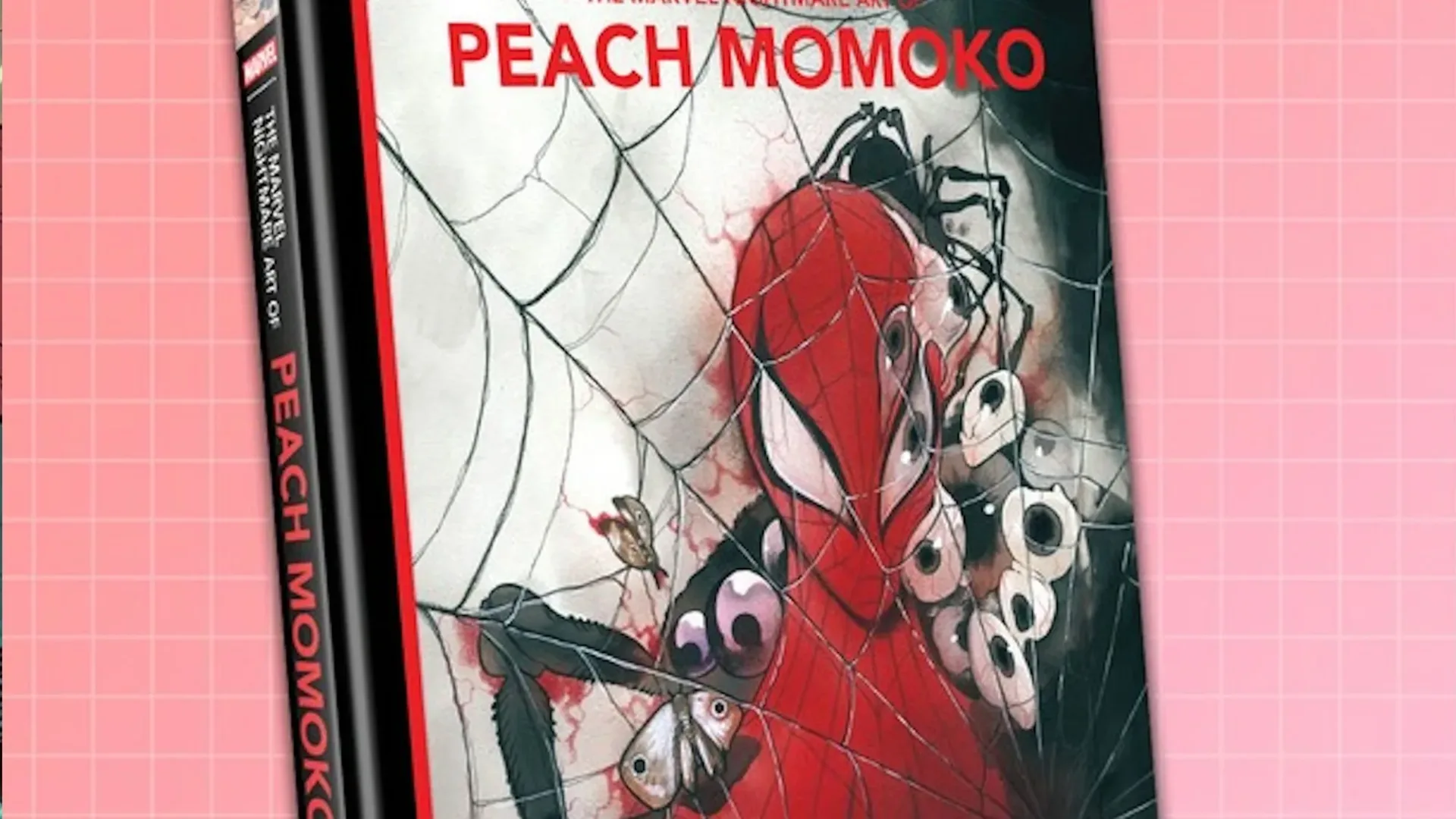
That is a substantial early response for a premium art-book release, and the project is built as more than a standard hardcover collecting images between two covers. Its central item is a 240-plus-page, 9-by-12-inch coffee-table book bringing together Momoko’s Marvel illustrations, interior-related work, and covers. The broader campaign also includes large-format prints, stickers, a puzzle, portfolio material, retailer bundles, signed editions, and other campaign-exclusive items.
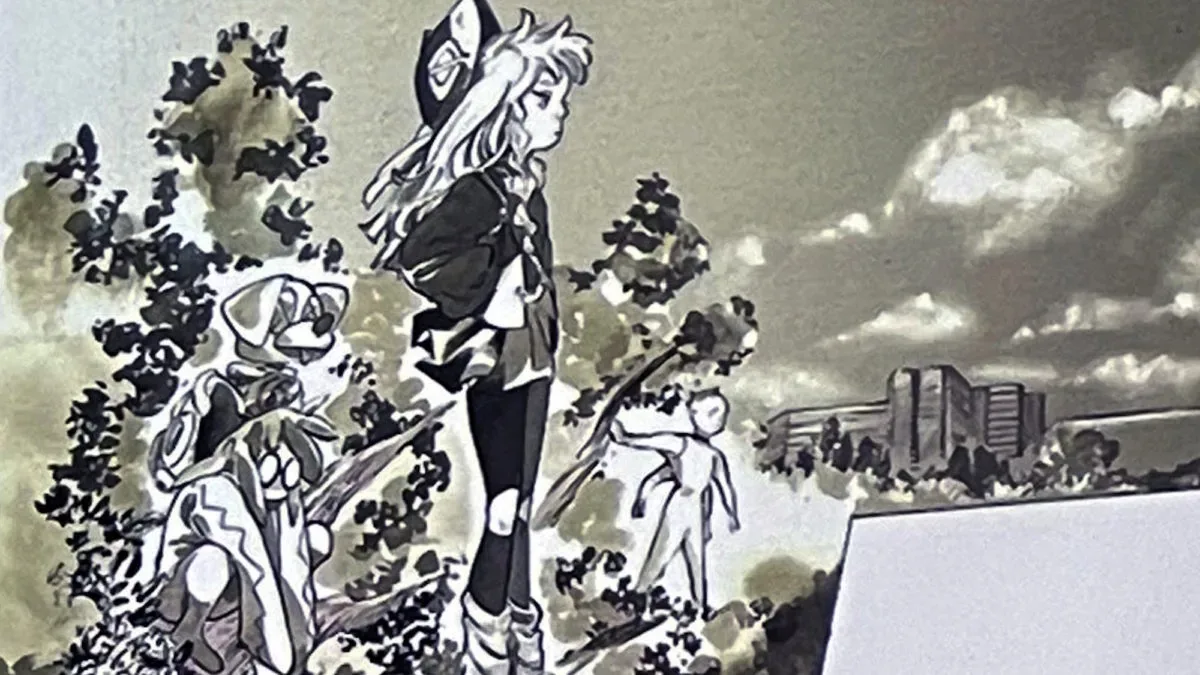
For readers who know Momoko primarily through a striking cover on a comic-shop wall, the book’s appeal is straightforward: it aims to put work from multiple corners of Marvel’s line into one oversized, presentation-minded volume. The announced selection spans Ultimate X-Men, Demon Days, and artwork featuring characters including Jeff the Land Shark, Spider-Man, and Elektra.
A rapid opening for a premium-format Marvel art book
The $501,665 total is not a final sales figure; it is a campaign total recorded with four weeks still to run. That distinction matters. Crowdfunding pledges can continue to change as the campaign develops, and the ultimate total, final backer count, and mix of rewards are not established by this early milestone.
For more context, explore Walmart’s Apple Pay Option Vanishes From Its App and Website Weeks After Appearing.
Even so, the first-day numbers show that the campaign found an audience quickly. Reaching $130,000 during the first hour and then crossing $500,000 within a day signals broad initial demand across the offered reward levels rather than a slow-building launch.
For collectors, this is also a reminder that a crowdfunding art book works differently from picking up an ordinary collected edition after release. The campaign specifically says a number of its extras will not be sold through retail shops. That makes the pledge decision partly about the book itself and partly about whether a buyer values the exclusive formats and companion items.
What the project is offering
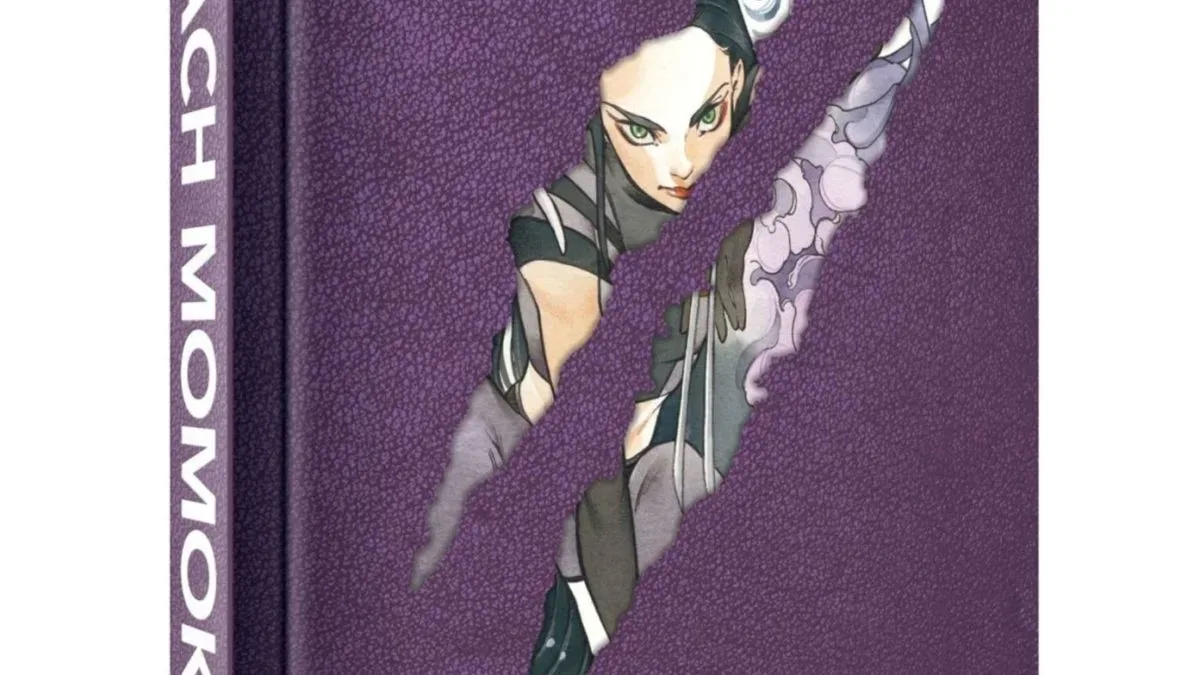
The core book is positioned as a high-end hardcover art volume. Clover Press lists the regular hardcover at $80, while a slipcased version is listed at $95. A signed slipcased edition is listed at $135. Those figures establish the main entry points, though the campaign also has other configurations, including retailer bundles, portfolio packs, stickers, and additional extras.
The physical specifications are meaningful here. A 9-by-12-inch book is larger than a standard comic collection, giving cover art and individual compositions significantly more room on the page. “Coffee-table book” is a publishing description rather than a formal technical format, but it generally indicates a large, display-oriented hardcover intended to showcase visual work at a generous scale.
The promised page count—more than 240 pages—also suggests that the volume is designed as a substantial survey rather than a small sampler. It does not, however, establish precisely how much work from each Marvel project will appear, how the book will be sequenced, or whether every item shown will be reproduced at the same size. Prospective backers should separate the stated format and featured bodies of work from details that have not been specified.
The difference between the book and the campaign extras
The hardcover is the foundational edition. The slipcase is a protective outer housing for the book and can be particularly attractive to collectors who want a more display-focused presentation or an added layer of shelf protection. The signed edition adds a signature, which makes its value proposition distinct from the unsigned slipcase rather than simply making it “more complete.”
Beyond those editions, the project includes 11-by-17-inch prints, stickers, a puzzle, portfolio packs, and variant or exclusive cover-related material. These are separate collectible formats with different practical considerations:
- Prints emphasize a single image at a larger display size, but require safe storage or framing to avoid bends, fading, and surface wear.
- Stickers are compact campaign memorabilia; whether to use or preserve them is a collector’s personal choice, but using them naturally changes their condition and presentation.
- A puzzle turns the artist’s imagery into a functional item rather than a book or wall display piece.
- Portfolio packs generally place the emphasis on individual art pieces instead of bound reproduction, although buyers should rely on the campaign’s exact contents for what a particular pack includes.
- Retailer bundles are relevant to comic shops and other sellers, not necessarily individual readers seeking one copy of the book.
These distinctions are practical, especially because the campaign describes certain Kickstarter exclusives as unavailable at retail. “Exclusive” here is most useful as an availability term: it means a collector should not assume that every add-on or campaign-specific variant will be easy to obtain later through a normal shop order.
Why Peach Momoko’s Marvel portfolio suits an art-book survey
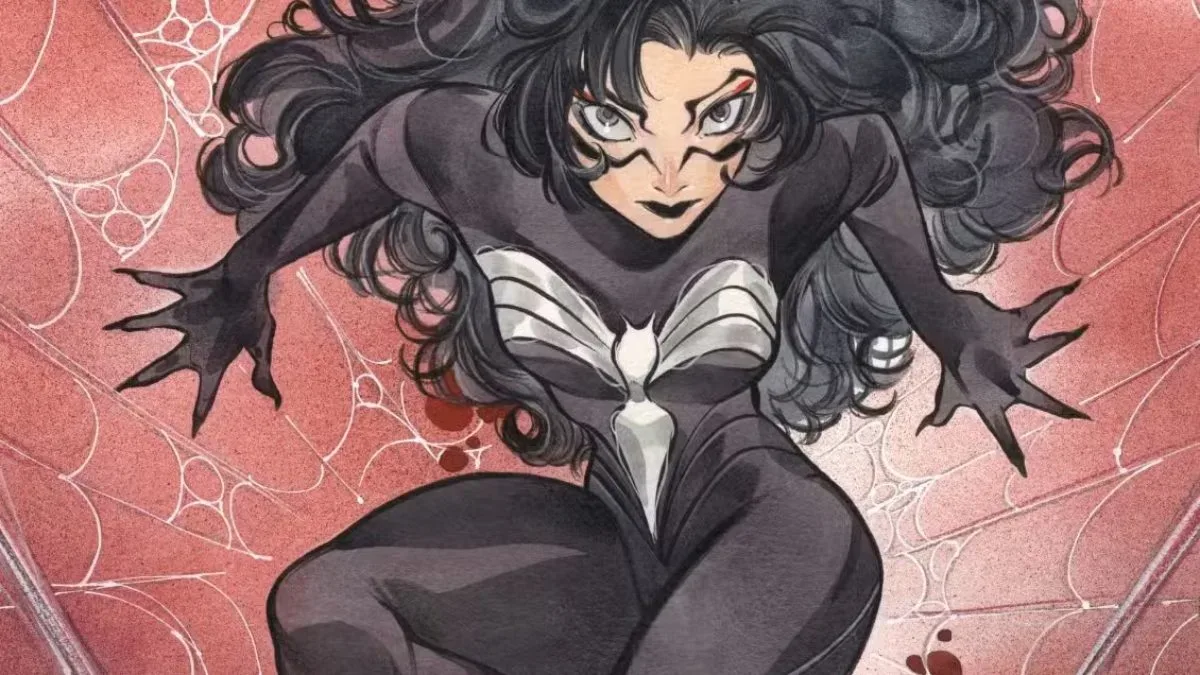
Momoko’s Marvel output encompasses both story-connected projects and cover illustration. That breadth is central to the premise of this release. Demon Days and Ultimate X-Men point to work associated with major comic narratives, while covers featuring Spider-Man, Elektra, and Jeff the Land Shark show the character-focused illustration side of the portfolio.
An art book can provide a different way to engage with that material than a conventional comic collection. A comic collection is typically organized around reading a story in sequence. An artist survey instead foregrounds the images, allowing readers to view work across different series, characters, and publication contexts together. That shift can be especially valuable when an artist’s work has appeared across many covers and projects that were originally separated by issue number or title.
The announced book should not be mistaken for a replacement for reading the underlying comics. It is a curated presentation of artwork, not a stated omnibus of the relevant Marvel stories. For a fan deciding between formats, the distinction is simple: story collections are for narrative continuity, while this volume is aimed at appreciating the artist’s body of work in a larger-format package.
Where this book fits in Clover Press’ Marvel art line
The Marvel Art Of... series began in 2023 with books focused on David Mack and Alex Maleev. Subsequent volumes have featured Michael Allred, Russell Dauterman, Mike Del Mundo, Dan dos Santos, Tyler Kirkham, David Nakayama, Michael Turner, and Mike Zeck.
That existing roster provides useful context for the Peach Momoko project. This is not presented as a one-off experiment; it is part of an established sequence of artist-centered Marvel books. The series format places the artist, rather than a single character or storyline, at the center of the product.
Clover Press is led by IDW co-founder Robbie Robbins and former DC executive Hank Kanalz. Its publishing range includes remastered editions of classic newspaper strips, horror graphic novels, collected material, and high-quality art books. More entries in The Marvel Art Of... line are planned for announcement in the months ahead.
What buyers should weigh before choosing a tier
The campaign’s early funding success is newsworthy, but it does not answer which version makes sense for every buyer. The decision comes down to format preference, budget, and how much the non-book material matters to the individual collector.
- Start with the book. The $80 hardcover is the clear choice for someone whose priority is the 240-plus-page art survey itself.
- Consider the slipcase for presentation. At $95, the slipcased edition is a step up for collectors who care about a more deluxe shelf presence.
- Treat the signature as a separate premium. The $135 signed version has an added collectible dimension, but it is not necessary to experience the book’s contents.
- Check add-ons for genuine interest, not momentum. Prints, stickers, and puzzles serve different collecting habits. A campaign’s fast pace can create urgency, yet the most useful reward is the one a buyer intends to keep, display, or use.
- Remember the retail-exclusivity note. Buyers who specifically want campaign-only material should pay close attention to the relevant reward descriptions rather than assuming the items will later be available individually.
With four weeks remaining when the $501,665 figure was reported, the campaign still had room to evolve. What is already clear is the scale of its opening response: thousands of backers quickly rallied behind a large-format look at Momoko’s Marvel work, with editions ranging from a straightforward hardcover to signed and accessory-heavy collector options.