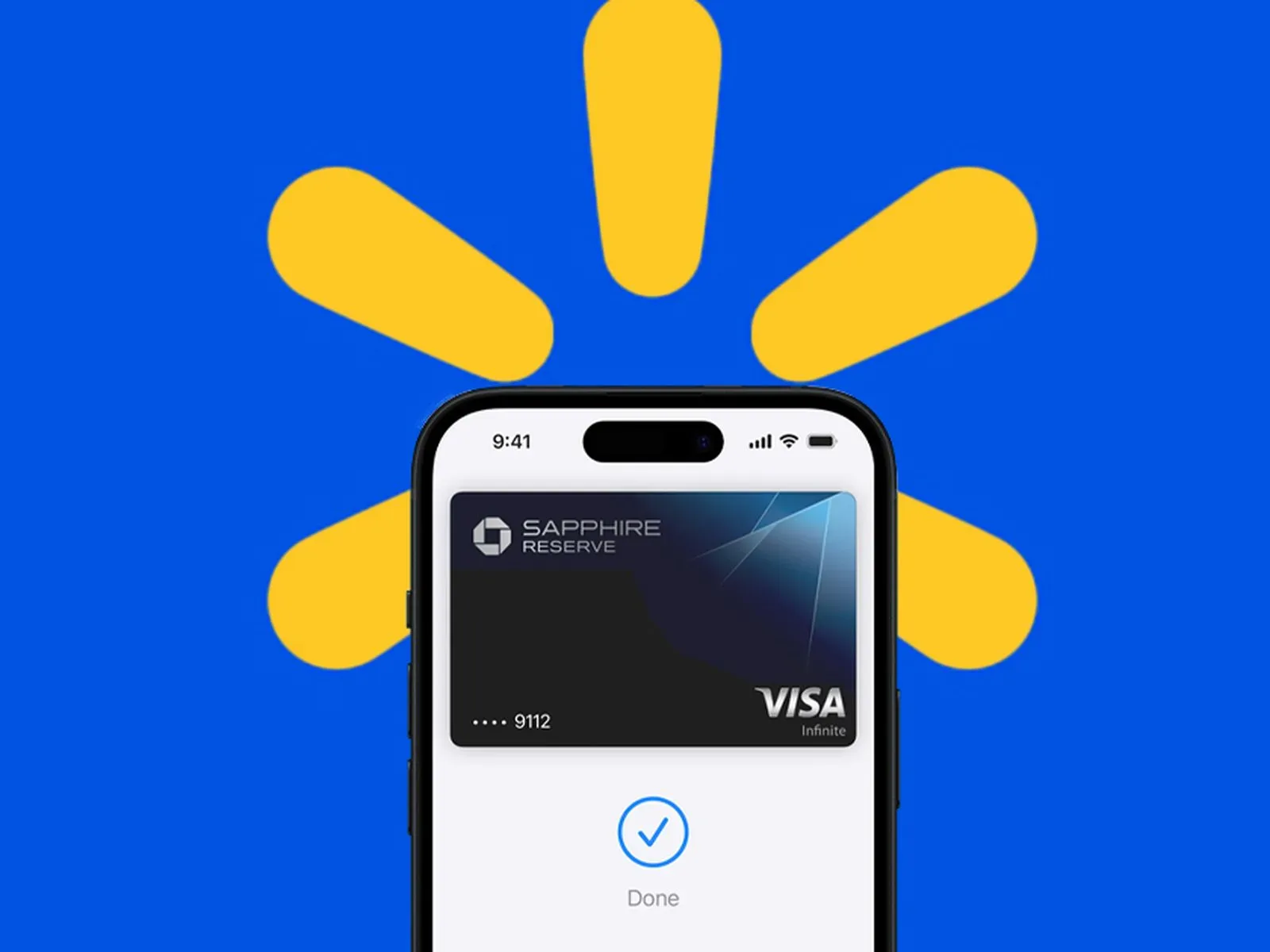
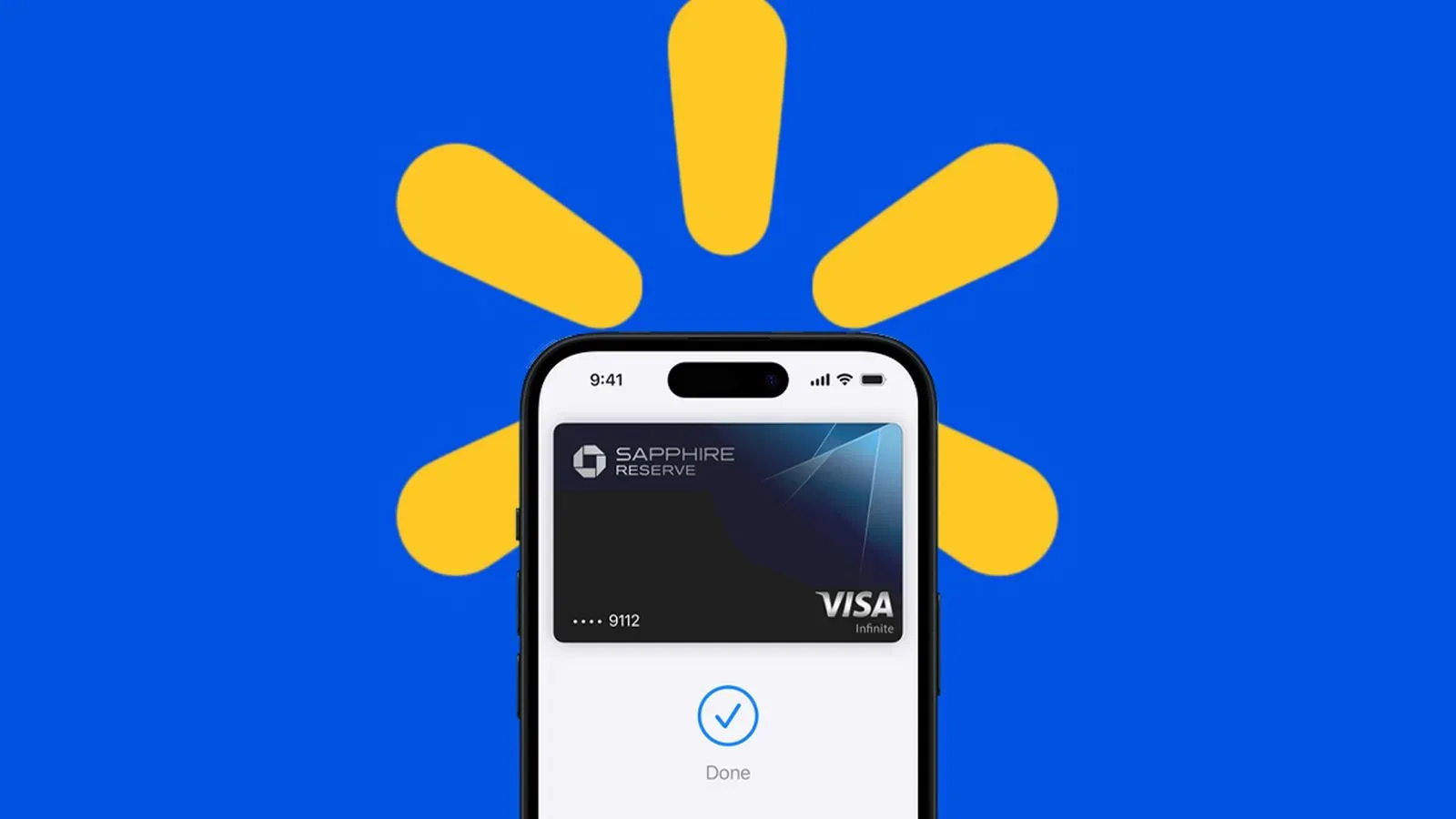
Walmart’s brief expansion of Apple Pay beyond the checkout counter appears to have hit an unexpected pause. The payment option recently showed up in the retailer’s iPhone app and on its website, but it is no longer visible for at least some U.S. users only weeks later.
The reason for the apparent rollback has not been established. There is also an important uncertainty: some customers may still see Apple Pay, leaving open the possibility that Walmart is running an A/B test rather than removing the option for everyone permanently.
That distinction matters. A full withdrawal would mean a payment method that had reached the app and web checkout has been pulled back. A test, by contrast, means different groups of users can be shown different versions of the same checkout flow while a company evaluates how those versions behave. From a shopper’s perspective, the result looks identical in the moment: Apple Pay may be absent. But it does not, by itself, reveal whether the feature is gone for good.
In-store Apple Pay remains a separate matter
The online and app change does not mean Walmart has stopped taking Apple Pay in its U.S. stores. It still accepts the wallet for in-person purchases after introducing tap-to-pay support earlier this year.
That separation is easy to miss because “Apple Pay support” can describe several different checkout experiences. An in-store transaction involves a customer presenting a phone or compatible device at a payment terminal. Buying through a website or retailer app involves a digital checkout option inside software. A retailer can support one of those paths without necessarily offering the other.
For now, the practical picture is therefore split:
- U.S. stores: Apple Pay remains accepted for in-person, tap-to-pay purchases.
- Walmart app and website: Apple Pay is not currently visible for at least some U.S. users.
- Feature status: It is unclear whether the missing online option is a broad rollback or part of an A/B test.
Why the missing button is notable
Checkout is one of the most sensitive parts of any shopping app or site. It is where a customer goes from browsing to completing an order, so even a small change can shape how straightforward that final step feels. The presence or absence of an Apple Pay button can affect which payment route a customer chooses, but the available information does not establish why Walmart changed the experience or what the company may be measuring.
It would be premature to treat the change as evidence of a technical failure, a policy dispute, or a final decision about Apple Pay online. None of those explanations has been provided. The only firm observation is that the option appeared recently and then ceased to appear in the Walmart app and on Walmart’s website for some U.S. users.
That limited certainty is especially relevant in a world of changing digital storefronts. App interfaces can differ by account, device, location, software version, or experiment group. A customer who sees the option cannot assume every shopper has it; equally, a customer who does not see it cannot conclusively establish that the feature has disappeared everywhere.
What A/B testing means here
An A/B test is a controlled comparison between versions of a product experience. In this case, one group could potentially be shown an Apple Pay checkout option while another is not. The purpose is generally to compare outcomes from different designs or features. The available information raises this as a possibility, not a confirmed explanation of Walmart’s current setup.
For users trying to make sense of conflicting reports, the takeaway is simple: individual checkout screens are snapshots, not definitive proof of a nationwide policy. If Apple Pay appears on one device but not another, that inconsistency would fit the possibility of a limited rollout or test. It would not explain the reason behind the variation.
This is a reminder that a payment method’s availability is not always a single on-or-off switch. It can be specific to the channel where a purchase happens. The same retailer may have one set of choices at a physical terminal, another in a native iPhone app, and another on a web checkout page.
What shoppers can do now
Customers planning an in-person Walmart visit can still use Apple Pay at U.S. stores. Customers placing an order through the app or website should check the payment methods presented during checkout rather than relying on the option’s short-lived appearance earlier in the rollout.
If Apple Pay is not displayed, shoppers will need to use one of the alternatives made available in that checkout flow. Nothing in the current information indicates when the online option might return, whether it will return, or whether availability differs across users intentionally.
The episode also illustrates why convenience features receive so much attention despite looking small on a screen. Payment shortcuts are part of a wider effort to reduce steps between intent and purchase, much like the phone-level controls discussed in Pixel Quick Tap’s one-handed shortcut approach. The comparison is about interface design, not a claim that the two features work the same way: both show how a modest control can become noticeable when it changes a routine action.
What is known—and what is not
The known facts are narrow. Walmart recently added Apple Pay to its iPhone app and website, and the option now appears absent for at least some users in the United States. Apple Pay continues to be accepted at Walmart’s U.S. physical stores. The company’s reason for the online and app change is unknown.
Everything beyond that needs to remain clearly labeled as uncertain. An A/B test is possible because some users may still see the option, but it has not been confirmed. There is no established timetable for a wider return, no stated explanation for the disappearance, and no basis to say the change affects every customer.
Until Walmart clarifies the situation or the option becomes consistently visible again, the safest reading is that Apple Pay’s online availability at Walmart is unsettled. The in-store tap-to-pay option remains available; the app and web version is, at minimum, inconsistent.