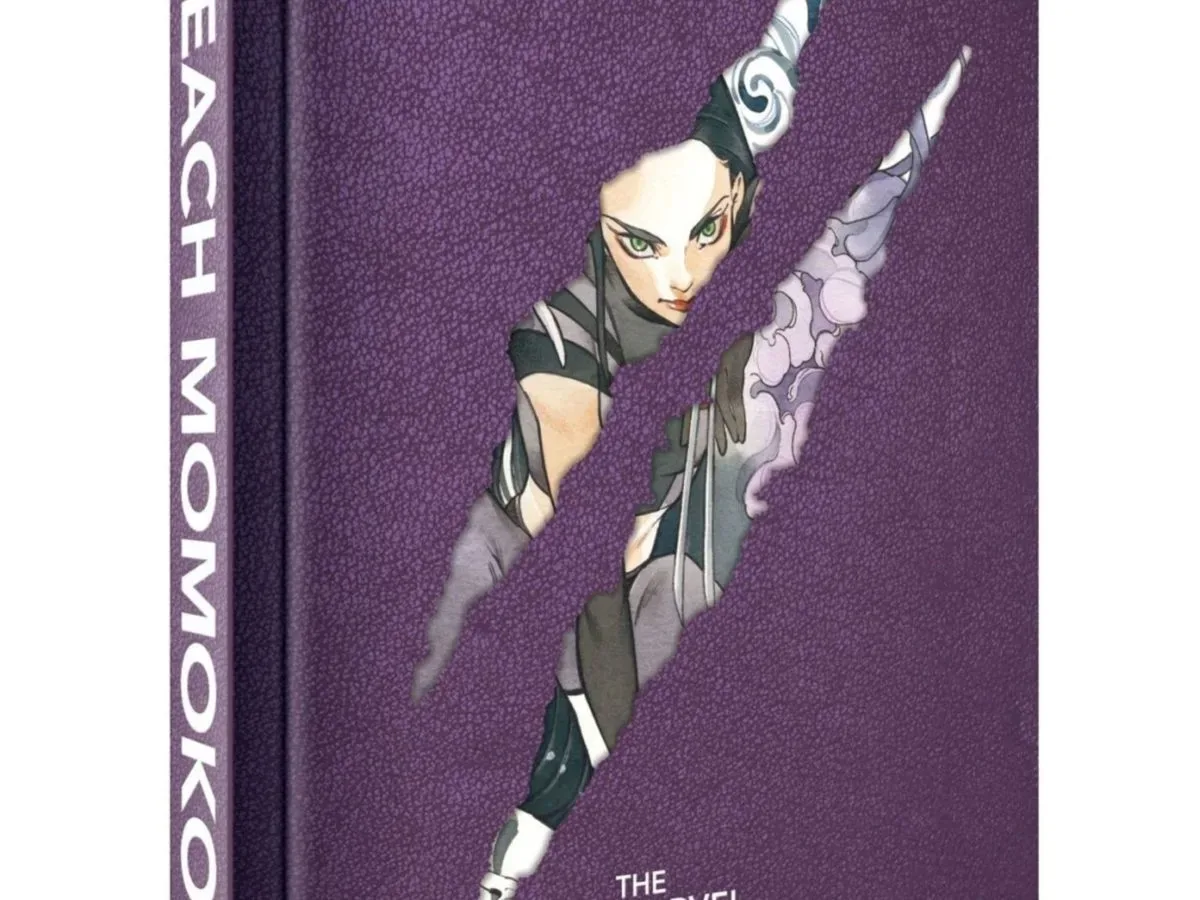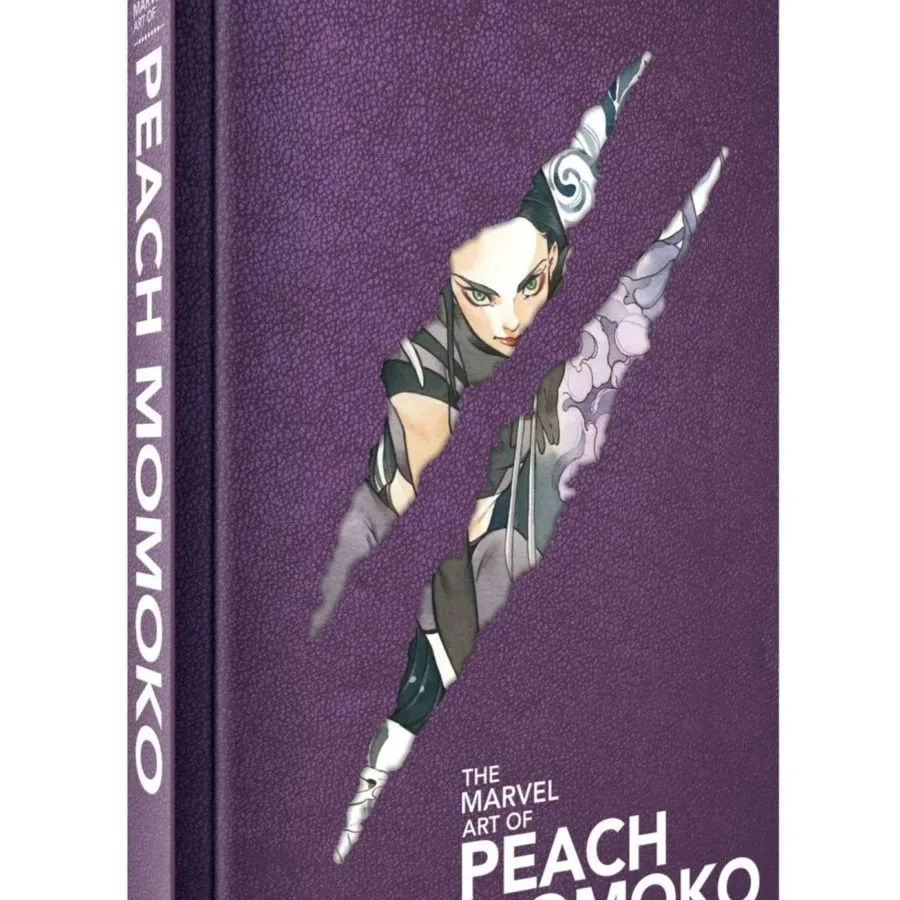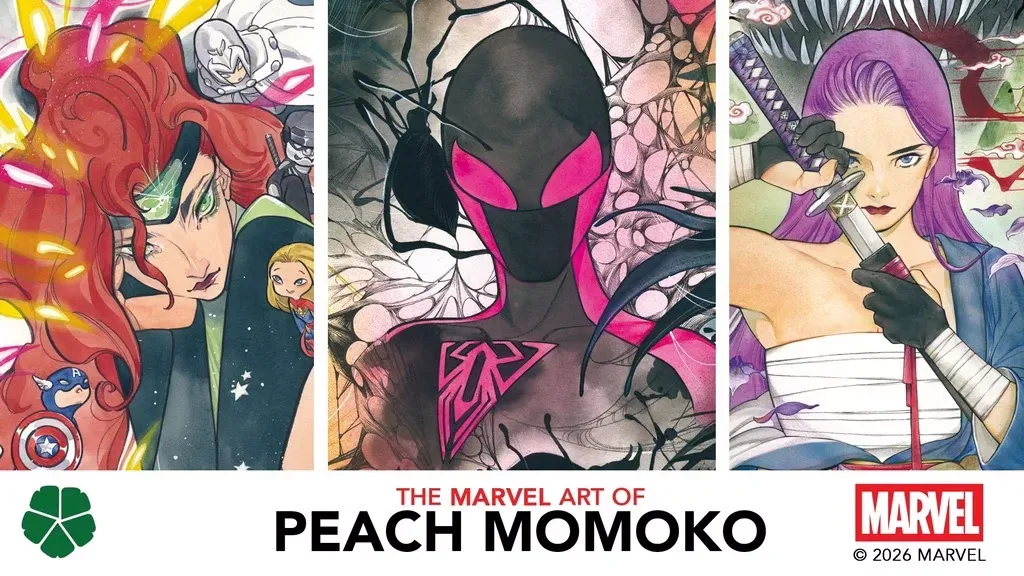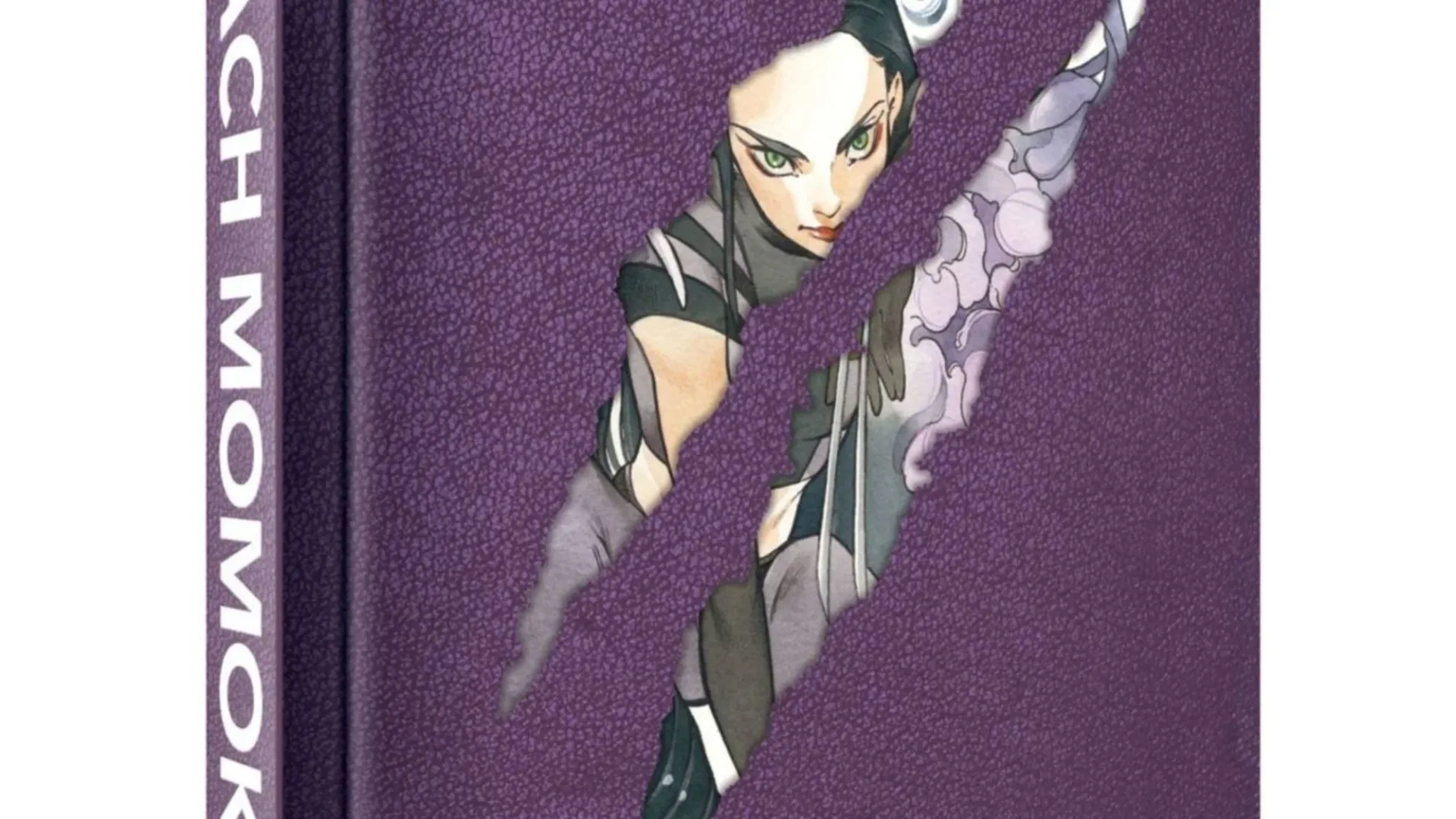
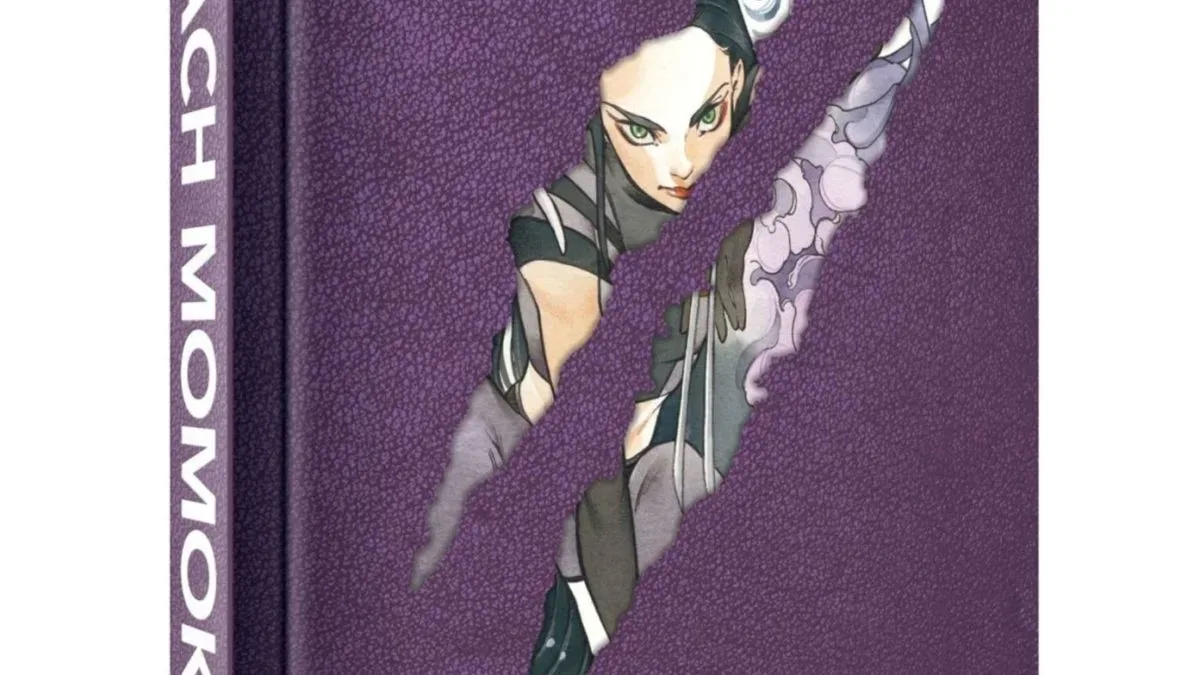
Peach Momoko’s Marvel artwork is set to receive a dedicated oversized collection through The Marvel Art of Peach Momoko, a Kickstarter-backed release from Clover Press. The 200-plus-page, 9-by-12-inch coffee-table book is the 11th entry in the publisher’s ongoing The Marvel Art Of… line, a series built around individual Marvel artists and artwork described as rare or previously unseen.
The campaign’s reward list goes beyond the main book. It includes a Peach Momoko journal, 11-by-17-inch print portfolios, posters, stickers, a puzzle and signed books, with some items identified as Kickstarter exclusives. The journal is especially notable because it shifts the project from being solely an archival art-book release into a broader line of artist-branded physical collectibles.
What the project is collecting
The central item is a high-end art book rather than a new comics storyline. That distinction matters for readers deciding what the campaign represents. A comic collection generally assembles narrative issues in reading order; an art book instead foregrounds illustration, composition, covers and visual process. Here, the stated focus is Momoko’s work for Marvel.
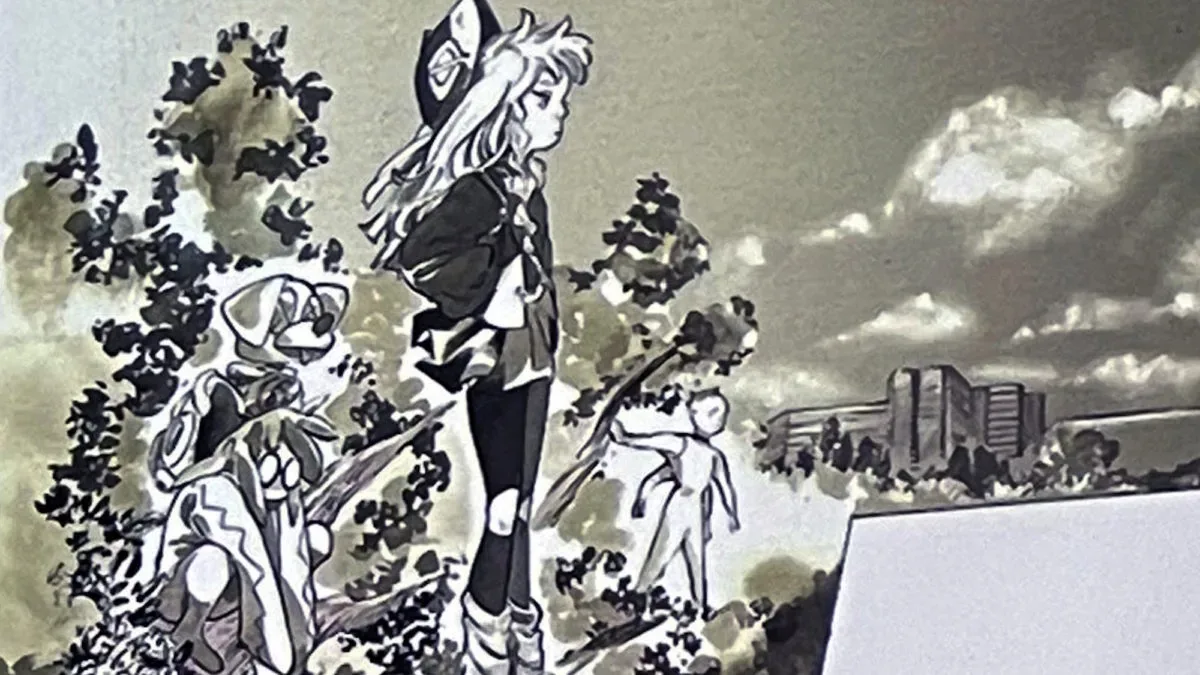
Momoko has become strongly associated with a watercolor-led approach and carefully arranged compositions. Clover Press publisher Hank Kanalz characterized those qualities as setting her work apart within comics. In practical terms, an oversized 9-by-12-inch format gives reproductions more room than a standard comic-book page, which is especially relevant for work where color, brush texture and a full-page arrangement are central to the image.
The supplied details do not identify a final table of contents, a print run, a reward-by-reward configuration, or the exact contents and format of the journal. That means prospective backers should treat the confirmed information narrowly: the journal is one listed reward, while the campaign also names the book, portfolios, posters, stickers, puzzle and signed-book options. It would be premature to assume which covers, characters, sketches or other material appear in a particular tier without those specifics.
Why Peach Momoko is a natural fit for an art-book volume
Momoko’s Marvel body of work spans both covers and interior storytelling. She wrote and drew Demon Days, and her Marvel work also includes 24 issues of Ultimate X-Men. Her covers have earned Eisner recognition, placing the project’s focus on her artwork rather than on one character or one series.
That range is useful context for an art-book project. Cover illustration and sequential comics solve different visual problems. A cover needs to communicate a character, mood or premise immediately from one image. Sequential pages, by contrast, need to guide a reader through action and information over multiple panels. A collection containing material from across that range can show different uses of an artist’s visual language, even when the individual images serve very different jobs in publication.
Momoko was first discovered for Heavy Metal by Grant Morrison and later signed by C.B. Cebulski. Her subsequent Marvel profile has made her one of the prominent newer creative voices associated with the publisher. For collectors who mainly know the artist through a favorite cover, the book’s broad framing may be its chief appeal: it is positioned as a survey of Marvel work rather than a collection tied exclusively to Demon Days or Ultimate X-Men.
Marvel remains a busy area of pop-culture speculation and fandom well beyond comics publishing, as seen in the debate around the clues fans are drawing from Iman Vellani’s chair. This campaign is a different kind of Marvel interest: an object centered on an artist’s published visual work, not a tease for an upcoming screen project.
The journal and the appeal of campaign-specific extras
The journal is the campaign item that most clearly crosses from art reproduction into everyday use. Unlike a portfolio print intended primarily for display, or a puzzle designed for assembly, a journal is potentially interactive. It can be kept pristine as part of a collection, used for notes or sketches, or treated as a companion piece to the art book. Each approach carries a different trade-off for collectors, particularly when condition matters to them personally.
However, the available description does not establish whether the journal is signed, numbered, hardcover or softcover, what images it uses, or how many pages it contains. Those details can substantially affect how buyers judge an ancillary reward. A listing’s use of “exclusive” also should not automatically be read as a statement of long-term rarity or resale value. It establishes campaign availability as described, not a future market outcome.
The other extras point toward several different collector preferences:
- Print portfolios are suited to collectors who want individual images at a larger display-oriented size.
- Posters offer another wall-display format, distinct from a bound art book.
- Stickers are smaller-format items that may appeal to fans who want a lower-commitment piece of the campaign’s artwork.
- The puzzle turns a selected image into a participatory item rather than a page or print to preserve.
- Signed books place emphasis on the copy as a collectible object, though the provided information does not specify signing details or quantities.
For buyers, the important practical question is not simply which item sounds most exclusive. It is which format matches the reason for backing: reading and studying artwork, displaying it, using a themed journal, or keeping a signed volume as part of a comics collection. The main book and the accessory items perform different roles, and the evidence currently available does not support treating any one reward as inherently more scarce or valuable than another.
A growing line of Marvel artist spotlights
The Marvel Art Of… debuted in 2023 with volumes dedicated to David Mack and Alex Maleev. Later books have featured Michael Allred, Russell Dauterman, Mike Del Mundo, Dan dos Santos, Tyler Kirkham, David Nakayama, Michael Turner and Mike Zeck. The Peach Momoko book therefore arrives as part of an established format rather than a one-off experiment.
The series model has a clear benefit for comics-art readers: it puts artists at the center of the package. In monthly comics discussion, a cover artist can be celebrated issue by issue while their wider body of work remains scattered across titles, variants and years. A dedicated volume consolidates that attention around the creator. The value of the format lies less in replacing the original comics and more in creating a larger-format companion that foregrounds the visual work.
Clover Press is led by IDW co-founder Robbie Robbins and former DC executive Hank Kanalz. Its catalogue spans remastered newspaper-strip reprints, horror graphic novels and art books, placing the Momoko release within a publisher’s wider interest in collected and visually focused editions. Additional The Marvel Art Of… books are planned for announcement in the coming months, although no names or dates for those future volumes have been provided.
What is confirmed—and what remains open
The confirmed core is straightforward: Clover Press is crowdfunding a 200-plus-page, 9-by-12-inch Peach Momoko Marvel art book, and the campaign includes a journal among its named rewards. The listed extras also include 11-by-17-inch portfolios, posters, stickers, a puzzle and signed books. Momoko’s Marvel credentials cited for the project include Demon Days, 24 issues of Ultimate X-Men and Eisner Award-winning cover work.
What has not been established in the provided material is just as worth keeping in view. There is no stated price, campaign end date, shipping timetable, final reward-tier breakdown, journal specification, print limitation, complete contents list or confirmation of how any signed editions are handled. Fans interested in a particular format should look for those particulars in the campaign materials before deciding which version, if any, best suits their collection.
For now, The Marvel Art of Peach Momoko is best understood as a substantial artist-focused Marvel collection with a wide spread of add-on formats. The journal gives the Kickstarter a distinctive practical collectible, while the book itself is positioned to showcase the work of an artist whose Marvel career includes both celebrated covers and creator-driven interior comics.