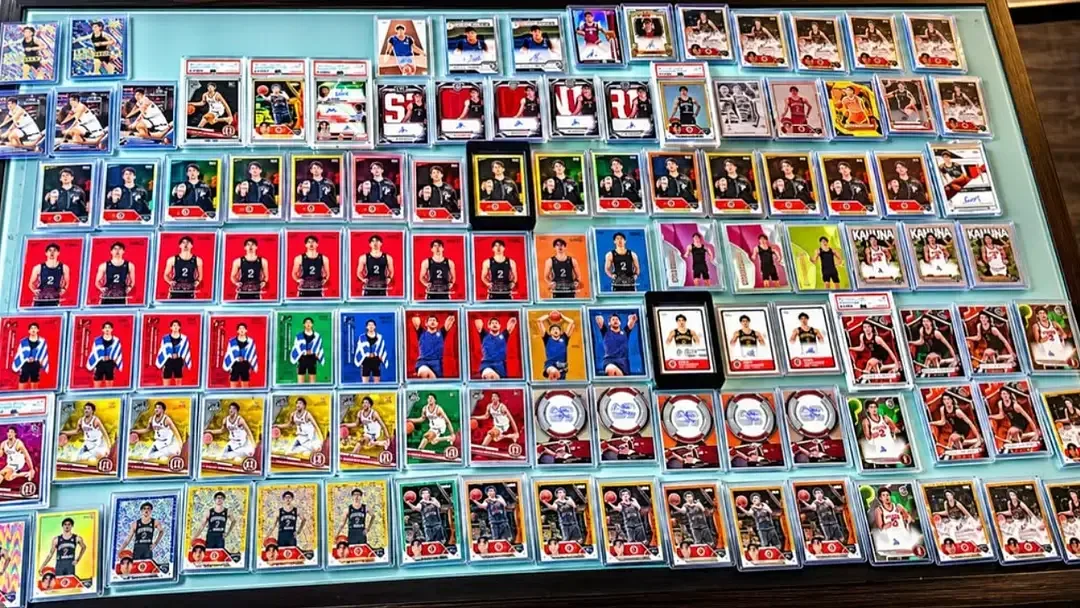
Trading cards can invite a very particular kind of tunnel vision. A new release arrives, a prized rookie catches fire, a huge pull fills social feeds, and suddenly the hobby can seem to be about only one thing: landing the card that everyone else wants.
That is one way to participate, but it is not the only one—and it is often not the most durable reason to collect. A personal collection, usually shortened to PC, puts the collector’s own connection to an item at the center. The cards may be valuable, inexpensive, scarce, common, old, new, signed, or not sports cards at all. What unites them is a purpose that makes sense to the person building the binder, box, display or checklist.
That approach can also take some pressure out of the hobby. Instead of trying to keep pace with every new hot name, a collector can define a lane, decide what fits it and enjoy the slower work of finding missing pieces. The best PC is not a universal template. It is a collection with a point of view.
Start with the connection, not the card’s ceiling
A useful first question is simple: what do I want these cards to remind me of? The answer might be a favorite team, a school, a childhood hometown, a family member, a memorable roster or an athlete whose career made a sport more engaging.
This differs from treating cards chiefly as assets. A player’s great performance can still be exciting, and it can be a nice surprise if a card becomes more desirable. But a personal collection does not depend on that outcome to justify itself. A card can matter because it depicts a player in a beloved uniform, completes a run, marks a local connection or simply makes the collector laugh.
That distinction is especially helpful when setting expectations. If a card belongs in a PC, its role is clear even if the broader market moves on. If the only reason to buy is the hope that somebody else will want it later, the collection’s identity can become much harder to sustain.
1. Build around a favorite team—beyond the obvious stars
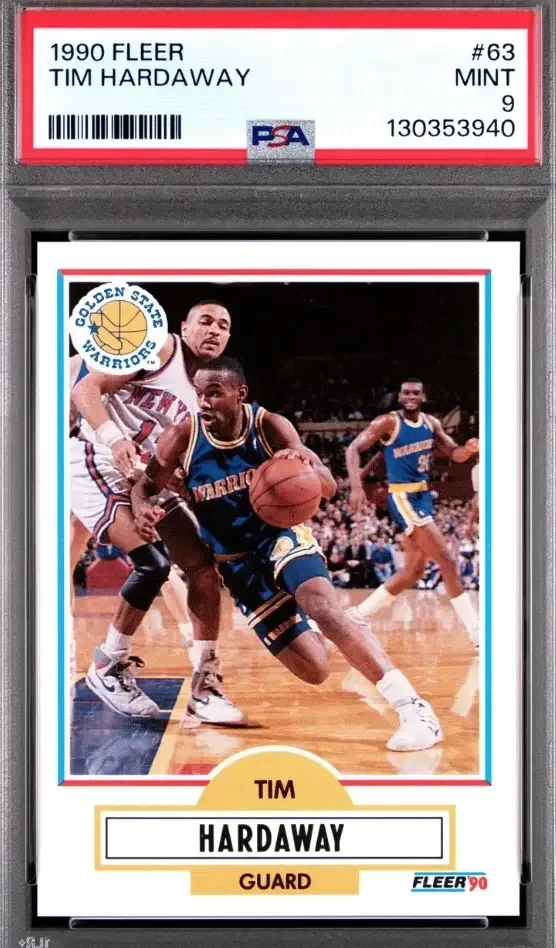
Team collecting is a natural foundation because it has room for multiple eras and personalities. A Warriors, 49ers or Giants collector may want the household names, but the deeper pleasure can come from fan favorites, former role players and local legends whose cards evoke a particular season or memory.
That is not a compromise collection. It is often a more expressive one. Superstars can be the anchors, while lesser-known players tell the rest of the story. A collector who remembers a specific postseason run, a favorite radio-era lineup or a player who seemed to make every game more fun has a reason to seek cards that do not appear on every want list.
Related coverage includes 6 Ways to Build a Personal Trading Card Collection You’ll Love.
The practical upside is that a team PC can offer many entry points. Rather than defining success as obtaining every major star card, choose a boundary that suits your budget and attention:
- one card for every player from a favorite roster;
- autographs from former fan favorites;
- cards from a particular era;
- a run of cards showing a chosen uniform or logo; or
- a mix of stars and affordable supporting players that reflects what being a fan has meant to you.
A local card shop or show outside a team’s home market may also be a useful place to look. Collectors and dealers naturally give more attention to regional demand, so a player who is treasured in one city may be easier to find elsewhere. It is a reminder to search for meaning rather than assume the most visible cards are the only worthwhile ones.
2. Let your school colors shape the checklist
College ties offer another rich route. A collector can follow alumni across sports, which creates a collection that is personal without being limited to one league. Stanford alumni such as Andrew Luck, John Elway, Cameron Brink, Katie Ledecky, Torri Huske and Christian McCaffrey demonstrate the range that a school-focused PC can have.
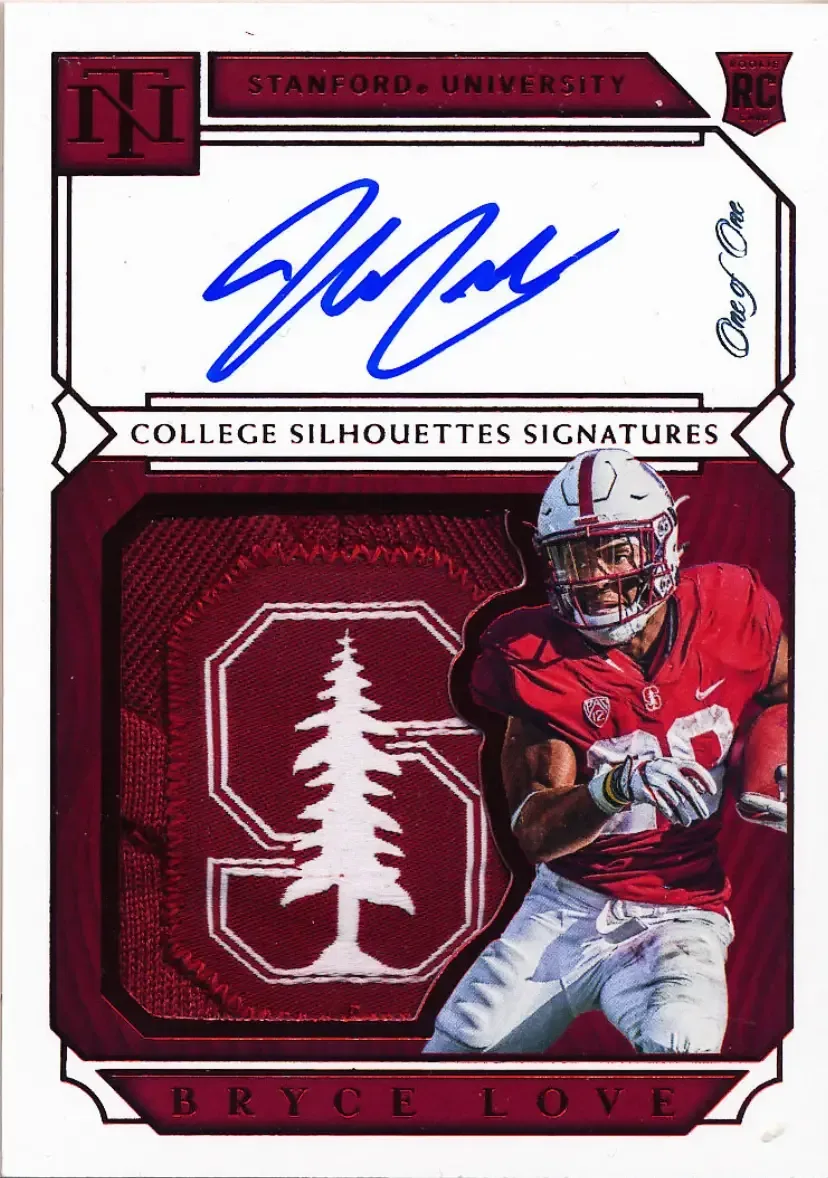
Uniform preference is important here. Many collectors seek cards depicting athletes in their professional uniforms, but collegiate cards can be exactly the point for someone who values the school connection. A Bryce Love card in Stanford gear, for example, may say more to a Stanford-focused collector than a card from later in his career. Cards featuring increasingly scarce Pac-12 patches add another route for a collector interested in that specific visual and institutional link.
School collecting can also extend beyond standard cards. Autographs acquired through the mail have been used to add signed pieces from former Stanford baseball and major-league players including Mike Mussina and Jack McDowell, sometimes for less than $20. The important practical lesson is not that every autograph will be inexpensive; it is that a defined connection can open formats and price points beyond the most heavily chased modern products.
What “go deep” really means
A school PC does not need every alumnus. Going deep can mean choosing one narrow thread—a favorite sport, a particular decade, athletes in school uniforms, or graduates who later played for a favorite professional team. A narrower definition makes decisions easier. When a card turns up, you can tell whether it adds to the story or is merely another item.
3. Pick one player and collect the entire range
Player collecting is perhaps the clearest form of a PC. Rather than repeatedly moving to the newest rookie, choose an athlete whose career, personality, team connection or sport you genuinely want to follow. The player does not have to be among the hobby’s most expensive names.
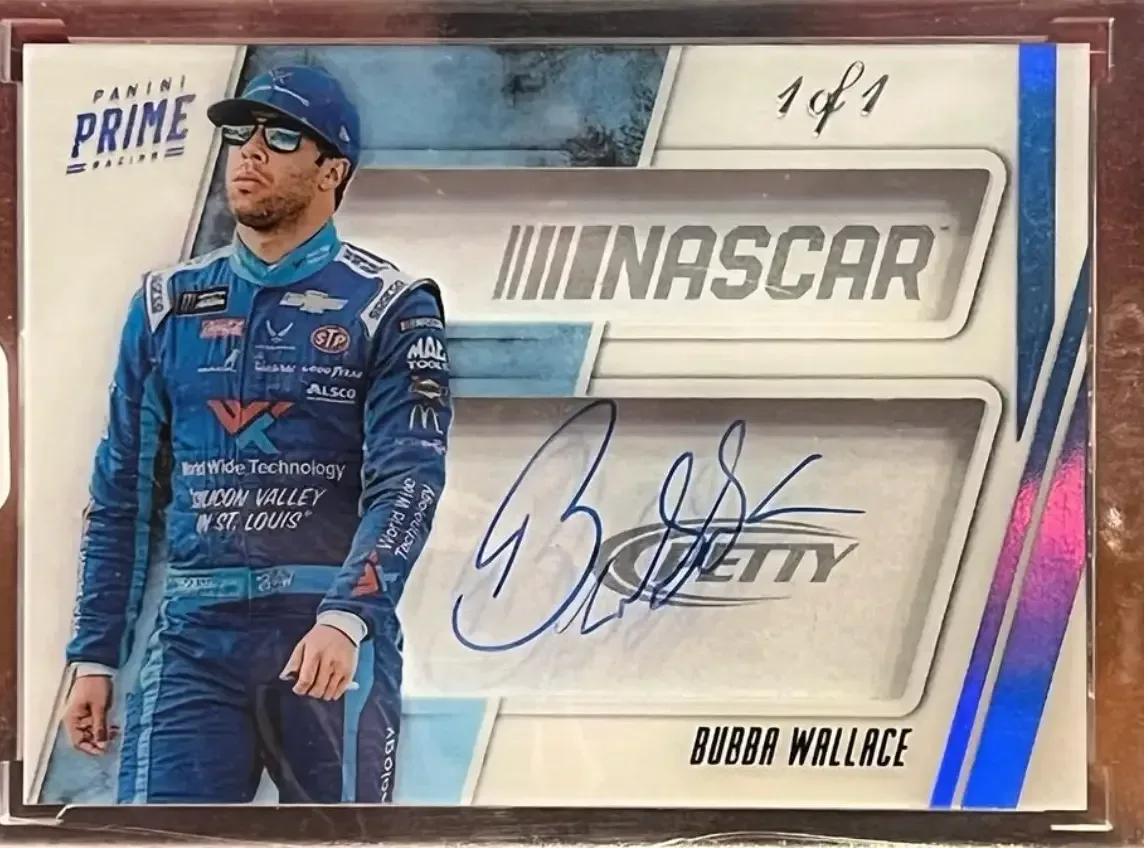
A Bubba Wallace collection shows why that can work. His move to 23XI Racing, the team associated with Michael Jordan and Denny Hamlin, gave one collector another reason to keep up with NASCAR and connect with others following the driver. In this kind of PC, the relationship to the sport can grow alongside the checklist.
There are several terms worth separating when building a player collection:
- Base or common cards: broadly available cards that can be ideal for filling out a checklist and discovering designs or sets you missed.
- Autographs: cards signed by the athlete, creating a natural focal point for many PCs.
- Race-used patch cards: cards that include a patch tied to racing use, offering a material connection that is distinct from a standard printed card.
- One-of-ones: cards produced as a single copy. They can be compelling chase cards, but they are not required for a meaningful PC.
The value of this mix is flexibility. A collector can pursue high-end cards when the opportunity makes sense, while still getting real satisfaction from an inexpensive card that is simply not already in the collection. Completion, variety and discovery can be as rewarding as rarity.
Before starting, set a realistic scope. “Every card ever made” may be overwhelming. “One example from each set,” “all cards in a certain uniform,” or “one autograph plus one base card from each year” gives the search structure without making it feel endless.
4. Mine your hometown and family history
Some of the strongest collecting ideas begin with geography. A player who attended your high school, grew up nearby or passed through a local minor-league club may carry significance far beyond their national profile.
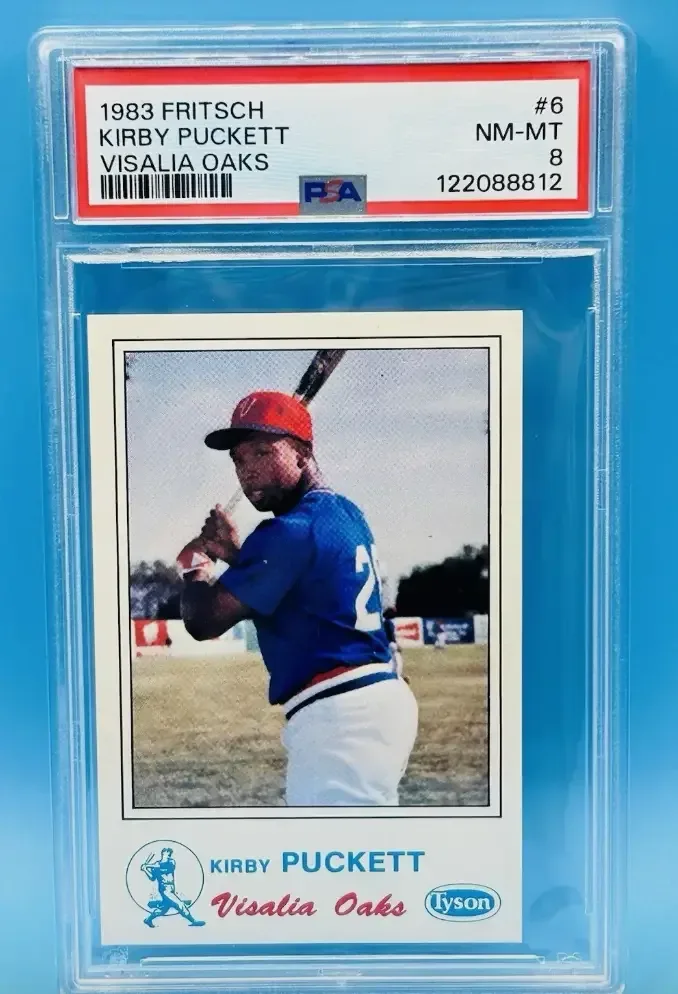
Consider the overlap around Visalia: David McCarty was both a Stanford alumnus and a former Visalia Oaks player, while Kirby Puckett also played for the Oaks. That kind of local link can make a card, or even a signed minor-league bat, feel like a record of a place and time rather than another name on a stat line. The player does not need to be a hobby giant for the connection to be real.
Family collections can provide an equally strong starting point. Instead of treating an inherited group of cards as a random assortment, look for its internal story. Perhaps a parent had favorite players, perhaps a grandparent started a set, or perhaps the cards reflect a city and sports era that matters to the family. Continuing that thread turns collecting into stewardship as well as acquisition.
For collectors who enjoy projects, local history can be turned into a manageable checklist: players from one minor-league club, graduates of one school, athletes from one county, or cards connected to a relative’s favorite team. The boundaries are yours to set, but the personal connection keeps the project coherent.
5. Make the theme the star
A collection does not require loyalty to a team, school or athlete. Themes can be visual, humorous or delightfully arbitrary: unusual uniforms, quirky photography, players with funny names, athletes who share a birthday, a favorite insert design or a specific autograph series.
An insert is a card included as a distinct subset within a product, often with its own design or concept. Building around one insert or autograph series shifts attention from individual player status to the design language of the cards themselves. It can be a satisfying way to collect across sports and eras while still following a clear rule.
Roster-based autograph projects add a more structured challenge. One example is seeking an autograph from every member of a favorite team’s championship roster. The result is not just a group of signatures; it becomes a record of a shared achievement, from the biggest names to the contributors who might otherwise be forgotten.
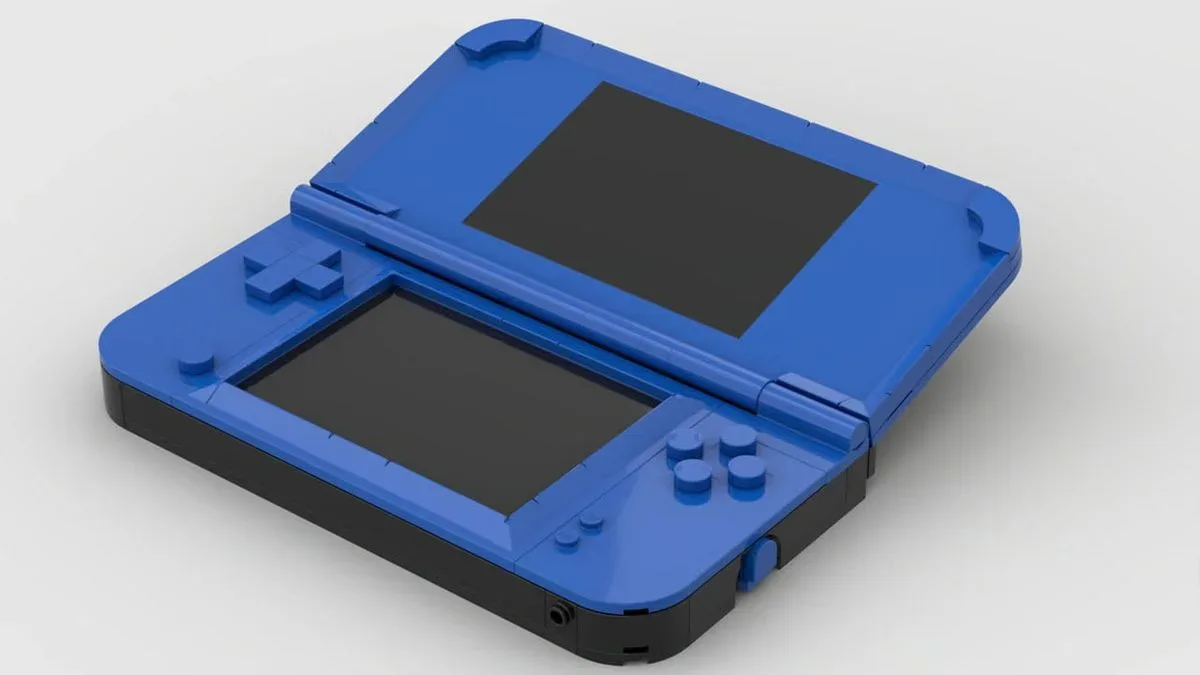
Collecting oddities has a close cousin in other fandoms. A project such as the LEGO DSi XL fan build illustrates how a very specific attachment can become the entire appeal of an object. Cards work the same way. The narrower and stranger a theme sounds to someone else, the more likely it may be to feel unmistakably yours.
6. Look outside the modern sports-card lane
Personal collecting can move comfortably beyond sports. Music, film, television and political subjects all offer possible directions, as do formats that sit outside the contemporary hobby-box conversation.
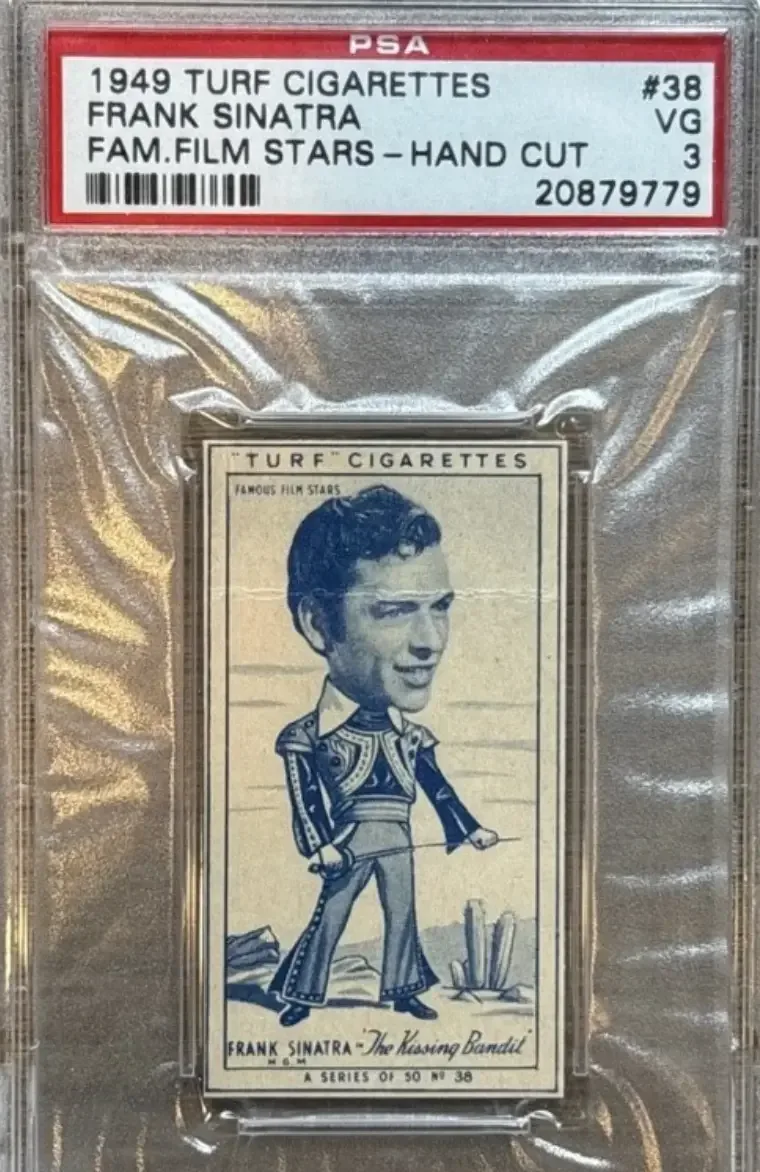
A fascination with Palm Springs entertainment history, for instance, can lead to cards and related paper collectibles featuring Frank Sinatra, Dean Martin and Jayne Mansfield. The search can extend to old postcards and international cigarette or gum cards. These items may not resemble a modern pack-pulled sports card, but they can serve the same core collecting instinct: preserving a connection to a subject, place or era.
Exploring adjacent formats also broadens how you think about a collection. Instead of asking only which sealed product to open, you can ask which object best advances the theme. Sometimes that will be a card. Sometimes it will be a postcard, a signed item or another small collectible with the right story.
Give the PC rules that help rather than restrict
The phrase “there are no rules” is true in the most important sense: nobody else gets to decide whether your collection is meaningful. Still, a few self-imposed rules can make the process more enjoyable. Keep a want list. Decide whether duplicates belong. Choose whether condition, signatures, uniforms or set completion matters most. Leave room to revise the plan when a new connection appears.
The goal is not to turn a hobby into paperwork. It is to make each purchase or trade easier to understand. A PC with a clear reason behind it is less likely to become a stack of cards bought only because they were available.
Ultimately, the reward is the chase on your own terms. A breakout game may make a card feel even more exciting, but the cards that tend to last are often the ones tied to an athlete you followed, a hometown you remember, a school you attended or an image that still makes you smile. Keep the word collect at the center of collectibles, and the collection will have a reason to grow long after the latest hype cycle has moved on.