Digital repacks are one of trading cards’ more confusing modern formats because they package several familiar hobby ideas into one fast online transaction: a mystery pull, a curated inventory, a stated value, and often an immediate offer to sell the card back. The excitement is obvious. So are the reasons to slow down before pressing buy.
At their simplest, digital repacks are mystery packs assembled by a third party rather than the card manufacturer. The operator builds an inventory of cards, assigns them to a pack or tier structure, and sells chances to receive them. The result can resemble opening a traditional product, but the important details are not necessarily the same as buying a sealed box from Topps or Panini.
The central collector question is not merely, “What could I hit?” It is, “What information can I verify before paying, and what happens after the result is revealed?” A sensible answer requires looking at the checklist, odds, conditions, valuation process, buyback policy, and the route for taking possession of a card.
What a digital repack actually is
“Digital” does not necessarily mean the card itself is digital. These offerings can involve physical cards held by the operator or in a vault, with the pack-opening experience occurring online. The buyer is assigned an outcome from the company’s inventory and may then have choices such as keeping the card in custody, arranging shipment, or accepting a buyback.
Many repacks use tiers. A lower-cost pack can have a different pool of possible cards from a higher-cost pack, with separate odds and a separate checklist or hit list. Other services use one shared checklist across multiple price points. Neither structure is automatically good or bad, but each changes what a buyer needs to understand. In a tiered structure, collectors should inspect the information attached to their specific tier, not just the most impressive cards advertised anywhere on the platform.
A checklist is the inventory disclosure: the cards that may be pulled. A hit list is often a shorter version that emphasizes notable outcomes. An odds sheet explains the chance of landing stated categories or tiers. These are not interchangeable. A flashy hit list may demonstrate that a desirable card exists, while a complete checklist and odds disclosure give far more useful context about the broader pool and the likelihood of reaching its upper end.
Price is only the starting point
Digital-repack prices can range dramatically. Some offerings begin as low as $1, while many begin closer to $25. At the upper end, Trove and Arena Club have offered packs up to $5,000, while Courtyard has offered a pack up to $10,000. A bigger entry price does not by itself establish a better value proposition; it usually means a different checklist, a different pool of possible outcomes, or both.
That distinction matters because collectors can easily compare prices while accidentally comparing unlike products. Two $25 packs may carry very different information disclosures, eligible cards, grading standards, delivery choices, and repurchase terms. Likewise, a very inexpensive opening can be entertaining without being a realistic route to a major card. Low cost and low odds can travel together.
Before treating a purchase as more than entertainment, a buyer should be able to identify exactly which pack is being bought, which pool governs it, and whether the prominently advertised cards are genuinely available in that pool. A clear product page should make this easier, not require detective work.
Transparency: the pre-purchase test
The strongest practical safeguard is information available before a buyer opens a pack. A company that supplies a checklist or a meaningful hit list, together with tier-specific odds, gives collectors a basis for evaluating the offering. Without that material, the buyer has little way to assess what is being chased or how the company has structured the chance of landing it.
Traditional manufacturers such as Topps and Panini publish checklists and odds material for their products. Third-party repacks are a different kind of product, but the consumer need for clarity is not different. Buyers should expect direct answers to the basics: what cards are eligible, how outcomes are allocated, and whether the listed odds apply to the exact option in the cart.
A quick checklist for the checklist
- Is there a complete checklist, or only a marketing gallery of headline cards?
- Are odds stated for the exact tier or price point being purchased?
- Does the company explain whether the inventory consists of raw cards, graded cards, or a mix?
- When graded cards are involved, is the grading company identified?
- Can the buyer tell whether a particular big-name card remains in the available pool?
- Are conditions, variants, serial numbers, and card descriptions specific enough to identify what is at stake?
These questions do not guarantee that a pack will be financially favorable. They do, however, turn a mystery purchase into a decision made with a defined set of disclosures rather than a leap based on a highlight reel.
Why the buyback percentage is not the whole story
After a pull, the key decision is often whether to keep the card or sell it back. Some companies offer buybacks ranging from roughly 80% to 100%. A 100% figure sounds straightforward, but it is meaningful only alongside the value used to calculate it.
A buyback is an offer from the repack operator to reacquire the card. An instant buyback means the decision is available immediately after opening, sometimes under a narrow deadline. Trove, for example, has offered a 100% instant buyback when the option is selected within one minute of the opening. That is a specific condition, not a general promise that every card can always be sold back at that rate.
The number that matters is therefore not just the percentage. It is the equation behind it: buyback value = company valuation × stated percentage. If the valuation is aggressive, stale, or based on an unusual sale, an impressive percentage can still produce a result that does not reflect the broader market.
Collectors should distinguish a genuine market reference from a single eye-catching comp. A comp, short for comparable sale, is a previous sale used to estimate current value. It is useful only when the comparison is truly comparable: the same card, parallel, autograph format, grade, and condition, sold close enough in time to remain relevant.
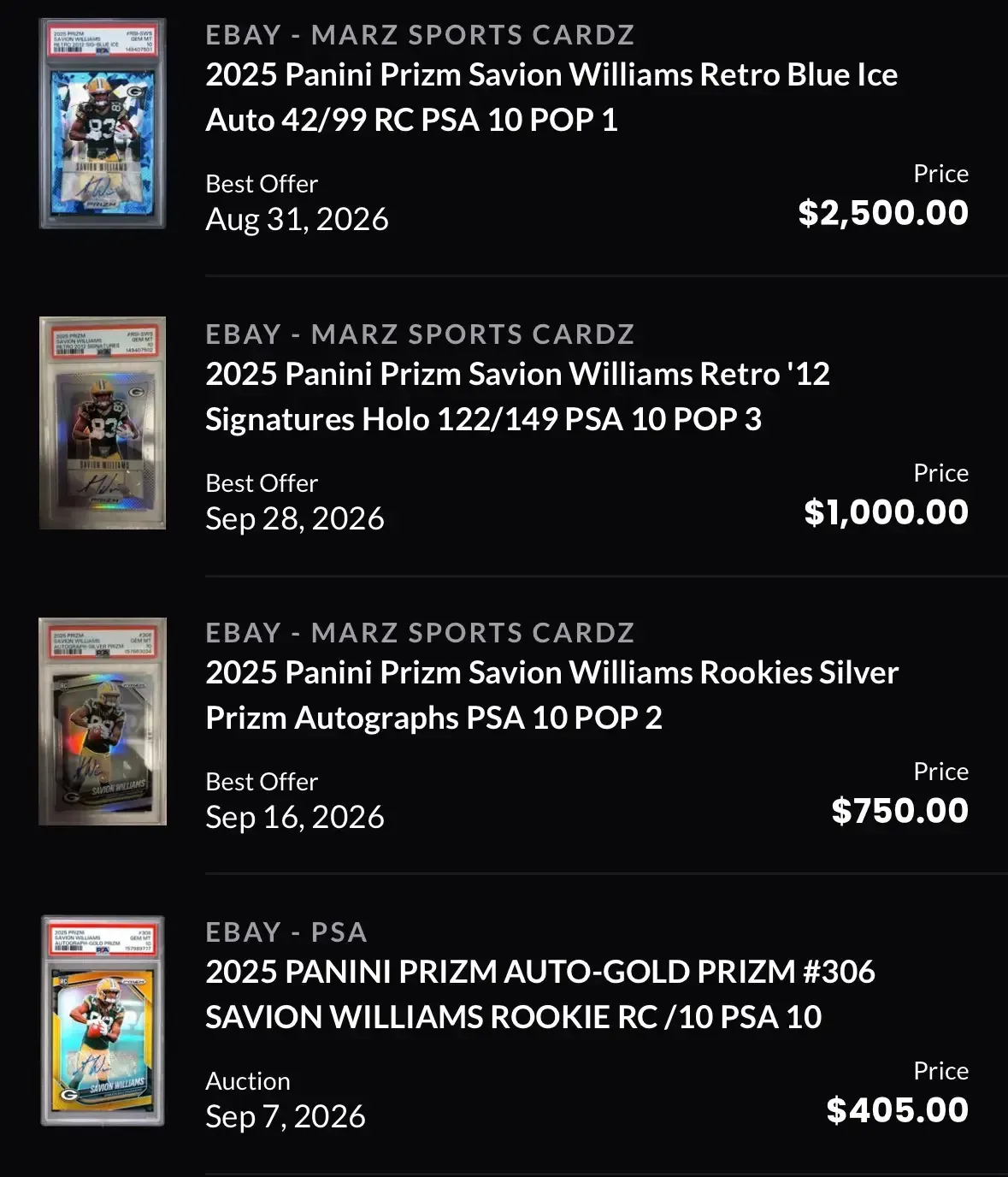
A Savion Williams example shows why this scrutiny matters. A Cracked Blue Ice Prizm Auto graded PSA 10 reportedly sold for $2,500, and a /99 auto was presented with a $2,600 valuation. Yet a Gold /10 auto sold a week later for less than 20% of that amount. Rarity does not force every card sale into a neat hierarchy, but base autos selling for roughly two to two-and-a-half times a Gold /10 naturally raises questions about the suitability of any single result used as a valuation anchor.
The sale history also reportedly showed the top three Savion Williams sales coming from the same seller. That does not prove wrongdoing. It does mean that collectors should avoid treating an isolated sale as definitive market truth, particularly when it conflicts sharply with nearby or rarer-card results.
There has also been an instance in which a paid spokesperson for a company received an offer above $650 for a card with a most recent sale below $75. The available information leaves unanswered whether the issue was misvaluation, a special offer, or something else. The practical lesson is simpler than any allegation: buyers should know how their own cards are valued and should not assume that a public-facing personality’s outcome establishes a standard available to everyone.
Build a valuation habit before you open
Collectors do not need to become full-time market analysts to approach a repack more carefully. They should, however, know what evidence a company uses for its stated value. A credible valuation explanation might identify the card’s grade and parallel, point to recent comparable sales, and make clear whether the price is an estimate, a cash-equivalent buyback value, or an amount tied to platform credit.
Be cautious when a valuation rests on one anomalous result. Look for multiple recent sales where possible, compare like-for-like grades, and note whether the product is a base card, numbered parallel, autograph, or a combination of those traits. A PSA 10 and an ungraded copy are not the same market item; neither are a /99 parallel and a Gold /10 version simply because both carry an autograph.
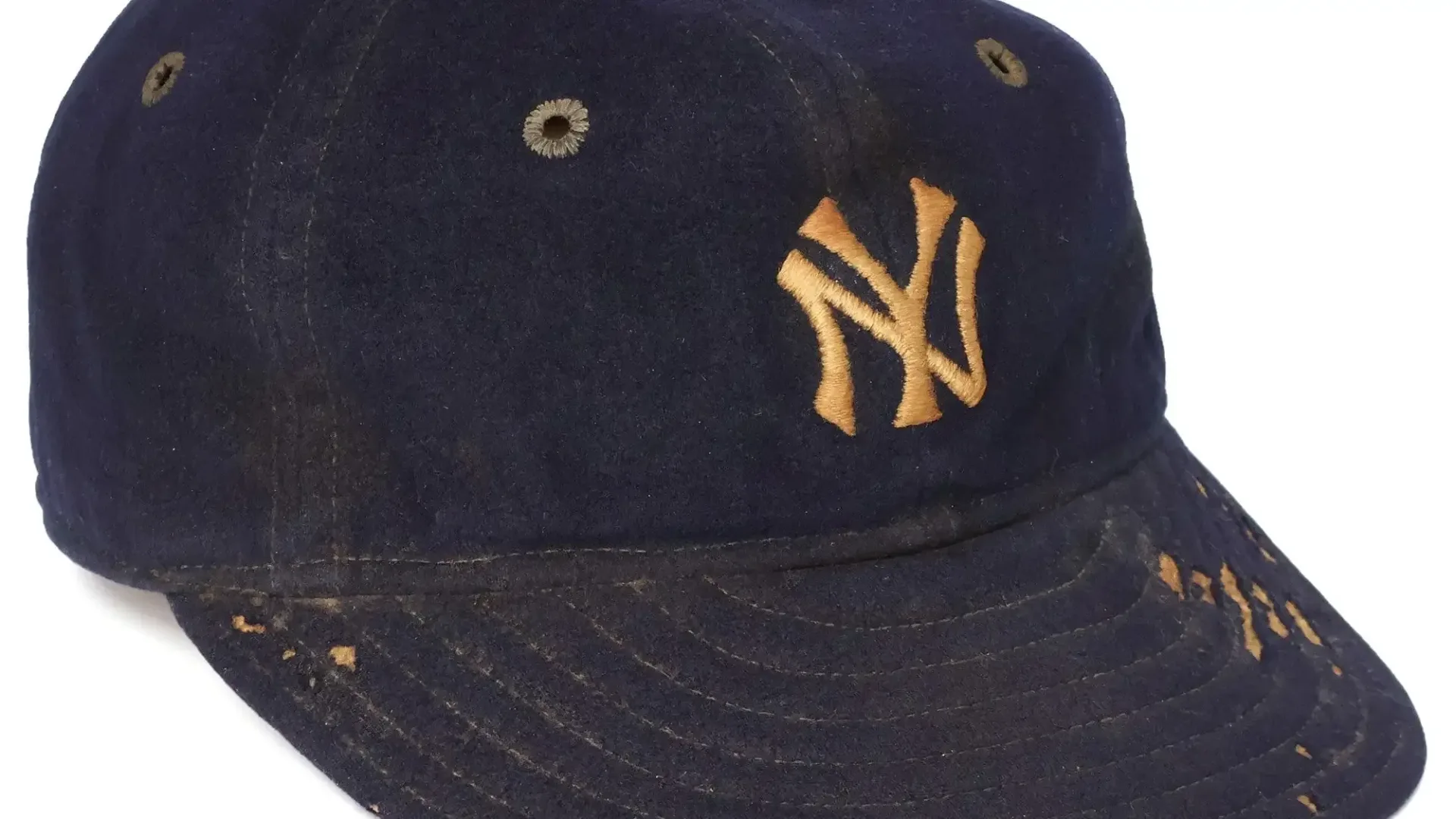
This is also where the physical-card side of the hobby still matters. If a card is to be shipped, provenance, condition, and custody become practical concerns. Documentation and traceable ownership history can be consequential in major memorabilia transactions too, as illustrated by a documented Babe Ruth Yankees cap heading to auction. Cards are a different market, but the general principle holds: records matter when value depends on trust.
Custody, slabs and added services
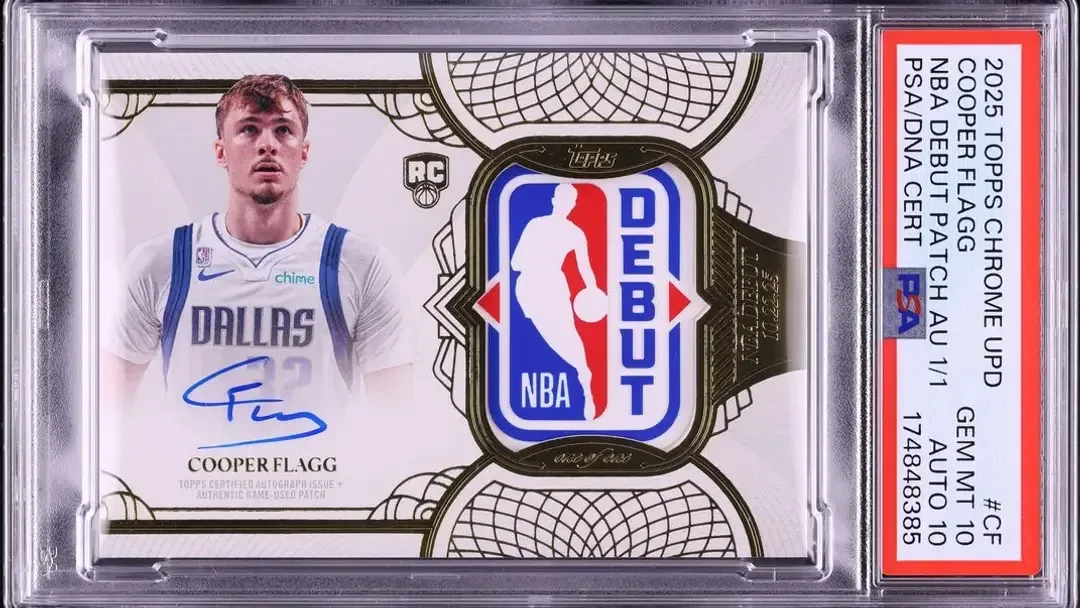
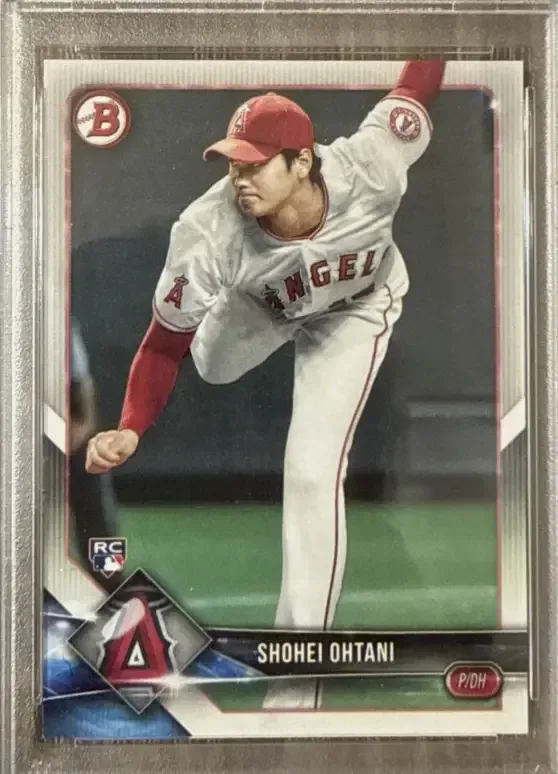
Digital repack platforms vary in what they hold and how they present cards. Some focus on slabbed cards, meaning cards encapsulated and labeled by a grading service. Some limit those slabs to PSA. Others may offer grading-related services themselves. A slab can provide a labeled grade and a degree of physical protection, but collectors should still read the listing carefully. The key facts are the named card, the grading company, the grade, and the specific copy involved.
Vaulting is another element buyers may encounter. Trove is backed by the PSA Vault, and it has offered annual dividends of up to 4% tied to vaulted cards in a collector’s collection. This is a separate feature from the pack outcome itself. It may be relevant to a buyer who wants to hold cards in a vaulted environment, but it should not be confused with a guaranteed increase in the market value of any card.
Some platforms add game-like features such as pack battles, where friends open packs and the winner takes the outcome under the relevant rules. Others have expanded their model beyond cards to categories such as watches and sneakers. These additions may make an experience more entertaining, but they also make it more important to separate the fun of participation from the economics of the cards involved.
Practical guardrails for collectors
- Read the pack’s own disclosures. Do not rely solely on a homepage promotion, a social-media clip, or a list of headline pulls.
- Check the odds and the pool. Make sure the advertised chase cards and percentages apply to the tier you are buying.
- Ask how value is calculated. A 100% buyback is only as reliable as the valuation it uses.
- Know the deadline. Instant buyback offers can require a decision in seconds or minutes, which leaves little room for research after the reveal.
- Understand possession options. Confirm what happens if you want to keep the card, retain it in a vault, or have it shipped.
- Treat unusual comps as unusual. One large sale is context, not necessarily a stable market price.
- Keep expectations proportionate. A mystery format can deliver a great pull, but it also means accepting outcomes below the entry price.
Digital repacks can offer a new way to interact with a card inventory, and some companies are trying to pair that experience with storage, grading, or buyback tools. Still, the collector’s best defense remains old-fashioned: verify the product, understand the terms, and inspect the value claim before treating it as fact. A clear checklist, stated odds, consistent valuation practice, and understandable buyback rules are not luxuries. They are the minimum information needed to make an informed choice.