The theft of 6,451 PSA-certified trading cards from a FedEx truck has created an uncomfortable question for collectors: what happens if some of those cards eventually re-enter the market?
The answer is not that every PSA slab, raw card listing, bargain-bin find or card-show deal is suddenly suspect. It is that buyers have a clear reason to add a few deliberate checks to expensive purchases. PSA has published certification numbers and descriptions for the missing items, giving collectors a practical starting point when a graded card is offered for sale.
The challenge becomes more complicated if cards are removed from their PSA holders and sold raw. The certification number is visible on a slab label; once the holder is gone, a buyer may have to rely on the card’s condition, images, seller documentation and the overall credibility of the transaction. That does not make raw cards inherently unsafe. It does mean that the margin for uncertainty can be much wider.
Here is a sensible buying process that keeps the focus on verification rather than panic, especially when the card is costly or the circumstances feel unusual.
1. Check the PSA certification number before buying a graded card
For a PSA-graded card, the certification number should be the first checkpoint. PSA’s stolen-card list includes the certification numbers and descriptions associated with all 6,451 missing items. Compare the number on the offered slab with that list before sending payment.
PSA’s certification verification tool is another useful check. A deactivated certification number is a serious warning sign. In simple terms, a certification number connects a specific PSA holder and its label information to PSA’s records. It is not just a generic indication that a card was graded at some point; it is the most direct identifier a prospective buyer can inspect while the card remains in its holder.
This is particularly important for high-value cards, where a few minutes spent verifying a number is insignificant next to the financial risk. Ask for a clear photo of the slab front and label if the listing does not already provide one. If a seller will not show the certification number for a supposedly PSA-graded card, there is little reason to proceed.
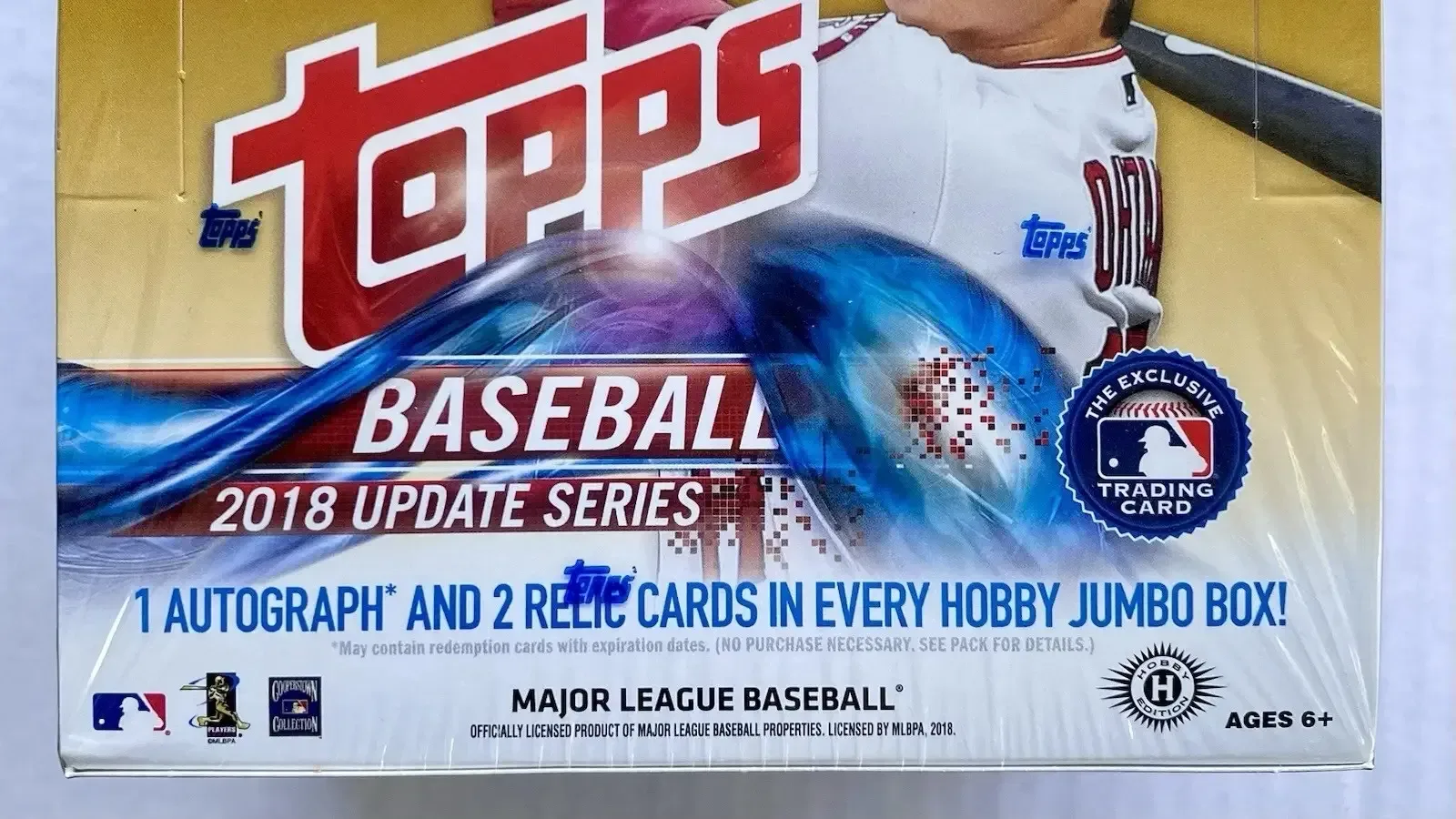
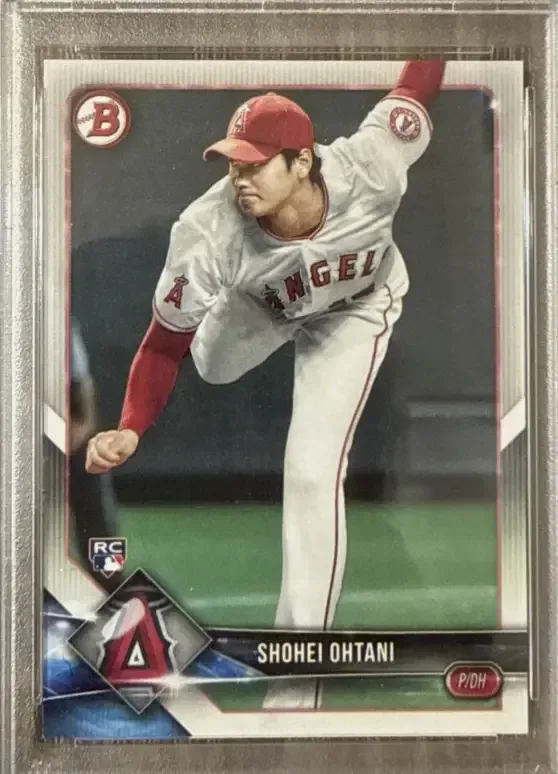
Collectors should also distinguish between a card type and an individual card. A 2018 Bowman Shohei Ohtani card appears among the missing inventory, but there are also legitimate copies in the hobby. The fact that a listing is for the same issue does not establish that it is stolen. The certification number, when available, is the meaningful place to begin.
Related coverage includes How Collectors Can Avoid Buying Stolen PSA Cards After the 6,451-Card Theft.
2. Treat raw cards as a different verification problem, not an automatic no-buy
A raw card is one sold outside a grading holder. It may be completely legitimate, but it does not present a visible PSA certification number for a buyer to cross-check. If a stolen card were removed from its slab, the buyer would lose that straightforward identifier along with the holder.
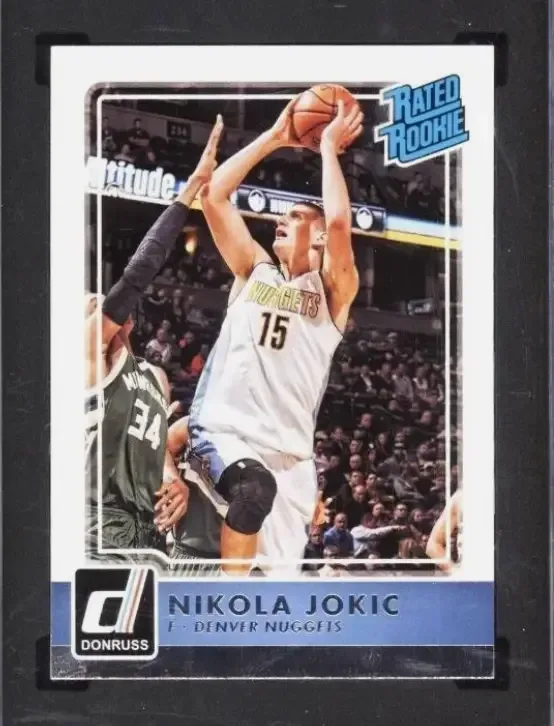
That is why shoppers should not assume an ungraded version of a card is risk-free merely because it is no longer in a PSA case. The missing inventory includes cards such as 2018 Bowman Shohei Ohtani and 2015 Donruss Nikola Jokić examples, while many legitimate copies of those same cards are in circulation. Avoiding every raw Ohtani or Jokić card would be neither practical nor justified. Instead, a buyer should scale the questions to the value and circumstances of the sale.
For an expensive raw card, ask how and when the seller acquired it, whether they have an auction record, receipt or prior listing, and whether they can provide detailed images. Those questions are not an accusation. They are basic due diligence around an item whose visible grading history may no longer be available.
Archived PSA images can matter here. If a card was previously graded, its archived images may preserve identifying visual details that can help establish a connection even after the slab has been removed. That does not turn every buyer into an investigator, and it does not guarantee that every raw card can be conclusively traced. It does explain why provenance is more valuable than a vague reassurance from a seller.
3. Put a suspicious price in context before calling it a deal
A below-market price is not proof that a card is stolen. Sellers can need quick cash, make pricing mistakes or simply value a card differently. But a deal that appears dramatically cheaper than comparable sales deserves more scrutiny, not less.
Comparable sales are recent prices for similar copies of the same card. They help a buyer judge whether an asking price is within a plausible range. For graded cards, similarity includes the grade and, where relevant, the exact issue. For raw cards, condition makes comparisons less precise, which is another reason detailed photographs are valuable.
Low pricing becomes more concerning when paired with other warning signs: a demand to buy immediately, an explanation that changes when basic questions are asked, reluctance to supply images, or pressure to use a payment route without buyer protection. Any one of those facts may have an innocent explanation. Several together should make walking away easy.
The practical rule is simple: do not let fear of missing out override a check that can be completed before payment. A card is not a bargain if the buyer cannot reasonably establish that the seller has the right to sell it.
4. Consider the seller and the protections around the transaction
Seller identity and transaction structure are part of authentication in the broad sense. Established dealers, auction houses and marketplaces with buyer protections offer more accountability than a private sale with no records and no meaningful recourse. Reputable businesses can unknowingly encounter stolen merchandise too, so their involvement is not a guarantee. They may, however, have systems and resources to investigate suspicious items.
PSA has shared the stolen-card list with marketplace sellers, auction houses and digital platforms that are monitoring for missing cards. That is useful additional coverage, but it should complement a buyer’s own verification rather than replace it.
Before buying online, review the seller’s history and understand what buyer protections actually apply. At a show or in a collector group, the same underlying questions still apply: Who is selling the card? Can they explain where it came from? Is there a record of the sale? Does the proposed payment method provide any protection?
For collectors looking at large purchases across multiple venues, tools that make listings and market information easier to compare can be helpful. Efforts to make the grail-card hunt less fragmented underline why organized information matters: a better view of listings and sales makes it easier to notice when an offer does not fit the normal pattern.
5. Ask for provenance when the card warrants it
Provenance means an item’s documented ownership and sales history. In trading cards, it can include receipts, auction listings, grading records and other documentation that helps explain how the current seller acquired the card. It is especially relevant on expensive pieces and vintage cards, where an individual example may have a longer history and more distinctive condition details.
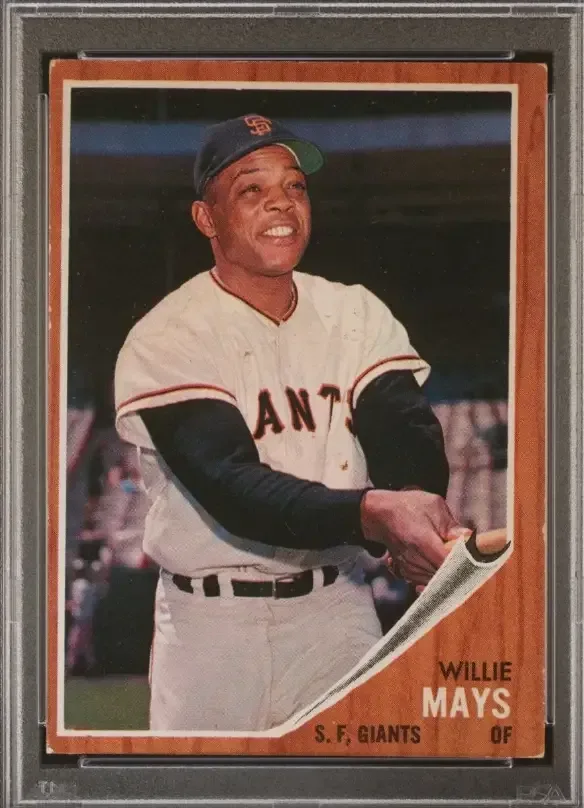
A 1962 Topps Willie Mays is among the cards on the missing list. Vintage cards illustrate the value of provenance particularly well: collectors may care not only about the issue and condition, but also about whether the offered card can be tied to a credible history. Not every legitimate seller will possess a complete chain of ownership, and an incomplete history does not itself prove wrongdoing. Still, asking is worthwhile when the amount at stake is substantial.
Good provenance does not need to be theatrical or overly complicated. A clear prior auction listing, a purchase receipt, a grading record or a coherent explanation that matches available documentation can all add confidence. By contrast, an evasive response to ordinary questions is information too.
6. Know the moment when the correct move is to leave
Collectors do not need to become detectives, confront strangers or make public accusations in order to buy responsibly. The most useful decision may be the simplest one: decline the transaction when a seller will not answer basic questions, insists on payment without buyer protection, or behaves evasively.
If a listing appears to match one of the stolen cards, preserve the relevant details. Save the listing information and use the FBI contact information provided in PSA’s theft update to report the concern. Avoid confronting the seller or turning an unverified suspicion into a public accusation. Reporting through the appropriate channel protects both the possibility of an investigation and the principle that a suspicious listing is not the same thing as proven wrongdoing.
What this means for ordinary collectors
The theft is a reminder that the hobby’s safeguards work best when collectors use them consistently. Certification numbers are powerful when a slab is intact. Seller history and buyer protection reduce risk in any format. Provenance becomes more important when a card is raw, vintage or expensive. Comparable sales provide context when a price looks unusually tempting.
None of these measures can promise perfect certainty. They can, however, reduce the chance that a buyer unknowingly supports the resale of stolen property, while avoiding the opposite mistake of treating every similar card as suspect. The missing inventory contains individual cards, not a ban on every copy of the same Ohtani, Jokić or Mays issue.
A careful collector’s checklist is therefore modest: verify a PSA certification number, review the seller and the price, request documentation appropriate to the card’s value, keep the transaction protected, and walk away when the answers do not make sense. Thousands of attentive collectors following those habits can make it much harder for suspicious cards to disappear into ordinary hobby commerce.