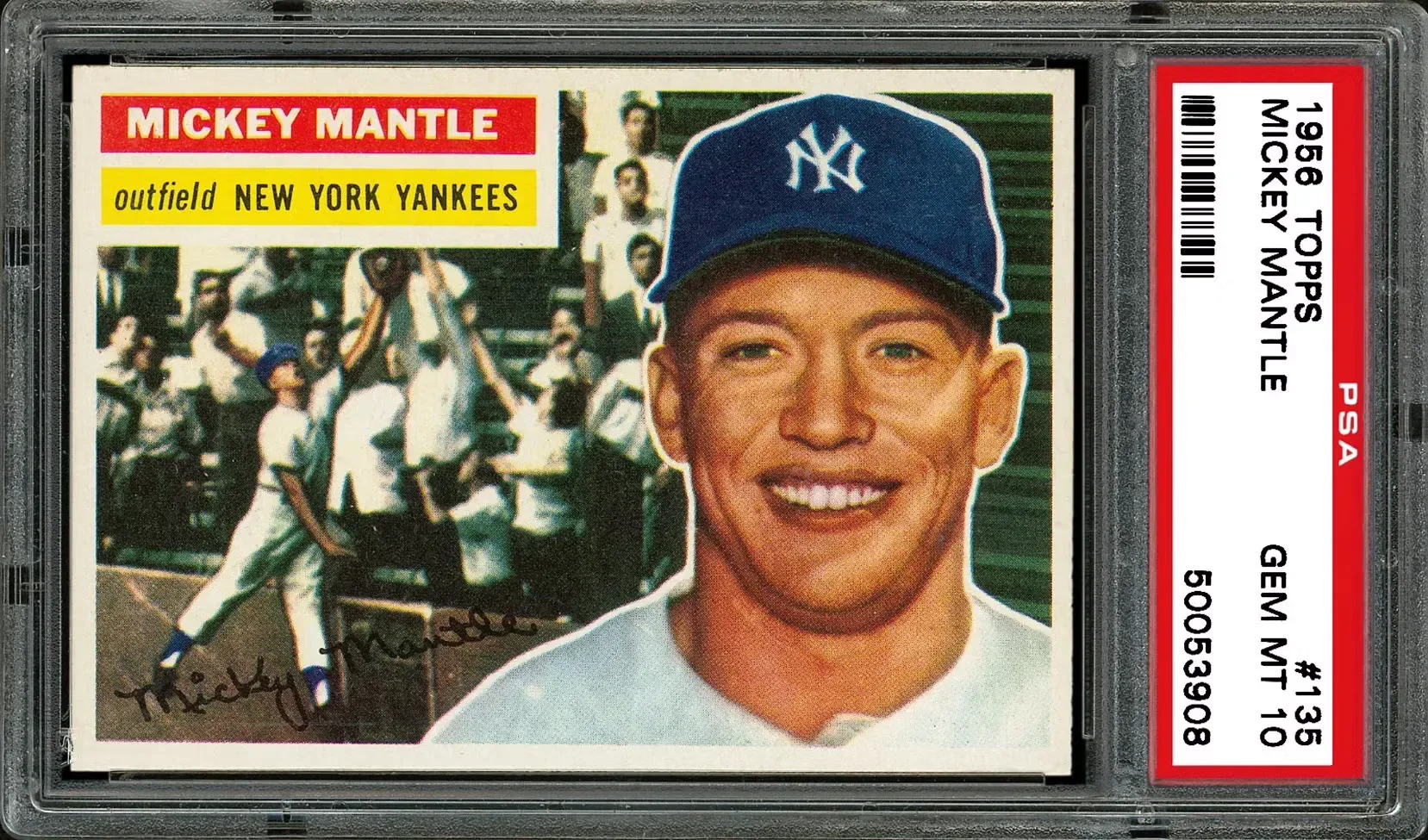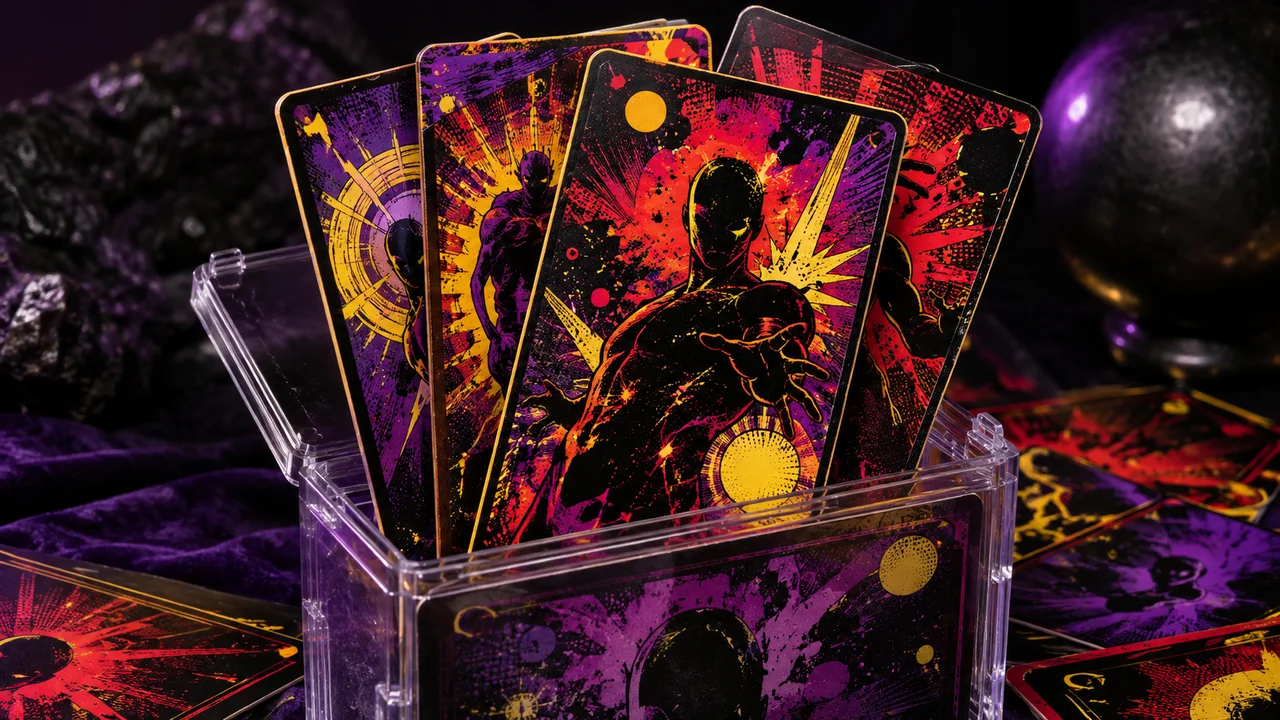
The sealed-wax market is having a loud moment. Unopened packs, boxes and cases—once chiefly viewed as something to rip in pursuit of a favorite player—are increasingly being collected as display pieces, held long term, or pursued for the mathematical possibility of a huge card hiding inside.
That combination has pushed attention across multiple eras. The strongest pockets cited by major hobby figures include sports products made before 1985 and releases from 1995 through 2005, while even boxes from the heavily produced late-1980s and early-1990s “Junk Wax Era” are seeing stronger prices and renewed interest.
The appeal is easy to understand, even if the market is harder to price than it once was. A sealed box is a physical time capsule: it can evoke a childhood card shop, preserve the possibility of an untouched gem-mint card, and look terrific beside a collection. It can also be opened in minutes, removing one more unopened example from circulation. That tension—the temptation to rip versus the appeal of restraint—is at the center of sealed wax’s current momentum.
What collectors mean by sealed wax
“Wax” is hobby shorthand for unopened trading-card product, a term that traces back to the old wax-paper packaging used for packs. In present-day conversation it can mean loose packs, boxes or full cases, including products whose wrappers are no longer literally wax paper.
Not all unopened product carries the same level of confidence or value. A key acronym in this market is FASC, meaning from a sealed case. These are boxes that come directly from an unopened factory case. Buyers often pay extra because that provenance offers reassurance that an individual box has not been selected after someone examined visible pack positions or tried to identify potentially favorable contents.
That is a premium based on confidence, not a promise about what is inside. FASC status does not turn a box into a guaranteed winner. It simply addresses a concern that matters in a market where the box itself, rather than any confirmed card within it, is the collectible.
Steve Hart of Baseball Card Exchange, a longtime sealed-product authenticator, has seen FASC-box prices rise by roughly 50% to 100%. He attributes the extra demand to buyers valuing the sense that a box has not been picked over.
Prices are rising, but listings are not sales
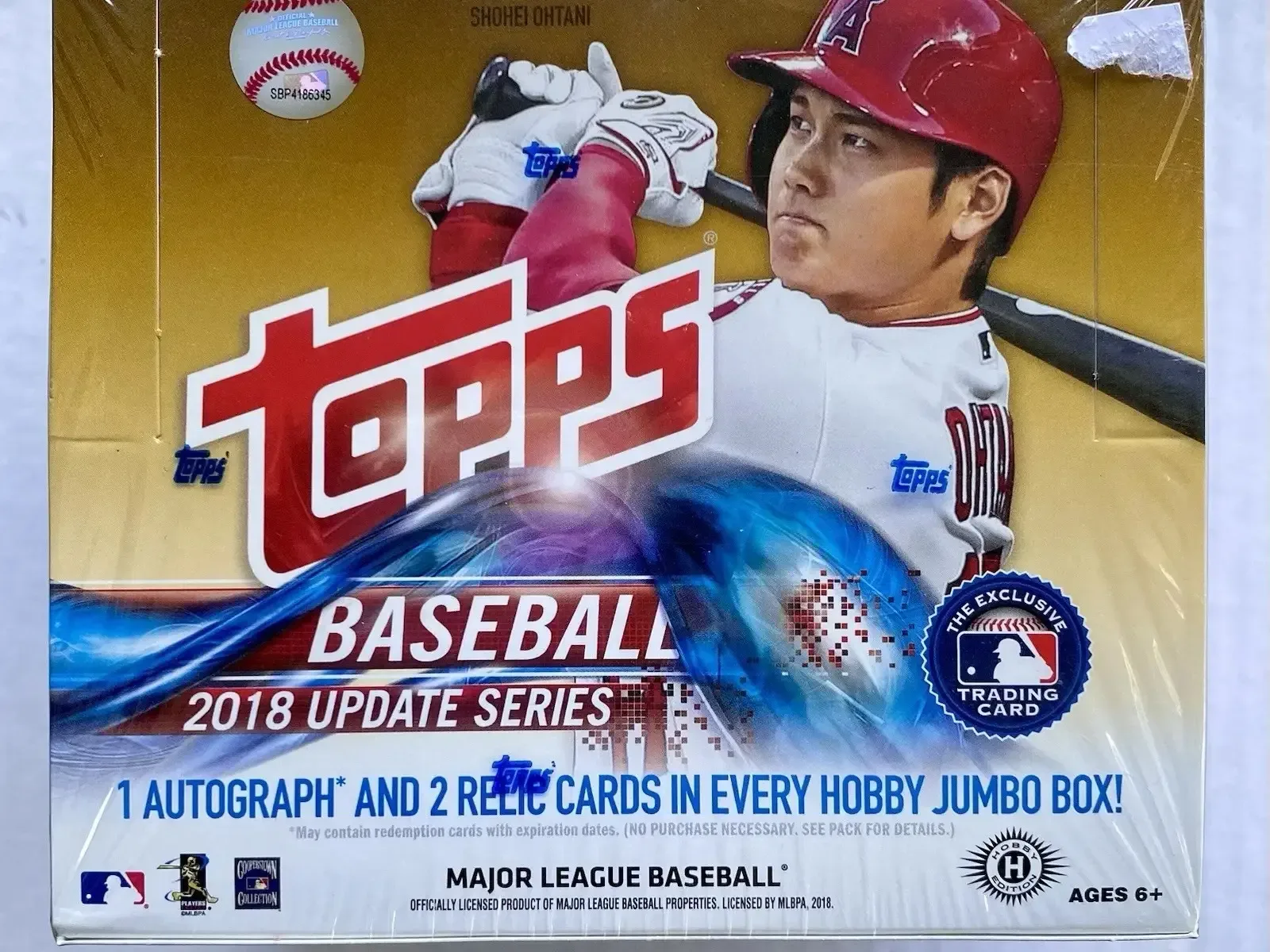
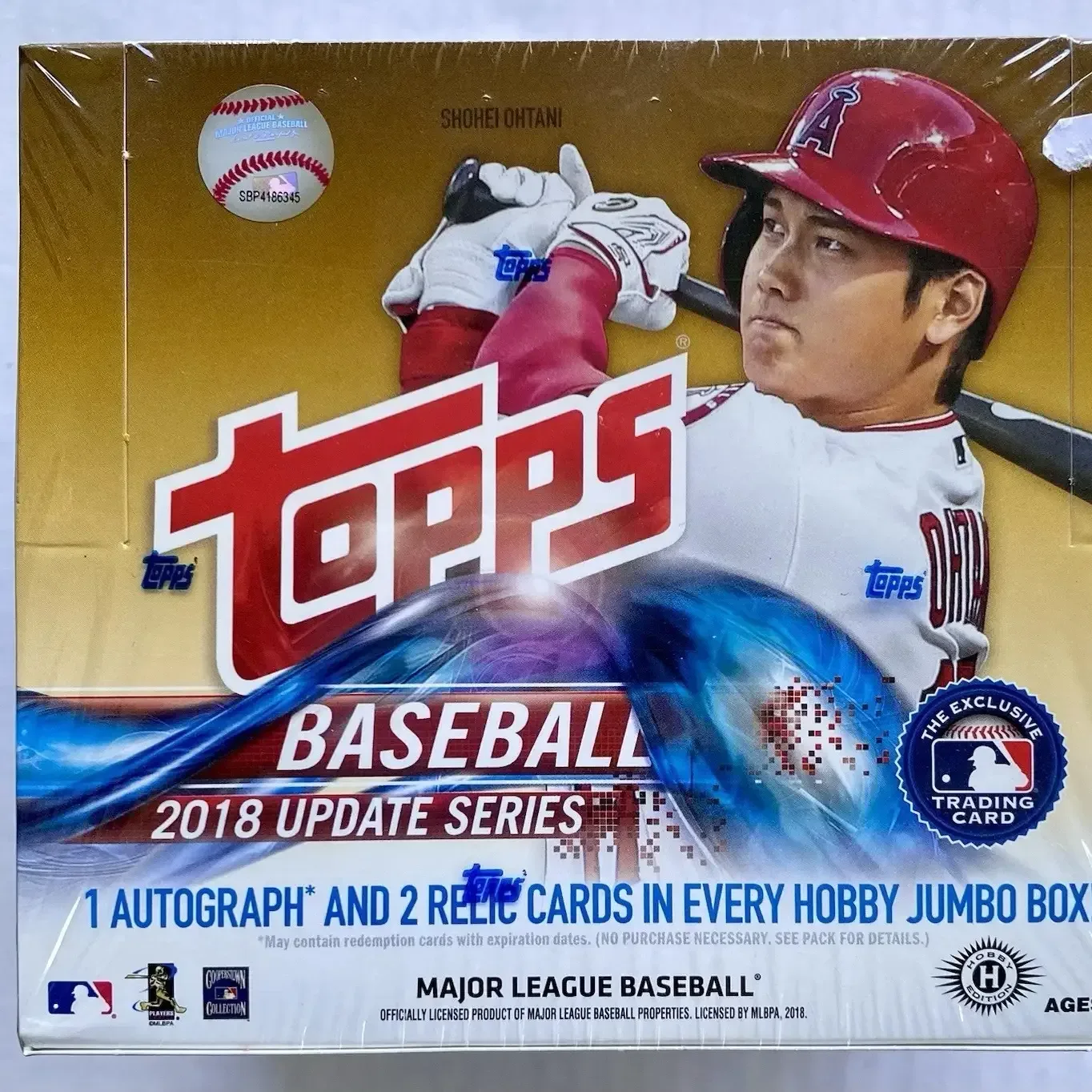
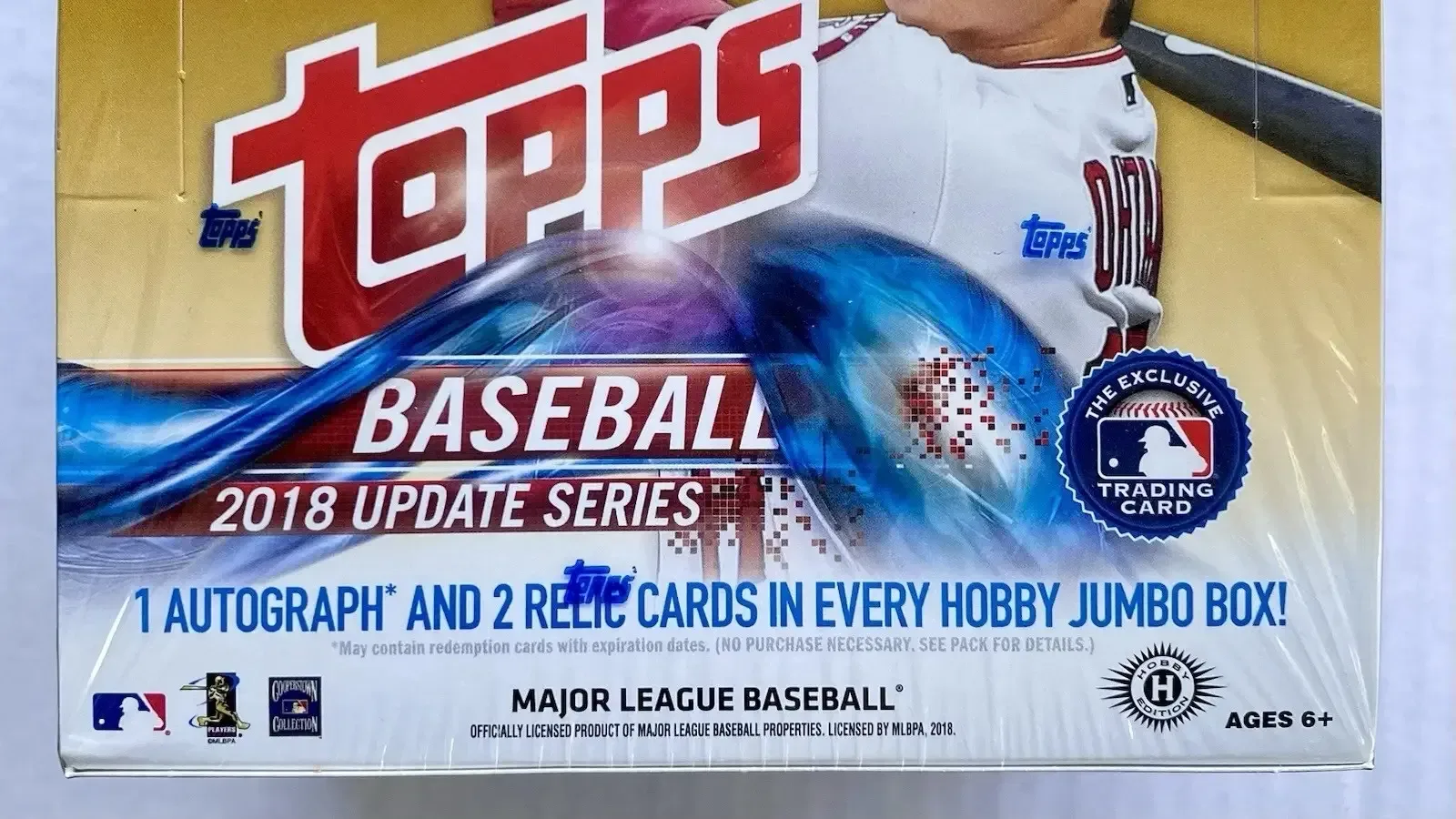
Several examples illustrate just how quickly the market is moving. A factory-sealed 2018 Topps Update baseball hobby box, a product containing one autograph or relic card, was listed on eBay at $1,299.99 in mid-June 2025. Eleven months later, the same kind of box was listed at $3,249.99. Those are asking prices, rather than confirmed completed-sale prices, but they reflect a dramatic shift in seller expectations around a product associated with Shohei Ohtani rookie cards.
Related coverage includes Why Sealed Wax Boxes Are Surging Again as Collectors Chase Scarcity, Nostalgia and Big Singles.
Older boxes are moving too. A 1985 Donruss baseball sealed box sold through BBCE for $300 at the 2025 National Sports Collectors Convention; roughly nine months later, its price had nearly doubled. Hart also pointed to some products from the 1987–92 overproduction period moving from around $29 to $59 a box over a year.
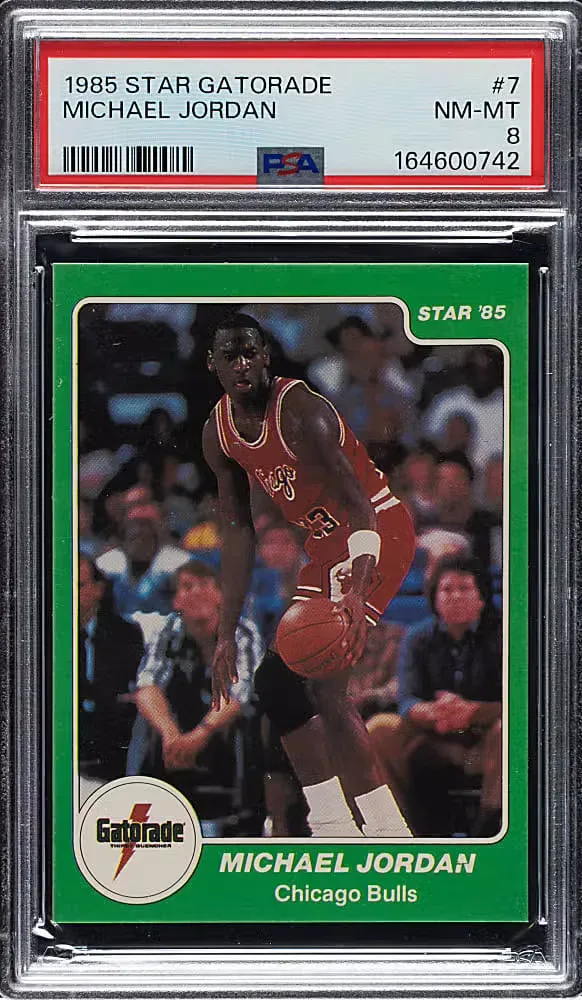
For another example of how a star card can feed interest in unopened inventory, Adam Martin of Dave & Adam’s Card World cited 1986 Fleer basketball. The product had softened for a time, then rose as high-grade Michael Jordan rookie cards climbed again. Martin said PSA 10 Jordans had reached about $300,000, helping pull interest back toward the boxes that could contain them.
There is an important caveat for anyone interpreting these figures: a sealed box has a price separate from the combined market value of the cards one expects to pull from it. The sealed premium can reflect scarcity, condition, display appeal, confidence in the wrap and the entertainment value of opening it. In other words, a box need not make financial sense as a rip to be desirable as an object.
Why expensive singles can lift unopened product
The connection between star singles and wax is often described through expected value. In simple terms, expected value is the probability-weighted estimate of potential outcomes. If a box has a chance, however small, to yield a card worth a great deal, collectors and breakers may be willing to pay more for the box.
Nat Turner, chief executive of Collectors, PSA’s parent company, sees the current wax rise as closely connected to higher prices for singles. He singled out Michael Jordan, LeBron James and Kobe Bryant cards, along with late-1990s Metal Universe products sought because of Precious Metal Gems Green cards.
But expected value is only part of the calculation. A 1% chance at a coveted card is not the same as receiving 1% of that card’s value in cash. The buyer is paying for uncertainty, the opening experience, the visual appeal of the sealed product and the chance to own something that may be increasingly difficult to replace.
That distinction matters particularly in high-end basketball. Turner described 1996–99 as a golden period marked by the introduction of 1-of-1 cards and upscale product. Among the releases attracting attention are 1997 and 1998 Metal Universe, 1997–98 Skybox E-X2001 and late-1990s Flair Showcase. A 1997 Metal Universe Precious Metal Gems Green Kobe Bryant in PSA 5 sold for $3.15 million in April 2026, a result that helps explain why collectors look differently at sealed boxes connected to landmark chase cards.
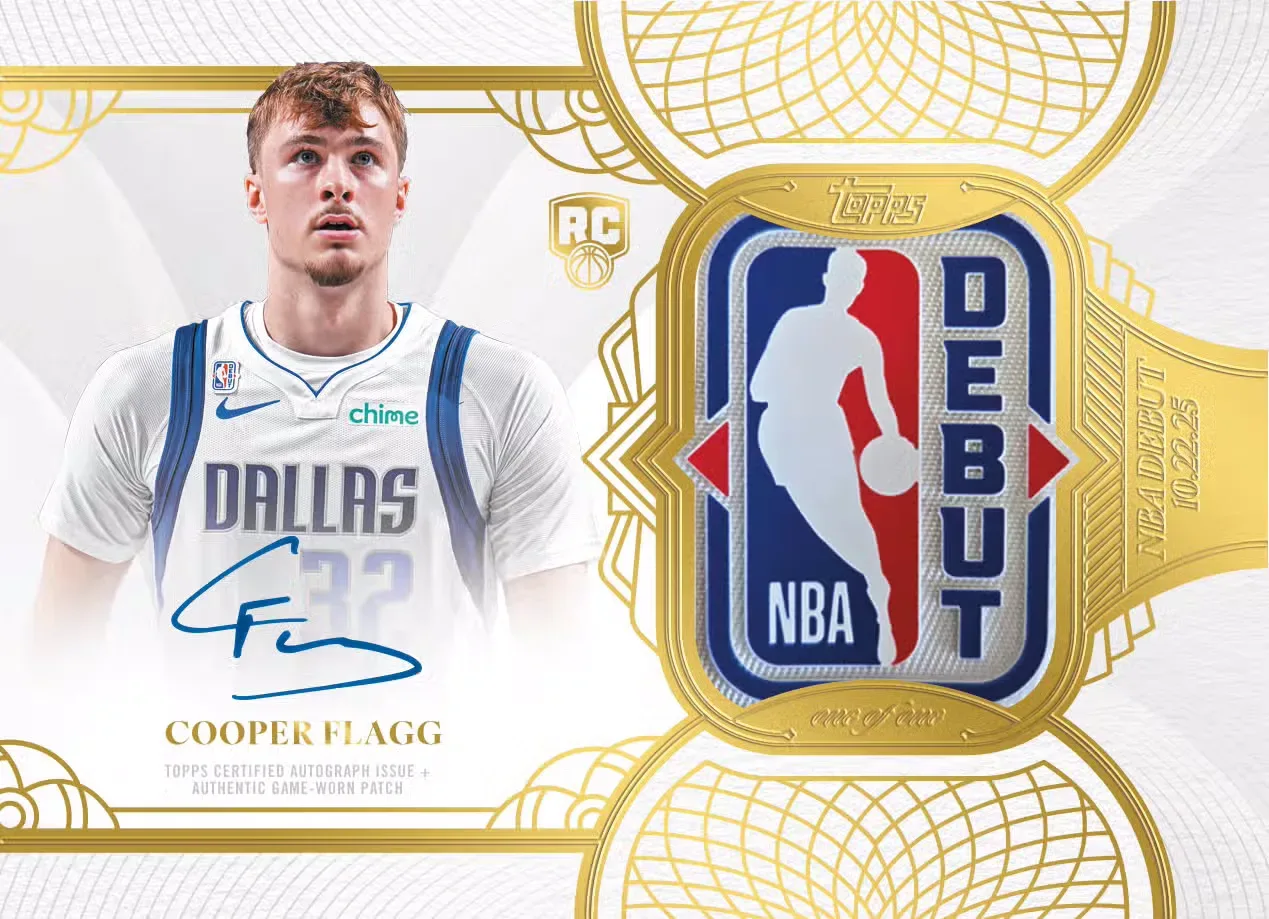
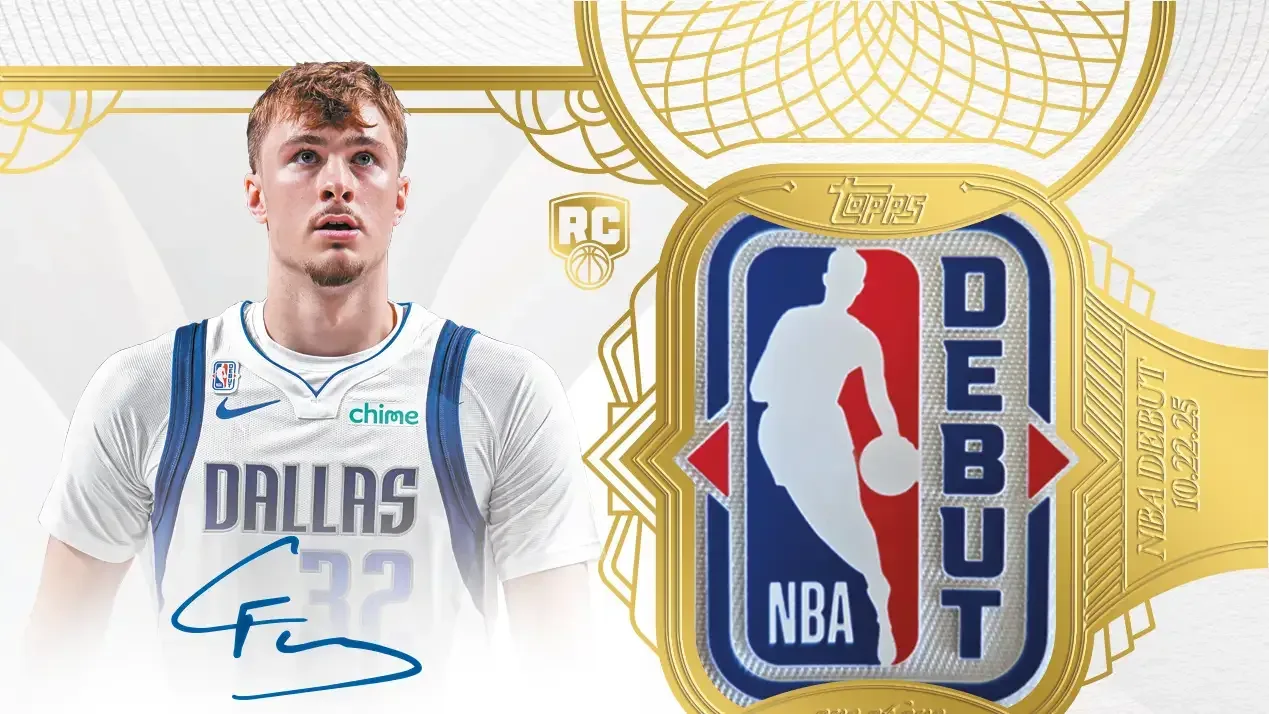
Star-driven demand is not confined to vintage. The same dynamic sits behind attention around major modern rookie cards, including the record-setting Cooper Flagg 1/1 Topps Rookie Debut Patch Auto sale. When standout individual cards command huge prices, collectors naturally scrutinize the products tied to those cards.
Nostalgia is doing real market work
Scarcity gets much of the attention, but nostalgia is a powerful demand engine. Hart highlighted 1980–85 baseball as a particularly active range: collectors who opened those cards as children may now have more disposable income, while the products remain comparatively more accessible than many earlier boxes. The years are also associated with Hall of Fame talent and predate the industry’s most notorious overproduction period.
Turner calls a related pattern the “25-year theory.” The premise is that products often gain fresh attention roughly a quarter-century after release, when the children who knew them firsthand become adults with money to spend on their old favorites. For basketball, that makes the end of Jordan’s Bulls period, his Wizards years, and 2003 products associated with LeBron James especially resonant for a generation of collectors.
Rob Veres of Burbank Sportscards sees that energy even in products once casually dismissed as junk wax. An 1987 Topps baseball box at a relatively approachable price point can move quickly because it delivers a familiar design and specific memories: woodgrain borders, Wally Joyner, Rafael Palmeiro, Barry Bonds and Mark McGwire. For buyers unwilling to spend four figures on a new premium football box, older material can offer a more tangible and personal kind of fun.
That does not mean every mass-produced box has become rare. It means sealed examples have a different appeal than individual common cards from the same era. The sealed form preserves the original experience, and that experience is what many people are buying.
The supply argument—and its limits
Sealed wax has a straightforward scarcity story: every opened box is one fewer unopened box. Dealers and collectors say breaking, grading and the hunt for PSA 10 cards continue to reduce the pool of available vintage inventory. Meanwhile, some owners may be reluctant to sell because rising prices make sealed product feel harder to replace.
Turner compares the category to wine because supply can decline as people consume—or in this case, open—the product. He has collected sealed material since 2010 and now owns thousands of boxes, with a focus on 1990s and early-2000s basketball, baseball and football. He said boxes of 2003 SP Authentic basketball that he bought for about $200 are now around $2,000, while 2003 Exquisite basketball boxes once costing $10,000 to $20,000 or more are now in the $80,000 to $100,000 range.
Yet “old” does not automatically mean scarce. Hart noted there remains a healthy quantity of 1981–85 wax because people stored it away at the time. The more accurate point is that demand can outpace the available supply that collectors are willing to release—especially for clean, credible and authenticated examples.
That is also why the market should not be reduced to a one-way scarcity narrative. Hart recalled an extreme pandemic-era rise in 1980 basketball boxes to $90,000 before they fell to $12,000. Current conditions may look stronger and more incremental to dealers active in the field, but historical price increases do not erase the possibility of retrenchment. Sealed product, like individual cards, is still subject to changing tastes, player markets and buyer confidence.
Authentication is no longer a side issue
As values climb, authenticity becomes central. A resealed box can undermine the very premise of buying unopened product, and Hart says counterfeiters continue to develop new approaches. His view is that recognizing those methods demands constant, specialized work rather than a quick visual check.
The demand has become intense enough that Baseball Card Exchange paused new authentication submissions in March after a mounting backlog. After announcing the pause on March 15, the company received 12 pallets of sealed wax in the five-day window before the service stopped accepting submissions on March 20. Turnaround times that had been one to three weeks had grown to four to six months earlier in the year.
Hart is the company’s sole box authenticator and has said that the role cannot simply be scaled by hiring general staff. That bottleneck is itself a useful sign of the market’s practical reality: authentication is valuable precisely because buyers believe the evaluator can identify subtle problems that an ordinary purchaser might miss.
Baseball accounts for an estimated 60% to 65% of the product Hart authenticates. Football makes up roughly 15% to 20%, with basketball and hockey together filling the remaining share. Very old material is especially uncommon: he sees little pre-1977 product, while 1981-and-later submissions arrive regularly. In late April, he authenticated two 1971 Topps baseball wax boxes and a 1973 Topps football jumbo box—only the second sealed box from that football year he had encountered.
What a careful buyer should take from the boom
The sealed-wax revival is broader than one sport or era. Veres sees especially strong interest in basketball and trading card games, notably Pokémon; among the four major sports, he places basketball ahead of baseball, football and hockey. Collectors are choosing between display, investment-minded holding and opening entertainment, sometimes within the same purchase.
For buyers, the practical takeaway is to decide which of those goals actually matters before paying a premium. A box bought to open should be treated as entertainment with an uncertain outcome. A box bought to preserve has different needs: confidence in its origin, careful storage and an honest recognition that a higher sealed price may be driven by factors beyond the cards’ likely contents.
The current enthusiasm is rooted in real forces: finite unopened inventory, a larger audience of collectors and breakers, powerful memories, and individual stars whose cards reshape demand. Still, rising prices alone are not proof that every box is a sound purchase. The strongest position is usually the simplest one—know the product, understand whether a price is a listing or a sale, account for authentication, and buy something whose story you would still enjoy owning if the market cooled.