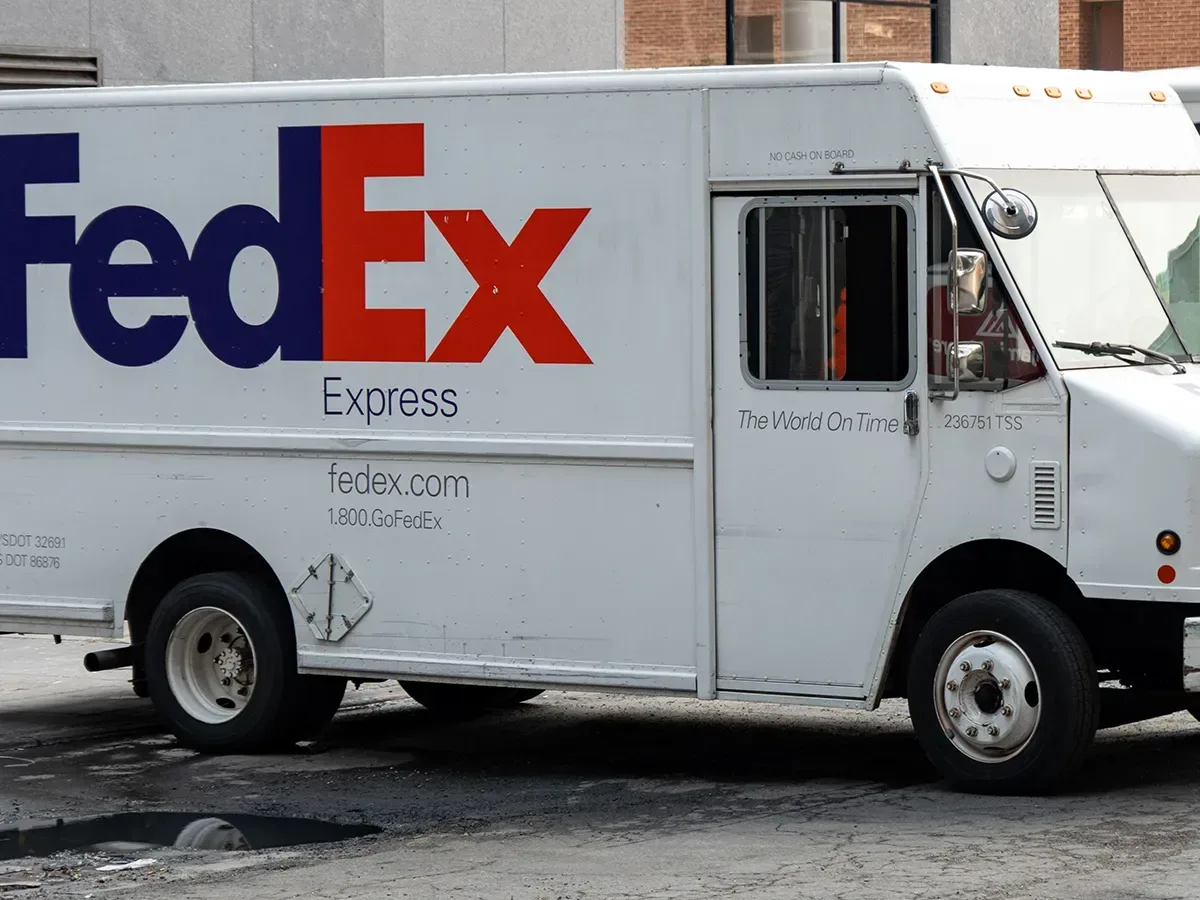
The reported theft of 6,451 cards from a FedEx truck has naturally focused attention on the names that dominate modern collecting headlines: Michael Jordan, Babe Ruth, Shohei Ohtani, rare autographs and Superfractors. Those are the cards whose possible dollar values can immediately turn a hobby story into a mainstream one.
Yet a 93-page inventory of missing submissions tells a bigger, stranger and more human story than the marquee names alone. Among the cards listed are Frank Viola, Mike LaValliere, Bernie Bickerstaff, Dan Schayes and Charlie Chaplin. Their presence does not make them meaningless “filler” beside the stars. It highlights a fact that price charts struggle to express: collectors do not only submit cards because they expect to sell them.
A card can be an essential piece of a player run, a difficult condition upgrade, a childhood favorite, a near-complete set, or simply an object a collector finds compelling. When a submission goes missing, the loss is therefore not limited to the likely resale price of each individual item. It may also interrupt years of selection, searching and careful assembly.
The headline cards are only one part of the loss
High-end cards deserve attention. Rare autographs, one-of-one-style modern parallels and celebrated vintage stars can represent substantial financial stakes. They can also be unusually recognizable, which may matter if collectors and marketplaces are watching for specific cards to resurface.
But a large submission is not necessarily a pile of isolated, investment-grade trophies. It can be a cross-section of a collection. The lesser-known names on the reported list suggest submissions that may have included set-building projects, favorite-player groups and non-sports material alongside bigger cards.
That possibility is important because an inventory can identify what went missing without explaining why each card was sent in. It would be speculation to say that the Frank Viola cards belonged to one person, or that every Charlie Chaplin card was part of a single themed collection. The publicly known list cannot establish those personal histories. Still, the patterns are enough to show why monetary estimates alone may be incomplete.
A replacement copy may exist somewhere. But a replacement that matches the original card’s condition, centering, surface, eye appeal and place in a carefully built run may be much harder to find. For older cards, that distinction can be decisive.
Why would someone grade a Frank Viola checklist?
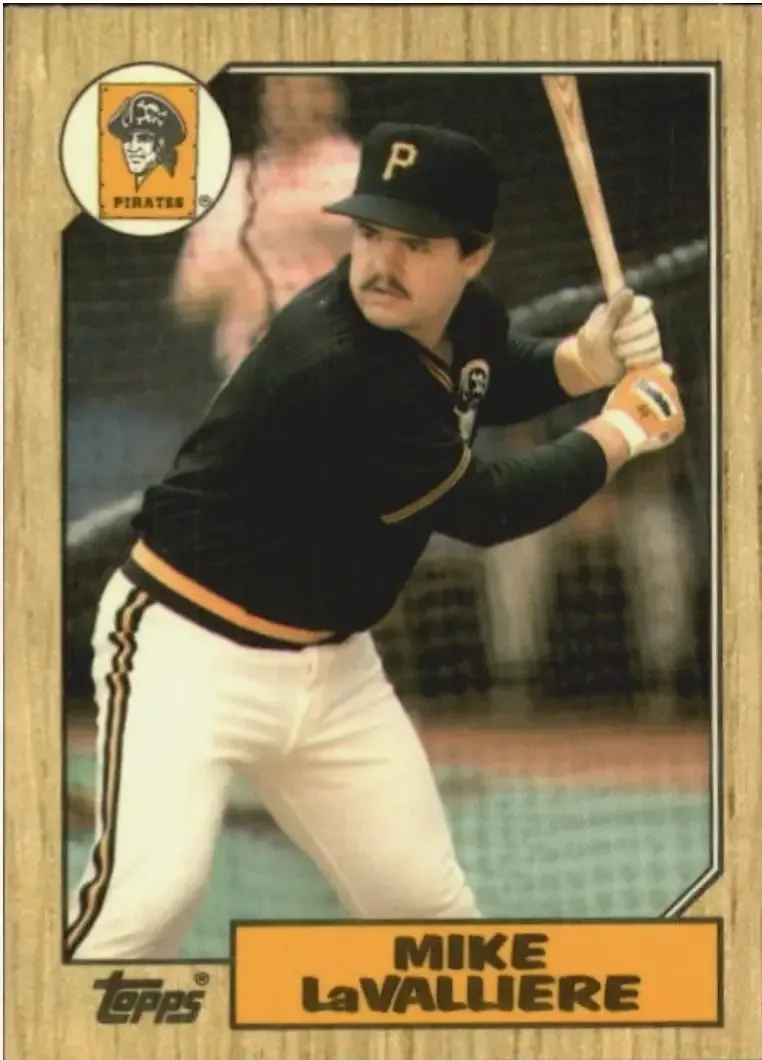
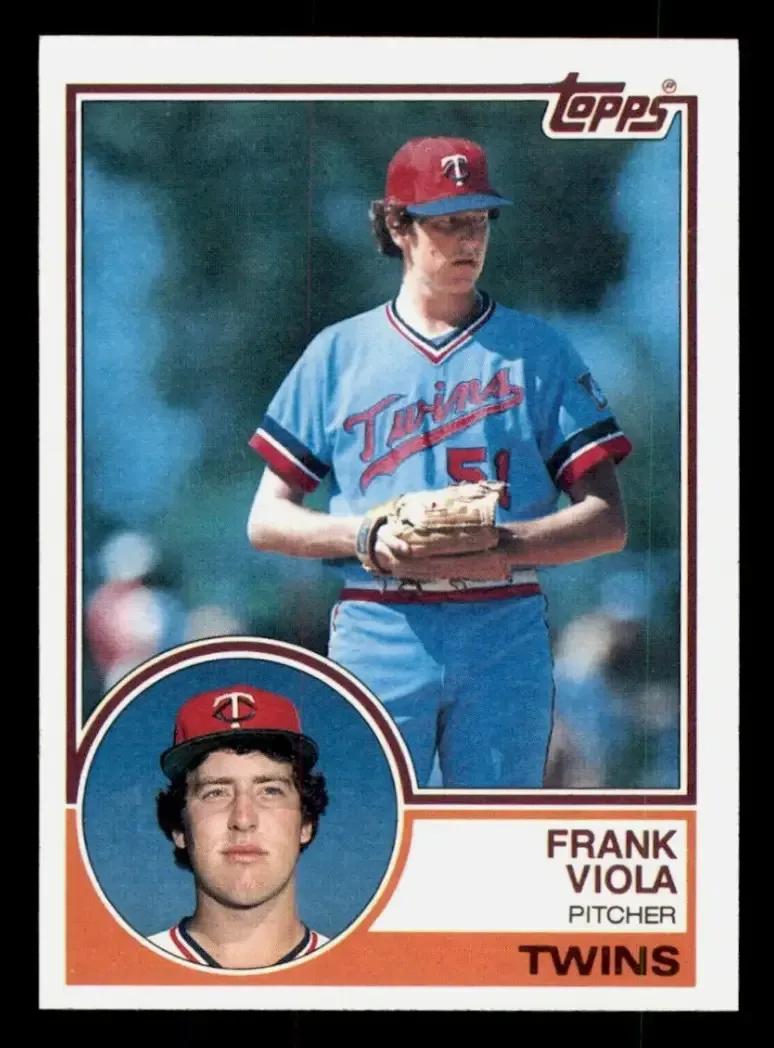
The reported inventory includes about 30 Frank Viola cards, among them 1983 Topps #586 and the 1989 Upper Deck #691 Minnesota Twins checklist. It also includes Mike LaValliere cards, including 1987 Topps Traded Tiffany #61T and a 1992 Upper Deck #113 Gold Hologram variation.
Related coverage includes PSA FedEx Theft List Shows the Hobby’s Real Losses Go Far Beyond Headline Cards.
At first glance, a checklist or a card of a solid but non-superstar player may seem like an unconventional grading submission. That reaction comes from viewing grading exclusively as a resale calculation. In reality, third-party grading is the process in which an authentication and grading company evaluates a card and assigns it a numerical condition grade, then seals it in a labeled holder. A top grade can sometimes add significant market value. But the process can also provide authentication, physical protection and a consistent presentation for cards intended to remain in a personal collection.
The grade itself matters. A PSA 10 refers to a top mint grade, while a PSA 2 denotes a much lower condition grade. The grades of these particular missing cards have not been disclosed, so there is no basis to assume that they were pristine, low-grade, unusually scarce or especially valuable. A card that is common in average condition can nevertheless be hard to locate in a high grade. Conversely, an older or scarcer card may matter to its owner regardless of whether it earned a premium number.
Submission cost also makes the presence of these cards more revealing, not less. As of October 2026, PSA’s lowest available service level was listed at $59.99 per card, while its Value options were temporarily paused amid a backlog reported at 7.2 million cards. Sending dozens of cards requires money, planning and trust in the process even before shipping is considered.
That does not prove the cards were sent by collectors with identical motives. It does make a purely casual explanation less satisfying. A collector could have been pursuing a complete graded Viola run. Someone might have wanted the Tiffany issue authenticated and preserved. Another submitter could have been trying to close the final gaps in a graded set. The specific story remains unknown, but the intentionality of submitting less-heralded cards is hard to miss.
Set collectors know the difficult cards are not always stars
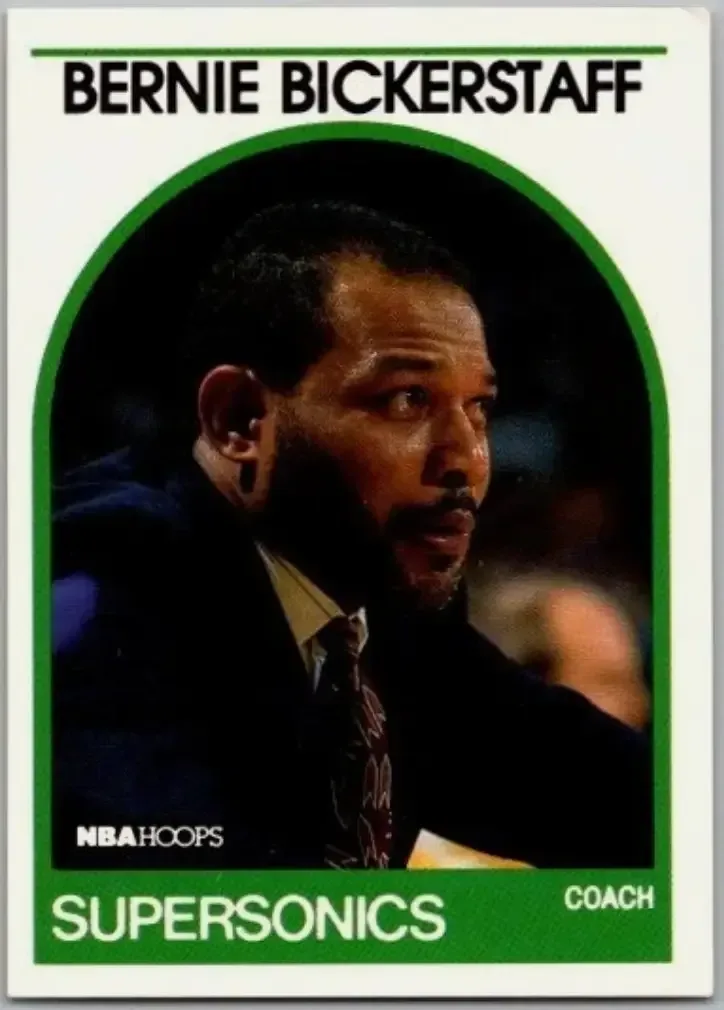
The list also includes 1989 Hoops #269 Bernie Bickerstaff and #82 Dan Schayes. The same 1989 Hoops set contains David Robinson’s rookie card, a far more familiar target for condition-focused collectors; a PSA 10 Robinson from the set recently sold for $740.
That comparison explains market hierarchy, but it does not settle the collecting question. A set collector is not merely chasing the biggest card in a checklist. They are trying to finish the checklist. In a high-grade project, a relatively ordinary card can become the stubborn missing piece because copies that were saved in excellent condition are scarce, because the card is prone to a specific flaw, or simply because fewer collectors bothered to preserve and submit it.
This is where the word common can be misleading. In hobby language, it usually means a card was widely produced or is broadly available. It does not mean every copy is equally desirable, easy to locate or interchangeable. A common card in a target grade can be much more elusive than its basic reputation suggests.
And even a card that is readily obtainable can carry personal importance. Completing a high-grade set is a long-term project with its own internal logic. The coach card and the role-player card are not detours from the collection; they are part of what makes the finished set complete. A loss that breaks such a run cannot be fully understood by comparing the affected cards to the set’s biggest rookie.
Charlie Chaplin points to the hobby beyond sports
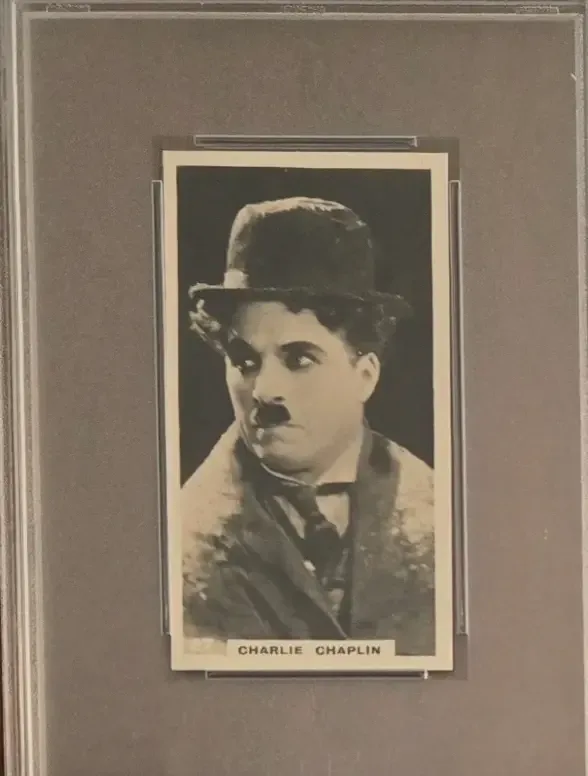
The most striking entries may be the roughly 20 cards featuring Charlie Chaplin. They include a 1926 Lambert & Butler #27 Type 2 and a smaller 1934 Wills Famous Film Stars #71 card. A PSA 7 example of the Lambert & Butler Chaplin recently sold for $252, a meaningful sum but hardly the kind of number likely to dominate coverage of a large theft.
Its importance may lie elsewhere. These are old entertainment cards, from a collecting world that extends well beyond contemporary sports releases. Their age means that locating another copy is only the first challenge. A potential replacement may differ dramatically in creases, staining, trim, registration, corners or overall appearance. Two cards carrying the same catalog number and numerical grade can still look meaningfully different to a collector.
That is particularly relevant for vintage material. The grade offers a useful shorthand for condition, but it does not erase visual preference. Some collectors prioritize a clean image. Others accept wear if the card has strong color, an attractive layout or a look that fits the rest of their collection. A card chosen and submitted years ago can have a specific appeal that a technically comparable replacement cannot recreate.
Entertainment cards also underline the breadth of the category. Sports cards may command the loudest headlines, but historical personalities, film stars, characters and other subjects have dedicated audiences. Readers interested in how comic and entertainment properties cross into collectible culture can also see that overlap in the planned return of Secret Agent X-9, another example of collectors’ interests reaching far outside a single sport or era.
What “replacement value” cannot replace
There is a practical reason to catalogue cards and insure important shipments: documentation can establish ownership, support recovery efforts and help determine a financial claim. A price guide can also provide a useful benchmark for a card’s approximate market value. Those tools matter.
They are not the same as replacing a collection. The reported list includes cards that may be easy to price and others for which comparable sales are thin. More importantly, the list cannot quantify the time invested in hunting, examining, buying, trading, organizing and finally deciding that a particular card was worthy of grading.
For a collector chasing a player run, a card may represent a precise memory or an unusual issue found after a long search. For a set builder, it may be one of the last cards needed to complete a goal. For a vintage entertainment collector, the card may have been selected for its unusually attractive image. None of those reasons changes the card’s recorded market price, but all of them change the nature of the loss.
There is another uncomfortable implication. The lesser-known cards might attract less public attention than the major names, even though their owners may be just as anxious for their return. Highly recognizable cards can be easier for other collectors to flag. A bulk lot of commons, checklist cards or older non-sports issues could be more difficult for the wider community to connect to a particular reported submission unless the identifying details are closely watched.
A theft measured in collections, not just card values
The hope is straightforward: that authorities identify those responsible and that all 6,451 cards are recovered and returned to their rightful owners. Until there is a reported recovery, every missing item carries uncertainty.
The high-dollar cards will continue to draw the most attention, and that is understandable. But the overlooked entries tell the more universal story. Frank Viola checklists, Mike LaValliere variations, Bernie Bickerstaff commons and Charlie Chaplin tobacco-era cards may not command the biggest headlines. They may nevertheless be the cards whose absence is felt most sharply by the individuals who chose them.
Collecting is often discussed through scarcity, grades and sale prices because those are measurable. The reported PSA/FedEx loss is a reminder that the hobby is also made of choices that cannot be easily measured: which cards a person kept, why they pursued a particular set, and why one modest-looking card was worth sending away in the first place.