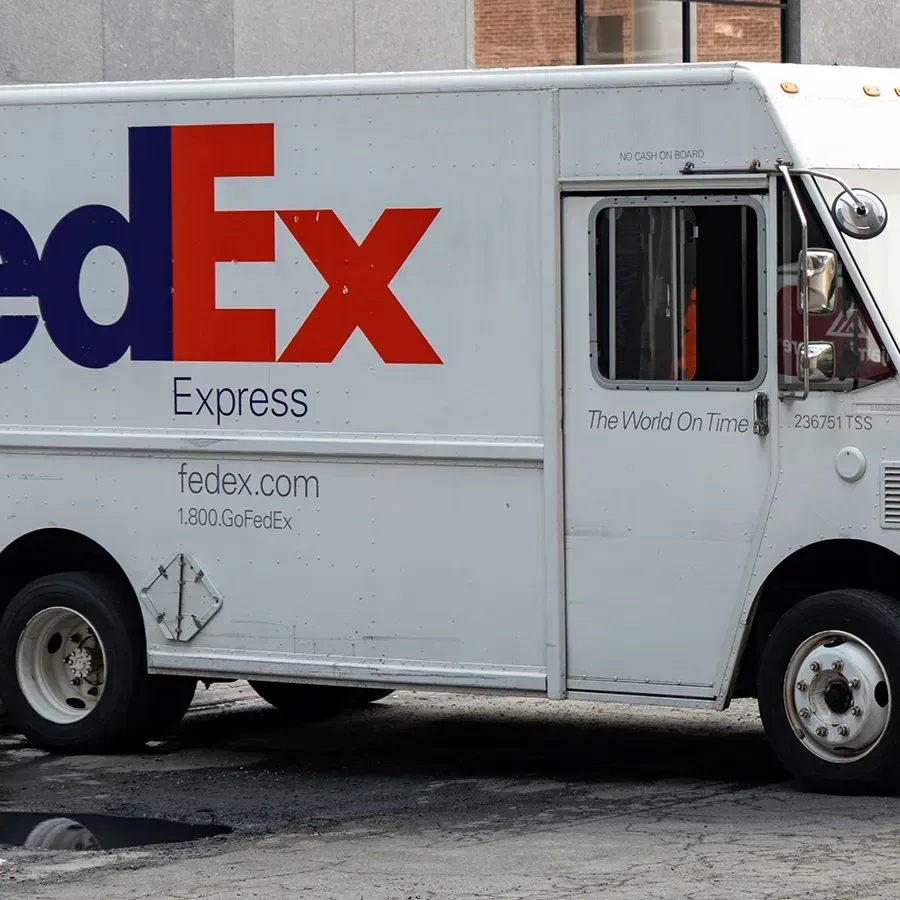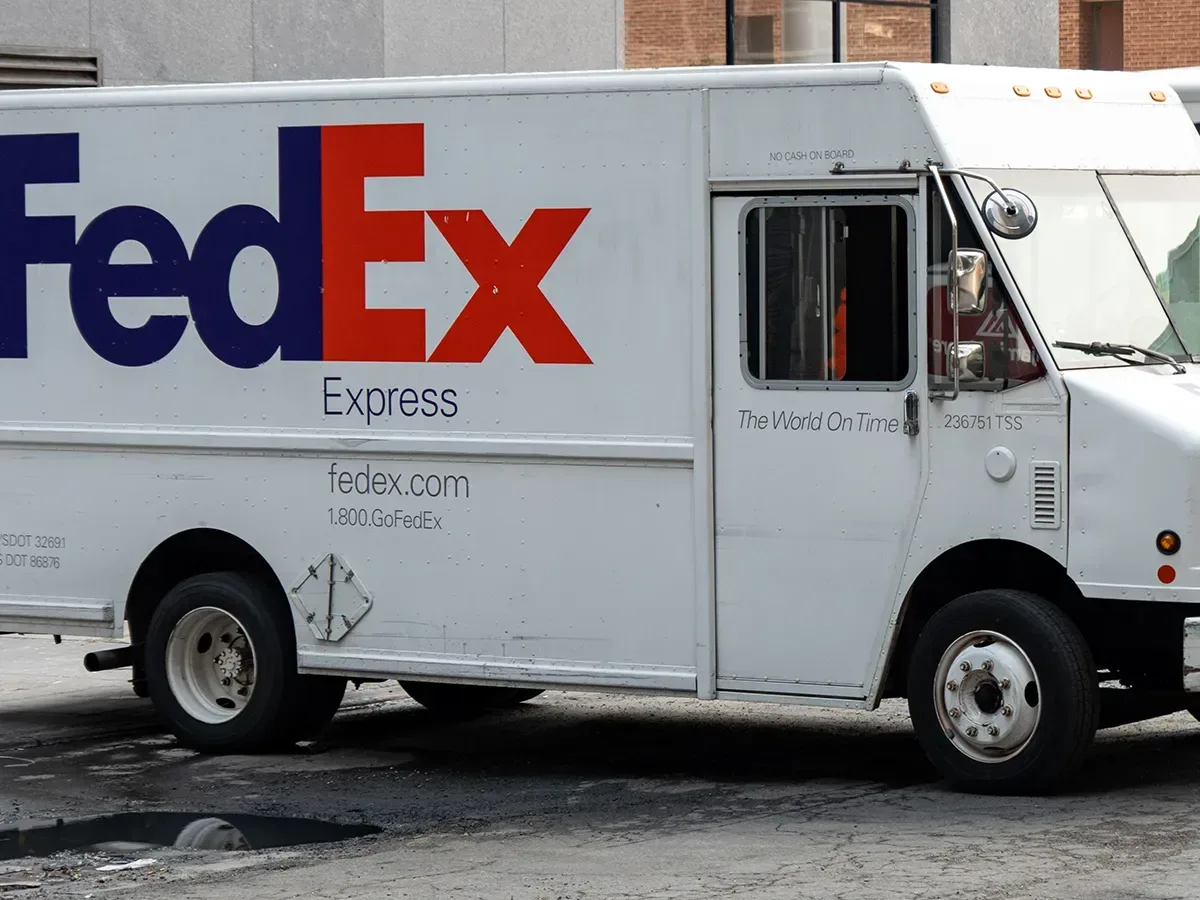
Santa Ana police are investigating the theft of collectible trading cards from a FedEx truck outside PSA’s Santa Ana, California headquarters, with the value of two stolen pallets estimated at roughly $963,000. That number may rise: investigators say a third pallet was also taken, and its contents have not yet received a dollar valuation.
The incident reportedly occurred on October 13 after a FedEx driver left the truck parked nearby for approximately 60 to 90 minutes. Police say the vehicle’s lock was broken and packages inside were removed. The reported scope is substantial: two pallets carried an estimated 100 packages, while the third held around 50 more.
For collectors, the headline figure captures only one dimension of the loss. The affected shipments were headed into the grading process, a point at which cards are temporarily out of their owners’ hands and may represent years of collecting, carefully selected submissions, and items with personal significance alongside their market value.
What police have confirmed so far
Authorities have said the stolen packages included several kinds of trading cards, including sports cards and Pokémon cards. The exact value of the full haul remains undetermined while the investigation continues.
The $963,000 estimate applies to the first two pallets, not necessarily every package removed from the truck. With the third pallet still unvalued, it is reasonable to distinguish between the confirmed estimate and the possible overall total. The confirmed amount is already close to seven figures; the final figure could exceed $1 million, but police have not established that total yet.
That distinction matters in a hobby where value can vary enormously inside a seemingly ordinary shipment. A box may contain a modest batch of cards, a small number of high-value singles, or a submission whose value changes considerably depending on condition and eventual grade. Until investigators identify the contents and determine values, a package count is not the same thing as a finalized loss total.
Why the PSA connection is central
PSA, short for Professional Sports Authenticator, is a company that evaluates cards and assigns grades based on condition. In practical terms, grading commonly involves authentication, an assessment of physical condition, encapsulation in a protective holder, and a certification record linked to that graded item.
For submitted cards, that certification can be an important part of their future identity in the market. It gives collectors and prospective buyers a reference point for a particular graded card. In this case, PSA says it has deactivated the certificates associated with the stolen items.
Related coverage includes Santa Ana Police Estimate PSA Truck Card Theft Could Exceed $1 Million.
Certificate deactivation is not a substitute for recovering physical cards, nor does it erase a collector’s attachment to an item. Its significance is instead practical: it can make a stolen graded card more difficult to treat as a normal, cleanly documented collectible. Anyone encountering cards tied to this theft should understand that a certification number is relevant to provenance, meaning the documented history and ownership trail of an item.
PSA has also said it plans to refund affected customers based on fair market value, up to each card’s Maximum Insured Value. The two parts of that sentence are important. Fair market value generally means an estimate of what an item would sell for in an ordinary marketplace, rather than what it might mean emotionally to its owner. A maximum insured value is a cap: it sets an upper boundary on what the coverage will pay for a particular submission.
Those terms do not automatically answer every question an affected collector might have about a specific card, especially where condition, grading expectations, rarity, or personal history are involved. But they establish the framework PSA says it will use while it works with FedEx and law enforcement.
A loss that goes beyond a spreadsheet
One collector using the screen name SKY-B said cards worth more than $100,000 were among those lost after being handed directly to PSA at a card show for grading. That account helped bring broad attention to the incident and illustrates why the event has resonated so widely across the hobby.
Trading cards may be bought and sold as assets, but collectors often build their holdings through trades, gifts, pulls, event finds, and years of patient searching. A market-value reimbursement can be materially important, particularly at this scale. It may still be unable to recreate a particular copy, a signed or sentimental piece, or the time invested in assembling a collection.
That is why PSA’s acknowledgment that cards can mean more than money is not merely a public-relations detail. In card collecting, value can be financial, historical, competitive, and personal all at once. The more distinctive a collection is, the harder it can be to restore even if compensation is eventually available.
What collectors can take from the incident
The investigation is ongoing, so there is no public basis to speculate about who carried out the theft or where the cards may be. There are, however, a few useful lessons for people who submit cards for grading or transport valuable collectibles.
- Keep a detailed submission record. Maintain a list of every card sent, including identifying details, declared or insured values, photographs, and the relevant submission or shipment information.
- Photograph cards before transfer. Clear images of front and back can help document condition and distinguish a specific item from another copy of the same card.
- Read coverage terms before shipping. The reported PSA reimbursement framework highlights the significance of maximum insured value. Collectors should know what figure is declared, what documentation may be needed, and what limits apply.
- Save every handoff receipt and email. For cards submitted at an event or sent through a carrier, records establishing when custody changed hands can become vital if a dispute or claim arises.
- Be cautious with suspiciously offered cards. Certification and ownership history matter, especially if a card appears without a convincing chain of custody. Avoid turning an unresolved theft into a further loss for a buyer.
These steps cannot guarantee protection against a criminal act. They can, however, improve the quality of the information available to investigators, grading companies, carriers, insurers, and collectors themselves if something goes wrong.
The logistics problem exposed by 150 packages
The reported theft involved palletized packages rather than a single collector’s shipment. That is a reminder that the grading ecosystem depends on a chain of custody: collectors submit cards, carriers transport them, grading companies receive and process them, and finished orders eventually travel back out. Any weak point affects more than one person.
“Chain of custody” is a useful term here. It refers to the documented sequence of control over an item, from one person or organization to the next. For high-value collectibles, records around each handoff are part of the security picture, alongside physical measures such as locks and supervised handling.
FedEx has said that shipment security is a priority and that it is cooperating with local law enforcement. PSA has likewise said it is working with FedEx and police. The public information currently establishes cooperation and an active inquiry; it does not establish how the theft was planned, whether the specific truck was targeted for its contents, or what security changes may follow.
That restraint is important. A high-dollar estimate naturally encourages theories, especially online, but the available facts support a narrower account: packages containing collectible cards were stolen after a truck was left parked, police are working to identify the value and recover the property, and the companies involved say they are cooperating.
Deactivated certificates and the secondary market
The decision to deactivate certificates may have implications well beyond the initial claims process. The secondary market for graded cards relies in part on confidence that the item, its holder, and its certification record match. When that record is deactivated because an item is reported stolen, prospective buyers have a serious reason to pause and investigate rather than assuming a label alone resolves ownership questions.
For sellers and buyers, that makes diligence especially relevant in the period after a widely reported theft. A bargain is not automatically evidence of wrongdoing, and no individual listing can be judged from price alone. Still, documentation, provenance, and certification status deserve more attention when potentially stolen goods could enter the market.
Collectors should also resist the temptation to circulate unverified item lists or identify people as suspects. The investigation belongs with law enforcement. Accurate recordkeeping and careful purchasing are constructive; online accusation can create additional harm without helping recover the cards.
What remains unknown
Several core facts have not yet been publicly determined. Police have not provided the total value of the third pallet, so the final aggregate loss remains open. Authorities also have not publicly identified the people responsible, described recoveries, or provided a comprehensive inventory of specific stolen cards.
Those unknowns are consequential. The eventual recovery process could depend on identifying individual submissions, confirming serial or certificate details where applicable, and tracing cards that may surface through private sales, shops, shows, or online marketplaces. PSA’s certificate action may assist with that process, but it cannot on its own reveal the cards’ location.
For now, the clearest confirmed figure is approximately $963,000 for two pallets. The third pallet means the case may ultimately cross the $1 million threshold, but that is still an estimate awaiting further investigation rather than a settled total.
The incident also arrives as interest in grading remains tightly tied to how many collectors manage their cards. For a broader look at why physical items and their handling continue to matter in enthusiast communities, see Nintendo’s physical-media message and the attention around preservation.
Anyone with information about the Santa Ana theft is encouraged by police to contact the Santa Ana Police Department.