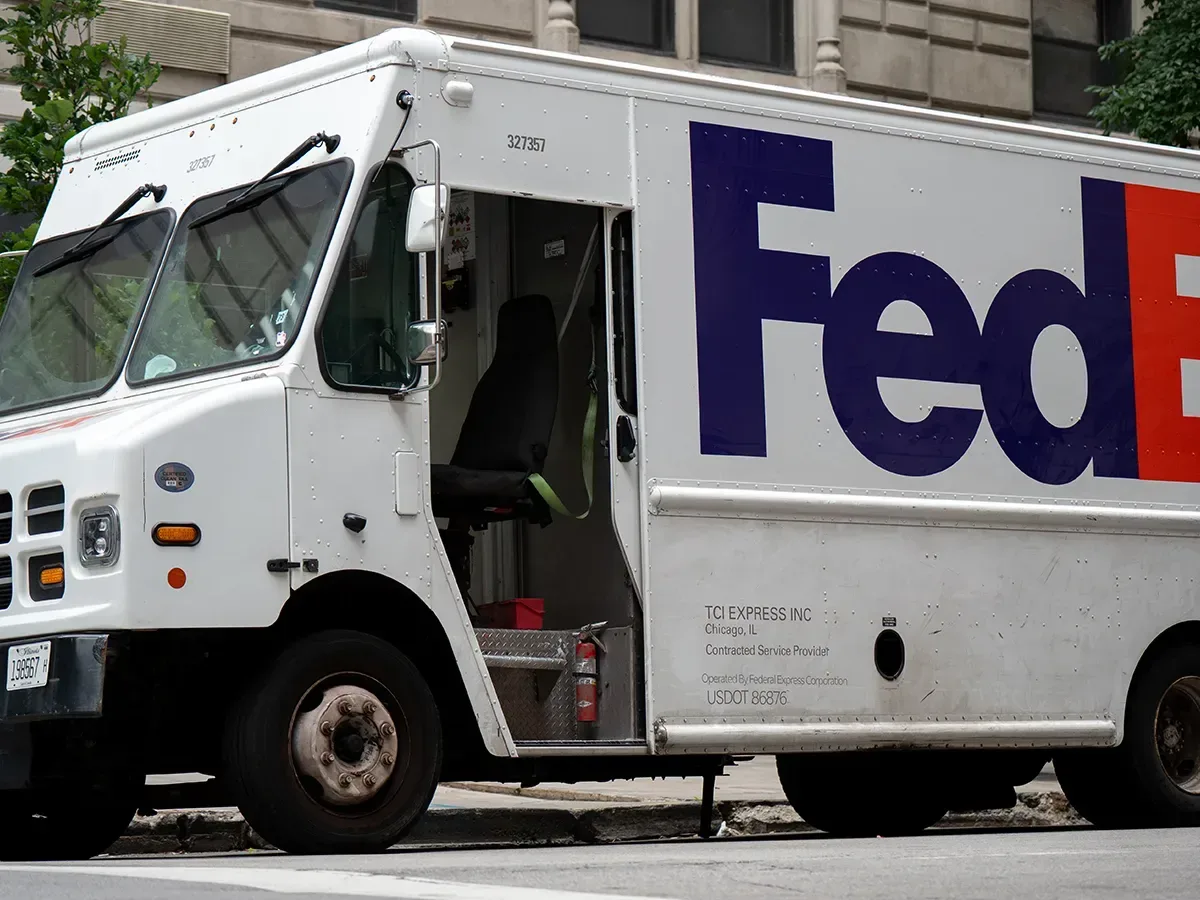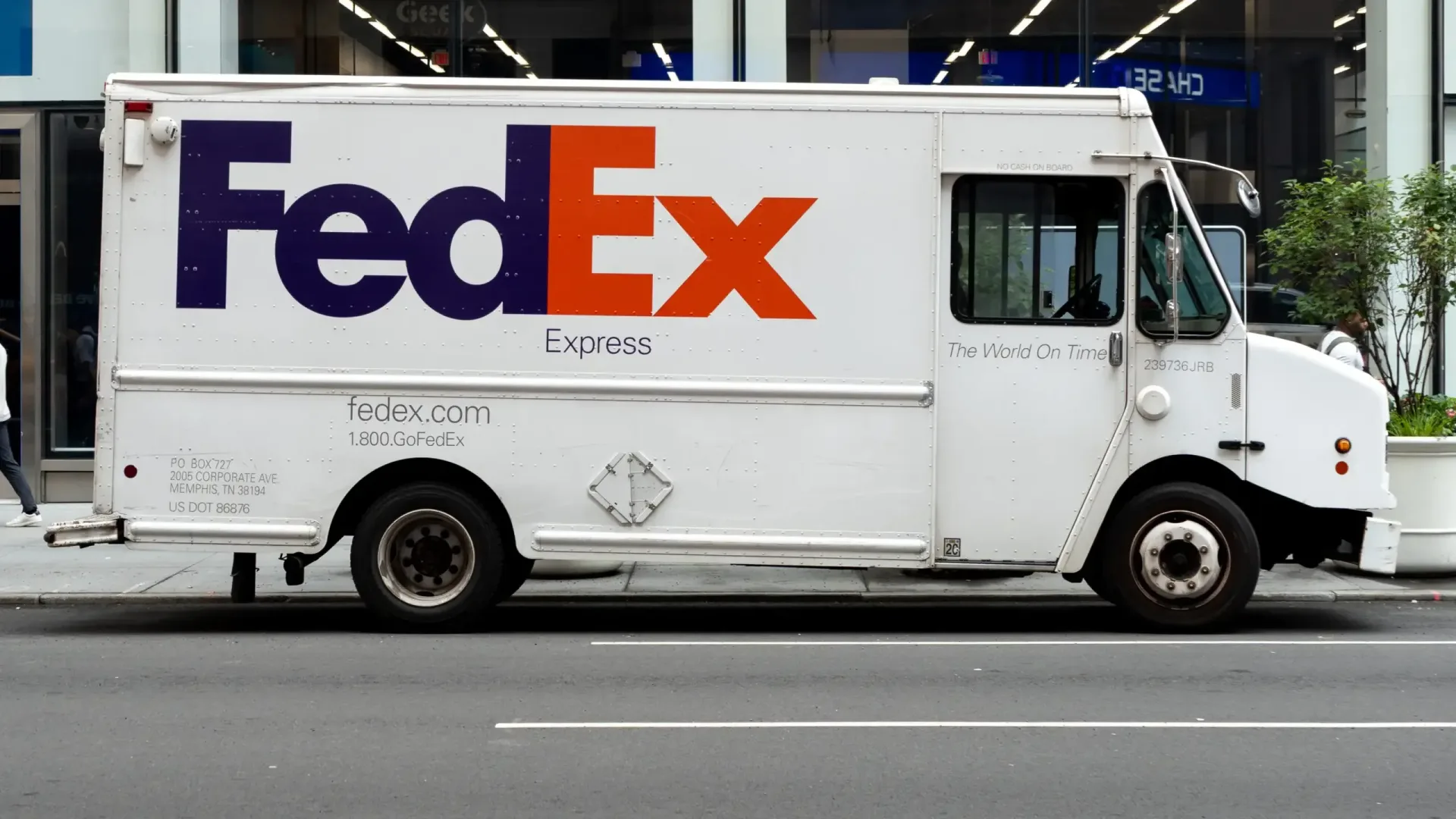
A theft involving roughly 250 packages of PSA-graded sports and Pokémon cards has sent an alarm through the trading-card hobby. Police said the packages were taken from a FedEx truck parked near PSA’s shipping and receiving facility in Santa Ana, California, on Oct. 13. The cards had completed grading and were being shipped back to their owners.
Police were told the truck was left unattended for between 60 and 90 minutes. PSA estimated the cards’ approximate combined value at $963,000. That total is significant, but the effect is not merely a headline-sized loss: every package can represent a different collector’s personal collection, dealer inventory, or a card awaiting resale after its grade was revealed.
Collectors, PSA’s parent company, said it is working with law enforcement and the carrier while the investigation continues. The company said it has contacted affected customers, deactivated certification numbers tied to the stolen cards, and notified marketplace partners to watch for them.
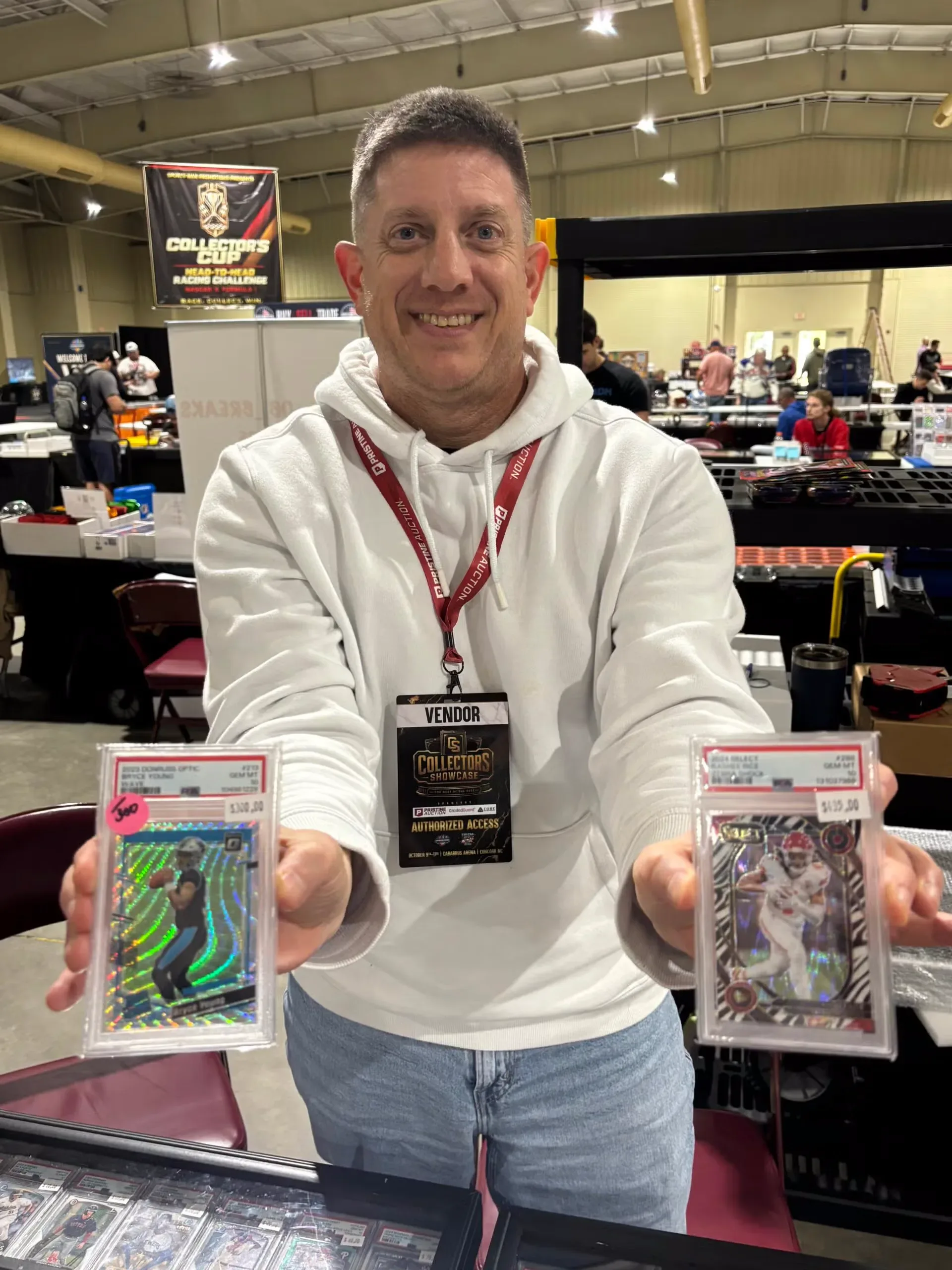
One reported victim, dealer SKY-B Cards, said it lost more than $100,000 in graded cards. As news moved across social media, collectors and dealers began sharing information in an effort to help identify cards that may surface.
What is known about the theft
- Police said approximately 250 packages containing sports and Pokémon cards were stolen.
- The packages contained cards graded by PSA and being returned to owners.
- The theft occurred Oct. 13 near PSA’s Santa Ana shipping and receiving facility.
- Police said the FedEx truck was unattended for an estimated 60 to 90 minutes.
- PSA placed the approximate value of the stolen cards at $963,000.
The investigation remains ongoing, and the available information does not establish who took the packages or where the individual cards may be. That uncertainty matters. A $963,000 estimate describes the scale of the reported loss, but it does not mean each affected owner has the same financial exposure, insurance selection, or path to compensation.
Why graded-card shipments create a particular risk
Grading is the process by which a third party evaluates a card’s condition and places it in a tamper-evident holder, commonly called a slab. The holder’s label includes identifying information, and PSA’s system uses certification numbers associated with graded items. For collectors, that process can make a card easier to identify and easier to transact, especially when condition has a substantial effect on value.
It also creates a concentration-of-value problem in transit. A single returned submission may hold many cards; a dealer’s shipment can hold substantially more. In this case, the reported theft involved packages across both sports cards and Pokémon, two large and active parts of the hobby. The loss is therefore a reminder that “shipped” is not the same as “back in hand,” even after the grading portion of the process has ended.
That does not make grading itself the cause of the theft. Rather, the incident concerns the final logistics stage: completed items moving from a grading company back to customers. For people sending collectible cards, grading, shipping, insurance, documentation, and delivery all form separate links in the chain. A problem at any one of them can disrupt the whole transaction.
Related coverage includes Nearly $1M in PSA-Graded Cards Stolen From FedEx Truck.
What PSA’s certification deactivation means
PSA said it deactivated the certification numbers for the stolen items and alerted marketplace partners. In practical terms, this gives marketplaces, buyers, dealers, and collectors a specific signal to scrutinize cards associated with the theft rather than relying only on a vague description of missing inventory.
A certification number is especially useful because it can connect a particular slabbed card to a grading record. Deactivation is not the same thing as recovering a card, proving who possesses it, or resolving ownership in every possible future transaction. It is, however, an important traceability measure. It makes it more difficult for a stolen graded card to blend into ordinary online listings or dealer transactions without attracting attention.
For the wider hobby, the response emphasizes a basic point: a grade and a protective holder can support identification, but they do not eliminate the need for caution when buying a high-value card. Buyers encountering unusually urgent, under-documented, or otherwise questionable offerings should slow down, preserve the listing details, and check the card’s identifying information before committing to a deal.
Compensation and the limits of an insurance selection
Collectors said affected customers are being offered compensation based on fair market value, up to the maximum insured value each customer selected before grading. The wording is important. The reported approach combines a valuation standard—fair market value—with a ceiling based on the customer’s chosen insurance amount.
“Fair market value” generally describes the value an item could command in an ordinary market transaction. It is not necessarily identical to the price a collector originally paid, the amount of time spent assembling a set, or the sentimental importance of a card. Meanwhile, an insurance maximum is a limit. Selecting a limit is therefore not simply an administrative field in a submission flow; it can shape the maximum compensation available if a shipment is lost or stolen.
No public details in the available information explain how every individual card will be valued or how quickly each claim will be resolved. Customers directly affected by the theft will need to rely on the communication and claims process described by PSA. Anyone not affected can still take the episode as a reason to retain clear records for significant cards: submission details, certificate information, purchase records, photographs, and records of any insurance value selected.
Practical implications for collectors and dealers
The incident has naturally prompted anger because the cards were reportedly only one stage away from being safely returned. Yet the useful response is not panic or suspicion toward every seller. It is better recordkeeping, more careful purchasing, and clear escalation when a listing appears connected to a reported theft.
If you have a valuable card in transit
- Keep your submission, tracking, and insurance-selection records accessible until the package is received.
- Save identifying details for graded cards, including certification information where available.
- Review the carrier and grading-company communication promptly if a shipment status changes or a delivery issue arises.
- Document notable cards with clear photographs and purchase records before they are shipped.
If you are offered a potentially affected card
- Do not assume a graded holder alone resolves questions about a card’s provenance.
- Ask for clear, consistent identifying information and compare it with available grading records.
- Be cautious around listings that offer little documentation or apply pressure to complete a fast sale.
- Preserve the listing URL, images, seller information, and messages if you believe an item may be connected to the theft.
- Use the reporting channels of the relevant marketplace or contact law enforcement rather than trying to confront a seller yourself.
Those habits apply across the hobby, from modern Pokémon to sports cards. The financial stakes can be enormous in either category, and the wider market remains commercially consequential; trading cards continue to occupy a meaningful place in the broader collectibles business. But this case is also a reminder that the hobby is built from individual property. For a collector, the missing object is rarely interchangeable simply because an insurer can assign it a market figure.
What happens next
Collectors said it will evaluate its processes and procedures, including possible improvements or education for shipping partners intended to help prevent similar incidents. That is a forward-looking commitment, not a detailed account of new safeguards, and no specific changes have been announced in the information available.
For now, the most concrete measures are the investigation, outreach to impacted customers, potential compensation up to selected insured values, the deactivation of certification numbers, and marketplace notifications. The social-media effort to share details may also assist recognition if cards begin appearing for sale.
The theft’s lasting effect may be a sharper collective focus on a part of card collecting that is easy to overlook during a submission: the journey home. Grading can establish condition and provide a durable identifying record, but it cannot by itself guarantee secure transportation. The response from collectors, marketplaces, carriers, and grading companies will determine whether the cards are recognized and recovered—and whether future shipments are better protected.