Magic: The Gathering remains the central engine in Hasbro’s current business picture. Wizards of the Coast reported $367 million in operating income for the quarter, with Magic contributing the majority of that result. The game accounted for more than 66% of Hasbro’s operating income in the period, while its contribution rises to roughly 90% when looking across the first nine months of the year.
Those figures arrive alongside 15% year-over-year revenue growth for Hasbro and reinforce a straightforward reality: a trading-card game built around both play and collecting is doing exceptionally serious work for a company with a broad portfolio of toys and entertainment brands.
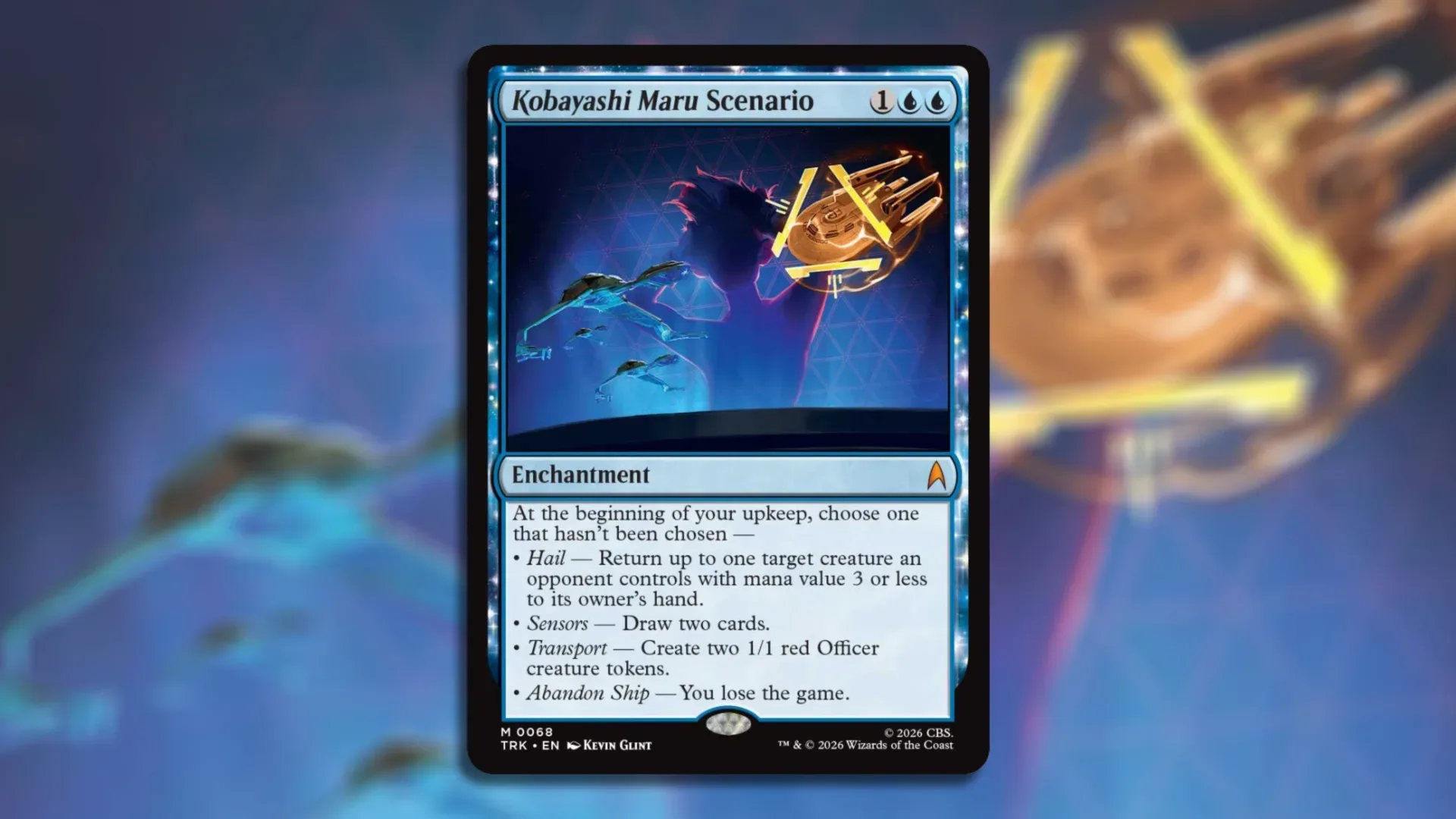
Recent Magic releases including The Hobbit and Reality Fracture were identified as contributors to the strong quarter. The business has also been supported this year by licensed releases such as Marvel’s Avengers, with a Star Trek Universes Beyond set expected in November. Last year’s record-setting Final Fantasy crossover had already demonstrated the scale that a major tie-in can reach. Rather than fading after that peak, Magic’s commercial momentum has continued.
What operating income actually tells us
Operating income is not the same thing as sales, revenue, or profit after every cost a company pays. In basic terms, it measures the money left from core business activity after operating expenses are accounted for, but before items such as interest and taxes. It is useful here because it indicates that Magic is not merely moving a large amount of product: it is making an outsized contribution to the wider company’s day-to-day earnings.
The $367 million figure belongs to Wizards of the Coast’s quarterly operating income, not solely to Magic. Still, the reported majority contribution from Magic means the game is carrying a great deal of weight. Its more-than-two-thirds share of Hasbro’s operating income for the quarter is particularly notable given the range of brands held under the Hasbro umbrella, including Hot Wheels, Transformers, Play-Doh and Peppa Pig.
That does not make every other brand unimportant. It does, however, show why the cadence of Magic releases, premium products, booster boxes and high-profile crossover sets matters beyond the tables where people draft or play Commander. Magic’s performance is now consequential at the corporate level.
A game business, not only a scarcity business
Magic is a collectible card game, but its current strength is being discussed differently from the speculative pressure surrounding the Pokémon Trading Card Game. The contrast matters because collectible card markets can be powered by very different motivations.
In Magic, much of the demand remains tied to playing: booster packs feed draft events, cards find homes in Commander decks, and players look for pieces that work in actual games with friends. A booster box can be an expensive purchase, but its appeal is not restricted to the chance of finding a single high-value card. Packs can become a shared limited-format event, trade material, deck upgrades, or simply part of keeping up with a favorite format.
That does not mean collecting is absent. Individual cards have value, rare versions draw attention, and cards with names such as The Queen of Dale and Ajani Resolute can be part of a larger product chase. But the reported concern within Magic is largely the inverse of a market dominated by restricted supply and aggressive rare-card hunting. Some players are worried that reprints and a constant stream of new releases reduce the value of cards they own.
In Pokémon, the current energy is described as more heavily focused on chase cards and collection value, with scalpers and speculators creating strain for ordinary buyers. In Magic, the objection is less about product being impossible to find and more about a rapidly changing landscape in which new sets can compete for attention, wallets and perceived card value.
Neither pattern is automatically good for every player. Scarcity can make a hobby inaccessible and invite opportunistic buying. Excessive supply or an intense release schedule can make players feel that purchases lose relevance too quickly. Magic’s earnings suggest its present model is commercially effective, but player satisfaction is a separate measure—and a more complicated one.
The release calendar is the tension behind the numbers
Magic’s 2026 expansions have generally been viewed positively in the supplied reporting, even as longtime fans continue to argue that the game is releasing too many sets and overprinting cards. These views can coexist. A set can be enjoyable, mechanically appealing, or thematically compelling while still arriving in a calendar that feels difficult to follow.
“Set churn” is the useful term for that feeling. It refers to the rapid turnover of products, formats, cards and conversations as one release is followed closely by another. For a highly engaged player, it can mean new draft environments and fresh Commander options. For somebody with limited time or a fixed hobby budget, it can turn each new release into an implicit decision about what to skip.
This is also where licensed Universes Beyond products add another layer. Crossovers can bring a favorite fictional world into Magic and widen the game’s appeal. Final Fantasy, Marvel’s Avengers and the incoming Star Trek set demonstrate the pull of established entertainment properties. Yet crossover releases can also intensify the sense that the game’s calendar has no quiet season, especially for people who want to play across multiple formats or collect cards from a specific franchise.
The immediate commercial incentive is easy to see. A steady sequence of sets gives Wizards more chances to reach different audiences: regular Magic players, fans of a licensed property, drafters, Commander groups and buyers seeking premium collectibles. The longer-term question is less easily answered by a single strong quarter. Can the company continue serving all of those groups without making the game feel permanently urgent?
Why reprints provoke such different reactions
Reprints are cards issued again in a later product. They can be useful for players because they can increase the available supply of a card and potentially make it easier to obtain for a deck. But collectors and owners of earlier versions may see them as a threat to resale value. In a game where cards are both play pieces and collectibles, that disagreement is built in.
A player assembling a Commander deck may welcome a reprint if it lowers the barrier to playing the cards they want. Someone who bought cards partly as scarce collectibles may reasonably feel differently. The disagreement becomes sharper when releases are frequent, because players have less time to absorb one product before another arrives with fresh cards, alternate versions or potential reprints.
It is important not to reduce Magic players to only one camp or the other. Many people enjoy both sides of the hobby. They may care about the look and long-term value of particular cards while also wanting a healthy play group and accessible deck-building options. That mixed incentive is one reason the game can support such a huge business while still producing constant arguments over product strategy.
Practical implications for players and collectors
Hasbro’s results are a signal of confidence in Magic’s present release model, not a promise that every player should try to buy every release. For people whose priority is actually playing, the useful response to a crowded calendar is usually to decide what kind of Magic they enjoy most and let that guide spending.
- Draft-focused players can concentrate on the sets their local groups want to play rather than treating every product as required.
- Commander players can prioritize cards that have a clear home in an existing deck instead of chasing every newly previewed option.
- Collectors can separate personal favorites from purchases made primarily with future value in mind, particularly when reprints are a persistent concern.
- Crossover fans can assess a licensed set on its own appeal rather than feeling obligated to follow every Magic release around it.
That is not financial advice, and the available information does not establish how any specific card or sealed product will perform. It is simply a practical way to avoid letting a busy schedule dictate a hobby budget. A strong corporate quarter does not change the fact that a good game night can be built with the decks and cards a group already enjoys.
The broader card-game market is also not standing still. Other licensed projects continue to seek space in the retail and collector conversation, including the Cyberpunk Trading Card Game’s upcoming Burn Bright set. Magic’s ability to maintain momentum amid that wider attention makes its role within Hasbro all the more striking.
A strong quarter does not settle the community argument
The clearest takeaway is that Magic’s growth has not shown an obvious slowdown in 2026. Its contribution to Wizards of the Coast’s $367 million quarterly operating income, and to Hasbro’s wider operating performance, puts concrete numbers behind the perception that Magic is in a powerful commercial position.
But strong earnings cannot determine whether the current frequency of releases is comfortable for the people who play the game. The tension between accessible cards, collectible value, crossover appeal and a manageable pace is likely to remain. The company has powerful reasons to keep producing successful sets. Players have equally understandable reasons to want room to enjoy the ones already on the table.