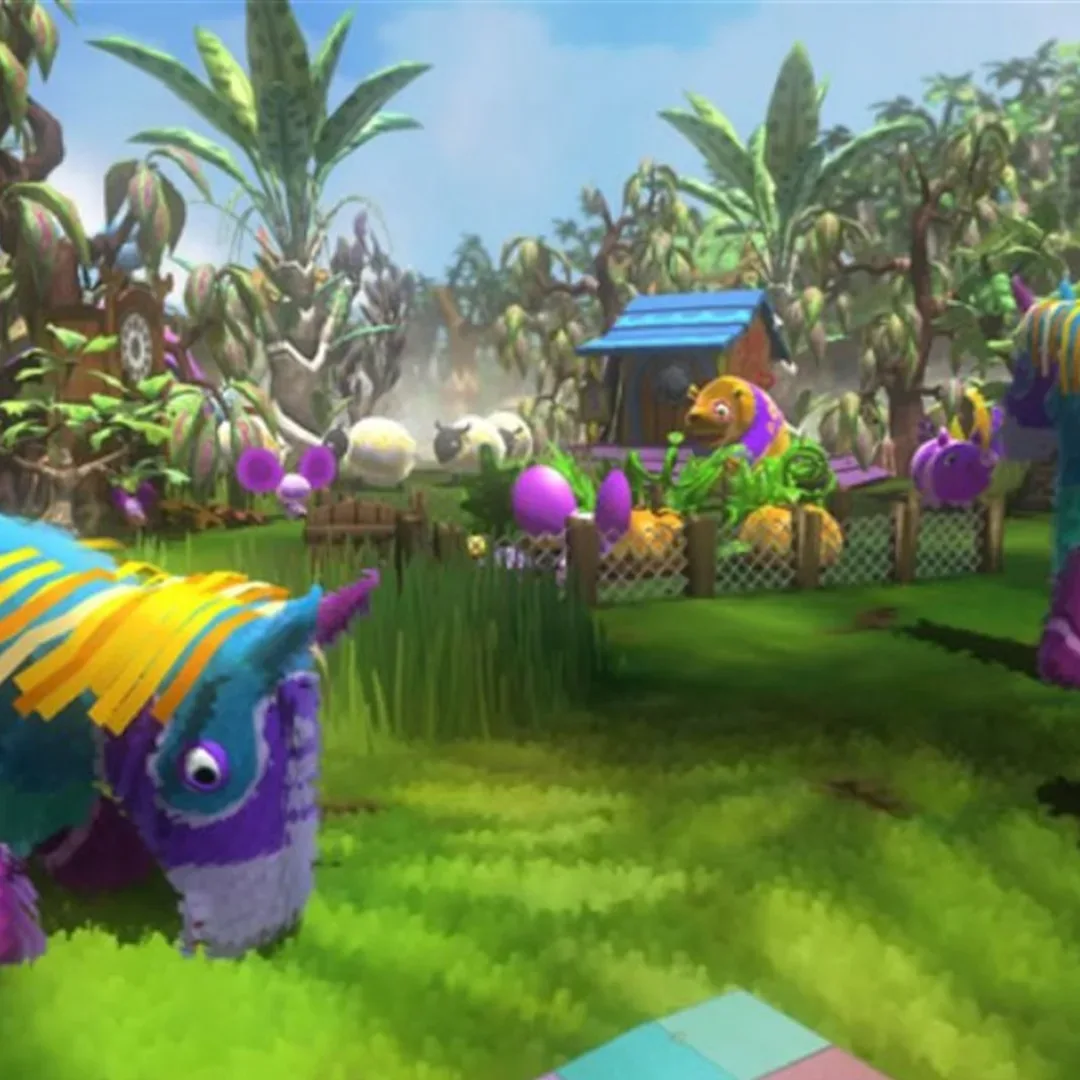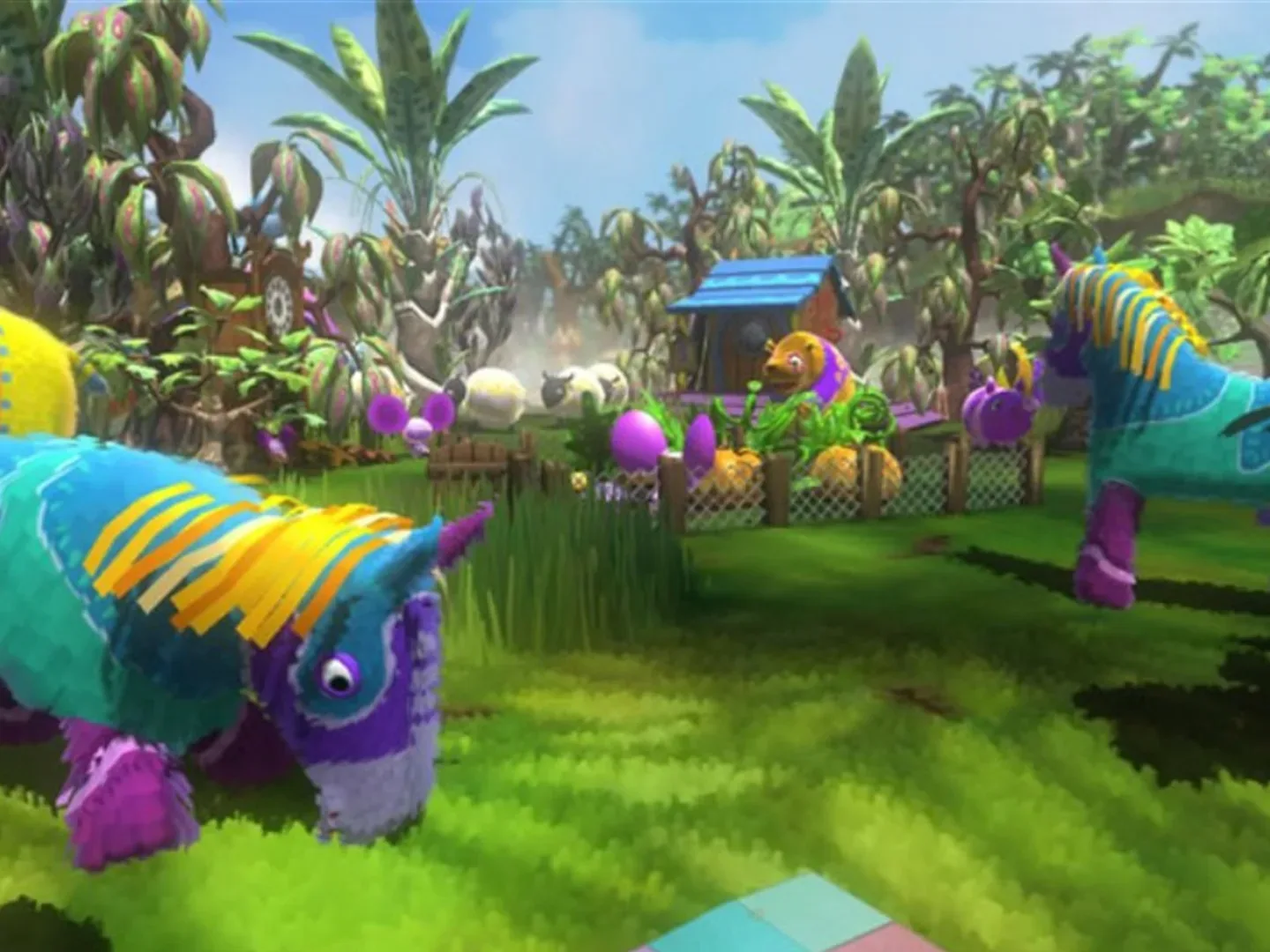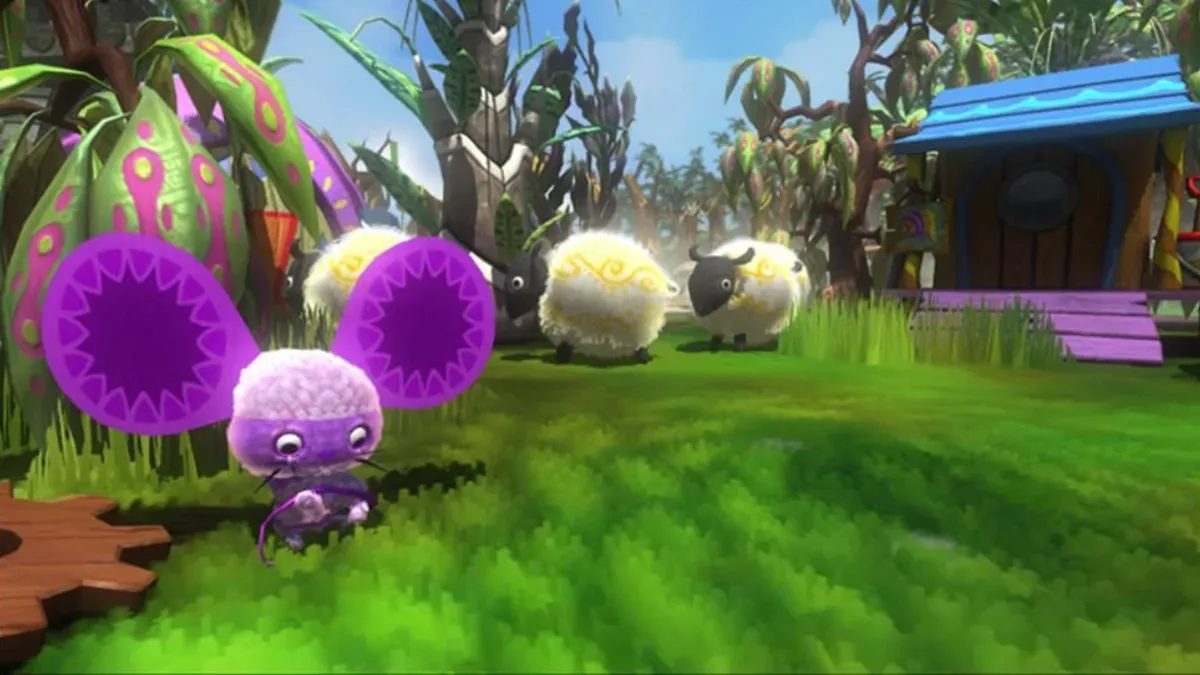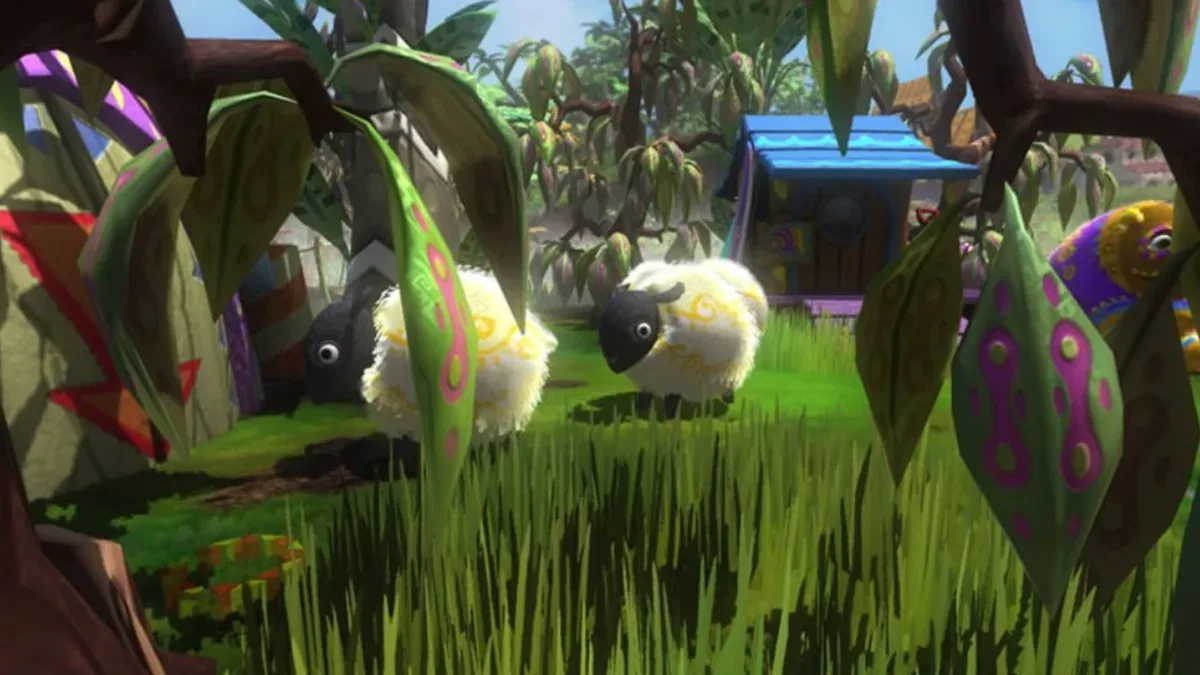
There are plenty of games built around charming creatures, colourful habitats, and the intoxicating promise that one more small task will make everything perfect. Yet Viva Piñata, Rare’s 2006 Xbox 360 game, remains an unusually sharp example of what that formula can accomplish when the pleasant surface is allowed to become stressful, strange, and occasionally cruel.
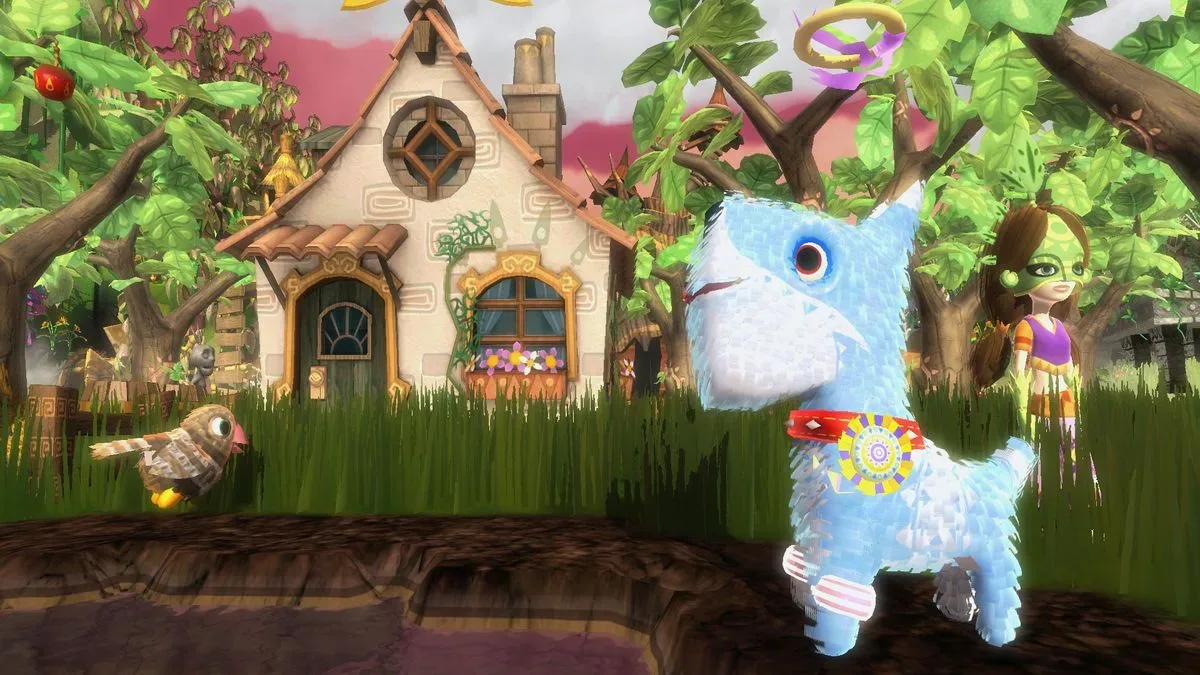
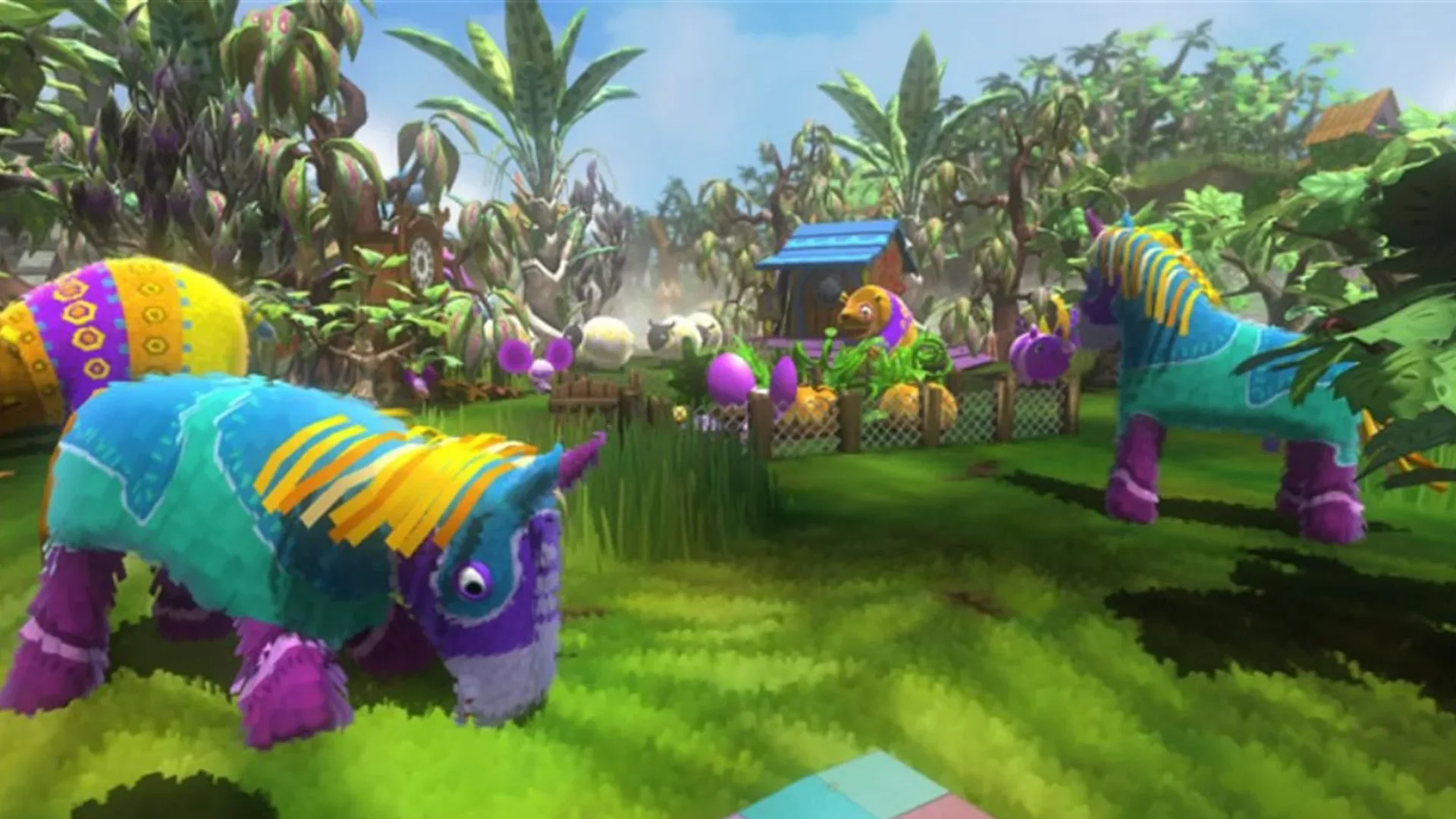
Its premise is disarmingly simple. Players inherit an unpromising patch of land, then transform it into a lively garden through plants, water features, decorations, buildings, and careful creature management. The residents are living piñatas: candy-themed animals with deliberately ridiculous names, from Arocknid to Zumbug. There are 60 varieties to discover, attract, and persuade to stay.
That loop has the satisfying structure of a collection game, but it is never merely about ticking a roster. Every species has particular conditions. One might need a specific plant, another a house, another enough water, and another the right food. An initially grey visitor becoming a permanent, vividly coloured resident is a wonderfully clear signal that a garden has become more hospitable. The names are playful, the animation is expressive, and the visual palette has the confidence of an animated children’s series.
But a Viva Piñata garden is not a quiet terrarium. It is an ecosystem with appetites, accidents, pests, hostile visitors, and a startling willingness to make the player live with the aftermath. That tension is why the game still has a compelling identity in an era crowded with creature collecting, crafting, survival, and management games.
A collectible garden that demands actual stewardship
At first, Viva Piñata teaches its systems gently. A new piñata appears at the edge of the property. The player studies its requirements, makes a few changes, and eventually watches it settle in. It is a small but potent ritual: learn what an animal wants, build toward it, and enjoy the result. Plants and decorations are not only cosmetic flourishes; they help turn an empty lot into an environment with purpose.
The game’s creature design does much of the emotional work. A Profitamole or Buzzlegum is memorable before a player even learns what it needs. The best designs look like toys, sweets, wildlife, and cartoon characters all at once. More importantly, Rare gave these residents enough animation and personality that they do not feel like static entries in a catalogue.
That makes the garden’s gradual complexity matter. New arrivals introduce demands that overlap with existing ones. Homes have to be built. Food chains need to be considered. Breeding adds another layer of requirements. The garden becomes a place where a player is simultaneously decorating, collecting, planning, protecting, and making difficult decisions about what belongs together.
For a comparison from today’s broader landscape, modern survival-focused games often foreground scarcity and direct danger from the start. Dune: Awakening’s approach to solo survival, for example, illustrates how openly the genre now advertises its hazards. Viva Piñata’s trick is different: it gets players comfortable with a toybox garden first, then reveals that keeping the toybox orderly may be impossible.
Related coverage includes Viva Piñata's Bright Gardens Still Hide Rare's Most Brutal Ideas.
The food chain is cute until it is your favourite
As the garden expands, piñatavores arrive. These creatures will not become residents until they have eaten another piñata. That requirement turns discovery into a moral and logistical puzzle. A Mousemallow may help attract a Syrupent; a Syrupent may be necessary for a Macaracoon. The player is encouraged to treat one adorable resident as a stepping stone to another, larger or rarer resident.
Breeding complicates the situation further. If a particular piñatavore needs prey, the practical answer may be to breed the prey species first. Mechanically, it is sensible. Emotionally, it is a strange ask for a game that has spent hours rewarding players for naming, housing, and fussing over the same creatures.
That clash is central to Viva Piñata’s power. The game understands that collecting becomes more meaningful when individual pieces of the collection feel vulnerable. A roster is abstract; a garden where a named animal wanders about, sleeps in a tailored home, and has survived several problems is not. The player has made a relationship where a system only required an asset.
Rare’s sweetness always had a sharper edge
Viva Piñata arrived during an important period for Rare. The studio had become a Microsoft first-party developer after its 2002 acquisition, following a celebrated Nintendo era that included work across the SNES, Game Boy, and Nintendo 64. Rare’s history contained both family-friendly character games, including Banjo-Kazooie and Donkey Kong Country, and harder-edged work such as Killer Instinct, GoldenEye 007, Perfect Dark, Battletoads, and Conker’s Bad Fur Day.
The 2006 garden game can look, in a screenshot, like it belongs solely to the former tradition. It was intended for younger players and accompanied by an animated television series. Yet its systems preserve some of that other Rare instinct: the desire to puncture comfort with a little menace.
When a piñata dies, it bursts and releases sweets. The presentation remains within a broadly PG cartoon register, but the event can hit surprisingly hard because the player has invested in the victim. Nearby piñatas can consume the spilled candy, turning a cute visual idea into an unsettling version of ecological recycling. It is not graphic horror, but it is absolutely not consequence-free cuteness either.
Then there is Dastardos, the game’s grim reaper-like presence. Sick piñatas draw his attention, and his intervention is not a rescue. His mask, hovering movement, and blunt function give the garden a looming reminder that neglect has an endpoint. The contrast between his presence and the game’s sugary world is one of the clearest examples of why Viva Piñata has lingered in players’ memories.
Chaos arrives in real time
The real danger is not any one predator or villain. It is the accumulation of simultaneous problems. Sour piñatas can leave poisoned sweets and troublesome seeds. Weeds can take hold and threaten plants. Ruffians can cause damage and provoke fights. Predators can reach prey if containment fails. A garden that felt manageable moments earlier can become an avalanche of alerts.
Viva Piñata is effectively a god game in which the god is badly multitasking. The player has tools, including a shovel, but no perfect awareness of the entire property. Problems can be addressed only after they have begun, and the controls are not always precise enough to create a feeling of total command. That slight friction is meaningful. A flawless interface might have turned each crisis into a routine cleanup; the game instead makes intervention feel urgent and occasionally too late.
Notifications contribute to the pressure. Some messages concern ordinary maintenance, while another may point to the disaster that will permanently change the garden. Picking the important warning out of a flood of lesser concerns becomes part of the challenge. It is a surprisingly effective way of making a compact garden feel alive: everything continues to happen while the player looks somewhere else.
The lack of convenient quick saving and loading gives these failures weight. There is autosaving, but the game generally pushes players to accept a loss rather than immediately erase it. That can be frustrating, certainly, especially when controls or camera management are part of the reason a rescue failed. But it also makes success feel less disposable. A stable, thriving garden is an achievement because it has survived disorder, not because it has been endlessly rewound into perfection.
Why the formula still feels rare
Viva Piñata did spawn sequels and spin-offs, but it did not reach the commercial scale of Rare’s biggest earlier successes. In later years, Rare worked more closely within Microsoft on Xbox Live avatars and Kinect projects before returning to major prominence with Sea of Thieves.
Its garden sim remains notable because it refuses to choose between comfort and jeopardy. It offers the pleasure of a collection book, a decorated home, and an animated creature sanctuary. It also asks players to manage invasive weeds, poisoned candy, feuding residents, hungry predators, and the painful fact that a lovingly named favourite can become part of someone else’s lunch.
That combination is not simply darker for the sake of surprise. It makes care mechanically important. The garden is valuable because it can go wrong. The creatures are memorable because they are more than rewards. And the game’s bright, confectionery world stays with people precisely because it occasionally bares its teeth.