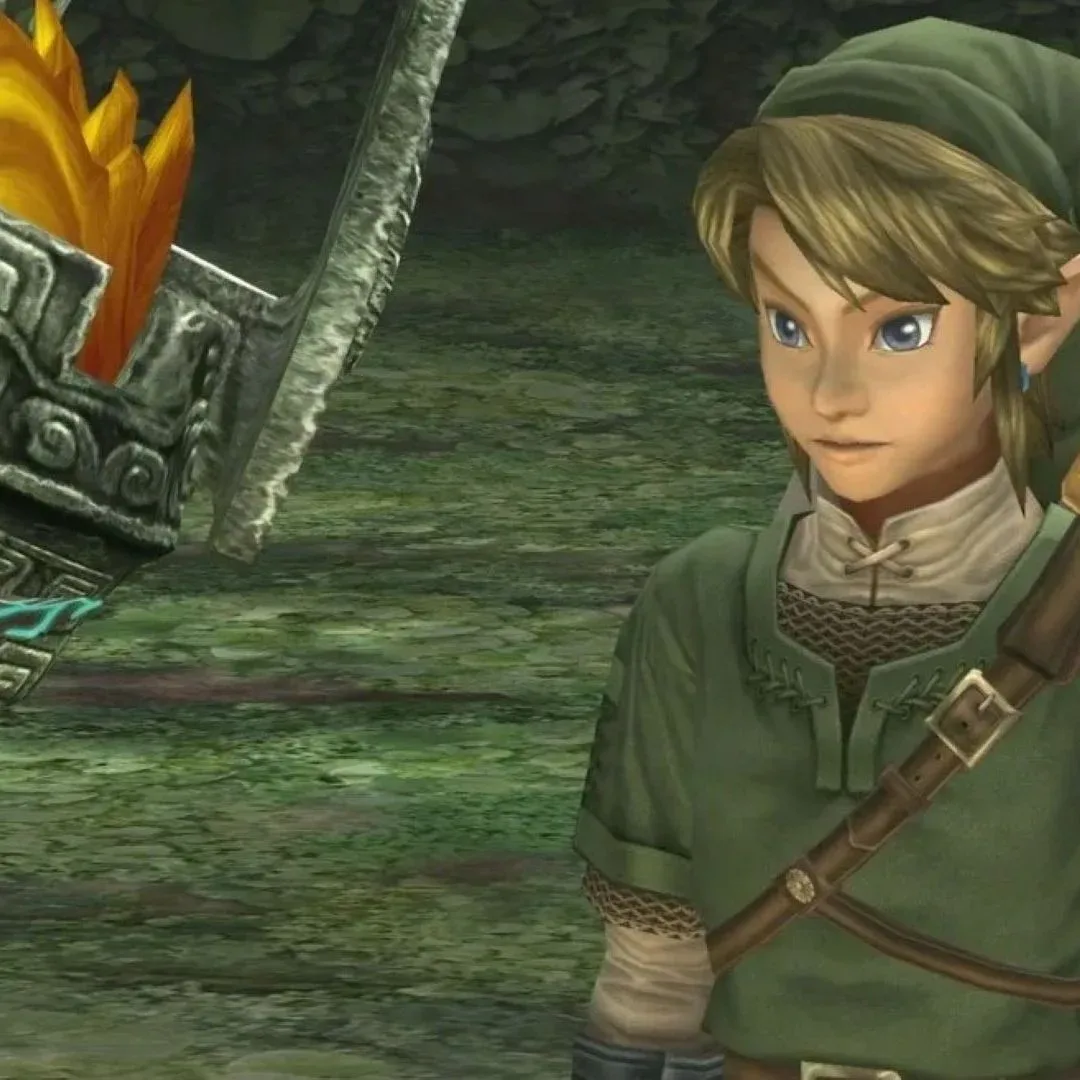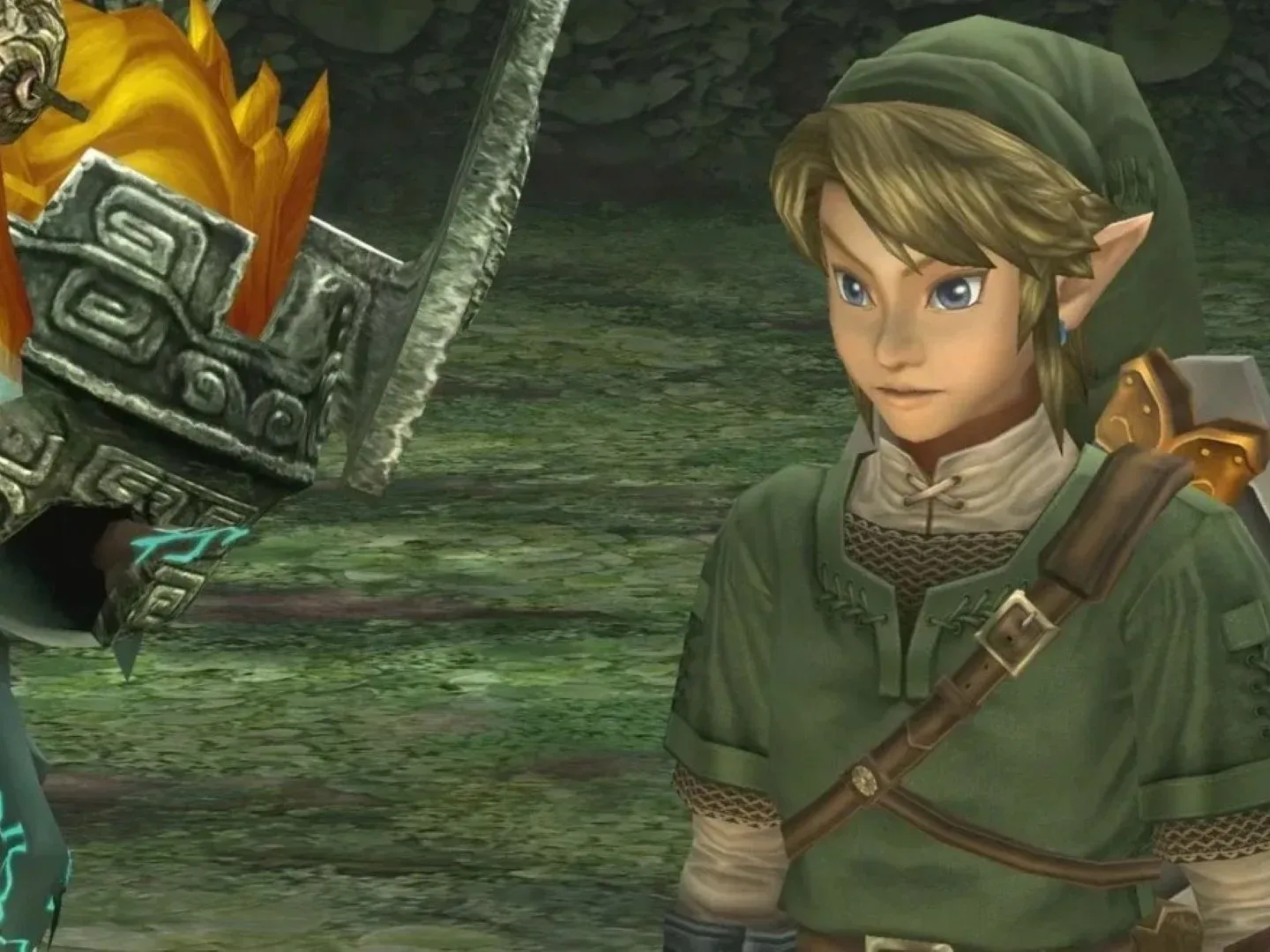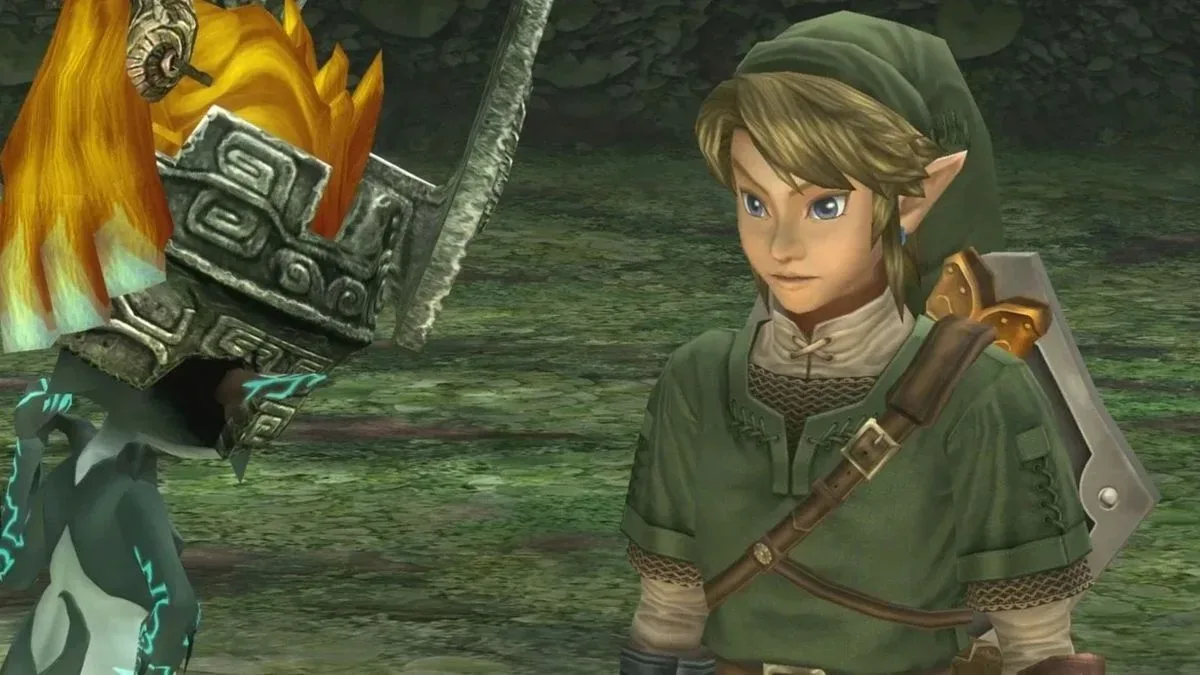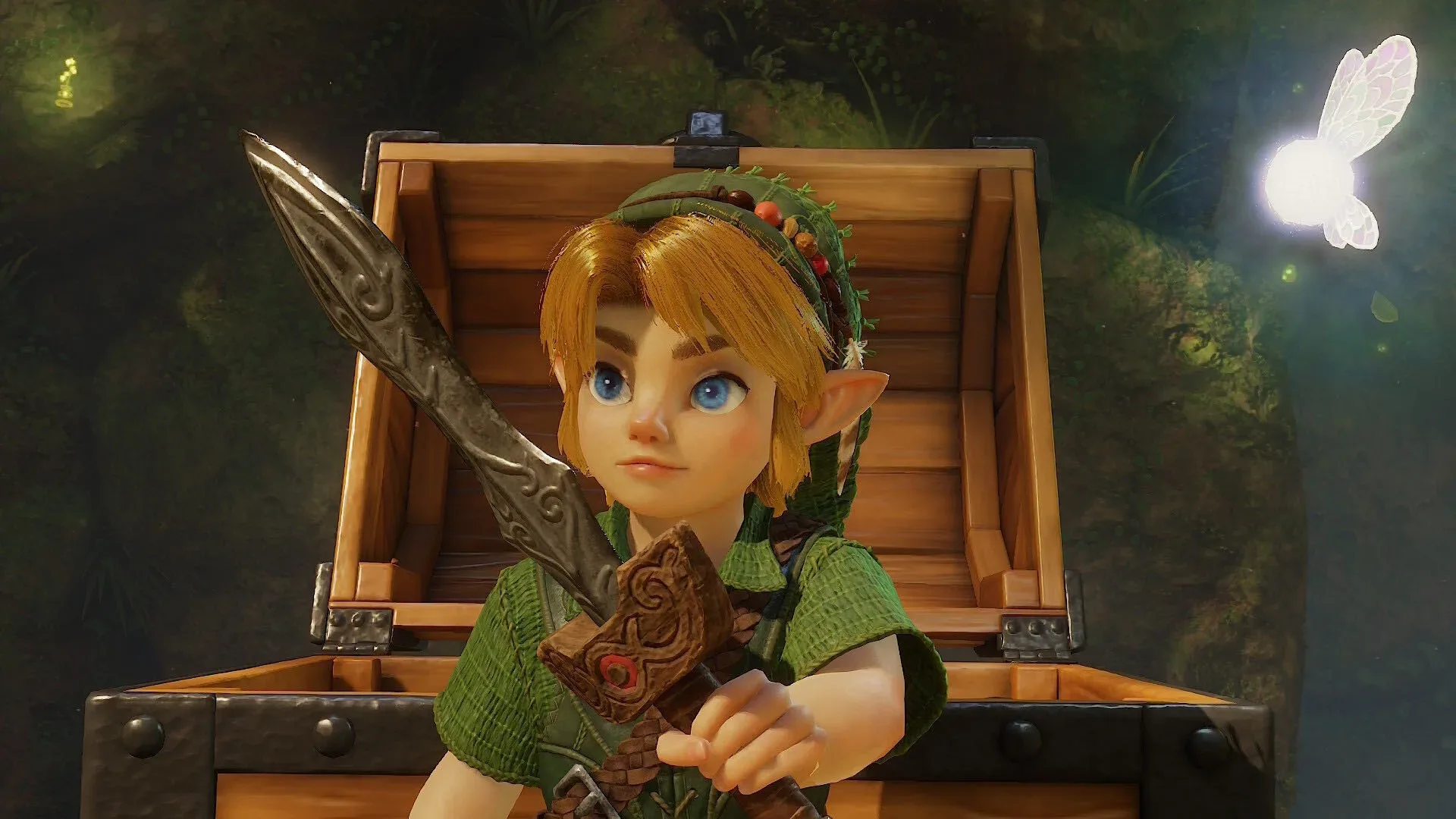
The Wii’s all-time US sales chart has delivered a wonderfully strange Zelda result: Link’s Crossbow Training was the platform’s highest-selling Zelda game by unit sales, rather than The Legend of Zelda: Twilight Princess or Skyward Sword.
The ranking, drawn from Circana Retail Tracking Service data and excluding bundled software, places Link’s Crossbow Training at No. 11 among Wii games in the United States. It sits ahead of Mario Party 8, Super Mario Galaxy 2, and Donkey Kong Country Returns. Meanwhile, Skyward Sword does not appear in the top 20 at all.
That is not a verdict on which Zelda adventure players hold closest. It is a reminder that the Wii marketplace ran on rules that were often very different from the usual enthusiast conversation around major, full-length releases. A compact game built around an accessory could reach households that might not have been shopping for a sprawling fantasy quest in the first place.
A chart full of Wii-era surprises
The broader top 20 explains why Link’s Crossbow Training’s position is less inexplicable than it initially sounds. The upper tier is crowded with games associated with the Wii’s enormous casual and family audience: Wii Play, Wii Fit, Wii Fit Plus, Wii Sports Resort, Just Dance 2, and Just Dance 3 all occupy top-10 positions. The remaining top-10 places are held by Mario titles or games closely connected to Mario.
For more context, explore Deltarune Chapter 6 Has a Full Playable Draft, While Chapter 7 Development Starts.
Wii Sports is not part of this particular ranking because the figures exclude bundled software. That distinction matters. Bundled software is a game included with a hardware purchase, so leaving it out is intended to focus the list on games sold separately at retail. It also means this is not a list of every Wii game that reached the most living rooms; it is specifically a retail unit-sales comparison under that methodology.
Even with that limitation, the picture is clear. Wii buyers supported fitness programs, dance games, party activities, minigame collections, and software tied to the console’s distinctive controller ideas at a remarkable scale. Carnival Games, another minigame collection, takes No. 20. The chart is a useful corrective to any history of the console that focuses only on prestige Nintendo sequels and traditional core-game franchises.
Super Mario Galaxy is the only single-player game in the top 10. That makes Link’s Crossbow Training’s success feel like part of the same larger trend: on Wii, accessible formats and immediately understandable physical interaction could be powerful commercial advantages.
Why Link’s Crossbow Training had a different route to buyers
Link’s Crossbow Training was associated with the Wii Zapper, a plastic shell that housed the Wii Remote and Nunchuk to create a light-gun-style aiming setup. The game introduced that peripheral and carried a substantially lower price point than a typical major Zelda release.
Those two facts are central to interpreting its chart placement. The product was not simply asking someone to choose one Zelda game over another. It could appeal to a buyer who wanted the Wii Zapper, wanted an easy demonstration of a new controller attachment, or wanted a lower-cost game with recognizable Zelda imagery. In other words, software and hardware appeal were intertwined.
That is a familiar dynamic for the Wii specifically. Its identity was closely tied to motion controls and add-on devices, and its sales leaders reflect a market receptive to games that made those ideas visible quickly. A game based around aiming a pointer at targets is easy to communicate in a store, easy to understand at a glance, and well suited to short sessions or taking turns. None of those characteristics establish artistic importance or long-term fandom by themselves, but they can matter enormously when counting units sold.
The Wii Zapper connection also helps explain why unit sales should not be read as a pure measure of player preference for one genre or one series entry. Unit sales count copies sold. They do not reveal whether a buyer was primarily interested in the game, the accessory, a giftable package, a lower entry price, or some combination of all four. The ranking is still meaningful; it simply needs to be read in the context of the products being sold.
Twilight Princess and Skyward Sword tell a different kind of story
Twilight Princess might seem like the intuitive answer to the question of Wii’s biggest Zelda release. It was a launch-day game, which gave it access to early console buyers, and it was a major adventure rather than a smaller score-chasing experience. Skyward Sword, meanwhile, arrived much later in the Wii’s life, after the console had reached an audience numbering tens of millions.
Yet the US Wii ranking says neither one overtook Link’s Crossbow Training on this measure. Skyward Sword’s absence from the top 20 is particularly notable because it shows how difficult it was for any one traditional release to break through a catalogue dominated by Wii’s wider cultural phenomenon.
There is no contradiction in players considering Twilight Princess or Skyward Sword more substantial Zelda experiences while Link’s Crossbow Training moved more copies on one platform in one territory. The games fulfilled different roles. Twilight Princess and Skyward Sword are adventure games built around extended progression. Link’s Crossbow Training was a focused Wii accessory showcase with a simpler premise and a lower barrier to purchase.
This is also a US-specific result. The provided ranking covers the United States, not worldwide sales, and it tracks Wii versions rather than every version a game may have received. Keeping those boundaries in view prevents the usual chart mistake: turning a narrowly defined sales statistic into a universal statement about a franchise’s entire history.
The bigger lesson: the Wii audience was broader than its reputation
Two decades after the Wii’s arrival, it is tempting to remember the system through a select group of landmark games: Mario’s gravity-bending platforming, Zelda’s motion-control experiments, Nintendo’s major character series, and the oddball charm of the hardware itself. The sales list points to another, equally important reality. The Wii was also a mass-market entertainment device whose biggest retail successes frequently served fitness, music, family play, or the novelty of its controllers.
Wii Play at the top is a particularly revealing example. Its success is closely connected to the practical appeal of getting a second Wii Remote. That does not diminish the game’s sales result; it shows that, in a hardware ecosystem, convenience and accessories can shape buying decisions as much as reviews or franchise status.
Link’s Crossbow Training belongs in that same conversation. Its No. 11 placement is a Zelda statistic, but it is even more fundamentally a Wii statistic. The game was positioned at the intersection of a familiar Nintendo world, a low-cost purchase, and a new attachment that embodied the machine’s toy-like appeal.
For players revisiting the console’s catalogue, that makes the result more than trivia. It explains why the Wii library can feel so unlike the sales charts of more conventional consoles. Its commercial center was not limited to long campaigns and blockbuster sequels. It included the games that helped people use the hardware in a new way, gave groups something immediate to do together, or made an accessory feel worthwhile.
The rankings are therefore not saying that the Crossbow Training target range dethroned Twilight Princess in Zelda’s creative hierarchy. They show that, in the US retail market, a carefully packaged peripheral companion found a route into more homes than either of Wii’s major Zelda adventures. For an era defined by balance boards, dance routines, motion remotes, and plastic attachments, that may be the most Wii outcome imaginable.
For more on the unusual sales result, see the report on Link’s Crossbow Training’s place in the US Wii chart.