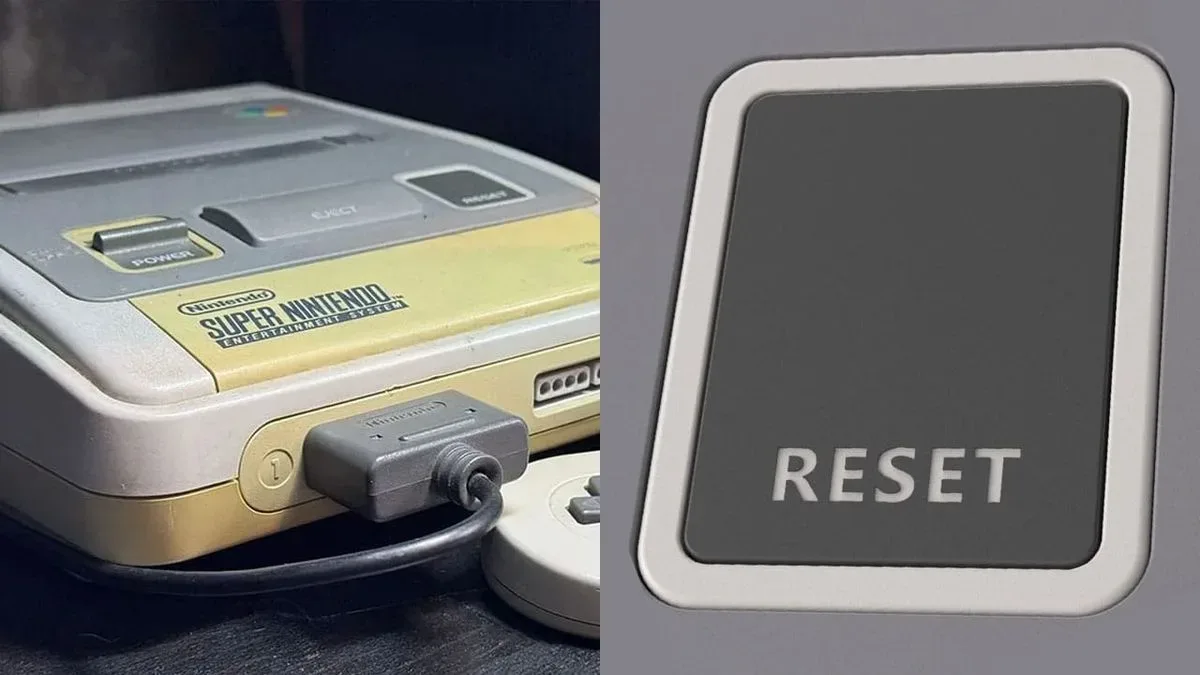
Taki Udon appears to be teasing a new hardware project under the codename SSNT/SuperFPGA. The evidence so far is deliberately spare: posts carrying the phrase “It’s time to run it back” have been paired with close-up images of reset buttons from Super NES hardware, including a PAL-system example.
That is enough to make the likely inspiration clear, but it is important not to turn a tease into a specification sheet. Nothing in the material confirms a final product name, price, release timing, cartridge support, controller ports, video options, or the precise scope of the machine. “SuperFPGA” is a highly suggestive label, and the SNES button imagery is hardly subtle, yet the project should still be treated as a prospective SNES-oriented FPGA console rather than a fully announced device.
Why the SNES clues matter
A reset button is a tiny piece of a console’s physical identity, but it can be an unusually effective signal for a retro-hardware tease. It immediately evokes the Super NES family of systems without requiring a full product reveal. Showing both a standard Super NES-style reset button and one from the PAL version further reinforces that the visual reference is intentional rather than incidental.
For players who grew up with the system, that design language carries plenty of recognition. The Super NES is associated with games ranging from Donkey Kong Country to The Lion King, and its reset button is part of the familiar routine of restarting a difficult stage, switching cartridges, or returning to a game after an ill-fated save-state-free attempt. The tease is trading on that connection while withholding the details that would determine whether the final hardware is primarily a preservation-minded machine, a convenient modern-TV solution, a flexible platform, or something else entirely.
What FPGA means in this context
FPGA stands for field-programmable gate array. In retro gaming hardware, the term generally refers to a configurable chip that can be set up to reproduce the logic of an older system’s hardware. That is different in approach from conventional software emulation, where a program running on a general-purpose processor imitates the original machine.
The distinction matters to enthusiasts because the objective is not merely to get a game running. An FPGA implementation aims to recreate the behavior of particular hardware components closely enough that timing, video behavior, sound behavior, controller response, and edge cases are handled in a hardware-oriented way. The practical result depends on the specific implementation, its firmware, display handling and peripherals; the label alone is not a blanket guarantee of perfection. Still, FPGA is a meaningful term for an audience that wants a modern device built around an old console’s technical character.
It also explains why a possible SNES-focused project has generated interest before any formal feature list exists. The Super NES has a large and enduring library, while today’s players commonly use modern displays that do not accommodate older console connections as easily as CRT televisions did. A dedicated FPGA machine could potentially address that gap, but the word could is doing important work here. HDMI output, CRT-style display filters, screen modes, overclocking, and cartridge docks have all been discussed as desirable possibilities around FPGA hardware, not confirmed SSNT/SuperFPGA features.
The SuperStation provides useful context, not a roadmap
The tease arrives after Taki Udon’s SuperStation, an FPGA PlayStation device. The SuperStation is described as capable of playing PS1 games and loading cores for other retro systems. It also has an optional dock for using physical discs.
Related coverage includes Taki Udon Teases SSNT/SuperFPGA With SNES Reset Button Images.
That previous hardware gives the SSNT/SuperFPGA codename a more concrete backdrop: Taki Udon has already worked on a project identified with FPGA-based retro play and a console-like physical presentation. But it does not establish that a possible Super NES machine will use the same setup. A disc dock makes sense for a PlayStation-centered device; it says nothing definite about whether an SNES-related unit would accept cartridges, how it might handle software, or whether it would support multiple cores.
That separation is worth keeping in view as excitement develops. Retro hardware announcements often encourage audiences to fill in blanks with a favorite feature from another machine. In this case, the confirmed material does not yet support claims about cartridge compatibility, ROM loading, included accessories, system accuracy targets, regional behavior, or expansion options.
A potentially distinct lane in FPGA retro hardware
The timing of the tease is notable because Nintendo 64-oriented FPGA hardware already has visible attention from more than one company. A move toward the Super NES would place a new project around a different beloved Nintendo platform rather than directly repeating that current N64 focus.
That does not automatically make a Super NES FPGA console a simple proposition. The appeal of the platform is obvious, but a final device would still need to answer practical questions: which games and regions it supports, how it connects to current televisions, which controllers work with it, how updates are handled, and what it costs. None of those answers has been supplied yet.
For now, SSNT/SuperFPGA is best understood as a name attached to a clear visual reference and a credible technical direction, rather than a purchasing decision. The reset-button photos establish the nostalgia target. The “SuperFPGA” label establishes an FPGA ambition. Everything beyond that remains open.
What prospective buyers should watch for next
- Formal naming: SSNT/SuperFPGA may be a codename rather than the retail name.
- Core purpose: Confirmation is needed on whether the device is exclusively Super NES-focused or supports additional retro-system cores.
- Physical media: The posts do not confirm a cartridge slot or any equivalent of the SuperStation’s disc-dock approach.
- Modern display support: HDMI, scaling choices and CRT-style filters remain unconfirmed, despite being common points of interest for FPGA buyers.
- Regional handling: The appearance of a PAL SNES reset button is a clue to the visual concept, not proof of region compatibility details.
- Availability: There is no announced date, price, preorder information, or finalized product imagery.
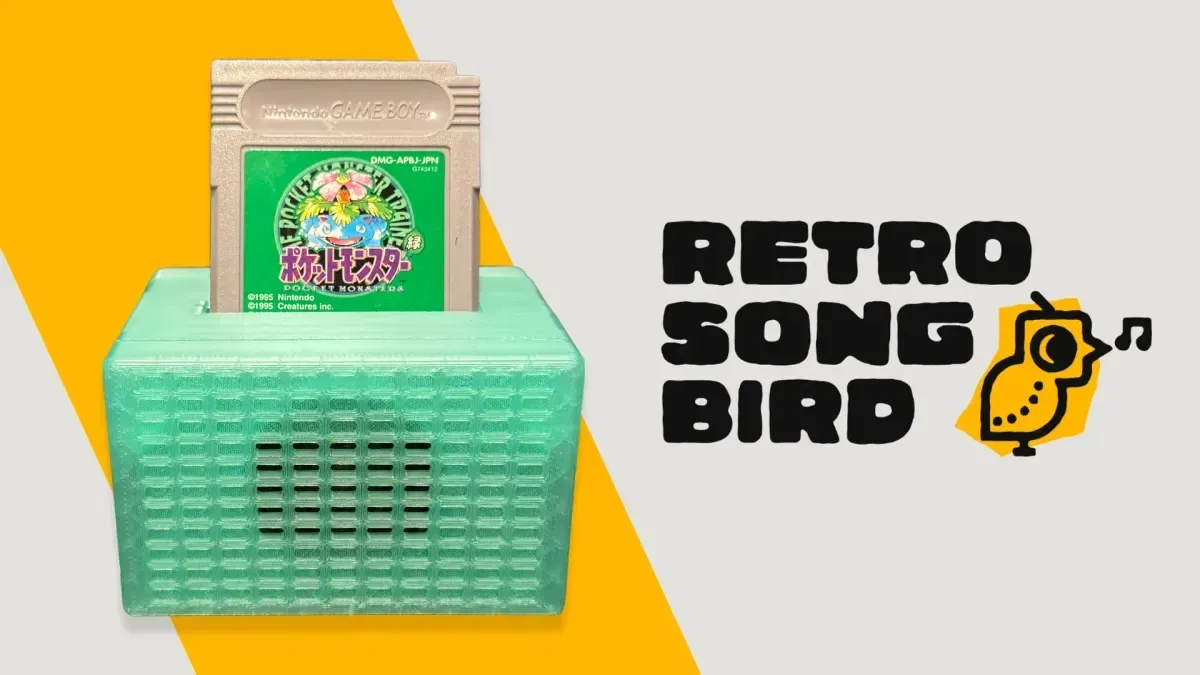
Until those points are clarified, the most sensible response is interested caution. The Super NES imagery makes for an exciting tease, particularly for fans who want dedicated modern hardware for older libraries. But the story is currently about intention and possibility, not a completed product. Readers keeping an eye on unusual ways retro games can inhabit physical formats may also be interested in Retro Song Bird’s Game Boy cartridge music-library concept.