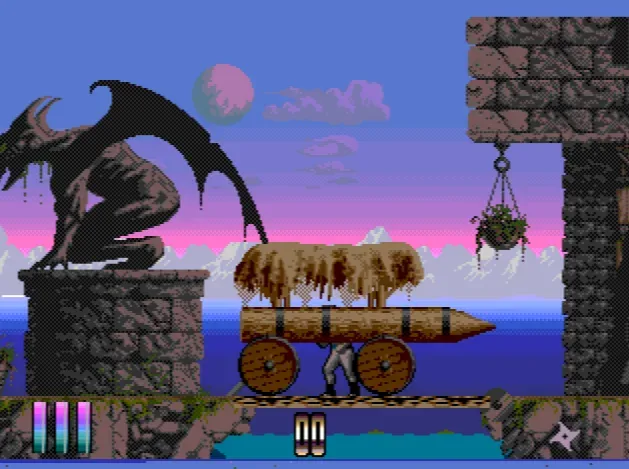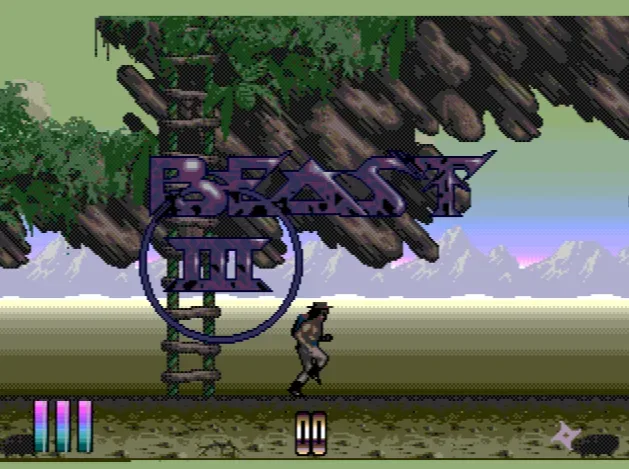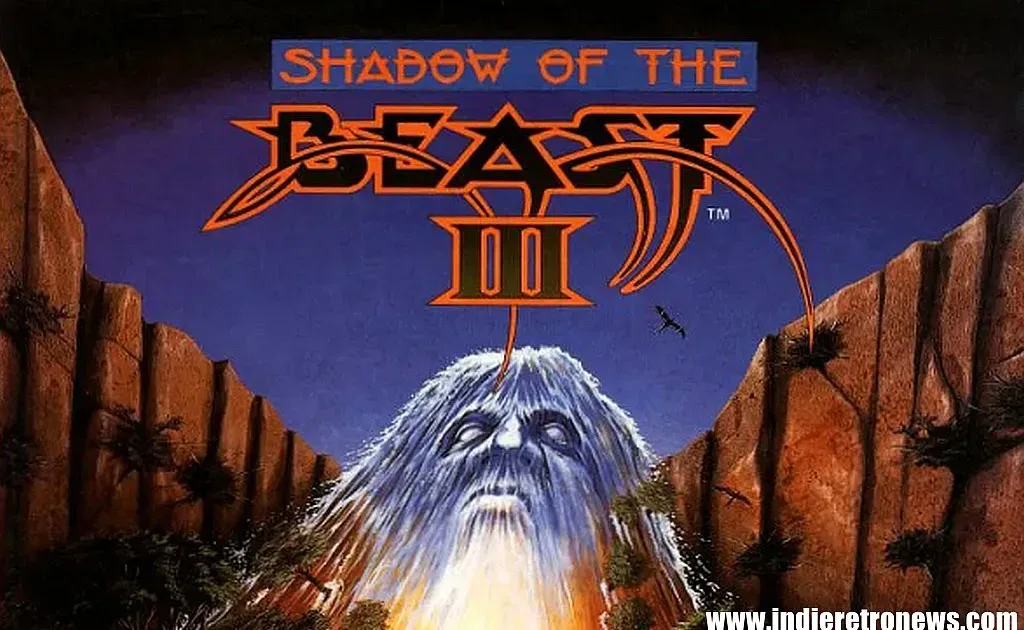
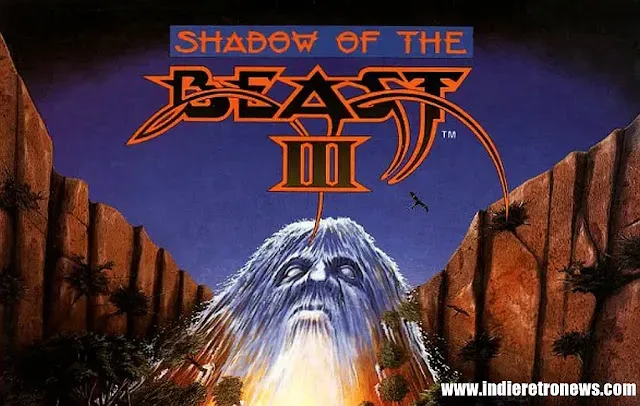
Shadow of the Beast III, the final chapter in the series, now has an unofficial Mega Drive conversion that runs on the original Sega hardware. Created by solo developer juicelink, the project addresses a conspicuous gap for players whose experience of the series was defined by Sega’s 16-bit console: the first two games reached the machine in the period, while the third did not.
This is not an official, rediscovered Sega release, and it is not an Amiga emulator running inside another program. Juicelink’s work is described as a native conversion: software made to run directly on Mega Drive hardware. That distinction is the headline for hardware enthusiasts, because the project is intended as a version of the game for the system itself rather than a workaround that reproduces a different platform’s environment.
From a forest demo to a full game
The conversion began as a relatively contained proof of concept. Its early form covered the opening forest area, including its enemies and a boss encounter. It has since expanded into a complete version that can be played through to its ending.
That is a substantial change in scope. A short demonstration can establish that a game’s visual language, controls, enemy behavior, or a single level’s flow can work on a target machine. Converting a full game means carrying that work across all of the game’s content and ensuring progression functions from beginning to end. For a title remembered in part for its difficult navigation and puzzles, a playable route through the entire adventure matters as much as getting its opening moments onto the console.
Juicelink has said the work was made with some assistance from Claude. The available details do not specify which parts of development received that help, so it would be speculation to assign it to programming, asset work, debugging, design, or documentation. What is clear is that the credited project is a solo-developed, unofficial conversion rather than a newly released official port.
What “native” means here
In this context, native means the conversion is designed to execute on actual Mega Drive hardware. It is worth separating that from emulation, since the terms can sound similar in everyday use but describe different approaches.
- Native conversion: the game is adapted to the target machine so that the machine runs the converted software directly.
- Emulation: one system recreates the behavior of another system well enough to run software made for the original platform.
Neither term automatically decides whether one version is better in every respect. They identify the technical route being used. But for Mega Drive collectors, tinkerers, and players who prefer software tailored to the console, a native version has a particular appeal: it makes the missing entry feel like it belongs alongside the two games Sega owners already had.
The project also underlines how retro-game preservation and restoration can be more than simply making older software accessible on modern devices. Sometimes the goal is to revisit a historical absence: a game that existed elsewhere but never reached a platform where its predecessors had an audience. The result is not historical proof that the original console received the game. It is a modern, unofficial attempt to fill that gap in a form appropriate to the hardware.
Related coverage includes Shadow of the Beast III Completes an Unofficial Mega Drive Trilogy.
A completion with some modern guardrails
The conversion does not aim only to reproduce the 1992 Amiga game unchanged. It adds options intended to soften two of the original’s more frustrating traits: players can receive a notification when a puzzle remains unsolved, and they can choose to restart from checkpoints.
Those additions are especially important to the way Shadow of the Beast III is remembered. Its puzzles and progression could leave players lost without a clear indication of what had been missed. A notification system does not necessarily solve the puzzle for the player. Based on the description, it signals that an unsolved requirement remains, which can prevent someone from assuming they have encountered a bug or exhausted every possible path.
Checkpoints address a different problem: repetition after failure. A checkpoint is a saved restart point within a game. Instead of replaying a much earlier stretch whenever progress is lost, a player can resume from a designated later point. The option matters in an adventure built around difficult navigation and puzzle progression, where repeating old material can be more discouraging than the immediate challenge that caused the setback.
These features are best understood as quality-of-life changes rather than a claim that the original’s design has been replaced. They preserve the core game while offering a less punishing way to engage with it. Players who want the traditional friction can assess the available options for themselves, while those chiefly interested in seeing the whole story have tools that make that prospect more approachable.
Why the full conversion matters to Mega Drive fans
The Mega Drive already had the first two entries, so the third game’s absence made the console’s relationship with the series feel incomplete. With this conversion, players can now approach the trilogy on the same Sega platform rather than changing machines for its final installment.
That does not rewrite the original release history. The conversion is explicitly unofficial, made more than three decades after the era in which the earlier games appeared on the console. Still, it gives the trilogy a practical kind of continuity for present-day players: one machine can now host all three chapters.
The timing also speaks to the continuing energy around new work for old platforms. Contemporary retro projects include preservation utilities, homebrew games, translations, patches, and conversions. Their value is often measured less by novelty than by precision: does the work respect the original game’s identity while making it usable in a new context? In this case, the answer appears to be a conversion that seeks the spirit of the Amiga original while allowing Mega Drive owners to reach the final chapter.
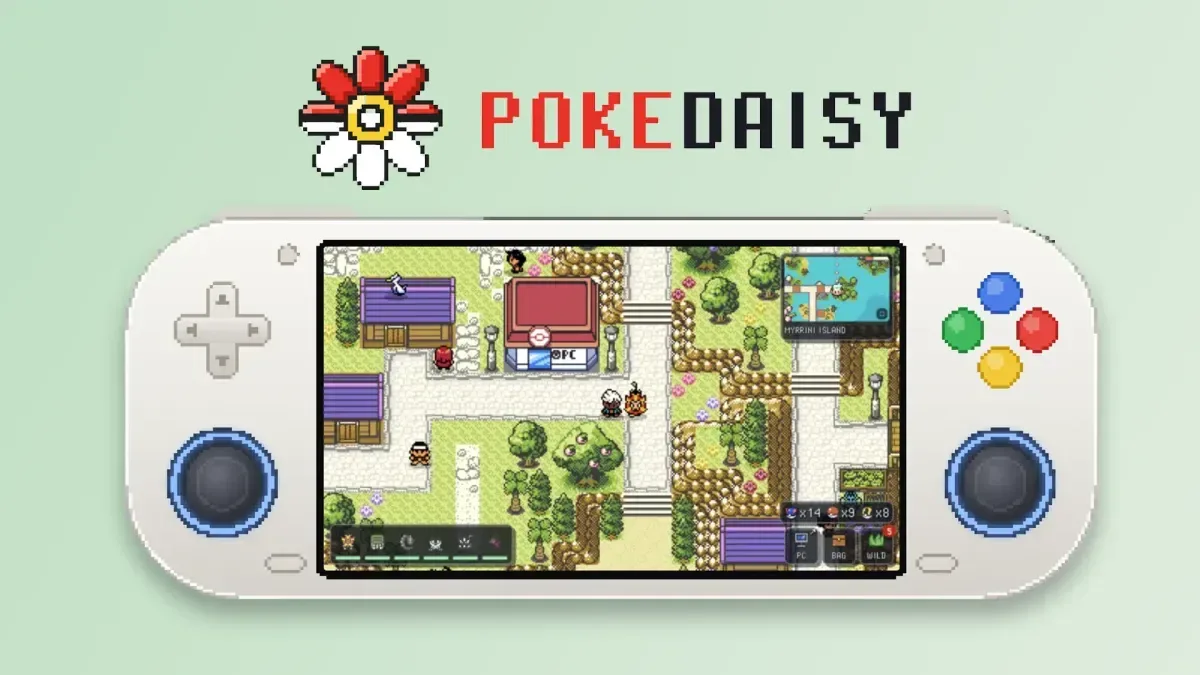
There is a broader parallel in the way modern projects help people play older games with fewer barriers. For example, tools built around retro Pokémon handheld play show how guidance and tracking can sit alongside an old game without replacing its underlying challenge. Juicelink’s unsolved-puzzle notification and checkpoint option follow a similar player-first idea, though they are built into this conversion rather than serving as a separate companion tool.
Known caveats and practical expectations
Juicelink considers the full game ready to play, but minor bugs may remain. That is an important caveat for anyone approaching it as a community-made project. A complete conversion and a flawless conversion are not identical claims, particularly when a single developer has taken on a game-wide adaptation for aging hardware.
The developer is welcoming feedback from the retro community. For players, constructive reports can be useful when they identify a reproducible issue, where it occurs, what happened, and what was expected instead. That type of detail is generally more actionable than a broad note that something felt wrong. It is also sensible to distinguish an actual fault from a puzzle that remains intentionally obscure, especially because the original game is known for progression that can leave players uncertain about their next step.
Potential players should also keep the project’s status in perspective. It is an unofficial recreation, not a replacement for the historical Amiga release and not evidence of a newly authorized Sega edition. Its achievement is different: it is a complete, hardware-native attempt to bring a formerly absent finale to the Mega Drive, with selective adjustments designed to make its notorious rough edges less likely to stop a playthrough.
The trilogy gap is finally closed—unofficially
For fans who associate Shadow of the Beast with Sega’s 16-bit machine, the new conversion supplies a long-missing third act. It began with one forest level, enemies, and a boss, then grew into a full game that reaches the ending. Along the way, it added an unsolved-puzzle notification and optional checkpoint restarts, two changes aimed squarely at the original game’s reputation for getting players stuck.
Its unofficial nature should remain front and center, as should the possibility of minor bugs. But the core accomplishment is straightforward: Shadow of the Beast III can now run natively on actual Mega Drive hardware, allowing the series’ final chapter to join the first two on the same console at last.