The PlayStation 2’s survival-horror library is broader than its most famous haunted towns. Some games make the player fight carefully with limited ammunition, others turn a camera into a weapon, and several create fear by making escape, observation or route planning more important than combat. This ranking focuses on how each game builds tension through its mechanics, not simply how disturbing its story or imagery may be.
The criteria are fear design, survival pressure, meaningful player agency, puzzle integration, atmosphere and mechanical identity. Historical importance also matters, but it does not automatically defeat a more unusual design. A game can rank highly with awkward controls or limited distribution if its central horror system is distinctive and consistently supports the experience. Regional names are noted where useful: Siren may appear as Forbidden Siren, while Fatal Frame releases use the Project Zero name in some territories. Spoilers are kept broad rather than turning the list into a walkthrough.
10. Extermination
Extermination is the list’s clearest departure from haunted houses and cursed villages. Its military science-fiction setting places the player inside a crisis shaped by infection, hostile creatures and failing infrastructure. The protagonist has weapons, but the situation remains unstable enough that ammunition, health, positioning and infection all carry weight. The game also lets players customize a rifle with parts that change its function, giving the survival systems a more technical flavor than the supernatural games higher on this list.
Its mechanical identity comes from combining third-person exploration with combat and a biological threat. The setting gives the game a colder, more procedural mood than the supernatural entries above it, and that makes its tension feel different even when its broad structure is familiar. Extermination ranks tenth because its systems are less singular than the camera combat or pursuit designs above it, but it remains a defensible PS2 survival-horror choice for players who want military science fiction instead of ghosts and occult rituals.
- Best fit: players who want survival horror with a military science-fiction setting.
- Main tradeoff: its combat-forward structure offers less helplessness than the strongest pursuit games.
9. Clock Tower 3
Clock Tower 3 makes pursuit the center of its horror rather than treating stalking sequences as occasional interruptions. Alyssa’s survival depends on recognizing danger, breaking line of sight, hiding and finding a way to continue under pressure. That changes the player’s priorities. Instead of approaching every room as a combat arena, the player reads spaces for exits, concealment and timing. The resulting fear comes from being hunted, not from building a powerful arsenal.
The game is also unusual within the PS2 library because its survival-horror action-adventure structure gives the pursuers a stronger dramatic role than ordinary enemies. Alyssa cannot simply overpower them during the chase sections, although later confrontations give her ranged tools for dedicated battles. Clock Tower 3 places ninth because its pursuit model is memorable but less consistently flexible than Haunting Ground’s, and its broader adventure design can soften the pressure between major chases. Still, it deserves recognition for making evasion a primary verb rather than a backup plan.
- Best fit: players who prefer stalking sequences and hiding to conventional combat.
- Main tradeoff: the chase structure is distinctive, but not every section sustains the same intensity.
8. Silent Hill 4: The Room
Silent Hill 4: The Room takes a familiar series foundation and rearranges it around Room 302. The apartment begins as a personal refuge and becomes a recurring space tied to the game’s progression, while a hole in the bathroom leads to alternate dimensions. That structure gives the game a strong mechanical identity: the player is not simply moving from one horror location to another, but repeatedly returning to a place whose meaning and safety change over time.
The game also places more emphasis on combat, cramped spaces and inventory management than some earlier Silent Hill entries. That can make the experience feel less cleanly focused, especially when threats and backtracking compete with its psychological ideas. Yet the apartment hub, first-person sections and alternate-world format make it impossible to dismiss as a routine sequel. It ranks eighth because its most inventive ideas are genuinely memorable, even if their combination is more divisive than the tighter designs above it.
- Best fit: players interested in a more experimental Silent Hill structure.
- Main tradeoff: the recurring hub and inventory pressures create identity but can also make progression feel more cumbersome.
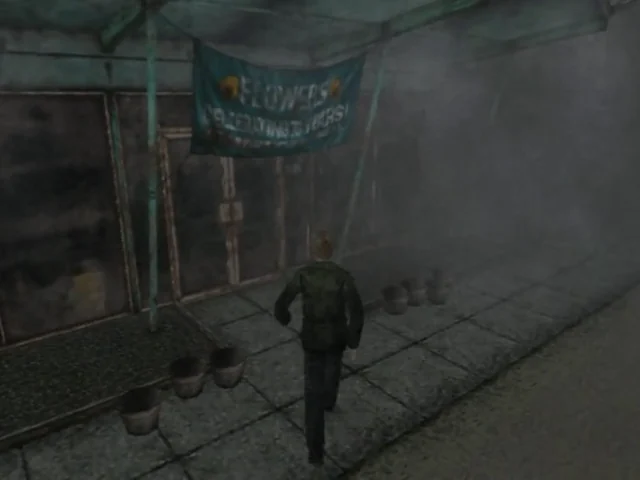
7. Kuon
Kuon moves survival horror into Japan’s Heian period, replacing the usual modern mansion or urban setting with ritual, folklore and aristocratic decay. The setting is not just decoration. Its architecture, social world and supernatural imagery give the game a distinct rhythm, built around investigating spaces that feel historically distant as well as physically dangerous. Multiple protagonists broaden the perspective and help the game present its haunting from different angles.
Limited defenses, spells and summoned creatures give Kuon a particular balance between vulnerability and occult capability. The player is not entirely powerless, but supernatural tools do not turn the experience into an action game. That middle ground supports the game’s ritual-horror identity. Kuon ranks seventh partly because it offers one of the PS2’s most unusual settings and partly because its mechanics serve that setting without simply copying Resident Evil or Silent Hill. Its uneven regional availability is an important practical limitation, not a reason to ignore its design.
- Best fit: players seeking historical Japanese occult horror and a slower, stranger atmosphere.
- Main tradeoff: its unusual presentation may appeal more strongly to atmosphere-first players than action-focused players.
6. Fatal Frame III: The Tormented
Fatal Frame III expands the series’ camera-based survival system through three women whose experiences connect dreams and the real world. The Camera Obscura remains the key tool: ghosts are confronted by looking at them through the viewfinder and taking photographs at the right moments. This makes attention itself dangerous. The player must face the threat to fight it, turning every encounter into a contest between information, timing and nerve.
The rotating cast gives Fatal Frame III a broader structure than a single-character haunted-house story. The dream framework allows locations and emotional states to overlap, while the camera keeps the game mechanically coherent. It ranks sixth because it develops an already distinctive formula rather than merely repeating it. Fatal Frame II is more concentrated and thematically unified, but The Tormented offers greater structural variety. Players who dislike direct confrontation may find its central tool stressful; that discomfort is also the reason its horror works so well.
- Best fit: players who want combat based on photographing ghosts rather than shooting them.
- Main tradeoff: the camera system creates strong tension but requires repeatedly facing the source of danger.
5. Siren
Siren, also known as Forbidden Siren in some regions, builds survival around information. Its sightjacking ability lets the player view the world through nearby characters and enemies, making observation part of the core game rather than something reserved for cutscenes. Seeing through an enemy’s perspective can reveal patrol patterns, routes and threats, but the knowledge does not automatically make the path safe. The player still has to translate information into movement.
The game’s ten playable characters and low maximum health reinforce avoidance and pattern recognition. Different viewpoints also create a fragmented sense of place, with events and perspectives connecting across the cast. Siren ranks fifth because sightjacking gives it one of the PS2’s clearest mechanical identities. Its difficulty and deliberately opaque presentation can create friction, especially for players expecting conventional combat progression. That resistance is part of its appeal: survival depends less on overpowering the world than on learning how the world sees you.
- Best fit: players who enjoy stealth, route planning and piecing together fragmented scenarios.
- Main tradeoff: low health and opaque progression can feel demanding rather than immediately welcoming.
4. Silent Hill 3
Silent Hill 3 is a particularly complete expression of the series’ exploration, puzzle and combat framework. Heather moves through ordinary and transformed environments whose visual design steadily turns familiar spaces into hostile ones. The game supports several kinds of tension at once: navigating oppressive environments, interpreting puzzles, conserving resources and deciding when combat is worth the risk. That combination gives the adventure a stronger forward drive than a purely atmospheric walking tour.
Its separate combat and puzzle difficulty settings acknowledge that players may want different balances between story momentum and problem-solving. Combat is more forceful than in some psychological horror games, but the presence of weapons does not erase vulnerability. Threats, limited resources and disturbing spaces continue to shape movement through the world. Silent Hill 3 ranks fourth because its systems work together with unusual consistency. It is less mechanically radical than Siren or Fatal Frame, but it may be the most polished all-round example of the traditional PS2 survival-horror structure.
- Best fit: players who want a balanced mix of exploration, puzzles, combat and psychological horror.
- Main tradeoff: its stronger combat profile may reduce the helplessness sought by players who prefer pure evasion.
3. Haunting Ground
Haunting Ground makes pursuit the defining condition of play. Fiona is generally too vulnerable to treat every pursuer as a conventional boss, so survival depends on running, hiding, managing panic and recognizing the environment’s opportunities. Rooms become tactical spaces rather than static scenery. A hiding place, a route around furniture or a short pause to recover can matter more than a weapon upgrade. The result is a sustained feeling that the player is being forced to improvise.
Hewie, Fiona’s dog companion, gives the game an additional layer of agency. His commands can support scouting, item discovery and defense, so the relationship is connected to play rather than being merely narrative decoration. Haunting Ground ranks third because it turns helplessness into a flexible system without making the player entirely passive. It does not offer the same puzzle-centered psychological depth as Silent Hill 2, but its pursuer design remains one of the PS2’s clearest examples of horror emerging directly from player movement and decision-making.
- Best fit: players who want hiding, escape routes, panic and companion management.
- Main tradeoff: limited direct combat can be thrilling for some players and frustrating for others.
2. Fatal Frame II: Crimson Butterfly
Fatal Frame II concentrates its horror around Mio and Mayu, twin sisters drawn into an abandoned village. The Camera Obscura is both weapon and progression tool, so the game’s story premise and combat system reinforce each other. Ghosts cannot simply be treated as targets at a distance: the player must frame them, hold steady and choose when to expose the character to danger. That makes every encounter an act of deliberate confrontation.
The village setting supports a steady blend of investigation, isolation and ritual unease. The twin-sister relationship gives the exploration an emotional center without replacing the game’s mechanical pressure. Fatal Frame II ranks second because its central tool is inseparable from its fear model. Ghost photography is not a side feature added to a conventional adventure; it determines how the player looks at spaces, responds to threats and advances. Regional editions may use Project Zero branding, but the underlying PS2 identity remains one of the system’s strongest survival-horror achievements.
- Best fit: players who want supernatural horror built around photography, timing and investigation.
- Main tradeoff: the requirement to face ghosts directly can make encounters feel more stressful than stealth-focused horror.
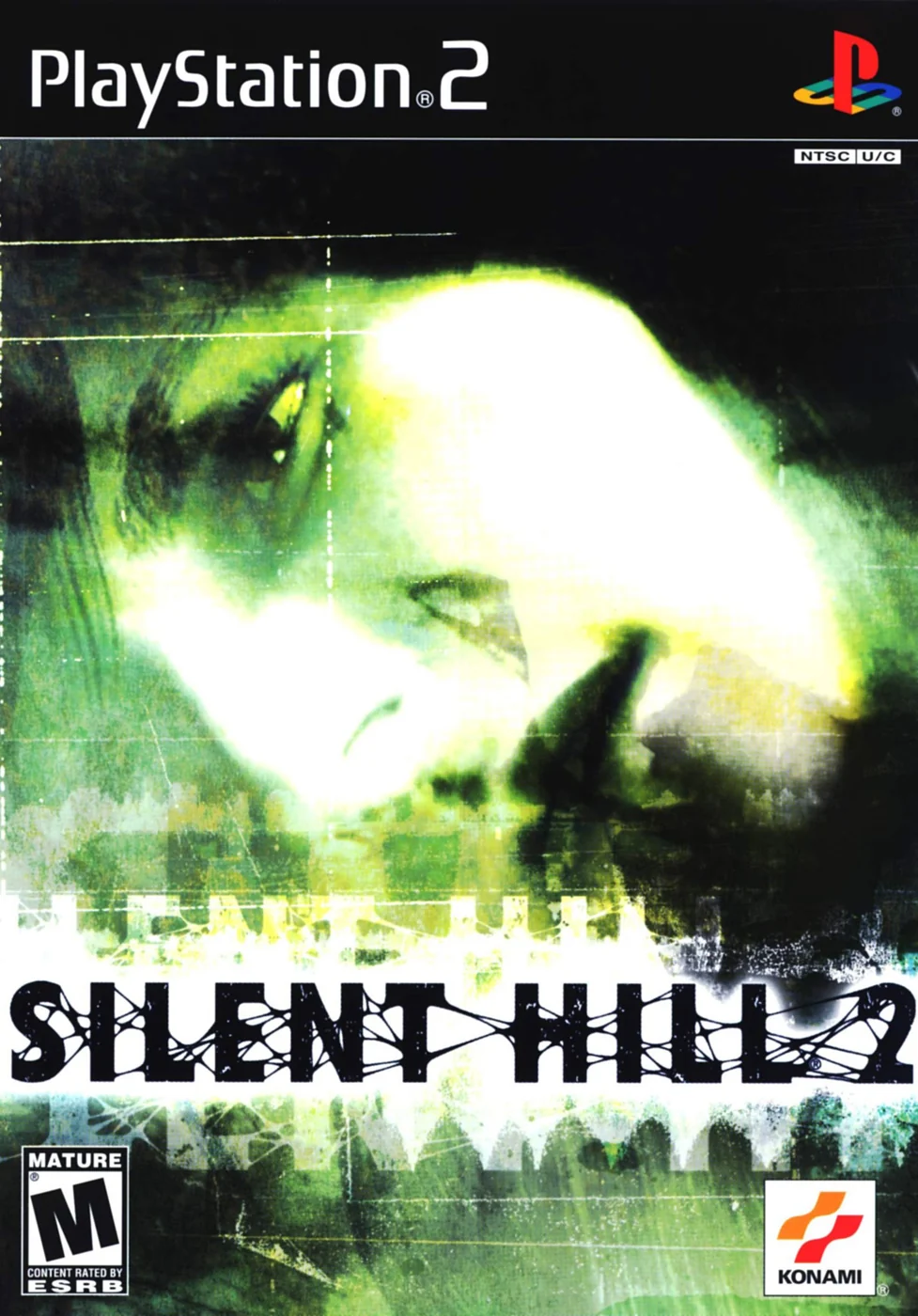
1. Silent Hill 2
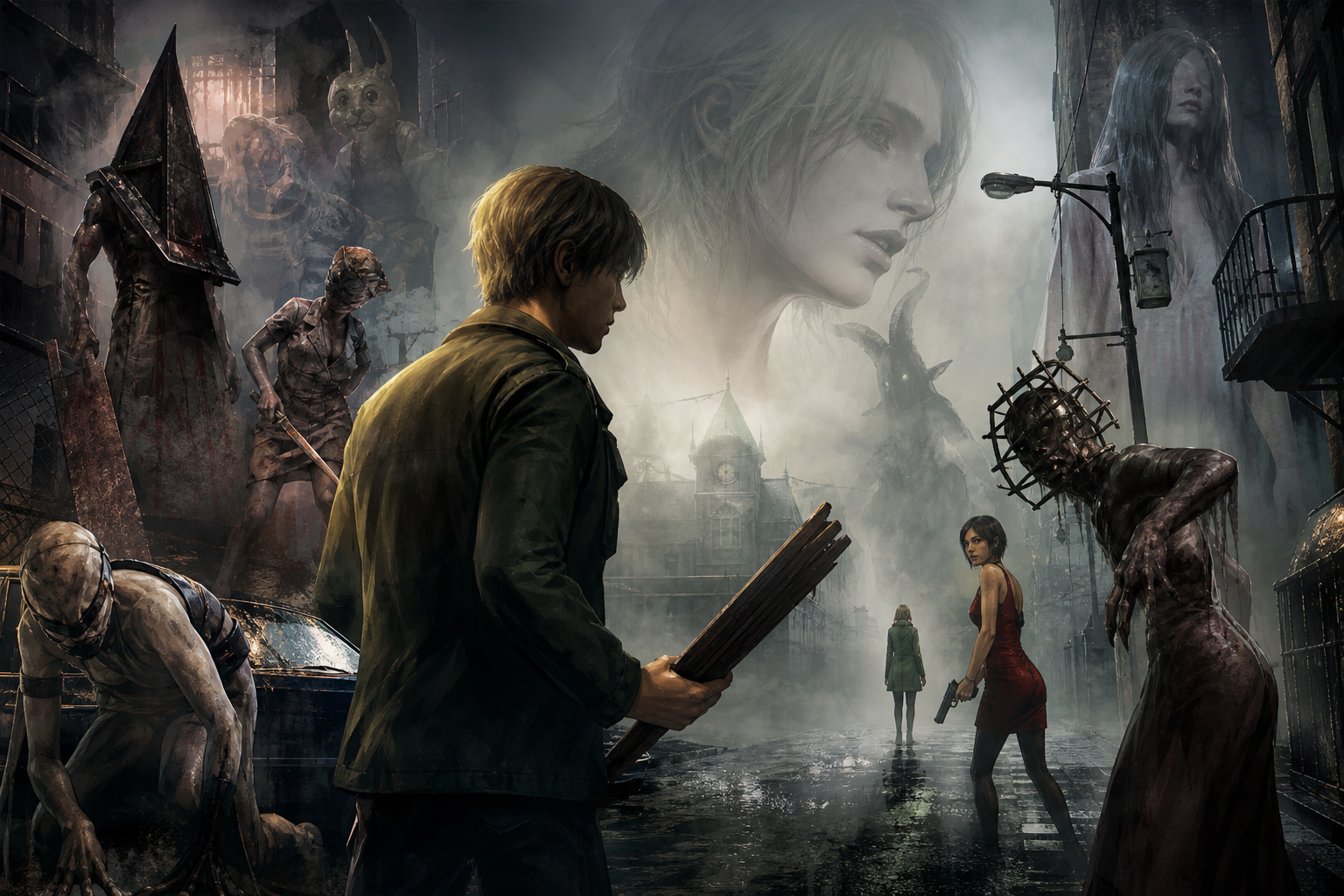
Silent Hill 2 takes the top position because its atmosphere, pacing and mechanics reinforce one another with exceptional discipline. Exploration is rarely just travel between fights. Fog, sound, environmental clues and unsettling spaces make the act of moving forward feel uncertain, while puzzles ask the player to interpret a world that does not explain itself plainly. Combat exists, but it does not turn the protagonist into a confident action hero. The uncertainty around danger remains central.
The game’s psychological focus gives its survival systems unusual weight. Limited resources, deliberate movement and vulnerable encounters support a story about guilt, grief and self-deception without requiring the mechanics to announce their themes. Silent Hill 2 is not ranked first because it is universally the scariest game; fear varies from player to player. It leads because it combines psychological horror, environmental design, exploration and mechanical restraint into a remarkably coherent whole. The original PS2 release should also be kept distinct from later versions and remakes when comparing features or presentation.
- Best fit: players who value psychological atmosphere, environmental storytelling and deliberate pacing.
- Main tradeoff: slow exploration and restrained combat may feel less immediately active than the other games here.
These ten games show why PlayStation 2 survival horror cannot be reduced to one formula. Silent Hill 2 and Silent Hill 3 favor psychological unease and puzzle-led exploration; Fatal Frame II and Fatal Frame III make confrontation itself frightening; Siren turns observation into a survival skill; and Haunting Ground and Clock Tower 3 make pursuit the central threat. Kuon and Extermination broaden the system’s horror vocabulary through historical occult fiction and military science fiction.
The best starting point depends on the kind of pressure you want. Choose Silent Hill 2 for atmosphere, Fatal Frame II for ghost photography, Haunting Ground for sustained evasion, Siren for route planning or Silent Hill 3 for the most balanced traditional structure. Availability differs by region and edition, so the original PlayStation 2 release should be identified carefully rather than assumed from a later remake, compilation or alternate title.