Castlevania: Dawn of Sorrow begins with a wonderfully dangerous proposition: nearly everything trying to murder Soma Cruz can eventually become part of his loadout. That idea gives the Nintendo DS sequel an identity far beyond being another trip through a monster-filled castle. Its Tactical Soul system transforms defeated enemies into potential tools, powers, projectiles and movement upgrades. The result is a Metroidvania in which progression is not merely about finding the next key item. It is also about deciding which strange supernatural abilities best suit the player’s path through Dracula’s latest impossible real-estate project.
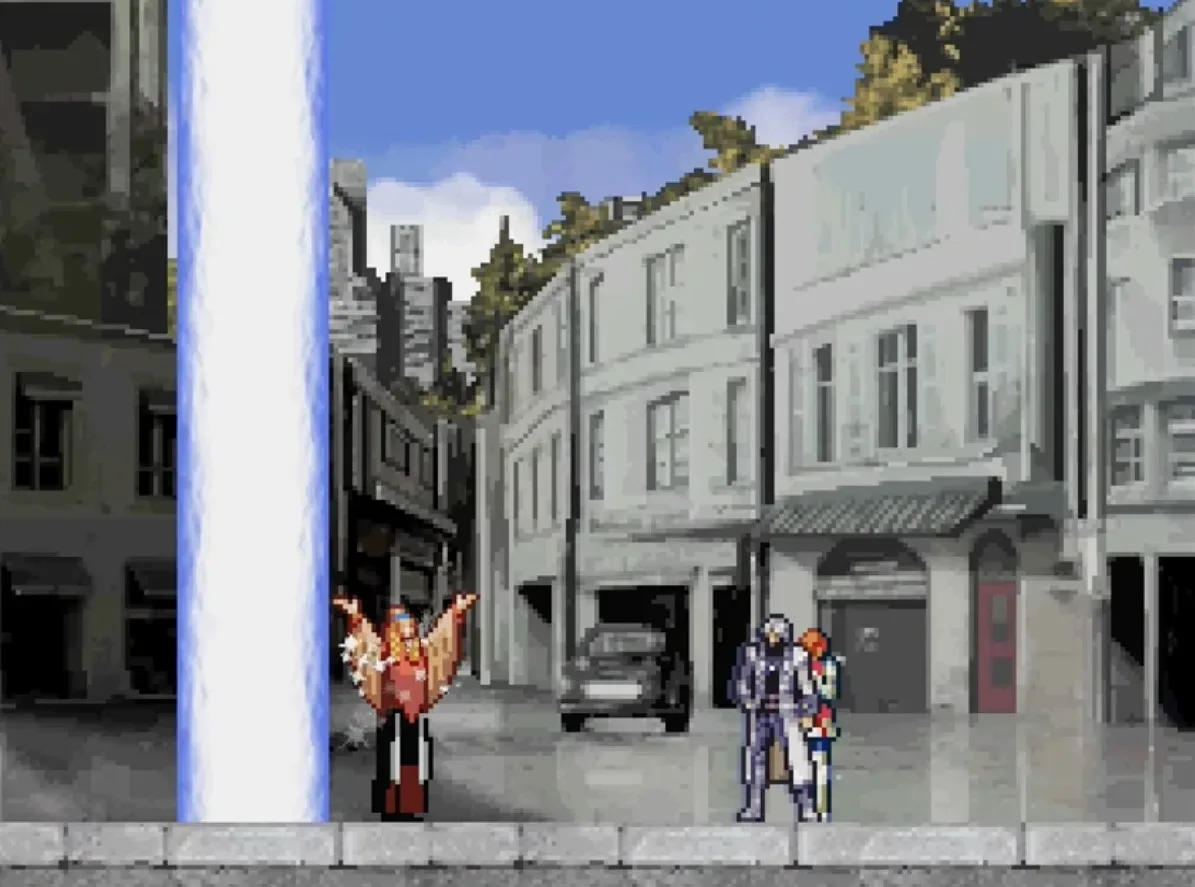
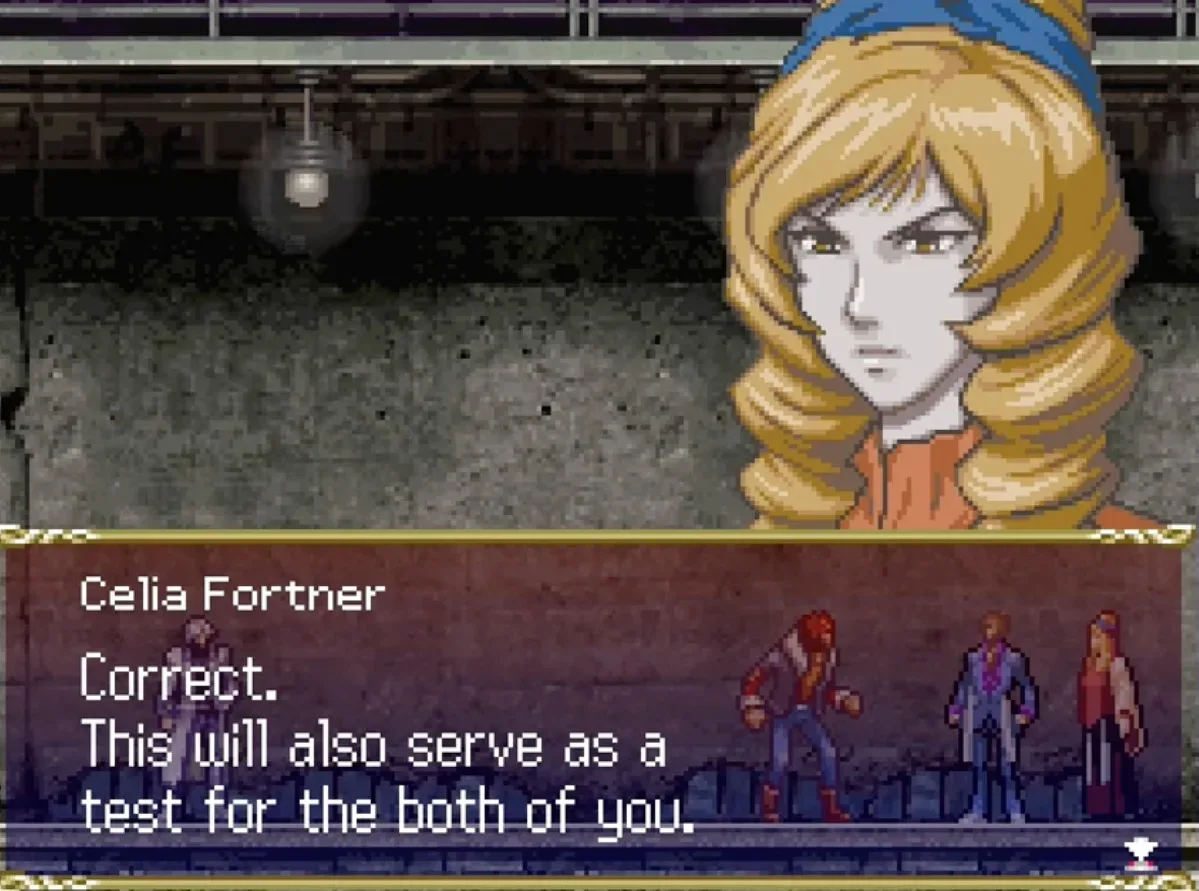
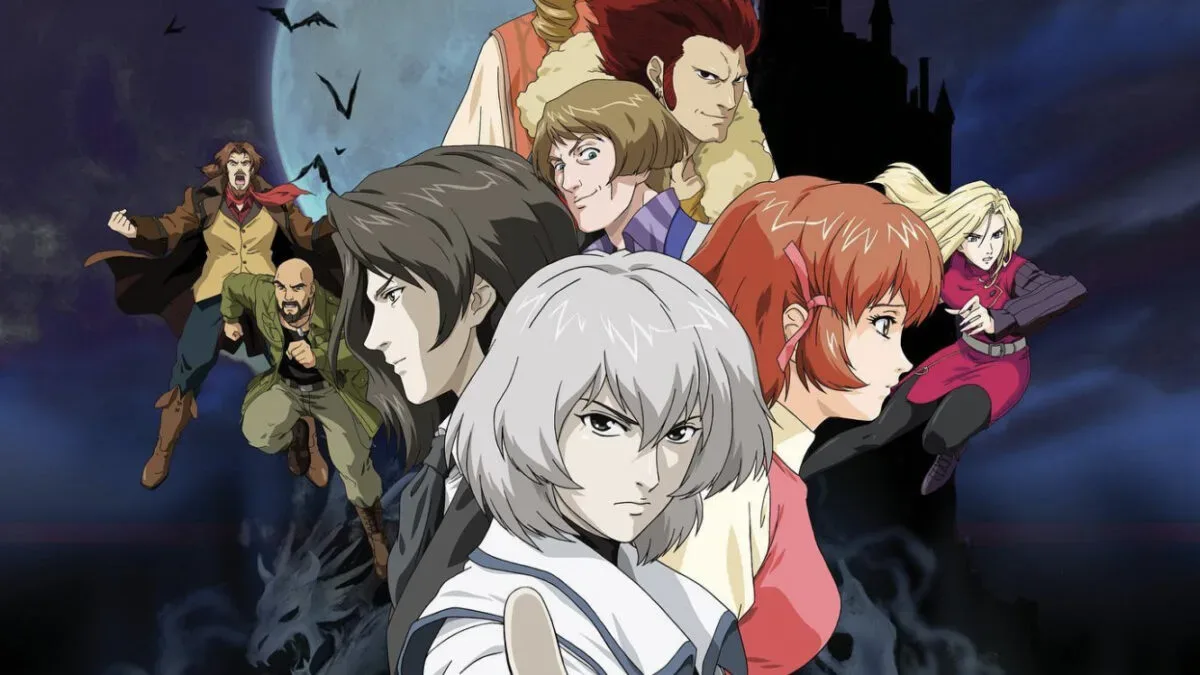
The game follows Castlevania: Aria of Sorrow, which gave the series a near-future setting and placed Soma in an unsettling role: a young man connected to Dracula’s legacy, but determined not to be consumed by it. That tension carries into Dawn of Sorrow. Soma would much rather live quietly with Mina, yet a new threat drags him back toward the powers he thought had been left behind. Celia Fortner and her cult, With Light, have rebuilt Dracula’s castle and stocked it with monsters in pursuit of a new Dark Lord.
It is a premise built for the series’ familiar cycle of castles, curses and extremely questionable religious organizations. More importantly, it makes Soma’s central ability feel narratively appropriate. His power is coveted because it is vast. The player gets to understand that temptation directly, one collected soul at a time.
An arsenal disguised as a bestiary
Dawn of Sorrow divides its monster souls into categories, and together they create an unusually flexible version of Castlevania combat. Enchant-Type Souls operate passively, adding useful effects such as improved luck from Ghost Dancer or health recovery from The Creature. Bullet-Type Souls consume MP and largely fill the role traditionally held by sub-weapons, though their variety is far more eccentric than a standard holy water bottle or cross.
Some options are immediately readable and satisfyingly destructive. Mandragora functions like a screaming explosive. Axe Armor provides a dependable thrown axe. Erinys can deliver a punishing area attack, while Malachi sends out a rolling mass of damage that can overwhelm enemies in its path. Killer Clown lets Soma throw character cards, because this is Castlevania and sometimes a haunted castle apparently needs weaponized stage magic.
The system also makes room for pure oddity. One soul gained from a waiter lets Soma serve curry. It is not the sort of ability that will make a boss panic, but it illustrates why the collection feels memorable. Dawn of Sorrow does not treat every enemy power as a solemn artifact of gothic evil. It is willing to be grotesque, inventive and a little silly.
Ability-Type Souls are especially crucial because they fold classic Metroidvania upgrades into Soma’s growing repertoire. Double jumping, hovering and stopping time do more than expand combat options; they redraw the castle’s map. Early barriers become invitations to return later, and the game frequently lets players approach dangerous spaces with more than one solution. In the Cursed Clock Tower, for example, a Bone Ark can carry Soma over traps, while time-stopping powers can neutralize hazards long enough to run past them.
That freedom is where Dawn of Sorrow most clearly earns its reputation. The castle is designed around familiar locked paths and inaccessible ledges, but the Tactical Soul system makes the eventual answer feel personal. One player’s route may be shaped by a favorite movement soul; another may lean on spells that make awkward rooms manageable. Soma’s backdash, downward kick and fluid double-jump animation also ensure that simply moving through the castle remains enjoyable after the novelty of new powers wears off.
Related coverage includes Castlevania: Dawn of Sorrow Still Stands Out for Its Brilliant Tactical Soul System.
A castle packed with old ghosts and new tricks
The game has no shortage of affectionate connections to Castlevania history. Yoko Belnades returns alongside Julius Belmont, both investigating the cult’s scheme, and Yoko’s lineage reaches back to the Belnades family introduced in Castlevania III. She also helps Soma synthesize weapons, giving resource collection another purpose beyond chasing souls.
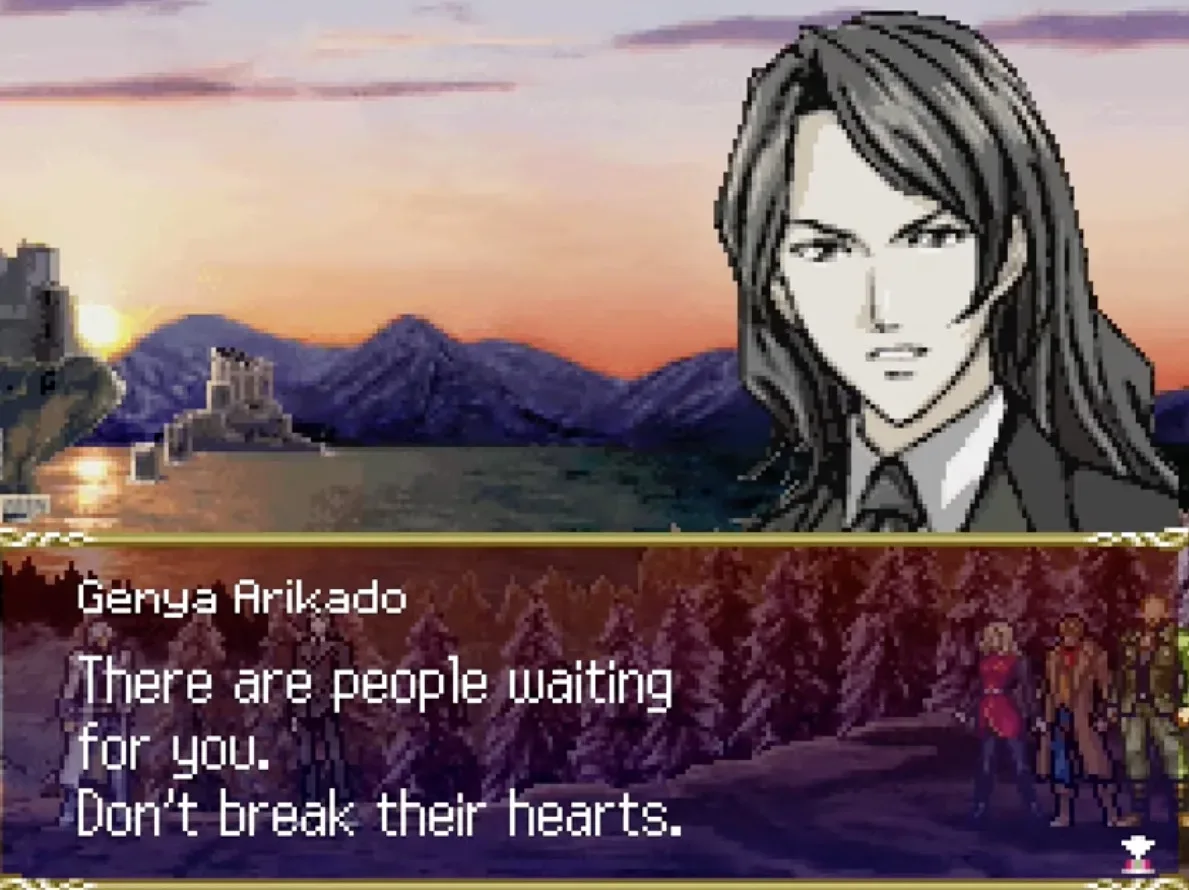
Genya Arikado, better known as Alucard, continues to anchor the story to Symphony of the Night. The series has always enjoyed weaving its eras together, and Dawn of Sorrow handles that legacy through character relationships as much as through familiar enemies and musical references. For another look at how an older game world can retain its chill long after the hardware generation has passed, see our feature on Xenogears’ Solaris.
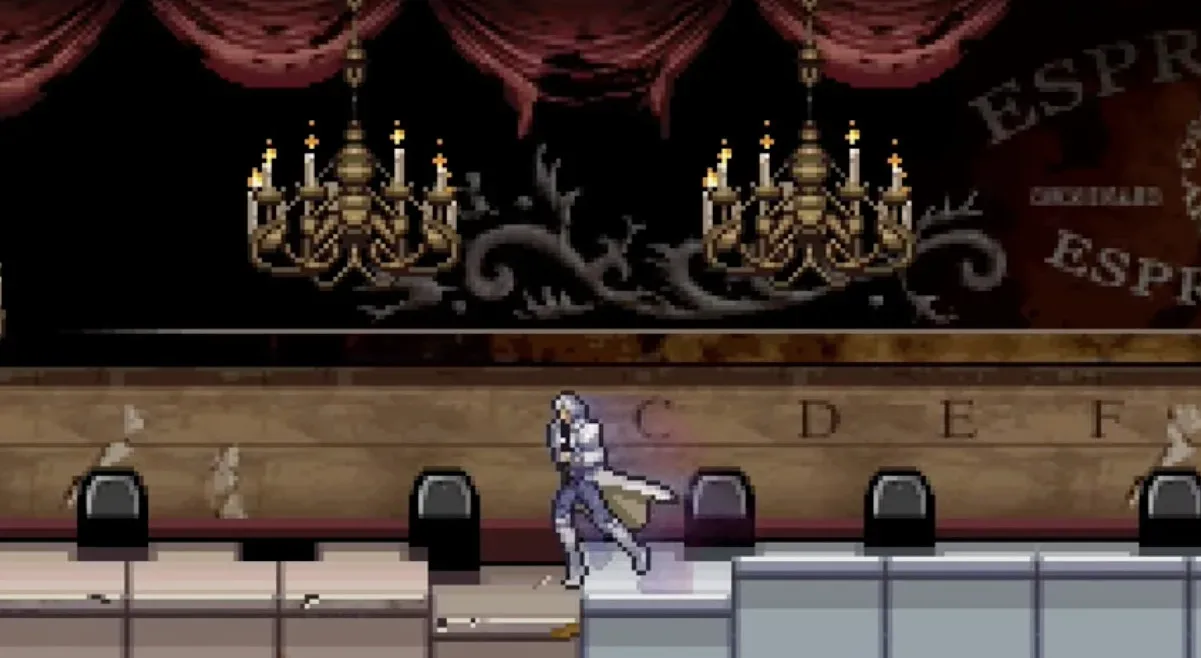
The castle itself provides the expected blend of gothic menace and surreal sightseeing. There are piano-key corridors, a watchful painting among manticores, and the psychedelic Abyss near the game’s climax. The guest house even includes a small visual nod to earlier Castlevania games when Soma sits in a particular chair and receives a crown. The Silenced Ruins revisit the opening stage of the original Castlevania, complete with a remix of that foundational music, while Bat Company turns the nostalgia dial up further.
Music is one of Dawn of Sorrow’s strongest supporting players. The soundtrack gives each zone a distinct mood without sacrificing the melodic flair people expect from the franchise. “Pitch Black Intrusion,” heard in Lost Village, is a particularly memorable opening-area track, and the game’s willingness to revisit classic material helps the rebuilt castle feel like both an imitation and a haunted museum of its own history.
Bosses, seals and the pressure of choosing well
Soma’s growing collection does not make every challenge trivial at first. Boss encounters reward a bit of loadout thought, especially before the player has accumulated levels and powerful combinations. Balore returns with a nasty eye laser, while Death remains as lethal as that name suggests. Manticore Tail paired with Bullet Souls can be useful against the reaper, and the game’s broader point is clear: a soul collection is not just an achievement list. It is a combat kit.
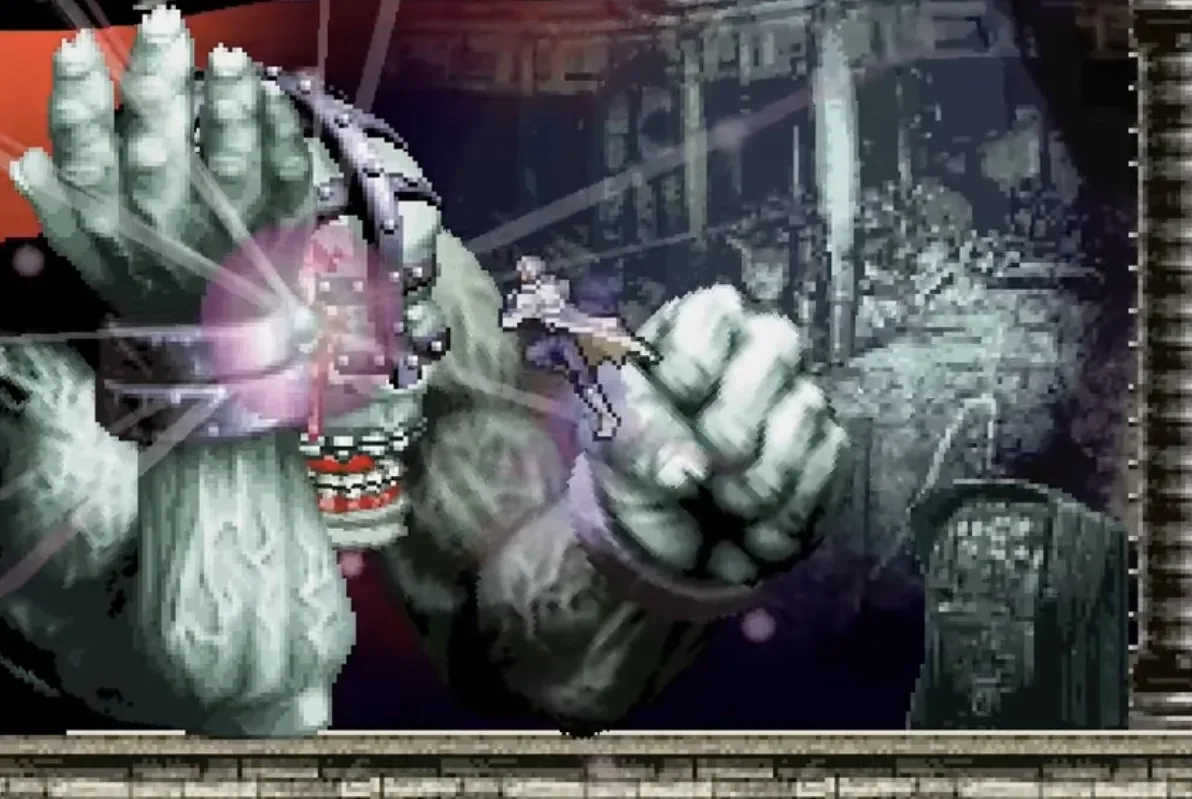
Several bosses also stand out for their presentation. One puppet-like adversary releases floating dolls and uses an iron maiden as part of its attack pattern. Paranoia, an optional battle hidden behind a mirror-gallery setup, attacks with lasers amid a suitably disorienting visual theme. The eventual confrontation with Menace delivers a large-scale finish, with the boss rising up to batter Soma with massive punches.
Dawn of Sorrow originally used the DS touch screen for magic seals, which are needed to finish bosses permanently. Failure means repeating part of the encounter, making the seals a potentially tense mechanical flourish rather than a simple victory lap. In the 2024 Castlevania Dominus Collection, this feature was adapted to button inputs. That collection is a modern way to access the game, while the original DS version remains inseparable from the hardware-specific personality of its release.
The grind behind the freedom
The Tactical Soul system’s greatest strength also creates its clearest weakness. Many souls are rare drops, and pursuing them can mean fighting the same enemy repeatedly. The Valkyrie and Final Guard are notable examples of souls that can demand a great deal of persistence. A Gold Ring can improve the money dropped by monsters, and the expensive Soul Eater Ring boosts soul acquisition, but neither turns every elusive target into an easy pickup.
This creates an awkward tension. Farming makes Soma stronger through ordinary experience gains, so a player intent on completing the collection may become overleveled for nearby bosses and the late game. The reward for engaging deeply with the system can be a reduced sense of danger. At the same time, spending long stretches hunting a stubborn drop interrupts the brisk exploration rhythm that makes the game so compelling in the first place.
It is not a fatal flaw, because Soma does not need every rare soul to reach the ending. Still, it means the game’s giant toolbox is sometimes gated behind patience rather than experimentation. The ideal version of the system would preserve the thrill of uncommon discoveries without making a few of its coolest possibilities feel like a lottery with skeletons.
A compact adventure with reasons to return
Dawn of Sorrow is relatively concise; a straightforward run can end around nine hours. That brevity may leave players wishing for an additional giant twist in the vein of Symphony of the Night’s inverted castle, but it also keeps the campaign focused. Hard mode and Julius Mode offer further incentive to revisit it.
The latter is particularly important because it ties into one of the game’s darker outcomes. In a bad ending, Mina is killed, Soma gives in to his Dark Lord nature and destroys Celia. Julius Mode then allows play as Julius, Yoko and Alucard, evoking the multi-character structure of Castlevania III; Soma serves as the final opponent, echoing a famous confrontation from Symphony of the Night.
Across its endings, Dawn of Sorrow keeps returning to the question at the heart of Soma’s story: can someone carry the potential for evil without surrendering to it? Celia’s attempt to force that answer brings tragedy regardless of the route taken. Yet the game’s lasting appeal is not only its plot. It is the moment-to-moment pleasure of opening a new route, finding an absurd monster power, and realizing that a castle full of enemies has quietly become Soma’s personal armory.