Nintendo 64 multiplayer means meaningful same-console play for at least two people on the original Nintendo 64 edition. This ranking covers racing, fighting, shooters, party games, sports, tactical battles and cooperative action. A game does not need a multiplayer campaign to qualify, but its multiplayer must be substantial enough to justify choosing it for a group session.
The order weighs multiplayer depth, clarity of rules, mode variety, replay value, suitability for mixed-skill groups, player count and hardware requirements. Regional naming also matters: Star Fox 64 is called Lylat Wars in Europe and Australia, while release timing and packaging can differ by territory. Expansion Pak and Transfer Pak requirements are noted where they materially change the experience. The ranking is an editorial selection rather than an objective scorecard.
10. Star Fox 64
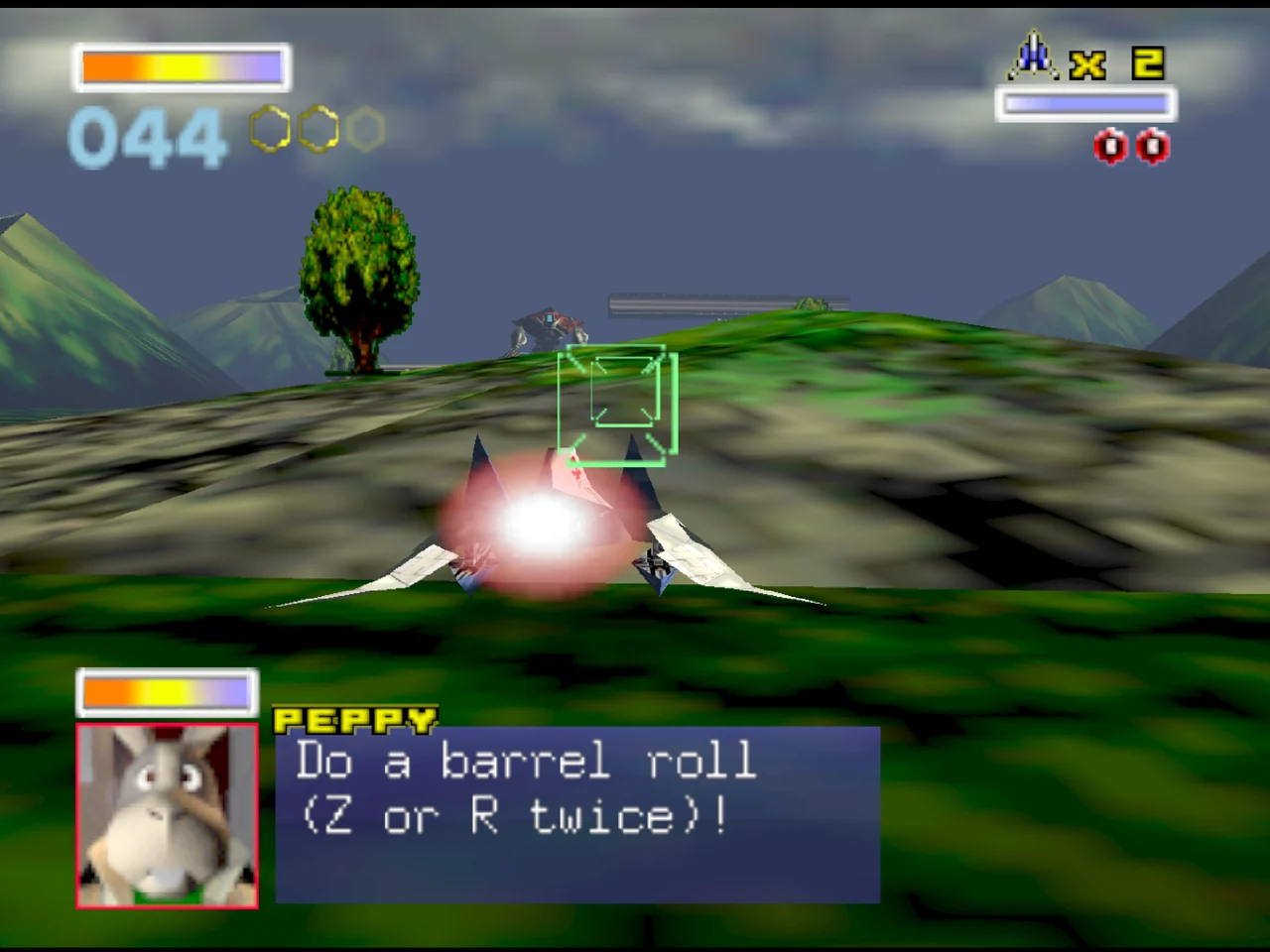
Star Fox 64 is a compact but memorable four-player dogfight. Its Versus mode puts Arwings into enclosed arenas where players weave, brake, boost and barrel-roll while trying to keep opponents in their sights. Two to four people can compete, and the mode includes Point Match, Battle Royal and Time Trial variations. Those options give the game more shape than a single deathmatch, even though the overall package remains focused.
The controls feel distinct from a conventional arena shooter because movement is tied to a responsive spacecraft. A player’s ability to turn tightly, evade incoming fire and manage lock-on timing matters as much as weapon selection. The clear audiovisual feedback also helps new players understand what just happened when a ship takes damage or goes down. Battle Royal adds a straightforward last-player-standing format, while Point Match rewards players who can maintain pressure without wasting opportunities.
Its biggest limitation is scope. Star Fox 64 offers fewer sustained multiplayer options than GoldenEye 007 or Perfect Dark, and some battle stages or possibilities are connected to progress in the single-player game. It works best as a short competitive game between longer sessions, especially for players who enjoy flight combat more than infantry shooting. In Europe and Australia, search under Lylat Wars as well as Star Fox 64 when matching regional boxes, manuals or catalog records.
9. Gauntlet Legends
Gauntlet Legends is the list’s clearest cooperative adventure. Up to four players select fantasy characters, move through dungeon environments and fight waves of enemies while sharing the pressure of survival. The basic roles are easy to grasp: attack, collect useful resources, revive fallen allies when possible and keep the group moving. Cooperation emerges naturally because players must manage crowds, protect vulnerable teammates and decide whether to rush onward or search the surroundings.
The game suits groups that want to work together rather than constantly defeat one another. Character types provide some differentiation, and progression gives repeated sessions a sense of direction. The team is not merely clearing isolated arenas; it is moving through a broader arcade-style adventure with secrets, enemies and objectives distributed across a sequence of areas. That makes Gauntlet Legends a useful alternative to competitive games when everyone wants to stay on the same side.
Hardware affects the recommendation. The Nintendo 64 version supports limited multiplayer with the standard Jumper Pak, but four-player play requires the Expansion Pak. That distinction matters when planning a session: owning four controllers is not enough to guarantee the full group experience. Even with the memory upgrade, repeated combat and straightforward objectives can become predictable. Gauntlet Legends belongs here because cooperative dungeon crawling is rare on the system, but its audience is narrower than that of the games above it.
8. Mario Tennis
Mario Tennis offers a more focused kind of competition than the console’s party games. Singles and doubles matches make positioning, timing and shot selection the center of attention, while special options such as Ring Shot provide a change of pace. Up to four players can take part, and doubles matches create a useful balance between individual skill and partner communication.
The rules are readable enough for occasional players, but the game has room for improvement through placement, charging shots and learning how to respond to different angles. That makes it a strong choice when a group wants competitive play without weapons, heavy randomness or a long board-game structure. Doubles also gives less experienced players a way to contribute without carrying an entire match alone. Ring Shot expands the usual tennis format by asking players to send the ball through targets, and its multiplayer rules can support either cooperation or direct competition.
Mario Tennis is less varied than Mario Kart 64 or Super Smash Bros., and its appeal depends on whether the group enjoys repeating a defined sport format. It is not the loudest multiplayer game on Nintendo 64, but it is one of the cleanest. Choose it for players who want quick matches, understandable rules and a skill curve that does not require learning a large character roster. Its North American, Japanese and European releases also appeared under slightly different timing and naming conventions, so regional listings may identify it as Mario Tennis 64.
7. Diddy Kong Racing
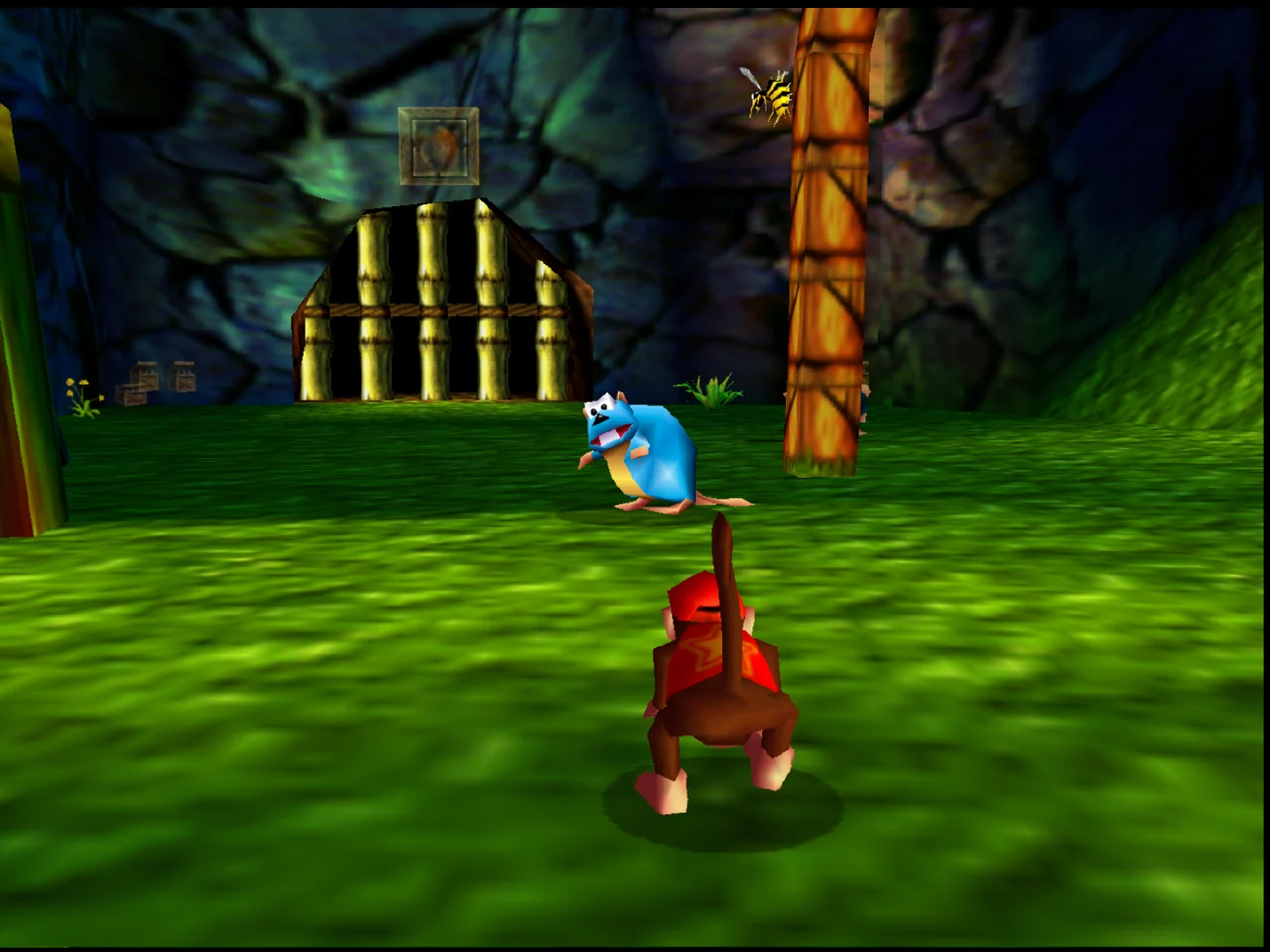
Diddy Kong Racing earns its place through variety. Its multiplayer includes kart racing, hovercraft events and airplane races, so changing vehicles alters steering, approach and the way players read a course. Two to four players can compete, and the vehicle mix gives the game a different identity from a conventional kart racer. Karts are the easiest entry point, hovercraft races reward a different sense of movement, and planes open up a more three-dimensional racing space.
The vehicle mix is the main reason to choose it. Item use keeps races unpredictable, but the game does not rely on one handling model for every event. A player who struggles with kart racing may find that an airplane or hovercraft event feels more natural, while experienced groups can move between formats to keep a session from becoming repetitive. Its Adventure mode is also valuable for solo play, offering more structure than a game that exists only as a collection of versus events.
That single-player structure should not be confused with automatically superior multiplayer design. Diddy Kong Racing’s group modes do not always produce the same instant clarity or rapid rematch rhythm as Mario Kart 64. Vehicle differences can also make the learning curve uneven, especially when players switch directly from one type of event to another. Choose it when the group values mechanical variety and wants racing that changes its movement rules rather than simply adding more tracks.
6. Pokémon Stadium 2
Pokémon Stadium 2 combines competitive battles, rental-team decisions and a large collection of minigames. One to four players can take part, giving the cartridge a broader social role than a battle simulator alone. The battles reward planning around types, moves and team composition, while rental Pokémon let people participate even when they do not have a carefully prepared team from another game.
Its 12 arcade-style minigames are important to the ranking because they make the cartridge more welcoming to mixed groups. A Pokémon fan can focus on battles, while someone less interested in turn-based combat can join the shorter challenges. The minigames range from timing and reaction tests to activities built around movement, memory or resource management. That combination gives Stadium 2 stronger session variety than its battle screen initially suggests.
The Transfer Pak features require a compatible accessory and compatible Game Boy Pokémon cartridges. The Nintendo 64 cartridge does not import a personal team by itself. Players should therefore separate the base game’s rental and minigame content from the additional functions enabled by handheld software, including the ability to use Pokémon from supported Game Boy releases. Stadium 2 is best for groups that enjoy both strategy and playful side events, rather than players seeking a pure action game.
5. Perfect Dark
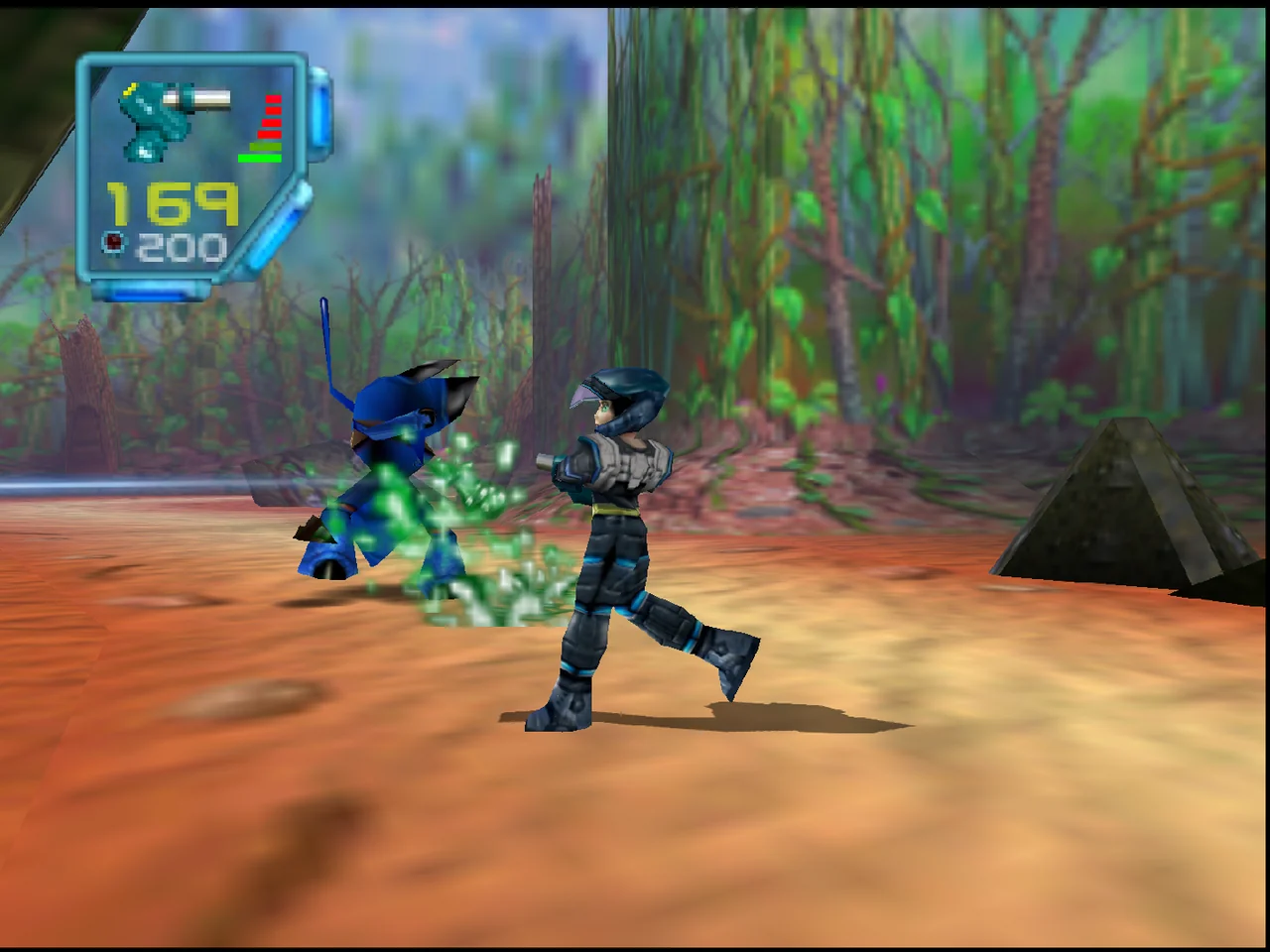
Perfect Dark expands the split-screen shooter formula with a larger toolbox of rules, weapons and multiplayer options. Human players can compete in familiar arena formats, while AI-controlled combatants add another layer to matches. That flexibility makes it easier to adjust the experience: a group can play directly against one another, add computer opponents or experiment with different weapons and conditions.
Its strength is customization. GoldenEye 007 has the cleaner historical identity, but Perfect Dark gives experienced groups more ways to alter a match. Players who already understand split-screen arena movement can spend considerable time testing combinations and learning how different weapons change the flow of a map. The computer-controlled opponents also help a group create uneven or cooperative scenarios instead of forcing every match into a simple human-versus-human contest.
The original Nintendo 64 version was designed around the Expansion Pak. The memory upgrade is required for the campaign and unlocks many of the game’s more advanced multiplayer features, while a more limited Combat Simulator experience is available without it. That makes “complete experience” too vague unless the hardware distinction is stated directly. Choose Perfect Dark when flexibility matters more than instant simplicity, and confirm the required memory hardware before planning a full session.
4. Mario Party 2
Mario Party 2 turns multiplayer into a shared board-game session. Up to four players move around themed Adventure Boards, make route decisions and compete in minigames that test timing, memory, movement or quick reactions. The most important decision may happen between minigames: players must judge whether to chase coins, pursue a star or interfere with another player’s route.
Its 64 minigames give the package a strong range of activities, and the themed boards help each session feel more distinct than a plain menu of challenges. Players also remain involved even after falling behind, because every round creates another opportunity to gain coins, win a bonus or disrupt a rival. Luck can create reversals, while player decisions and minigame performance still provide meaningful control.
Mario Party 2 is not ideal for a group that wants tightly balanced competition. Board movement, event spaces and item effects can swing the result, and a full session asks for more time than a quick racing match. Regional release timing differs: the Nintendo 64 edition arrived in Japan and North America in 1999 and reached Europe in 2000. Choose it for a social evening built around conversation, rivalry and changing fortunes rather than precise competitive balance.
3. GoldenEye 007
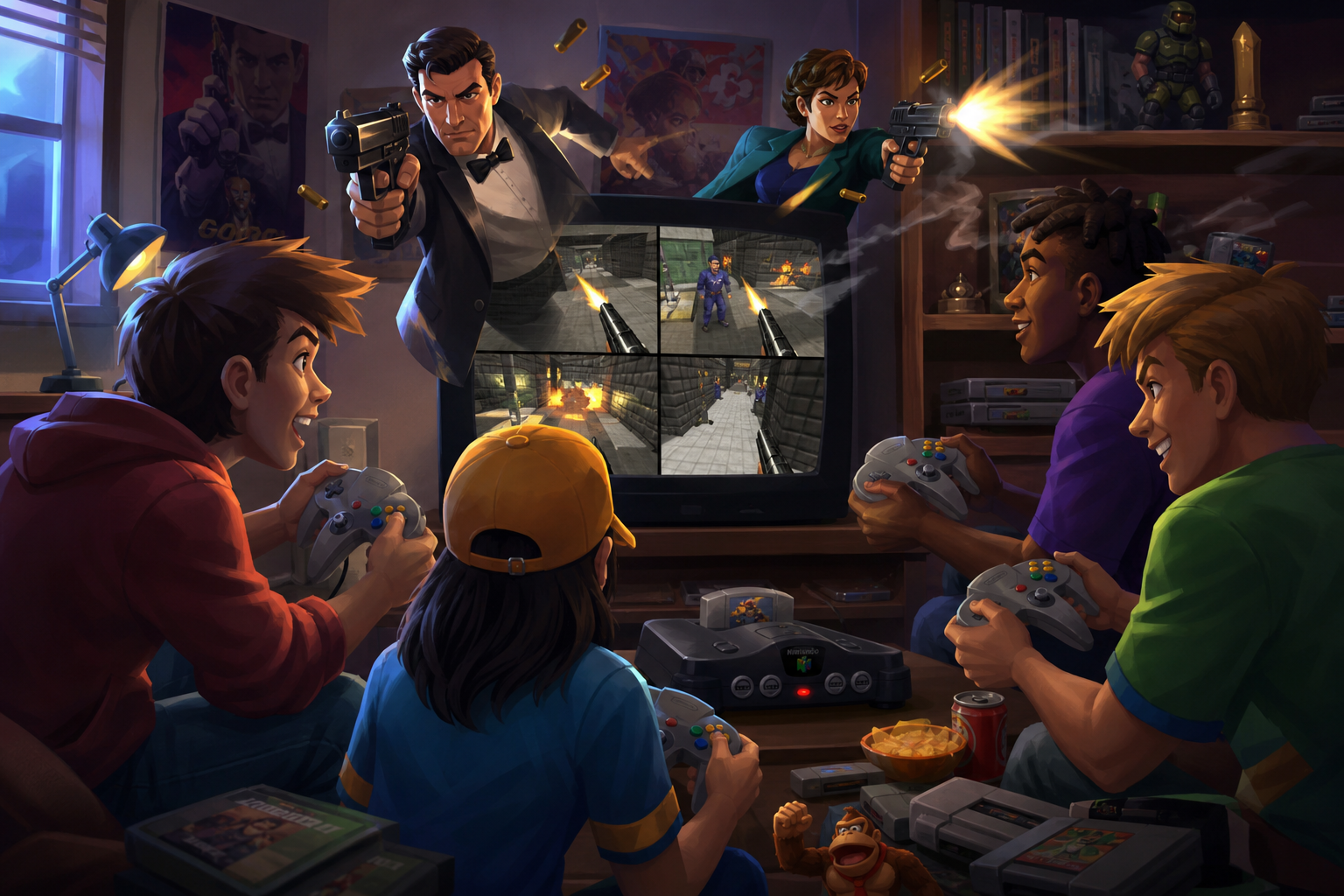
GoldenEye 007 made four-player split-screen shooting one of the Nintendo 64’s defining group activities. Players choose characters, enter recognizable arenas and use different weapons while adapting to the unusual tension of sharing one screen. Map knowledge matters because powerful positions, routes and cover become familiar over time. Weapon selection can also change the pace, from careful ranged exchanges to frantic close combat.
The mode’s staying power comes from how many small rules a group can negotiate. Players can establish weapon restrictions, choose different arenas and decide whether a match should reward careful positioning or constant movement. The game’s readable objectives make it easy to start, but knowledge of routes, sight lines and spawn patterns creates a meaningful gap between beginners and regulars. The result is a game that can support both quick novelty and a longer-running local rivalry.
Screen-sharing is both the central idea and the major limitation. Players can read opponents’ locations, making stealth and positioning less private than the fiction suggests. The controls and visual presentation also feel dated compared with modern shooters, and four-way split-screen can make distant targets difficult to read. Even so, GoldenEye 007 remains one of the strongest choices for four people who want direct competition, recognizable maps and matches that generate stories without requiring a long campaign.
2. Super Smash Bros.
Super Smash Bros. translates fighting-game ideas into a format that can support up to four players without demanding that everyone learn traditional health bars and long combo strings. Fighters build percentage damage, use items and try to send opponents beyond the stage boundary. Platforms, hazards and changing stage shapes make positioning as important as attack selection.
That structure explains its broad appeal. New players can understand the immediate goal after one match, while experienced players can study recovery options, spacing, character matchups and the timing of items. A player who is knocked away is not necessarily finished, so survival and recovery create dramatic reversals. Four-player battles also let a less experienced participant remain relevant through opportunistic attacks or careful defense.
The chaos is not always a virtue. Items and stage hazards can obscure the difference between deliberate play and sudden luck, especially for a group that wants tournament-style precision. Some stages also create more distractions than others, and the original roster is smaller than later Smash games. Super Smash Bros. ranks this highly because it supports both easy entry and long-term improvement, giving a group reasons to return without requiring the rules of a conventional fighter.
1. Mario Kart 64
Mario Kart 64 is the strongest all-round Nintendo 64 multiplayer package because it makes four-player competition immediately understandable while offering two distinct ways to play. Split-screen racing provides short, repeatable contests, and Battle Mode turns the same basic driving skills into arena encounters built around attacks, positioning and survival. The quick rematch rhythm makes it easy for a group to keep playing even when skill levels differ.
The handling is accessible without being empty. Players learn drifting, item timing, shortcuts and track-specific positioning as they play, while recognizable characters and courses make the game easy to explain. Battle Mode gives experienced groups a second reason to return, and the mixture of racing lines and item decisions means a technically strong driver still has to react to changing circumstances. Four-player support is central rather than incidental: the original manual explicitly describes two-to-four-player Versus play and Battle Mode.
Its limitations are familiar. Item volatility can frustrate a player who prefers pure driving, rubber-banding can make the result feel manipulated, and four-way split-screen reduces visibility compared with solo play. Those tradeoffs do not outweigh the package’s strengths. Mario Kart 64 is the best first choice for a mixed group, the easiest game on this list to revisit for a short session and the clearest expression of what the Nintendo 64’s four-controller design was meant to encourage.
The best choice depends on the group’s preferred rhythm. Choose Mario Kart 64 for broad accessibility and fast rematches, Super Smash Bros. for repeated competitive battles, GoldenEye 007 or Perfect Dark for split-screen shooting, Mario Party 2 for a longer social session, Gauntlet Legends for cooperation and Mario Tennis for focused competition. Pokémon Stadium 2 and Diddy Kong Racing are especially useful when a group wants more variety than one core mode can provide.
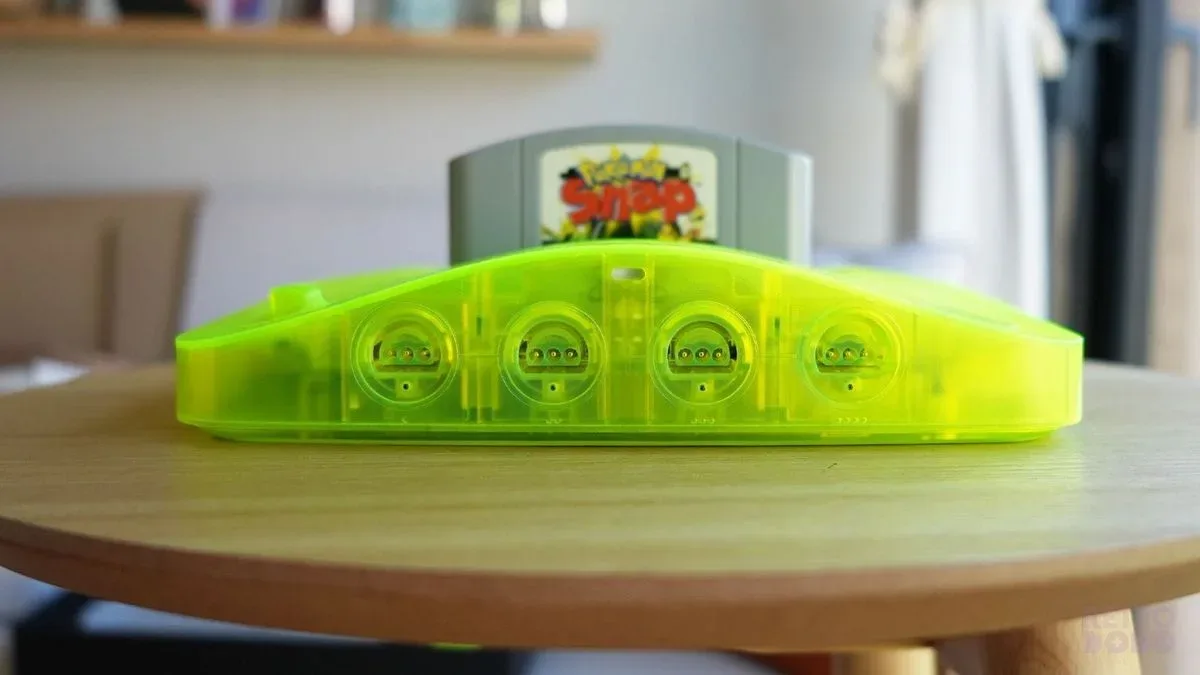
These games also show why Nintendo 64 multiplayer cannot be reduced to one genre. The console’s four controller ports supported racing, fighting, sports, strategy, shooting and cooperative adventure, but each game uses that hardware differently. Confirm regional names and accessory requirements before planning a session, especially for Lylat Wars, Perfect Dark, Gauntlet Legends and Pokémon Stadium 2.