The Nintendo GameCube’s arcade-sports library is broader than its annual simulation catalogue suggests. This list excludes yearly releases such as Madden, FIFA and NBA Live, then focuses on games that reshape a sport around exaggerated movement, unusual scoring, character abilities, environmental hazards or immediate multiplayer competition. Extreme sports and watercraft racing qualify when athletic competition and arcade rules are central to the experience.
The category is intentionally flexible but not unlimited. A game must be built around a recognizable competitive sport, board sport or watercraft discipline rather than merely containing a racing challenge or a collection of unrelated minigames. That is why Wave Race: Blue Storm and the two snowboarding games appear here, while ordinary kart racers do not.
The ranking weighs mechanical identity, multiplayer pressure, replay structure, accessibility and personality. A game does not need realistic physics or a huge roster to place highly. It needs a clear reason to keep playing, whether that means learning wave conditions, building trick combinations, reading a partner’s movement, constructing a team or exploiting the right moment for a spectacular special move.
These are editorial selections rather than objective review scores. The goal is to compare what each game asks players to do and how successfully it turns that idea into a repeatable GameCube competition.
10. SSX Tricky
SSX Tricky is the list’s most theatrical snowboarding game. Its downhill courses are not simply routes from a starting gate to a finish line; they are networks of jumps, shortcuts, rails and opportunities to build increasingly extravagant trick chains. Character personalities and rivalries give the competition a lively edge, while the exaggerated presentation makes each run feel like an arcade event rather than a restrained winter-sports simulation.
Its position reflects a clear tradeoff. The game is superb at spectacle and route discovery, but its appeal depends heavily on players enjoying aggressive stunt play. Those looking for a more exacting study of snowboarding control may prefer 1080°: Avalanche. For groups, however, SSX Tricky is unusually legible: everyone can understand the goal, while experienced players have room to chase better lines, larger tricks and more valuable combinations.
SSX Tricky also earns a place because its personality is mechanical rather than merely cosmetic. The cast, shortcuts and trick opportunities encourage players to approach the same course differently. One rider may prioritize speed, another may search for a high-value stunt route, and a third may treat the course as a chain of risky shortcuts. That makes each run feel more expressive than a simple downhill time trial.
- Best fit: players who want character-driven snowboarding and spectacle.
- Main tradeoff: stunt-focused courses are less about realistic downhill technique.
9. Mario Golf: Toadstool Tour
Mario Golf: Toadstool Tour keeps the basic golf conversation intact: club choice, shot power, direction, terrain and risk still matter. Around those fundamentals, it adds Mario characters, special shots, hazards and courses that behave more like playful challenge spaces than country-club layouts. That combination gives beginners a readable entry point while leaving experienced players room to study angles, lies and safer routes.
The GameCube edition also connects with Mario Golf: Advance Tour through the Game Boy Advance and GameCube link feature, although that connection is an optional extra rather than a requirement for the main game. The connection is historically interesting because it makes the GameCube version part of a larger two-system progression, but the core game remains fully understandable on its own.
Toadstool Tour ranks below the more forceful multiplayer games because golf’s turn-based rhythm creates less immediate pressure. Its strength is controlled competition: every shot becomes a small decision, and a clever recovery can matter as much as raw accuracy. The Mario framing adds personality without removing the underlying satisfaction of planning a route around hazards and terrain.
- Best fit: players who want recognizable golf rules with Nintendo hazards.
- Main tradeoff: matches are slower and less chaotic than the soccer or tennis entries.
- Edition note: the ranking concerns the Nintendo GameCube release, not the later Wii version.
- Link feature note: Game Boy Advance connectivity is optional and is not required for the main campaign or standard matches.
8. Beach Spikers
Beach Spikers proves that a focused sports game does not need a long list of disciplines to create variety. Its beach-volleyball design depends on positioning, timing, controlled returns and communication between partners. A player who only watches the ball can miss the more important question: where will the next playable space appear, and who is best placed to cover it? That makes even familiar rallies feel like short tactical arguments.
The game includes arcade, versus and World Tour modes, with simultaneous four-player competition in versus play. Those options matter because Beach Spikers works in two distinct ways. Solo progression gives the sport a structured framework, while local multiplayer exposes every hesitation and poorly chosen commitment. A missed block or badly covered angle is immediately visible to the whole group.
Beach Spikers is less character-driven than Mario’s sports games and less immediately explosive than Sega Soccer Slam, but its narrow focus produces unusually clear competitive pressure. It rewards players who learn to anticipate rather than simply react. That clarity is its strongest reason for appearing on this list, even though its theme leaves less room for broad mechanical variety.
- Best fit: groups that enjoy positioning and partner responsibility.
- Main tradeoff: its beach-volleyball theme leaves less mechanical breadth than a multi-sport package.
- Multiplayer note: the four-player appeal depends on having enough GameCube controllers for the selected mode.
7. Sega Soccer Slam
Sega Soccer Slam treats soccer as a collision sport with a scoreboard attached. Its three-on-three format removes much of the congestion of a full football simulation and makes every player’s role easier to understand. Speed, power-ups, individual moves, tackles and charged attacks create a match language based on momentum rather than formation management. The result is soccer for players who want a dramatic reversal, a heavy tackle or a perfectly timed burst more than a faithful recreation of league play.
That directness is also the game’s main limitation. Its rough-edged aggression can feel less precise than Super Mario Strikers, and it does not offer the same Nintendo character ecosystem. Still, its tournament-style modes and compact team structure give it a distinct identity. Sega Soccer Slam earns this place because it does not merely decorate soccer with cartoon effects; it changes what players are asked to notice, rewarding pressure, confrontation and rapid exploitation of openings.
The game is especially useful as a comparison point for Super Mario Strikers. Soccer Slam leans into team members as individual personalities and treats physical confrontation as a major part of the rhythm. Strikers is cleaner and more immediately readable, but Sega’s game has a particular late-arcade roughness that makes it valuable to players who want something less polished and more openly chaotic.
- Best fit: players who prefer physical, fast three-on-three matches.
- Main tradeoff: the aggressive rules leave less room for simulation-minded tactics.
- Regional note: check the specific GameCube edition when comparing release information across territories.
6. NBA Street Vol. 2
NBA Street Vol. 2 turns basketball into a progression playground built around style. Traditional scoring remains present, but trick moves, exaggerated handles, alley-oops and spectacular finishes are central to how players create advantages. The street setting supports a different fantasy from a conventional basketball game: not managing a full season, but building a player and earning respect through increasingly ambitious performances.
Its strongest mechanical idea is the connection between expression and reward. A flashy move is not just decoration when it opens space, extends a scoring run or contributes to a trick-based contest. That gives local matches a productive tension: players want to show off, but an unnecessary flourish can hand the ball to an opponent.
The ranking stops it short of the top five because its progression structure can overshadow the simpler pleasure of a quick match. Even so, its arcade identity remains exceptionally clear. It understands that street basketball is not only about putting the ball through the hoop; it is also about creating a performance that pressures the other player psychologically and mechanically.
- Best fit: players who want basketball built around moves, style and scoring runs.
- Main tradeoff: the exaggerated rules are a poor match for players seeking a conventional season simulation.
- Selection note: this is the standalone NBA Street Vol. 2 release, not an annual NBA simulation.
5. Wave Race: Blue Storm
Wave Race: Blue Storm makes the racecourse itself unstable. Instead of asking players to memorize only corners and acceleration points, it asks them to read water conditions, changing weather, visibility and wave height. A good line can disappear when the water shifts, and a seemingly safe approach can become a problem when the craft lands badly. That moving surface gives the game a distinctive mechanical identity among GameCube competition titles.
Its multiplayer appeal comes from the same source as its solo challenge: every rider is negotiating the water rather than simply following a fixed road. Nintendo’s GameCube presentation identifies four-player action, while the game’s changing conditions ensure that the contest is not merely about choosing the fastest craft and repeating a fixed route.
The game is commonly filed under racing, but its emphasis on craft control and environmental reading makes it a natural part of an arcade-sports discussion. It ranks fifth because its ideas are unusually coherent, even if the water physics can demand more patience than the broadest party-friendly entries. It is a sport-like competition built around a surface that refuses to stay still.
- Best fit: players who enjoy environmental conditions as part of the competition.
- Main tradeoff: changing water and visibility can feel demanding when a player wants predictable racing.
- Genre note: its racing classification varies, so this list treats watercraft competition as arcade sport.
- Multiplayer note: the GameCube release supports up to four simultaneous players.
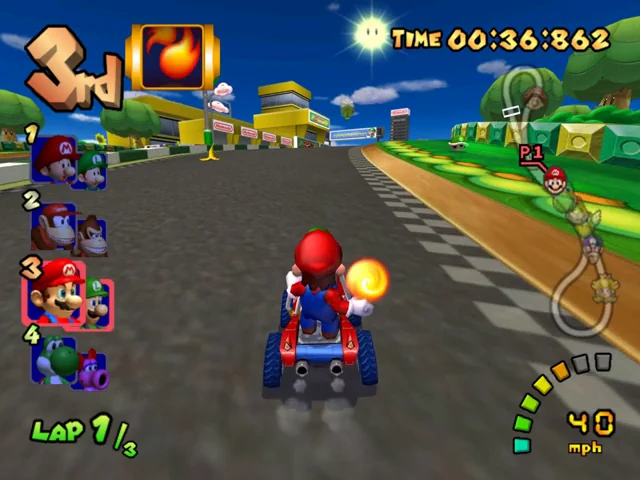
4. 1080°: Avalanche
1080°: Avalanche is the more technical snowboarding counterpoint to SSX Tricky. Its identity comes from control precision, momentum, trick execution, charge jumps and hazardous mountain routes. The mountain is not simply a stage for visual spectacle; it is a chain of surfaces and timing problems. Players must understand how speed, landing position and route choice interact, especially when environmental threats turn a clean descent into a scramble.
The game’s design rewards repeat attempts because improvement is visible in the route itself. A better run may come from entering a jump with the right momentum, choosing a safer line or converting a trick without sacrificing control. That makes it a strong solo challenge and a compelling competitive game for players who appreciate mastery.
It ranks below the baseball and soccer entries because its multiplayer pressure is more dependent on a shared appetite for precision. For the right group, though, that limitation becomes a strength. The game does not need elaborate character abilities to create rivalry; it can turn a single mountain route into a debate over control, risk and execution.
The distinction from SSX Tricky is therefore important. SSX emphasizes showmanship and personality, while 1080°: Avalanche puts more weight on maintaining a clean line through a demanding environment. Both belong here, but they satisfy different kinds of snowboarding player.
- Best fit: players who want demanding snowboarding control and route mastery.
- Main tradeoff: it is less immediately accessible than character-first arcade sports games.
- Platform note: this selection refers to the Nintendo GameCube release.
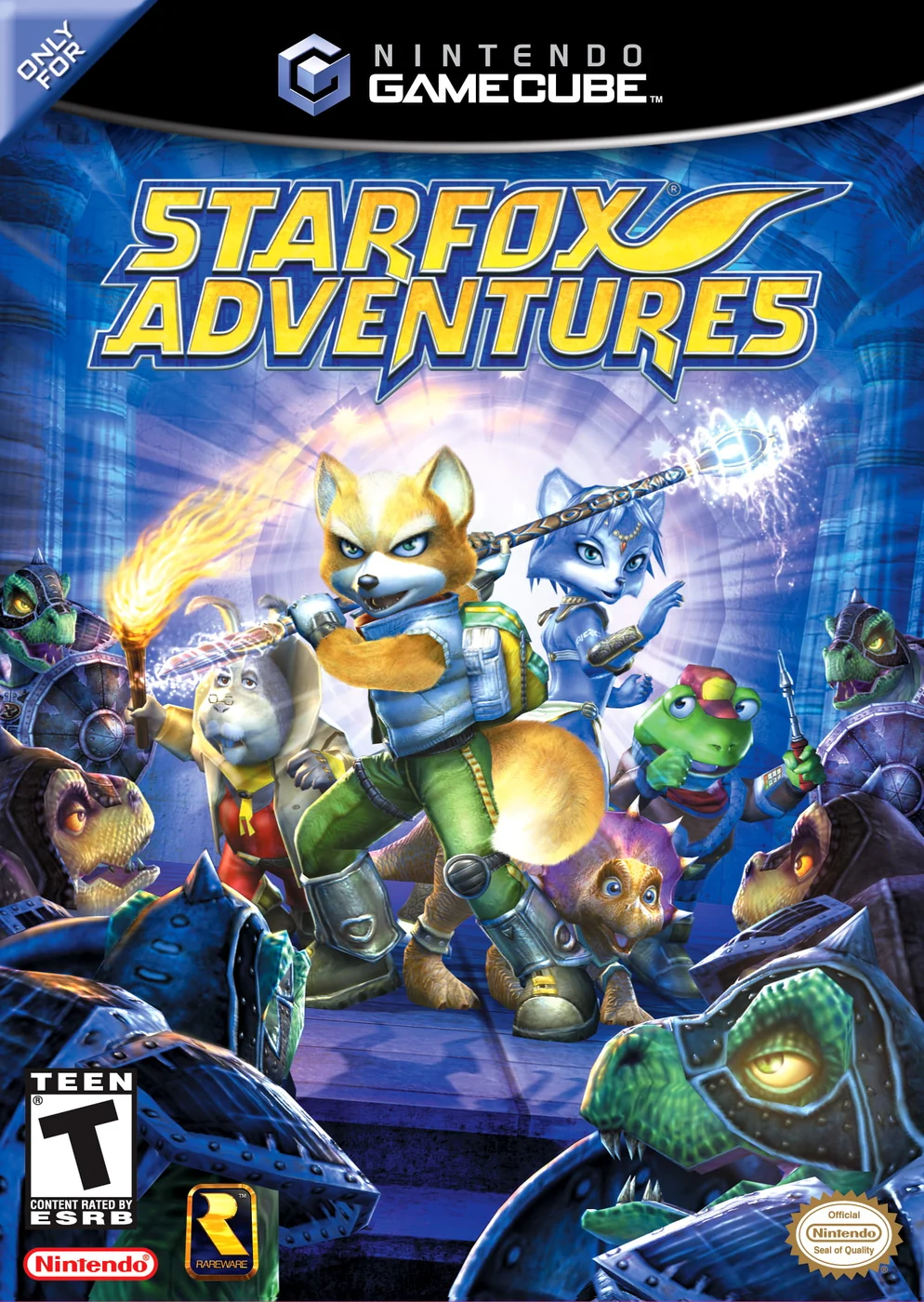
3. Mario Superstar Baseball
Mario Superstar Baseball makes team composition part of the sport’s central puzzle. More than 50 Mario-universe characters give players different combinations of strengths, relationships and special moves, while fielding, batting and pitching remain understandable enough for a group to learn quickly. Character-specific power shots add spectacle, but the deeper appeal is deciding which personalities belong together and how that team should approach a particular matchup.
The game also benefits from challenge-based extras and multiplayer support that encourage repeated experiments rather than a single definitive lineup. It sits above the more focused sports because it offers more ways for a group to create its own rules of rivalry: power-focused teams, speed-oriented combinations or rosters built around familiar characters.
Its limitation is that the character emphasis can make the balance feel less like pure baseball. That is exactly why it works in this ranking. The game’s appeal does not come from recreating every detail of professional baseball. It comes from making the roster itself a source of strategy and giving ordinary moments, such as a routine hit or fielding exchange, the possibility of a character-specific twist.
The result is a baseball game that welcomes casual players without becoming empty. Familiar actions provide the entry point, while team building, special shots and challenge modes create reasons to keep experimenting.
- Best fit: groups that want baseball fundamentals with character abilities and team-building decisions.
- Main tradeoff: special moves and roster relationships make it less conventional than a baseball simulation.
- Edition note: the listed game is the 2005 Nintendo GameCube release.
- Multiplayer note: Nintendo lists support for up to four players.
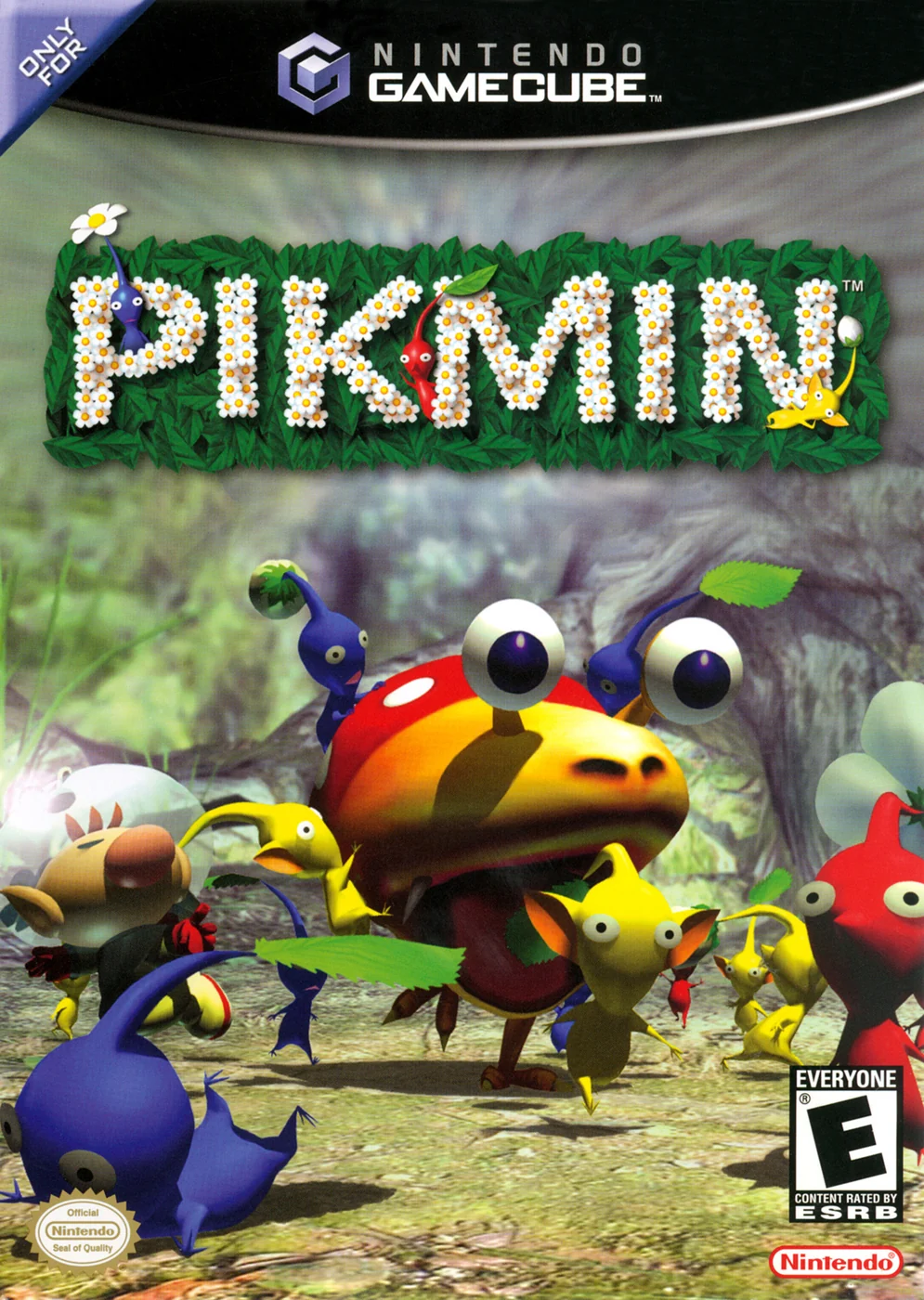
2. Super Mario Strikers
Super Mario Strikers compresses soccer into a hostile, highly readable contest. Tackling, items and aggressive challenges ensure that possession is never entirely safe, while Super Strikes can turn a carefully built opening into a two-point swing. The compact format keeps the action moving and gives local multiplayer an immediate rhythm: attack, disrupt, recover and decide whether to risk another push before the opponent can reset.
Its brilliance is the way every addition serves the same competitive purpose. Items create disruption, tackling creates pressure and Super Strikes create dramatic momentum shifts without requiring a full simulation framework. The game ranks second because it turns soccer into a clean party-competitive system while retaining enough control depth for repeated matches.
A player seeking patient passing patterns may prefer a conventional title, but that is not this game’s ambition. Super Mario Strikers is about forcing mistakes and converting brief openings. The two-point Super Strike gives players a reason to contest possession aggressively, while the item system keeps a comfortable lead from feeling completely secure.
The GameCube identity also matters. This is the 2005 original, not the later Wii sequel Mario Strikers Charged. The distinction is important because the later game expands the formula and changes its presentation, while this ranking concerns the tighter GameCube ruleset.
- Best fit: local groups that want aggressive, short and highly replayable soccer matches.
- Main tradeoff: physical disruption and special scoring reduce the importance of realistic team play.
- Platform note: do not confuse this GameCube game with the later Wii sequel, Mario Strikers Charged.
- Scoring note: Super Strikes can award two points when successfully completed.
1. Mario Power Tennis
Mario Power Tennis is the strongest overall package because it balances ordinary tennis decisions with a large supply of arcade variations. Positioning, timing and shot selection still provide the sport’s foundation, but character classes, Power Shots, gimmick courts and Mario-themed items keep matches from settling into one predictable pattern. A player can enjoy the immediate clarity of returning a serve while gradually learning how a character’s strengths and a court’s hazards alter the exchange.
Its support for up to four players gives the mechanics room to become social rather than merely competitive. The best matches are not just tests of reflexes; they are arguments about when to spend a Power Shot, how much space a character can cover and whether a risky attack is worth the response. Tournament progression and varied courts help solo players, while the multiplayer rules remain easy to understand.
The game’s variety is unusually well integrated. Standard courts preserve the recognizable sport, while gimmick courts alter the problem instead of simply changing the scenery. Item battles and minigames provide additional ways to play without making the main tennis rules irrelevant. That lets Mario Power Tennis serve several audiences at once: casual groups, players who want a more technical rally game and solo players who want unlockable challenges.
Its main tradeoff is that the Mario systems can sometimes matter as much as conventional tennis technique. That is not a weakness for this category; it is the point. Mario Power Tennis takes the sport seriously enough to create meaningful decisions, then bends it far enough to produce a distinctly GameCube arcade experience.
The ranking refers specifically to the Nintendo GameCube version. The later New Play Control release on Wii reworked the control scheme around the Wii Remote and added platform-specific presentation changes, so its motion-control features should not be attributed to the original GameCube edition.
- Best fit: players who want a sport that works for beginners, specialists and four-player groups.
- Main tradeoff: gimmick courts and character abilities can matter as much as conventional tennis technique.
- Edition note: this ranking refers specifically to the Nintendo GameCube version, not the later New Play Control release.
- Multiplayer note: the GameCube version supports simultaneous play for up to four players.
The GameCube’s most memorable sports games succeed by narrowing their focus and intensifying their rules. Wave Race makes water unstable, Beach Spikers makes partner positioning important, Mario Superstar Baseball makes roster chemistry meaningful and Super Mario Strikers turns possession into a constant threat. None needs to imitate a complete professional league to create lasting competition.
For a first choice, Mario Power Tennis offers the broadest combination of accessible fundamentals and multiplayer variety. Players seeking a more specialized challenge should look toward 1080°: Avalanche, Wave Race: Blue Storm or Beach Spikers, while groups wanting immediate chaos have Super Mario Strikers and Sega Soccer Slam.
Together, these games show why arcade sports can age better than a more realistic annual format: their identities come from rules that remain distinctive, not from a changing roster or season. Whether the appeal is a perfect wave, a dangerous shortcut, a two-point special shot or a partner who finally covers the right side of the court, each game gives its sport a memorable mechanical argument.