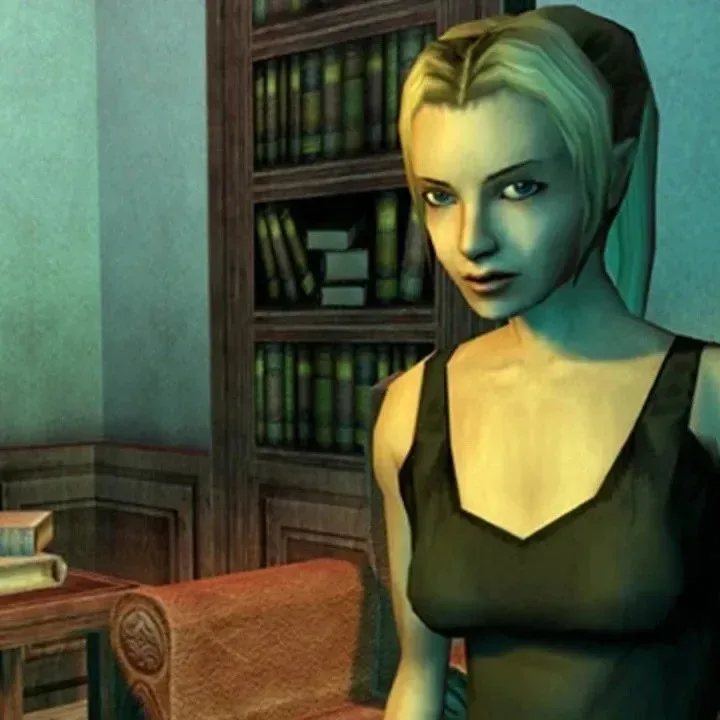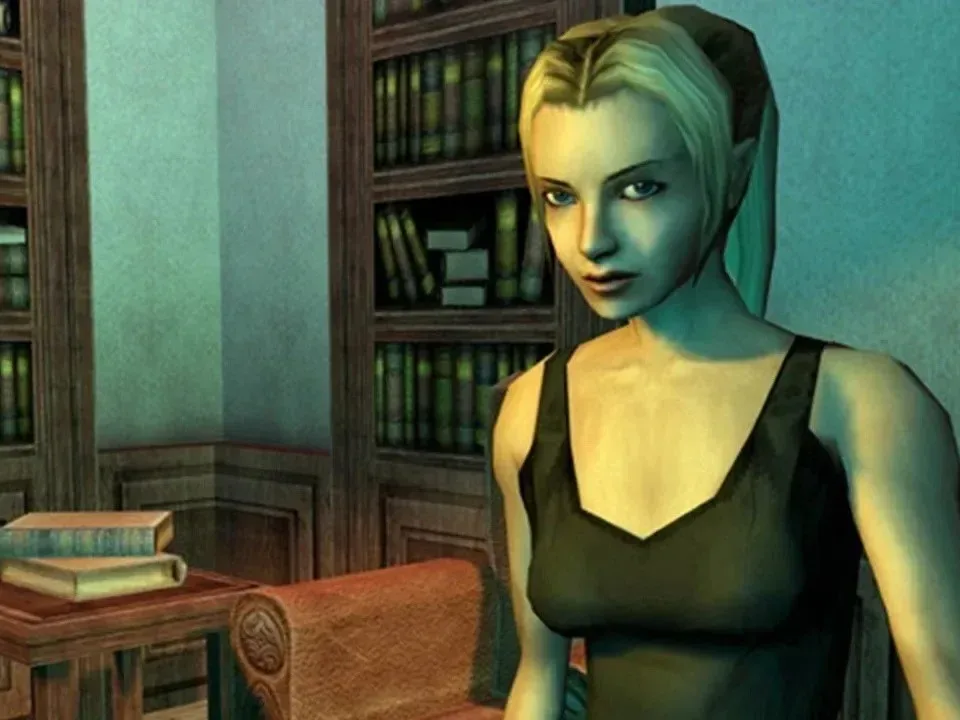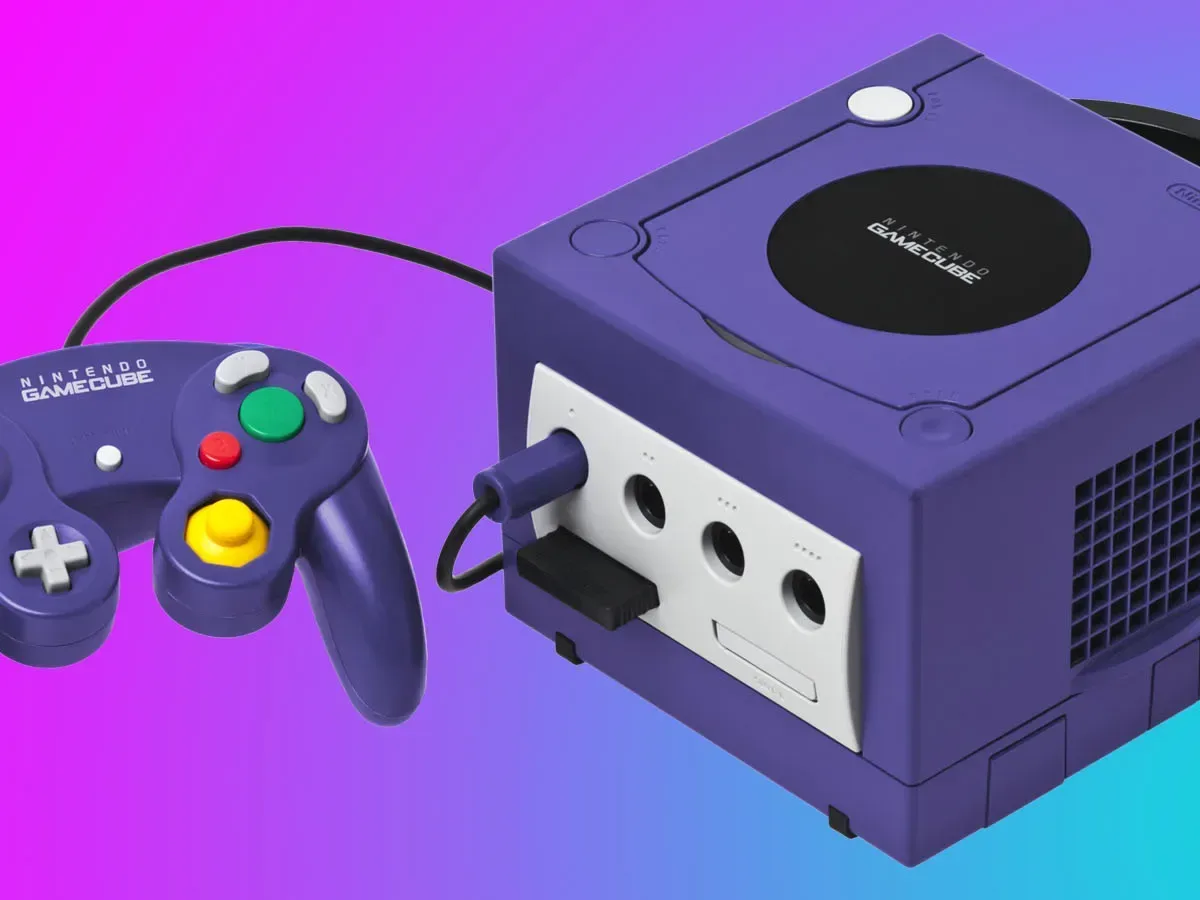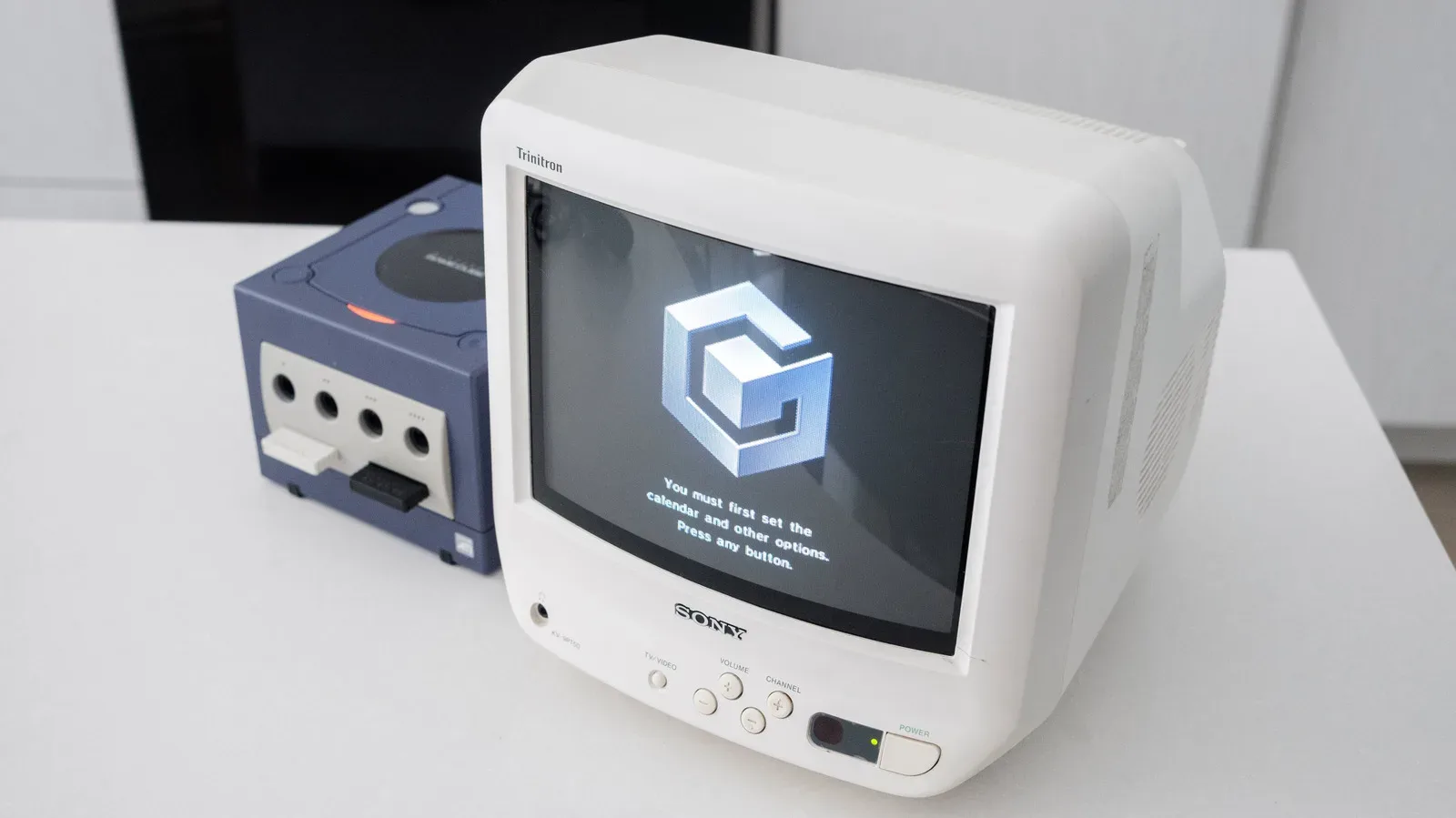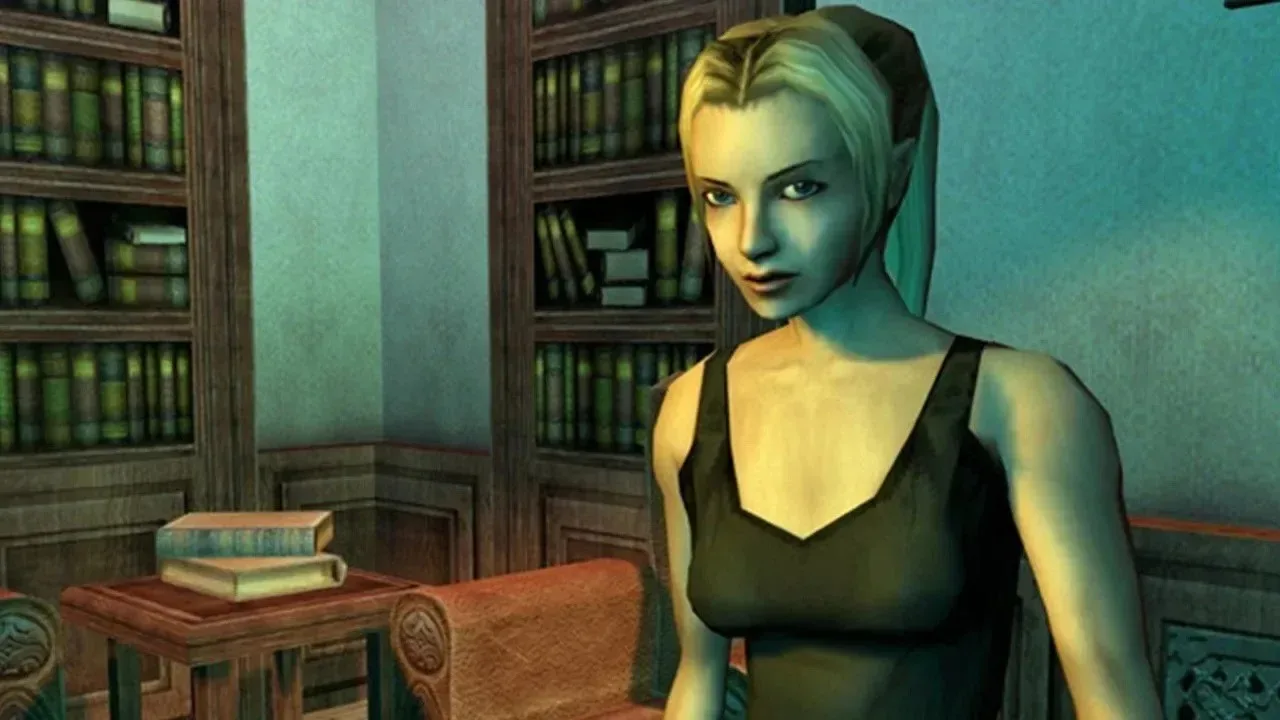
Eternal Darkness: Sanity’s Requiem may have received its most encouraging remaster hint in years, though it remains only that: a hint. Nightdive Studios CEO Stephen Kick responded to a fan request around the GameCube’s 25th anniversary by calling the 2002 survival-horror game one of his all-time favorites and saying it deserves the kind of treatment Nightdive can provide. He also advised followers to keep an eye on the studio’s “Deep Dives.”
For a game with a long history of sequel hopes that never became reality, the wording is naturally exciting. Nightdive is closely associated with bringing older games back to modern audiences, and Eternal Darkness has long occupied a peculiar place in Nintendo’s catalogue: revered by a dedicated audience, remembered for genuinely unnerving tricks, yet never revisited in the way many cult favorites have been.
Still, the sensible reading is a restrained one. No Eternal Darkness remaster has been formally announced. There are no confirmed platforms, release window, features, participating developers, or indication that a deal with Nintendo exists. Kick’s comment signals admiration and possible interest; it does not establish that a project is in production.
Why one comment carries so much weight
Nightdive specializes in ports and remasters of older games. Its previous revival work has included games and series such as System Shock, Quake, Doom, Turok, Heretic + Hexen, and Thief: The Dark Project. The studio, now owned by Atari, has built an audience around releases that refresh the presentation while attempting to remain faithful to the original work. It also collaborates with original developers where that is possible.
That background makes the prospect feel plausible in a broad sense. Eternal Darkness is exactly the kind of older, distinctive game fans may imagine benefiting from a careful modern release: its reputation rests not merely on nostalgia, but on an unusual approach to horror that uses the player’s expectations as part of the scare.
The reference to “Deep Dives” is also why the remark has drawn extra attention. These are Nightdive’s longer YouTube videos discussing its projects. The phrase could be read as a tease, but it is not a substitute for a title reveal. Fans should treat it as something to watch rather than proof that a reveal is locked in.
“Eternal Darkness is one of my all-time favorites and it deserves the treatment I know Nightdive Studios is capable of.”
What made Eternal Darkness different
Developed by Silicon Knights and released for GameCube in 2002, Eternal Darkness is a survival-horror adventure told through multiple characters across different points in history. Players must manage more than immediate threats. As characters lose their grip on sanity, the game begins changing the experience in ways designed to unsettle the person holding the controller.
Related coverage includes Nightdive Studios Comment Sparks Fresh Eternal Darkness Remaster Speculation.
Sanity mechanics are systems that tie a character’s mental state to gameplay or presentation. In Eternal Darkness, deteriorating sanity can produce effects ranging from unsettling sounds and distorted camera angles to overtly strange environmental changes, including bleeding walls and moving statues. These are not simply monsters placed in a room; they are disruptions aimed at making the player question whether what they are seeing is trustworthy.
At its boldest, the game reportedly breaks the fourth wall. Breaking the fourth wall means a work appears to acknowledge its audience or the conditions of its medium rather than staying entirely inside its fictional world. Eternal Darkness can make it look as though progress has been reset or as though the television has been muted. The point is not only to frighten the player’s character. It is to provoke a moment of doubt outside the fiction: did the game malfunction, or was that intentional?
That design is a major reason the game became a cult classic among Nintendo fans despite its relatively poor sales. Many horror games create pressure through enemies, limited resources, dark spaces, or sudden shocks. Eternal Darkness is remembered for making presentation itself feel unreliable. Its scares can be subtle before they become absurdly direct, inviting players to remain alert even when there is no conventional threat on screen.
Nintendo had patented the game’s sanity system, though that patent is now believed to have lapsed. A lapsed patent does not by itself confirm anything about a remaster, sequel, or successor. It simply matters as historical context for a mechanic that became inseparable from the game’s identity.
A beloved game, but a difficult path back
The road from a well-liked older game to a commercial remaster is rarely as simple as public enthusiasm. Eternal Darkness was published by Nintendo, while Silicon Knights, its developer, shut down in 2014. The original game’s history also includes sequel discussions that failed to produce a release, followed by an unsuccessful crowdfunding-era effort toward a spiritual successor.
Those facts explain why a new hint lands differently than ordinary fan speculation. Eternal Darkness has spent decades as a title people want revisited, without obtaining the sequel or direct return its admirers hoped for. Yet they also underline why no one should assume that creative enthusiasm alone can make a remaster happen.
Rights, approvals, technical work, and the level of publisher involvement all matter on older releases. Nightdive has experience with revival projects, but it has also publicly discussed the difficulty of progressing work with Nintendo-published games. In 2022, Kick said Nintendo could become hesitant about working with third-party developers, despite discussions involving a range of games.
One noted example was a potential Nightdive remaster of GoldenEye 007 for Nintendo 64 that did not move forward. Nintendo later made the original available through Nintendo Switch Online instead. It is a useful reminder that interest, conversations, and even a seemingly strong fit do not guarantee a remaster will reach the finish line. For more on that property’s current Nintendo release landscape, see the update on 007 First Light’s Switch 2 release.
What a “remaster” would and would not imply
A remaster generally means an existing game is updated for newer hardware or audiences while retaining its original underlying design. That can include visual improvements and a new port, rather than rebuilding the game as a fundamentally new production. Nightdive’s established reputation is for enhanced versions that remain close to their original forms.
That description fits why fans may prefer Nightdive’s involvement over a vague promise of a return. Eternal Darkness is not remembered solely for a premise that could be transplanted elsewhere. Its multiple protagonists, historical scope, sanity effects, and escalating fourth-wall gags are all part of the particular GameCube experience people want preserved.
But it would be premature to assume what any hypothetical version would change. There is no confirmed information about visuals, controls, accessibility features, bonus material, technical upgrades, new sanity effects, or whether a release would include additions beyond the 2002 game. There is likewise no confirmation of a sequel. A remaster and a sequel are different propositions: one returns to the existing game, while the other would continue or expand its story and design.
Why the wait is worth keeping in perspective
The strongest case for optimism is modest but real. Kick has repeatedly identified Eternal Darkness as the Nintendo game he would most like Nightdive to tackle. He now has paired that affection with a conspicuous prompt to watch the studio’s project-discussion videos. Given Nightdive’s record and Eternal Darkness’ enduring cult status, it is reasonable for fans to pay attention.
The strongest case for caution is equally clear. Nintendo’s involvement would be essential, and past efforts around Nintendo-published material show that a desired project can remain unrealized. Nothing in the comment confirms that licensing or development barriers have been resolved.
For now, Eternal Darkness sits in the most tantalizing category of gaming rumor: not an anonymous claim or an invented wish list, but an enthusiastic public remark from the head of a studio whose work makes the idea easy to picture. Until Nightdive or Nintendo provides a formal announcement, though, the GameCube classic has not escaped the dark. Fans can watch the Deep Dives, revisit what made the original so singular, and keep their sanity meter from draining over a line that may—or may not—become a real reveal.