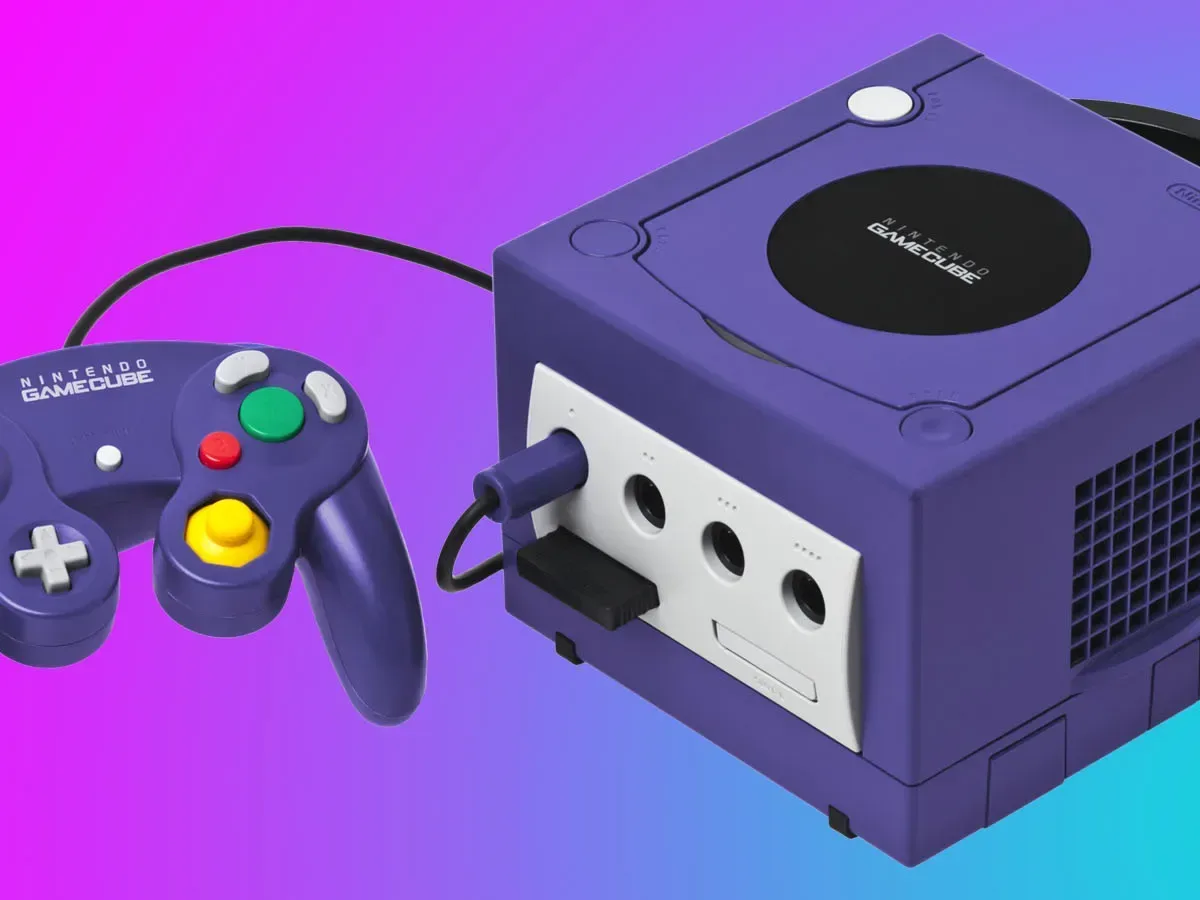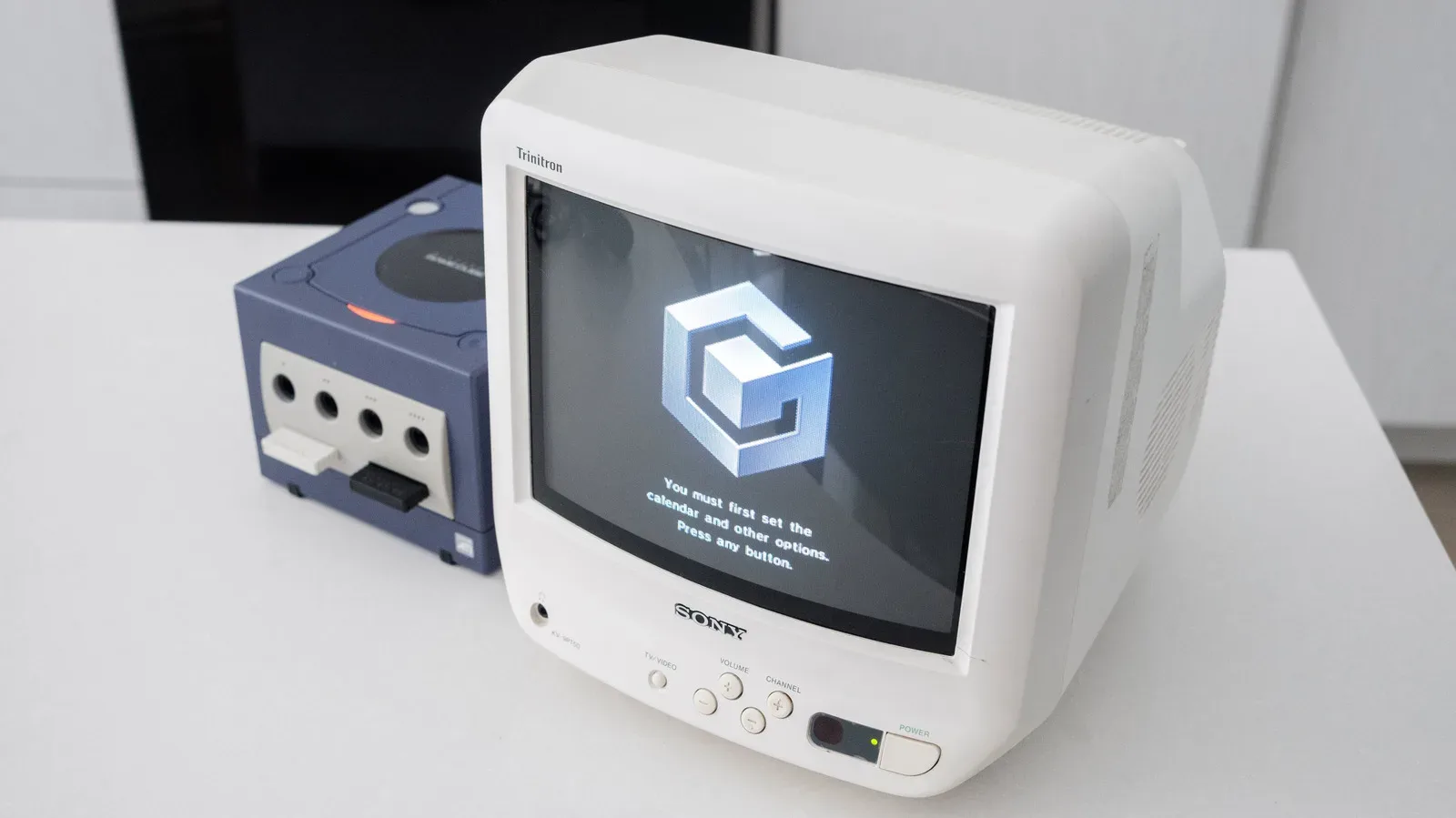
The Nintendo GameCube has always inspired a peculiar kind of loyalty: its library is remembered as colorful, inventive, slightly eccentric, and loaded with games that still get brought to local multiplayer nights. A newly shared ranking of the 20 best-selling GameCube games in the United States adds a hard-numbered wrinkle to that nostalgia. It suggests that the system’s identity was not merely shaped by Nintendo’s own games. In the biggest sellers, Nintendo was overwhelmingly the identity.
The US chart, ranked by unit sales through Circana Retail Tracking Service data, arrives as the GameCube reaches its 25th anniversary. Its leading positions are exactly the sort of titles people picture when they remember the purple lunchbox: Super Smash Bros. Melee, Super Mario Sunshine, and Mario Kart: Double Dash!! sit at the front, while The Legend of Zelda: The Wind Waker is also among the major performers.
What stands out is the makeup of the top 10. Only two games there came from third-party publishers: Sonic Adventure 2 and Sonic Mega Collection. Eight of the 10 slots went to Nintendo-published software. That is a remarkable concentration for a mainstream home console, and it offers a neat commercial explanation for the GameCube’s long-standing reputation as a difficult place for outside publishers to establish a major foothold.
A blockbuster list built around Nintendo’s familiar faces
Sales charts are not a quality ranking, and the GameCube catalog has no shortage of celebrated games that will not necessarily line up with raw unit totals. Still, this particular list captures something important about how the console was bought. For a huge portion of its audience, the hardware and its first-party series were fundamentally attached at the hip.
Melee had both the crossover appeal of a Nintendo all-star brawler and the staying power of a competitive multiplayer fixture. Super Mario Sunshine was a flagship Mario adventure. Double Dash!! turned Mario Kart’s usual formula into a two-racer-per-kart party experiment, making it a natural GameCube gathering game. The Wind Waker, meanwhile, became one of the platform’s defining adventures despite early debate about its cel-shaded art direction.
Those games did not just sell copies; they helped tell consumers what owning a GameCube was for. The answer was usually some variation of Mario, Zelda, Smash, Pokémon, Donkey Kong, or another Nintendo property that could not be found in the same form on competing systems. In an era before digital storefronts and subscription libraries made back catalogs constantly accessible, exclusivity could carry enormous weight.
That does not mean the GameCube lacked third-party games worth playing. Far from it. Its collection included beloved platformers, fighters, role-playing games, horror games, racers, sports titles, and licensed releases. But the top-10 split shows how difficult it was for a third-party release to become one of the console’s very biggest commercial stories.
Sega breaks through, and the lower half gets more varied
The two third-party games in the top 10 are especially interesting because both bear Sonic’s name. Sonic Adventure 2 brought a Dreamcast-era Sonic title to Nintendo’s machine, while Sonic Mega Collection packaged classic Sonic games for a new audience. The Sega-Nintendo connection still had novelty value in the early 2000s after the two companies had spent so long as console rivals.
Related coverage includes GameCube Sales Chart Shows Nintendo's First-Party Grip Was Even Tighter Than Expected.
For players who grew up with the 16-bit console wars, seeing Sonic on GameCube could feel like the mascot equivalent of a crossover event. Yet there was a practical side as well. Sega had left the hardware business after the Dreamcast, and placing its characters on other platforms was essential. Sonic arriving on Nintendo hardware became normal over time, but these sales results are a reminder that the transition found a receptive audience.
The second half of the top 20 paints a more balanced picture. Five of the remaining 10 entries came from third parties:
- Lego Star Wars
- Sonic Heroes
- Star Wars Rogue Squadron II: Rogue Leader
- Super Monkey Ball 2
- SoulCalibur II
That mix says a lot about what could cut through. Two games drew on the broad recognition of Star Wars. Two featured Sega’s characters and arcade-minded sensibilities. SoulCalibur II was a major fighting game with a version-specific advantage that GameCube owners could immediately understand: Link was playable in the GameCube edition.
That Link inclusion did not turn SoulCalibur II into a Nintendo game, of course, but it did give the GameCube release a special hook. In the multiplatform era, exclusive characters and content are often used to distinguish otherwise similar versions. Namco’s decision provided Nintendo fans a particularly effective reason to choose the GameCube disc.
There is also a useful through line from those Sonic successes to Sega’s current broader entertainment ambitions. The company’s properties have continued to travel well beyond a single machine or format, including projects such as the new Sonic series and other Sega projects being set in motion. On GameCube, that portability was already becoming a crucial business reality.
Resident Evil 4 is the chart’s most dramatic near miss
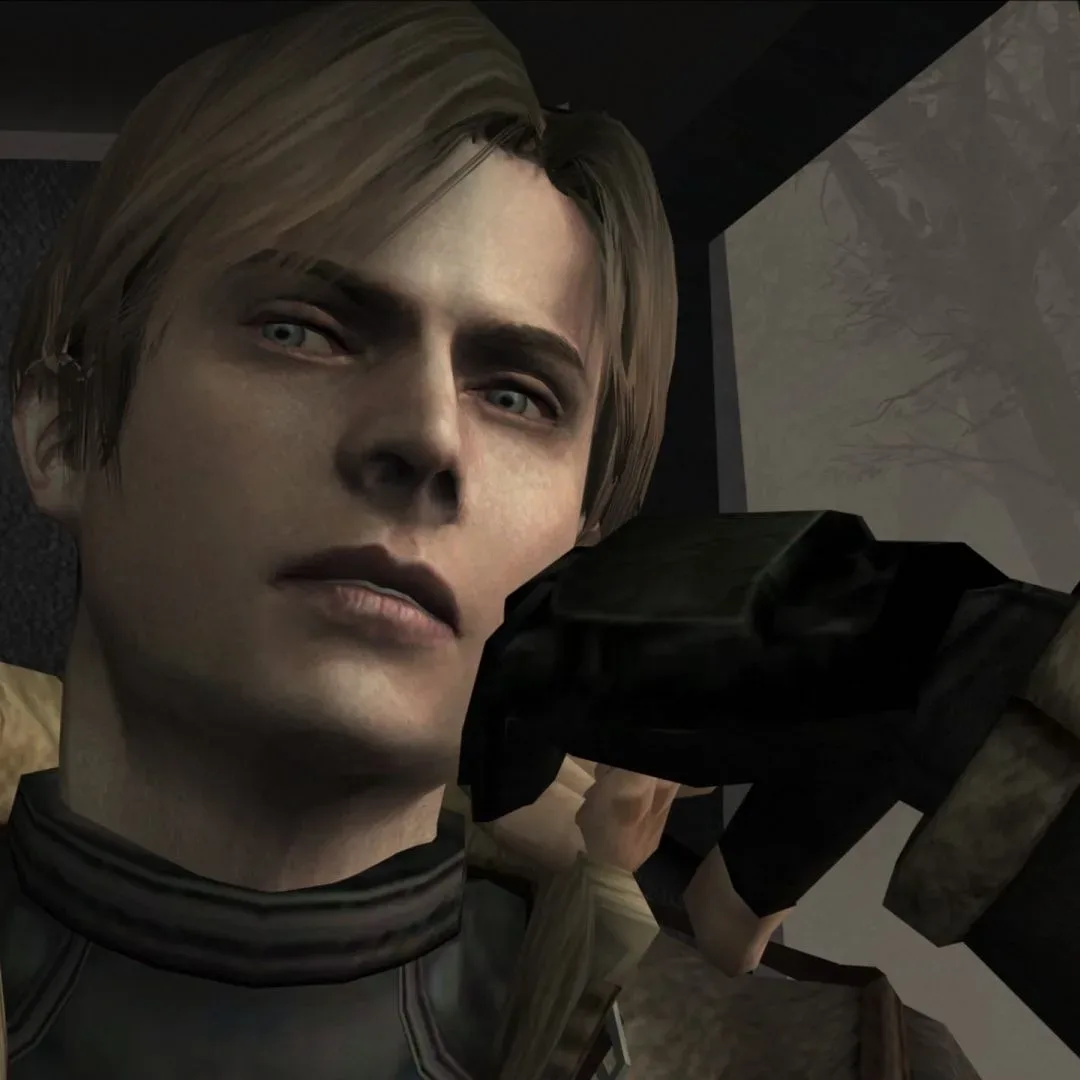
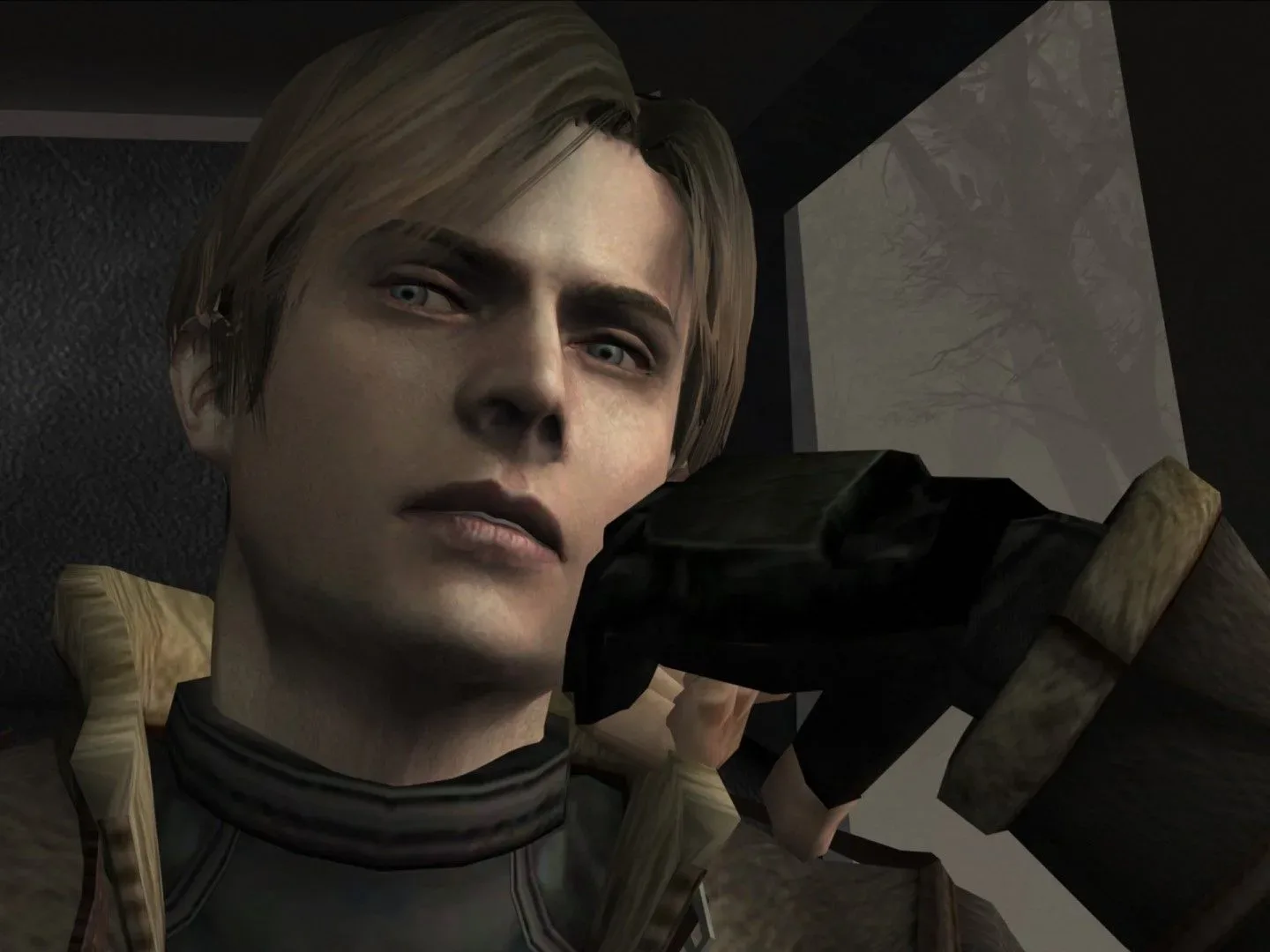
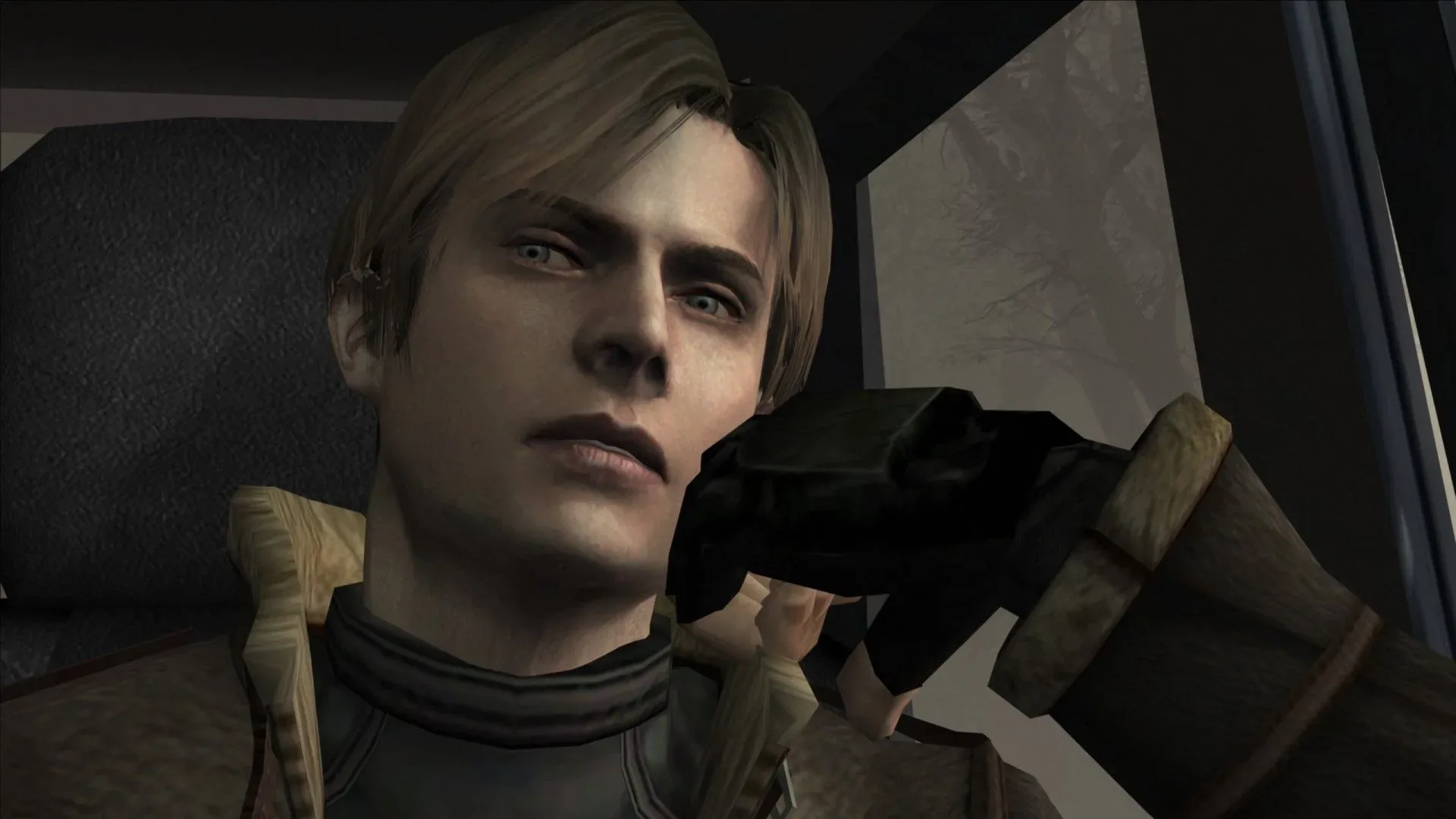
The most eye-catching fact attached to the top 20 may be the game immediately outside it. Resident Evil 4, initially released as a GameCube exclusive, ranks at No. 21 in the US data. It fell short of No. 20, Kirby Air Ride, by only 7,899 units.
That is an extraordinarily slim gap in the context of a lifetime sales ranking, particularly for a game now routinely placed among the medium’s most influential action titles. Resident Evil 4 reshaped the series and helped define over-the-shoulder third-person action design for years afterward. Its absence from the top 20 should not be read as a judgment on its critical status or long-term impact. It is instead a reminder that influence, acclaim, and platform-specific retail sales often travel on different tracks.
It also puts some historical context around Capcom’s shifting plans. Resident Evil 4 was part of the group often called the Capcom Five, a set of projects originally intended for GameCube. Several ultimately expanded beyond the platform. A chart showing the game just below the top 20 does not, by itself, explain every corporate decision, but it illustrates why relying on one hardware ecosystem could be a challenging proposition for a publisher with expensive projects to support.
What the figures can and cannot tell us about the GameCube
The data makes the GameCube’s first-party dominance unusually clear, but it should not be treated as a complete scorecard for every publisher or every game. The ranking covers US unit sales, not worldwide results, revenue, profitability, used-game circulation, player sentiment, or the lasting creative importance of each title. It also only covers 20 games. Plenty of cult favorites, genre landmarks, and modest commercial successes naturally sit beyond that boundary.
Still, the top 10 is hard to ignore. Nintendo captured 80 percent of it, while the remaining third-party entries were Sonic releases tied to a brand with immense name recognition. In the next 10 places, third parties become more visible, but Nintendo’s catalog had already established the terms of the platform’s commercial conversation.
This helps separate two ideas that are often blended together. The GameCube had third-party support, and it had many excellent third-party games. But the biggest-selling games on the system were largely Nintendo’s own. A platform can have a diverse library without that diversity being reflected evenly at the very top of its sales charts.
The Switch comparison remains incomplete
It is tempting to draw a direct line from GameCube to Nintendo’s Switch era, especially because modern Nintendo hardware has attracted a far wider range of outside releases. Developers put considerable effort into adapting games built for PlayStation 4 and Xbox One so they could run on Switch, an effort that strongly indicates a perceived audience for third-party software.
But a similarly complete per-platform comparison is not currently available. Nintendo regularly publishes sales milestones for its own software, while third-party companies often do not disclose unit sales broken down by individual platform. Public lists of best-selling Switch games therefore tend to skew toward Nintendo releases in part because Nintendo provides more of the relevant data.
That makes broad claims about modern third-party performance uncertain. The growing presence of third-party releases on Switch, and apparently on Switch 2 as well, clearly differs from the GameCube’s old reputation. Yet without equivalent sales reporting, it is difficult to calculate whether the first-party share of the very top sellers has changed by as much as the library itself has.
For the GameCube, however, the available US ranking is blunt enough to be memorable. Nintendo did not merely supply several of the console’s hits. Its games dominated the commercial peak, leaving third-party publishers to fight for visibility beneath a tower of Mario caps, Smash invitations, karts, wind sails, and unmistakably Nintendo-sized mascots.