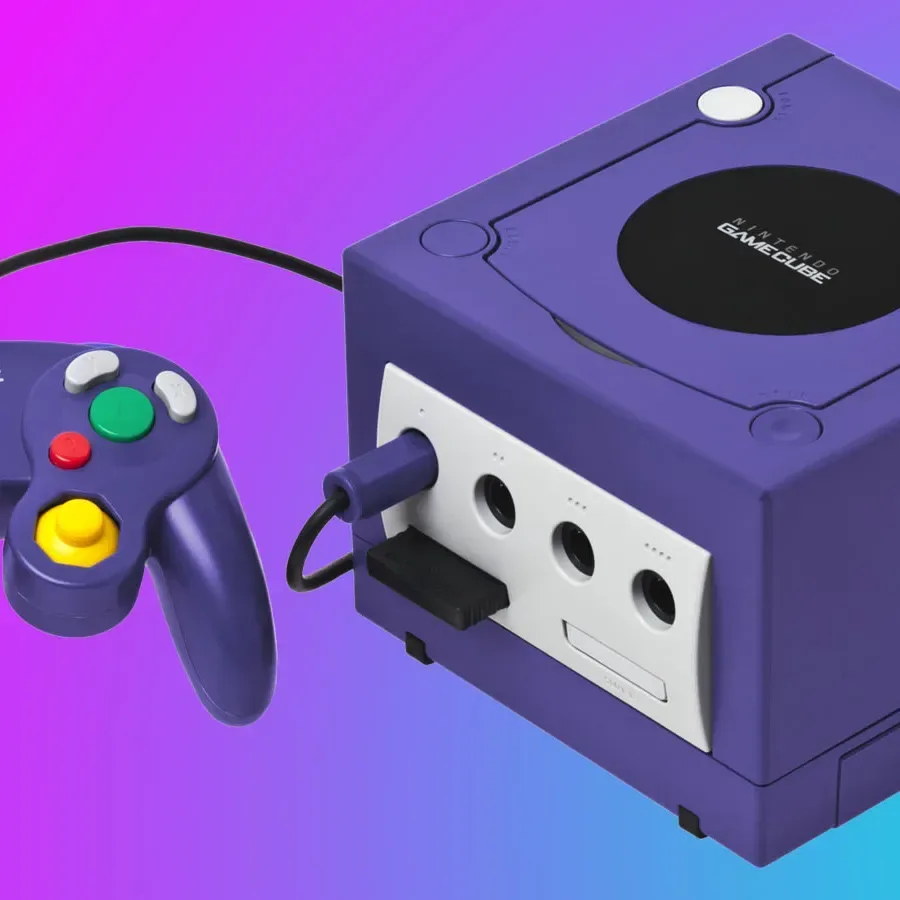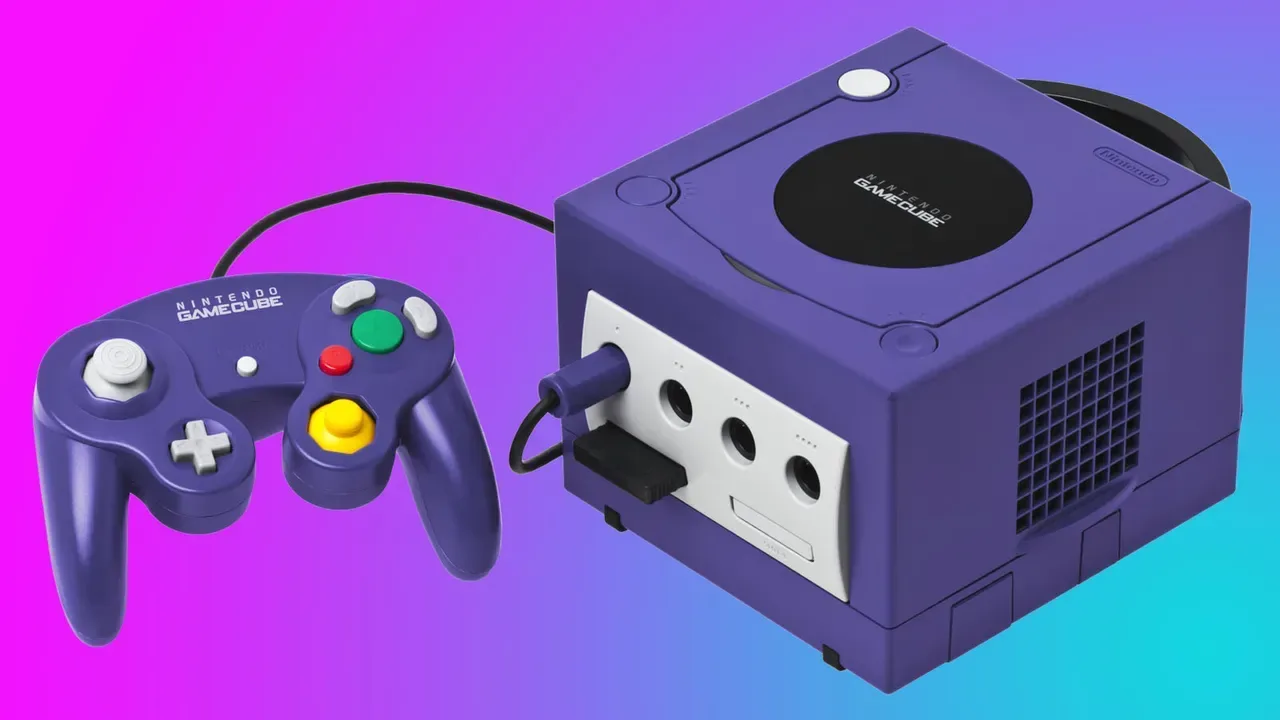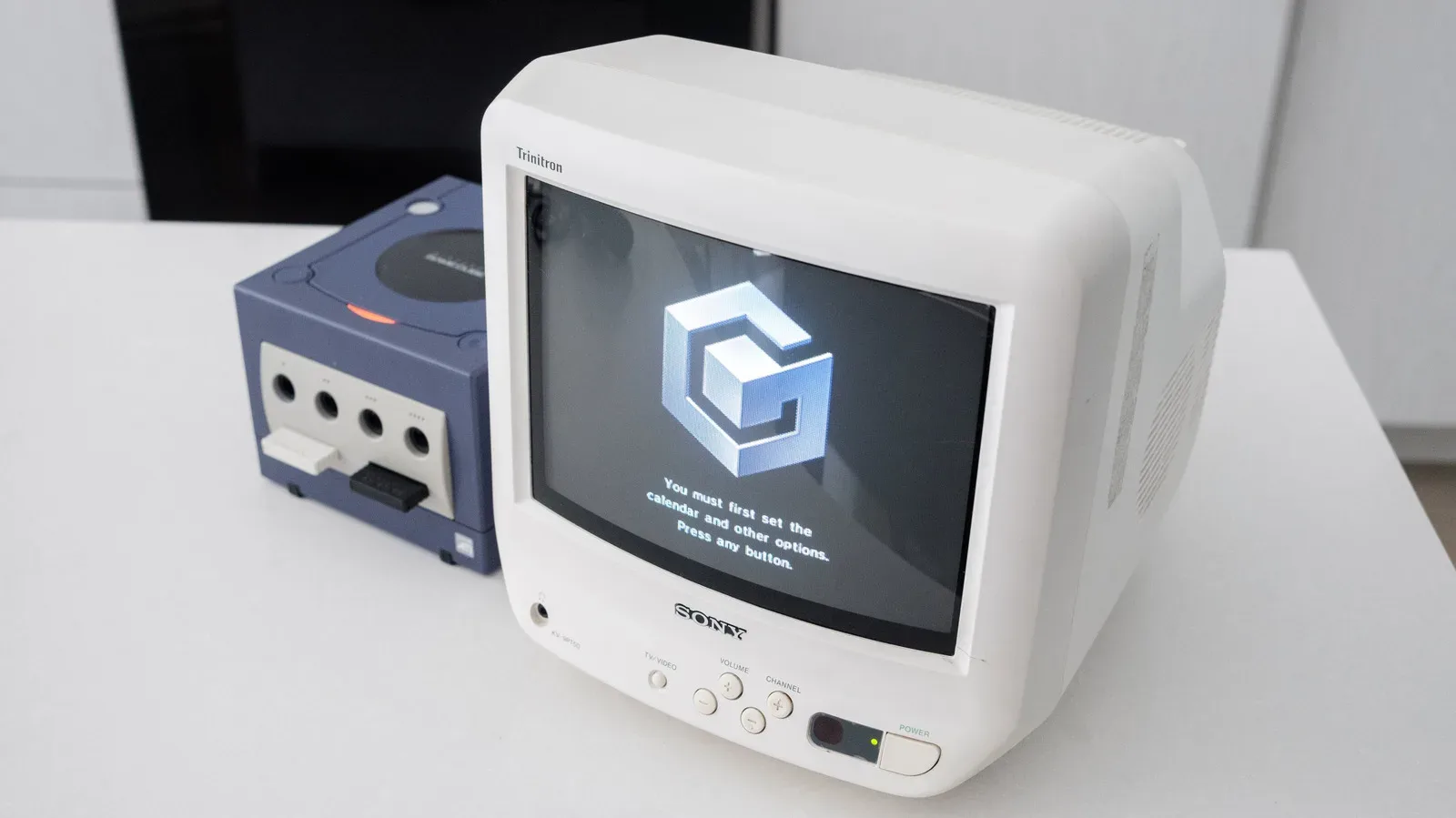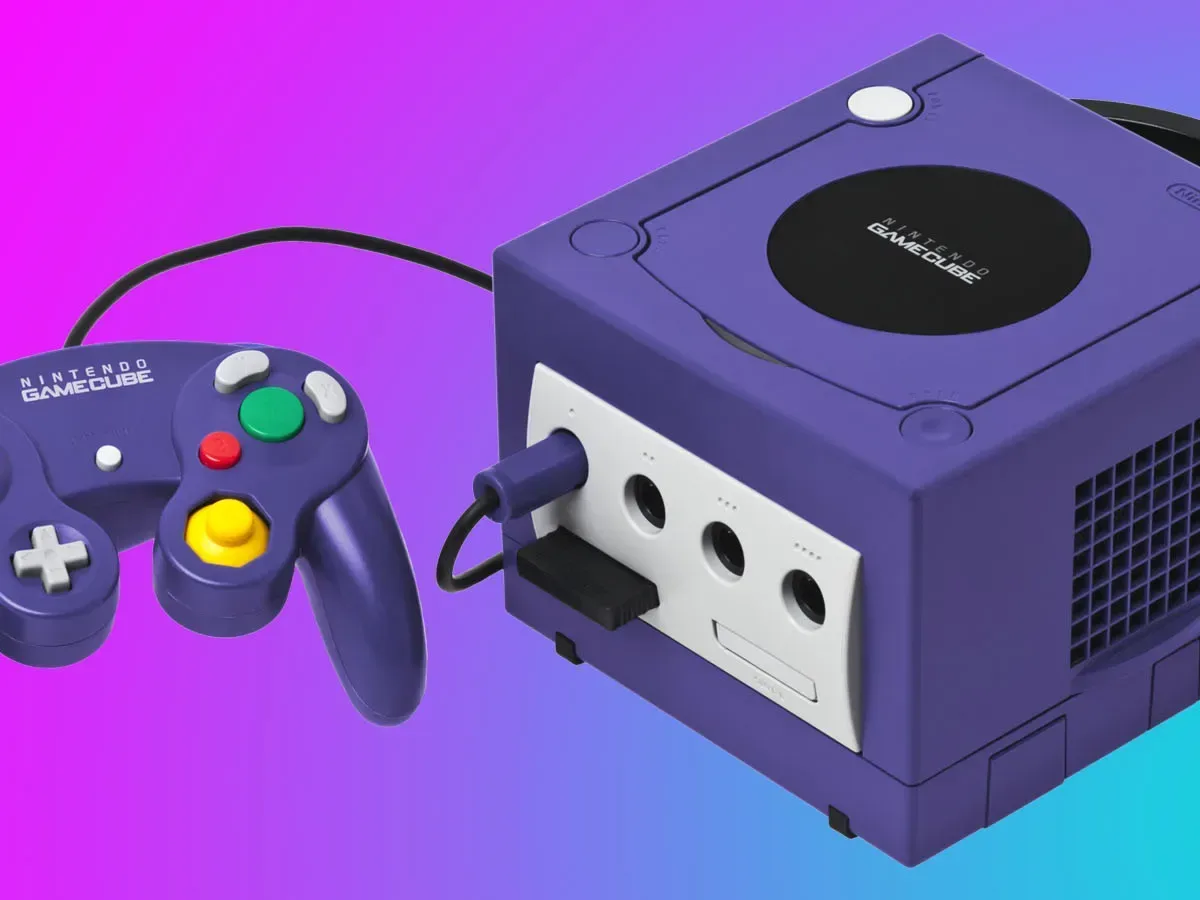
A quarter-century after Nintendo GameCube first arrived in Japan, the little purple console still occupies an unusually warm place in gaming history. It did not win the sales war of its generation. It did not double as a DVD player. Its discs were comically small beside the standard discs sitting in PlayStation 2 and Xbox cases. Yet the GameCube remains instantly recognizable: a compact box with a carry handle, a four-port controller face, and a design that seemed to say games should be the main event.
That clarity is a major reason the hardware endures. Nintendo made a machine that looked more like a toy than a piece of black-box living-room electronics, then filled it with games that were equally prepared to be colorful, strange, demanding and sincere. The GameCube era supplied landmark entries for established Nintendo series, helped cement franchises that have since become central to the company, and provided room for experiments that would be almost impossible to pitch with a straight face today. Feudal pinball controlled by a microphone? Bongo drums for Donkey Kong? A giant deity reshaping a landscape? The cube was very much willing to roll with it.
A console that put games before the media checklist
At the start of the 2000s, consoles increasingly competed on their ability to do more than play games. Sony’s PlayStation 2 became a dominant entertainment device in part because it included DVD playback, while Microsoft’s Xbox supported CD playback. GameCube went in another direction. Its optical drive used proprietary mini-DVD-sized discs, emphasizing software rather than positioning the hardware as an all-purpose media center.
That decision had trade-offs, and the market did not ultimately reward Nintendo with a first-place finish. But the machine’s focused identity has aged remarkably well. Its front panel advertised support for four controllers without requiring an additional multitap, an invitation to gather people in one room and immediately settle an argument in Mario Kart: Double Dash!! or Super Smash Bros. Melee.
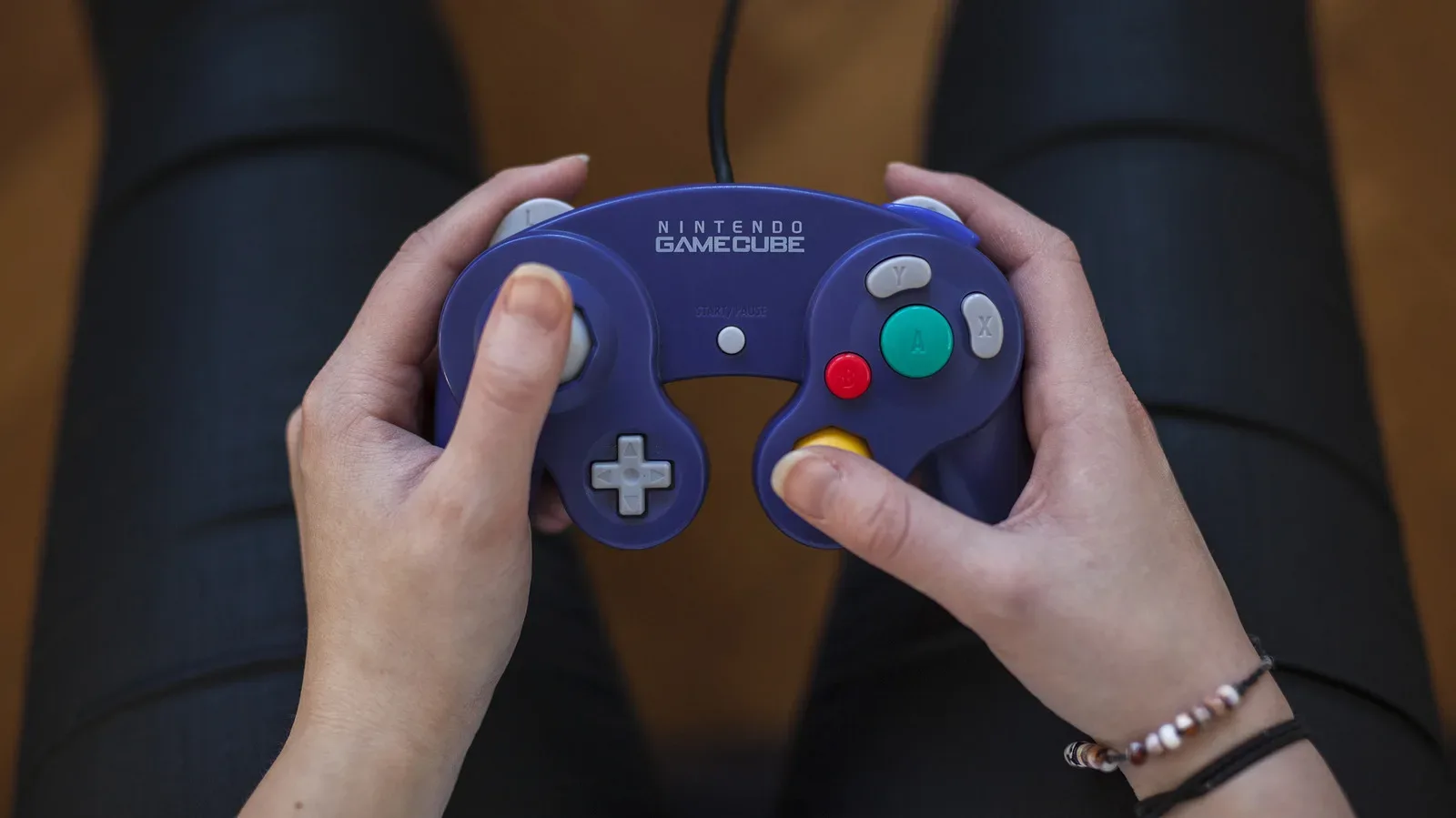
The controller deserves its own small monument, preferably shaped like a giant green A button. Its asymmetrical layout was unconventional even then: one oversized primary face button, differently sized neighboring buttons, a distinctive octagonal analog-stick gate, and analog triggers with a physical click at the end of their travel. Not every gamepad design should copy it, but for certain games it feels purpose-built. Its staying power is no accident; Nintendo fans continue to value the pad, especially for games where the layout remains a natural fit.
An opening lineup with personality
GameCube launched in Japan on September 14, 2001. The early software lineup communicated the system’s range rather efficiently. Nintendo brought Luigi’s Mansion, Wave Race: Blue Storm and Pikmin, while Sega supplied Super Monkey Ball. That is a haunted-house adventure starring Mario’s anxious brother, a watercraft racer, a strategic game about plantlike helpers, and rolling monkeys in transparent balls. It is difficult to imagine a cleaner summary of GameCube’s willingness to embrace the offbeat.
As the system reached the United States and Europe, the selection expanded with Tony Hawk’s Pro Skater 3 and Star Wars Rogue Squadron 2: Rogue Leader. The latter remains particularly notable for its cinematic ambitions and for visuals that made its aerial battles feel extraordinarily close to the look of the films for the period.
Early momentum did not vanish after launch. Super Smash Bros. Melee, though not the series’ first installment, became an enormously influential competitive and party-game standard. Its speed, depth and immense replay value made it a fixture well beyond the console’s active retail life. Animal Crossing also found its footing on GameCube outside Japan, laying important groundwork for what would become one of Nintendo’s defining modern series. Its pace was gentle, its towns ran on real-world time, and its peculiar neighbors could make a player feel welcomed or lightly judged before breakfast.
Related coverage includes Nintendo GameCube at 25: The Purple Box That Made Play Feel Special.
For a closer look at software that illustrates the machine’s lasting appeal, see GameCube at 25: 10 Games That Prove Nintendo’s Purple Cube Never Needed a DVD Drive.
Where Nintendo let the weird ideas breathe
Every Nintendo generation has unusual releases, but GameCube was an especially fertile stretch for projects that resisted easy genre labels. Doshin the Giant put players in control of a towering figure able to alter the terrain and influence the lives of island inhabitants. Odama fused pinball, feudal Japan and voice commands through a microphone. Donkey Konga shipped with bongo-shaped controllers and converted familiar rhythm-game inputs into something players slapped, clapped and enthusiastically attempted not to knock off the coffee table.
Some of the era’s stranger games never received broad worldwide releases. Cubivore and Giftpia are reminders that the GameCube catalog was even more eccentric than many regional collections suggest. Their limited availability also feeds the console’s collector mystique: the library is not just a list of the usual Nintendo classics, but a maze with odd side corridors and fascinating regional detours.
GameCube’s legacy is not simply that it produced famous games. It is that the system made a convincing case for games with bold, specific personalities.
The classics arrived even as support softened
There was a less celebratory side to the GameCube story. As its sales trailed the PlayStation 2 and Xbox, third-party support diminished. The system’s eventual worldwide total reached 21.74 million units. That is a substantial number in isolation, but it left GameCube far behind PlayStation 2, and Nintendo’s Wii U is the only Nintendo console reported to have sold fewer units. Switch 2 has also already moved past the GameCube total in its first year.
Those figures make the console commercially modest by Nintendo standards. They do not make its catalog modest. Nintendo continued to deliver games that have remained fixtures in discussions of the medium’s best work. Metroid Prime translated a beloved 2D series into first-person 3D exploration without losing its atmosphere of isolation and discovery. Its sequel, Metroid Prime 2: Echoes, remains comparatively underappreciated despite its own formidable design.
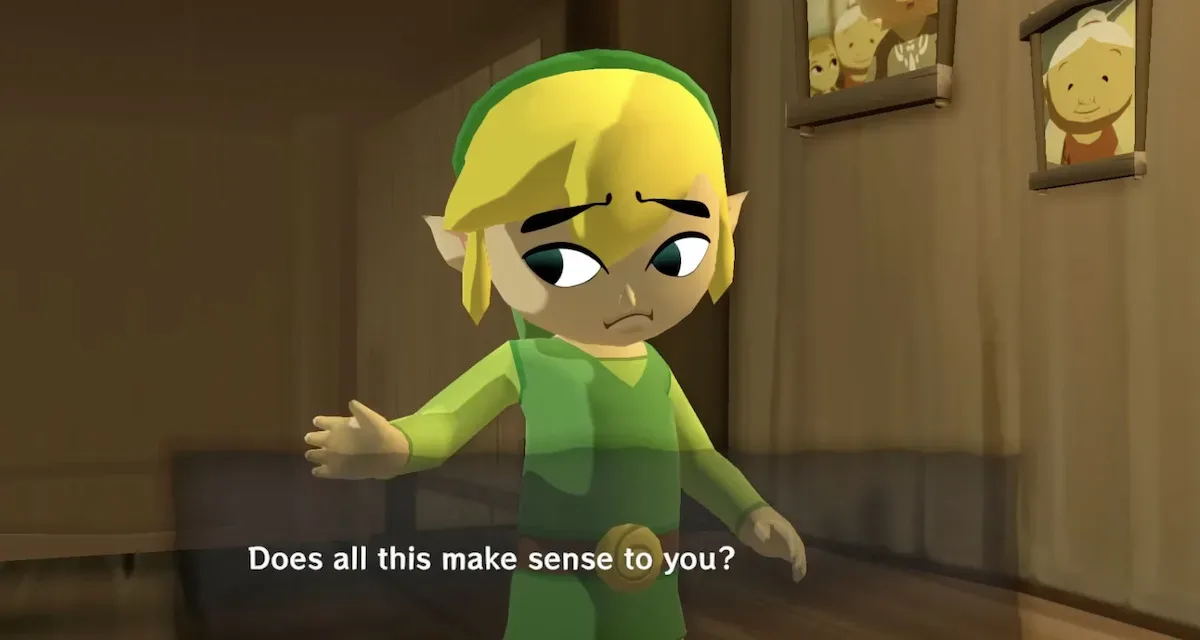
Super Mario Sunshine brought Mario to Isle Delfino, equipped him with the water-powered F.L.U.D.D. device, and wrapped an acrobatic platformer around sunlit plazas, beaches and a persistent cleanup job. Its distant views and shimmering heat effects helped give the setting a tropical identity that remains memorable. The Legend of Zelda: The Wind Waker, meanwhile, initially sparked debate with its expressive cel-shaded presentation before becoming widely celebrated for its seafaring world, animation and emotional force.
Third parties still left a meaningful mark, too. Sega’s post-Dreamcast output included Skies of Arcadia Legends, an acclaimed role-playing adventure. Capcom’s much-discussed Capcom 5 arrangement also resulted in Resident Evil 4, a game whose influence on third-person action design is difficult to overstate. GameCube may have had fewer outside publishers committed to it as the generation progressed, but the games that did land could be spectacular.
A legacy larger than its sales chart
The GameCube’s 25th anniversary is not an argument that it secretly defeated its rivals. It plainly did not. It is a recognition that commercial results and creative significance do not always travel together. The console introduced or strengthened ideas that kept growing long after its final retail days: Pikmin, Luigi’s Mansion, modern Animal Crossing, the enduring competitive culture of Melee, and several of Nintendo’s most admired single-player adventures.
It also stands as a reminder of an era when Nintendo’s hardware design could be unapologetically playful. The carry handle may have been impractical for anyone genuinely considering a trip to the shops with a console in tow, but it gave the system character. The purple shell was not trying to disappear into an entertainment center. The tiny discs were not trying to look like a movie collection. The GameCube asked players to meet it on its own bright, odd wavelength.
That is why revisiting Isle Delfino, exploring Tallon IV, sailing the Great Sea or launching into one more frantic four-player race still feels so immediate. The purple cube did not need a DVD drive to make an impact. It had an identity, a superb controller, and a lineup adventurous enough to make the most of both.