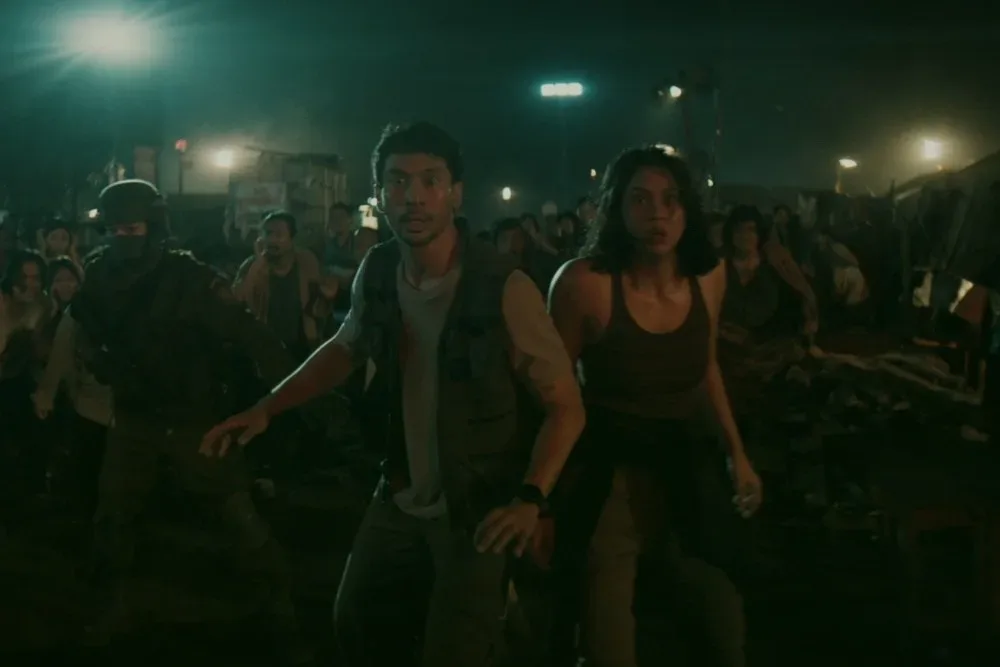
‘Zona Merah: Dead City’ is taking an established Indonesian zombie story out of its rural containment zones and into a much more densely populated nightmare. A first teaser has arrived for the feature-film adaptation of Vidio original series Zona Merah, ahead of its scheduled Jan. 14, 2027 theatrical release in Indonesia.
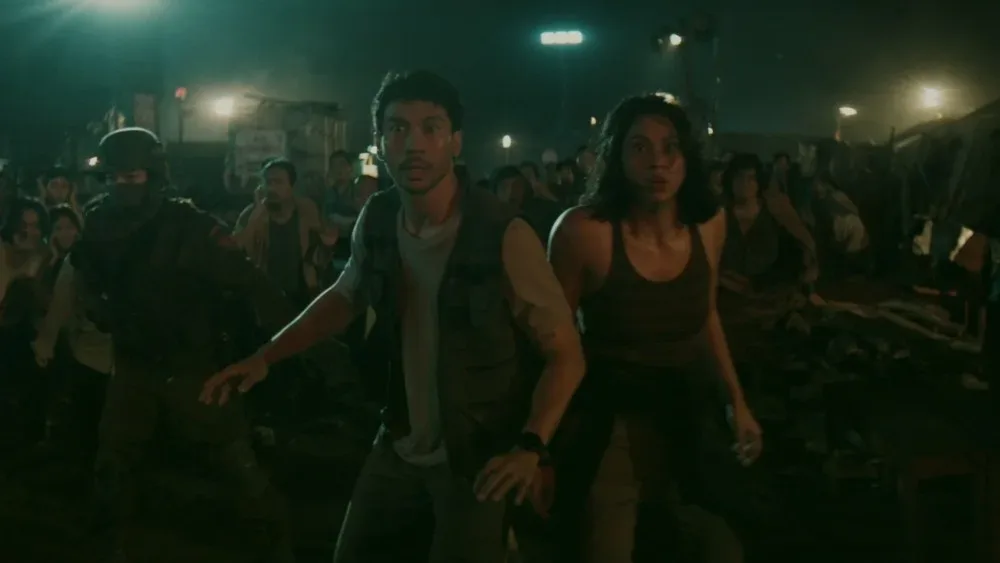
The central promise is scale. Screenplay Films is describing the feature as Indonesia’s biggest zombie production to date, while the teaser signals an outbreak that has spread well beyond the scope of the original series. Where the show largely unfolded around villages and quarantine locations, the film puts the undead threat amid city streets, shopping malls and an airport.
That is not merely a change of scenery. It changes the kind of survival story the franchise can tell. Villages and quarantine sites suggest isolation, restricted movement and the uneasy possibility of keeping danger at a distance. A city, mall or airport puts crowds, infrastructure and multiple potential routes of escape at the center of the crisis. The teaser’s setting choices therefore suggest that Dead City is designed as an escalation rather than a standalone repeat of the series’ premise.
The original Zona Merah has recorded more than 34 million views on Vidio. That gives the film a substantial existing audience, but the producers are also positioning it as a theatrical event intended to work for people unfamiliar with the show. Producer Wicky V. Olindo said the team wants to create “an extraordinary cinematic experience for everyone, not just fans of the ‘Zona Merah’ series.”
For more context, explore UGREEN Nexode 100W GaN Charger Hits $40 With Four Ports for Handhelds, Phones and Laptops.
A familiar outbreak, a much larger arena
Zombie stories often use geography as part of their tension. In practical terms, a quarantine zone is an area subject to controls meant to restrict the movement of a hazard or infected population. It can make the boundaries of a crisis clear: there is a perimeter, an apparent safe side and a dangerous side. Moving the action into major public spaces makes those boundaries feel less secure. An airport in particular is built around transit; a mall is built around access and circulation; city streets connect large areas at once.
The available teaser details do not establish how the infection works, who causes it or whether any location can be secured. Those are questions for the film itself. What is clear is the intended shift in dramatic pressure. Survivors are no longer simply enduring an undead threat at the margins of society. The film frames that threat as something broad enough to overrun ordinary urban life.
For returning viewers, this gives Dead City a recognizable franchise hook: the world of Zona Merah is still present, but its emergency has intensified. For newcomers, city landmarks and familiar public environments can make the stakes immediate without requiring detailed knowledge of the prior series. Seeing an outbreak consume places associated with shopping, travel and everyday movement is a direct visual shorthand for social order breaking down.
Sidharta Tata returns with Fajar Martha Santosa
Sidharta Tata returns to direct the film and shares directing duties with co-director Fajar Martha Santosa. Tata has described the production as an all-out effort, saying it was filmed across three Indonesian cities, used hundreds of extras and included major set pieces.
Those details help define what “larger” means in this case. Hundreds of extras can give outbreak scenes a sense of population and confusion that a smaller cast cannot easily provide. Large set pieces generally refer to elaborate sequences or environments created as key visual and action moments. They can range from extensive locations to carefully coordinated crowd scenes; the teaser’s mall, street and airport imagery suggests the movie is pursuing spectacle through public spaces under siege.
None of that automatically tells audiences how much of the running time will be action, character drama or horror. A teaser is a compact promotional preview, not a full account of the finished narrative. Still, the production’s approach points toward a feature constructed to make the outbreak feel visibly bigger, not simply described as bigger in dialogue.
The collaboration also matters because a franchise expansion has two distinct challenges. It has to retain enough continuity for fans of the source series, while creating a movie-scale identity of its own. Returning direction from Tata supplies a connection to the series, while the co-directing arrangement with Santosa comes as the production widens its locations and staging.
Returning characters and new arrivals
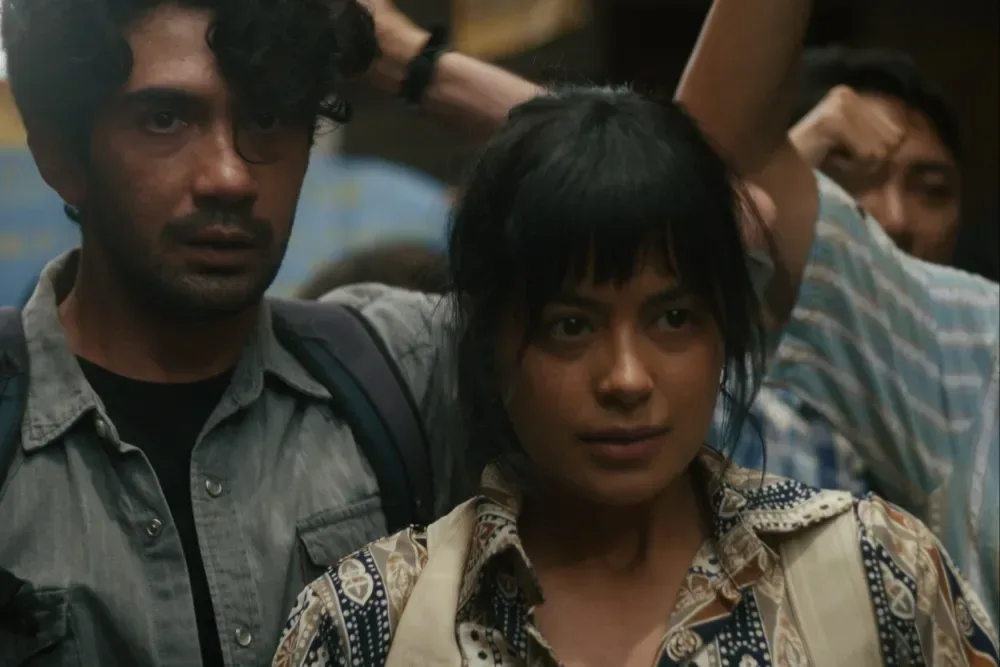
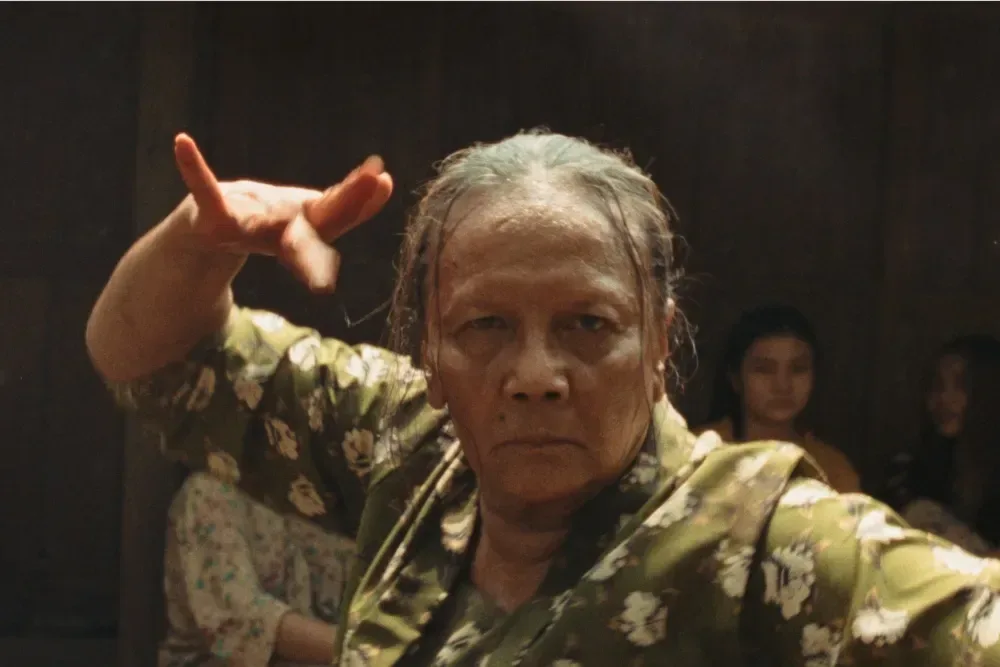
Several cast members from the series are set to return: Aghni Haque, Andri Mashadi, Devano, Maria Theodore and Lukman Sardi. Their presence provides an anchor for the adaptation’s continuity, particularly when the backdrop has moved from countryside locations to a sprawling urban outbreak.
The film also adds Bryan Domani, Shindy Huang, Myesha Lin, Derby Romero and Luna Maya to the franchise. Maya additionally serves as an executive producer. An executive producer role can encompass high-level creative, business or production involvement, but the supplied information does not specify Maya’s particular responsibilities beyond that credit. The important confirmed point is that she is participating in both an on-screen and executive capacity.
An expanded cast is a natural fit for a story that has shifted from limited quarantine spaces into a metropolitan emergency. It can create room for more survivor perspectives and more points of conflict, though the teaser information does not identify the characters or map out their relationships. It would be premature to assign alliances, survival odds or narrative roles based only on the cast list.
That uncertainty is worth keeping in view. Zombie marketing frequently centers images of chaos because they efficiently sell urgency. The details that tend to determine whether a franchise installment connects—who the survivors are, what they want and how the outbreak changes their choices—remain largely under wraps here. The teaser establishes a canvas. It does not yet provide a complete character roadmap.
What the theatrical framing means
The transition from a streaming original to a cinema release is a meaningful one for Zona Merah. The series’ 34 million-plus view total indicates a pre-existing audience, while the feature’s emphasis on expansive locations, extras and large-scale sequences makes sense for a communal theatrical presentation. Public-space disaster imagery is built for a big screen: crowds can read as an overwhelming mass, architecture can make characters look vulnerable, and the scale of a threatened city can become part of the story’s emotional effect.
At the same time, the stated ambition is not limited to viewers who already know the series. That makes the movie’s setting shift strategically straightforward. A survivor story in a city overrun by the undead is an immediately legible premise, while returning performers give longtime fans continuity beneath that accessible setup.
International sales are being handled by Barunson E&A. This confirms a route for the film beyond its Indonesian theatrical launch, but no release dates, territories, platforms or distribution partners outside Indonesia have been announced in the supplied details. Fans elsewhere should therefore treat the Jan. 14, 2027 date as an Indonesian cinema date, not as confirmation of a simultaneous international release.
Why the teaser’s locations matter most
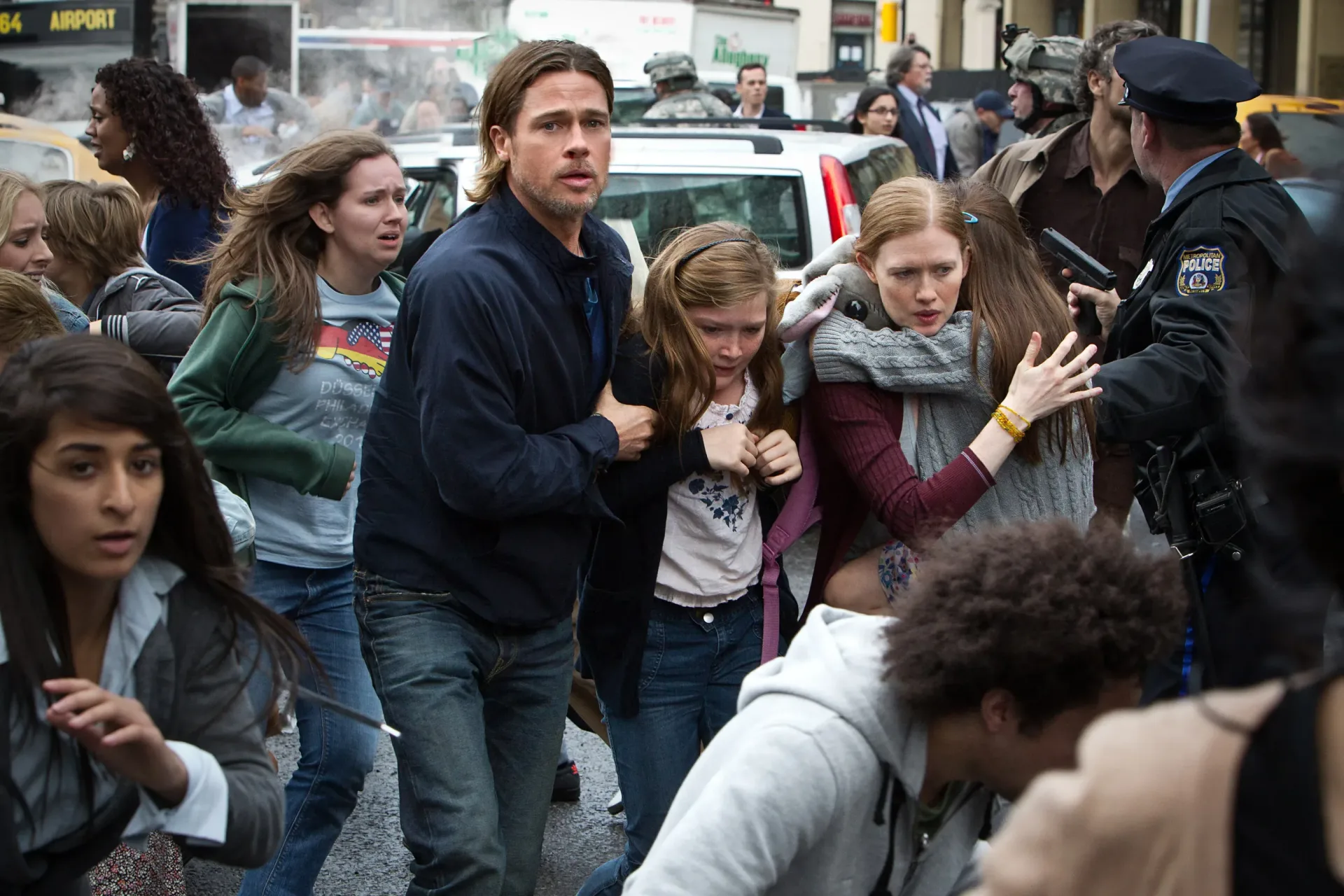
The clearest takeaway from the first footage is the film’s redefinition of the franchise’s danger zone. The original series’ countryside villages and quarantine sites set one kind of survival problem. Zona Merah: Dead City moves into environments defined by density, movement and public access. City streets can become blocked corridors; malls can turn open commercial spaces into enclosed traps; airports can turn a place associated with departure into another point of exposure.
These are interpretations of the featured locations, not plot confirmation. But they explain why the move is more than a cosmetic upgrade. The setting itself creates new opportunities for tension and scale, particularly when paired with a production involving three cities, hundreds of extras and substantial set pieces.
For a broader view of the teaser’s city-scale outbreak premise, see this related coverage. As Zona Merah: Dead City approaches its Indonesian release, the key remaining questions concern its characters, the precise shape of the expanded threat and whether its big-screen escalation can satisfy both the series’ large established audience and first-time viewers.