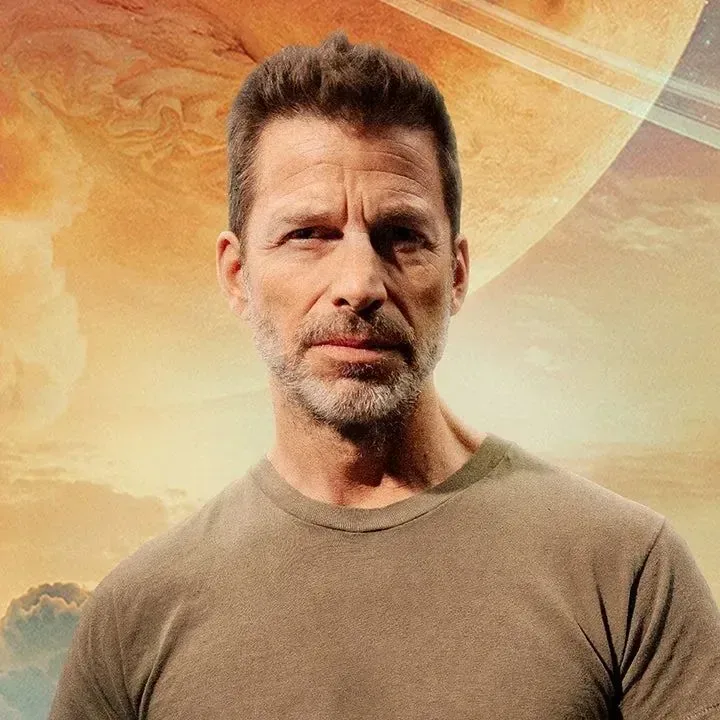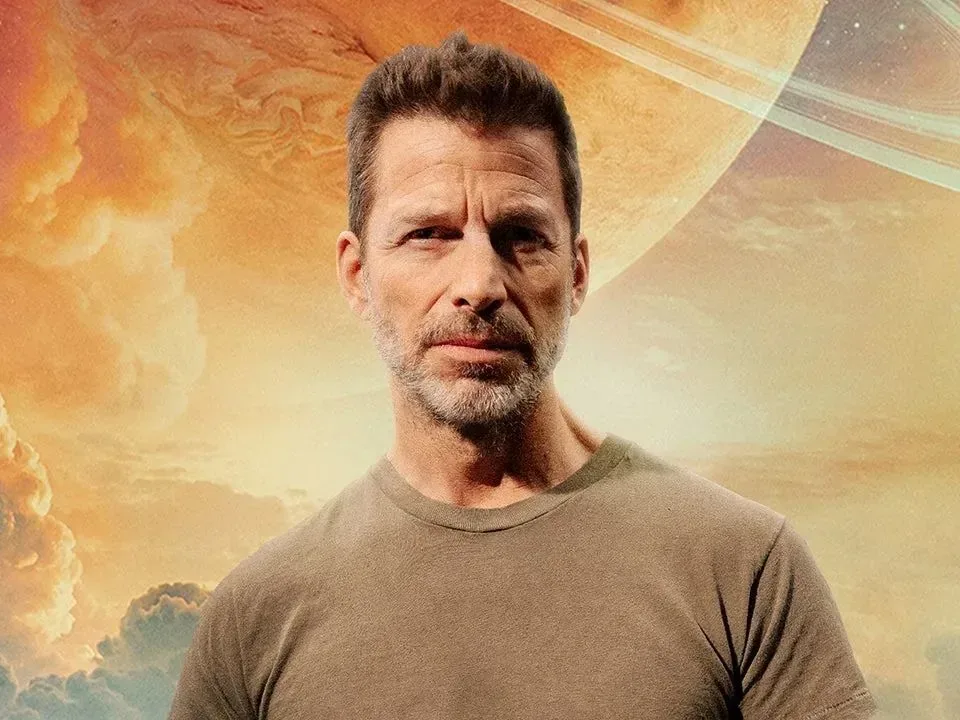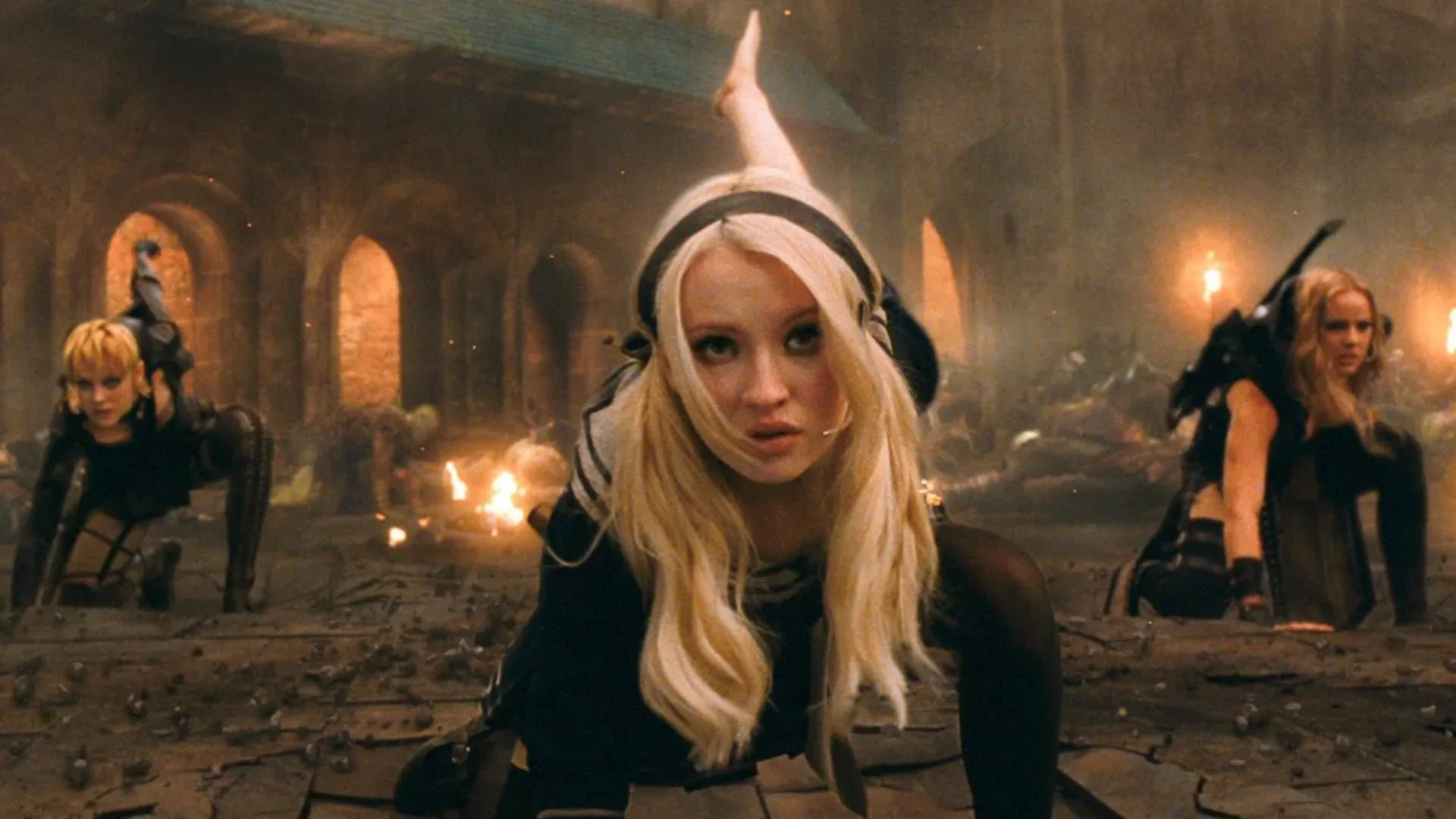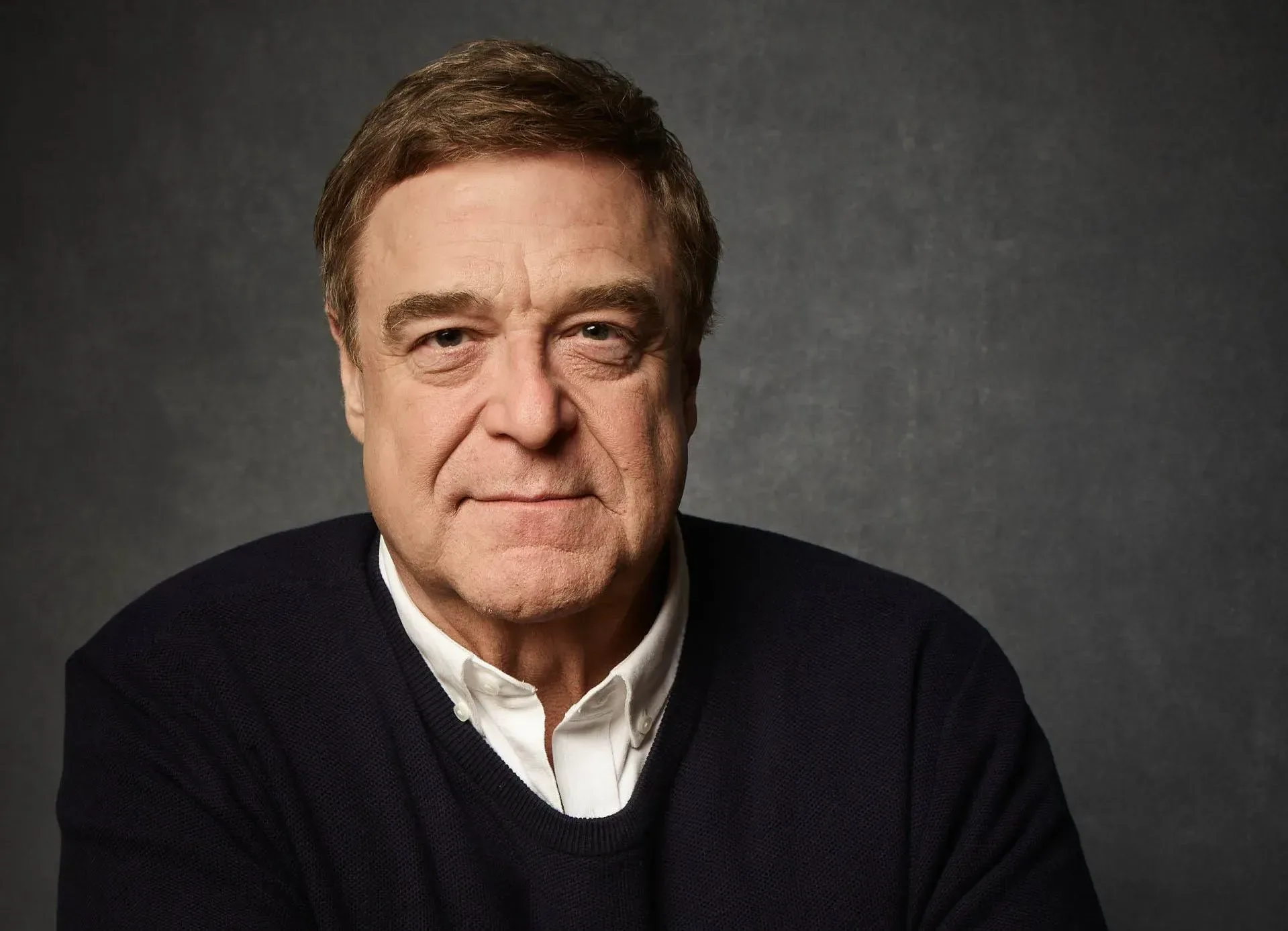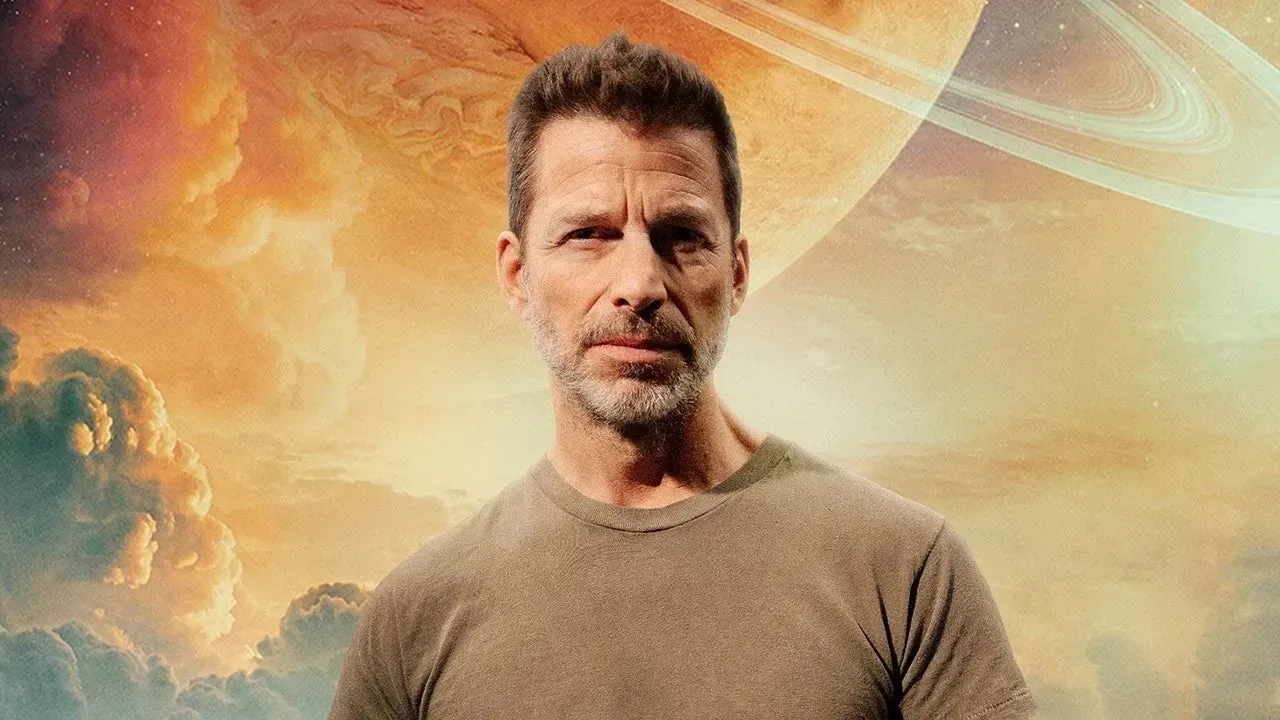
Rebel Moon 3 does not appear to be in active development. Zack Snyder’s latest comments leave the door technically open, but only in the way a very heavy space hangar door is open: somebody would need to supply a great deal of force first.
Discussing the future of the Netflix science-fiction series while promoting The Last Photograph, Snyder said he did not know whether another Rebel Moon movie would happen. His answer placed the possibility on a future wave of audience interest, particularly around the longer director’s-cut editions, rather than pointing to a production plan, a commitment from Netflix, or a timetable.
“I don't know,” Snyder said, adding that perhaps the director’s cuts could become more popular, be discovered by more viewers, and create enough “groundswell” for another film.
That is a notably cautious position for a franchise that was conceived as a much larger world. It is also different in emphasis from the more expansive creative planning previously discussed by Snyder and co-writer Kurt Johnstad. There may be story ideas and detailed outlines beyond the first two films, but story material is not the same thing as a sequel being approved.
What Snyder’s update actually says
The confirmed part of the situation is straightforward: Snyder did not announce Rebel Moon 3, and he did not say it is currently being made. Instead, he framed a possible continuation as dependent on the existing films finding more substantial support over time.
That distinction matters. A filmmaker can have a concept for later installments, characters they want to revisit, or even formal outlines for a saga, without a distributor deciding to fund and release the next chapter. Johnstad previously said that films three through six had been outlined, and that Snyder had plotted the broader world. At the same time, he acknowledged that decisions about financing and moving ahead sat beyond his control.
In short, there are two separate questions:
- Is there more story available? Yes. Snyder and Johnstad have both indicated that more stories involving this setting and its characters exist on paper.
- Has another movie been ordered? Nothing in Snyder’s recent comments indicates that it has.
The latter is the point audiences should keep in mind. An outline is a creative foundation, not a green light. A green light, in film-industry terms, is the decision to commit resources to making a project. That usually turns an idea into a scheduled production process; nothing described here suggests that step has happened for a third Rebel Moon film.
The director’s cuts are central to the remaining hope
Snyder specifically referenced the director’s cuts in discussing the potential path forward. These extended R-rated versions were presented as editions that aligned more closely with his intended vision than the original releases.
A director’s cut is an alternate edition of a film shaped around a director’s preferred version. It can include additional scenes, altered pacing, different character material, or other changes that distinguish it from an earlier release. The label by itself does not guarantee that viewers will regard it as better, but it gives audiences another way to engage with the work—and gives the filmmaker an opportunity to present a broader version of the story.
For Rebel Moon, the director’s cuts now seem to carry an unusually large symbolic burden. Snyder’s comments imply that renewed interest in those editions could demonstrate an audience appetite for more. That is not a promise that greater popularity would automatically produce a sequel. It is better understood as a condition he sees as necessary before a continuation could gain momentum.
The first two films were Rebel Moon – Part One: A Child of Fire, released in 2023, and Rebel Moon – Part Two: The Scargiver, released in 2024. Both received harsh critical responses, and the extended editions did not appear to change that broad critical reception. The films’ reception is relevant because a planned franchise needs more than an internal mythology to sustain it: it also needs an audience case for continuing.
A planned universe meets a practical pause
From the beginning, Rebel Moon was positioned as the basis for a far-reaching space-fantasy universe. That kind of ambition is easy to see in the scale of the planning described by its writers. Johnstad’s earlier comments about four additional outlined films suggest the pair were not treating the second movie as a final endpoint.
Yet Snyder’s earlier remarks had already introduced uncertainty. He described the process of making the two initial films together as exhausting and said he wanted time away from the world. He also said he was working on an LAPD SWAT movie for Netflix and wanted to let Rebel Moon “boil for a minute” before determining whether and how to return.
That earlier position was not a firm sequel commitment, but it sounded more like a pause for reflection. The newer remarks move the conversation further toward contingency: rather than focusing on when he would resume the story, Snyder is now focused on whether enough public enthusiasm might develop to make another installment worth pursuing.
That does not erase the affection he has expressed for the project. Snyder has said he loves the world, while Johnstad spoke warmly about characters including Kora and Jimmy. But creative enthusiasm and commercial momentum do not always arrive on the same schedule. For viewers, that means the most honest status for Rebel Moon 3 is not “cancelled,” because no cancellation was announced, nor “coming soon,” because no production was confirmed. It is unconfirmed and dependent on a future shift in audience interest.
Why “groundswell” is the key word
Snyder’s use of “groundswell” is important because it describes a bottom-up kind of support: gradually expanding attention, conversation, and enthusiasm among viewers. It is not the language of a project that is already moving through casting, filming, or post-production. It is the language of a franchise hoping to be rediscovered.
That leaves fans in an unusual position. The material for further stories reportedly exists, but the immediate future rests less on narrative readiness than on whether the existing films gain a stronger following. The director’s cuts are the clearest place where that renewed engagement could occur, since Snyder identified them as the editions that might attract further discovery.
There is no announced benchmark for what level of popularity would change the calculus, and Snyder did not promise that any particular response would result in a third film. It would therefore be premature to treat the new comments as a campaign announcement or evidence that another movie is secretly underway.
It is also worth separating a franchise’s potential from its confirmed slate. Many large genre projects begin with far more planned material than ultimately reaches the screen. Detailed future outlines can preserve creative options, but they cannot settle questions about money, scheduling, or the platform’s interest in carrying on. Johnstad’s frank acknowledgment that such decisions were above him makes that divide especially clear.
What happens next for Rebel Moon?
For now, Snyder’s attention is on other work, including The Last Photograph and the previously mentioned LAPD SWAT project. The Rebel Moon story world remains available for a return, but there is no stated production commitment to movies three through six.
That is disappointing for viewers who hoped that the two released chapters were merely the opening act of a guaranteed larger saga. But it is more accurate than pretending the announced outlines equal a locked sequel plan. The franchise’s future, as Snyder has described it, hinges on a chance for the existing director’s cuts to find a wider or more energized audience.
Film and game adaptations frequently face the same practical tension: a creator can build a world with room to expand, while the company behind it must decide whether the audience response warrants another expensive chapter. For a related example of how difficult big-screen game projects can be to get off the ground, see the reported collapse of Guillermo del Toro’s BioShock film discussions.
As it stands, Rebel Moon 3 is best viewed as a possibility, not a plan. Snyder has not ruled it out. He has, however, made clear that the next move would require a level of support the series has not yet shown it can command.