The One About Matthew Perry, a three-episode docuseries now streaming on Netflix, faces a difficult assignment: tell the story of an actor whose comic persona is embedded in pop culture without reducing his life to either a sitcom highlight reel or a tragic headline.
Director Mary Robertson’s stated approach is to expand the frame around Matthew Perry rather than repeat the account he gave in his 2022 memoir, Friends, Lovers, and the Big Terrible Thing. Perry wrote firsthand about addiction and recovery; the series instead gives sustained space to people who experienced the consequences of that struggle alongside him. The distinction is important. A memoir is necessarily a first-person account. This documentary’s central question is what it meant to know, love and try to support someone who was at once famous, funny, generous and seriously ill.
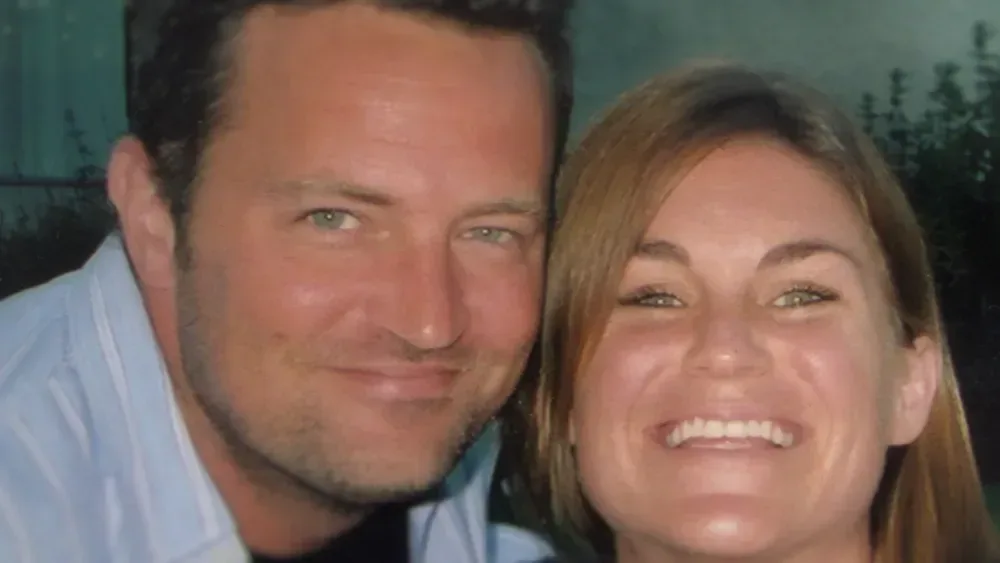
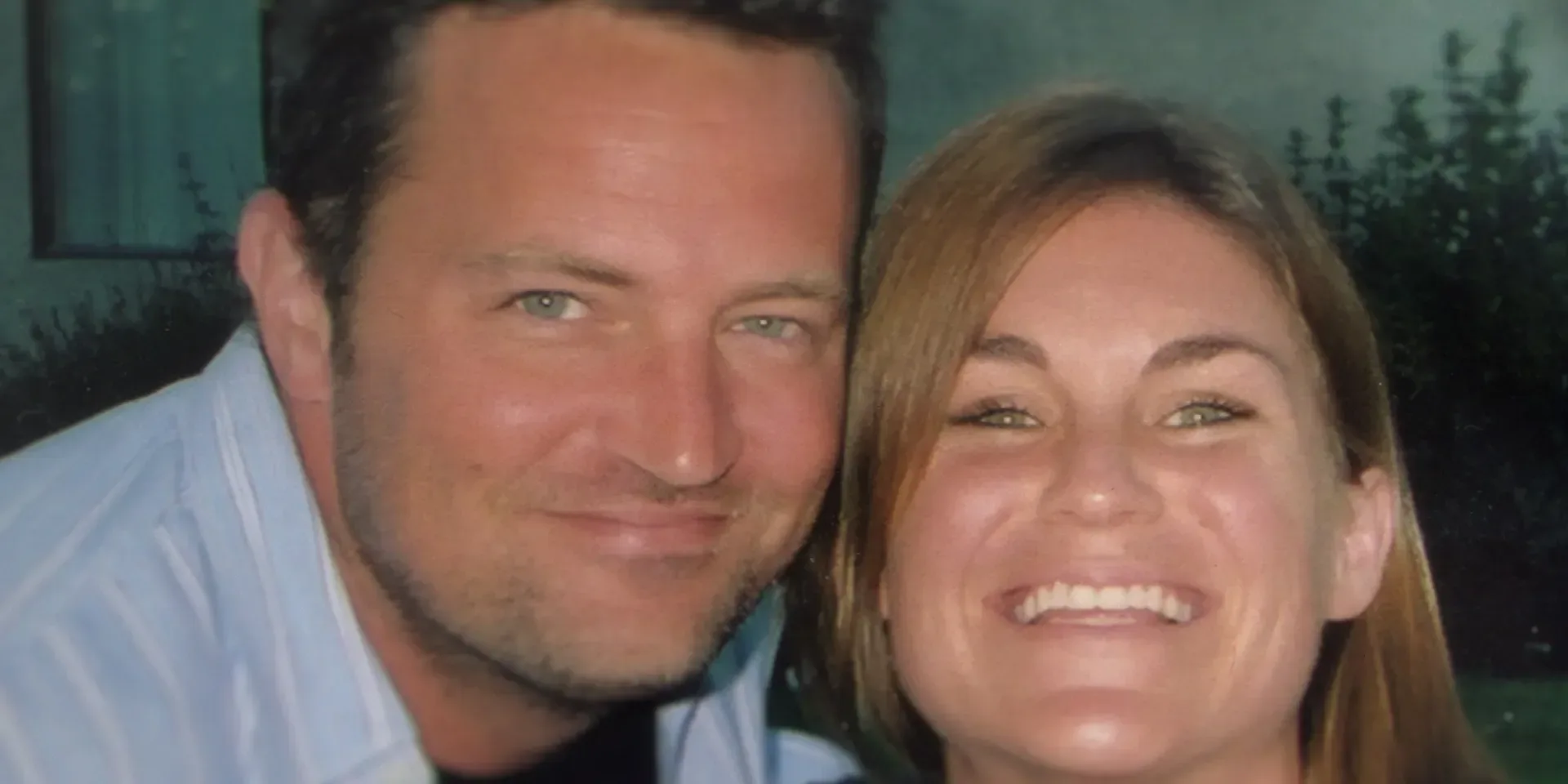
That perspective is most clearly carried by Perry’s half-sister, Mia Perry Bowick. She and Perry shared their father, actor John Bennett Perry, and her interviews form the emotional center of the series. Bowick discusses her brother’s repeated periods in rehabilitation, being at his bedside after his near-fatal 2018 colon rupture, and the private grief that exists behind a public figure’s story.
Mia Perry Bowick supplies the point of view the memoir could not
Robertson has said that Bowick’s interviews were unusually open, with their first session extending across two days. That candor matters because the series is not treating her as a peripheral relative offering a few affectionate memories. It positions her as a witness to the long, complicated reality of addiction inside a family.
Bowick’s contributions also carry details of Perry’s working life that illustrate the collision of celebrity obligations and medical crisis. She recounts that he was brought directly from rehab to the set to film Monica and Chandler’s wedding in Friends Season 7. The point is not merely trivia for fans of the show. It underscores the tension at the heart of Perry’s public image: audiences saw Chandler Bing in a major romantic-comedy storyline, while recovery and relapse were shaping the life of the actor playing him.
The series also includes Bowick’s memory of Perry’s funeral, where his Friends co-stars arrived together, held hands and said goodbye at his open casket. The co-stars did not participate in new interviews, despite being contacted by the filmmakers, but archival behind-the-scenes footage and press interviews mean their connection to Perry remains part of the documentary’s texture. That choice leaves a clear boundary around their privacy while acknowledging that the ensemble was inseparable from how the public understood him.
Why the series avoids turning Perry’s memoir into narration
Perry’s memoir appears only through its opening page, which begins by introducing “Matthew” and declares that he should be dead. Robertson deliberately did not build the documentary around passages from the book or Perry’s audiobook voice. Her reasoning is straightforward: the film aims to complement, rather than duplicate, what Perry had already put in his own words.
This is a useful example of documentary point of view. Point of view does not just mean an opinion; it is the position from which a story is experienced and organized. Perry’s memoir offers his own recollections. Bowick, friends Roger Castillo and David Pressman, and former NBC entertainment president Warren Littlefield offer accounts from beside him—accounts that can describe both affection for Perry and the limits of what they could know during periods dominated by addiction.
That limitation is not treated as a flaw to solve with speculation. It is part of the subject. Loved ones may have seen the effects of addiction and tried to help, yet not have been inside every transaction, appointment or private moment. The documentary’s use of law-enforcement voices in its final stretch follows that divide in knowledge.
Long-form archival footage gives Perry room to speak
Although the series does not rely on the memoir as an audio guide, Perry is not absent from his own story. A key archival element is raw footage from a 2009 interview with actor and friend Kevin Pollak for Kevin Pollak’s Chat Show. Pollak made the material available to the production.
The footage matters because it is long-form and conversational rather than a brief promotional clip. Robertson identifies the rapport between two friends—and their shared desire to make each other laugh—as what makes it different from a conventional late-night appearance. In practical storytelling terms, it lets Perry appear as more than a sequence of finished punchlines, red-carpet images or retrospective commentary. Viewers can hear him reflect on his career at a point five years after Friends ended.
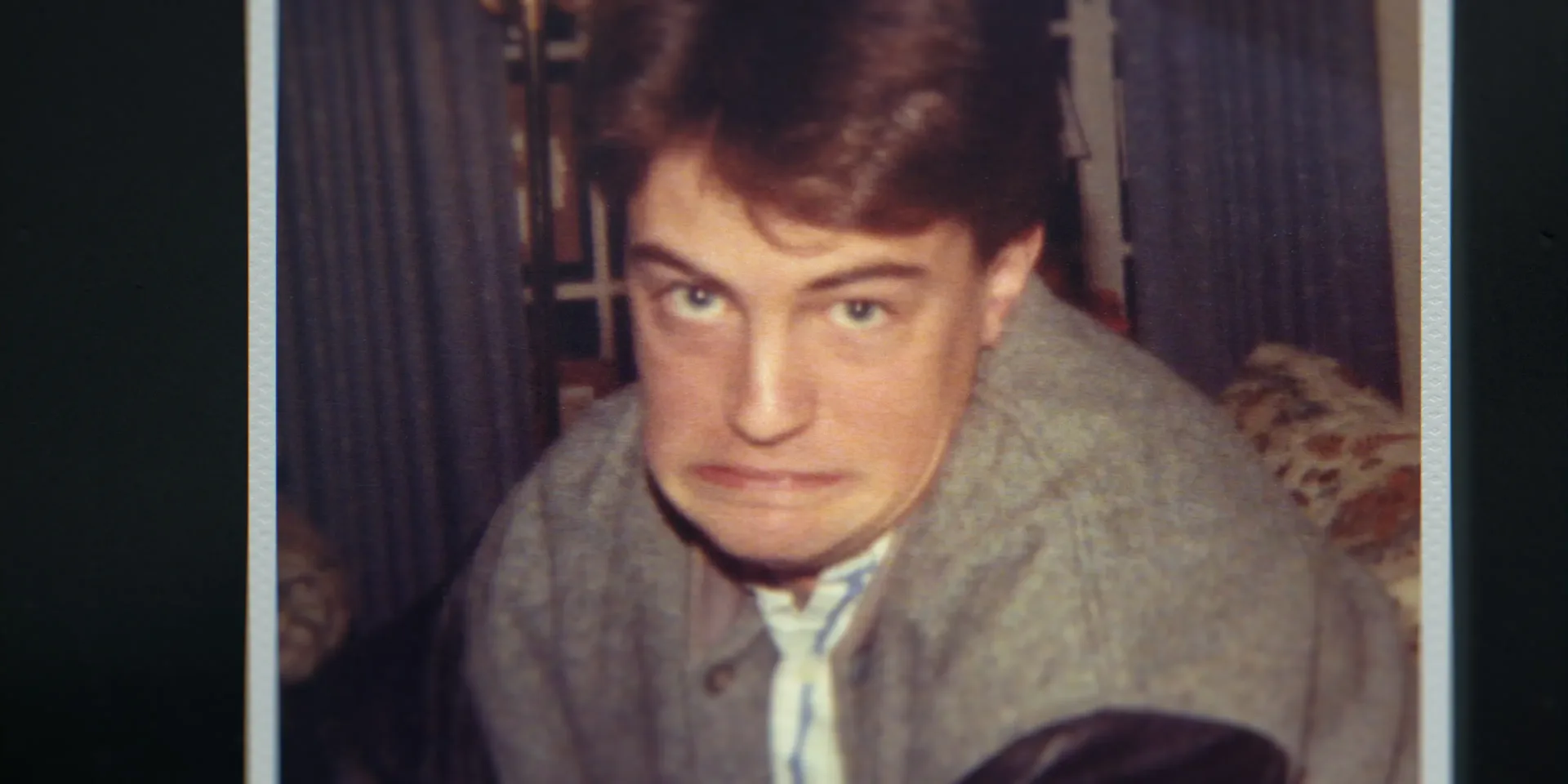
Archival footage is often used in celebrity documentaries as visual proof of fame. Here, its stated role is more personal: it preserves Perry’s own voice while the broader narrative makes room for people who knew him away from the audience.
The final chapter separates grief from the criminal case
The docuseries eventually moves to Perry’s death in 2023 from the acute effects of ketamine. That part of the story has generated confusion, including early conflicting descriptions of what happened. Robertson says the production sought to lay out Perry’s final hours, the investigation, indictments and sentencing accurately, rather than make an investigative documentary as its primary form.
Five people involved in supplying Perry with cumulatively lethal doses of ketamine were convicted. The series draws on law enforcement to explain the criminal side because people close to Perry were not necessarily present for the conduct that investigators ultimately identified as criminal. Some interviewees knew Kenny, Perry’s assistant, who was indicted, but did not witness the transactions or the night Perry died.
That division is a crucial ethical and narrative line. The documentary can address a criminal case without falsely asking relatives and friends to provide certainty they do not possess. It also prevents a familiar true-crime reflex: treating a death chiefly as a puzzle for the viewer to solve. Robertson’s comments suggest a different priority—clarity about the documented record while retaining the human cost for those left behind.
Celebrity is part of the story, not an explanation for everything
Robertson’s previous work has examined celebrity, mental health, power and criminality. In discussing this series, she describes celebrities as reflections of public ideals and constraints: figures who can shape what audiences see as aspirational, acceptable or familiar. That framework fits Perry especially well. He played one of television’s most recognizable comic characters, and that closeness can cause viewers to mistake a performed familiarity for knowledge of a person.
The One About Matthew Perry pushes back on that shortcut. It recognizes that Chandler Bing’s cultural footprint is essential context, but it does not present it as an explanation for Perry’s illness or death. Instead, fame is one of the pressures surrounding the story—alongside family bonds, recovery efforts, work, medical emergencies and the criminal conduct connected to his final days.
The result is a reminder that public affection does not equal access, and that surviving relatives do not owe audiences every private detail. For viewers approaching the series because of Friends, the most meaningful shift may be from remembering a beloved character to listening to the people who knew Matthew Perry as a brother and friend.
Netflix has become a frequent focal point for entertainment speculation as well as documentary releases. For a separate look at how viewers can distinguish platform branding from actual game-release evidence, see what the Netflix extended look does—and does not—mean for GTA VI.